

P0401 on 2012-2017 Toyota Camry 2.5L: EGR Insufficient Flow Causes and Fixes
On the standard 2012-2017 Camry with the 2.5L (2AR-FE) engine, P0401 is almost never a bad EGR valve because it doesn't have one. The code is usually caused by carbon buildup in the intake manifold or cylinder head passages. A thorough cleaning of these passages is the most common fix. Faulty VVT solenoids are the next most likely cause.
- First, confirm you have the standard 2.5L (2AR-FE) engine. If you have a Hybrid, this guide is not for you.
- Do NOT look for or buy an EGR valve for the 2AR-FE engine; it does not have one.
- The most probable cause of P0401 on this engine is carbon buildup in the intake and cylinder head passages.
- A faulty VVT oil control solenoid is the second most likely cause.
- The fix usually involves cleaning passages, not just replacing a single part.
What's Unique About the 2012-2017 Toyota Camry
This is a critical point: The standard gasoline 2.5L 2AR-FE engine in this Camry does NOT have a traditional, external EGR valve. Instead, it uses the Dual Variable Valve Timing (VVT-i) system to create valve overlap, which draws exhaust gases back into the cylinder internally. This means the common advice to clean or replace an EGR valve is incorrect for this specific vehicle. The hybrid version of the Camry (with the 2AR-FXE engine) DOES have an external EGR system, which is a frequent source of confusion.
Symptoms You May Notice
- Check Engine Light is on
- Possible light engine pinging or knocking, especially under load.
- Slight decrease in fuel economy (often not noticeable)
- Failure to pass an emissions inspection
- Replacing a non-existent EGR valve. Many mechanics or DIYers, seeing a P0401, will assume the vehicle has a standard EGR valve and waste time and money trying to locate or order one. The hybrid model has one, but the standard 2AR-FE does not.
Most Likely Causes
- Clogged EGR Passages in Cylinder Head/Intake Manifold 🔴 High Probability → Shop Engine Intake Manifold Because this engine relies on small, cast passages for its internal EGR, they are susceptible to clogging with carbon deposits over many miles, especially with short-trip driving. This is a widely documented failure mode for this engine design.
How to confirm: This is difficult to confirm without disassembly. After ruling out other causes, the next step is to remove the intake manifold to visually inspect the ports for heavy carbon buildup. The passages can be completely blocked.
Typical fix: The intake manifold and throttle body must be removed to access and thoroughly clean the carbon from the EGR ports in the manifold and on the mating surface of the cylinder head. This is often done with brushes, picks, and chemical cleaners (like carburetor or intake cleaner). Compressed air is useful for verifying the passages are clear after cleaning.
Est. part cost: $10-$30 for cleaners and gaskets - Faulty VVT Oil Control Valve (OCV) / VVT Solenoid 🟡 Medium Probability These solenoids control the flow of oil to the VVT phasers. If one is sticking or slow to respond due to sludge or failure, it cannot adjust the cam timing correctly to create the EGR effect. Sludge buildup from extended oil change intervals can contribute to failure.
How to confirm: Test the resistance of the solenoids (there are two, one for intake and one for exhaust) and check if they actuate when 12V is applied. A scan tool can also command them to operate while monitoring engine response; a healthy solenoid should cause the engine RPM to change or stumble.
Typical fix: Replace the faulty Oil Control Valve. It's recommended to use OEM (Denso) parts and to change the engine oil at the same time. There is one for the intake camshaft and one for the exhaust camshaft.
Est. part cost: $50-$120 per solenoid - Faulty Manifold Absolute Pressure (MAP) Sensor ⚪ Low Probability → Shop Manifold Absolute Pressure Sensor
How to confirm: Use a scan tool to monitor the MAP sensor reading at idle and with the engine off (key on). The reading should be stable and change predictably with throttle input. Compare its reading to the barometric pressure reading; they should be nearly identical with the engine off. An incorrect reading can lead the ECU to misinterpret the EGR flow.
Typical fix: Replace the MAP sensor. It is typically a simple, one-bolt installation on the intake manifold.
Est. part cost: $40-$120
Rare But Worth Checking
- Large Vacuum Leak: A significant leak from a cracked hose or bad intake gasket can skew MAP sensor readings, potentially tricking the ECU into setting a P0401 code. A smoke test is the best way to find a vacuum leak.
- Sticking VVT Cam Phasers: In rare cases, especially if oil changes have been neglected, the mechanical cam phaser itself can stick, preventing proper timing adjustments. This may be accompanied by a rattling noise on cold starts. Toyota issued TSB T-SB-0041-13 for a similar issue on early 2AR engines. This is a much more involved and expensive repair.
Diagnosis Steps
- Confirm the code with an OBD-II scanner.
- CRITICAL: Verify you are working on the 2AR-FE (standard gas) engine, not the 2AR-FXE (hybrid) engine. If it's the standard engine, proceed knowing there is no external EGR valve.
- Inspect the air intake system for any obvious vacuum leaks between the throttle body and the cylinder head.
- Using a scan tool, monitor MAP sensor voltage with the key on, engine off. It should be steady and read close to 4.5-5.0V (matching barometric pressure). Start the engine and observe the reading at idle; it should drop to 1.0-2.0V. If it doesn't change or is out of range, the sensor may be faulty.
- Test the VVT Oil Control Valves (solenoids). Check their resistance (typically around 6.9 - 7.9 Ω) and command them on/off with a scan tool to see if the engine RPM changes or stumbles.
- If sensors and solenoids test good, the most likely cause is internal carbon blockage. Proceed with removing the intake manifold to inspect and clean the EGR passages. Be prepared to use brushes, picks, and solvents to clear the ports thoroughly.
Parts You'll Likely Need
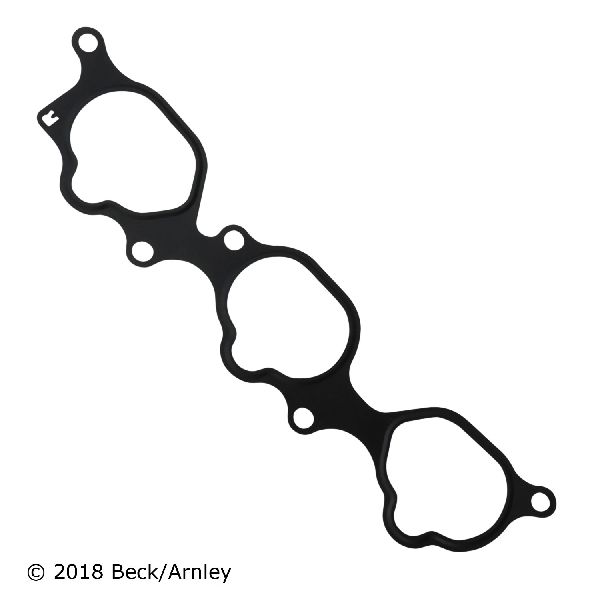
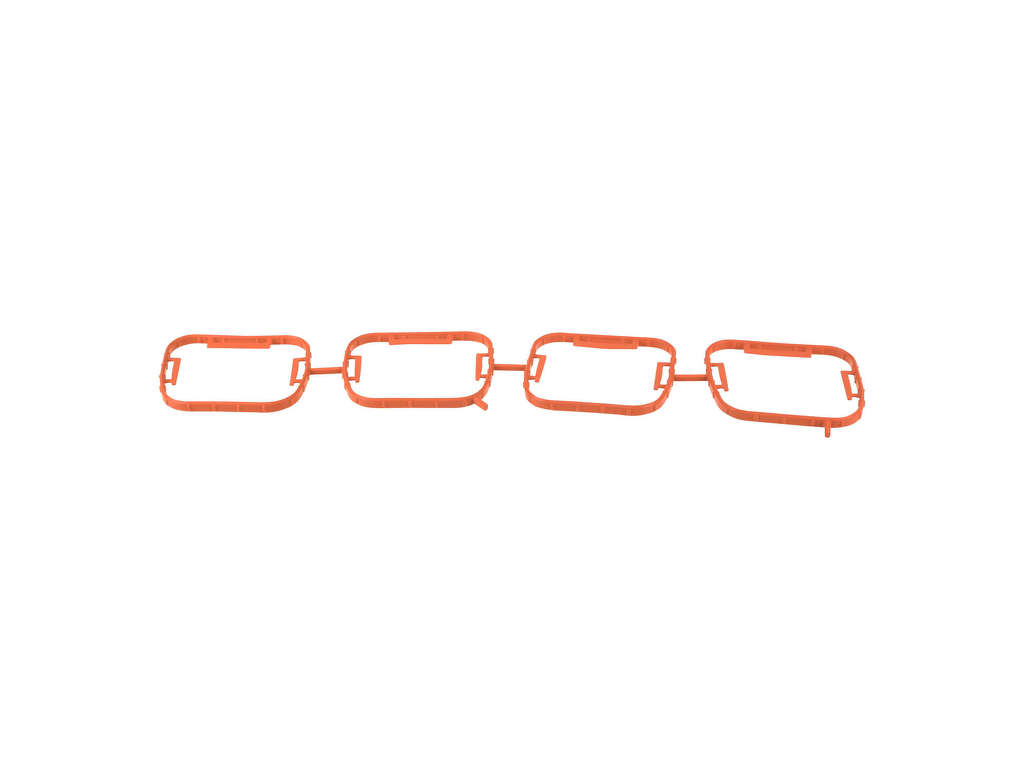
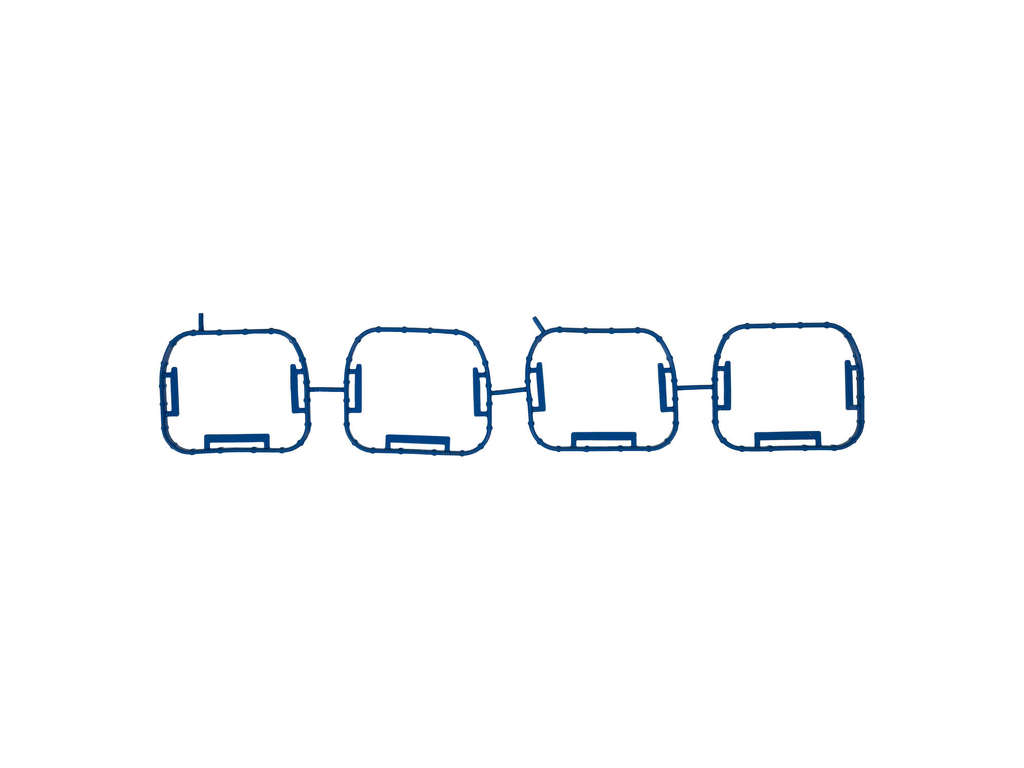
- Intake Manifold Gasket
(OEM #17177-0H020)— Required when removing the intake manifold to clean the carbon-clogged EGR passages.
Trusted brands: Toyota (OEM), Mahle, Fel-Pro
OEM price range: $15-$25
Aftermarket price range: $10-$20 - VVT Oil Control Valve / Solenoid (Intake)
(OEM #15330-0T010 (or 15330-37010))— A common failure point that prevents the VVT system from creating the internal EGR effect, leading to a P0401 code. This is for the intake side.
Trusted brands: Denso (OEM), Dorman
OEM price range: $80-$120
Aftermarket price range: $40-$80 - VVT Oil Control Valve / Solenoid (Exhaust)
(OEM #15340-0T010 (or 15340-37010))— A common failure point that prevents the VVT system from creating the internal EGR effect. This is for the exhaust side. While less common to fail than the intake side for this code, it can still be a cause.
Trusted brands: Denso (OEM), Dorman
OEM price range: $80-$120
Aftermarket price range: $40-$80
Technical Service Bulletins (TSBs) & Recalls
- T-SB-0041-13: Addresses a brief knock or rattle at cold startup in the 2012 Camry 2AR-FE engine, caused by a problem with the Camshaft Timing Gear Assembly (VVT Phaser). While not directly for P0401, it's relevant as a severe VVT system fault could potentially trigger flow codes.
- Bulletin #ZF3_Toyota POL16: While issued for the Prius Plug-In Hybrid, this manufacturer bulletin notes that a sticking Exhaust Gas Recirculation (EGR) Valve may illuminate the check engine light and set DTC P0401.
- Bulletin #ZF3_Warranty Pol: This manufacturer service bulletin identifies a sticking EGR valve as a cause for P0401 and notes that if the condition is verified, the vehicle should be repaired according to the applicable TSB.
Mechanic-Grade Diagnostic Values
- MAP Sensor Voltage (Key On, Engine Off) — expected: ~4.5 - 5.0 Volts. Failure: Voltage significantly lower than 4.5V, indicating a sensor that isn't reading atmospheric pressure correctly.
- MAP Sensor Voltage (Engine Idling, Warmed Up) — expected: ~1.0 - 2.0 Volts. Failure: Voltage remains high (near KOEO reading) or does not respond to throttle changes, indicating a faulty sensor or a massive vacuum leak.
- VVT Oil Control Valve (Solenoid) Resistance — expected: 6.9 - 7.9 Ω (at 68°F / 20°C). Failure: Open circuit (infinite resistance) or resistance far outside the specified range.
Hidden / Shadow Codes Worth Checking
- Mode $06, Test ID (TID) for EGR Monitor: While not a 'shadow code,' Mode $06 data allows a technician to view the raw results of the ECM's self-tests for the EGR (VVT overlap) function. It can show if the system is borderline failing before the P0401 code is set after two consecutive drive cycles. (see via A professional-grade OBD-II scan tool with Mode $06 capability is required. The specific TID and Component ID (CID) must be looked up for the specific vehicle calibration.)
Scan Tool Commands That Help
- Toyota Techstream or equivalent professional scan tool: Active Test: 'Control the VVT System (Bank 1)' or 'Control the VVT Linear (Intake/Exhaust)' — This command allows the technician to manually actuate the intake and exhaust VVT solenoids independently. When activated at idle, a functioning VVT system (solenoid and phaser) will cause a noticeable change in engine RPM or make the engine stumble/run rough. If commanding the solenoid produces no change, it points to a faulty solenoid, clogged oil passage, or stuck phaser.
Wiring & Ground Locations
- ECM (Engine Control Module) — Located in the engine compartment, on the left (driver's) side.. The ECM controls the VVT solenoids and interprets the MAP sensor signal. A poor connection or corrosion at the ECM connectors could disrupt these functions.
- Engine Harness Grounds — Typically found on the cylinder head or valve cover, bolting the harness directly to the engine. A key ground point is often located on the cylinder head near the VVT solenoids.. A corroded or loose engine ground can cause erratic behavior from sensors and actuators, including the VVT solenoids and MAP sensor, leading to false codes.
- Chassis Ground Points — Key chassis grounds are located in the engine bay, often near the strut towers or on the fender aprons, where the main engine ground strap connects.. The engine's ground potential must be the same as the chassis and battery ground. A poor engine-to-chassis ground strap can cause a host of electrical issues.
Real Owner Repair Stories
- Synthesized from multiple accounts on Toyota Nation forums and YouTube (2013 Toyota Camry SE 2.5L, ~125,000 miles) — Check Engine Light on with code P0401. No other noticeable symptoms, car ran perfectly fine.
❌ Tried (didn't work) Replacing both VVT solenoids (intake and exhaust)., Replacing the MAP sensor., Clearing the code, which would return within two drive cycles.
✅ What actually fixed it The owner removed the intake manifold and found the small EGR port/passage on the cylinder head mating surface was almost completely blocked with hard carbon deposits. Using a small pick, brushes, and brake cleaner, the port was thoroughly cleaned out until air could pass through freely. A new intake manifold gasket was installed, and the code did not return after reassembly. - An owner reported in NHTSA ODI #10716777 that their vehicle was unable to pass emissions due to P0401; despite their mechanic doing "everything under code P0401," they were unable to figure out the problem.
- NHTSA ODI #11119570 describes a vehicle experiencing several P0401 codes and mentions a warranty enhancement for the issue limited to 150,000 miles.
- In NHTSA ODI #10948013, an owner noted a sticking EGR valve caused the check engine light and DTC P0401 to set, requiring repair in accordance with a technical service bulletin.
"I Checked Everything" — The Actual Cause
- This pattern is generally not applicable to P0401 on the 2AR-FE engine. A smoke test checks for external vacuum leaks, but this code is caused by a lack of *internal* flow of recirculated exhaust gas. A vehicle with this issue will almost always pass a smoke test, as the intake system is sealed. The actual cause is the internal carbon blockage of the EGR passages, which a smoke test cannot detect.
OEM Part Supersession History
15330-37010→15330-0T010— Part number consolidation and potential internal design improvements by the manufacturer.
Heads up: The part numbers appear to be interchangeable, with 15330-0T010 being the more current revision. When ordering, it is best to use the vehicle's VIN to get the exact part specified by the catalog, but if one supersedes the other, it is considered the correct replacement.
Model Year Variations Within This Range
- 2015-2017: The Toyota Camry received a major facelift for the 2015 model year, with revised exterior styling, an updated interior, and retuned suspension. However, the standard 2.5L 2AR-FE engine and its VVT-i system, which is the source of the P0401 code, were carried over from the 2012-2014 models without significant changes. Therefore, the causes, diagnosis, and repair for P0401 are identical across the entire 2012-2017 range.
Diagnostic Flowchart
Other Known Issues on This Vehicle
Issues unrelated to this code that are worth knowing about as an owner of this generation:
- Torque Converter Shudder 🟠 Medium — Common on 2012-2014 models, typically appearing between 80,000-120,000 miles. Feels like driving over rumble strips under light acceleration between 25-50 mph. (Ref: TSB T-SB-0312-17 (supersedes T-SB-0034-14) and Warranty Enhancement Program ZE5 were issued. The fix involves a software update and/or torque converter replacement.)
- Excessive Oil Consumption 🟠 Medium — More prevalent on earlier 2AR-FE engines (pre-2013) but can affect all years, especially if 10,000-mile oil change intervals are followed with short-trip driving. Caused by low-tension piston rings getting stuck. (Ref: No specific TSB for the 2AR-FE, but the issue is a known successor to the 2AZ-FE oil consumption problem. The fix is often a short block replacement.)
- VVT Cam Gear Rattle on Cold Start 🟡 Low — A brief rattle or knocking sound for a few seconds on a cold start. More of an annoyance than a critical failure, but indicates wear in the VVT phaser. (Ref: TSB T-SB-0041-13 was issued for 2012 models, recommending replacement of the camshaft timing gear assembly.)
- Sticky / Melting Dashboard 🟡 Low — This issue primarily affected the prior generation (2007-2011), but some early XV50 models can still exhibit it in very hot climates. The dash surface becomes sticky, shiny, and easily damaged. (Ref: Warranty Enhancement Program ZE6 covered 2007-2011 models, but the program has since expired. It is not officially covered for the 2012-2017 generation.)
Used vs. New Parts: Buying Guide for This Vehicle
When a used part is the smart pick: A used intake manifold from a low-mileage, reputable salvage yard is a very sensible choice. It is a simple plastic component, and its only failure mode for this code is being clogged, which can be visually inspected or cleaned. Used VVT solenoids can be a gamble but may be acceptable if from a very low-mileage donor vehicle.
Donor-vehicle mileage cap: roughly under 80000 miles for the part to have meaningful remaining life.
What to inspect on the donor part:
- For an intake manifold, ask the seller to provide a clear photo of the EGR port on the cylinder head mating surface. It should be free of heavy carbon.
- For a VVT solenoid, inspect the mesh screens for any sludge, debris, or tearing. Avoid any that are not perfectly clean.
- Check the donor vehicle's history if possible to ensure it did not suffer from a major engine failure or sludge problems.
OEM-only on this vehicle (don't cheap out):
- VVT Oil Control Valve / Solenoid: Strongly recommend using OEM (Denso) or a Denso-branded aftermarket part. Cheaper aftermarket solenoids are a very common source of repeat failures and drivability issues.
- MAP Sensor: OEM (Denso) is highly recommended to ensure accurate voltage readings that match the ECM's expected calibration.
Aftermarket brands forum-validated for this vehicle:
- Denso (for VVT solenoids and MAP sensor, as they are the Original Equipment Manufacturer)
Brands owners have reported issues with on this vehicle:
- No-name, unbranded VVT solenoids from online marketplaces are frequently reported on forums to fail quickly or be dead-on-arrival.
Real Owner Stories
Aggregated from forums and TSBs cited above. Mileages and costs reflect what owners reported in those sources.
2012 Toyota Camry LE 2AR-FE 2.5L
Symptoms: Rough idling and persistent check-engine light codes P0401 (Insufficient EGR Flow).
What fixed it: Replaced the EGR valve with an OEM equivalent part (25860-74050) after multiple aftermarket valves failed due to carbon buildup warping the internal diaphragm.
Source hint: Unknown Blog/Forum
2012-2017 Toyota Camry 2AR-FE 2.5L
Symptoms: P0401 code triggered by internal carbon blockage in the engine's cast passages.
What fixed it: Thorough cleaning of the intake manifold and cylinder head ports using brushes, picks, and chemical cleaners.
Source hint: Toyota Nation & various YouTube repair channels
Related OBD-II Codes
Frequently Asked Questions
Where is the EGR valve located on my 2012-2017 Camry 2.5L gas engine?
Does TSB T-SB-0041-13 explain why I have a P0401 code?
Can I fix the P0401 code on my Camry with just a bottle of cleaner?
Why is my Camry pinging or knocking under load along with the Check Engine Light?
Is there a specific part I should use if my VVT Oil Control Valve is faulty?
How can I tell if my P0401 is caused by the MAP sensor instead of carbon buildup?
We Have This Part in Stock


The information in this article is provided for general reference and educational purposes only. Vehicle specifications, procedures, and part compatibility can vary by production date, trim level, and region. Always consult your vehicle's factory service manual and verify part numbers before purchasing or performing repairs. Safety-critical components such as airbags, seat belts, and braking systems should be installed by a qualified professional.
- Toyota Camry:
- 🧭 Diagnostic Flowchart
- 🛍️ Shop This Part
- What's Unique About the 2012-2017 Toyota Camry
- Symptoms You May Notice
- Most Likely Causes
- Rare But Worth Checking
- Diagnosis Steps
- Parts You'll Likely Need
- Technical Service Bulletins (TSBs) & Recalls
- Mechanic-Grade Diagnostic Values
- Hidden / Shadow Codes Worth Checking
- Scan Tool Commands That Help
- Wiring & Ground Locations
- Real Owner Repair Stories
- "I Checked Everything" — The Actual Cause
- OEM Part Supersession History
- Model Year Variations Within This Range
- Other Known Issues on This Vehicle
- Used vs. New Parts: Buying Guide for This Vehicle
- Real Owner Stories
- 2012 Toyota Camry LE 2AR-FE 2.5L
- 2012-2017 Toyota Camry 2AR-FE 2.5L
- Related OBD-II Codes
- Frequently Asked Questions
- 🎟️ Get 5% Off