

P0404 on 1998-2001 Subaru Impreza 2.2L: EGR Circuit Range/Performance Causes and Fixes
For a 1998-2001 Subaru Impreza 2.2L, code P0404 is most often caused by a carbon-clogged EGR valve or its passages. The ECM detects that the valve's actual position does not match the commanded position. Cleaning the valve and associated metal tubes is a common first step, but replacement of the EGR valve assembly (which includes the integrated position sensor) is frequently required to resolve the issue.
- P0404 on this Impreza is most likely due to carbon buildup.
- Before replacing any parts, remove and thoroughly clean the EGR valve and all associated passages, especially the small metal backpressure tube.
- If cleaning doesn't work, the EGR valve assembly itself has likely failed and needs to be replaced.
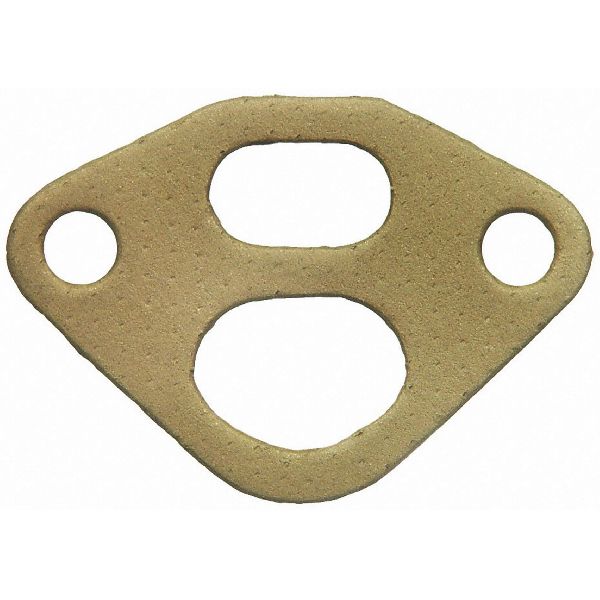
- Always use a new gasket when reinstalling the EGR valve.
- A rough idle or stalling at startup is a classic symptom of a sticking EGR valve on this car.
What's Unique About the 1998-2001 Subaru Impreza
On the 2.2L EJ22 engine in this generation of Impreza, the EGR system is known for being prone to heavy carbon buildup. A very common failure point is not just the valve itself, but the small metal tube that provides exhaust backpressure to the system's transducer, which can become completely clogged with hard carbon deposits. While the code points to a circuit performance issue, the root cause is very frequently a mechanical blockage from carbon, leading to the valve's slow, incomplete, or stuck movement, which the sensor then reports to the ECU.
Symptoms You May Notice
- Check Engine Light illuminated.
- Rough or unstable idle, sometimes stalling, especially when the engine is warm or at a stop.
- Hesitation or stumbling during acceleration.
- Audible engine pinging or knocking, particularly under load or acceleration, due to higher combustion temperatures.
- Reduced fuel economy.
- Failure to pass an emissions test.
- A smell of fuel or sulfur from the coolant overflow tank can sometimes accompany EGR issues, though it's more commonly a sign of head gasket problems.
- Replacing spark plugs and wires for a rough idle without checking EGR system first.
- Replacing the MAP sensor when the issue is a clogged EGR passage affecting manifold pressure readings.
- Assuming the EGR valve is bad and replacing it, when the actual problem is a completely clogged backpressure tube or manifold port, which prevents the new valve from functioning correctly.
Most Likely Causes
- Clogged or Sticking EGR Valve 🔴 High Probability → Shop Exhaust Gas Recirculation (EGR) Valve The design of the PCV and EGR systems on this engine can lead to oil and carbon deposits building up in the EGR valve over time, causing the pintle to stick.
How to confirm: Remove the EGR valve and visually inspect the pintle and passages for heavy carbon buildup. Manually try to move the valve's pintle; it should move smoothly and not stick. Soaking the valve in carburetor cleaner or a similar solvent for several hours may be necessary to free it up.
Typical fix: Thoroughly clean the EGR valve with carburetor cleaner and a small brush. If it's excessively worn, corroded, or still sticks after cleaning, it must be replaced. Replacement is often a more permanent solution than cleaning.
Est. part cost: $0 (for cleaning) - $170 - Clogged EGR Passages/Tube 🔴 High Probability A small steel tube that provides backpressure for the EGR system is notorious for becoming completely blocked with hard carbon deposits on this platform. This is a very frequent root cause for EGR codes on 1990s Subarus.
How to confirm: Remove the EGR backpressure transducer and inspect the steel tube it connects to. Use a piece of wire or a small drill bit to check if the passage is clear. It is often completely blocked and will require mechanical cleaning.
Typical fix: Carefully clean out the carbon from the tube using a wire, pick, or small drill bit. Blow out the debris with compressed air before reassembling. Also clean the port on the intake manifold where the EGR valve mounts.
Est. part cost: $0 - Faulty EGR Valve Position Sensor 🟡 Medium Probability → Shop Exhaust Gas Recirculation (EGR) Valve The electronic position sensor is integrated into the EGR valve assembly. It can fail from heat cycles and age, sending incorrect voltage signals to the ECU even if the valve itself is moving correctly.
How to confirm: Use a scan tool with live data to monitor the 'Commanded EGR Position' vs. 'Actual EGR Position' while actuating the valve. If the valve is known to be clean and moving but the position reading is erratic, doesn't change, or is out of range, the sensor is bad. You can also test the sensor's resistance with a multimeter; it should change smoothly as the valve is manually operated.
Typical fix: The EGR valve, solenoid, and sensor are one assembly on this vehicle. The entire EGR valve assembly must be replaced. The OEM part number is 14710AA530.
Est. part cost: $100-$250 - Damaged Vacuum Lines ⚪ Low Probability The rubber vacuum hoses that control the EGR system become brittle, cracked, and loose over 20+ years of heat and age.
How to confirm: Visually inspect all vacuum lines connected to the EGR valve, solenoid, and transducer for cracks, brittleness, or loose connections. A vacuum pump can be used to test the integrity of the lines and the components they control.
Typical fix: Replace any damaged vacuum hoses with the correct diameter hose.
Est. part cost: $5-$20
Rare But Worth Checking
- Wiring Harness Damage: The wiring to the EGR valve can become brittle or damaged from engine heat and vibration, causing an open or short in the circuit. Inspect the connector and wiring harness for any signs of chafing, melting, or corrosion on the pins.
- Faulty Powertrain Control Module (PCM): This is extremely rare. The PCM should only be considered after all other possibilities, including all wiring, sensors, and mechanical components, have been thoroughly tested and ruled out.
Diagnosis Steps
- Read the code and any other pending codes with an OBD-II scanner. Note the freeze-frame data to see engine conditions (RPM, speed, temp) when the code was set.
- Visually inspect the EGR valve, its electrical connector, wiring, and all associated vacuum hoses for obvious damage, cracks, or loose connections.
- Using a capable scan tool, monitor the live data for commanded vs. actual EGR position. Command the valve open and closed to see if the actual position follows. A significant discrepancy points to a stuck valve or bad sensor.
- With the engine off, remove the EGR valve. It is typically held by two 12mm bolts and located on the back of the intake manifold.
- Inspect the valve and its port for heavy carbon buildup. Check if the valve's pintle can be moved by hand. It should be smooth. If stuck, attempt to clean it by soaking in a solvent like WD-40 or carburetor cleaner for several hours.
- CRITICAL FOR THIS CAR: While the valve is off, inspect the EGR passages in the intake manifold and the small metal backpressure tube for carbon blockage. This tube is often the primary culprit. Clean them thoroughly with a pick, wire brush, and carburetor cleaner.
- Reinstall the cleaned or new EGR valve with a new gasket. Torque the bolts to the manufacturer's specification to avoid leaks.
- Clear the trouble codes with the scanner and perform a test drive that includes steady-state cruising to allow the ECU to run the EGR self-test.
- If the code returns, perform electrical tests on the EGR valve connector. Check for the correct reference voltage (usually 5V), a good ground, and continuity on the signal wire back to the PCM.
Parts You'll Likely Need
- EGR Valve
(OEM #14710AA530)— This is the most common failure. The valve gets clogged with carbon and sticks, or the integrated electronic sensor fails. Cleaning is sometimes a temporary fix, but replacement is often necessary for a long-term solution.
Trusted brands: Standard Motor Products (EGV635), Delphi (EG10034), Denso, Subaru (Genuine)
OEM price range: $160-$250
Aftermarket price range: $90-$170 - EGR Valve Gasket
(OEM #14719AA033)— A new gasket is required whenever the EGR valve is removed to prevent exhaust and vacuum leaks. It is inexpensive and critical for a proper seal.
Trusted brands: Fel-Pro, Victor Reinz, Subaru (Genuine)
OEM price range: $5-$15
Aftermarket price range: $2-$10
Related Codes That Often Appear With This One
- P0400 — P0400 indicates a general EGR flow malfunction. A problem causing P0404 (circuit performance/position error) will almost certainly lead to the PCM detecting incorrect flow, triggering P0400 as well.
- P0300-P0304 — Random or specific cylinder misfire codes can occur if the EGR valve is stuck open, introducing exhaust gas at idle and disrupting the air/fuel mixture, leading to a lean condition.
- P0401 — This code means 'EGR Flow Insufficient'. It is often a companion to P0404 if the valve is stuck closed or the passages are blocked, preventing exhaust gas from flowing when commanded.
Platform-Specific Known Issues
- Owner Experience: Cleaning vs. Replacement: Many owners on forums like NASIOC and Subaru Owners Club UK report that cleaning the EGR valve and passages provides only a temporary fix. The code often returns within a few months. Replacing the entire EGR valve assembly is the most commonly reported permanent solution, as this also replaces the failure-prone position sensor.
Mechanic-Grade Diagnostic Values
- EGR Connector - 5V Reference Voltage — expected: ~5.0 Volts. Failure: No voltage or significantly lower voltage indicates a problem with the PCM or the reference circuit wiring.
- EGR Connector - Ground Circuit — expected: Should show good ground (close to 0 ohms to chassis ground, or 12V+ when testing from battery positive).. Failure: High resistance or no continuity to ground indicates a broken ground wire or poor ground connection. A reading of ~7.3V (when testing from battery positive) instead of 10-12V pointed to a wiring issue in one documented case.
- Scan Tool Live Data - 'EGR Error' — expected: Close to 0%. Failure: A persistent non-zero percentage indicates a difference between the target and actual EGR valve position, triggering the P0404 code. A deviation of more than ~15% is often the threshold.
Scan Tool Commands That Help
- Subaru Select Monitor (SSM): Active Test -> EGR Valve Check — This function allows the technician to command the EGR valve to open and close while observing live data for 'Commanded EGR' vs. 'Actual EGR' position. It is the definitive way to test if the valve is physically responding to ECU commands and if the position sensor is reporting correctly, isolating a mechanical jam from an electrical failure.
Wiring & Ground Locations
- ECU/PCM Ground — The ECU for the EJ22 engine grounds through the intake manifold.. A poor ground connection between the intake manifold and the chassis/engine block can cause erratic sensor readings, including the EGR position sensor. This is a known Subaru-specific issue, especially if non-conductive gaskets or spacers (like TGV deletes on other models) are installed, or if the grounding straps are corroded. Ensuring the manifold has a clean, solid ground path to the block and chassis is critical.
- Main Engine Grounds — Key ground points for the EJ22 include: 1) Negative battery terminal to the chassis/fender. 2) A strap from the engine block to the firewall or chassis rail (often below the battery). 3) A ground on the alternator housing.. General electrical issues, including sensor voltage fluctuations that can trigger a P0404, are often caused by corroded or loose main engine grounds. Cleaning these primary ground points is a crucial first step in diagnosing any electrical fault on an older Subaru.
Real Owner Repair Stories
- Ultimate Subaru Message Board user (Subaru with EJ22 engine) — Strange electrical issues, slow starting, gauges bugging out.
✅ What actually fixed it The user identified that checking and cleaning all engine compartment ground points was the necessary starting point to resolve persistent, strange electrical problems. This aligns with the known sensitivity of Subaru ECUs to grounding issues.
Model Year Variations Within This Range
- 1999-2001: The 1999-2001 EJ22 is a 'Phase 2' engine, while earlier years were 'Phase 1'. While the basic design is similar, the intake manifolds between Phase 1 (pre-1999) and Phase 2 (1999+) EJ22s are not interchangeable, which is relevant if sourcing used parts. However, the EGR valve itself (14710AA530) appears to fit across these years for the 2.2L engine.
Diagnostic Flowchart
Other Known Issues on This Vehicle
Issues unrelated to this code that are worth knowing about as an owner of this generation:
- Head Gasket Failure 🔴 High — Very common, typically occurs between 80,000 and 150,000 miles. The EJ22 is less prone than the 2.5L EJ25, but still a known issue.
- Timing Belt Maintenance 🔴 High — This is a required maintenance item. The EJ22 is an interference engine, meaning if the belt snaps (recommended replacement interval is ~105k miles), catastrophic engine damage will occur.
- Rear Wheel Arch Rust 🟠 Medium — Extremely common on this generation (GC/GF/GM), especially in regions that use road salt. Rust often forms in the rear quarter panels around the wheel wells.
- Worn Transmission Snout (Manual Transmission) 🟡 Low — The snout on the transmission case where the throw-out bearing rides can wear down, causing a 'crunchy' clutch pedal and eventual clutch failure. Less common on this model than later WRXs but still documented.
- Oil Separator Plate Leak 🟡 Low — The plate on the back of the engine block, often made of plastic from the factory, can leak oil. An updated steel plate is a common fix during clutch or engine work.
Used vs. New Parts: Buying Guide for This Vehicle
When a used part is the smart pick: A used EGR valve from a junkyard is a risky choice for this vehicle. The primary failure modes are internal carbon clogging and electronic sensor failure due to age and heat cycles. A used part is likely to have similar wear and may fail soon after installation. It only makes sense if the cost is extremely low and you are willing to risk doing the labor twice.
Donor-vehicle mileage cap: roughly under 80000 miles for the part to have meaningful remaining life.
What to inspect on the donor part:
- Look for a donor vehicle with the lowest possible mileage.
- If possible, inspect the EGR passages on the donor engine's intake manifold; if they are heavily caked with carbon, the valve itself is likely in poor condition.
- Avoid parts from engines that show signs of poor maintenance (heavy oil sludge under the oil cap).
- Test the pintle for movement by hand before purchasing; it should not be seized.
OEM-only on this vehicle (don't cheap out):
- While not strictly 'OEM-only', forum consensus strongly suggests that a new OEM (Subaru) or a reputable OE-supplier (like Denso or Delphi) EGR valve is the most reliable long-term fix.
Aftermarket brands forum-validated for this vehicle:
- Delphi
- Standard Motor Products (SMP)
- Denso (if available)
Brands owners have reported issues with on this vehicle:
- Unnamed, no-brand 'white box' parts from online marketplaces are frequently reported to fail prematurely or be dead-on-arrival.
Real Owner Stories
Aggregated from forums and TSBs cited above. Mileages and costs reflect what owners reported in those sources.
1999 Subaru Impreza 2.2L
Symptoms: The P0404 code returned within a few months after cleaning the EGR valve and passages.
What fixed it: Replacing the entire EGR valve assembly was the permanent solution, as it also replaced the failure-prone position sensor.
Source hint: Owner Experience: Cleaning vs. Replacement
1999 Impreza
Symptoms: A user had a P0409 code (related to the EGR circuit) because the valve had seized.
What fixed it: The issue was fixed by replacing the valve. The user noted that the motor inside can burn out when the valve seizes.
Source hint: Subaru Owners Club UK (uk.subaruownersclub.com)
1998 Subaru Impreza 2.2L
Symptoms: Owner was experiencing EGR codes like P0400 and P0404.
What fixed it: A critical step to resolving the codes was thoroughly cleaning the EGR passages, with special attention paid to the small backpressure tube which was blocked with carbon.
Source hint: USMB (ultimatesubaru.org)
Related OBD-II Codes
Frequently Asked Questions
On my Impreza, is it better to just clean the EGR valve or should I replace it?
What is the most common reason for a P0404 code on a 1998-2001 Impreza 2.2L?
What is the OEM part number for the EGR valve on this Impreza?
Can I buy just the EGR position sensor for my car?
Does this EGR problem affect other Subarus from the same time period?
While I'm working on the engine for this P0404 code, are there other major issues I should look out for?
We Have This Part in Stock

The information in this article is provided for general reference and educational purposes only. Vehicle specifications, procedures, and part compatibility can vary by production date, trim level, and region. Always consult your vehicle's factory service manual and verify part numbers before purchasing or performing repairs. Safety-critical components such as airbags, seat belts, and braking systems should be installed by a qualified professional.
- Subaru Impreza:
- 🧭 Diagnostic Flowchart
- 🛍️ Shop This Part
- What's Unique About the 1998-2001 Subaru Impreza
- Symptoms You May Notice
- Most Likely Causes
- Rare But Worth Checking
- Diagnosis Steps
- Parts You'll Likely Need
- Related Codes That Often Appear With This One
- Platform-Specific Known Issues
- Mechanic-Grade Diagnostic Values
- Scan Tool Commands That Help
- Wiring & Ground Locations
- Real Owner Repair Stories
- Model Year Variations Within This Range
- Other Known Issues on This Vehicle
- Used vs. New Parts: Buying Guide for This Vehicle
- Real Owner Stories
- 1999 Subaru Impreza 2.2L
- 1999 Impreza
- 1998 Subaru Impreza 2.2L
- Related OBD-II Codes
- Frequently Asked Questions
- 🎟️ Get 5% Off