

P0420 on 2005-2015 Toyota Tacoma 4.0L V6: Causes, Fixes, and Parts
On a 2005-2015 Tacoma with the 4.0L V6, P0420 is most often caused by a failing Bank 1 (passenger side) catalytic converter, but can also be a bad downstream O2 sensor or an exhaust leak. Always diagnose leaks and sensors before replacing the expensive converter.
- P0420 on your Tacoma means the passenger side catalytic converter is not working efficiently.
- ALWAYS check for exhaust leaks and test the oxygen sensors before considering replacing the catalytic converter.
- A common diagnostic trick is to swap the left and right downstream O2 sensors; if the code changes to P0430, you just need a new sensor.
- If you do need a converter, using a high-quality OEM or CARB-compliant aftermarket part is recommended to prevent the code from returning.
- Do not ignore other engine codes, especially for misfires, as they can destroy a brand new catalytic converter.
What's Unique About the 2005-2015 Toyota Tacoma
On the 2nd Generation Tacoma (2005-2015), the primary catalytic converters are integrated directly into the exhaust manifolds, making replacement more involved than a simple bolt-in underfloor converter. While the P0420 code is common across many vehicles, Tacoma owners frequently report that the issue is often the catalytic converter itself, especially on trucks with over 100,000 miles. However, due to the cost of the converter, community wisdom strongly advises ruling out cheaper and simpler causes like exhaust flange gasket leaks and failing oxygen sensors first.
Generation note: The 2005-2015 model years all fall within the second generation (2nd Gen) of the Toyota Tacoma. The information and parts are generally consistent across this entire range for the 4.0L V6 engine. Early models (2005-2006) had a known head gasket issue that could lead to coolant contamination and subsequent catalyst failure if not addressed.
Symptoms You May Notice
- Check Engine Light is on
- "TRAC OFF" light may also illuminate with the Check Engine Light
- No noticeable change in engine performance or fuel economy in most cases, especially initially
- A faint sulfur or "rotten egg" smell from the exhaust if the converter is severely failing
- Potential for reduced engine power or sluggish acceleration if the converter becomes clogged
- A rattling noise coming from the front exhaust pipe area, as noted in manufacturer service records.
- Immediately replacing the catalytic converter without first checking for exhaust leaks and testing the oxygen sensors. This is the most common and expensive mistake.
- Replacing the upstream Air/Fuel sensor when the downstream oxygen sensor is the actual cause.
- Using a cheap, low-quality aftermarket catalytic converter that cannot meet the efficiency requirements of the Toyota ECM, causing the code to return within a few hundred miles.
- Using a spacer or 'O2 simulator' to trick the sensor. While this may turn off the light, it does not fix the underlying problem and will cause the vehicle to fail an emissions inspection.
Most Likely Causes
- Failing Bank 1 Catalytic Converter 🔴 High Probability → Shop Catalytic Converter Catalytic converters have a finite lifespan and can fail from age, contamination from engine issues (like burning oil or coolant), or physical damage. This is the most common ultimate cause, especially on trucks over 100k-150k miles.
How to confirm: After confirming no exhaust leaks and that O2 sensors are functioning correctly, this is the remaining cause. An infrared thermometer can show if the converter outlet is significantly hotter than the inlet (which is normal operation). If temperatures are similar, it's not working. A definitive, though labor-intensive, check is to unbolt the converter and visually inspect the internal honeycomb structure for damage or clogging.
Typical fix: Replace the Bank 1 (passenger side) exhaust manifold/catalytic converter assembly.
Est. part cost: $450-$1800 - Failing Downstream Oxygen (O2) Sensor 🟡 Medium Probability → Shop Oxygen Sensor Oxygen sensors operate in a harsh environment and degrade over time. A 'lazy' or biased sensor can send incorrect data to the ECM, falsely triggering the P0420 code. It's a common maintenance item and a frequent culprit.
How to confirm: Use a scan tool to graph the voltage of the Bank 1 Sensor 2. It should be a relatively steady, flat line above 0.5V. If it's fluctuating wildly and mirroring the upstream sensor, it's suspect. A definitive test is to swap the downstream sensors between Bank 1 and Bank 2. If the code changes to P0430 (Bank 2), the sensor is faulty.
Typical fix: Replace the Bank 1, Sensor 2 (downstream) oxygen sensor. Denso is the OEM supplier and highly recommended.
Est. part cost: $60-$180 - Exhaust Leak 🟡 Medium Probability Gaskets in the exhaust system, particularly the donut gasket at the flange where the manifold/converter connects to the Y-pipe, are a very common failure point. A leak allows oxygen to enter the exhaust, which fools the downstream O2 sensor into sending readings that mimic a failed converter.
How to confirm: Perform a visual inspection for black soot marks around flanges and welds. A cold start can make leaks more audible (a 'ticking' sound that may go away as the metal heats up). A great DIY method is to use a shop vacuum on its 'blow' setting at the tailpipe to pressurize the system, then spray soapy water on all joints and look for bubbles.
Typical fix: Replace the failed gasket or repair the leaking section of the exhaust.
Est. part cost: $10-$50
Rare But Worth Checking
- Failing Upstream Air/Fuel (A/F) Sensor: A failing upstream sensor (Bank 1, Sensor 1) can create a poor fuel mixture, which can, over time, damage the catalytic converter. This will usually be accompanied by other codes (like P0171/P0174) or poor fuel economy.
- Engine Misfire: An unresolved engine misfire (codes P0300-P0306) dumps unburned fuel into the exhaust, which can rapidly overheat and destroy the catalytic converter. If you have misfire codes, they MUST be fixed before addressing the P0420.
- Failing Engine Coolant Temperature (ECT) Sensor: If the ECT sensor is faulty, the ECM may think the engine is always cold and maintain a rich fuel mixture. This excess fuel can overwhelm the catalytic converter and trigger a P0420 code over time.
Diagnosis Steps
- Read all codes from the ECM. If any other codes are present (especially for misfires P030x, fuel trim P017x, or O2 sensor circuits), address them first.
- Inspect for Exhaust Leaks: With the engine cold, start the vehicle and listen/feel for leaks around the exhaust manifold, flanges, and gaskets on the passenger side. Look for black soot trails. Use the shop-vac/soapy water method for a more thorough check.
- Analyze Live Data: Use a scan tool with live data. Observe the voltage graphs for Bank 1, Sensor 1 (A/F Sensor) and Bank 1, Sensor 2 (O2 Sensor).
- The B1S1 graph should show rapid switching. The B1S2 graph should be relatively flat and steady (typically >0.5V) once the engine is warm. If B1S2 is mirroring B1S1's fluctuations, the condition for the code is confirmed.
- Test the O2 Sensor: The most reliable test is to swap the Bank 1 and Bank 2 downstream O2 sensors. Clear the codes and drive. If P0430 appears, the sensor you moved is bad. If P0420 returns, the problem is on Bank 1 (likely the leak or the converter itself).
- If sensors and leaks are ruled out, the catalytic converter is the most likely culprit. Use an infrared thermometer to check for a significant temperature increase from the inlet to the outlet of the converter. No increase or a small one points to a dead converter.
Parts You'll Likely Need
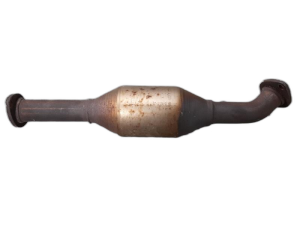
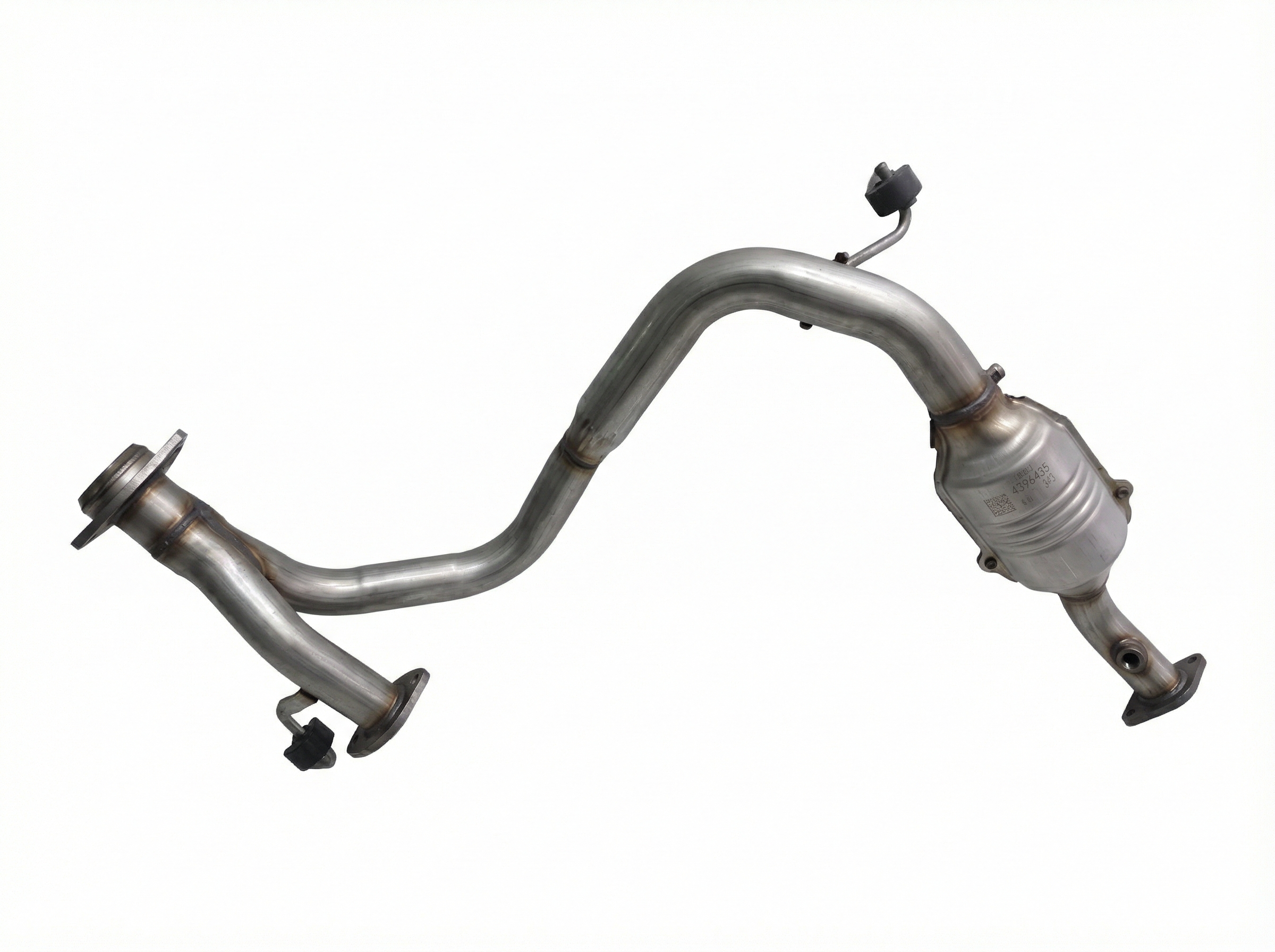
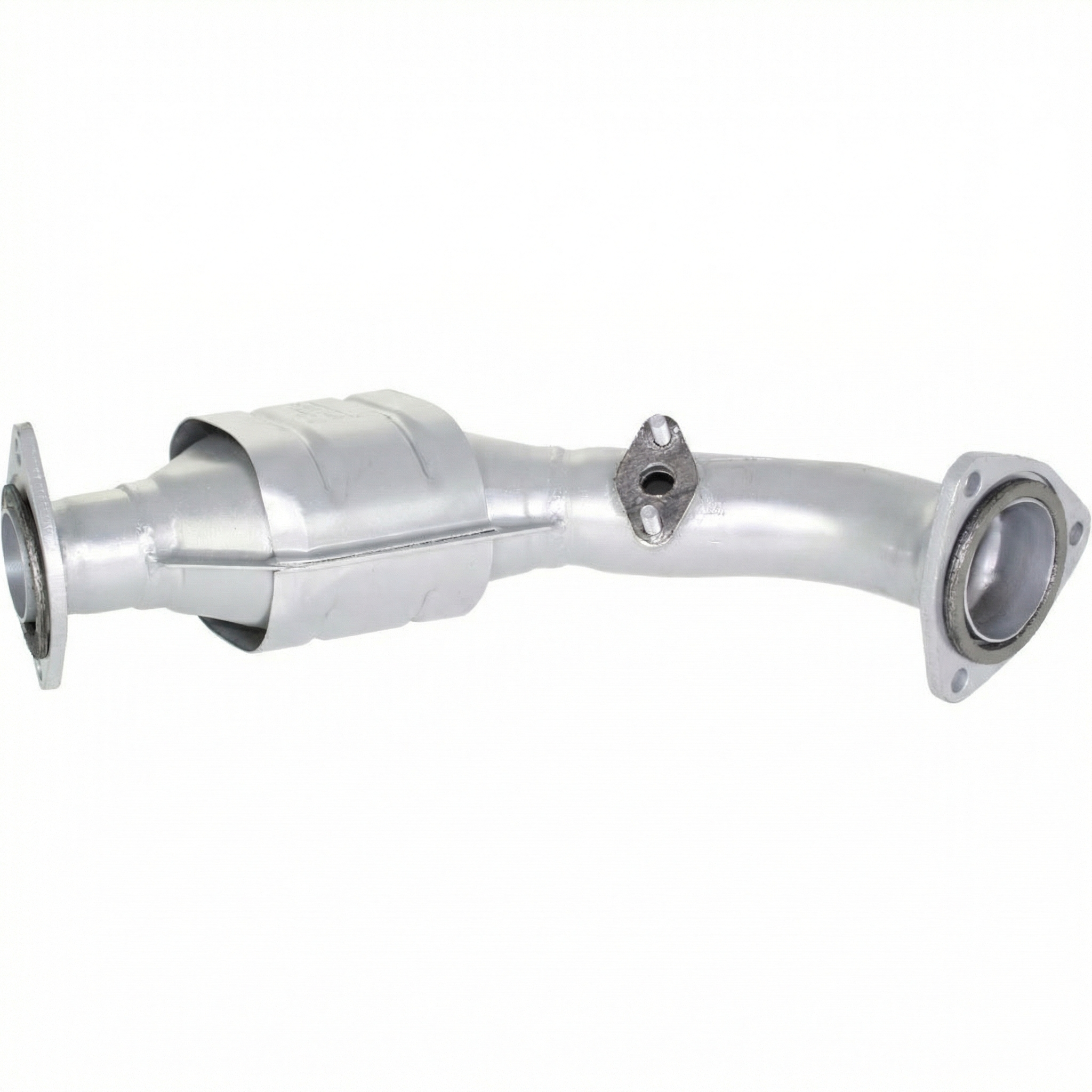
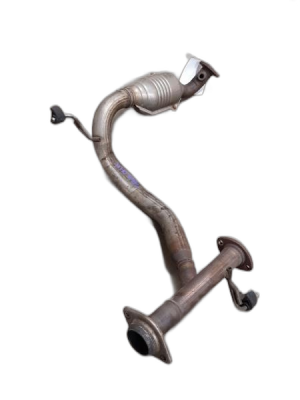
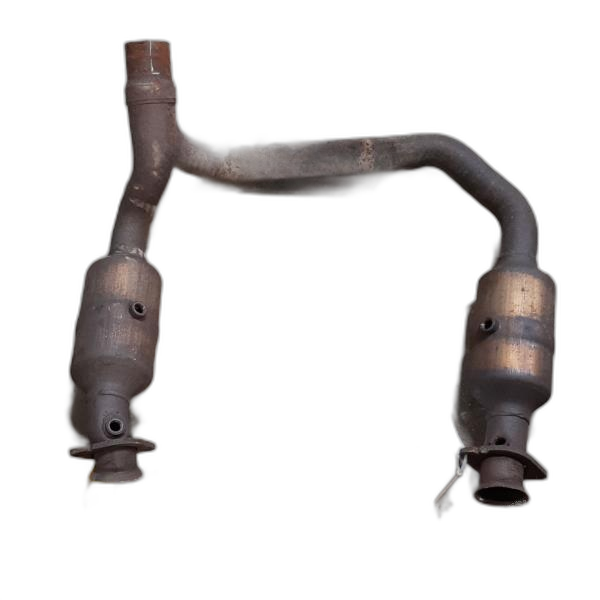
- Bank 1 Catalytic Converter
(OEM #17410-0P080 (Varies by year/2WD/4WD, verify with VIN))— This is the component identified by the code as underperforming. It is often the true cause of the code on higher mileage vehicles after sensors and leaks are ruled out. OEM is highly recommended as many aftermarket units fail to meet Toyota's strict efficiency monitoring.
Trusted brands: Toyota (OEM), MagnaFlow (often recommended on forums), Walker
OEM price range: $1200-$1800
Aftermarket price range: $400-$900 - Downstream Oxygen Sensor (Bank 1, Sensor 2)
(OEM #89465-04360 or 89465-04340 (Varies by year, verify with VIN))— A failing sensor can send inaccurate readings, falsely triggering the P0420 code. It's a common failure point and a critical diagnostic step.
Trusted brands: Denso (OEM supplier), NGK/NTK
OEM price range: $140-$200
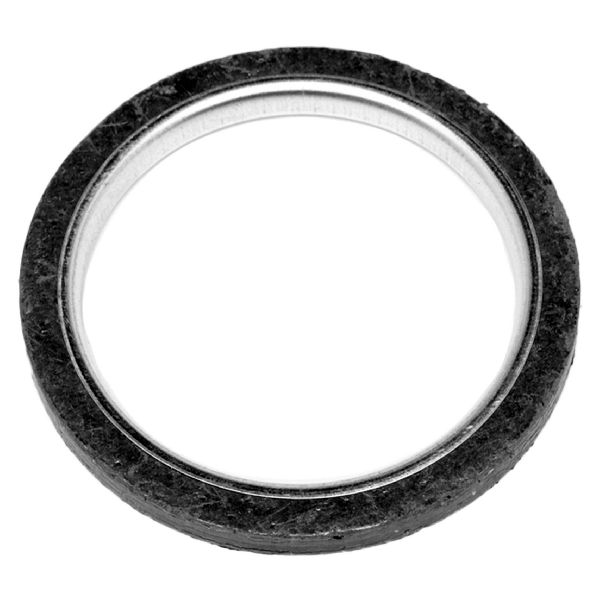
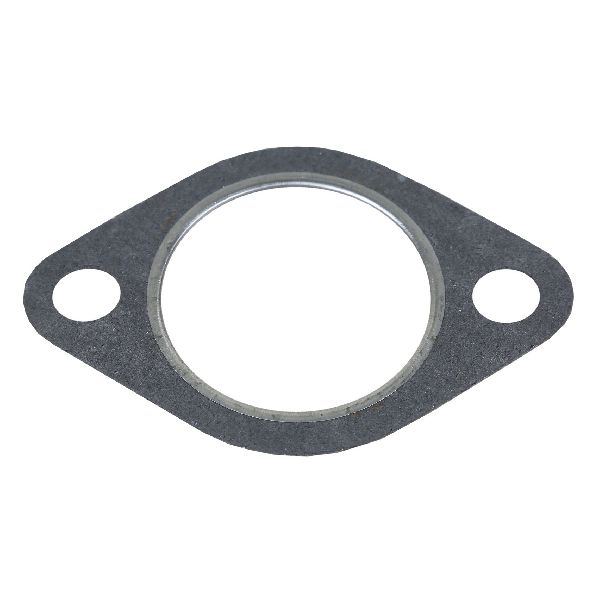
Aftermarket price range: $60-$120 - Exhaust Pipe Gasket (Flange)
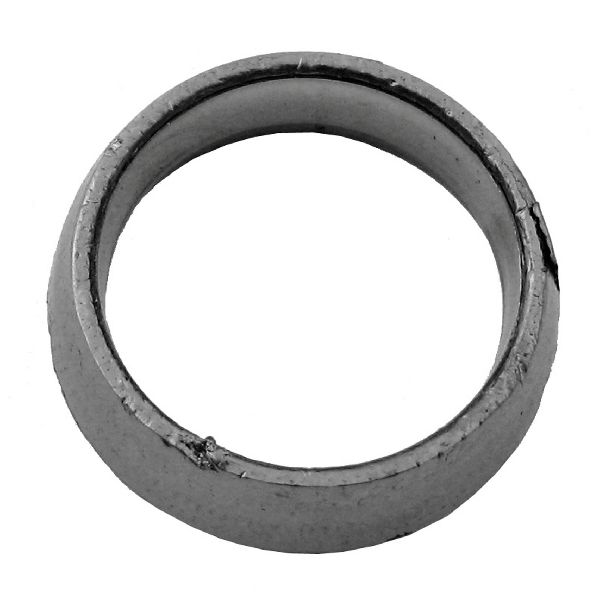
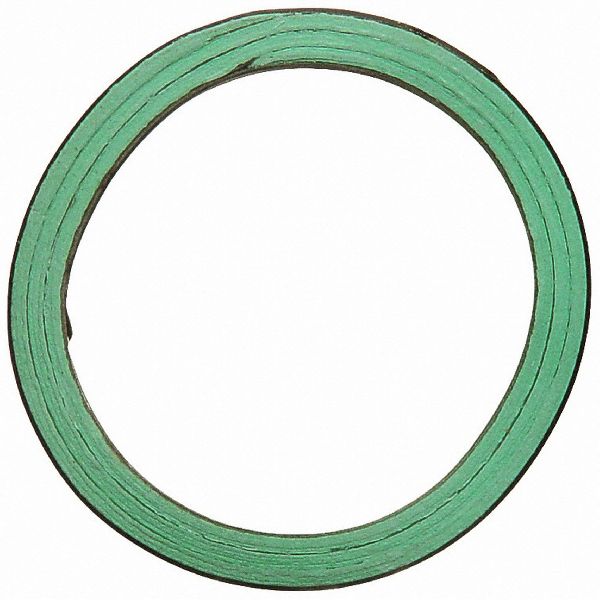
(OEM #90917-A6002 or 90917-06090 (Donut Gasket))— This donut-style gasket at the connection between the converter and Y-pipe is a very common source of exhaust leaks that can trigger a false P0420 code.
Trusted brands: Toyota (OEM), Fel-Pro, Bosal
OEM price range: $20-$40
Aftermarket price range: $10-$20
Related Codes That Often Appear With This One
- P0430 — If both P0420 (Bank 1) and P0430 (Bank 2) appear together, it points towards a condition affecting both banks, such as contaminated fuel, a systemic fuel delivery issue, or simply that both converters have failed around the same time due to high mileage.
Platform-Specific Known Issues
- source — A long thread where numerous owners share their experiences. Many confirm fixing the code by replacing the donut gasket between the cat and Y-pipe. One user notes, 'I had the P0420. It turned out to be the gasket connecting the cat to the Y pipe...Look for soot around all the joints.' Another user details a successful diagnosis using a shop vac to find the leak. URL: https://www.tacomaworld.com/threads/how-did-you-fix-your-p0420-p0430-codes.695133/
- title: TacomaWorld Forum: P0420/P0430 caused by exhaust le
Technical Service Bulletins (TSBs) & Recalls
- TSB Bulletin #T-58-0161-13A — This bulletin notes that some vehicles may exhibit a front exhaust pipe catalyst rattle noise and/or a MIL "ON" condition with DTC P0420 stored in the Engine Control Module.
Mechanic-Grade Diagnostic Values
- Upstream Air/Fuel (A/F) Sensor (B1S1) Voltage — expected: Typically steady around 3.3V at idle, but will fluctuate. Using Techstream Active Test, forcing a rich mixture (+25%) should result in voltage less than 3.0V, and forcing a lean mixture (-12.5%) should result in voltage greater than 3.35V.. Failure: Sensor voltage that is stuck, slow to respond, or does not change correctly during active tests indicates a faulty sensor.
- Downstream Heated O2 Sensor (B1S2) Voltage — expected: Should be a relatively steady, flat line between 0.6V and 0.8V (600-800mV) at idle once the catalytic converter is at operating temperature.. Failure: Voltage that fluctuates rapidly between ~0.1V and ~0.9V, mirroring the upstream sensor's activity, indicates the catalytic converter is not storing oxygen effectively. Voltage stuck at a specific value or showing no activity can indicate a failed sensor.
- Short Term Fuel Trim (STFT) & Long Term Fuel Trim (LTFT) — expected: Ideally, the sum of STFT and LTFT should be within +/- 10%. Readings consistently and significantly higher (e.g., > +15%) indicate the engine is running lean and adding fuel, which could point to an exhaust or vacuum leak. Consistently negative trims indicate a rich condition.. Failure: Large, sustained positive fuel trims can be a clue that an unmetered air leak (like an exhaust leak before the upstream sensor) is causing the ECM to add excess fuel, which can stress the catalytic converter.
Hidden / Shadow Codes Worth Checking
- Mode 06, TID $81, CID $01: This refers to the Catalyst Efficiency Monitor test results for Bank 1. The ECM stores the measured value against a minimum and maximum threshold. Viewing this data can show how close the converter is to the failing threshold, even before a P0420 code is set. (see via A scan tool capable of reading Mode $06 data, such as Toyota Techstream or some advanced consumer OBD-II scanners. In Techstream, this is found under the 'Monitor' section on the engine control page.)
Scan Tool Commands That Help
- Toyota Techstream: Active Test: 'Control the Injection Volume' — This function allows a technician to manually command a rich (+12.5% or +25%) or lean (-12.5%) fuel mixture. By observing the real-time voltage response of both the upstream A/F sensor and the downstream O2 sensor, you can confirm if the sensors are responsive and functioning correctly. A healthy downstream O2 sensor will react much slower than the upstream A/F sensor.
- Toyota Techstream: Utility: 'Readiness Monitor Details' — Used to check the status of all emissions monitors, including the catalyst monitor. It will show 'COMPL' (Complete) or 'INCMPL' (Incomplete). The 'Details' view shows the actual measured values from the last test cycle, which can indicate a component that is marginal and close to failing.
Wiring & Ground Locations
- Bank 1 Sensor 2 Connector — The downstream O2 sensor for Bank 1 (passenger side) has its electrical connector located under the passenger seat, beneath the carpet. You may need to remove the door sill trim and potentially the four 14mm bolts for the seat to tilt it back for access.. Corrosion or damage at this connector can cause incorrect sensor readings, mimicking a sensor or catalyst failure. It's a critical point to inspect for integrity before replacing parts.
- Engine Ground Points — Key ground points for the engine control system are located on the engine block itself, the firewall, and behind the driver and passenger side kick panels. A specific ground is located on the frame rail near the left rear upper shock mount.. A poor ground connection can introduce electrical noise and voltage offsets into the sensor circuits, leading to erroneous readings from the A/F and O2 sensors and potentially triggering a false P0420 code.
Real Owner Repair Stories
- TacomaWorld Forum user Abomboboi (2005 Toyota Tacoma, 230,000 miles) — P0420 and P0430 codes appearing consistently 50 miles after being cleared.
❌ Tried (didn't work) Cleaning MAF sensor and throttle body, Replacing all 4 O2 sensors with new Denso parts, Removing and cleaning all 4 catalytic converters
✅ What actually fixed it The user found and fixed an exhaust leak at the flange right before the downstream O2 sensor, which was caused by a bad gasket. This resolved both codes. - TacomaWorld Forum user thoth (Year not specified, 2nd Gen Tacoma) — P0420 code returned about a year after major parts replacement.
❌ Tried (didn't work) Replacing front O2 sensor, Replacing catalytic converter with an aftermarket Magnaflow unit, Replacing rear O2 sensor (this initially fixed the problem for a year), Replacing spark plugs and wiring
✅ What actually fixed it The consensus in the forum thread was that the high-flow nature of the aftermarket Magnaflow catalytic converter was the likely cause of the code's return. The fix suggested by the community (though not explicitly confirmed by the original poster as implemented) was to use an O2 sensor spacer (anti-fouler) to pull the downstream sensor out of the direct exhaust stream, or to replace the aftermarket cat with an OEM unit. - NHTSA ODI #11292428 — An owner reported a P0420 fault code accompanied by a rattling sound and exhaust back up to the pressure release mount where the exhaust connects.
- NHTSA ODI #10850705 — A driver reported that immediately after receiving their truck back from service, the check engine light came on with codes P0420 and P0430, indicating a catalytic converter issue that was not present before.
Model Year Variations Within This Range
- 2012-2015: For the 2012 model year, Toyota added a Secondary Air Injection System (SAIS) to the 1GR-FE engine for improved emissions on startup. This adds an air pump and valves that are not present on 2005-2011 models. While not a direct cause of P0420, a failure in the SAIS can cause other emissions-related codes and potentially affect long-term catalyst health. The exhaust manifolds may have slight differences to accommodate this system.
- 2009-2011 vs 2012-2015: The Tacoma received a facelift for the 2009 model year and another for 2012. While the core 1GR-FE powertrain remained the same, these updates involved cosmetic changes and different interior components like the stereo. These changes do not directly affect the diagnosis of P0420 but are important for sourcing correct non-engine parts.
Diagnostic Flowchart
Other Known Issues on This Vehicle
Issues unrelated to this code that are worth knowing about as an owner of this generation:
- Frame Rust / Perforation 🔴 High — Very common, especially in cold climates with road salt. Affects model years 1995-2017 to varying degrees. Toyota has issued recalls and warranty extensions. (Ref: Multiple warranty extension programs and a 2016 class-action settlement for 2005-2010 models.)
- Secondary Air Injection Pump Failure 🟠 Medium — Common failure, particularly on 2012 models which lacked a shutdown purge cycle. The internal foam filter disintegrates, jamming the pump and triggering codes like P2445, often accompanied by a loud vacuum-cleaner noise on cold starts.
- Weak Head Gaskets (Early Models) 🔴 High — Affects early 1GR-FE engines, primarily 2005 and some early 2006 models. Gaskets were prone to failure, typically between 150k-200k miles.
- Weak Rear Leaf Springs 🟠 Medium — Early 2nd Gen models used a 3-leaf spring pack that was prone to breaking or flattening. A recall was issued to replace them with a more robust 4-leaf pack. (Ref: Recall issued in 2014 for approximately 690,000 trucks from 2005-2011 model years.)
- Frozen Lower Control Arm Cam Bolts 🟠 Medium — The alignment cam bolts are notorious for seizing inside their bushings, making wheel alignments impossible without cutting the bolts out and replacing them and the lower control arms.
Used vs. New Parts: Buying Guide for This Vehicle
When a used part is the smart pick: For this repair, using used parts is generally not recommended for the core components. However, obtaining a used exhaust manifold/catalytic converter assembly from a very low-mileage, wrecked truck could be a cost-effective alternative to a new OEM part, but carries significant risk.
Donor-vehicle mileage cap: roughly under 50000 miles for the part to have meaningful remaining life.
What to inspect on the donor part:
- For a used catalytic converter, inspect the honeycomb structure from both ends with a light. It should be perfectly intact, with no signs of melting, crumbling, or blockage.
- Check the donor vehicle's history if possible to ensure it didn't have issues (like misfires or coolant leaks) that could have damaged the converter.
- Avoid parts from regions with heavy road salt usage, as rust and corrosion on flanges and heat shields will be severe.
OEM-only on this vehicle (don't cheap out):
- Catalytic Converter: Toyota's engine management system is notoriously sensitive to catalyst efficiency. Many forum users and mechanics report that aftermarket converters, even CARB-compliant ones, often fail to meet the required efficiency threshold and cause the P0420 code to return within months. Going with an OEM converter is the most reliable, albeit most expensive, fix.
Aftermarket brands forum-validated for this vehicle:
- Oxygen/A-F Sensors: Denso is the original equipment manufacturer (OEM) for Toyota. Buying a Denso sensor from a reputable auto parts store is identical to buying the part from a Toyota dealer, but often at a lower cost. NGK/NTK are also highly regarded, reliable alternatives.
- Gaskets: Fel-Pro and Bosal are reputable aftermarket brands for exhaust gaskets that meet or exceed OEM specifications.
Brands owners have reported issues with on this vehicle:
- Unnamed/generic 'eBay' or 'Amazon' catalytic converters: These are almost universally reported to be of poor quality, with insufficient precious metal loading to satisfy the Tacoma's ECU, leading to a quick return of the P0420 code.
Real Owner Stories
Aggregated from forums and TSBs cited above. Mileages and costs reflect what owners reported in those sources.
2005-2015 Toyota Tacoma 4.0L V6
Symptoms: The owner had a P0420 code and used a shop vac on the blow setting at the tailpipe to pressurize the system and find the leak.
What fixed it: Replacing the donut gasket connecting the catalytic converter to the Y-pipe after finding soot around the joint.
Source hint: TacomaWorld Forum: How did YOU fix your p0420 & p0430 codes
2005-2015 Toyota Tacoma 4.0L V6 — ~125000 miles
Symptoms: Check engine light on; the owner was warned against using cheap aftermarket catalytic converters.
What fixed it: Replacing the Bank 1 (passenger side) exhaust manifold/catalytic converter assembly after ruling out other causes.
Source hint: Reddit.com/r/ToyotaTacoma
Related OBD-II Codes
Frequently Asked Questions
Is there a specific gasket on the 2005-2015 Tacoma 4.0L that causes the P0420 code?
Why did my 'TRAC OFF' light come on at the same time as the P0420 Check Engine Light?
Which replacement oxygen sensor is recommended for the 1GR-FE engine to avoid compatibility issues?
Can I use an infrared thermometer to tell if my Tacoma's catalytic converter is actually bad?
Is the P0420 code on my 2005 Tacoma related to the known head gasket issues?
Should I replace my catalytic converter immediately if I have no performance issues?
Used OEM Parts in Stock
New Aftermarket Parts Available


The information in this article is provided for general reference and educational purposes only. Vehicle specifications, procedures, and part compatibility can vary by production date, trim level, and region. Always consult your vehicle's factory service manual and verify part numbers before purchasing or performing repairs. Safety-critical components such as airbags, seat belts, and braking systems should be installed by a qualified professional.
- Toyota Tacoma:
- 🧭 Diagnostic Flowchart
- 🛍️ Shop This Part
- What's Unique About the 2005-2015 Toyota Tacoma
- Symptoms You May Notice
- Most Likely Causes
- Rare But Worth Checking
- Diagnosis Steps
- Parts You'll Likely Need
- Related Codes That Often Appear With This One
- Platform-Specific Known Issues
- Technical Service Bulletins (TSBs) & Recalls
- Mechanic-Grade Diagnostic Values
- Hidden / Shadow Codes Worth Checking
- Scan Tool Commands That Help
- Wiring & Ground Locations
- Real Owner Repair Stories
- Model Year Variations Within This Range
- Other Known Issues on This Vehicle
- Used vs. New Parts: Buying Guide for This Vehicle
- Real Owner Stories
- 2005-2015 Toyota Tacoma 4.0L V6
- 2005-2015 Toyota Tacoma 4.0L V6 — ~125000 miles
- Related OBD-II Codes
- Frequently Asked Questions
- 🎟️ Get 5% Off