

P0442 on 2006-2015 Mazda 5: EVAP Small Leak Causes and Fixes
On a 2006-2015 Mazda 5, code P0442 is most often caused by a worn-out or loose gas cap or a faulty canister vent valve located at the rear of the vehicle. Start by inspecting and tightening the gas cap, then replacing it if the seal is worn (~$20). If the light returns, the canister vent valve is the next most likely culprit and a very common failure point on this model (~$50 for the part).
- P0442 on your Mazda 5 is an emissions-related code for a small leak and is not an immediate mechanical threat.
- Always start with the simplest and most likely fix: check that the gas cap is tight. If the light returns, replace the gas cap.
- If a new gas cap doesn't solve the problem, the next most probable cause is the canister vent valve located at the rear of the car, a known failure point for this model.
- A professional smoke test is the fastest way to find the leak if it is not the gas cap or the common vent valve.
- You will not be able to pass an emissions inspection until this code is resolved.
What's Unique About the 2006-2015 Mazda 5
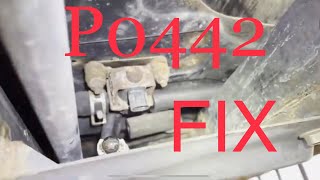
While a loose gas cap is a common cause for P0442 on any vehicle, the Mazda 5 (and its platform-mate, the Mazda 3) is particularly known for failure of the canister vent valve. This valve is located at the rear of the car, above a central jacking plate, 🎬 Watch: This video shows the vent valve location and removal. where its exposure to road spray, dirt, and moisture causes it to corrode and fail to seal properly, creating the exact small leak that this code detects. Many owners in forums report that after checking the gas cap, this valve is the definitive fix.
Generation note: The 2006-2015 year range covers two generations of the Mazda 5 in North America: the first generation (2006-2010) and the second (2012-2015). The common causes and locations of key parts like the gas cap, canister vent valve, and purge valve are consistent across both generations, making the diagnostic process nearly identical.
Symptoms You May Notice
- Check Engine Light is on
- A faint fuel smell may be noticeable in rare cases.
- Difficulty refueling, such as the gas pump nozzle shutting off prematurely.
- Replacing the purge valve in the engine bay when the more common failure point on this vehicle is the vent valve at the rear.
- Replacing the entire charcoal canister when only a connected valve or hose is faulty.
- Assuming the fix is complex before properly checking and replacing the gas cap.
Most Likely Causes
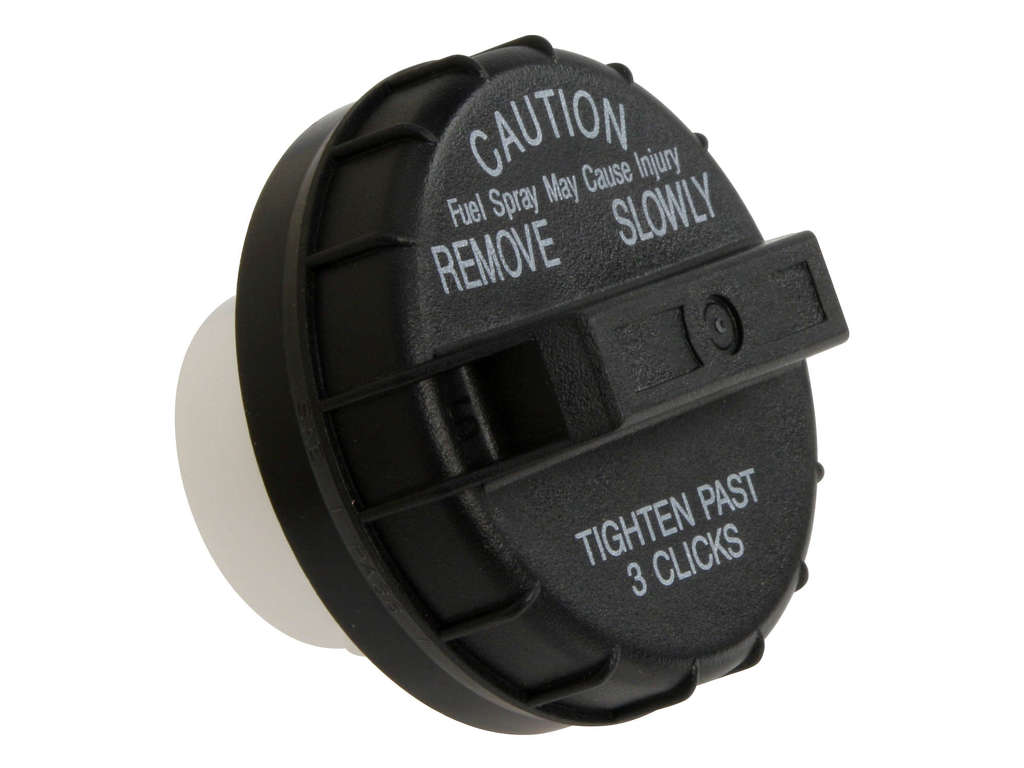
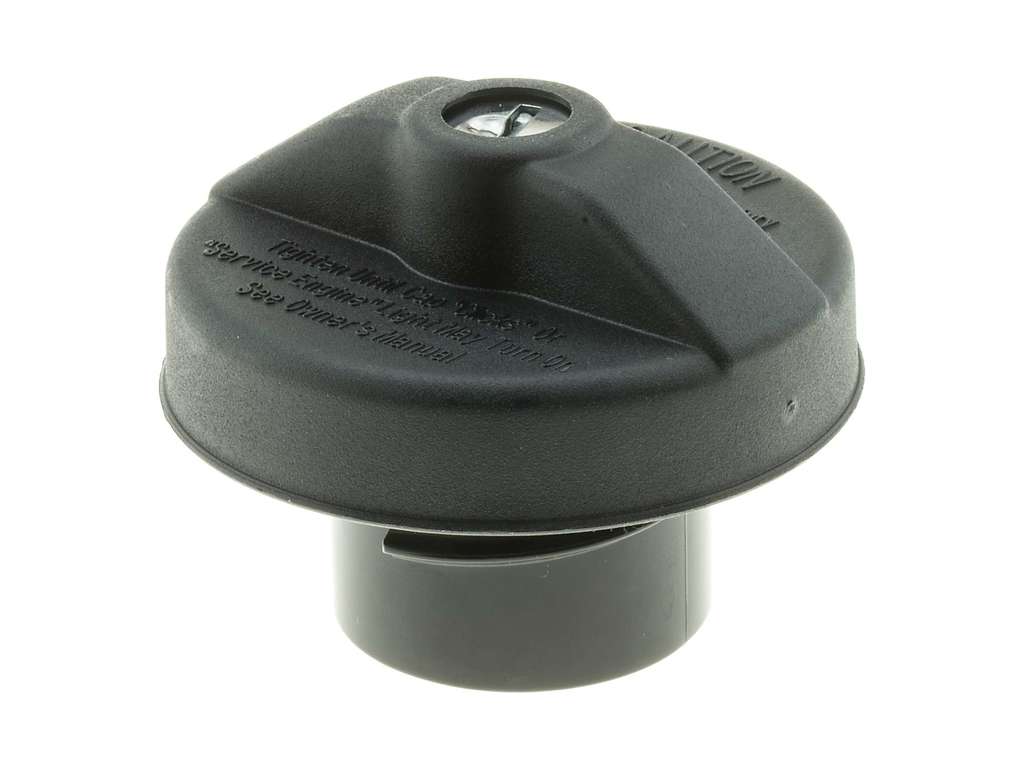
- Loose or Faulty Gas Cap 🔴 High Probability → Shop Fuel Tank Cap The rubber O-ring seal on the gas cap deteriorates over time, becoming hard and cracked, which prevents it from sealing correctly. This is the most common and easiest fix for any EVAP code.
How to confirm: First, ensure the cap is tightened until it clicks multiple times. If the light returns, visually inspect the rubber seal on the cap for any cracks, stiffness, or damage. A new cap is a cheap and effective first step before attempting more complex repairs.
Typical fix: Replace the gas cap with a new, OEM-specification part. Aftermarket caps are available, 🎬 See a mechanic diagnose and fix this code on a Mazda. but OEM is often recommended for a perfect seal.
Est. part cost: $15-$40 - Failed Canister Vent Valve (Vent Solenoid) 🔴 High Probability → Shop Vapor Canister The valve is located at the rear of the vehicle, above a central jacking plate, where it is exposed to road salt, water, and dirt. This causes corrosion and debris to enter the valve, making it stick or preventing it from closing completely. Many owners confirm this is the root cause after a gas cap replacement fails to solve the issue.
How to confirm: Remove the valve, which is located near the charcoal canister at the rear of the car. With the valve de-energized (unplugged), try to blow through it. If any air passes through, the valve is faulty and needs to be replaced. A new valve should not allow any air to pass when unpowered.
Typical fix: Replace the canister vent valve. This is a common DIY repair that involves removing a protective plate and unbolting the valve. Access is tight but manageable.
Est. part cost: $45-$120 - Failed Canister Purge Valve (Purge Solenoid) 🟡 Medium Probability → Shop Vapor Canister
How to confirm: The purge valve is located in the engine bay and is normally closed. You can test it by applying a hand vacuum pump to see if it holds vacuum when not energized. A common symptom of a stuck-open purge valve can be difficulty starting the engine immediately after refueling.
Typical fix: Replace the purge valve solenoid. This is generally an easy repair in the engine bay.
Est. part cost: $50-$135 - Cracked or Disconnected EVAP Hoses ⚪ Low Probability Over time, the rubber and plastic hoses in the EVAP system can become brittle and develop small, hairline cracks, especially at connection points.
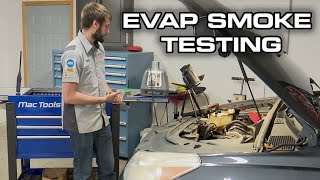
How to confirm: Visually inspect all accessible EVAP lines between the engine, charcoal canister, and fuel tank for obvious cracks or loose connections. A professional smoke test is the most definitive way to find a small hose leak, which forces smoke into the EVAP system to reveal the leak's location. 🎬 Watch: How to perform a smoke test to find leaks.
Typical fix: Replace the cracked section of hose or re-secure the connection.
Est. part cost: $10-$50
Rare But Worth Checking
- Cracked Charcoal Canister: → Shop Vapor Canister While not common, a physical impact or age can cause the plastic body of the charcoal canister to crack, creating a leak.
- Faulty Fuel Tank Pressure (FTP) Sensor: → Shop Fuel Tank In rare cases, the sensor that detects the pressure can fail and send incorrect readings to the computer, tricking it into thinking there is a leak when there isn't one.
- Fuel Pump Lock Ring Failure: → Shop Fuel Pump On related Mazda platforms, a failure of the fuel pump lock ring has been documented to cause P0442 and P0455, often accompanied by a strong smell of gasoline fumes around the rear of the car after parking (NHTSA ODI #11439442).
Diagnosis Steps
- Read the code with an OBD-II scanner to confirm P0442 is present.
- Inspect the gas cap. Remove it, check the seal for cracks or damage, and retighten it until it clicks at least three times. Clear the code and drive for a few days to see if it returns.
- If the code returns, purchase a new, quality gas cap. This is an inexpensive and very common fix.
- If a new gas cap does not solve the issue, locate the canister vent valve at the rear of the vehicle. It is typically above a central protective plate near the rear axle.
- Inspect the vent valve for corrosion or damage. Unplug it and remove it. Test it by attempting to blow through it; if air passes, it is faulty and must be replaced.
- If the vent valve is good, move to the engine bay and inspect the purge valve. Check for physical damage and test its ability to hold vacuum when de-energized.
- Inspect all visible EVAP hoses for cracks, brittleness, or loose connections, paying close attention to the ends near the valves.
- If the leak source is still not found, the most effective next step is to have a professional mechanic perform a smoke test to pinpoint the exact location of the leak.
Parts You'll Likely Need
- Gas Cap
(OEM #KD35-42-250A)— This is the most frequent cause of P0442 due to the rubber seal wearing out over time.
Trusted brands: Mazda OE, Stant, Motorad, Gates
OEM price range: $25-$40
Aftermarket price range: $15-$25 - Canister Vent Valve / Solenoid
(OEM #LF66-18-751 (Verify by VIN))— This is a very common failure point on the Mazda 5, as its exposed location at the rear of the car leads to corrosion and sticking.
Trusted brands: Dorman (911-711), Standard Motor Products (CP773), Carquest Premium (CPC1054)
OEM price range: $80-$120
Aftermarket price range: $45-$70 - Canister Purge Valve / Solenoid
(OEM #LF15-18-741)— Less common than the vent valve for this code, but it can fail by sticking open, causing a small, persistent leak in the system.
Trusted brands: Mazda OE, Bosch, Dorman
OEM price range: $100-$135
Aftermarket price range: $50-$90
Related Codes That Often Appear With This One
- P0455 — Indicates a large EVAP leak. This can appear if the gas cap is extremely loose or missing, or if a component failure is intermittent and varies between a small and large leak. Some owners report this code appearing alongside P0442.
- P0456 — Indicates a very small EVAP leak. This points to the same set of problems as P0442, just at a different leak size threshold. The causes and fixes are nearly identical.
- P0457 — Indicates an EVAP leak detected, often specifically linked to a loose or missing fuel filler cap.
Technical Service Bulletins (TSBs) & Recalls
- 01-002-18-3417: A general Mazda service bulletin that provides dealers with a detailed diagnostic procedure for finding EVAP leaks (P0442, P0455, P0456), confirming this is a known area for service action. It does not pinpoint a single faulty part but rather standardizes the test procedure. This bulletin notes that some vehicles may have a MIL illumination with these DTCs stored in memory and provides a specific repair procedure to determine the leak location.
Platform-Specific Known Issues
- Real Owner Story: Vent Valve Fix: On Mazdas247.com, a 2012 Mazda 5 owner with code P0442 confirmed the fix was replacing the canister vent solenoid (Dorman 911-711) located at the rear of the car, above the center jacking point. They noted access was tight but possible with a socket extension and swivel.
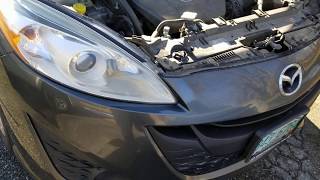
- Video Guide: Locating and Replacing the Vent Valve: A YouTube video by Kevin Bergeron for the Mazda 5 with P0442 clearly shows the location of the faulty canister vent valve. He confirms that replacing the gas cap and the engine-bay purge valve did not fix his issue, but replacing the rear vent valve (Part No. 911-711) did. The valve is located directly above a central protective plate near the rear suspension.
Mechanic-Grade Diagnostic Values
- Canister Purge Valve Solenoid Resistance — expected: 30 - 38 Ohms (with engine cooled down). Failure: A reading significantly outside this range, or an open circuit (infinite resistance), indicates a failed solenoid coil.
- Canister Vent Valve Solenoid Resistance — expected: 48 - 65 Ohms. Failure: A reading outside this range suggests the solenoid's internal coil is faulty.
- Fuel Tank Pressure (FTP) Sensor Voltage (Key On, Engine Off) — expected: Typically 1.3V to 1.7V, with an ideal reading around 1.5V. The normal operating signal range is between 0.5V and 4.5V.. Failure: A voltage stuck low (near 0V) or high (near 5V) regardless of tank pressure (e.g., after opening the gas cap) points to a faulty sensor or wiring issue.
Hidden / Shadow Codes Worth Checking
- Permanent DTC (P-DTC): After a repair is made and the code is cleared with a scanner, the code may be stored in a 'Permanent' status on 2010 and newer vehicles. This code cannot be erased with a scan tool and will cause an emissions test failure in some regions. (see via This status is visible on some advanced scan tools. The key indicator is that the Check Engine Light is OFF, but the code still appears as 'permanent'. To clear it, the vehicle's own diagnostic monitors must run and pass successfully, which requires a specific drive cycle (e.g., 15 warm-up cycles and over 200 miles of driving) without the fault reoccurring.)
Scan Tool Commands That Help
- Advanced OBD-II Scanner / Mazda IDS: EVAP System Test: Vent Valve/Solenoid Activation — This bidirectional command is used during a smoke test. The vent valve is normally open, so it must be commanded closed (from 'Venting' to 'Not Venting') to seal the system and allow it to be pressurized with smoke to find leaks. This also simultaneously tests if the valve responds to the command.
- Advanced OBD-II Scanner / Mazda IDS: EVAP System Test: Purge Valve/Solenoid Activation — This command allows a technician to manually open and close the purge valve to check for clicking (audible confirmation of operation) and to test if it seals properly when commanded closed.
Wiring & Ground Locations
- Canister Vent Valve (CV Solenoid Valve) — Located on the right side of the fuel tank, near the quick release connector and charcoal canister, above a central jacking plate.. This is the primary component to test for P0442 on this vehicle. The 2-pin oval connector and its wiring are exposed to road debris and corrosion, which can cause electrical failure.
- Canister Purge Valve Connector — In the engine bay, typically near the top of the engine in front of the firewall.. The connector is a 2-pin rectangular type. Checking for a solid connection and voltage here is a key step when diagnosing a purge valve that doesn't respond.
- G09 — A common ground point located on the left side of the dash.. While not exclusively for the EVAP system, a poor ground at this location can cause a variety of electrical issues with components controlled by the PCM, potentially including EVAP solenoids.
Real Owner Repair Stories
- Reddit user, r/mazda (2012 Mazda 5 with 75,000 miles) — Check Engine Light and 'gas cap' warning light on dash, with codes P0442, P0455, and P0457.
❌ Tried (didn't work) Not specified, but the user implies other common checks were performed before this final fix.
✅ What actually fixed it Replacing the valve at the rear of the vehicle by the charcoal canister (the canister vent valve). The part used was a Standard Motor Products CP773. - Mazdas247.com user 'dougsey' (2012 Mazda 5 with 109,000 miles) — P0442 (small evap leak)
❌ Tried (didn't work) Checking the gas cap.
✅ What actually fixed it Replacing the canister vent solenoid. The owner tested the old part and found he could blow a tiny amount of air through it even when it was supposed to be closed. The part used was a Dorman 911-711. - Mazdas247.com user 'DC87' (2014 Mazda 5 with 107,000 miles) — Persistent P0442 code and difficulty starting after refueling.
❌ Tried (didn't work) Replacing the canister vent valve., Replacing the purge valve., Replacing the gas cap.
✅ What actually fixed it The final fix was discovering and tightening loose screw clamps on the engine's air intake system. After tightening them and clearing the code, all issues were resolved.
Documented NHTSA Reports
- An owner reported in NHTSA ODI #11187055 that P0442 is a common problem with Mazda cars that prevents passing inspection, noting that the code for a small EVAP leak keeps recurring.
- NHTSA ODI #11439442 describes a case where a failed fuel pump lock ring caused both P0442 and P0455, resulting in a strong smell of gasoline fumes around the rear of the vehicle.
"I Checked Everything" — The Actual Cause
- If a comprehensive smoke test of the EVAP system reveals no physical leaks, the cause may not be a leak at all, but rather a faulty Fuel Tank Pressure (FTP) sensor. The sensor may be sending incorrect voltage readings to the ECU, tricking it into believing a leak exists when the system is perfectly sealed.
When the Usual Fixes Don't Work
- While the vast majority of P0442 codes on the Mazda 5 are fixed by the gas cap or the rear canister vent valve, there are confirmed cases where the code persisted after replacing both. In one instance, the final root cause was loose clamps on the engine's air intake hose. This created a vacuum leak that, while not part of the EVAP system itself, was sufficient to disrupt the engine's operation and trigger the EVAP monitor to fail, setting the P0442 code. This highlights the need to check for basic engine vacuum leaks if standard EVAP repairs fail.
Model Year Variations Within This Range
- 2006-2015: No significant variations in the design or common failure points of the EVAP system related to code P0442 have been noted between the first (2006-2010) and second (2012-2015) generations of the Mazda 5. The primary culprits (gas cap, rear vent valve) and diagnostic procedures remain consistent across the entire year range.
Diagnostic Flowchart
Other Known Issues on This Vehicle
Issues unrelated to this code that are worth knowing about as an owner of this generation:
- Automatic Transmission Failure / Harsh Shifting 🔴 High — Common issue, often related to a failing Transmission Control Module (TCM) or internal wear. Problems can manifest as hard shifts, gear slipping, or getting stuck in 3rd gear (limp mode). (Ref: Multiple TCM-related DTCs like U0101 and P0753 are associated with this issue.)
- Failing Passenger-Side Engine Mount 🟠 Medium — The hydraulic passenger-side engine mount is a very common failure point, leading to excessive vibration at idle and clunking noises.
- Front Suspension Clunking Noises 🟠 Medium — Often caused by worn front sway bar bushings or end links. The noise is most noticeable at low speeds over bumps or uneven roads. (Ref: Mazda has issued TSBs for sway bar bushings on related platforms.)
- Premature Rear Tire Wear 🟠 Medium — Improper rear suspension alignment can cause the inside edge of the rear tires to wear out quickly. Regular alignments are recommended.
- Sliding Door Problems 🟡 Low — Owners report issues with the power sliding doors not latching or opening correctly, sometimes due to faulty rollers or actuators.
Used vs. New Parts: Buying Guide for This Vehicle
When a used part is the smart pick: For purely mechanical, non-electronic components like the plastic charcoal canister body or EVAP hoses, a used part from a low-mileage, non-corroded donor vehicle can be a cost-effective option. Visually inspect for any cracks, brittleness, or damage before purchasing.
Donor-vehicle mileage cap: roughly under 80000 miles for the part to have meaningful remaining life.
What to inspect on the donor part:
- Check plastic components for hairline cracks or signs of sun-fading and brittleness.
- Inspect electrical connectors on solenoids for any green or white corrosion on the pins.
- Ensure rubber hoses are still pliable and not hardened or cracked, especially at the ends.
- If possible, source from a vehicle in a dry, salt-free climate to minimize corrosion risk on valves.
OEM-only on this vehicle (don't cheap out):
- Gas Cap: While aftermarket is available, an OEM gas cap is strongly recommended to guarantee a perfect seal, which is critical for the EVAP system test.
Aftermarket brands forum-validated for this vehicle:
- Dorman (specifically part 911-711 for the vent valve)
- Standard Motor Products (specifically part CP773 for the vent valve)
Real Owner Stories
Aggregated from forums and TSBs cited above. Mileages and costs reflect what owners reported in those sources.
2012 Mazda 5
Symptoms: Small evap leak P0442; owner noted the gas cap did not solve the problem.
What fixed it: Replacement of the canister vent solenoid (Dorman 911-711) located above the center jacking point.
Source hint: Mazdas247.com - Thread 'P0442 Evap Leak - Solved'
2013 Mazda 5
Symptoms: Initial P0442 code which later progressed to a P0455 large leak code.
What fixed it: The owner was in the process of troubleshooting after a gas cap replacement failed to resolve the 'EVAP leak woes'.
Source hint: Mazdas247.com - Thread 'EVAP leak woes...Help!'
2006-2015 Mazda 5
Symptoms: Check engine light with P0442; owner found that replacing the gas cap and the engine-bay purge valve did not fix the issue.
What fixed it: Replacing the rear canister vent valve (Part No. 911-711) located above the central protective plate.
Source hint: YouTube video by Kevin Bergeron for the Mazda 5 with P0442
Related OBD-II Codes
Frequently Asked Questions
Where is the canister vent valve located on the 2006-2015 Mazda 5?
Is there a specific TSB for EVAP leaks like P0442 on my Mazda 5?
I replaced my gas cap but P0442 is still there. What is the next most likely part for this specific car?
Can a faulty purge valve cause starting issues on the Mazda 5?
Are there specific aftermarket parts recommended by other Mazda 5 owners for this fix?
How can I test the vent valve myself before buying a new one?
Helpful Videos
We Have This Part in Stock


The information in this article is provided for general reference and educational purposes only. Vehicle specifications, procedures, and part compatibility can vary by production date, trim level, and region. Always consult your vehicle's factory service manual and verify part numbers before purchasing or performing repairs. Safety-critical components such as airbags, seat belts, and braking systems should be installed by a qualified professional.
- Mazda 5:
- 🧭 Diagnostic Flowchart
- 🎬 Helpful Videos
- 🛍️ Shop This Part
- What's Unique About the 2006-2015 Mazda 5
- Symptoms You May Notice
- Most Likely Causes
- Rare But Worth Checking
- Diagnosis Steps
- Parts You'll Likely Need
- Related Codes That Often Appear With This One
- Technical Service Bulletins (TSBs) & Recalls
- Platform-Specific Known Issues
- Mechanic-Grade Diagnostic Values
- Hidden / Shadow Codes Worth Checking
- Scan Tool Commands That Help
- Wiring & Ground Locations
- Real Owner Repair Stories
- Documented NHTSA Reports
- "I Checked Everything" — The Actual Cause
- When the Usual Fixes Don't Work
- Model Year Variations Within This Range
- Other Known Issues on This Vehicle
- Used vs. New Parts: Buying Guide for This Vehicle
- Real Owner Stories
- 2012 Mazda 5
- 2013 Mazda 5
- 2006-2015 Mazda 5
- Related OBD-II Codes
- Frequently Asked Questions
- 🎟️ Get 5% Off