

P0446 on 2004-2008 Ford F-150: EVAP Vent Control Circuit Causes and Fixes
On a 2004-2008 F-150, code P0446 almost always points to an electrical issue with the EVAP canister vent solenoid circuit, not a system leak. The most common cause is a corroded or broken wire leading to the solenoid, or a failed solenoid itself. The wiring harness is notoriously vulnerable to moisture and damage where it runs along the frame rail. Expect to spend $30-$75 on a new solenoid.
- P0446 on this F-150 is overwhelmingly an electrical circuit problem, not a leak.
- Always check the wiring harness and connectors for corrosion or damage before replacing the vent solenoid.
- The most likely failure points are the wiring near the solenoid connector itself or the C3138 connector under the driver's side frame rail.
- A simple 'tug test' on the wires at the solenoid connector can quickly reveal a wire that is corroded through internally.
- The correct resistance for the vent solenoid is approximately 55 ohms.
What's Unique About the 2004-2008 Ford F-150
For this generation of F-150 (the 11th), the P0446 code is notorious for being caused by wiring problems rather than the component itself. The wiring harness for the vent solenoid, located near the spare tire, is exposed to the elements. Over time, moisture and road debris lead to corrosion and breaks within the wires, sometimes inside the insulation where it's not visible. Owners and technicians frequently find a corroded connector or a broken wire—particularly the power supply (often dark green or red/yellow) or the control wire (often violet with a white stripe)—as the root cause after a new solenoid fails to fix the issue. 🎬 Watch: How to find hidden wiring breaks when a new solenoid fails. Another known weak point is a large inline connector (C3138) located under the driver's side door along the frame rail, which is also prone to severe corrosion and can cause this code.
Symptoms You May Notice
- Check Engine Light is on.
- Difficulty filling the fuel tank (gas pump nozzle clicks off repeatedly).
- A 'whoosh' sound of air escaping when opening the gas cap.
- In rare cases, a rough idle on startup if the vent valve issue is accompanied by a purge valve problem.
- Replacing the gas cap. A loose or faulty gas cap typically causes leak-related codes like P0455 or P0457, not a circuit code like P0446.
- Replacing the EVAP Purge Valve/Solenoid. The purge valve is located in the engine bay and controls vapor flow to the engine. P0446 specifically relates to the vent solenoid circuit, which is located near the fuel tank.
Most Likely Causes
- Corroded or Broken Wiring to Vent Solenoid 🔴 High Probability The wiring harness runs along the frame rail and is susceptible to moisture, road salt, and physical damage, leading to corrosion inside the insulation or at the connector pins. A specific trouble spot is a large connector, C3138, under the driver's side door.
How to confirm: Visually inspect the wiring harness leading to the vent solenoid, located above the spare tire. Look for chewed wires from rodents. Tug gently on the wires at the connector; a corroded wire may break free. Use a multimeter to check for battery voltage (around 12V) on the power supply wire (often Dark Green or Red/Yellow) and check for continuity on the ground/control wire 🎬 Watch: A mechanic's guide to testing the vent control circuit. (often Violet/White) back to the PCM (C175B, pin 61).
Typical fix: Repair the broken or corroded section of wire using weatherproof butt connectors with solder and heat shrink sealing. If the connector is damaged, replace it with a new pigtail (Motorcraft WPT-1048 or WPT-1148).
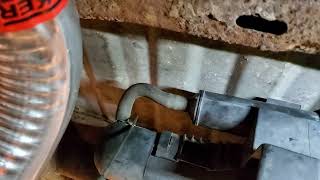
Est. part cost: $10-$40 - Failed EVAP Canister Vent Solenoid 🟡 Medium Probability → Shop Vapor Canister The solenoid is a mechanical valve with an electronic coil that can fail over time due to age, internal corrosion, or getting stuck from dust and debris. Its location near the spare tire exposes it to harsh conditions.
How to confirm: Remove the solenoid and test its coil resistance with a multimeter; it should be around 55 +/- 10 ohms. You can also apply 12V directly to its pins to see if it clicks open and closed. The valve is normally open, so it should close and hold a vacuum when 12V is applied.
Typical fix: Replace the canister vent solenoid. 🎬 See this walkthrough for replacing the canister vent solenoid. It is typically mounted on or near the charcoal canister above the spare tire.
Est. part cost: $30-$90 - Blown Fuse ⚪ Low Probability
How to confirm: Check the fuse for the EVAP system in the passenger compartment fuse panel, located under the right-hand side of the instrument panel. For 2004 models, this is often fuse #32 (15A). For 2005-2008 models, check fuse #34 (10A). A short in the circuit can cause the fuse to blow.
Typical fix: Replace the blown fuse. If it blows again, there is a short circuit in the wiring that must be found and repaired.
Est. part cost: $1-$5
Rare But Worth Checking
- Faulty Powertrain Control Module (PCM): This is extremely rare. The PCM's internal driver for the vent solenoid circuit can fail. This should only be considered after all other possibilities (wiring, solenoid, fuses) have been exhaustively ruled out.
- Clogged EVAP Canister or Vent Hose: → Shop Vapor Canister While this typically causes performance-related codes, a severe blockage from dirt, debris, or spider webs can sometimes trigger a circuit code if the PCM's test relies on a pressure change that doesn't occur.
Diagnosis Steps
- Retrieve the code P0446 with an OBD-II scanner.
- Lower the spare tire to gain access to the EVAP canister and vent solenoid, located above the rear differential area.
- Visually inspect the electrical connector and wiring going to the vent solenoid. Look for green/white corrosion, chafed/chewed wires, or obvious breaks. Gently pull on each wire at the connector to check for internal corrosion.
- Disconnect the solenoid. With the key on (engine off), use a multimeter to verify battery voltage (around 12V) on the power supply wire at the connector (often Red/Yellow or Dark Green).
- Check the resistance of the vent solenoid itself. A healthy solenoid should measure approximately 55 ohms (+/- 10) across its two pins. An open or shorted reading indicates a failed solenoid.
- If power is present and the solenoid resistance is good, check the control wire (often Violet/White) for continuity back to the PCM. On many models, this wire goes to Pin 61 of PCM connector C175B.
- If no power is found at the connector, check the designated EVAP fuse in the passenger compartment fuse box (Fuse #32 for 2004, #34 for 2005-08).
- If the fuse is good but there's still no power, trace the power wire back towards the fuse box to find the break. Pay close attention to the C3138 connector under the driver's side frame rail.
- If all wiring and the solenoid test good, the fault may lie within the PCM, but this is highly unlikely.
Parts You'll Likely Need
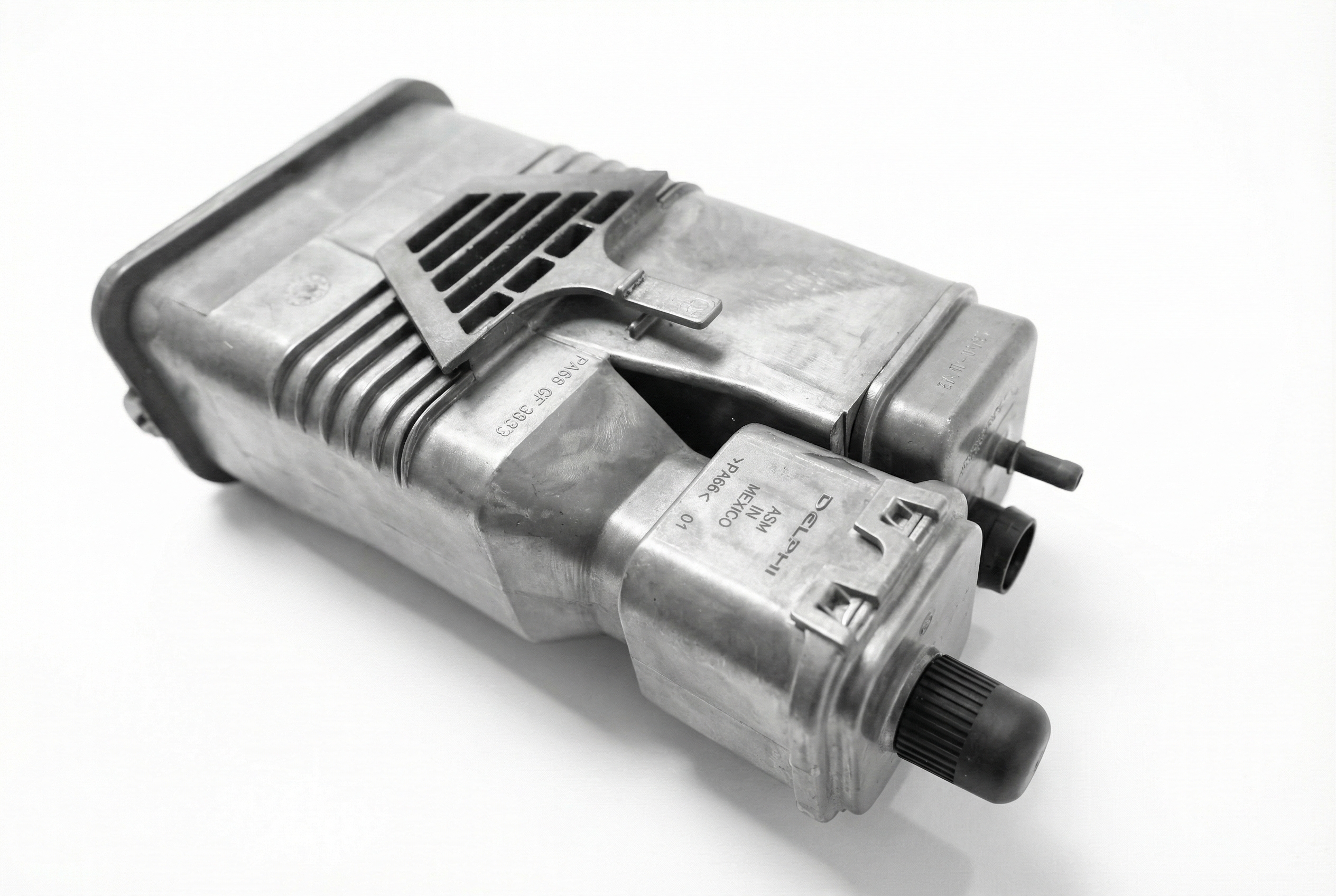
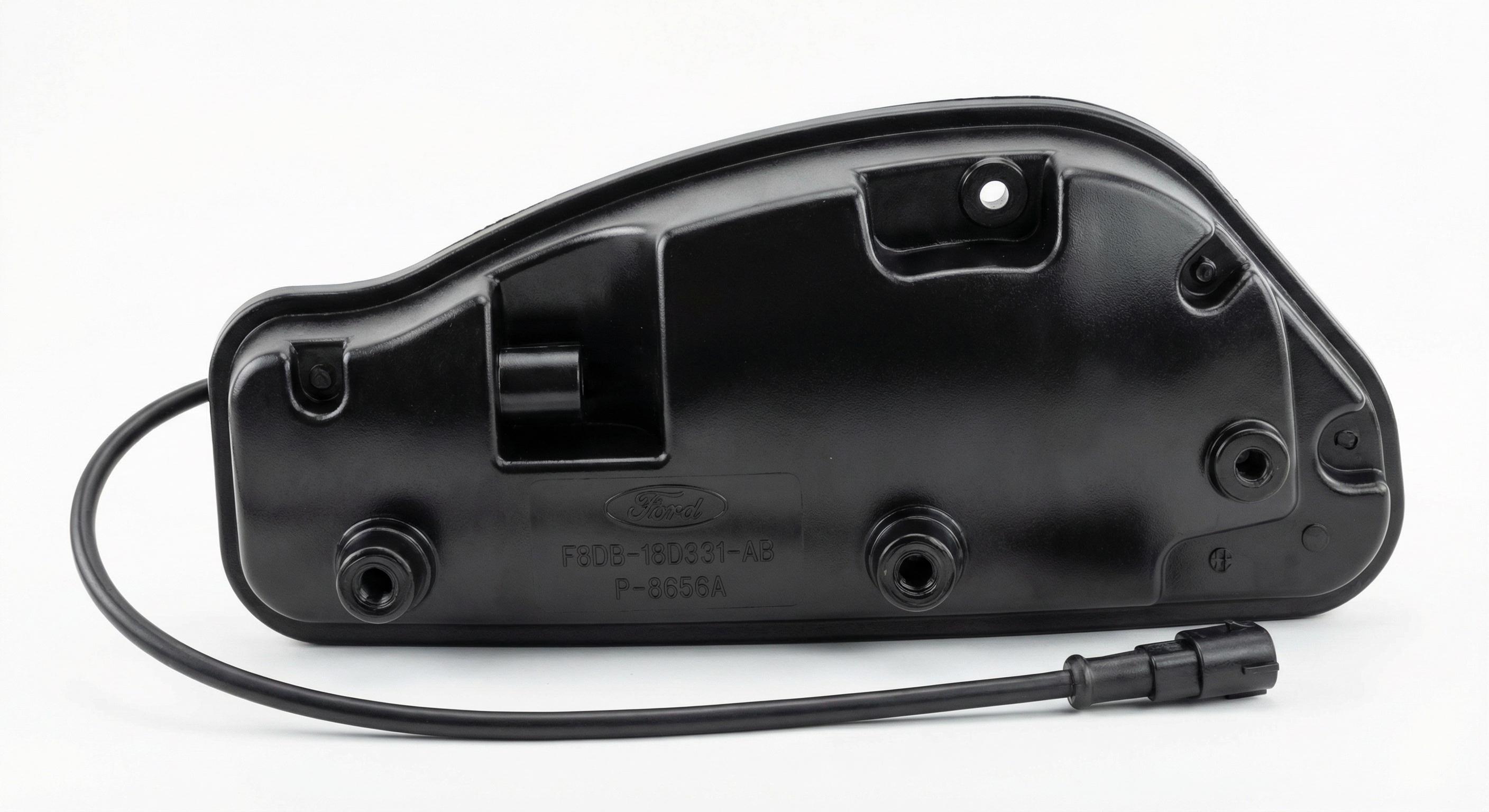
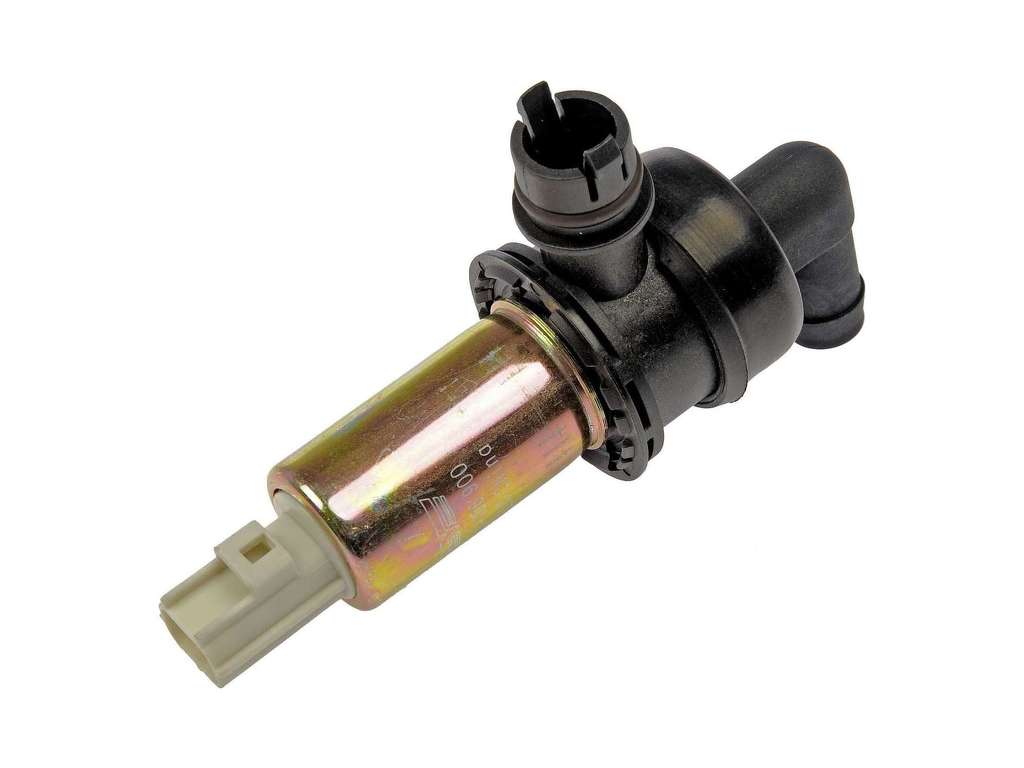
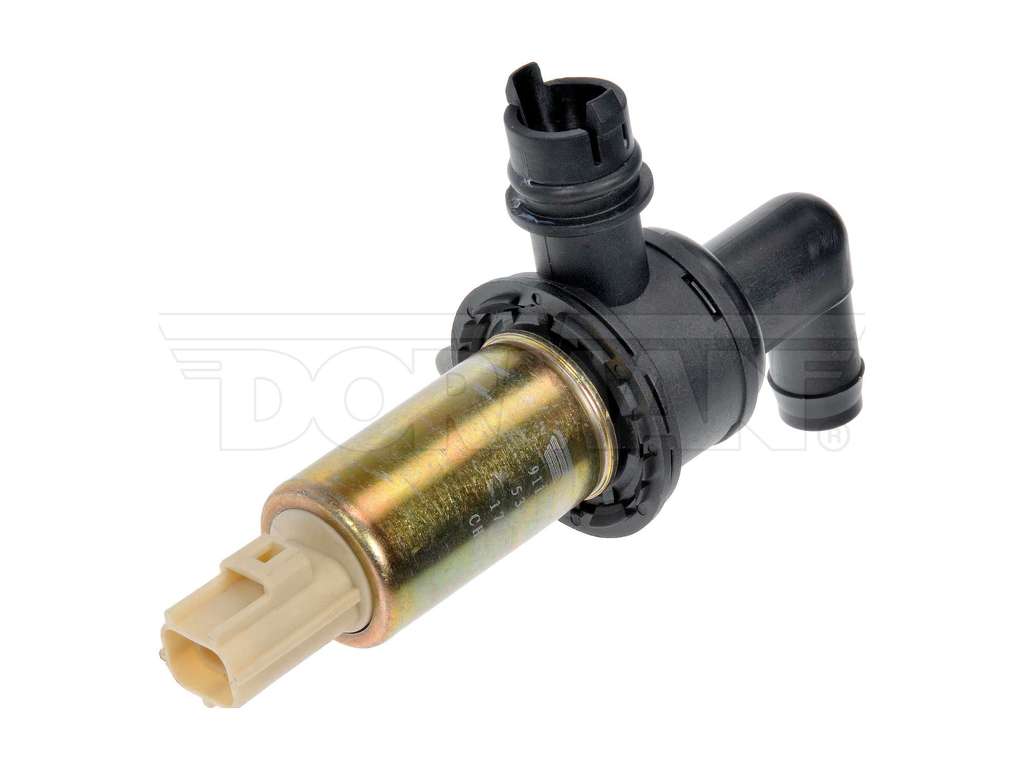
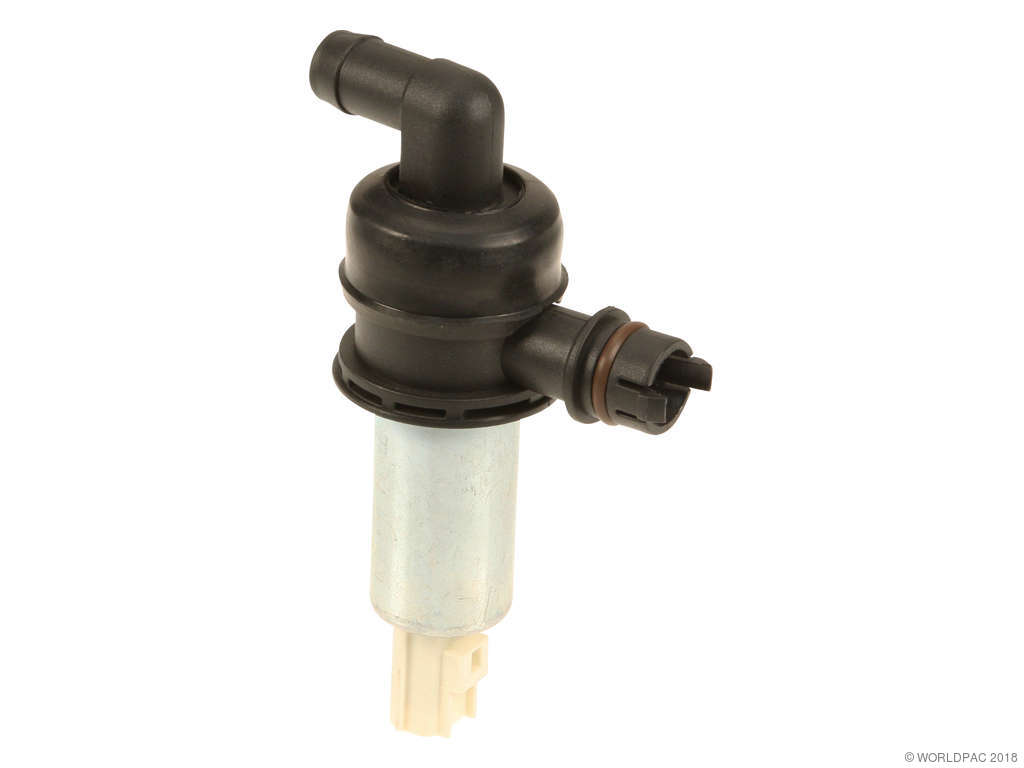
- EVAP Canister Vent Solenoid
(OEM #9L3Z-9C915-A (Motorcraft CX2143))— This is the component controlled by the circuit in question. It can fail electrically or become stuck, and is the most commonly replaced part for this code after wiring issues are ruled out.
Trusted brands: Motorcraft, Dorman, Standard Motor Products (SMP)
OEM price range: $60-$90
Aftermarket price range: $30-$75 - EVAP Vent Solenoid Connector Pigtail
(OEM #9U2Z-14S411-SA (Motorcraft WPT-1048))— The connector itself is a common failure point due to corrosion. Splicing in a new pigtail is often necessary to ensure a good connection.
Trusted brands: Motorcraft, Dorman
OEM price range: $25-$40
Aftermarket price range: $10-$20
Related Codes That Often Appear With This One
- P0442 — If the vent solenoid is malfunctioning electrically, it may also fail to seal properly, causing the system to detect a small leak (P0442) during its self-test.
- P0455 — A vent solenoid that is stuck open due to an electrical fault will cause the system to fail the leak test, logging a large leak code (P0455).
- ABS Fault Codes — If the cause is corrosion in the C3138 connector under the driver's door, other circuits that run through that same connector, such as for the ABS system, can also be affected, leading to multiple unrelated codes.
Technical Service Bulletins (TSBs) & Recalls
- While no TSB directly addresses P0446 for this specific wiring issue, TSB 05-15-12 for the 2005 Mustang addresses a 'slow to fill' fuel tank condition, a symptom sometimes associated with P0446, by replacing the fuel tank due to an internal venting issue. This highlights that fueling issues can be related to the EVAP system's mechanical functions.
Platform-Specific Known Issues
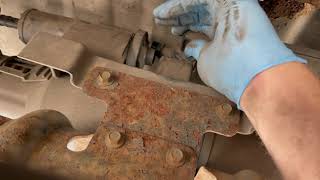
- Corrosion of the wiring harness connector C3138, located under the driver's side door along the frame rail, has been documented to cause P0446 along with other electrical issues like ABS faults. A user on f150forum.com detailed finding broken DG and VT/WH wires for the vent solenoid at this specific connector.
Mechanic-Grade Diagnostic Values
- EVAP Canister Vent (CV) Solenoid Coil Resistance — expected: 55 +/- 10 Ohms. Failure: A reading of OL (open circuit) or 0 Ohms (short circuit) indicates a failed solenoid coil.
- Scan Tool PID 'EVAPCV' (Canister Vent Duty Cycle) Voltage — expected: With valve open (commanded 0% duty cycle), voltage should be approximately battery voltage. When commanded fully closed (100% duty cycle), voltage should drop by at least 4 volts.. Failure: Voltage does not change with command, or does not meet the expected values, indicating a circuit or PCM driver fault.
- Voltage at power supply wire (Red/Yellow or Dark Green) at the solenoid connector, Key On Engine Off — expected: ~12 Volts (Battery Voltage). Failure: Low voltage (e.g., 2.5V) or no voltage indicates high resistance or an open in the power feed circuit, often a corroded wire.
Scan Tool Commands That Help
- Ford IDS, Autel, or similar bidirectional scanner: EVAP Canister Vent Solenoid On/Off Command (or Duty Cycle Control) — This is a critical step after checking for power at the solenoid connector. It directly tests the PCM's ability to control the solenoid. A technician connects a test light to the two pins of the solenoid connector and uses the scan tool to command the solenoid on and off. If the test light illuminates and extinguishes on command, the PCM driver and the control wire are confirmed to be good, pointing to a faulty solenoid.
Wiring & Ground Locations
- PCM Connector C175B, Pin 61 — The Powertrain Control Module (PCM) is located on the passenger side firewall. C175B is the center of the three main PCM connectors.. This is the specific pin for the Canister Vent Solenoid control wire (typically Violet/White). Checking for continuity from this pin to the solenoid connector is the definitive test for the control side of the circuit.
- Connector C3138 — Large inline wiring harness connector located under the driver's side door, along the frame rail.. This connector is a known weak point for corrosion. The power (Dark Green) and control (Violet/White) wires for the vent solenoid pass through it and can break here, causing a P0446 code, often along with other unrelated codes like ABS faults.
- Ground Point G110 — Located on the left front of the engine compartment.. While the vent solenoid is controlled via a PCM driver, this is a major ground point for the engine control harness. Poor grounding here can cause a variety of unpredictable electrical issues, though it is not a direct cause for a P0446 circuit code.
Real Owner Repair Stories
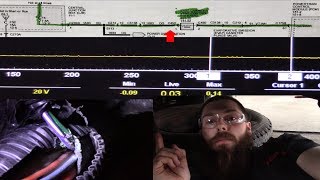
- YouTube channel 'Positive Lead Diagnostics' (2007 Ford F-150 5.4L) — Check Engine Light with code P0446.
❌ Tried (didn't work) The vehicle already had a new vent solenoid installed, which did not fix the code.
✅ What actually fixed it The technician found low voltage (2.5V instead of 12V) on the power feed wire (Dark Green) at the solenoid connector. By wiggling the harness near the solenoid, the voltage fluctuated, indicating an internal wire break. The final fix was cutting out the corroded section of the green wire and splicing in a new piece using a solder-sealed butt connector. - YouTube channel 'DanielJaegerFilms' (Ford F-150 (generation consistent with 2004-2008)) — P0446, hard to refuel.
❌ Tried (didn't work) Replacing the EVAP canister vent solenoid.
✅ What actually fixed it After the new part didn't work, the technician physically pulled on the wires at the solenoid connector. A corroded wire broke free from the harness, revealing the break was hidden inside the insulation. Repairing the broken wire resolved the code.
Documented NHTSA Reports
- NHTSA ODI #11670709 — A report for a vehicle from the same manufacturer notes that the engine warning light was illuminated and a vehicle scanner retrieved DTC P0446, indicating an Evaporative Emission Control System (EVAP) vent control circuit malfunction.
"I Checked Everything" — The Actual Cause
- Since P0446 is an electrical circuit code, a smoke test is not the correct primary diagnostic step and will almost always come back clean. Technicians report that owners or other shops will often perform a smoke test looking for a leak (which would cause codes like P0455/P0457) and find nothing. The actual cause is an electrical open or short in the wiring to the vent solenoid, a bad solenoid coil, or a faulty PCM driver, none of which a smoke test can identify. The proper test involves a multimeter and a bidirectional scan tool.
When the Usual Fixes Don't Work
- Multiple documented repair cases show that the most common part replaced for P0446, the canister vent solenoid, is often not the root cause. Technicians and owners frequently replace the solenoid only to have the code return immediately. The actual fix in a high percentage of these cases is a broken power or control wire found inside the wiring harness loom near the spare tire. The corrosion breaks the wire internally, but the outer insulation remains intact, hiding the fault from a simple visual inspection. A physical 'tug test' on the wires or a voltage drop test under load is required to find the failure.
OEM Part Supersession History
CX-2143→9L3Z-9C915-A— Standard part number evolution. The base part number is 9C915.
Heads up: No significant incompatibility issues are noted for the 2004-2008 F-150 5.4L. 9L3Z-9C915-A is the correct service part for this application.
Model Year Variations Within This Range
- 2004 vs 2005-2008: The fuse location and rating for the EVAP system power supply differs. 2004 models often use fuse #32 (15A) in the passenger compartment fuse panel, while 2005-2008 models use fuse #34 (10A).
- 2004-2008: The color of the power supply wire to the vent solenoid can vary. While the control wire is consistently Violet/White (VT/WH), the power wire has been documented as both Red/Yellow (RD/YE) on some diagrams and Dark Green (DG) in real-world examples on later models like the 2007.
Diagnostic Flowchart
Real Owner Stories
Aggregated from forums and TSBs cited above. Mileages and costs reflect what owners reported in those sources.
2004 Ford F-150 5.4L 3v — 60000 miles
Symptoms: Truck bucked and went into limp mode (amber wrench light) after a wide-open throttle pull. Check engine light came on after restart. Pulled 6 codes including P0446.
What fixed it: Found Fuse 32 was blown. Replaced it, but it blew again, indicating a short circuit in the wiring harness that needed to be tracked down.
Source hint: F150online Forums
2005 Ford F-150 5.4L
Symptoms: Check engine light came on. Initially showed a small emissions leak, then a day or two later gave code P0446.
What fixed it: Pulled out the EVAP control purge solenoid to ensure it was not plugged, and checked voltage at the plug with the key on, measuring 14V.
Source hint: Ford Truck Enthusiasts Forums
2008 Ford F-150 4x4
Symptoms: Experienced P0446 along with ABS codes.
What fixed it: Identified connector C3138 under the driver's door as the source of the codes due to corrosion. Repaired the broken Dark Green and Violet/White wires at this connector.
Source hint: f150forum.com: Thread 'electrical problem on 2008 f150 4x4 truck'
Related OBD-II Codes
Frequently Asked Questions
I have a P0446 code and my ABS light is on in my 2008 F-150. Could these be related?
Does TSB 05-15-12 apply to my F-150's P0446 code?
What is the correct replacement connector if my F-150's vent solenoid wiring is corroded?
How can I test the EVAP canister vent solenoid on my 5.4L V8?
Which fuse should I check for a P0446 code on my 2004-2008 F-150?
Where is the EVAP canister vent solenoid located on this truck?
Helpful Videos
Used OEM Parts in Stock
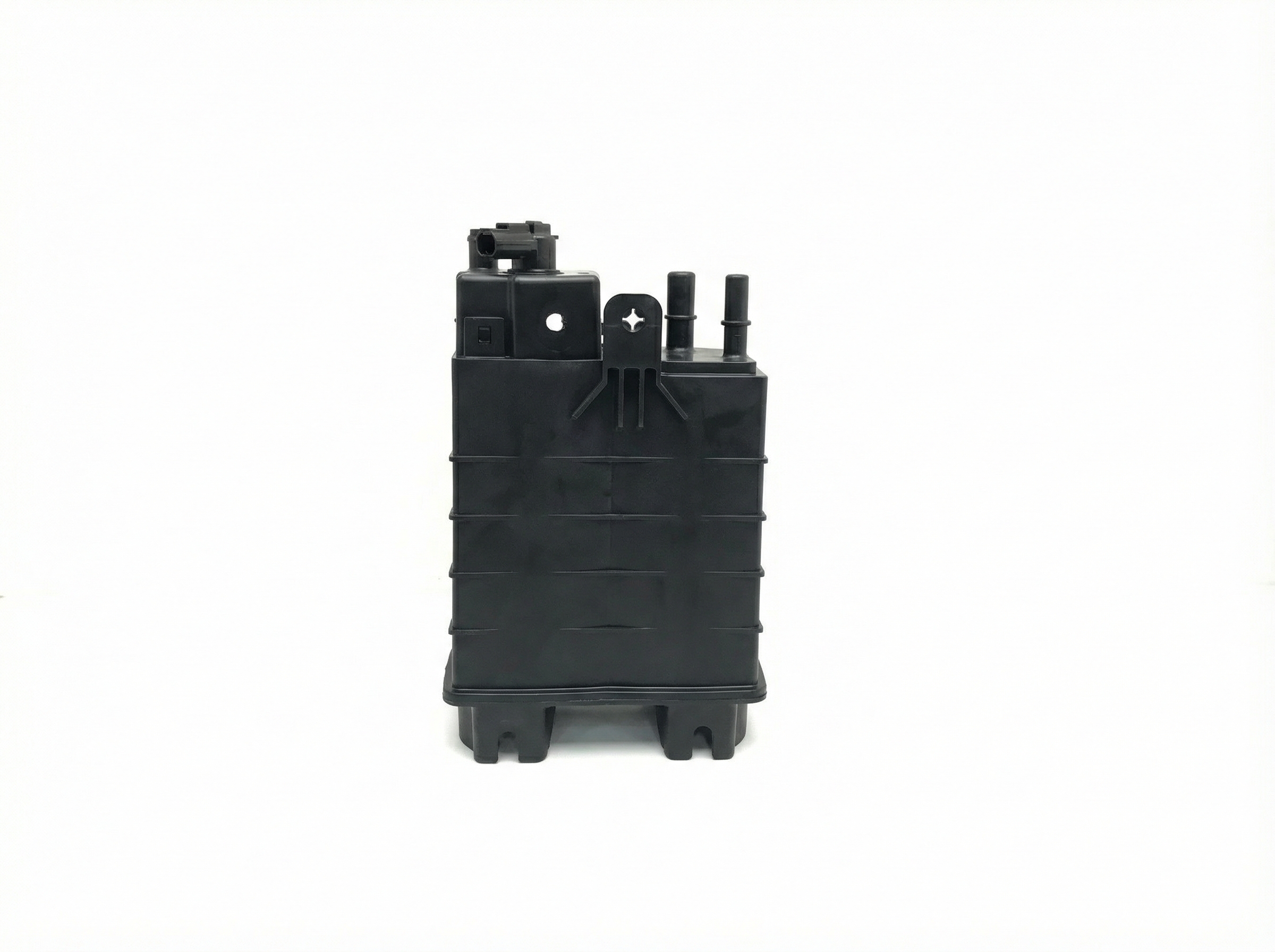
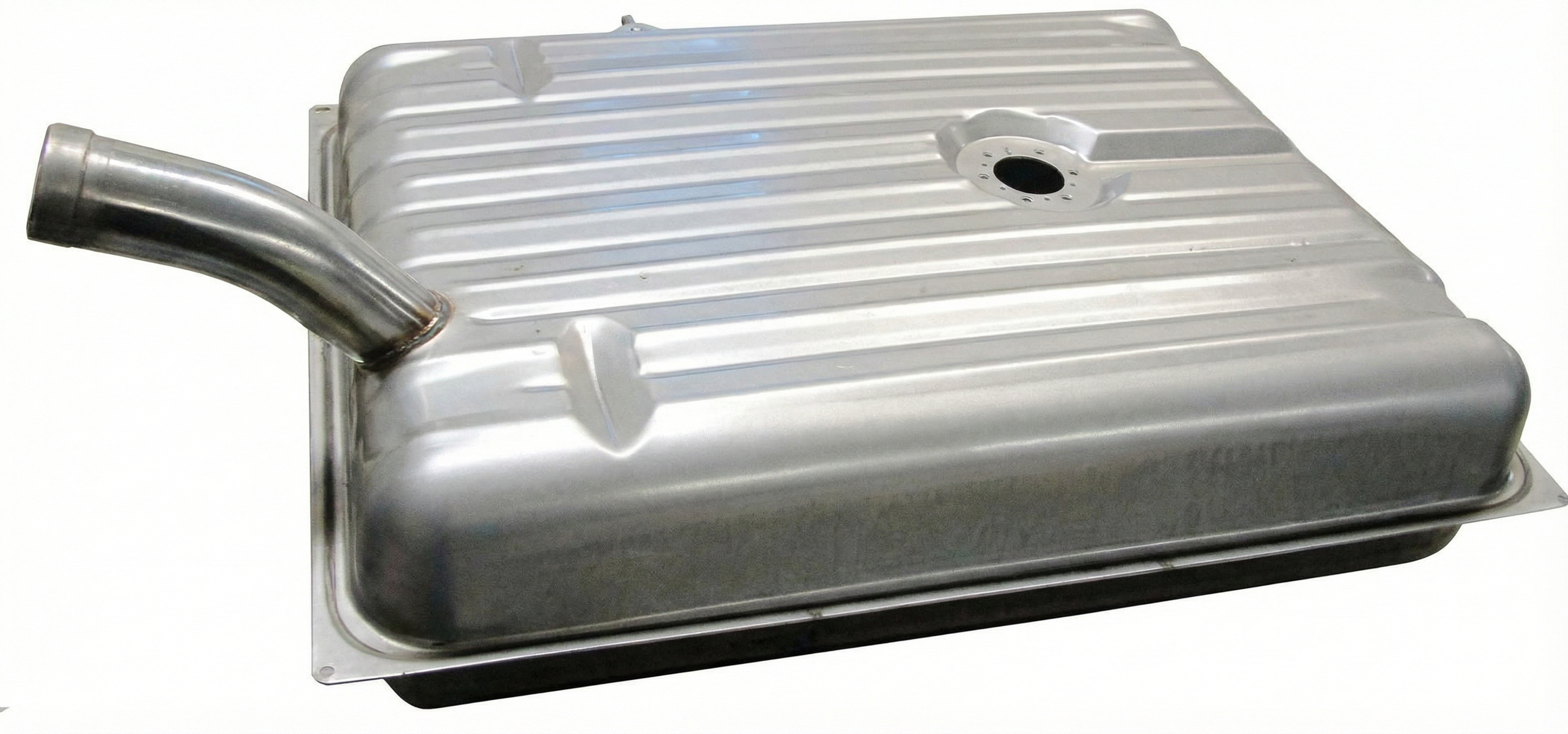
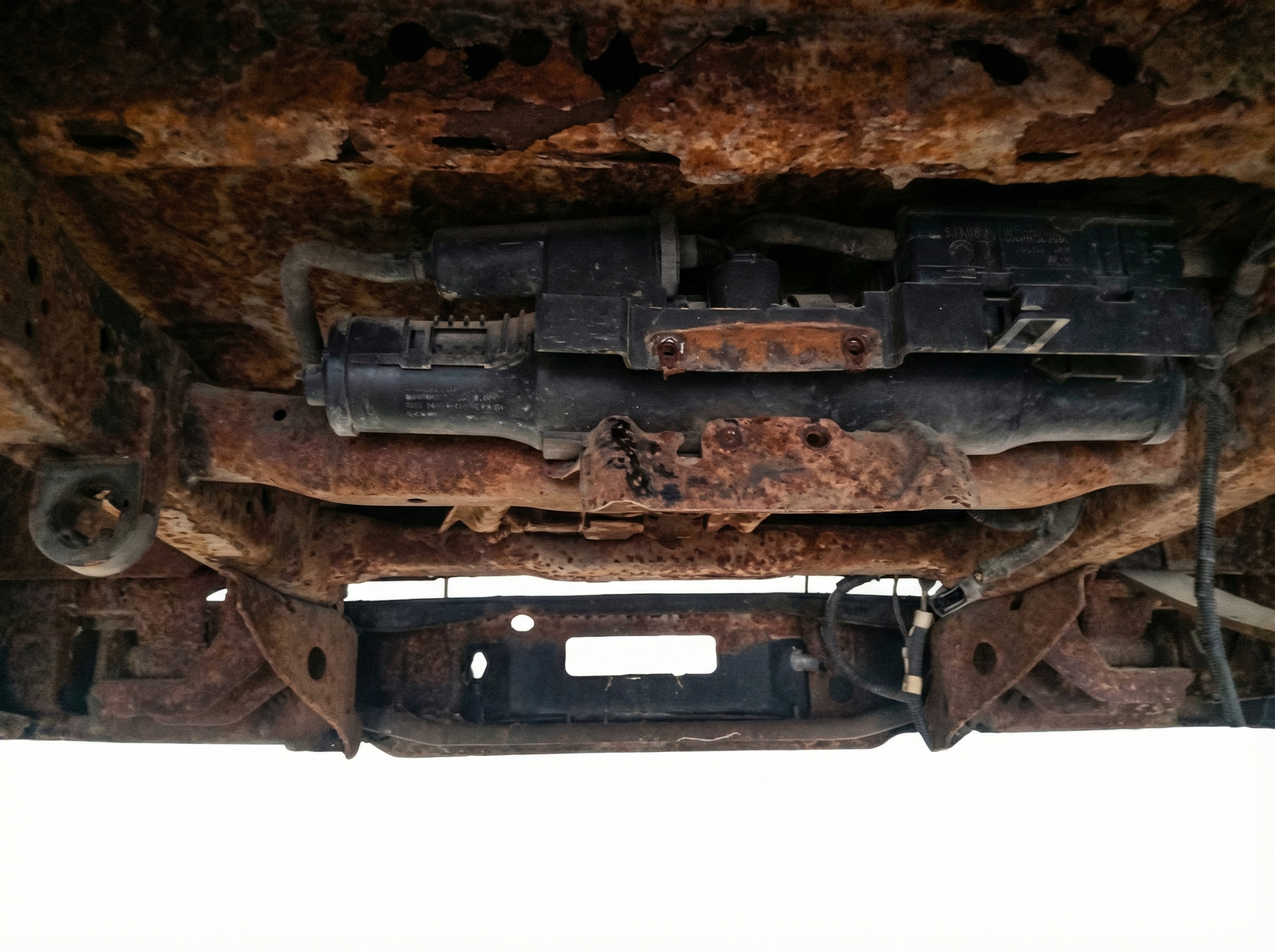
New Aftermarket Parts Available


The information in this article is provided for general reference and educational purposes only. Vehicle specifications, procedures, and part compatibility can vary by production date, trim level, and region. Always consult your vehicle's factory service manual and verify part numbers before purchasing or performing repairs. Safety-critical components such as airbags, seat belts, and braking systems should be installed by a qualified professional.
- Ford F-150:
- 🧭 Diagnostic Flowchart
- 🎬 Helpful Videos
- 🛍️ Shop This Part
- What's Unique About the 2004-2008 Ford F-150
- Symptoms You May Notice
- Most Likely Causes
- Rare But Worth Checking
- Diagnosis Steps
- Parts You'll Likely Need
- Related Codes That Often Appear With This One
- Technical Service Bulletins (TSBs) & Recalls
- Platform-Specific Known Issues
- Mechanic-Grade Diagnostic Values
- Scan Tool Commands That Help
- Wiring & Ground Locations
- Real Owner Repair Stories
- Documented NHTSA Reports
- "I Checked Everything" — The Actual Cause
- When the Usual Fixes Don't Work
- OEM Part Supersession History
- Model Year Variations Within This Range
- Real Owner Stories
- 2004 Ford F-150 5.4L 3v — 60000 miles
- 2005 Ford F-150 5.4L
- 2008 Ford F-150 4x4
- Related OBD-II Codes
- Frequently Asked Questions
- 🎟️ Get 5% Off