

P0455 on 2006-2013 Audi A3: EVAP Large Leak Causes and Fixes
For a 2006-2013 Audi A3, code P0455 most often points to a loose gas cap or a failed canister purge valve (N80 valve). Always check the gas cap first. If that's not the issue, the N80 valve is a common failure point and is a relatively inexpensive and easy part to replace.
- Always check the gas cap first for a P0455 code. Make sure it's tight and the seal is in good condition.
- The N80 purge valve is the second most likely culprit on a 2006-2013 Audi A3 and is a common DIY replacement.
- If you smell fuel, especially after filling the tank, or have trouble starting after a fill-up, the N80 valve is very likely the cause.
- If simpler fixes fail, a professional smoke test is the most reliable way to find the source of a large EVAP leak.
What's Unique About the 2006-2013 Audi A3
On the second-generation Audi A3 (8P chassis), the EVAP system components, particularly the canister purge valve (N80), are known weak points. While a loose gas cap is the universal first suspect for any car with a P0455 code, the N80 valve on these specific Audi and VW models has a high failure rate, often getting stuck open. This creates a constant vacuum leak that the system immediately flags as a major issue. Owners often report resolving this code by replacing the N80 valve after finding the gas cap is secure.
Generation note: The 2006-2013 year range covers the entire second generation of the Audi A3, known as the 8P. The causes and fixes are generally consistent across this generation, which shares its platform (PQ35) and many components with other VW AG vehicles like the VW Golf/GTI Mk5/Mk6.
Symptoms You May Notice
- Check Engine Light is on.
- A noticeable smell of gasoline around the vehicle, especially after parking.
- A "Close Fuel Cap" message may appear on the dashboard.
- Difficulty starting the engine immediately after refueling (this strongly points to a stuck-open purge valve).
- Slight decrease in fuel economy over time.
- Replacing the fuel tank when only the fuel pump seal is leaking.
- Replacing the Leak Detection Pump (LDP) before thoroughly checking the N80 purge valve and gas cap.
Most Likely Causes
- Loose or Faulty Gas Cap 🔴 High Probability → Shop Fuel Tank Cap This is the most common cause on all vehicles. The cap's seal can wear out, crack, or simply not be tightened correctly after refueling. Even the tether getting caught under the seal can cause a large leak.
How to confirm: Remove the gas cap and inspect the rubber O-ring or seal for cracks, brittleness, or damage. Ensure it is tightened until it clicks at least once. If the seal looks worn, replacement is the best option. A new genuine cap is part number 4F0201550J.
Typical fix: Tighten or replace the gas cap.
Est. part cost: $20-$50 - Faulty Canister Purge Valve (N80 Valve) 🔴 High Probability → Shop Vapor Canister This is a very common failure item on VW/Audi vehicles of this era. The internal diaphragm can fail, causing the valve to stick open.
How to confirm: Remove the valve (located on the engine). With the engine off, try to blow through it. If air passes through, the valve is stuck open and is faulty. A stuck-open valve often causes rough starting right after filling the gas tank.
Typical fix: Replace the N80 purge valve. 🎬 Watch: Step-by-step guide to replacing the Audi A3 N80 valve. It is typically an easy-to-access part in the engine bay.
Est. part cost: $30-$100 - Cracked or Disconnected EVAP Hoses 🟡 Medium Probability Over time, the plastic and rubber hoses in the EVAP system can become brittle and crack, especially those in the engine bay exposed to heat cycles. A large leak code often points to a hose that has completely disconnected from a fitting.
How to confirm: Visually inspect all accessible EVAP lines, from the N80 valve in the engine bay to the charcoal canister area (usually near the rear of the vehicle). The definitive method is to have a smoke test performed, which will force smoke through the system and reveal the exact location of any leaks.
Typical fix: Replace the cracked or broken section of hose.
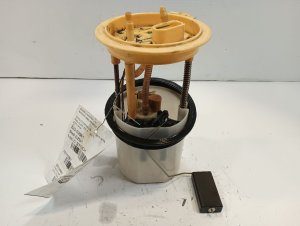
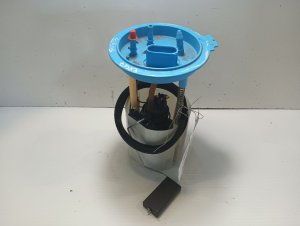
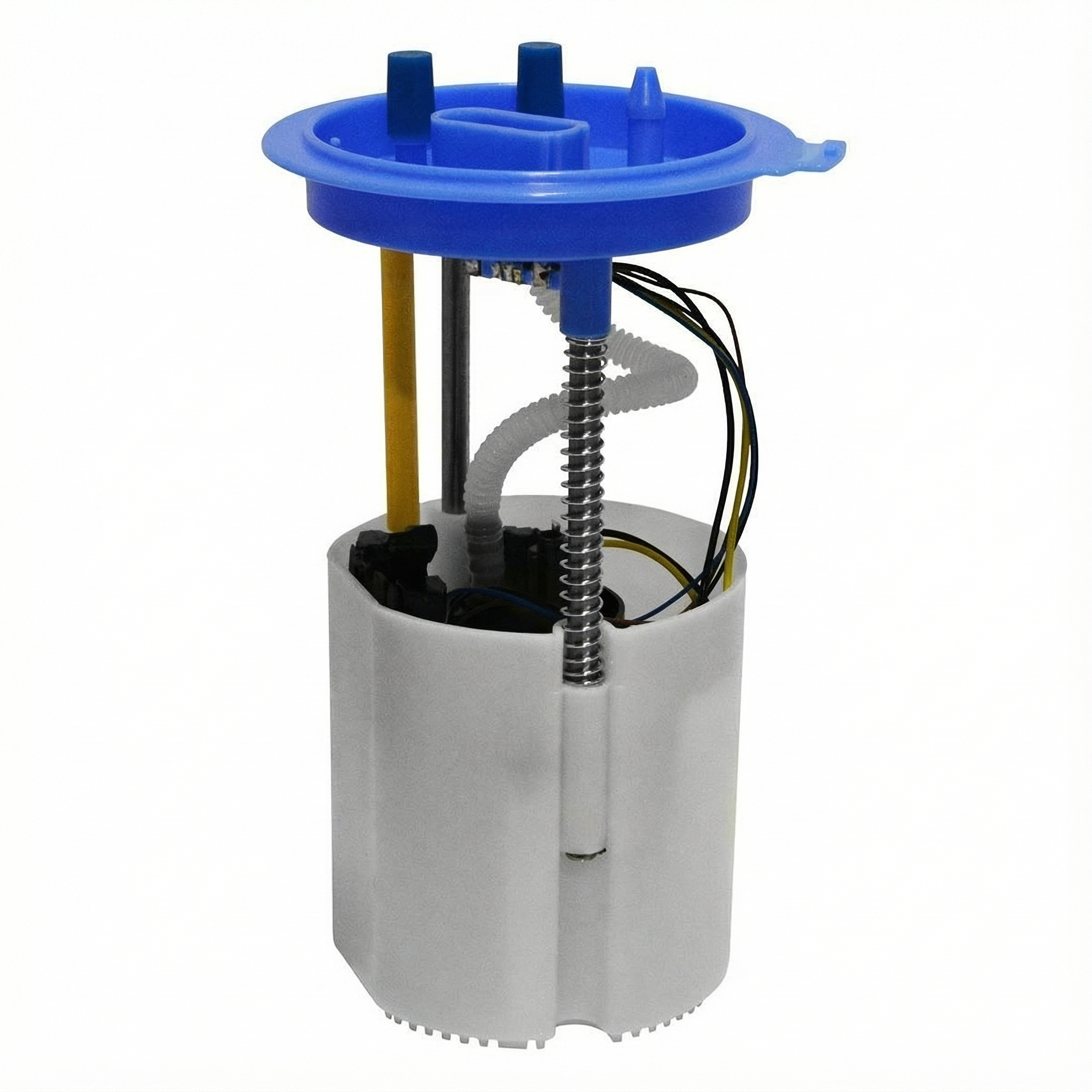
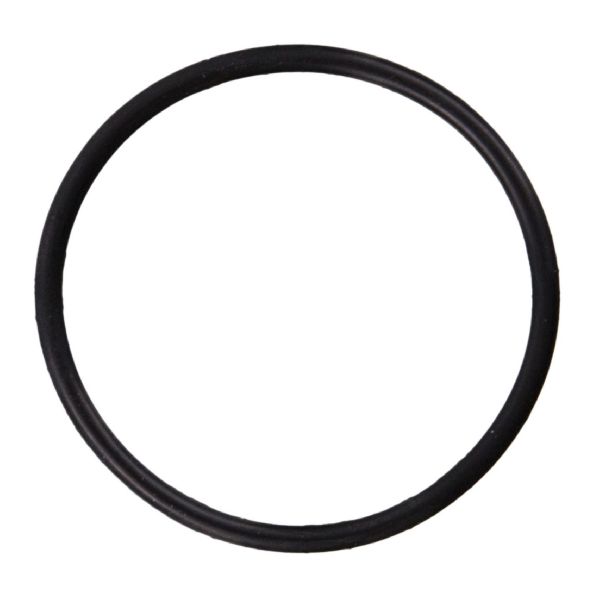
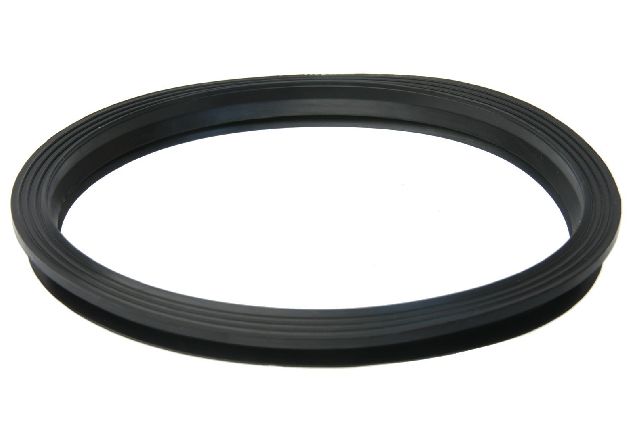
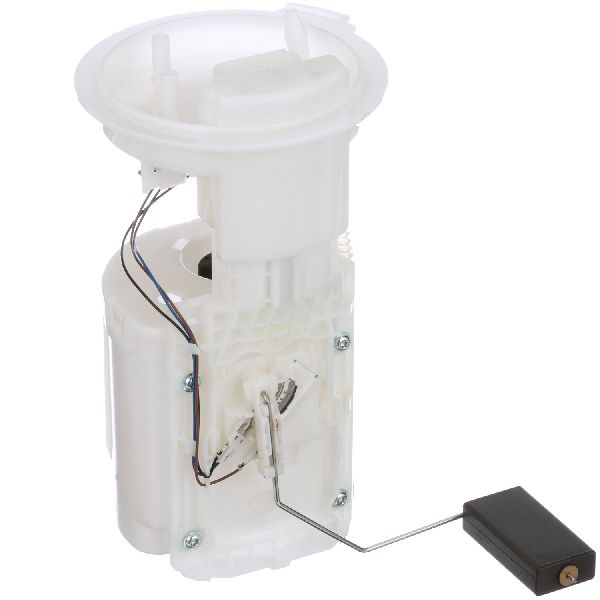
Est. part cost: $15-$75 - Leaking Fuel Pump Mounting Seal ⚪ Low Probability → Shop Fuel Pump The O-ring that seals the fuel pump/sending unit assembly to the top of the fuel tank can degrade over time, causing a significant vapor leak. This is often discovered after other common causes are ruled out.
How to confirm: This often presents with a strong fuel smell inside or outside the car, especially after filling the tank. A smoke test is the best way to confirm a leak at the top of the tank. Access is typically under the rear seat.
Typical fix: Replace the fuel pump O-ring and retaining clip. This requires accessing the top of the fuel tank, which is often under the rear seat.
Est. part cost: $25-$60
Rare But Worth Checking
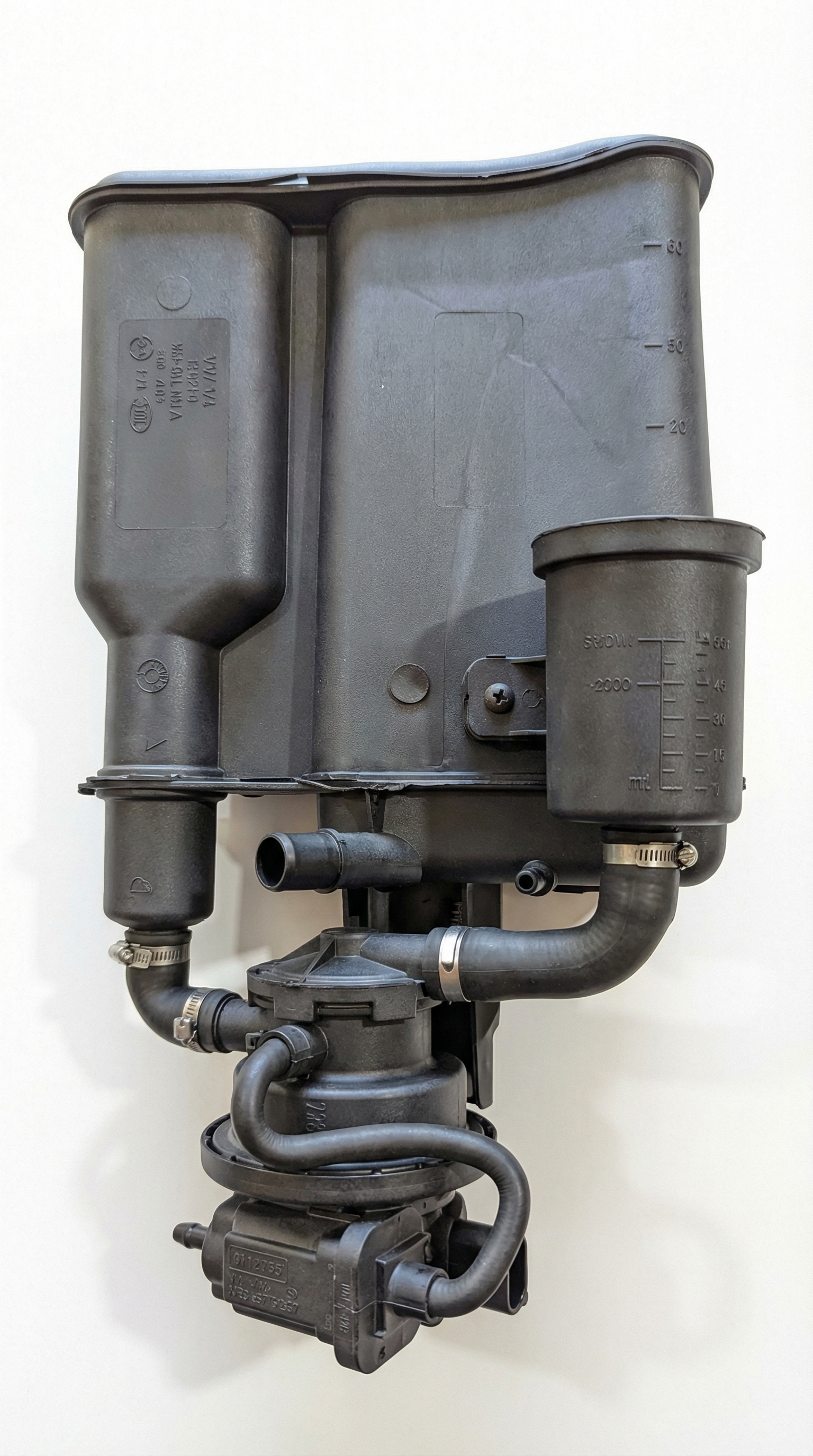
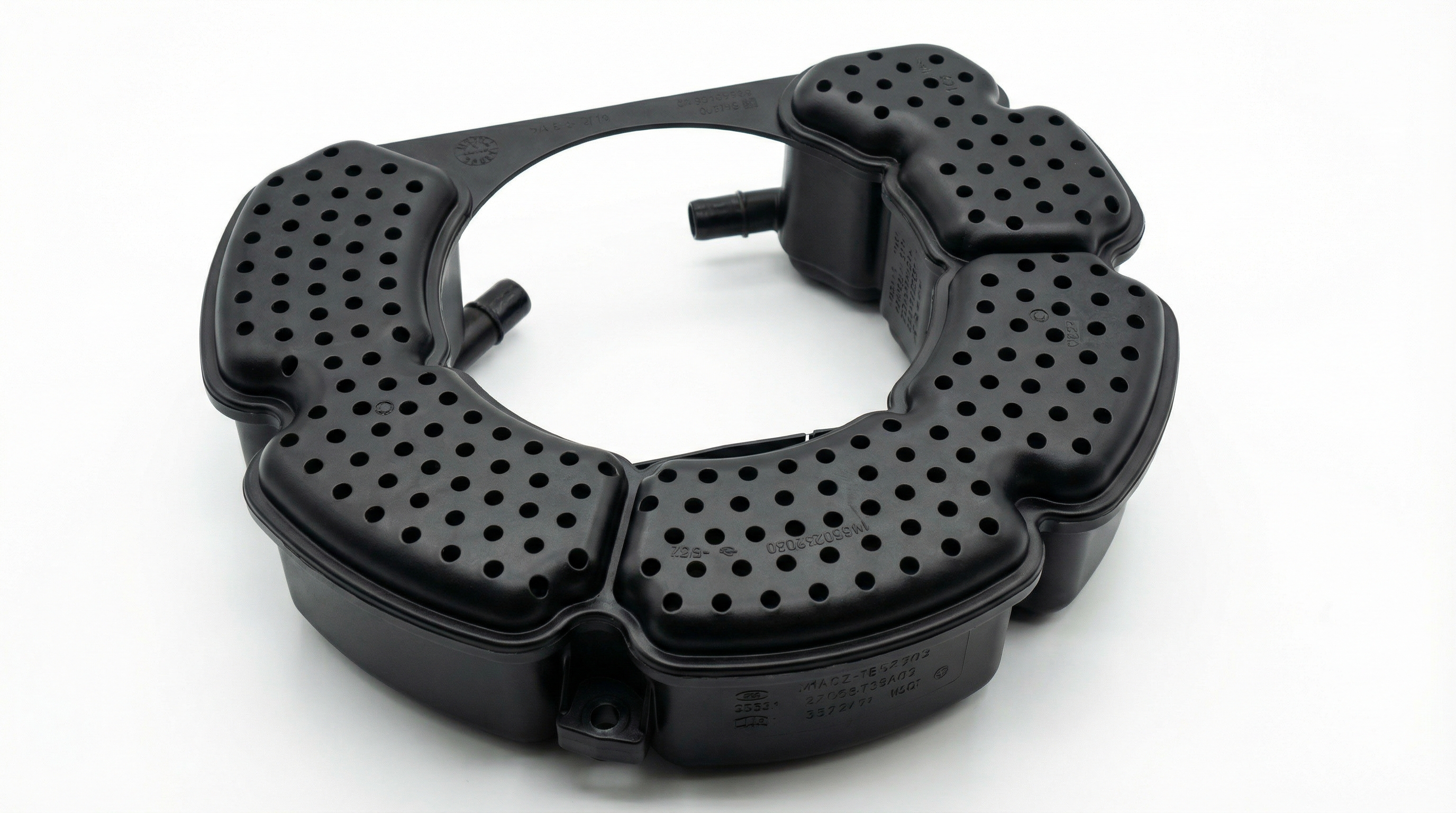
- Cracked Charcoal Canister: → Shop Vapor Canister The plastic housing of the charcoal canister can develop cracks from age or physical impact from road debris, creating a large leak. This is usually found during a smoke test if other components check out.
- Faulty Leak Detection Pump (LDP): → Shop Evaporative Emissions System Leak Detection Pump The LDP is responsible for pressurizing the system for leak testing. While it can fail, it's less common than the N80 valve or a simple cap issue. Failure of the LDP often throws its own specific codes, but it can be a contributor in complex cases.
- Cracked Fuel Filler Neck: → Shop Fuel Filler Neck In regions with heavy road salt use, the metal fuel filler neck can corrode and develop cracks or holes, creating a large EVAP leak that can be difficult to spot. This is often found during a smoke test when smoke is seen escaping from the wheel well area near the fuel door.
Diagnosis Steps
- Check the Gas Cap: This is the simplest and most common fix. Remove, inspect the seal for damage, and retighten it until it clicks. Clear the code and see if it returns after a few drive cycles.
- Inspect the N80 Purge Valve: Locate the N80 valve in the engine bay. Disconnect it and try to blow through it. If air passes, it's stuck open and needs to be replaced. You can also test its coil resistance with a multimeter (see 'specific_diagnostic_values').
- Visual Inspection: Carefully inspect all visible EVAP hoses in the engine bay and around the fuel tank area for obvious cracks, breaks, or disconnections. A P0455 is a large leak, so the cause may be a completely disconnected hose.
- Perform a Smoke Test: If the leak isn't obvious, a smoke test is the most effective next step. A mechanic will introduce pressurized smoke into the EVAP system. The smoke will escape from the point of the leak, making it easy to identify. 🎬 Watch: How to find an EVAP leak with a smoke tester.
- Check for TSBs: Check for any Technical Service Bulletins (TSBs) from Audi that may relate to this code on your specific vehicle.
Parts You'll Likely Need
- Gas Cap
(OEM #4F0201550J)— This is the most frequent cause of a P0455 code due to a worn seal or improper tightening.
Trusted brands: Audi Genuine, Blau, Motorad
OEM price range: $40-$60
Aftermarket price range: $15-$30 - Vapor Canister Purge Valve (N80 Valve)
(OEM #06E906517A)— This valve is a known high-failure part on 2006-2013 Audi/VW models and is a primary cause of P0455 and P0441 codes.
Trusted brands: Bosch, Audi Genuine, Dorman
OEM price range: $70-$120
Aftermarket price range: $30-$60 - Fuel Pump Seal / O-Ring — Can degrade and cause a large leak at the top of the fuel tank, often accompanied by a strong fuel smell.
Trusted brands: Audi Genuine
OEM price range: $25-$40
Aftermarket price range: $10-$25
Related Codes That Often Appear With This One
- P0456 — P0456 indicates a small EVAP leak. Sometimes a problem can start as a small leak and progress to a large one, or the system may detect both at different times. An owner might see both codes appear together.
- P0441 — P0441 indicates incorrect purge flow, which directly points to a problem with the N80 purge valve, a very common cause of P0455 on these cars.
Mechanic-Grade Diagnostic Values
- N80 Purge Valve Coil Resistance — expected: 9 - 14 Ω (at 20°C) per one service document, while another suggests 15 - 25 Ω. A reading outside these ranges or showing an open circuit (OL) indicates a faulty valve.. Failure: A reading of infinite resistance (Open Loop) or very low resistance (short).
- N80 Purge Valve Harness to ECM Resistance — expected: ~0.5 Ω (± 0.3 Ω). Failure: High resistance indicates a wiring problem between the valve's connector and the Engine Control Module.
Scan Tool Commands That Help
- VCDS (VAG-COM): Output Test (Sequential) — Use this function in the Engine module to manually activate the N80 purge valve. You should hear an audible clicking or buzzing from the valve, confirming the ECM can command it and the valve's solenoid is mechanically responding.
- VCDS (VAG-COM): Basic Settings - Group 070 — This initiates the EVAP system's self-test. The car must be warm. The tool will display the test status (e.g., 'EVAP Test ON', 'EVAP Test OFF', 'Leak Found'). This is a comprehensive way to confirm if the system can hold pressure after a repair.
Wiring & Ground Locations
- Engine/ECU Ground Points — There are several key ground points in the engine bay: three next to the battery and one under the scuttle panel (the plastic trim below the windshield) near the ECU.. A poor ground connection for the ECU or related sensors can cause erratic behavior and false codes. The N80 valve is controlled by the ECU, making these grounds critical.
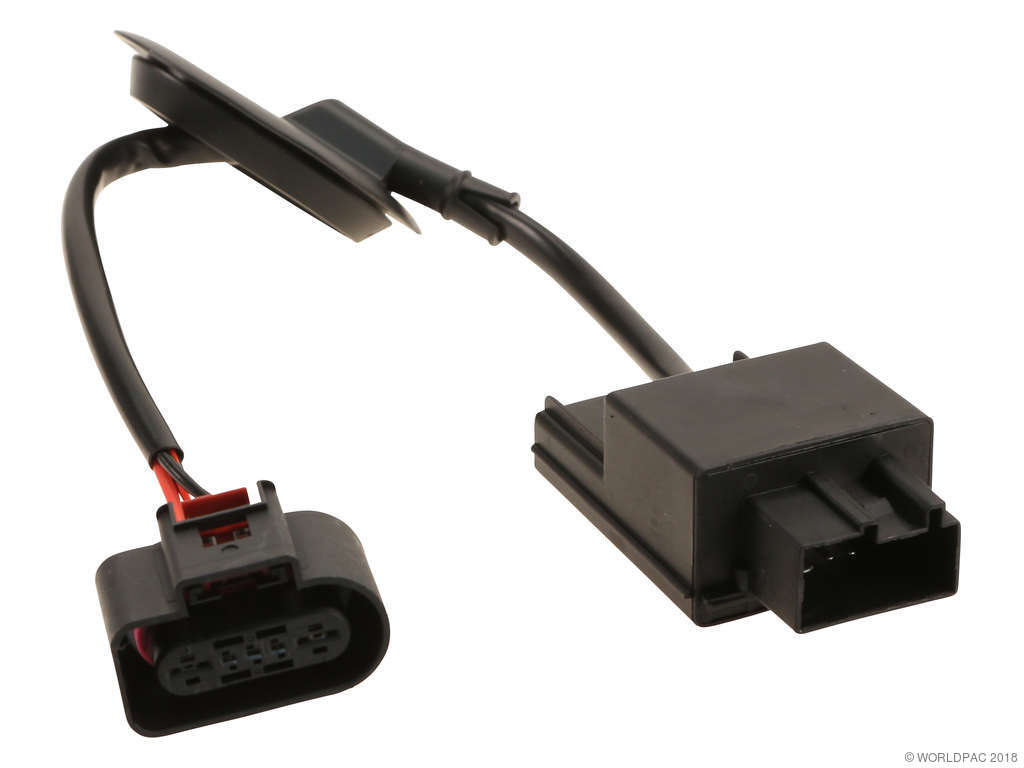
- N80 Valve Connector — A 2-pin connector directly on the N80 valve, located on the engine.. This is where you perform resistance tests on the valve itself and check for voltage from the ECU. Pin 2 typically runs to the Engine Control Module (J623).
- Interior Ground Points — Ground points are located on the left and right A-pillars and beside the steering column.. While less likely to be the primary cause, a bad chassis ground can affect various electronic systems, including the instrument cluster and control modules that report the fault.
Real Owner Repair Stories
- Reddit r/MechanicAdvice (2011 Audi A3) — P0455 and P0456 codes, strong gas smell, stalling after refueling.
❌ Tried (didn't work) Replaced gas cap, Replaced purge valve (N80)
✅ What actually fixed it The shop diagnosed and replaced a bad fuel pump mounting seal (O-ring) and retaining clip. The leak was at the top of the fuel tank where the pump assembly is installed. - AudiWorld Forums (2013 Audi A3 with manual transmission, ~100,000 miles) — Persistent P0455 code since owning the vehicle.
❌ Tried (didn't work) Replaced gas cap, Replaced purge valve solenoid (N80), Multiple smoke tests (all passed), N80 valve tested by mechanic, LDP pump activated and tested by mechanic, Replaced the Engine Control Module (ECU)
✅ What actually fixed it The story is unresolved but provides extreme value by showing a scenario where all common fixes and even an ECU replacement failed to solve the code, pointing towards a very intermittent electrical issue or a complex mechanical fault like a stuck LDP reed valve, which the owner was planning to investigate next.
"I Checked Everything" — The Actual Cause
- In a documented case on an AudiWorld forum, a 2013 A3 repeatedly passed smoke tests performed by a mechanic, yet the P0455 code persisted. After replacing the gas cap, N80 valve, and even the ECM to no avail, the next diagnostic step suggested was to check for an internally stuck reed valve in the Leak Detection Pump (LDP). This is a fault that a smoke test would not identify, as the system appears sealed, but the LDP's internal mechanics are failing the pressure test cycle.
When the Usual Fixes Don't Work
- While the gas cap and N80 purge valve are the most common culprits for P0455, there are numerous owner accounts where replacing both did not fix the issue. In one such case with a 2011 A3, the persistent large leak code and strong fuel smell were ultimately traced to a failed fuel pump mounting seal on top of the gas tank. This required accessing the fuel pump under the rear seat to replace the O-ring, a fix that is often overlooked in initial diagnosis.
OEM Part Supersession History
06E906517A→0280142431 (Bosch PN)— These part numbers are often used interchangeably for the N80 purge valve. 06E906517A is the common VW/Audi OEM number, while 0280142431 is the corresponding Bosch manufacturer part number, who is an OEM supplier.
Model Year Variations Within This Range
- 2006-2008 (approx.): Some earlier 2.0T engines in this generation are designated 'FSI'. The N80 purge valve 06E906517A is specified for the FSI engine. You can verify by checking for 'FSI' stamped on the engine cover. Later 'TFSI' engines may use a different part, so visual confirmation or VIN check is important.
Diagnostic Flowchart
Other Known Issues on This Vehicle
Issues unrelated to this code that are worth knowing about as an owner of this generation:
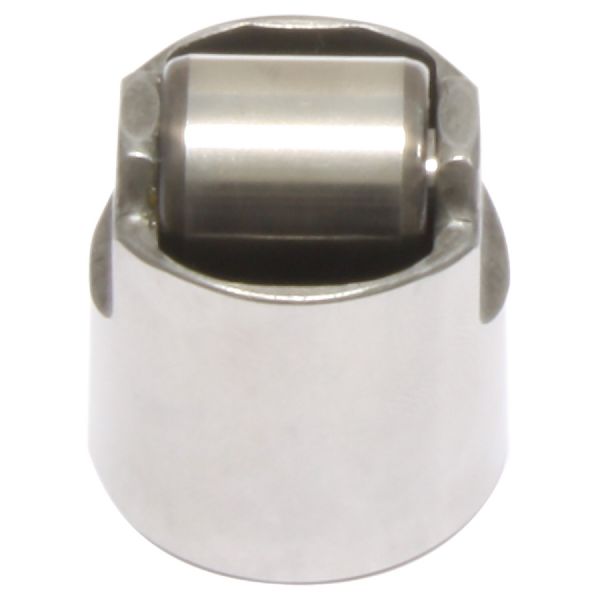
- HPFP Cam Follower Wear (2.0T FSI engines) 🔴 High → Shop Fuel Pump — Very common on early 2.0T FSI engines (e.g., BPY, BWA). Recommended as a preventative check/replacement every 10k-20k miles to avoid catastrophic damage to the camshaft and high-pressure fuel pump.
- DSG/S-Tronic Mechatronic Unit Failure 🔴 High — A well-documented issue across VW/Audi models with the DSG transmission. Can occur under 100,000 miles. Symptoms include harsh/jerky shifting, flashing PRNDS indicator, and loss of drive or reverse gears.
- Intake Manifold Runner Flap/Motor Issues 🟠 Medium — Commonly occurs with age and mileage. Carbon buildup can cause flaps to stick, or the control motor/sensor can fail, leading to fault codes, rough idle, and loss of power.
- Intake Valve Carbon Buildup (Direct Injection Engines) 🟠 Medium — An inherent issue with all direct-injection engines of this era. Typically requires manual cleaning (e.g., walnut blasting) every 60k-80k miles to resolve symptoms like rough idle, misfires, and reduced performance.
- Timing Chain Tensioner Failure (TFSI/TSI engines) 🔴 High — The original tensioner design on some engines can fail, allowing the timing chain to jump, which can cause catastrophic engine damage. It is a known issue that often presents with a rattle on cold starts. (Ref: There have been class-action lawsuits and some service campaigns related to this issue for certain VW/Audi engines.)
Used vs. New Parts: Buying Guide for This Vehicle
When a used part is the smart pick: For this repair, buying used parts is generally not recommended. The primary failure components (N80 valve, gas cap seal, fuel pump seal) are wear-and-tear items with rubber or plastic diaphragms that degrade over time. A used part may have very little life left and could fail soon after installation.
Donor-vehicle mileage cap: roughly under 30000 miles for the part to have meaningful remaining life.
What to inspect on the donor part:
- For an N80 valve, check for cracks in the plastic housing or connector.
- For a gas cap, inspect the rubber seal for any signs of cracking, hardening, or deformation. Ensure the clicking mechanism is crisp.
- Avoid parts from vehicles in regions with heavy road salt use, as corrosion can affect electrical connectors and seals.
OEM-only on this vehicle (don't cheap out):
- Fuel Pump Seal / O-Ring: Given the labor involved to access it under the rear seat, using a genuine Audi part is highly recommended to ensure a perfect fit and long-lasting seal.
Aftermarket brands forum-validated for this vehicle:
- Bosch: As an OEM supplier for the N80 valve, their aftermarket part (0280142431) is considered a reliable equivalent to the genuine Audi part.
- Vemo
- Standard Motor Products (SMP)
Brands owners have reported issues with on this vehicle:
- Unbranded, no-name parts from online marketplaces should be avoided. While cheap, they often have high failure rates, incorrect internal valving, or use materials that degrade quickly, leading to the code returning in a short time.
Real Owner Stories
Aggregated from forums and TSBs cited above. Mileages and costs reflect what owners reported in those sources.
2013 Audi A3
Symptoms: Persistent P0455 indication. The owner replaced the gas cap and purge valve, but the code remained, requiring extensive diagnostics including smoke tests and checking the Leak Detection Pump (LDP).
What fixed it: The diagnostic process involved checking the LDP and computer after standard parts failed to clear the code.
Source hint: AudiWorld Forums - 'Ongoing P0455 (Evap Emissions Large Leak) Indication Issue'
2011 Audi A3
Symptoms: Strong gas smell and stalling after refueling; vehicle threw both P0455 and P0456 codes.
What fixed it: Replacement of the fuel pump mounting seal after the gas cap and purge valve had already been replaced without success.
Source hint: Reddit r/MechanicAdvice - '2011 Audi A3 throwing P0455 and P0456 codes...'
Audi A3 (8P/B7 era)
Symptoms: Hard starting after fueling and a P0455 code.
What fixed it: Replacement of the N80 purge valve.
Cost: $18-$18
Source hint: Audiforums.com - 'p0455 code evap control leak problem?!?!'
Related OBD-II Codes
Frequently Asked Questions
What is the specific part number for a replacement gas cap on my Audi A3?
Why does my Audi A3 struggle to start only after I fill up the gas tank?
Where is the N80 purge valve located on the 2006-2013 Audi A3?
I smell gasoline inside my A3 after a full fill-up; could this be related to P0455?
How can I test if my N80 valve is the cause of the large leak without special tools?
Could a simple tether cause a P0455 code on this vehicle?
Helpful Videos



Used OEM Parts in Stock
New Aftermarket Parts Available


The information in this article is provided for general reference and educational purposes only. Vehicle specifications, procedures, and part compatibility can vary by production date, trim level, and region. Always consult your vehicle's factory service manual and verify part numbers before purchasing or performing repairs. Safety-critical components such as airbags, seat belts, and braking systems should be installed by a qualified professional.
- Audi A3:
- 🧭 Diagnostic Flowchart
- 🎬 Helpful Videos
- 🛍️ Shop This Part
- What's Unique About the 2006-2013 Audi A3
- Symptoms You May Notice
- Most Likely Causes
- Rare But Worth Checking
- Diagnosis Steps
- Parts You'll Likely Need
- Related Codes That Often Appear With This One
- Mechanic-Grade Diagnostic Values
- Scan Tool Commands That Help
- Wiring & Ground Locations
- Real Owner Repair Stories
- "I Checked Everything" — The Actual Cause
- When the Usual Fixes Don't Work
- OEM Part Supersession History
- Model Year Variations Within This Range
- Other Known Issues on This Vehicle
- Used vs. New Parts: Buying Guide for This Vehicle
- Real Owner Stories
- 2013 Audi A3
- 2011 Audi A3
- Audi A3 (8P/B7 era)
- Related OBD-II Codes
- Frequently Asked Questions
- 🎟️ Get 5% Off