

P0480 on 2007-2013 Mazda Mazdaspeed3: Cooling Fan Circuit Malfunction Causes and Fixes
This code indicates a problem with the cooling fan control circuit. On the Mazdaspeed3, the most common cause is a failed cooling fan control module, which is often sold as part of the complete fan assembly. Expect to pay $150-$300 for an aftermarket assembly, with DIY difficulty rated at 2/5.
- P0480 on a Mazdaspeed3 almost always points to a problem with the cooling fan control circuit, not the engine itself.
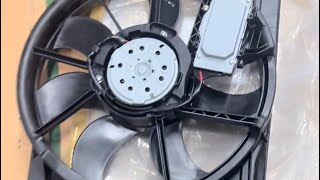
- The most likely culprit is the cooling fan control module, which is mounted on the fan shroud.
- Symptoms include engine overheating at low speeds and a non-functional A/C system.
- Diagnosis involves checking fuses, wiring, and using a scan tool to command the fan on. If the module receives power, ground, and a signal but the fan doesn't run, the module is bad.
- The easiest and most common repair is to replace the entire cooling fan assembly, which includes a new motor and control module.
What's Unique About the 2007-2013 Mazda Mazdaspeed3
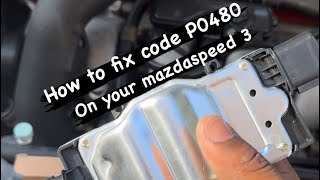
The Mazdaspeed3 uses a variable-speed cooling fan controlled by a dedicated module mounted directly to the fan shroud. This module is a very common failure point and is often the root cause of a P0480 code. 🎬 Watch: A quick guide to fixing code P0480 on your Mazdaspeed3. While some manufacturers allow the module to be purchased separately, Mazda typically sells it only as part of the complete fan assembly. In fact, many Mazda dealers report the OEM fan assembly as discontinued, forcing owners toward aftermarket solutions. This design simplifies wiring but makes the module itself the most likely component to fail in the control circuit.
Generation note: This guide covers both the first generation (2007-2009 'BK') and second generation (2010-2013 'BL') Mazdaspeed3. The cooling fan system design and the common causes for P0480 are largely identical between both generations. However, the OEM part numbers for the complete fan assembly differ between generations.
Symptoms You May Notice
- Engine overheating, especially at idle or in slow traffic
- Check Engine Light is on with code P0480 stored
- A/C system blows warm or does not work correctly (as the fan is needed to cool the A/C condenser)
- Cooling fan does not turn on when the engine is hot or A/C is activated
- Cooling fan runs constantly, even when the engine is cold or turned off, potentially draining the battery.
- Replacing the coolant temperature sensor. While a faulty sensor can cause cooling issues, it will typically set its own specific trouble codes (e.g., P0117, P0118) and is not a common cause for a P0480 circuit code.
Most Likely Causes
- Failed Cooling Fan Control Module 🔴 High Probability → Shop Engine Cooling Fan Blade The fan control module is exposed to significant heat and vibration, being mounted directly on the fan shroud in a cramped engine bay. It is the most frequently cited failure point for this code on Mazdaspeed3 forums and YouTube repair videos.
How to confirm: With the engine hot or A/C on, check for a PWM signal from the PCM to the module's control wire. If a signal is present and there is good power and ground to the module, but no power output to the fan motor, the module is faulty. A scan tool with active test capabilities can command the fan on to verify function.
Typical fix: Replace the fan control module. Since it is often only sold with the fan assembly, the entire fan shroud with motor and module is typically replaced. Some owners purchase just the aftermarket module and splice it in.
Est. part cost: $150-$300 for a complete aftermarket assembly. - Damaged Wiring or Connectors 🟡 Medium Probability The wiring harness to the fan module is located in the engine bay and can be susceptible to heat damage, chafing, or corrosion at the connector pins. A bad ground connection is also a possible point of failure.
How to confirm: Visually inspect the wiring harness and the main connector at the fan control module for any signs of melting, breaks, or corrosion. Use a multimeter to check for continuity and proper voltage on the power, ground, and signal wires.
Typical fix: Repair the damaged section of wire or clean/replace the connector.
Est. part cost: $5-$50 for wiring repair supplies. - Failed Cooling Fan Motor ⚪ Low Probability → Shop Engine Cooling Fan Blade While less common than module failure, the electric motor can wear out over time, developing internal shorts or open circuits.
How to confirm: Apply 12V power and ground directly to the fan motor's terminals (bypassing the control module). If the fan does not spin, the motor is bad. If it spins, the motor is good, pointing towards a module or wiring issue.
Typical fix: Replace the cooling fan assembly, as the motor is integrated into it.
Est. part cost: $150-$300 for a complete aftermarket assembly. - Blown Fuse ⚪ Low Probability
How to confirm: Locate the main fuse for the cooling fan circuit in the under-hood fuse box. On a Mazdaspeed3, this is typically a large cartridge fuse labeled 'FAN'. Visually inspect the fuse and test for continuity. While some systems use relays, the Mazdaspeed3 primarily uses the control module, but checking the main fuse is a crucial first step.
Typical fix: Replace the blown fuse.
Est. part cost: $5-$15 for a cartridge fuse.
Rare But Worth Checking
- Faulty Powertrain Control Module (PCM): This is extremely rare. The PCM should only be considered as the cause after all other possibilities (module, wiring, fan motor, fuse) have been exhaustively tested and ruled out. A faulty PCM driver circuit could fail to send the required PWM signal.
Diagnosis Steps
- Check Fuses: Start by inspecting the main 'FAN' fuse in the under-hood fuse box. This is often a 40A or 60A cartridge fuse. Replace if blown.
- Visual Inspection: Carefully inspect the wiring harness leading to the cooling fan control module, located on the driver's side of the fan shroud. Look for any signs of damage, such as chafing, melting, or corrosion on the connector pins.
- Scan Tool Active Test: Use a capable OBD-II scanner to perform an 'active test' to command the cooling fan on at various speeds. Listen for the fan to activate. Note if the fan runs but the code persists, or if it fails to run at all.
- Test at the Connector: If the fan doesn't run, unplug the 4-pin connector at the fan control module. Check for battery voltage on the main power wire (usually the thickest wire) and a good ground on the ground wire. The other two smaller wires are for the PWM signal from the PCM and a feedback signal.
- Check the Signal Wire: Using a multimeter with a duty cycle function or an oscilloscope, check for the command signal from the PCM on the signal wire while commanding the fan on with a scan tool. You should see a changing PWM signal as you command different speeds.
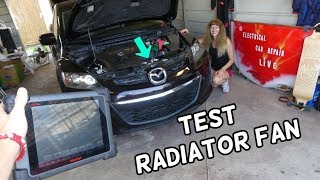
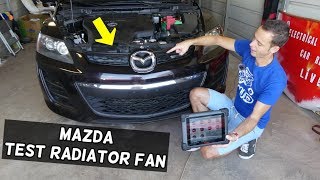
- Test the Fan Motor Directly: If power and ground are present at the module but the fan isn't working, you can test the motor. Unplug the two-wire connector from the module to the fan motor itself. Apply 12V directly to the fan motor terminals. If the fan spins, the motor is good, strongly confirming the control module has failed. 🎬 Watch: How to test the radiator fan and module on a Mazda. If it doesn't spin, the fan motor is bad.
- Conclusion: If the fan motor works when powered directly, and power/ground/signal are confirmed going into the control module, the fan control module is faulty and the assembly needs to be replaced.
Parts You'll Likely Need
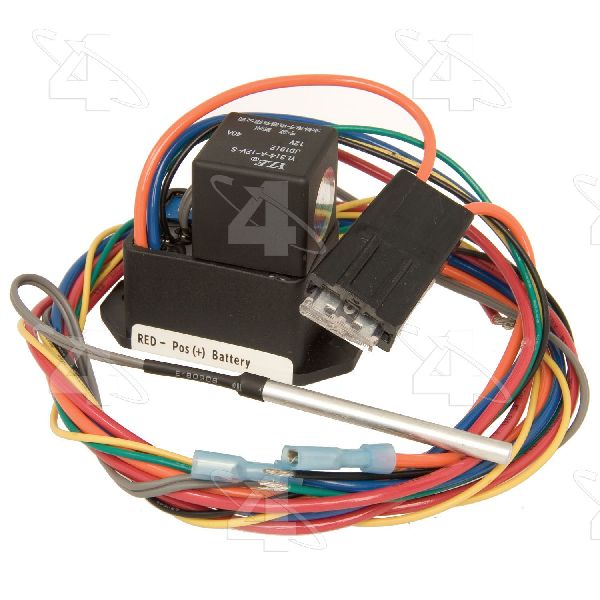
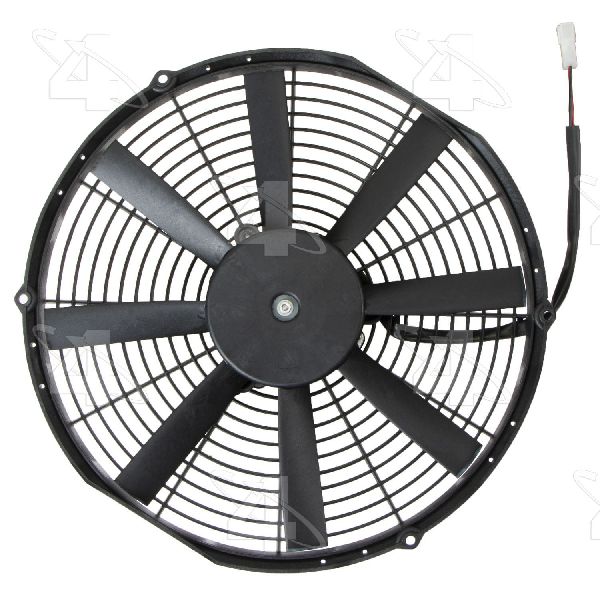
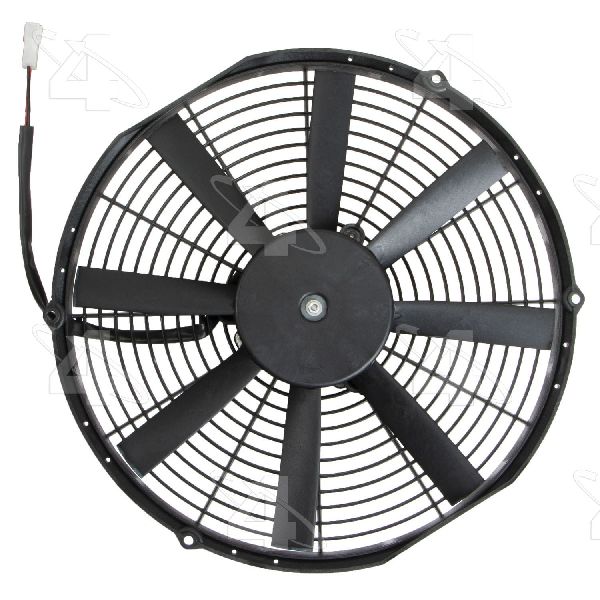
- Cooling Fan Assembly (with Motor and Control Module)
(OEM #Gen 1 (2007-2009): L33X-15-025F; Gen 2 (2010-2013): L33L-15-025G (replaces L33L-15-025C/D/E))— This is the most common failure. The fan control module is the weakest link and is sold as an integrated part of the entire fan assembly by Mazda. OEM parts are often reported as discontinued.
Trusted brands: Dorman (e.g., 621-434), Four Seasons, TYC, Genera
OEM price range: $600-$800 (if available)
Aftermarket price range: $150-$300
Technical Service Bulletins (TSBs) & Recalls
- While no specific TSB for the Mazdaspeed3 and P0480 was found, Mazda's diagnostic literature for the platform-mate CX-7 with the same engine details the exact monitoring conditions under which the PCM will set a P0480 code, confirming the failure logic.
Platform-Specific Known Issues
- The cooling fan control module is a known high-failure item on this platform, frequently causing a P0480 code and overheating symptoms or a constantly running fan that drains the battery.
- Due to the high heat in the engine bay of the turbocharged Mazdaspeed3, the electronics in the fan control module are prone to premature failure.
Mechanic-Grade Diagnostic Values
- Pre-test ECT PID value — expected: Less than 98 °C (209 °F). Failure: If the fan is already running at a lower temperature, or fails to run at a higher temperature, it indicates a control system fault.
- PCM Fan Control Signal Wire Voltage (PWM) — expected: A square wave that pulls a baseline voltage of ~10-11V down to ground. The frequency of this pulse determines fan speed.. Failure: A flat line (either high voltage or at ground) when the fan is commanded on via a scan tool indicates a lack of signal from the PCM or a short/open in the wire.
Hidden / Shadow Codes Worth Checking
- P0480:00: This is not a hidden code, but the ':00' suffix is how the standard Mazda diagnostic system (M-MDS) may display the generic P0480 fault. It does not indicate a sub-fault, but rather the primary malfunction type for this circuit. (see via Mazda M-MDS or equivalent professional scan tool.)
Scan Tool Commands That Help
- Mazda M-MDS or equivalent professional scan tool: Active Test / Actuator Test for Cooling Fan — This is a critical diagnostic step. Use this to command the fan on at specific duty cycles (e.g., 25%, 50%, 80%). If the fan responds correctly, the motor, module, and wiring are likely good, pointing towards an intermittent issue or a problem with the PCM's request triggers (like the ECT sensor). If the fan does not respond, it confirms a hard fault in the module, motor, or wiring.
Wiring & Ground Locations
- PCM Pin 1AE — On the main engine ECU/PCM connector for 2007 models.. This is the specific pin that sends the PWM control signal to the fan control module. The wire is typically Blue. Probing here can confirm if the PCM is sending the command signal.
- G1 / G01 — Behind the left (driver's side) headlight.. This is the main chassis ground point for the cooling fan circuit on both Gen 1 (G1) and Gen 2 (G01) models. A corroded or loose connection here will cause a complete loss of function or intermittent operation of the fan system.
- Fan Control Module Connector — On the fan control module, mounted to the driver's side of the fan shroud.. This 4-pin connector is the central point for testing. It contains the main power, ground, PCM signal wire, and feedback wire. Checking for B+ voltage, good ground, and the PWM signal here is the most efficient way to diagnose the circuit.
Real Owner Repair Stories
- Reddit user in r/mazdaspeed3 (Mazdaspeed3, year not specified) — P0480 code present, radiator fan would stay on after shutting the engine off, draining the battery. Fan would also sometimes fail to turn on at high temps (220F+).
❌ Tried (didn't work) Temporarily 'fixed' by hitting the fan control module with a screwdriver handle, which worked for eight months.
✅ What actually fixed it Replacing only the fan control module with a compatible, inexpensive aftermarket unit designed for Ford/Volvo vehicles fixed the problem permanently. The user identified the OEM Bosch module part number as 1 137 328 505 and found a cross-compatible replacement on Amazon for $23. - Mazdaspeeds.org user 'Binary Assault' (Mazdaspeed3, year not specified) — Car overheating, radiator fan would not turn on. A/C was also not getting cold.
❌ Tried (didn't work) Replacing fan relays, Replacing thermostat (old one tested good), Replacing the entire radiator fan/controller assembly with a used part
✅ What actually fixed it The user had previously installed an auxiliary fan wiring harness. The ultimate cause was a ground wire in this custom harness that was forgotten and never soldered. Soldering the ground connection properly resolved the entire issue.
When the Usual Fixes Don't Work
- In one documented case, a user with a P0480 code found their fan still turned on with the A/C. This indicates a partial failure of the fan control module, where it can respond to one type of command (a simple on/off from the A/C system) but fails the variable-speed 'rationality check' performed by the PCM, which then sets the P0480 code. This proves that seeing the fan run is not a definitive test that the control module is good.
- A complex case showed that even after replacing the fan assembly, the problem persisted. The root cause was a faulty ground in a custom-wired auxiliary fan circuit. This highlights that any modifications to the fan system should be the first place to inspect, even before testing OEM components.
OEM Part Supersession History
L33L-15-025C, L33L-15-025D, L33L-15-025E→L33L-15-025G— Part revision and consolidation by Mazda.
Heads up: These part numbers apply to the Gen 2 (2010-2013) fan assembly. While physically similar, using a Gen 1 assembly on a Gen 2 car or vice-versa may lead to connector or control issues.Bosch 1 137 328 505 (Module only)→N/A (Mazda sells as full assembly)— This is the original equipment module. Mazda does not sell it separately.
Heads up: Owners have successfully replaced just this module with aftermarket equivalents intended for Ford and Volvo models that use the same base component, often for a fraction of the cost of a full fan assembly. This is a common DIY fix.
Model Year Variations Within This Range
- 2007-2009 (Gen 1 - BK): Uses fan assembly L33X-15-025F. The wiring diagram specifies ground point 'G1' for the fan circuit.
- 2010-2013 (Gen 2 - BL): Uses fan assembly L33L-15-025G (and its predecessors). The wiring diagram specifies ground point 'G02' and explicitly notes a 'Fan 2 fuse (2.3l turbo) 40a' in the fuse block, which may differ from Gen 1.
Diagnostic Flowchart
Other Known Issues on This Vehicle
Issues unrelated to this code that are worth knowing about as an owner of this generation:
- VVT Actuator Failure & Timing Chain Stretch 🔴 High — Very common, especially on earlier models (pre-2011). Often manifests as a loud rattling/ticking noise on cold starts that lasts for a few seconds. Can occur from 70,000 miles onward. (Ref: Mazda issued a warranty extension (SSP 87) for this issue on certain 2007-2010 models, covering repairs up to 7 years or 70,000 miles.)
- Smoking Turbocharger (K04 Turbo Seal Failure) 🟠 Medium → Shop Turbocharger — A well-known issue where the turbo's internal oil seals fail, causing significant blue/white smoke from the exhaust, especially after idling. Often becomes noticeable after 80,000 miles. Using a thicker 5W-40 oil is a common temporary fix. (Ref: No official recall, but it is a widely discussed problem. Some owners install a banjo bolt with a smaller oil restrictor to reduce oil pressure to the turbo as a preventative or palliative measure.)
- High-Pressure Fuel Pump (HPFP) Internals Weakness 🔴 High — The stock HPFP is a known weak point, especially when adding performance modifications. It can fail to provide adequate fuel pressure under high load, leading to a lean condition and potential engine damage ('Zoom-Zoom Boom'). This is considered a mandatory upgrade for any owner planning to tune the vehicle.
- Intake Valve Carbon Buildup 🟠 Medium — As a direct-injection engine, the intake valves are not cleaned by fuel spray, leading to significant carbon deposits over time. This can cause misfires, poor performance, and reduced fuel economy. Manual cleaning (walnut blasting) is often required every 80,000-100,000 miles.
Used vs. New Parts: Buying Guide for This Vehicle
When a used part is the smart pick: A used part is a significant gamble for this repair. The fan control module is the primary failure point, and its lifespan is determined by heat and operating hours, which are unknown on a used part. It only makes sense if the price is extremely low and you are willing to risk it failing shortly after. A used fan shroud or motor blade might be acceptable if your original is physically damaged, but the electronic module should be considered a wear item.
Donor-vehicle mileage cap: roughly under 50000 miles for the part to have meaningful remaining life.
What to inspect on the donor part:
- Check the main electrical connector for any signs of melting, corrosion, or burnt pins.
- Spin the fan blade by hand; it should spin freely with minimal resistance or noise.
- Inspect the wiring harness for any brittleness, cracking, or previous repairs.
- If possible, ask for the history of the donor car (e.g., front-end collision vs. engine failure).
OEM-only on this vehicle (don't cheap out):
- No parts in this system are strictly 'OEM-only' as the original Mazda part is often discontinued and aftermarket is the only option.
Aftermarket brands forum-validated for this vehicle:
- Dorman (e.g., 621-434)
- TYC
- Four Seasons
- Aftermarket modules for Ford/Volvo that cross-reference to Bosch P/N 1 137 328 505 are reported by owners to be a successful, low-cost alternative for just the module.
Brands owners have reported issues with on this vehicle:
- No specific brands are consistently reported as problematic, but with any low-cost aftermarket electronic part, quality can be inconsistent. Reading recent reviews for the specific part number is recommended.
Real Owner Stories
Aggregated from forums and TSBs cited above. Mileages and costs reflect what owners reported in those sources.
2007-2013 Mazda Mazdaspeed3 2.3L MZR DISI Turbo I4
Symptoms: The fan was staying on after the car was shut down, which was draining the battery. The P0480 code was present.
What fixed it: Replacing the fan controller (module) fixed the issue.
Source hint: r/mazdaspeed3 - Thread 'Fan issue' (2021)
Related OBD-II Codes
Frequently Asked Questions
What is the most common cause of a P0480 code on my 2007-2013 Mazdaspeed3?
My cooling fan runs constantly after I turn the car off and drains the battery. Is this related to P0480?
Do I have to replace the entire fan assembly, or can I just replace the control module for a P0480 fix?
My check engine light is on for P0480, but the fan still turns on with the A/C. What's wrong?
How can I test whether the fan motor or the control module is the problem?
Are other similar Mazda models known for this same P0480 fan issue?
Is there a specific Mazda TSB for the P0480 code on the Mazdaspeed3?
Helpful Videos
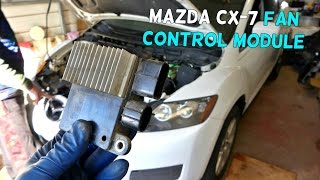
We Have This Part in Stock
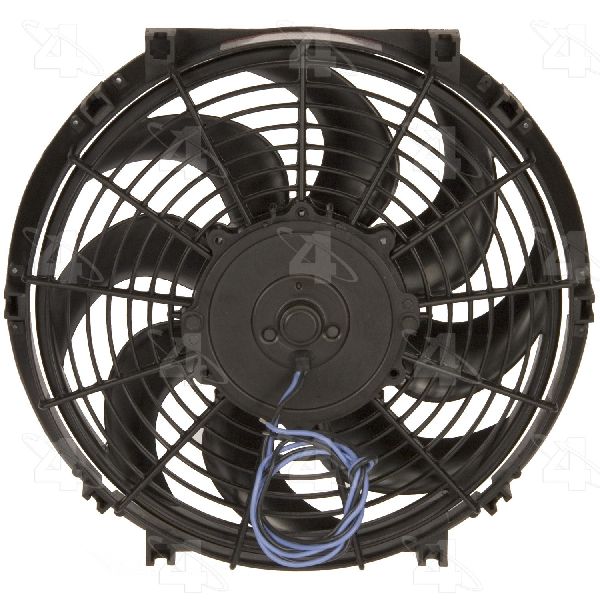
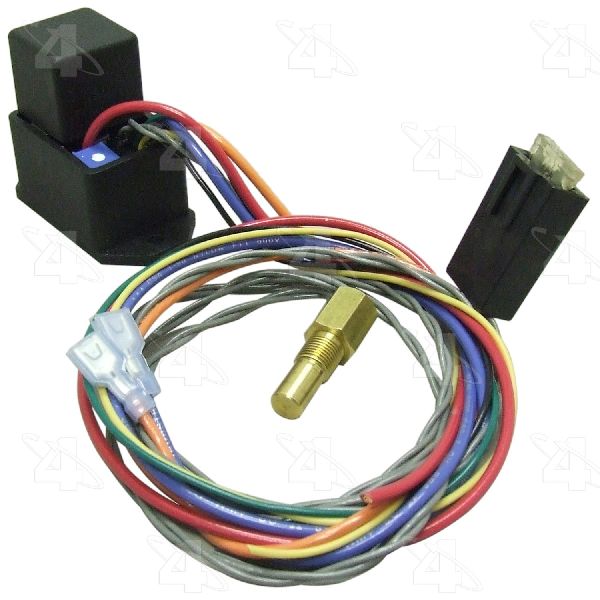

The information in this article is provided for general reference and educational purposes only. Vehicle specifications, procedures, and part compatibility can vary by production date, trim level, and region. Always consult your vehicle's factory service manual and verify part numbers before purchasing or performing repairs. Safety-critical components such as airbags, seat belts, and braking systems should be installed by a qualified professional.
- Mazda Mazdaspeed3:
- 🧭 Diagnostic Flowchart
- 🎬 Helpful Videos
- 🛍️ Shop This Part
- What's Unique About the 2007-2013 Mazda Mazdaspeed3
- Symptoms You May Notice
- Most Likely Causes
- Rare But Worth Checking
- Diagnosis Steps
- Parts You'll Likely Need
- Technical Service Bulletins (TSBs) & Recalls
- Platform-Specific Known Issues
- Mechanic-Grade Diagnostic Values
- Hidden / Shadow Codes Worth Checking
- Scan Tool Commands That Help
- Wiring & Ground Locations
- Real Owner Repair Stories
- When the Usual Fixes Don't Work
- OEM Part Supersession History
- Model Year Variations Within This Range
- Other Known Issues on This Vehicle
- Used vs. New Parts: Buying Guide for This Vehicle
- Real Owner Stories
- 2007-2013 Mazda Mazdaspeed3 2.3L MZR DISI Turbo I4
- Related OBD-II Codes
- Frequently Asked Questions
- 🎟️ Get 5% Off