

P0500 on 2005-2010 Scion tC: Vehicle Speed Sensor Causes and Fixes
Code P0500 on a 2005-2010 Scion tC usually indicates a fault with the vehicle speed sensing system. The most common causes are a failed wheel speed sensor or a faulty instrument cluster, not a traditional transmission-mounted speed sensor. If the speedometer works but the code is present, the instrument cluster is the most likely culprit.
- On a 2005-2010 Scion tC, P0500 is generated from the wheel speed sensor system, not a single sensor on the transmission.
- If your speedometer works but the Check Engine light is on with code P0500 and you have shifting problems, the instrument cluster is a very likely cause.
- Do not replace the transmission speed sensors to fix a P0500 code; they are not the source of the vehicle speed signal for the ECM.
- The best way to diagnose a faulty wheel speed sensor is with an OBD-II scanner that can read live data from the ABS module.
- Symptoms include a faulty speedometer, harsh shifting, and disabled cruise control.
What's Unique About the 2005-2010 Scion tC
The key thing to understand about the first-generation Scion tC is that it doesn't have a single, traditional Vehicle Speed Sensor (VSS) on the transmission for the speedometer and P0500 code. Instead, it relies on the four ABS wheel speed sensors to generate the vehicle speed signal. This signal is processed by the ABS module (Skid Control ECU) and then the instrument cluster before being sent to the engine computer. This architecture means that a P0500 code is often misdiagnosed; owners might replace transmission sensors when the actual fault lies with a wheel speed sensor or, surprisingly often, the instrument cluster itself. The most telling symptom is a working speedometer accompanied by a P0500 code, which almost always points to the cluster's output circuit failure.
Symptoms You May Notice
- Check Engine Light is on
- Erratic or non-functional speedometer
- Harsh, late, or incorrect shifting in automatic transmissions
- Car hesitates or feels like it will cut out
- Cruise control does not work
- ABS, VSC, and/or TRAC OFF lights may be illuminated on the dashboard
- Replacing the input or output speed sensors on the transmission. While these sensors are important for shift timing, they do not provide the primary vehicle speed signal to the ECM for the P0500 code on a Scion tC. Many owners replace these in error before realizing the issue is with the wheel speed sensors or cluster.
Most Likely Causes
- Faulty Instrument Cluster 🔴 High Probability → Shop Instrument Cluster On many Toyota/Scion models of this era, the instrument cluster is responsible for processing the speed signal from the ABS module and sending it to the ECM. The internal circuit, specifically the solder joints on the board, can develop micro-fractures over time due to thermal cycles and vibration. This creates an intermittent or complete failure of the output signal to the ECM, causing a P0500 code even when the speedometer is working correctly.
How to confirm: If the speedometer works but the P0500 code is present (often with shifting problems), the instrument cluster is the primary suspect. A professional scan tool can check for communication failures between the cluster and the ECM. A common DIY diagnostic is the 'tap test': while driving with the code present, firmly tap the top of the dashboard above the cluster. If this causes the check engine light to flicker or the transmission to shift correctly for a moment, it strongly indicates a bad solder joint inside the cluster. A definitive test involves probing the speed signal output wire at the ECM and checking for a consistent square wave signal while driving; a flat or intermittent signal with a working speedometer confirms cluster failure.
Typical fix: The instrument cluster needs to be repaired by a specialist or replaced. Repair, which involves re-soldering the faulty connections on the circuit board, is often more cost-effective and a permanent solution.
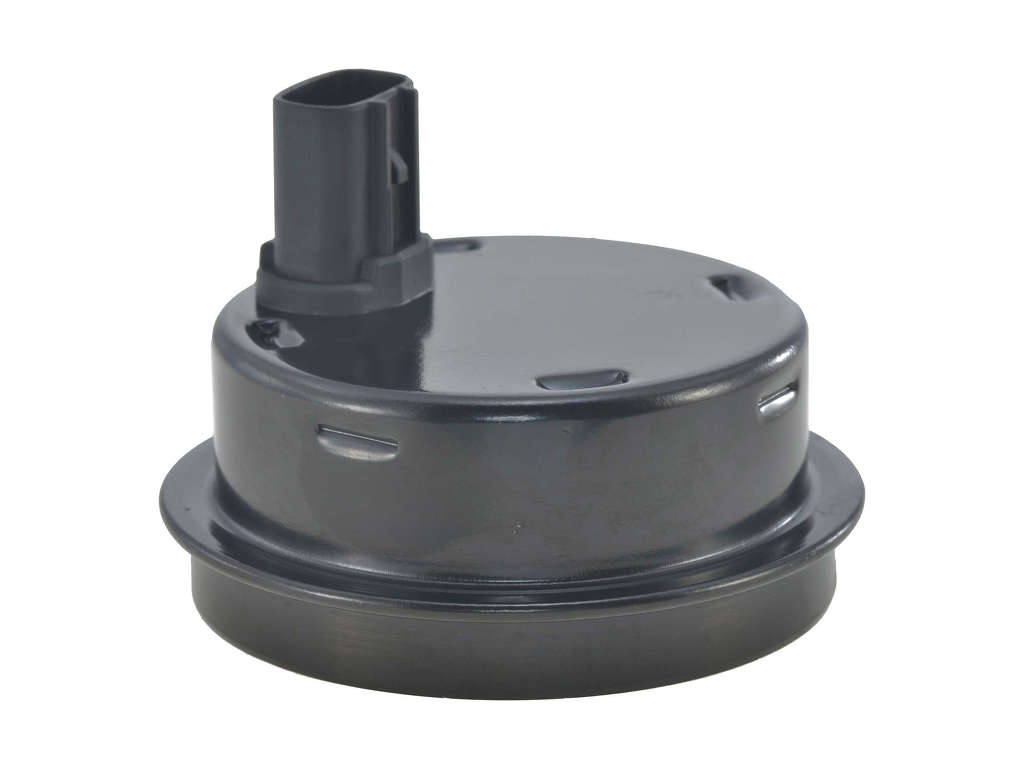
Est. part cost: $150-$400 for repair, $500+ for a new cluster - Defective Wheel Speed Sensor (ABS Sensor) 🟡 Medium Probability → Shop ABS Wheel Speed Sensor These sensors are located at the wheels and are exposed to water, dirt, and debris, which can cause them to fail over time. A single faulty sensor can disrupt the entire speed signal calculation.
How to confirm: Use an OBD-II scanner capable of reading live data from the ABS module. Drive the vehicle and monitor the speed readings from all four wheels. The sensor that reads 0 mph or has an erratic signal compared to the others is the faulty one. This is the most definitive way to diagnose a bad sensor.
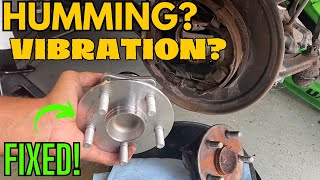
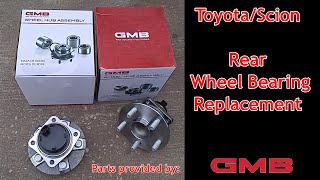
Typical fix: Replace the faulty wheel speed sensor. The front sensors are individual parts, while the rear sensors are integrated into the wheel hub and bearing assembly and must be replaced as a unit. 🎬 See how to replace the rear hub and integrated sensor.
Est. part cost: $60-$150 per sensor - Damaged Wiring or Connectors ⚪ Low Probability
How to confirm: Visually inspect the wiring harnesses leading to each wheel speed sensor and the instrument cluster for any signs of fraying, corrosion, or damage. Pay close attention to the harness sections in the wheel wells. Use a multimeter to check for continuity and proper voltage at the sensor connectors.
Typical fix: Repair or replace the damaged section of the wiring harness or the connector. This can sometimes be a simple soldering job.
Est. part cost: $10-$50
Rare But Worth Checking
- Faulty ABS Control Module: → Shop ABS Control Module While rare, the ABS module itself can fail. This is usually accompanied by other ABS-specific codes (C-codes) and a complete loss of communication with the module, which would require a more advanced scan tool to diagnose.
- Faulty Powertrain Control Module (PCM/ECM): This is extremely rare and should only be considered after all other possibilities, including sensors, wiring, and the instrument cluster, have been exhaustively ruled out.
- Improper Aftermarket Stereo Installation: If an aftermarket head unit was installed and its vehicle speed wire was improperly tapped into the factory VSS wire (often a purple/white wire behind the cluster), it can cause signal interference or shorts, triggering a P0500 code. This has been reported by owners on forums.
Diagnosis Steps
- Retrieve all codes from the Engine Control Module (ECM) and the ABS module using a capable OBD-II scanner that can read 'C' codes.
- Observe the speedometer while driving. Does it work correctly, is it erratic, or is it dead?
- If the speedometer works but P0500 is present, the instrument cluster's output circuit is the primary suspect. Perform a 'tap test' on the dashboard above the cluster while driving to see if it affects symptoms.
- If the speedometer does not work, use a scanner with live data capability to monitor the output from all four wheel speed sensors while driving.
- Identify any sensor that is not reading or is providing an erratic signal compared to the others. This sensor is likely the culprit.
- If a sensor is identified as faulty, inspect its wiring and connector for damage before replacing the sensor itself.
- If all sensors read correctly, inspect the wiring between the ABS module, the instrument cluster, and the ECM. Check for any aftermarket wiring (like for a remote start or stereo) tapped into the VSS wire.
- If no sensor or wiring faults are found, and the speedometer works, the issue most likely lies within the instrument cluster's internal circuit board. Consider sending it for professional repair.
- If all else fails, the ABS module could be at fault, though this is rare.
Parts You'll Likely Need
- Front Wheel Speed Sensor (ABS Sensor)
(OEM #89542-20170 (Right), 89543-20170 (Left))— This is a common failure point as the sensors are exposed to the elements. A faulty sensor will stop providing a speed signal to the ABS module.
Trusted brands: Denso, Standard Motor Products (SMP), Delphi, Replacement AP
OEM price range: $150-$285
Aftermarket price range: $25-$150 - Rear Wheel Hub & Bearing Assembly
(OEM #42450-42040)— The rear wheel speed sensor is integrated into the hub assembly. If a rear sensor fails, the entire hub must be replaced.
Trusted brands: Timken, Moog, Beck/Arnley, SKF
OEM price range: $230-$425
Aftermarket price range: $50-$170 - Instrument Cluster Repair Service — A known issue on Toyota/Scion vehicles where the cluster fails to pass the speed signal to the ECM, causing P0500 even with a working speedometer. Repair services re-solder the board.
Trusted brands: Tanin Auto Electronix
OEM price range: $500+ (for replacement)
Aftermarket price range: $150-$400 (for repair service)
Related Codes That Often Appear With This One
- C-codes (e.g., C0035, C1225-C1228) — A specific wheel speed sensor fault will often set a corresponding 'C' code in the ABS module, which can help pinpoint which sensor or circuit has failed. A capable scanner is needed to read these.
Platform-Specific Known Issues
- A common failure pattern on the Scion tC and related Toyota vehicles is the failure of the instrument cluster's internal circuitry, leading to a P0500 code while the speedometer still functions. This often confuses diagnostics, leading to unnecessary replacement of other parts.
- Real-world owner experience: A user on TacomaWorld with an identical system architecture documented a successful fix for an intermittent P0500 with a working speedometer by disassembling the instrument cluster and re-soldering the SMD solder connections related to the speed signal processing circuit. This confirms the cold/cracked solder joint theory.
Mechanic-Grade Diagnostic Values
- VSS Signal Voltage at ECM — expected: A fluctuating voltage (pulsing square wave) that increases with wheel speed. A typical range is a 4-6V pulse.. Failure: No voltage or a steady, non-pulsing voltage while the wheels are turning indicates a problem upstream (cluster, wiring, or ABS module).
- Front Wheel Speed Sensor Resistance (Passive Type) — expected: Typically between 800 and 1,700 Ohms.. Failure: A reading of infinite resistance (open circuit) or zero resistance (short circuit) indicates a failed sensor.
Scan Tool Commands That Help
- Toyota Techstream: Data List -> Chassis -> ABS/VSC/TRAC -> Wheel Speed Sensors — This is the primary method to diagnose a faulty wheel speed sensor. It allows you to view the live speed reading from all four sensors simultaneously while driving to see which one is dropping out or reading incorrectly.
- Toyota Techstream: Data List -> Powertrain -> Engine and ECT -> Vehicle Speed — Use this to verify if the ECM is receiving a speed signal. If the ABS module shows all four wheels reporting speed, but this value is 0 mph, it points to a fault in the instrument cluster or the wiring between the cluster and the ECM.
Wiring & Ground Locations
- ECM VSS Input Pin — On the Engine Control Module (ECM) located behind the glove box. The wire is typically Purple/White.. This is the final destination for the vehicle speed signal. Probing this pin for a pulsing voltage signal is the ultimate test to confirm if the ECM is receiving the speed data. Lack of signal here with a working speedometer points directly to a faulty instrument cluster output.
- Instrument Cluster Connector (VSS Output) — On a similar Toyota platform, the VSS signal leaves the cluster from pin 19 of connector C9. The wire is typically Purple/White.. This is the output pin from the instrument cluster that sends the processed speed signal to the ECM. A failure in the cluster's internal circuit board will result in no signal from this pin.
- Aftermarket Radio VSS Tap — Behind the radio head unit. The factory harness may contain a VSS wire (often Purple/White or sometimes Yellow in later models) for factory navigation systems.. An improperly installed aftermarket navigation or stereo system can short or interfere with this wire, disrupting the signal to the ECM and causing a P0500 code.
- Skid Control ECU Ground — A wiring diagram shows a ground point for the Skid Control ECU assembly as A15. The physical location is often on the chassis near the module itself.. A poor ground connection for the ABS (Skid Control) module can cause erratic behavior and prevent it from properly processing and sending wheel speed data, leading to a P0500 code.
Real Owner Repair Stories
- ScionLife.com user (2006 Scion xB (similar system architecture)) — Check Engine, VSC, and Trac Off lights were on with code P0500. The speedometer was working correctly.
❌ Tried (didn't work) Checking all related fuses., Disconnecting the aftermarket navigation unit from the VSS wire.
✅ What actually fixed it The user suspected that tapping the VSS wire (Purple/White) for an aftermarket navigation unit caused a short or damage to the Skid Control Module or another part of the circuit, even after the tap was removed. The thread implies a complex electrical fault was induced. - TacomaWorld forum user (Toyota Tacoma (identical VSS signal logic)) — Intermittent P0500 Check Engine Light, but the speedometer always worked correctly.
❌ Tried (didn't work) Initial diagnostics were confusing because the speedometer worked, ruling out the wheel speed sensors as the primary cause.
✅ What actually fixed it The owner disassembled the instrument cluster and, using a microscope, identified the circuit path for the VSS signal. He re-soldered the surface-mount device (SMD) connections along this path. This permanently fixed the intermittent signal dropout to the ECM and cleared the P0500 code. - Reddit user r/SciontC (Scion tC (year not specified)) — P0500 code, car hesitates and shifts incorrectly, jolts when put into reverse.
❌ Tried (didn't work) Replaced both speed sensors on the transmission.
✅ What actually fixed it Another user pointed out that a faulty wheel speed sensor was the likely cause, not the transmission sensors. The original poster confirmed one of the wheel speed sensors was known to be bad but hadn't connected it to the shifting issue. The resolution was to replace the faulty wheel speed sensor.
OEM Part Supersession History
42450-42040→42450-0R010— Part consolidation and design update by Toyota.
Heads up: The new part number 42450-0R010 is the correct replacement and is compatible with the 2005-2010 Scion tC.
Model Year Variations Within This Range
- 2008-2010: The tC received a facelift for the 2008 model year which included revised head and taillights, a new grille, and interior updates like a standard iPod/AUX input and different interior trim. While the fundamental VSS architecture (ABS sensors -> Cluster -> ECM) remained the same, some wiring colors and connector details may vary slightly. For example, some forum users report the VSS wire behind the radio is yellow on 2008+ models, versus purple/white on earlier models.
- 2007-2010: The 2AZ-FE engine received a slight update, increasing the compression ratio from 9.6:1 to 9.8:1, resulting in a minor power increase from 160 hp to 161 hp. This change does not affect the diagnosis of a P0500 code.
Diagnostic Flowchart
Used vs. New Parts: Buying Guide for This Vehicle
When a used part is the smart pick: A used instrument cluster from a reputable salvage yard can be a cost-effective option, especially if you can verify it came from a vehicle without the P0500 issue. Used wheel speed sensor wiring pigtails are also a good choice for repairing damaged connectors.
Donor-vehicle mileage cap: roughly under 120000 miles for the part to have meaningful remaining life.
What to inspect on the donor part:
- For an instrument cluster, check the clear plastic for deep scratches or hazing. Ask the seller if the donor car had any warning lights on.
- For a rear hub assembly, spin the hub by hand. It should be completely silent and smooth with no grinding, roughness, or play.
- For wiring, inspect for any brittleness, corrosion in the pins, or previous amateurish repairs (e.g., wrapped in electrical tape).
OEM-only on this vehicle (don't cheap out):
- While not strictly required, using an OEM or OEM-supplier (like Denso) front wheel speed sensor is often recommended for best reliability, as cheap aftermarket sensors can have a higher failure rate.
Aftermarket brands forum-validated for this vehicle:
- For rear wheel hub assemblies, brands like Timken, SKF, and Moog are well-regarded alternatives to OEM.
- For front wheel speed sensors, Denso, Delphi, and Standard Motor Products (SMP) are trusted names.
Brands owners have reported issues with on this vehicle:
- Avoid unbranded, 'white-box' electronic sensors from online marketplaces, as their internal components and weather sealing are often substandard and can lead to premature failure.
Real Owner Stories
Aggregated from forums and TSBs cited above. Mileages and costs reflect what owners reported in those sources.
2005 Toyota Tacoma
Symptoms: An intermittent P0500 Check Engine Light was present, but the speedometer was still working correctly.
What fixed it: The owner fixed the issue by disassembling the instrument cluster and re-soldering the SMD solder connections on the circuit board related to the speed signal processing circuit.
Source hint: TacomaWorld.com: (2021-04-18) A highly detailed thread by user 'Orange Dave' documents fixing a P0500 code with a working speedometer on a 2005 Tacoma by re-soldering the instrument cluster circuit board. This provides an excellent, in-depth guide that is directly applicable to the Scion tC due to the shared system design.
2007 Scion tC
Symptoms: The vehicle had a P0500 code, but the speedometer and cruise control continued to function normally.
What fixed it: The cause was traced to an aftermarket Pioneer head unit that had been tapped into the VSS (Vehicle Speed Sensor) wire, disrupting the signal.
Source hint: ScionLife.com: (2013-11-26) A user with a 2007 tC reported a P0500 code where the speedometer and cruise control still worked. They noted a 5-year-old aftermarket Pioneer head unit was tapped into the VSS wire, highlighting this as a potential cause.
Scion tC
Symptoms: The owner experienced classic P0500 symptoms including incorrect automatic transmission shifting and engine hesitation.
What fixed it: The owner was advised to use a live data scanner to check the individual wheel speed sensors to identify the faulty one, which is the correct diagnostic step for these symptoms.
Source hint: Reddit (r/SciontC): (2024-08-01) A user described classic P0500 symptoms including incorrect shifting and hesitation. Another user correctly advised them to ignore the transmission sensors and use a live data scanner to check the wheel speed sensors, confirming this common diagnostic step.
Related OBD-II Codes
Frequently Asked Questions
My speedometer works perfectly on my 2007 Scion tC, but the Check Engine Light is on for P0500 and my automatic transmission is shifting harshly. What's the most likely problem?
Can a bad ABS wheel speed sensor cause a P0500 code on my tC?
How can I diagnose whether the P0500 is caused by the instrument cluster or a wheel speed sensor?
I recently installed an aftermarket stereo and now have a P0500 code. Could these be related?
If my instrument cluster is the problem, is it better to repair it or replace it?
My ABS and VSC lights came on at the same time as the P0500 Check Engine Light. What does that point to?
Helpful Videos
We Have This Part in Stock


The information in this article is provided for general reference and educational purposes only. Vehicle specifications, procedures, and part compatibility can vary by production date, trim level, and region. Always consult your vehicle's factory service manual and verify part numbers before purchasing or performing repairs. Safety-critical components such as airbags, seat belts, and braking systems should be installed by a qualified professional.
- Scion tC:
- 🧭 Diagnostic Flowchart
- 🎬 Helpful Videos
- 🛍️ Shop This Part
- What's Unique About the 2005-2010 Scion tC
- Symptoms You May Notice
- Most Likely Causes
- Rare But Worth Checking
- Diagnosis Steps
- Parts You'll Likely Need
- Related Codes That Often Appear With This One
- Platform-Specific Known Issues
- Mechanic-Grade Diagnostic Values
- Scan Tool Commands That Help
- Wiring & Ground Locations
- Real Owner Repair Stories
- OEM Part Supersession History
- Model Year Variations Within This Range
- Used vs. New Parts: Buying Guide for This Vehicle
- Real Owner Stories
- 2005 Toyota Tacoma
- 2007 Scion tC
- Scion tC
- Related OBD-II Codes
- Frequently Asked Questions
- 🎟️ Get 5% Off