

P0500 on 2010-2014 Subaru Legacy: Vehicle Speed Sensor Malfunction Causes and Fixes
On a 2010-2014 Subaru Legacy, P0500 almost always points to a problem with the ABS system, not a traditional transmission speed sensor. The most likely cause is a faulty wheel speed sensor or its wiring. A scan tool that can read ABS 'C' codes is required to identify which sensor has failed, as P0500 is a generic code set by the ECM when it loses the speed signal from the ABS module.
- P0500 on a 2010-2014 Legacy means there's a problem with the vehicle speed signal, which originates from the ABS system, not the transmission.
- You MUST use a scanner that can read ABS codes (C-codes) to find the actual problem, which is usually a specific wheel speed sensor.
- The most common causes are a failed wheel speed sensor, damaged wiring to the sensor, or using an incorrect/cheap wheel bearing assembly.
- Do not replace transmission speed sensors; this is a common misdiagnosis for this platform.
What's Unique About the 2010-2014 Subaru Legacy
Unlike older vehicles that used a single gear-driven sensor on the transmission, modern Subarus like the 2010-2014 Legacy integrate the vehicle speed signal with the ABS and Vehicle Dynamics Control (VDC) systems. The P0500 code is often a secondary, generic code triggered by a more specific fault within the ABS module (usually a 'C' code). This means a basic OBD-II scanner will only show P0500, while the root cause—like a C0021 for a specific wheel sensor—is stored in the ABS computer and requires a more advanced scanner to read.
🎬 Watch: A quick explanation of the P0500 code and its causes.Symptoms You May Notice
- Check Engine Light (CEL) is on
- ABS warning light is on
- Vehicle Dynamics Control (VDC) or Traction Control light is on/flashing
- Cruise control is inoperative and the light may flash
- Speedometer is erratic or reads zero
- Transmission may exhibit harsh or erratic shifting (limp mode).
- In some cases, the car may feel like it's shuddering or binding during turns if the AWD system is being engaged incorrectly due to the faulty sensor data.
- Replacing the transmission output speed sensor. On this vehicle, the primary speed signal for the ECM comes from the ABS system, not a dedicated sensor on the transmission. A YouTube video shows a mechanic's detailed process of trying to replace transmission sensors for a P0500, highlighting this common confusion.
Most Likely Causes
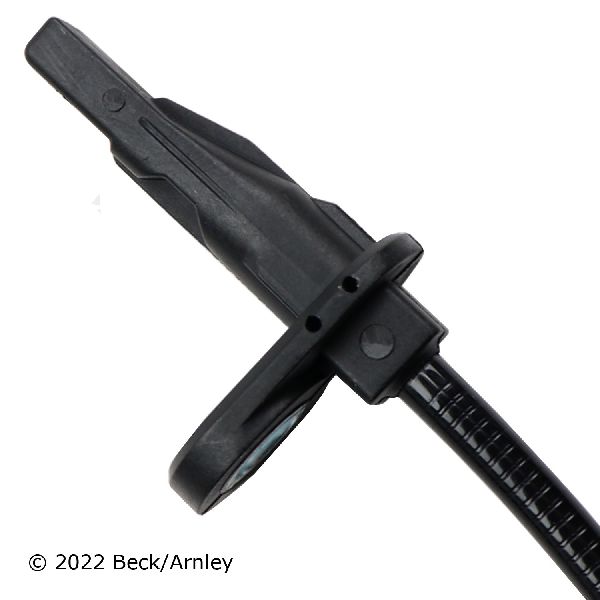
- Failed Wheel Speed Sensor 🔴 High Probability → Shop ABS Wheel Speed Sensor Wheel speed sensors are exposed to the elements (water, dirt, road salt) and physical debris, which can cause them to fail or their wiring to become damaged. A user on LegacyGT.com noted their P0500 appeared after driving on muddy gravel roads.
How to confirm: Use a scan tool capable of reading live ABS data to monitor the output from all four wheel speed sensors while driving. The faulty sensor will show an erratic, inconsistent, or zero reading compared to the others. This is the most definitive method. You can also check the sensor's resistance with a multimeter; a typical reading should be between 900-2000 ohms. A reading outside this range or an open circuit indicates a failed sensor.
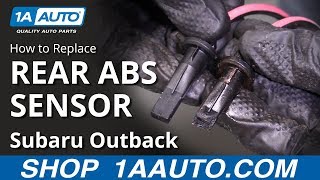
Typical fix: Replace the failed wheel speed sensor. They are typically sold as individual units for each corner 🎬 See this step-by-step guide for replacing a rear ABS sensor. of the vehicle. A user on Reddit confirmed that replacing the identified faulty ABS wheel sensor resolved all lights and driving issues.
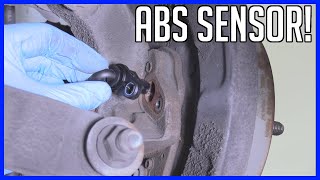
Est. part cost: $40-$120 - Damaged Wheel Speed Sensor Wiring or Connector 🟡 Medium Probability → Shop ABS Wheel Speed Sensor The wiring harness leading to the wheel speed sensor is located in the wheel well and can be damaged by road debris, improper servicing (like during a brake or bearing job 🎬 Watch this video to see how brake work can damage sensors.), or corrosion. A user on Reddit suspected they kinked or damaged a wire during a wheel bearing replacement, which caused the P0500 code to appear immediately after the job.
How to confirm: Visually inspect the wiring from the sensor back to the main harness for any signs of cuts, abrasions, or corrosion at the connector. Perform a wiggle test on the connector and wiring while monitoring live data on a scan tool to see if the signal drops out.
Typical fix: Repair the damaged section of wire or replace the pigtail connector. In severe cases, a new sensor with its integrated harness may be needed.
Est. part cost: $15-$50 - Incorrect or Damaged Wheel Bearing/Hub Assembly ⚪ Low Probability The wheel speed sensor reads a magnetic reluctor ring (or tone ring) that is integrated into the wheel hub/bearing assembly. Using a cheap, aftermarket hub or damaging the ring during installation can lead to an incorrect signal. A LegacyGT.com forum member reported getting ABS codes and P0500 immediately after replacing all four wheel bearings with cheap eBay parts.
How to confirm: This is often diagnosed after a recent wheel bearing replacement. If the P0500 code appeared immediately after the repair, the new hub is the likely suspect. Confirm the part number is correct for the vehicle, as there can be differences based on production date.
Typical fix: Replace the incorrect or damaged wheel bearing and hub assembly with a quality OEM or reputable aftermarket part.
Est. part cost: $100-$250
Rare But Worth Checking
- Faulty Instrument Cluster (Combination Meter): → Shop Instrument Cluster On some older Subarus, the signal was processed through the instrument cluster. While less common on this model, a failure here can cause communication issues. A forum post on a '96 Legacy noted that loose screws on the back of the speedometer head caused a P0500 code. While a different generation, it highlights the cluster's role in the system. On the 2010-2014 models, this is highly unlikely to be the root cause.
- Faulty ABS Control Module: → Shop ABS Control Module If all sensors and wiring are confirmed to be good, the ABS control module itself could be failing. This is rare and should be the last item to consider after exhaustive diagnostics.
- Extreme Wheel Spin Event: In rare cases, a significant difference in wheel speed between the front and rear axles (like getting stuck and spinning tires in snow) can confuse the system and temporarily set a P0500 code. A user on Reddit reported this exact scenario on a steep, snowy driveway, and the code cleared itself after a day.
Diagnosis Steps
- Connect a scan tool capable of reading both Powertrain (P-codes) and ABS/VDC (C-codes).
- Check for any stored codes in the ABS module. This will likely pinpoint the specific wheel sensor or circuit that is causing the problem (e.g., C0021, C0025).
- If a specific wheel sensor code is present, proceed to that corner of the vehicle.
- Visually inspect the wheel speed sensor and its wiring harness for any obvious damage, corrosion, or loose connections. Pay close attention to areas where the harness may have been stressed during prior suspension or brake work.
- Using the scan tool's live data function, monitor the speed readings from all four wheels while driving the vehicle slowly (or spinning the wheels by hand with the car raised). The faulty sensor will read 0 mph or have an erratic signal compared to the others.
- If a sensor is identified as faulty, test the two pins at the sensor connector for resistance. The reading should be between 900-2000 ohms. Also test from each pin to a chassis ground; the reading should be infinite (open circuit).
- If wiring and power/ground are good, the wheel speed sensor itself is the most likely culprit.
- If no specific wheel sensor code is present, inspect the tone rings (part of the hub assembly) for damage or debris. This may require removing the sensor.
- After replacing any parts, use the scan tool to clear all codes from both the ECM and ABS modules. A simple battery disconnect may not clear codes stored in the ABS module.
- Perform a test drive to ensure the issue is resolved and no lights return.
Parts You'll Likely Need
- Wheel Speed Sensor
(OEM #Front: 27540AJ12A (replaces 27540AJ00A). Rear Left: 27540AJ03A. Rear Right: 27540AJ02A.)— This is the most common failure point for a P0500 code on this platform, as the sensor provides the raw data used to calculate vehicle speed.
Trusted brands: NTK, Bosch, Delphi, Standard Motor Products (SMP), Duralast
OEM price range: $90-$150
Aftermarket price range: $40-$120
Related Codes That Often Appear With This One
- C0021, C0022, C0023, C0024 — These are ABS-specific codes that point to a fault in the right-front, left-front, right-rear, or left-rear wheel speed sensor circuit, respectively. A P0500 is often set as a result of one of these codes.
Platform-Specific Known Issues
- LegacyGT.com Forum, 'P0500 Vehicle Speed Sensor "A"': A user experienced a P0500 after driving on muddy gravel roads, suspecting a dirty or damaged wheel speed sensor. The thread confirms the need for an ABS-capable scanner to find the underlying 'C' code. (https://www.legacygt.com/topic/280058-p0500-vehicle-speed-sensor-a/)
- Reddit r/subaru, 'Outback P0500 code': A user with an older but similar platform confirmed that after getting a P0500 and a specific 'C' code for the left-hand front sensor, replacing that ABS wheel sensor fixed all issues, including CEL, ABS light, and transmission shudder. (https://www.reddit.com/r/subaru/comments/3g5z3j/outback_p0500_code/)
- Reddit r/MechanicAdvice, 'P0500 - please help': A user with a WRX (which shares a similar system) got a P0500 immediately after a wheel bearing replacement. The discussion highlights the ease of damaging the sensor or wiring during such repairs and the importance of checking for ABS codes. (https://www.reddit.com/r/subaru/comments/jzt9vj/p0500_please_help/)
Mechanic-Grade Diagnostic Values
- Wheel Speed Sensor Resistance — expected: 900 - 2000 Ohms. Failure: A reading outside this range, or not being an open circuit when testing from a pin to chassis ground, indicates a faulty sensor or wiring.
Scan Tool Commands That Help
- Subaru Select Monitor: VDC Inspection Mode / VDC Sequence Control — This function is used to check the operation of the hydraulic unit (ABS pump) and its solenoid valves. It can be used to verify the functionality of the ABS/VDC module after sensor and wiring checks are complete.
- Subaru Select Monitor: Read Diagnostic Trouble Code (DTC) from Brake Control System — This is the primary step for this P0500 code. It allows the technician to read the specific 'C' code (e.g., C0021) stored in the VDC module, which will identify the exact wheel sensor or circuit that has failed.
- Subaru Select Monitor: Clear Memory Mode — After a repair is completed, this function must be used to clear fault codes from the VDC/ABS module. Simply disconnecting the battery may not clear these codes.
Wiring & Ground Locations
- VDC Control Module (VDCCM&H/U) — Located in the right rear corner of the engine compartment.. This module receives signals from all four wheel speed sensors, calculates vehicle speed, and sends it to the ECM. A P0500 is set when the ECM loses this signal. All diagnostic paths for wheel speed sensors and their wiring ultimately lead back to this module's connector.
- GB-5 / GB-6 Ground Bolts — Located in the right and left kick panel areas, respectively.. These are major chassis ground points. A loose or corroded ground at GB-5 (right side) can cause erratic behavior or low voltage at the VDC module, potentially triggering communication faults like P0500 or other VDC codes.
- Wheel Speed Sensor Connectors — Located in each wheel well, connecting the sensor pigtail to the main chassis harness.. These connectors are a common point of failure due to exposure to water, salt, and physical damage. Corrosion or backed-out pins in these connectors will cause a loss of signal from a wheel speed sensor, leading to a 'C' code and the subsequent P0500.
Real Owner Repair Stories
- YouTube Channel 'South Main Auto Repair' (2013 Subaru Legacy 2.5L) — Intermittent Check Engine Light, ABS light, and VDC light with code P0500. ABS history showed a fault for the left front wheel speed sensor signal.
❌ Tried (didn't work) The owner continued to drive with the intermittent issue.
✅ What actually fixed it The mechanic diagnosed a failing left front wheel speed sensor that would lose signal when it got hot. To confirm, he swapped the left and right front wheel speed sensors. After the swap, the ABS code moved to the right front wheel, confirming the sensor itself was the faulty component, not the wiring or hub. Replacing the bad sensor resolved the issue.
OEM Part Supersession History
27540AJ00A→27540AJ12A— Standard part revision by the manufacturer.
Heads up: The new part number (27540AJ12A) is the correct replacement for the original (27540AJ00A) for the front position on all 2010-2014 Legacy models. There are no known incompatibility issues.
Diagnostic Flowchart
Other Known Issues on This Vehicle
Issues unrelated to this code that are worth knowing about as an owner of this generation:
- Excessive Oil Consumption 🔴 High — Common on 2013-2014 models with the 2.5L FB25 engine (note: some early 2010-2012 models still used the EJ25 which had different issues). Caused by faulty oil control piston rings. (Ref: TSB 02-157-14R (and subsequent revisions) outlined the diagnosis and repair, which eventually involved replacing the entire engine short block. A class-action lawsuit extended the warranty to 8 years/100,000 miles for affected vehicles.)
- CVT Torque Converter Shudder/Stall 🟠 Medium — Affects models equipped with the TR690 Lineartronic CVT, particularly 2010-2012 models. A worn thrust washer inside the torque converter prevents the lock-up clutch from disengaging properly when coming to a stop, causing shuddering or stalling. (Ref: TSB 16-90-13R details the issue and provides a part number for an updated torque converter with a more durable needle bearing design.)
- Head Gasket Failure (EJ25 Engine) 🟠 Medium — While the most notorious head gasket failures were on earlier EJ25s (pre-2010), the SOHC EJ25 used in the 2010-2012 Legacy can still be susceptible, though less so than its predecessors. Failure is typically external oil or coolant seepage.
- Cracked Radiator 🟡 Low — The plastic end tanks on the OEM radiator can become brittle with age and heat cycles, leading to cracks and coolant leaks, often occurring around 80,000-120,000 miles.
Used vs. New Parts: Buying Guide for This Vehicle
When a used part is the smart pick: A used wheel speed sensor from a low-mileage donor vehicle is a reasonable choice, as it is a simple electro-mechanical part. However, given the relatively low cost of new aftermarket sensors, most owners opt for new. A used ABS/VDC Control Module can be considered due to the very high cost of a new unit, but it carries significant risks.
Donor-vehicle mileage cap: roughly under 80000 miles for the part to have meaningful remaining life.
What to inspect on the donor part:
- For a wheel speed sensor, ensure the wiring pigtail is not brittle, cracked, or repaired.
- For an ABS/VDC module, get the VIN of the donor car to verify its options (especially EyeSight vs. non-EyeSight, though less common in this generation).
- Inspect the module's electrical connector pins for any signs of corrosion or water intrusion.
- Check the aluminum housing for physical damage or impact marks.
OEM-only on this vehicle (don't cheap out):
- ABS/VDC Control Module: While not strictly 'OEM-only', forum evidence suggests that replacing with a used module is a major gamble. Many reports indicate that only a new, 'virgin' module can be successfully programmed to the car, making a used part a potential waste of money and time.
Aftermarket brands forum-validated for this vehicle:
- NTK
- Bosch
- Standard Motor Products (SMP)
- Delphi
Brands owners have reported issues with on this vehicle:
- Unbranded, 'white-box' wheel bearings/hubs from online marketplaces are a frequent cause of P0500 codes, as the integrated tone rings may be of poor quality or incorrect specification.
Real Owner Stories
Aggregated from forums and TSBs cited above. Mileages and costs reflect what owners reported in those sources.
2010-2014 Subaru Legacy 2.5L
Symptoms: P0500 appeared after driving on muddy gravel roads; suspected a dirty or damaged wheel speed sensor.
What fixed it: Used an ABS-capable scanner to identify the underlying 'C' code to find the specific faulty sensor.
Source hint: LegacyGT.com Forum, 'P0500 Vehicle Speed Sensor "A"'
Subaru Outback (Platform Mate)
Symptoms: Check Engine Light, ABS light, and transmission shuddering; scan tool showed P0500 and a 'C' code for the left-hand front sensor.
What fixed it: Replacing the identified faulty ABS wheel sensor resolved all lights and driving issues.
Source hint: Reddit r/subaru, 'Outback P0500 code'
Subaru WRX (Similar System)
Symptoms: P0500 code appeared immediately after a wheel bearing replacement.
What fixed it: Inspection for damage to the sensor or wiring that occurred during the mechanical repair.
Source hint: Reddit r/MechanicAdvice, 'P0500 - please help'
2010-2014 Subaru Legacy
Symptoms: ABS codes and P0500 immediately after replacing all four wheel bearings.
What fixed it: Replacing the cheap eBay hub assemblies with quality parts, as the aftermarket reluctor rings were causing incorrect signals.
Source hint: LegacyGT.com forum member report
Related OBD-II Codes
Frequently Asked Questions
Why is my 2010-2012 Legacy stalling when I come to a stop, and could it be related to P0500?
Can I clear the P0500 code on my Subaru by just disconnecting the battery?
I just replaced my wheel bearings and now I have a P0500 code. Did I do something wrong?
What resistance should I look for when testing the speed sensor on my 2.5L Legacy?
Is there a TSB for the high oil consumption I'm seeing on my 2013 Legacy?
Helpful Videos
We Have This Part in Stock


The information in this article is provided for general reference and educational purposes only. Vehicle specifications, procedures, and part compatibility can vary by production date, trim level, and region. Always consult your vehicle's factory service manual and verify part numbers before purchasing or performing repairs. Safety-critical components such as airbags, seat belts, and braking systems should be installed by a qualified professional.
- Subaru Legacy:
- 🧭 Diagnostic Flowchart
- 🎬 Helpful Videos
- 🛍️ Shop This Part
- What's Unique About the 2010-2014 Subaru Legacy
- Symptoms You May Notice
- Most Likely Causes
- Rare But Worth Checking
- Diagnosis Steps
- Parts You'll Likely Need
- Related Codes That Often Appear With This One
- Platform-Specific Known Issues
- Mechanic-Grade Diagnostic Values
- Scan Tool Commands That Help
- Wiring & Ground Locations
- Real Owner Repair Stories
- OEM Part Supersession History
- Other Known Issues on This Vehicle
- Used vs. New Parts: Buying Guide for This Vehicle
- Real Owner Stories
- 2010-2014 Subaru Legacy 2.5L
- Subaru Outback (Platform Mate)
- Subaru WRX (Similar System)
- 2010-2014 Subaru Legacy
- Related OBD-II Codes
- Frequently Asked Questions
- 🎟️ Get 5% Off