

P0501 on 1998-2002 Dodge Ram 2500 Cummins: Speed Sensor Causes and Fixes
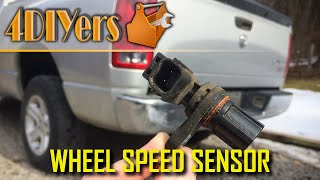
On a 1998-2002 Dodge Ram 2500, code P0501 is almost always caused by a faulty rear ABS speed sensor located on the rear differential. This sensor provides the primary speed signal to the truck's computers. Replacing this sensor is a common DIY fix, with the part costing between $20 for an aftermarket version and $75 for an OEM Mopar part. Ignoring the code can lead to harsh shifting, an inoperative speedometer, and disabled ABS.
- P0501 on this truck almost always points to the rear speed sensor on the differential or its wiring.
- Symptoms include a dead/erratic speedometer, ABS/Brake lights, and no cruise control.
- Before buying parts, remove and clean the sensor. It's often covered in metallic paste which can block the signal.
- If you replace the sensor, consider using an OEM Mopar part, as some owners report issues with aftermarket versions.
- A visual inspection of the wiring harness from the rear axle forward can often reveal the problem without any special tools.
What's Unique About the 1998-2002 Dodge Ram 2500
Unlike cars with a single Vehicle Speed Sensor (VSS) on the transmission, the 2nd Generation Dodge Ram uses a more complex system. The primary road speed signal originates from the ABS sensor on the rear differential, which is sent to the ABS control module (the CAB). This module then communicates the speed to the ECM and the instrument cluster for the speedometer. P0501 is set by the ECM when the speed data it receives from the ABS module is nonsensical, absent, or doesn't correlate with other sensor inputs. This is a frequent issue due to the exposed location of the rear sensor and its wiring harness running along the frame.
Symptoms You May Notice
- Check Engine Light is on
- ABS and/or BRAKE warning light is on
- Speedometer is erratic, inaccurate, or completely dead
- Cruise control will not function
- Automatic transmission may shift harshly, late, or get stuck in one gear (limp mode)
- In some cases, the Airbag light may also illuminate due to shared electrical circuits or bus communication errors
- A slight engine hesitation may be felt when the code activates, often around 20 mph, as noted by some owners.
- Replacing the transmission output shaft speed sensor. On these trucks, the primary signal for the speedometer comes from the rear differential, not the transmission. While the transmission has its own sensors for shift control, they do not typically cause a P0501 code.
- Replacing front wheel hub bearings. While a bad front wheel speed sensor (which is integrated into the hub bearing) can cause ABS issues, it is less likely to be the sole cause of a P0501 code without other specific front wheel sensor codes present (e.g., C-codes).
Most Likely Causes
- Faulty Rear ABS / Vehicle Speed Sensor 🔴 High Probability → Shop Drive Shaft Sensor The sensor is mounted directly on top of the rear differential, exposed to road debris, water, heat, and gear oil seepage. Its magnetic tip can also become covered in metallic particles from normal gear wear, which obscures the signal from the tone ring inside the differential.
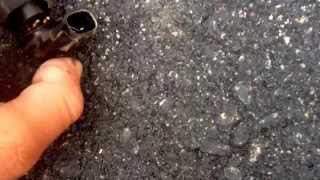
How to confirm: Remove the single bolt holding the sensor into the top of the rear differential housing. Inspect the magnetic tip for metal shavings. Clean it, reinstall, and test drive. If the problem persists, the sensor has likely failed internally. You can test its resistance with a multimeter; a good sensor will typically have a resistance between 1500-2500 ohms. 🎬 See how to test sensor resistance with a multimeter. An open circuit (infinite resistance) or short circuit (zero resistance) means the sensor is bad.
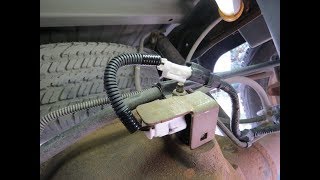
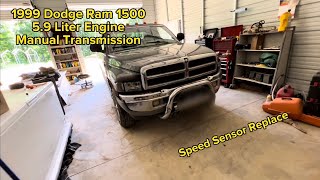
Typical fix: Replace the rear ABS/VSS sensor. This is a simple, one-bolt replacement. 🎬 Watch: Step-by-step guide to replacing the rear differential sensor. Many owners on forums report that using an OEM Mopar sensor is more reliable than some aftermarket options which may fail prematurely or not work at all.
Est. part cost: $20-$75 - Damaged or Corroded Wiring 🟡 Medium Probability The wiring harness running from the rear differential sensor along the frame rail to the main chassis harness is exposed and can be damaged by road debris, corrosion (especially in winter climates), or improper suspension/exhaust work. Connectors, especially the main plug under the Power Distribution Center (fuse box), are known points of failure.
How to confirm: Visually inspect the entire length of the wiring from the rear speed sensor connector up to the main harness. Check for cracks, fraying, melted sections near the exhaust, or green/white corrosion. Pay close attention to the connector plug itself and the large electrical connectors under the hood on the driver's side. A user on DodgeForum.com traced their P0501 issue to a bad previous wiring repair at the sensor plug.
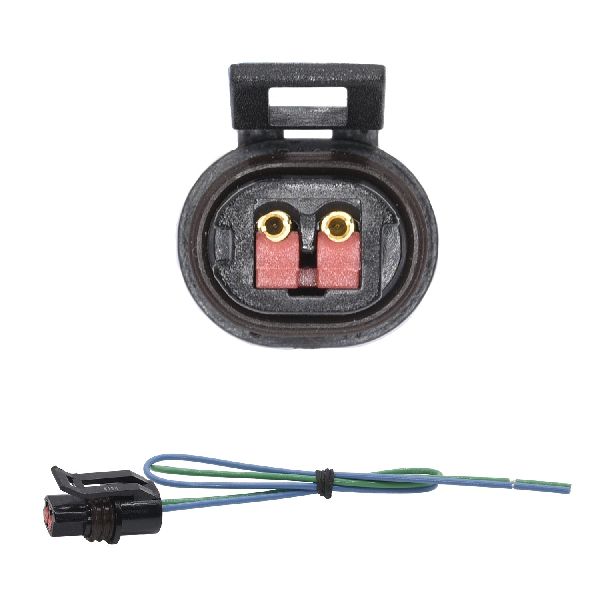
Typical fix: Repair the broken or corroded section of wire. If the connector plug is damaged, replace it with a new pigtail connector. Ensure repairs are sealed with heat-shrink tubing to prevent future moisture intrusion.
Est. part cost: $10-$30 - Faulty ABS Control Module (CAB) ⚪ Low Probability The Kelsey-Hayes ABS module used in these trucks can fail over time due to internal solder joint fractures or electronic component failure, often exacerbated by heat and vibration.
How to confirm: This is difficult to confirm without a professional scan tool that can communicate with the ABS module and view live data from all wheel speed sensors. If the rear sensor and wiring are confirmed to be good but the P0501 code persists (often with an ABS light), the module is a likely suspect. A common symptom is a complete loss of communication with the module or seeing erratic speed readings from multiple sensors at once.
Typical fix: Replace the ABS control module or send it to a specialist for rebuilding. Rebuilding is often a cost-effective option that addresses the common internal solder joint failures.
Est. part cost: $150-$400
Rare But Worth Checking
- Faulty Engine Control Module (ECM): → Shop Engine Control Module (ECM) Extremely rare, but documented in forums. One owner on Mopar1973Man.com reported having a working speedometer but still getting a P0501 code. The issue was traced to the ECM not correctly processing the valid speed signal it was receiving from the ABS module.
- Incorrectly Sized Tires: If significantly oversized or undersized tires are installed without recalibrating the speedometer (a function performed by the dealer or with specific programmers), the ECM can detect a mismatch between the reported wheel speed and other parameters (like engine RPM and gear), potentially triggering a P0501 code.
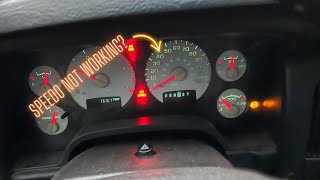
- Blown Fuse: A blown fuse related to the ABS or instrument cluster circuits can interrupt the speed signal. One user on DodgeForum.com spent hours diagnosing the issue on a similar Ram before discovering a fried fuse was the culprit for the P0501 code 🎬 Watch: Fixing the ABS, brake, and airbag light issues. and dead speedometer.
Diagnosis Steps
- Check for other codes. Use a scanner capable of reading ABS codes ('C' codes) to see if a specific wheel sensor is flagged. This can quickly narrow down the search.
- Inspect the Rear Speed Sensor. Locate the sensor on top of the rear differential. Unplug it and remove the single 1/2" or 13mm bolt. Clean any metallic debris from the magnetic tip. A heavy accumulation of paste-like shavings can indicate a problem inside the differential.
- Inspect the Wiring. Carefully check the wiring harness from the sensor plug for any signs of damage, corrosion, or breaks. Follow it along the frame rail, paying attention to areas near the exhaust or suspension components. Check the main connectors under the hood for corrosion, particularly the large connector under the Power Distribution Center.
- Test the Sensor. With the sensor removed, you can test its resistance with a multimeter. A good sensor will typically have a resistance between 1500-2500 ohms. An open circuit (infinite resistance) or short circuit (zero resistance) means the sensor is bad.
- Check for a Blown Fuse. Before replacing parts, inspect the fuses in the panel inside the cab and in the Power Distribution Center under the hood. Look for any fuses related to ABS, Brakes, or the Instrument Cluster.
- Replace the Rear Speed Sensor. Given its high failure rate and low cost, if the wiring and fuses appear intact, replacing the rear sensor is the most logical next step. Many owners report that using an OEM Mopar sensor (Part No. 56028187AE) works more reliably than some aftermarket options.
- Live Data Scan. If the problem persists, use a scan tool with live data capability to monitor the speed signal from the rear VSS and the front wheel speed sensors while driving. If the rear sensor shows 0 MPH while the fronts are reading speed, it confirms the issue is in the rear sensor circuit. If all sensors read erratically, the ABS module may be at fault.
- If the problem persists after the above steps, further diagnosis of the ABS module and ECM is required, which may necessitate professional help or sending the modules for testing/rebuilding.
Parts You'll Likely Need
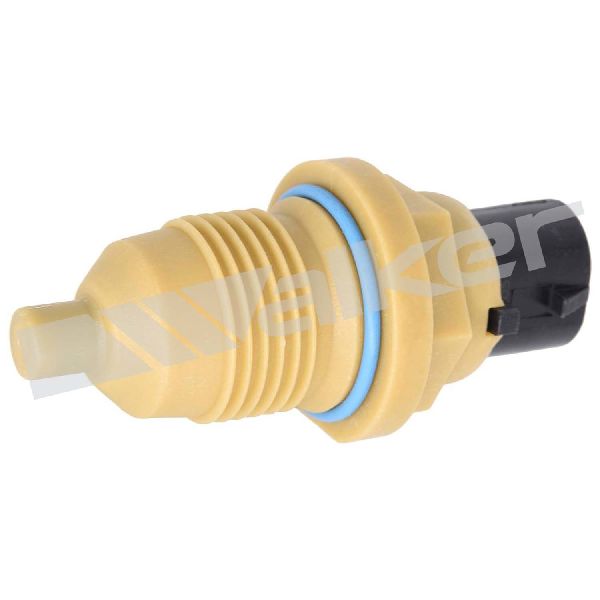
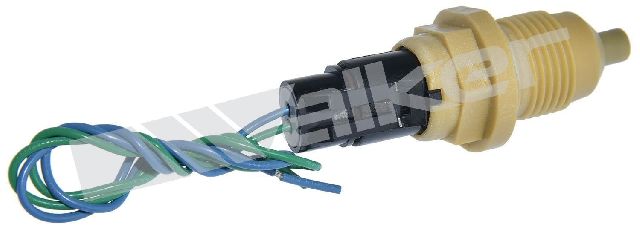
- Rear ABS / Vehicle Speed Sensor
(OEM #56028187AE)— This is the most common failure point for the P0501 code on this vehicle. Its exposed location on the rear axle makes it susceptible
Related Codes That Often Appear With This One
- P1693 — This is a companion code on Dodge trucks that simply indicates a fault code has been stored in the companion module (in this case, the ECM has stored P0501, and the PCM logs P1693 to signal that).
- Any 'C' code (e.g., C0035-C0050) — If a specific wheel speed sensor (front or rear) has a circuit failure, the ABS module will store a 'C' code. A capable scanner is needed to read these codes, which can pinpoint the faulty sensor or circuit.
- P0720 — This code for the Output Speed Sensor circuit can sometimes appear alongside P0501, especially if there are broader wiring issues or problems within the transmission itself causing erratic signals.
Platform-Specific Known Issues
- Corrosion in the main electrical connector under the Power Distribution Center (fuse box) can cause a P0501 code along with other seemingly unrelated electrical issues like no A/C and an airbag light.
- The tone ring inside the rear differential can be damaged during differential work or due to a major bearing failure, though this is rare. If the sensor is clean and tests good, but no signal is generated, the tone ring could be the issue.
Mechanic-Grade Diagnostic Values
- VSS Signal Voltage at CAB Module — expected: 4-6 Volts. Failure: Voltage outside this range indicates a problem with the sensor or wiring.
- VSS Sensor AC Voltage Output (spinning wheel) — expected: ~1.0 VAC at idle in 1st gear, up to 2.5+ VAC at idle in OD.. Failure: Zero volts indicates no signal is being generated by the sensor.
- Oscilloscope Reading at 30 MPH — expected: Rear sensor: ~15 Volts Peak-to-Peak (VPP). Front sensors: ~8 VPP.. Failure: A missing or erratic waveform indicates a failed sensor or bad wiring.
Hidden / Shadow Codes Worth Checking
- 'C' Codes (e.g., C0035-C0050): These are chassis codes stored in the Controller Anti-lock Brake (CAB) module. They are more specific than the generic P0501 and can pinpoint which wheel speed circuit is failing. P0501 is set by the ECM based on the signal it gets from the CAB; the 'C' code is the root fault in the CAB itself. (see via Requires a higher-level scan tool than a basic OBD-II reader, such as the dealer DRB III tool or equivalent professional scanner that can communicate directly with the ABS module.)
Scan Tool Commands That Help
- DRB III or equivalent professional scanner: Read DTCs from Controller Anti-lock Brake (CAB) — This should be the first step. Before troubleshooting the P0501 code in the ECM, check the CAB for more specific 'C' codes that will identify the root cause in the ABS system.
- Any scan tool with live data: Monitor Vehicle Speed (VSS) and individual Wheel Speed Sensor PIDs — During a test drive, compare the scan tool's speed reading to the speedometer and a GPS. If the scan tool shows 0 MPH while moving, but the front wheel sensors show speed, it confirms the problem is in the rear sensor circuit.
Wiring & Ground Locations
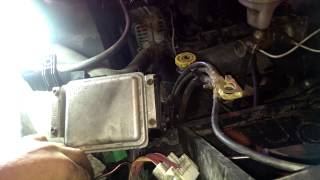
- CAB Connector C1 — Black 14-pin connector located near the Power Distribution Center (PDC) on the driver's side of the engine compartment.. This is the main connector for the ABS module. The VSS signal from the rear axle comes in here, and the processed speed signal goes out from here to the ECM and instrument cluster.
- VSS Signal Wire (to ECM) — White/Orange wire. It is at terminal No. 12 on the CAB connector C1 and connects to pin 43 on the ECM connector.. This is the specific wire that carries the vehicle speed signal from the ABS module to the engine computer. A break or short in this wire will cause P0501, even if the sensor and ABS module are good.
- Main Engine/Chassis Grounds — Key grounds are located on the engine block near the alternator, on the body near the driver's side battery, and under the dash.. A poor ground connection for the ECM or ABS module can cause floating voltages and erratic behavior, leading to false sensor codes. Cleaning the main ground points is a good preventative measure.
Real Owner Repair Stories
- Mopar1973Man.com user 'RMaynard' (2002 Dodge Ram 2500 Cummins with 47RE auto) — P0501 code and P1693 companion code would set after a quarter mile of driving. Speedometer worked fine. No ABS light. Slight engine hesitation at 20 mph when the code activated.
❌ Tried (didn't work) Replaced front wheel bearing/speed sensor, Replaced transmission speed sensor, Replaced rear axle ABS/speed sensor, Returned Smarty tune to stock
✅ What actually fixed it Replacing the Engine Control Module (ECM). The original ECM was not correctly processing the 5V speed signal it received on pin 43 from the ABS module, causing it to set the P0501 code, despite receiving valid speed data over the CCD bus for the speedometer. - DodgeForum.com user (2004 Ram 1500 (similar system)) — P0501 code, bouncing speedometer while idling, ABS light on.
❌ Tried (didn't work) Initial diagnosis was inconclusive.
✅ What actually fixed it Found the speed sensor on the rear differential was damaged AND a previous wiring repair on the sensor's pigtail connector was faulty. Repairing the wiring and replacing the sensor fixed the issue.
When the Usual Fixes Don't Work
- While the most common fix for P0501 is replacing the rear ABS sensor, there are documented cases where this does not solve the problem. One owner replaced the sensor, the wiring was confirmed good, and the speedometer was working, yet the code persisted. The ultimate cause was a faulty Engine Control Module (ECM) that could no longer process the hardwired speed signal from the ABS module. This is a critical 'what to check next' for anyone who has already performed the common fixes without success.
OEM Part Supersession History
56028187AC, 56028187AD→56028187AE— Standard part revision and improvement by the manufacturer.
Heads up: Aftermarket sensors are widely reported to have a higher failure rate (DOA or premature failure) than the OEM Mopar part. While they may fit physically, their signal quality or durability can be questionable.
Model Year Variations Within This Range
- 1998.5-2002: The 1998.5 model year marked the introduction of the 24-valve ISB Cummins engine and updated electronics. Information for 1994-1998 12-valve trucks may differ.
- 2001.5-2002: Rear disc brakes became standard equipment. While the speed sensor location on the differential housing is the same, the surrounding axle and brake components are different from the earlier drum brake axles.
- 1998-2002: For 2500/3500 models, a 4-wheel ABS system (Kelsey-Hayes) was standard. This means there are sensors at both front wheels (in the hubs) and one on the rear differential. This differs from some 1500 or earlier models that may have had rear-wheel anti-lock (RWAL) only.
Diagnostic Flowchart
Other Known Issues on This Vehicle
Issues unrelated to this code that are worth knowing about as an owner of this generation:
- Cracked '53' Engine Block 🔴 High — Affects a subset of 1999-2001 engines with the '53' casting number. Cracks can appear at any mileage, but many that were prone to failure did so early in their life. A significant number of '53' blocks never crack.
- Bosch VP44 Injection Pump Failure 🔴 High — Very common on 1998.5-2002 24-valve engines. Failure is often preceded by hard starting, intermittent 'dead pedal' (loss of throttle), or surging. The primary cause is often the failure of the stock lift pump, which starves the VP44 of fuel used for cooling and lubrication.
- Killer Dowel Pin (KDP) 🔴 High — A steel dowel pin in the timing gear case can work itself loose and fall into the timing gears, causing catastrophic engine damage. This is a known issue for all 1994-2002 Cummins engines (12v and 24v). Proactive installation of a KDP retainer kit is a highly recommended preventative measure.
- Cracked Dashboard 🟡 Low — Extremely common across all 1998-2002 Ram 1500/2500/3500 models. The plastic used becomes brittle from UV exposure and heat, leading to widespread cracking and disintegration.
- Stock Lift Pump Failure 🟠 Medium — The factory fuel lift pump is notoriously unreliable and often fails without warning. Its failure directly leads to the much more expensive failure of the VP44 injection pump. Upgrading to a more robust aftermarket lift pump (e.g., FASS, AirDog) is a critical reliability modification.
Used vs. New Parts: Buying Guide for This Vehicle
When a used part is the smart pick: A used ABS Control Module (CAB) from a salvage yard is a viable option if the part numbers are an exact match. These modules are generally not VIN-locked on this generation, but they are specific to the model year and ABS system type (4-wheel ABS).
Donor-vehicle mileage cap: roughly under 200000 miles for the part to have meaningful remaining life.
What to inspect on the donor part:
- Verify the part number on the module's sticker matches yours exactly.
- Inspect the electrical connectors for any signs of corrosion, melting, or pushed-out pins.
- If possible, confirm the donor vehicle did not have ABS or BRAKE lights on the dash.
OEM-only on this vehicle (don't cheap out):
- Rear ABS / Vehicle Speed Sensor
Aftermarket brands forum-validated for this vehicle:
- For ABS Module repair: Module Master
- For ABS Module repair: Atlanta Speedometer
Brands owners have reported issues with on this vehicle:
- Generic, no-name aftermarket speed sensors from online marketplaces are frequently reported as being dead-on-arrival or failing within a short period.
Real Owner Stories
Aggregated from forums and TSBs cited above. Mileages and costs reflect what owners reported in those sources.
Dodge Ram
Symptoms: Owner experienced a P0501 code and, after extensive troubleshooting of sensors and wiring, found a simple root cause.
What fixed it: Replacing a blown fuse related to the ABS or instrument cluster system.
Source hint: DodgeForum.com thread titled 'P0501 (solved)'
Dodge Ram
Symptoms: A persistent P0501 code that was not resolved by replacing the sensor with multiple aftermarket parts.
What fixed it: The issue was finally resolved by installing an OEM Mopar sensor purchased from a dealer.
Source hint: RamForum.com thread on P0501
Dodge Ram
Symptoms: The P0501 code was present along with issues from a bad previous wiring repair at the sensor plug.
What fixed it: Replacing the damaged sensor and properly repairing the wiring harness connector.
Source hint: DodgeForum.com thread titled 'P0501 (solved)'
1998-2002 Dodge Ram 2500
Symptoms: The P0501 code appeared with other strange electrical problems, including the A/C not working and the airbag light being on.
What fixed it: The root cause was corrosion in the main electrical connector located under the Power Distribution Center (fuse box). Cleaning or repairing this connector resolved all issues.
Source hint: Vehicle-specific issues section of article
Related OBD-II Codes
Frequently Asked Questions
Where is the vehicle speed sensor located on my 1998-2002 Ram 2500?
Should I use an OEM Mopar sensor or is an aftermarket one okay for P0501?
My ABS and BRAKE lights are on with the Check Engine light. Is this related to P0501?
How can I test the rear speed sensor myself to see if it's bad?
My speedometer is dead and the cruise control doesn't work. Is P0501 the cause?
I replaced the sensor but the code came back. What else is a common failure point on these trucks?
Helpful Videos
We Have This Part in Stock


The information in this article is provided for general reference and educational purposes only. Vehicle specifications, procedures, and part compatibility can vary by production date, trim level, and region. Always consult your vehicle's factory service manual and verify part numbers before purchasing or performing repairs. Safety-critical components such as airbags, seat belts, and braking systems should be installed by a qualified professional.
- Dodge Ram 2500:
- 🧭 Diagnostic Flowchart
- 🎬 Helpful Videos
- 🛍️ Shop This Part
- What's Unique About the 1998-2002 Dodge Ram 2500
- Symptoms You May Notice
- Most Likely Causes
- Rare But Worth Checking
- Diagnosis Steps
- Parts You'll Likely Need
- Related Codes That Often Appear With This One
- Platform-Specific Known Issues
- Mechanic-Grade Diagnostic Values
- Hidden / Shadow Codes Worth Checking
- Scan Tool Commands That Help
- Wiring & Ground Locations
- Real Owner Repair Stories
- When the Usual Fixes Don't Work
- OEM Part Supersession History
- Model Year Variations Within This Range
- Other Known Issues on This Vehicle
- Used vs. New Parts: Buying Guide for This Vehicle
- Real Owner Stories
- Dodge Ram
- Dodge Ram
- Dodge Ram
- 1998-2002 Dodge Ram 2500
- Related OBD-II Codes
- Frequently Asked Questions
- 🎟️ Get 5% Off