

P0501 on 2007-2012 Hyundai Elantra: Vehicle Speed Sensor 'A' Range/Performance Causes and Fixes
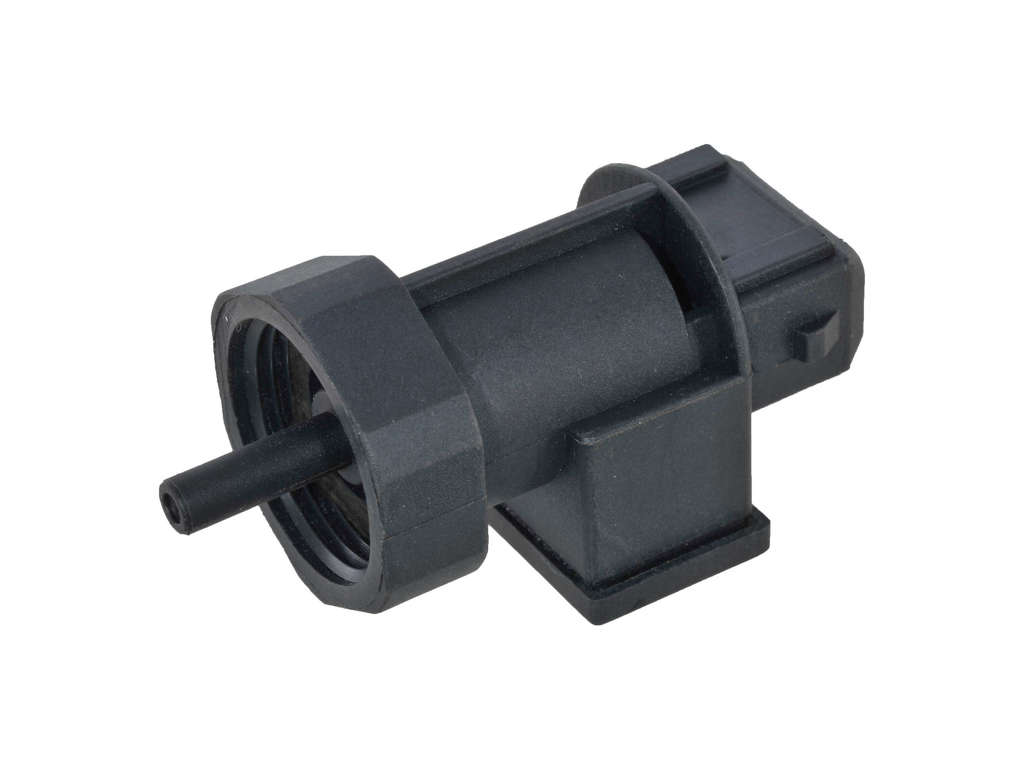
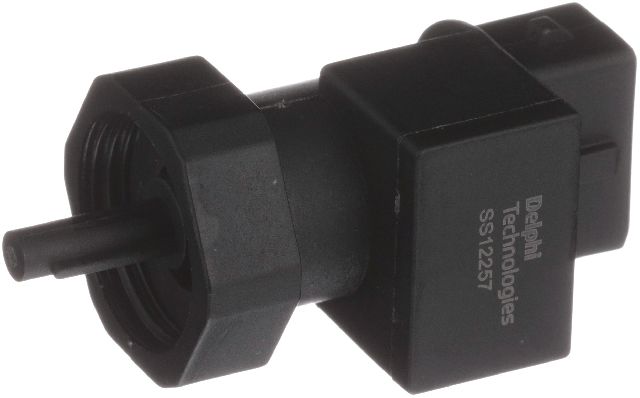
For the 2007-2012 Hyundai Elantra, code P0501 almost always points to a faulty Vehicle Speed Sensor (VSS), also known as an Output Speed Sensor, located on the transmission. This can cause an erratic speedometer, incorrect shifting, and cruise control failure. Replacing the sensor is a common, affordable DIY fix. It is crucial to distinguish this transmission-mounted sensor from the ABS wheel speed sensors.
- P0501 on a 2007-2012 Elantra almost always means the Vehicle Speed Sensor (VSS) on the transmission has failed.
- Do not confuse the transmission VSS with the ABS wheel speed sensors; they are different parts that cause confusion.
- Symptoms include an erratic speedometer, harsh shifting, and cruise control failure.
- The specific part number and location of the sensor differ between the 2007-2010 (HD) and 2011-2012 (MD) generations due to different transmissions.
What's Unique About the 2007-2012 Hyundai Elantra
The 2007-2012 Elantra range spans two generations with different transmissions: the HD (2007-2010) uses a 4-speed A4CF2 automatic, and the MD (2011-2012) uses a 6-speed A6GF1 automatic. While both use a transmission-mounted Vehicle Speed Sensor (VSS) to report road speed to the PCM, the exact part and diagnostic criteria differ. For the HD models, the VSS is often called the Output Speed Sensor and is a 3-pin sensor accessible from the driver's side wheel well. On the MD models, the sensor setup is similar but uses a 2-pin Hall effect sensor. It's crucial to distinguish the VSS from the ABS wheel speed sensors, a common point of confusion for this code. In both cases, a failure of this single sensor is a very common cause for P0501, often leading to noticeable transmission shifting problems.
Generation note: This range covers the end of the fourth generation (HD, 2007-2010) with the 4-speed A4CF2 transmission and the beginning of the fifth generation (MD/UD, 2011-2012) with the 6-speed A6GF1. The fundamental cause—a failed transmission output speed sensor—is the same, but the specific part numbers and locations differ. The HD sensor is on the side, while the MD sensor is often on top of the transmission.
Symptoms You May Notice
- Erratic or non-functional speedometer and odometer.
- Harsh, erratic, or delayed automatic transmission shifting.
- Transmission may feel 'stuck' in a higher gear (limp mode).
- Cruise control will not engage or will shut off randomly.
- Illuminated Check Engine Light.
- ABS and/or ESC warning lights may illuminate in some cases.
- Replacing the ABS Wheel Speed Sensors. P0501 on this vehicle specifically refers to the 'Vehicle Speed Sensor A' on the transmission, not the wheel speed sensors used by the ABS system. While a faulty wheel speed sensor can cause other issues (and may even trigger a P0501 in some other vehicle makes), on this Elantra, the primary cause is the transmission output sensor.
Most Likely Causes
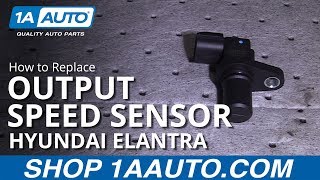
- Failed Vehicle Speed Sensor (VSS) / Output Speed Sensor 🔴 High Probability → Shop Drive Shaft Sensor The transmission-mounted speed sensor is a known high-failure item on this platform due to heat cycles, vibration, and internal electronic failure over time. One owner of a 2010 Elantra noted the original sensor had visible micro-cracks in its plastic casing upon removal. 🎬 Watch: Diagnostic steps for a faulty output speed sensor
How to confirm: Use an OBD-II scanner with live data to monitor the vehicle speed signal. If the signal is erratic, drops to zero while moving, or doesn't match the actual vehicle speed, the sensor is likely faulty. You can also test the sensor's resistance and voltage output against factory specifications. For the MD Elantra, the sensor should output a square wave signal that increases in frequency with speed.
Typical fix: Replace the Vehicle Speed Sensor on the transmission. This is often called the 'Output Speed Sensor'.
Est. part cost: $20-$90 - Damaged Wiring or Connector 🟡 Medium Probability The wiring harness to the transmission is exposed to road debris, oil, and heat, which can cause wires to become brittle, frayed, or corroded over time. A forum user reported their P0501 was caused by an ABS sensor wire that had rubbed through on the tire.
How to confirm: Visually inspect the wiring harness leading to the VSS for any signs of damage, corrosion, or loose connections. Check for continuity and voltage at the sensor connector with a multimeter. You should find power, ground, and a signal wire. A poor connection can cause the signal to drop out intermittently.
Typical fix: Repair the damaged section of wiring or replace the connector pigtail.
Est. part cost: $10-$30
Rare But Worth Checking
- Faulty Instrument Cluster: In rare cases, the instrument cluster itself can fail to process the signal from a good VSS, causing a P0501 code. This is more likely if the speedometer is the only symptom and the VSS signal is confirmed to be good going into the cluster.
- Faulty Powertrain Control Module (PCM): → Shop Engine Control Module (ECM) This is extremely rare. The PCM's internal circuits for processing the speed signal can fail, but this should only be considered after all other possibilities (sensor, wiring, cluster) have been exhaustively ruled out.
Diagnosis Steps
- Connect an OBD-II scanner and confirm the presence of the P0501 code. Check for any other codes that may be present.
- Use the scanner's live data function to monitor 'Vehicle Speed'. Drive the vehicle and observe the reading. Does it match the speedometer? Is the reading smooth, or does it jump around or drop to zero intermittently?
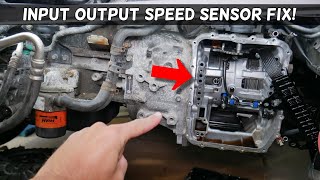
- If the data is erratic or absent, locate the Vehicle Speed Sensor (VSS) on the transmission. For the HD Elantra (2007-2010, 4-speed A4CF2), it is often accessible through the driver's side wheel well, on the side of the transmission. 🎬 See this video on locating and replacing the sensor For the MD Elantra (2011-2012, 6-speed A6GF1), it is on the top or front of the transmission case.
- Visually inspect the sensor's connector and wiring for any obvious signs of damage, corrosion, or loose pins. Pay close attention to areas where the harness might rub against the chassis or other components.
- If the wiring looks good, disconnect the sensor. With the ignition on, use a multimeter to test the connector for power and ground.
- If power and ground are present, the sensor is the most likely culprit. Replacing the sensor is the next logical step.
- If power or ground is missing, the problem lies in the wiring harness or the PCM. Trace the wiring back to find the open or short circuit.
- After replacing the sensor or repairing the wiring, clear the code with the scanner and perform a test drive to ensure the problem is resolved and the transmission shifts correctly.
Parts You'll Likely Need
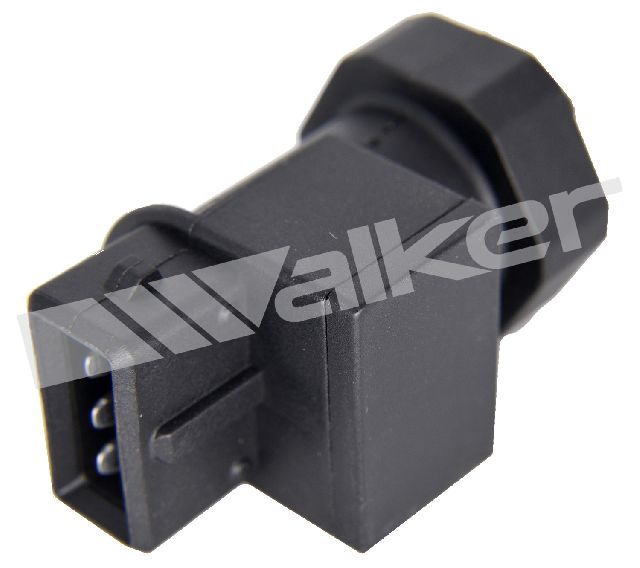
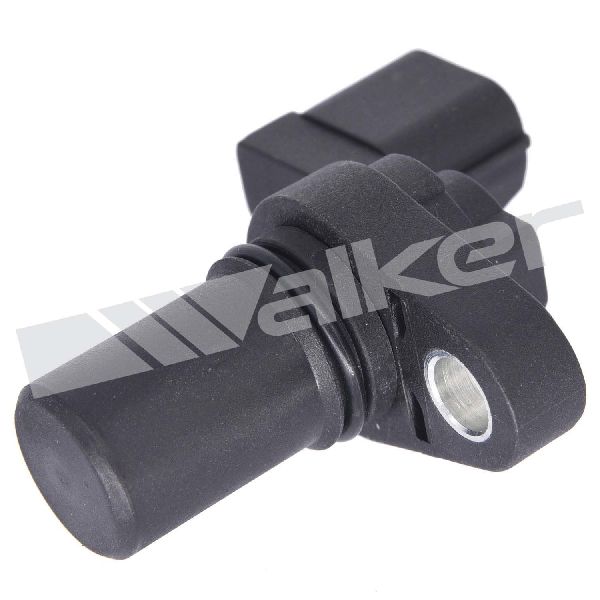
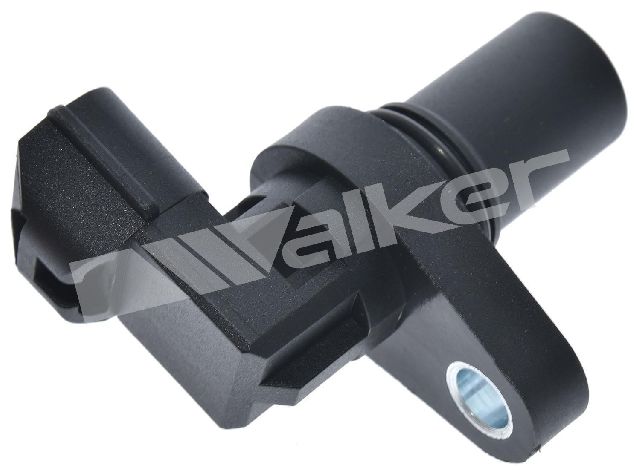
- Vehicle Speed Sensor (Output Speed Sensor)
(OEM #42621-23010 (for 2007-2010 HD w/ A4CF2 4-speed), 46517-39500 (for 2011-2012 MD w/ A6GF1 6-speed))— This is the most common failure point for the P0501 code on this vehicle. It is a relatively simple electronic sensor that wears out over time.
Trusted brands: Dorman, SMP (Standard Motor Products), Beck Arnley
OEM price range: $50-$90
Aftermarket price range: $20-$50
Technical Service Bulletins (TSBs) & Recalls
- TSB 14-AT-012: This TSB addresses various automatic transaxle solenoid DTCs but is relevant as it provides procedures for accessing and working on the valve body and internal components of the transmissions used in these Elantras.
- TSB 18-AT-007: Supersedes an earlier TSB and provides diagnostic procedures for solenoid-related DTCs in newer generation valve bodies, showing the evolution of these transmissions.
- TSB 14-AT-010: Details the replacement of the oil temperature sensor, which is integrated into the internal wiring harness on 2011+ models. This is relevant as the speed sensors are also part of this harness assembly.
Platform-Specific Known Issues
- Owner Experience: Intermittent Symptoms: An owner of a 2010 Elantra reported intermittent P0501 codes that would appear during steady highway cruising and cause the cruise control to shut off. The odometer also froze once for several minutes. The issue was resolved by replacing the transmission output speed sensor, which had visible micro-cracks on its housing.
Mechanic-Grade Diagnostic Values
- Output Speed Sensor (VSS) Signal Voltage (2007-2010 HD, A4CF2) — expected: Fluctuating 0.8V - 4.8V signal on the signal wire when wheels are turning.. Failure: No voltage or a fixed voltage that doesn't change with wheel speed.
- Output Speed Sensor (VSS) Power/Ground (2007-2010 HD, A4CF2) — expected: Approximately 12V on the power wire and good continuity to ground on the ground wire.. Failure: Missing voltage or high resistance on the ground circuit.
- Output Speed Sensor (VSS) Output Voltage (2011-2012 MD, A6GF1) — expected: At HIGH state: 1.18V - 1.68V. At LOW state: 0.59V - 0.84V.. Failure: Voltage readings outside of these specific ranges.
- Wiring Harness Continuity to TCM (2007-2010 HD, A4CF2) — expected: Below 1.0 Ω between the sensor connector and the TCM connector.. Failure: Resistance higher than 1.0 Ω, indicating a corroded or broken wire.
Scan Tool Commands That Help
- Hyundai GDS (Global Diagnostic System): Check signal waveform of Input & Output speed sensor. — This is the manufacturer-specified method to visually inspect the sensor's signal output in real-time. A clean, consistent waveform that correlates with speed indicates a good sensor, while a noisy, intermittent, or flat-line signal indicates a fault in the sensor or wiring.
Wiring & Ground Locations
- VSS Signal Wire (2007-2010 HD) — Can be accessed at the engine compartment fuse box, Connector EC03, Pin 12. The wire is typically green or red.. This provides a convenient, accessible point to test the sensor's signal output with a multimeter or oscilloscope without having to raise the vehicle and access the transmission-mounted connector directly.
- Ground Point Gf21 (2008 HD) — Located behind the right kick panel.. This is one of several chassis ground points. A poor ground connection here could potentially affect various electronic systems, including the PCM or instrument cluster which process the VSS signal.
- Ground Points Gm11 / Gm21 (2008 HD) — Located behind the left side of the dashboard.. These are primary grounds for the instrument panel area. A fault at these locations could cause erratic behavior in the instrument cluster (speedometer) or other modules, mimicking a sensor failure.
- Speed Sensor Power (2011-2012 MD/A6GF1) — Pin 14 on the main transmission connector.. This is the power supply pin for the internal speed sensors. A technician can check for the expected ~9V at this pin to verify the circuit integrity from the PCM to the transmission before condemning the internal harness.
Real Owner Repair Stories
- AliExpress User Guide / Owner Story (2010 Hyundai Elantra GLS, 112,000 miles) — Intermittent P0501 code, Check Engine Light would appear during steady highway cruising (55-70 mph), cruise control would shut off randomly, and the odometer froze for five minutes on one occasion.
❌ Tried (didn't work) The owner noted that mechanics on previous trips had replaced unrelated components before the VSS was properly diagnosed.
✅ What actually fixed it The final fix was replacing the transmission output speed sensor. The owner noted that the absence of other codes (like ABS or communication codes) helped point specifically to the VSS rather than a wheel sensor or PCM issue.
OEM Part Supersession History
46517-39500→46517-39505, 46517-39550— Part revision/update.
Heads up: This part number, listed in Pass 2 for the 2011-2012 Elantra, is incorrect. It fits older Hyundai models like the Sonata, Santa Fe, and Azera, but not the Elantra MD with the A6GF1 transmission.
Model Year Variations Within This Range
- 2007-2010 (HD Generation): Uses the A4CF2 4-speed transmission. The Output Speed Sensor (VSS) is an external, 3-pin Hall effect sensor (P/N 42621-23010) mounted on the transmission case. It is relatively easy to access and replace.
- 2011-2012 (MD Generation): Uses the A6GF1 6-speed transmission. The Output Speed Sensor is integrated into a large internal wire harness assembly located inside the transmission, attached to the valve body. Replacement is a complex, labor-intensive job requiring removal of the transmission oil pan and valve body. It is not a simple, externally replaceable sensor.
Diagnostic Flowchart
Other Known Issues on This Vehicle
Issues unrelated to this code that are worth knowing about as an owner of this generation:
- MDPS Steering Coupling Wear 🟠 Medium — Very common on most models from this era. A clicking or 'clunking' noise is heard from the steering column when turning the wheel. Typically occurs after 60,000 miles. (Ref: Warranty Extension (T-XX-5NP-G5Z6W-03 / NHTSA #10110922))
- ABS Module Electrical Short 🔴 High — Affects 2006-2011 Elantras. Moisture can enter the ABS module, creating a short circuit and a risk of an engine compartment fire, even when the vehicle is off. (Ref: Recall 195 / NHTSA #20V061000)
- Faulty Stop Lamp Switch 🟠 Medium — Widespread across many Hyundai models of this era. Can cause brake lights to fail or stay on, prevent shifting out of Park, and disable cruise control. (Ref: Recall 110 / NHTSA #13V113000)
- Engine Ticking Noise (Lifter Noise) 🟡 Low — Common on the 2.0L Beta II and Nu engines. A ticking noise from the top of the engine, especially when cold, is often due to noisy hydraulic valve lifters. Usually not mechanically harmful but can be annoying.
- A4CF2 Transmission Solenoid/Wiring Failure 🟠 Medium → Shop Transmission Assembly — The 4-speed automatic in HD models can suffer from solenoid wiring and internal harness issues, leading to shifting problems.
Used vs. New Parts: Buying Guide for This Vehicle
When a used part is the smart pick: For the 2007-2010 (HD) models, a used OEM sensor from a low-mileage donor vehicle is a reasonable budget-friendly option. The part is external and easy to replace, so the labor risk of a premature failure is low.
Donor-vehicle mileage cap: roughly under 80000 miles for the part to have meaningful remaining life.
What to inspect on the donor part:
- Inspect the plastic housing for any cracks or signs of heat stress.
- Check the electrical connector pins for corrosion, moisture, or damage.
- Ensure the O-ring is present and in good condition, though replacing it is always recommended.
OEM-only on this vehicle (don't cheap out):
- Internal Wire Harness (for 2011-2012 MD models). Due to the extremely high labor cost to access this part (dropping the pan and valve body), using a used part is highly discouraged. The risk of a used harness failing shortly after installation outweighs any potential cost savings on the part itself.
Aftermarket brands forum-validated for this vehicle:
- Dorman
- SMP (Standard Motor Products)
- Beck Arnley
- Duralast
Real Owner Stories
Aggregated from forums and TSBs cited above. Mileages and costs reflect what owners reported in those sources.
2010 Hyundai Elantra — 112000 miles
Symptoms: Intermittent P0501 codes during steady highway cruising, cruise control shutting off, and the odometer freezing for several minutes.
What fixed it: Replacement of the transmission output speed sensor with an OEM part; the original sensor had visible micro-cracks in its plastic housing.
Source hint: vehicle_specific_issues / AliExpress User Guide
2008 Hyundai Elantra
Symptoms: P0501 code and ABS light illumination occurring after a car wash.
What fixed it: The source highlights potential confusion between VSS and ABS sensors following moisture exposure.
Source hint: Hyundai Forums - hyundai-forums.com/threads/abs-and-p0501.256210/
2001 Hyundai Elantra
Symptoms: P0501 speed sensor code.
What fixed it: Repairing an ABS sensor wire that had rubbed through on the tire.
Source hint: Hyundai Forums - hyundai-forums.com/threads/check-engine-code-p0501-speed-sensor.80878/
2006 Hyundai Elantra
Symptoms: Simultaneous P0501 and C1101 codes.
What fixed it: The issue was identified as a wheel speed sensor problem on this specific model year.
Source hint: Reddit r/MechanicAdvice - reddit.com/r/MechanicAdvice/comments/1byl13g/codes_p0501_and_c1101_on_06_elantra/
Related OBD-II Codes
Frequently Asked Questions
Where is the Vehicle Speed Sensor located on my 2007-2010 Elantra with the 4-speed transmission?
My 2011 Elantra has a P0501 and shifting issues; does TSB 14-AT-010 apply?
Can a car wash cause a P0501 code on my 2008 Elantra?
Is there a recall for electrical issues that might be related to my speed sensor or ABS lights?
What should the speed sensor signal look like on a 2011-2012 MD Elantra?
Could my P0501 code be caused by a wire rubbing against the tire?
Helpful Videos

We Have This Part in Stock


The information in this article is provided for general reference and educational purposes only. Vehicle specifications, procedures, and part compatibility can vary by production date, trim level, and region. Always consult your vehicle's factory service manual and verify part numbers before purchasing or performing repairs. Safety-critical components such as airbags, seat belts, and braking systems should be installed by a qualified professional.
- Hyundai Elantra:
- 🧭 Diagnostic Flowchart
- 🎬 Helpful Videos
- 🛍️ Shop This Part
- What's Unique About the 2007-2012 Hyundai Elantra
- Symptoms You May Notice
- Most Likely Causes
- Rare But Worth Checking
- Diagnosis Steps
- Parts You'll Likely Need
- Technical Service Bulletins (TSBs) & Recalls
- Platform-Specific Known Issues
- Mechanic-Grade Diagnostic Values
- Scan Tool Commands That Help
- Wiring & Ground Locations
- Real Owner Repair Stories
- OEM Part Supersession History
- Model Year Variations Within This Range
- Other Known Issues on This Vehicle
- Used vs. New Parts: Buying Guide for This Vehicle
- Real Owner Stories
- 2010 Hyundai Elantra — 112000 miles
- 2008 Hyundai Elantra
- 2001 Hyundai Elantra
- 2006 Hyundai Elantra
- Related OBD-II Codes
- Frequently Asked Questions
- 🎟️ Get 5% Off