

P0501 on 2007-2012 Hyundai Veracruz: Wheel Speed Sensor Fault Causes and Fixes
On a 2007-2012 Veracruz, P0501 is almost always caused by a faulty ABS wheel speed sensor or its wiring. The vehicle uses these sensors, not a transmission sensor, to read its speed. Expect to pay $40-$100 for an aftermarket sensor and around $50-$75 in labor for a relatively simple DIY fix (2/5 difficulty).
- P0501 on a Veracruz is an ABS system fault, not a transmission sensor fault.
- The most common fix is replacing a single faulty ABS wheel speed sensor.
- A scan tool that can read live ABS data is essential for accurate diagnosis to avoid replacing the wrong part.
- Always inspect the wiring harness for damage before replacing the sensor itself.
- Driving with this code means your ABS and stability control systems are inactive, so drive with extra caution until it is repaired.
What's Unique About the 2007-2012 Hyundai Veracruz
Unlike many other vehicles that use a single speed sensor on the transmission, the 2007-2012 Veracruz relies entirely on the ABS wheel speed sensor system for its vehicle speed reading. The ABS control module (also called the HECU - Hydraulic Electrical Control Unit) gathers data from all four wheels, calculates the vehicle speed, and sends that information to the engine computer, instrument cluster, and other modules over a communication network (CAN bus). This means a P0501 code points directly to a problem within the ABS system—the sensors, wiring, or module—not the transmission itself.
Symptoms You May Notice
- Check Engine Light is on
- ABS warning light is on
- ESC (Electronic Stability Control) warning light is on
- Speedometer may work erratically or not at all
- Cruise control will not function
- Potential for harsh or improper transmission shifting
- AWD warning light may be on (for AWD models) 🎬 Watch: Real-world diagnosis of these dashboard warning lights
- Replacing the transmission output speed sensor. The Veracruz does not use this sensor for the primary vehicle speed reading that triggers P0501.
- Replacing the wrong wheel speed sensor. It is critical to use a scan tool that can read live data from each specific wheel to identify the correct faulty sensor before purchasing parts. A user on Reddit confirmed that a basic scan at Autozone was able to identify the specific faulty wheel sensor.
Most Likely Causes
- Faulty ABS Wheel Speed Sensor 🔴 High Probability → Shop ABS Wheel Speed Sensor Wheel speed sensors are exposed to harsh conditions (water, dirt, debris, heat from brakes) which can lead to failure over time. Corrosion can also damage the sensor or its electrical connection. This is the most common point of failure for this code.
How to confirm: Use an OBD-II scanner with ABS/SRS capabilities to read live data from all four wheel speed sensors while driving. The sensor that provides an erratic, inconsistent, or zero reading is the faulty one. You can also test the sensor's internal resistance with a multimeter; an open circuit (OL) reading indicates a failed sensor.
Typical fix: Replace the faulty wheel speed sensor. They are sold individually for each corner of the vehicle.
Est. part cost: $40 - $150 - Damaged Wheel Speed Sensor Wiring or Connector 🟡 Medium Probability → Shop ABS Wheel Speed Sensor The wiring harness leading to the wheel speed sensor can be damaged by road debris, improper routing after previous repairs (rubbing on the tire or suspension components), or corrosion at the connector pins. A user on Hyundai-Forums.com found their P0501 was caused by a wire that had rubbed through on the tire after an alignment.
How to confirm: Visually inspect the entire length of the wiring harness for the suspect sensor, from the sensor itself to where it connects to the main harness. Look for breaks, chafing, melting, or corrosion. Perform a continuity test on the wires with a multimeter.
Typical fix: Repair the damaged section of wire or replace the pigtail connector. In severe cases, the entire sensor harness for that corner may need replacement.
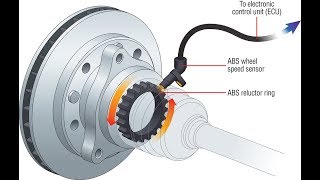
Est. part cost: $15 - $50 - Damaged or Debris-Covered Tone Ring ⚪ Low Probability The tone ring (a toothed ring on the axle or wheel hub that the sensor reads) can become cracked or covered in metallic debris from brake wear, leading to an incorrect signal.
How to confirm: Visually inspect the tone ring after removing the wheel speed sensor. It should be clean, with all teeth intact and free of damage or rust buildup.
Typical fix: Clean the tone ring with a brake cleaner and a brush. If the ring is cracked or part of the wheel hub assembly and is damaged, the hub will need to be replaced.
Est. part cost: $5 - $200 (depending on whether cleaning is sufficient or hub replacement is needed)
Rare But Worth Checking
- Faulty ABS/ESP Control Module: While rare, the module that processes the sensor signals can fail internally. This is typically diagnosed after all wheel speed sensors and their wiring have been confirmed to be good. A faulty module may also set other ABS-related codes or fail to communicate with a scan tool.
- Faulty Powertrain Control Module (PCM): → Shop Engine Control Module (ECM) This is extremely unlikely. The PCM is the last component to suspect. This would only be considered if all other possibilities related to the ABS system have been exhaustively ruled out.
Diagnosis Steps
- Connect an OBD-II scanner capable of reading ABS codes to the vehicle's diagnostic port.
- Read and record all fault codes from both the Engine (ECM/PCM) and ABS control modules.
- Access the live data stream for the ABS system. Monitor the vehicle speed readings from all four wheel speed sensors while driving the vehicle at a low speed.
- Identify the sensor that is reading incorrectly or not at all. This is the suspect sensor.
- Raise and safely support the vehicle. Remove the wheel corresponding to the suspect sensor.
- Visually inspect the wheel speed sensor and its wiring harness for any obvious signs of damage, corrosion, or improper routing. Pay close attention to areas where the wire might rub against the tire or suspension components.
- If no visual damage is found, disconnect the sensor and use a multimeter set to Ohms (Ω) to test its internal resistance. An open circuit (OL) or zero resistance indicates a failed sensor.
- Inspect the tone ring for damage, debris, or excessive rust.
- If the sensor and tone ring appear good, test the wiring harness for continuity and check for voltage and ground at the connector with the ignition on.
- If the sensor is faulty, replace it. If the wiring is faulty, repair it. If both are good, the issue may be with the ABS control module, which typically requires professional diagnosis.
Parts You'll Likely Need
- Front Right ABS Wheel Speed Sensor
(OEM #95671-3J000)— The front sensors, particularly the right (passenger) side, are often cited as common failure points in diagnostic literature and parts catalogs.
Trusted brands: Hyundai (OEM), Mando, Standard Motor Products (SMP), Beck/Arnley
OEM price range: $100-$180
Aftermarket price range: $40-$90 - Front Left ABS Wheel Speed Sensor
(OEM #95670-3J000)— A common failure part due to its exposed location near the wheel. Some aftermarket listings may incorrectly use this part number for the right side as well.
Trusted brands: Hyundai (OEM), Mando, Duralast, WVE
OEM price range: $100-$180
Aftermarket price range: $40-$90 - Rear ABS Wheel Speed Sensor
(OEM #95681-3J100 (or superseded by 95681-2P100))— Rear sensors are also prone to failure from environmental exposure.
Trusted brands: Hyundai (OEM), Mando, SKP
OEM price range: $120-$200
Aftermarket price range: $50-$110
Related Codes That Often Appear With This One
- C1200-C1212 — These are Hyundai-specific ABS codes that often pinpoint which wheel speed sensor (e.g., front-right, rear-left) or its circuit is having a problem, helping to confirm the diagnosis for P0501. For example, C1211 corresponds to a fault in the Rear-Right wheel speed sensor circuit.
Mechanic-Grade Diagnostic Values
- ABS Wheel Speed Sensor Resistance — expected: 1.0 - 1.6 kΩ (kilo-ohms). Values should be similar when comparing sensors on the same axle.. Failure: A reading of OL (Open Loop) or 0 ohms indicates a failed sensor. A reading significantly outside the expected range also indicates a problem.
- ABS Wheel Speed Sensor AC Voltage Output — expected: Greater than 100mV (0.1V) AC when spinning the wheel by hand at approximately one revolution per second. Voltage should increase with wheel speed.. Failure: No AC voltage or a very low, erratic voltage signal while the wheel is spinning points to a faulty sensor or a problem with the tone ring.
Scan Tool Commands That Help
- Hyundai GDS (Global Diagnostic System): Live Data / Current Data -> Wheel Speed Sensors — This is the primary and most effective diagnostic step. The GDS tool allows a technician to view the speed reading from all four wheels in real-time while driving. A sensor that drops out, reads zero, or shows a speed inconsistent with the others is the faulty component. This avoids unnecessary parts replacement.
- Hyundai GDS (Global Diagnostic System): DTC Analysis -> Fault Code Guide — After retrieving ABS-specific codes (e.g., C1200-C1212), the GDS software provides detailed, model-specific troubleshooting steps, including wiring diagrams and component locations, which are more precise than generic repair manuals.
Wiring & Ground Locations
- Chassis Ground — Under the dash, often behind the driver's side kick panel. There are also primary ground points in the engine compartment near the strut towers.. A poor ground connection for the ABS/ESP control module can cause erratic behavior and false codes. While not a common cause, verifying that the main chassis grounds are clean and tight is a valid step if sensor and wiring tests are inconclusive.
- Wheel Speed Sensor Connector — In the wheel well, attached to the chassis or suspension components, a short distance from the sensor itself.. This 2-pin connector is a common point for corrosion and wire damage due to its exposed location. Technicians will test for resistance and voltage at this connector. The two pins are for the sensor signal and ground.
OEM Part Supersession History
95681-3J100→95681-2P100— Part consolidation and potential design update by Hyundai/Kia.
Heads up: The new part number (95681-2P100) is the correct replacement for the original. Using old stock of 95681-3J100 is acceptable if found, but 95681-2P100 is the current OEM part.
Diagnostic Flowchart
Other Known Issues on This Vehicle
Issues unrelated to this code that are worth knowing about as an owner of this generation:
- Valve Cover Gasket Oil Leak Causing Alternator Failure 🔴 High — Very common, typically after 80,000 miles. The front (Bank 2) valve cover gasket is the primary culprit. (Ref: NHTSA Recall 14V415000 (Hyundai Campaign 121), re-issued as Recall 197.)
- Power Steering Hose Leaks 🟠 Medium — The high-pressure power steering hose is prone to leaking, which can be a costly repair.
- Excessive Engine Noise on Cold Start 🟡 Low — A significant number of owners have reported excessive engine noise, particularly after a cold start.
- Harsh Shifting or Transmission Slips 🟠 Medium → Shop Transmission Assembly — Transmission-related complaints, including harsh shifting, are a noted problem area for this vehicle.
- Clock Spring Failure 🔴 High — Failure of the clock spring contact assembly can cause the driver's airbag to become non-functional. (Ref: NHTSA Recall 11V506000 (Hyundai Campaign 103))
Used vs. New Parts: Buying Guide for This Vehicle
When a used part is the smart pick: A used wiring harness pigtail from a junkyard is a viable option if only the connector is damaged and a new pigtail is unavailable or expensive. For the sensor itself, a used part is not recommended.
Donor-vehicle mileage cap: roughly under 100000 miles for the part to have meaningful remaining life.
What to inspect on the donor part:
- For a wiring pigtail, ensure the plastic is not brittle or cracked.
- Check for any signs of corrosion on the connector pins.
- Ensure there is at least 6-8 inches of wire attached to make splicing easier.
OEM-only on this vehicle (don't cheap out):
- ABS/ESP Control Module (HECU). Used or aftermarket modules often have VIN-locking or software incompatibility issues that can be difficult and expensive to resolve.
Aftermarket brands forum-validated for this vehicle:
- Mando (often the original equipment manufacturer for Hyundai)
- Standard Motor Products (SMP)
- Beck/Arnley
- NTK
- Delphi
Brands owners have reported issues with on this vehicle:
- Unbranded, low-cost sensors from online marketplaces like eBay or Amazon can have high failure rates and may not produce an accurate signal, leading to persistent ABS/ESC issues.
Real Owner Stories
Aggregated from forums and TSBs cited above. Mileages and costs reflect what owners reported in those sources.
2012 Hyundai Veracruz 3.8L V6
Symptoms: ESC and ABS warning lights were illuminated.
What fixed it: A free OBD scan at a parts store identified the specific faulty wheel sensor, which was then replaced.
Source hint: Reddit r/AskMechanics (reddit.com/r/AskMechanics/comments/1d83j2v/escabs_warning_lights_2012_hyundai_veracruz/)
2007-2012 Hyundai Veracruz 3.8L V6
Symptoms: Check engine light with code P0501.
What fixed it: Inspection revealed an ABS sensor wire had been rubbing on the tire and wore through; repairing the wire resolved the code.
Source hint: Hyundai Forums (hyundai-forums.com/threads/check-engine-code-p0501-speed-sensor.93172/)
2010 Hyundai Veracruz 3.8L V6
Symptoms: Recurring rear wheel speed sensor error even after replacing the sensor twice.
What fixed it: The issue was identified as a potential wiring harness fault or an ABS module issue rather than the sensor itself.
Source hint: 2CarPros (2carpros.com/questions/2010-hyundai-veracruz-wheel-speed-sensor)
Related OBD-II Codes
Frequently Asked Questions
My 2007-2012 Veracruz has a P0501 and the ABS/ESC lights are on. Is there a recall for this?
Can I use a used wheel speed sensor from a junkyard to fix my P0501?
Which aftermarket brands are reliable for replacing the speed sensor on a 3.8L Lambda V6?
I replaced the sensor on my 2010 Veracruz but the code returned. What else could it be?
Does the P0501 code affect the All-Wheel Drive system on the Veracruz?
Can a bad alignment cause a P0501 code on this vehicle?
Helpful Videos

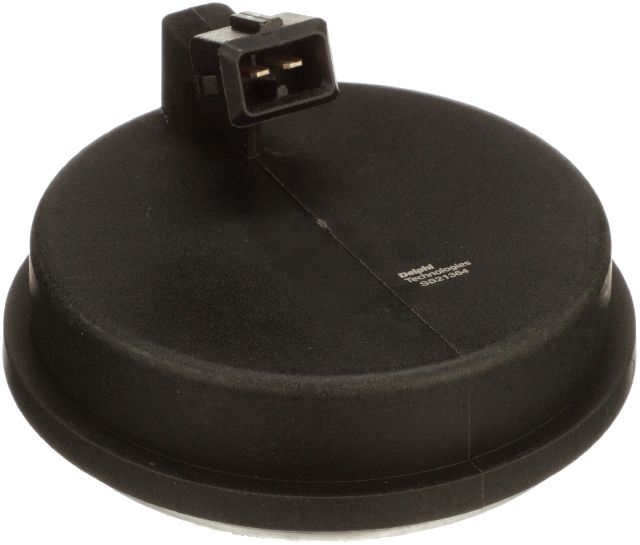
We Have This Part in Stock


The information in this article is provided for general reference and educational purposes only. Vehicle specifications, procedures, and part compatibility can vary by production date, trim level, and region. Always consult your vehicle's factory service manual and verify part numbers before purchasing or performing repairs. Safety-critical components such as airbags, seat belts, and braking systems should be installed by a qualified professional.
- Hyundai Veracruz:
- 🧭 Diagnostic Flowchart
- 🎬 Helpful Videos
- 🛍️ Shop This Part
- What's Unique About the 2007-2012 Hyundai Veracruz
- Symptoms You May Notice
- Most Likely Causes
- Rare But Worth Checking
- Diagnosis Steps
- Parts You'll Likely Need
- Related Codes That Often Appear With This One
- Mechanic-Grade Diagnostic Values
- Scan Tool Commands That Help
- Wiring & Ground Locations
- OEM Part Supersession History
- Other Known Issues on This Vehicle
- Used vs. New Parts: Buying Guide for This Vehicle
- Real Owner Stories
- 2012 Hyundai Veracruz 3.8L V6
- 2007-2012 Hyundai Veracruz 3.8L V6
- 2010 Hyundai Veracruz 3.8L V6
- Related OBD-II Codes
- Frequently Asked Questions
- 🎟️ Get 5% Off