

P0502 on 2017-2022 Honda CR-V: Vehicle Speed Sensor Circuit Low Causes and Fixes
On a 2017-2022 Honda CR-V, code P0502 is most often caused by a faulty transmission output shaft speed sensor or its wiring. This can cause an erratic speedometer and shifting problems. Expect to pay $30-$80 for a replacement sensor, which is a moderately easy DIY fix.
- P0502 on your CR-V points to the speed sensor on the CVT transmission, not the wheel sensors.
- Symptoms will be obvious: your speedometer will act up and the transmission may shift poorly.
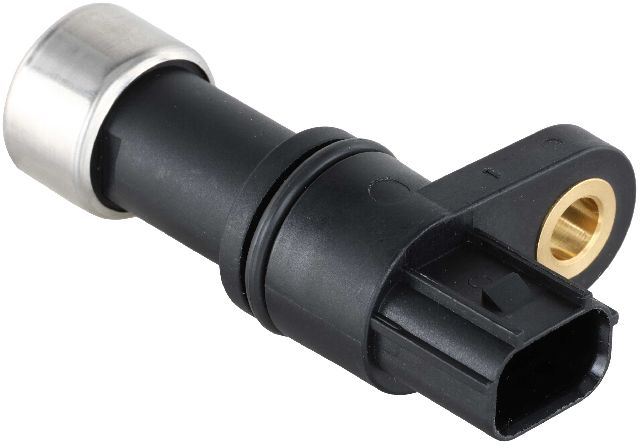
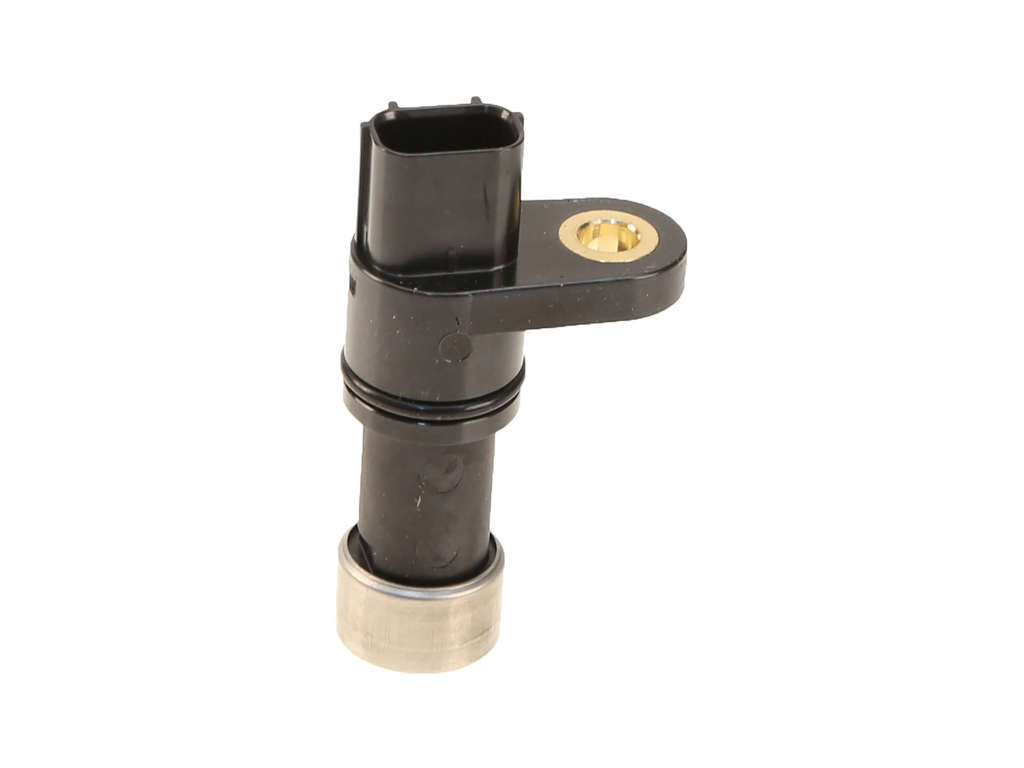
- The most likely fix is replacing the Output Shaft Speed Sensor, which is an affordable part with OEM part number 28820-RJ2-003.
- Before replacing the sensor, always inspect the wiring and connector for damage, as this is a common point of failure.
- This is a manageable DIY repair for those with basic tools and the ability to safely access the transmission.
What's Unique About the 2017-2022 Honda CR-V
The 2017-2022 Honda CR-V uses a Continuously Variable Transmission (CVT), which relies heavily on accurate speed data to function correctly. Unlike older geared transmissions, the CVT makes constant adjustments to the drive ratio. When the output shaft speed sensor signal is lost or incorrect due to the P0502 fault, the transmission control module can't properly manage the vehicle's drive ratio, leading to noticeable drivability issues like poor acceleration, hesitation, and incorrect shifting behavior.
Symptoms You May Notice
- Check Engine Light is on
- Speedometer is erratic, reads zero, or does not work
- Irregular or harsh shifting from the CVT
- Hesitation or poor acceleration
- Cruise control is inoperative
- ABS or Traction Control (VSA) warning lights may illuminate
- Replacing the ABS wheel speed sensors. P0502 specifically refers to the Vehicle Speed Sensor 'A' on the transmission, not the individual wheel speed sensors used by the ABS system. While a faulty wheel speed sensor can cause ABS/VSA lights, it will not typically set a P0502 code.
Most Likely Causes
- Faulty Output Shaft Speed Sensor 🔴 High Probability The sensor is an electronic component exposed to heat and vibration on the transmission housing, leading to eventual failure. It is the most common point of failure for this code.
How to confirm: After checking wiring, test the sensor's resistance with a multimeter against the manufacturer's specification. The sensor is typically located on the transmission case, sometimes near the front of the torque converter case. Given the part's relatively low cost, replacement is often the most straightforward diagnostic step.
Typical fix: Replace the output shaft speed sensor on the transmission case.
Est. part cost: $30 - $80 - Damaged Wiring or Corroded Connector 🟡 Medium Probability The wiring harness to the transmission can be susceptible to damage from road debris, heat, moisture, or even rodents, leading to corrosion on the connector pins or a break in the wire.
How to confirm: Visually inspect the wiring harness leading to the speed sensor for any signs of fraying, pinching, or breaks. Unplug the connector and check for green or white corrosion on the pins. Use a multimeter to check for continuity and voltage according to the service manual.
Typical fix: Repair the damaged section of wire or clean the connector with an electrical contact cleaner. If the connector is severely damaged, it may need to be replaced.
Est. part cost: $5 - $50 - Faulty Powertrain Control Module (PCM) ⚪ Low Probability → Shop Engine Control Module (ECM) PCM failure is uncommon but possible, especially due to internal circuit issues.
How to confirm: This is a last resort after the sensor and wiring have been definitively ruled out by a professional using advanced diagnostic tools (like the Honda Diagnostic System) to test the PCM's input circuit.
Typical fix: Replace and reprogram the PCM, which typically requires a dealership or specialized shop.
Est. part cost: $600 - $900
Rare But Worth Checking
- Faulty Instrument Cluster: → Shop Instrument Cluster In some vehicle architectures, the speed signal is routed through the instrument cluster. A fault here could theoretically cause this code, but it is very unlikely to be the primary cause.
- Metal Debris on Sensor: An accumulation of metal shavings on the magnetic tip of the speed sensor can interfere with its ability to read the reluctor ring, causing a low or erratic signal. This often points to more serious internal transmission wear.
- Incorrect or Degraded CVT Fluid: While not a direct cause of an electrical circuit code, extremely low, old, or incorrect CVT fluid (not Honda HCF-2) can cause erratic transmission behavior that may, in some edge cases, be misdiagnosed or contribute to conditions that stress related sensors.
Diagnosis Steps
- Read the code with an OBD-II scanner to confirm P0502 is present.
- Check for any other related trouble codes.
- Visually inspect the wiring harness and connector going to the Output Shaft Speed Sensor on the CVT case. Look for visible damage, corrosion, or loose connections.
- If the wiring appears intact, use a multimeter to test the sensor's circuit for correct voltage and ground, following the procedure in the Honda service manual. Check for an open or short to ground in the circuit.
- With the ignition off, you can also test the internal resistance of the speed sensor itself and compare it to the specified range. If it's out of spec, the sensor is faulty.
- If the wiring checks out but the sensor test fails, the sensor is faulty and should be replaced. The OEM part number is a reliable choice.
- If both the wiring and sensor test good, the issue may be an intermittent connection or a fault in the PCM, which may require professional diagnosis with a Honda-specific scanner.
- After repair, clear the DTC and perform a test drive, ensuring the vehicle exceeds 12.5 mph (20 km/h) to verify the fix.
Parts You'll Likely Need
- Output Shaft Speed Sensor (Vehicle Speed Sensor)
(OEM #28820-RJ2-003)— This is the most common component to fail, triggering the P0502 code. This part number is listed for the 2017-2019 CR-V and is also used in other Honda models like the Accord and Civic.
Trusted brands: Honda (OEM), Beck/Arnley, NTK, Duralast
OEM price range: $60-$100
Aftermarket price range: $30-$80
Mechanic-Grade Diagnostic Values
- Voltage between VSS 3P connector terminal 1 (VCC2/YEL/BLU) and body ground — expected: Approximately 5V with ignition ON (II). Failure: No voltage indicates an open in the power wire from the PCM.
- Voltage between VSS 3P connector terminal 2 (SG2/BLU/WHT) and body ground — expected: Approximately 5V with ignition ON (II). Failure: No voltage indicates an open in the ground wire to the PCM.
- Continuity between VSS 3P connector terminal and the corresponding terminal at the PCM connector — expected: Continuity should be present (less than 1.0 Ω). Failure: No continuity (OL) indicates an open circuit in the harness.
Scan Tool Commands That Help
- Honda Diagnostic System (HDS): Clear DTCs — Used after a repair to clear the P0502 code from the PCM's memory before the verification test drive.
- Honda Diagnostic System (HDS): Live Data Viewer (Vehicle Speed) — To monitor the vehicle speed as reported by the sensor during a test drive to confirm a fix or diagnose an intermittent failure. A reading of 0 mph/kmh while moving confirms a fault.
Wiring & Ground Locations
- Output Shaft Speed Sensor 3P Connector — Located on the CVT transmission case. Access may require removing the air filter housing.. This is the main connector for the sensor. All electrical tests (voltage, continuity) begin here. Corrosion or damage to its pins is a common cause of P0502.
- ECM Connector No. 1 (96P) — Under the right side of the dashboard.. This is the termination point for the speed sensor wiring. Continuity must be checked between the sensor connector and this connector to rule out a wiring harness break.
- G101 (Engine Ground) — Typically located on the engine or transmission housing, connecting the engine wire harness to the chassis, often near the front of the engine compartment or transmission.. A poor or corroded main engine/transmission ground can cause a variety of erratic electrical issues and sensor faults, including P0502, by creating an unstable ground reference for the sensor circuit.
Diagnostic Flowchart
Other Known Issues on This Vehicle
Issues unrelated to this code that are worth knowing about as an owner of this generation:
- Fuel Dilution of Engine Oil (1.5T Engine) 🔴 High — More common on 2017-2018 models, especially in cold climates with frequent short trips. Can lead to premature engine wear. (Ref: Honda issued software updates and extended the warranty for certain components to address this.)
- Parasitic Battery Drain 🟠 Medium — Primarily affects 2017-2019 models, causing the battery to die after the vehicle sits for a few days. Often linked to a software bug in the Vehicle Stability Assist (VSA) module. (Ref: Honda TSB A19-039 addresses a software update for the PCM to fix the drain on 2019 models.)
- Sticky Steering at Highway Speeds 🔴 High — Affects 2022 and newer models. Owners report a momentary 'notchy' or 'stuck' feeling in the steering, requiring extra force to correct. (Ref: NHTSA investigation led to Honda Service Bulletin 23-037 and a subsequent recall (24V-744) to replace steering gearbox components.)
- Head Gasket Failures (1.5T Engine) 🔴 High — A growing number of reports indicate premature head gasket failure, leading to coolant leaks into cylinders, misfires, and potential engine damage. (Ref: No official recall, but it is the subject of class-action lawsuits. Some mechanics recommend using upgraded aftermarket head studs during repair.)
- Infotainment System Glitches 🟡 Low — Owners report issues like a lagging or freezing touchscreen, and problems with Apple CarPlay/Android Auto connectivity, particularly on earlier 5th-gen models.
Used vs. New Parts: Buying Guide for This Vehicle
When a used part is the smart pick: For this specific repair, buying a used Output Shaft Speed Sensor is generally not recommended. The part is an electronic component that is relatively inexpensive to buy new from aftermarket or OEM sources. The risk of a used sensor failing shortly after installation outweighs the small cost savings.
Donor-vehicle mileage cap: roughly under 60000 miles for the part to have meaningful remaining life.
What to inspect on the donor part:
- Ensure the donor vehicle was not in a front-end collision that could have damaged the transmission case or wiring.
- Inspect the connector pins on the used sensor for any signs of corrosion, bending, or damage.
- If possible, ask for the donor vehicle's mileage; lower is always better for electronic components.
OEM-only on this vehicle (don't cheap out):
- Powertrain Control Module (PCM) - Due to the need for vehicle-specific programming and security pairing, a used PCM is often difficult or impossible to install correctly without dealership tools.
Aftermarket brands forum-validated for this vehicle:
- NTK
- Beck/Arnley
- Standard Motor Products (SMP)
Brands owners have reported issues with on this vehicle:
- No-name, unbranded sensors from online marketplaces should be avoided, as their quality control and accuracy can be highly inconsistent, potentially causing the code to return or creating new drivability issues.
Real Owner Stories
Aggregated from forums and TSBs cited above. Mileages and costs reflect what owners reported in those sources.
2017 Honda CR-V AWD Touring — 108000 miles
Symptoms: Recurring dash lights (ABS, LKAS, ACC, High Beam Assist, Brake Assist, etc etc.) on and off. Sometimes triggered by backing up or driving at highway speeds on cruise control. Lights would sometimes flicker off for days.
What fixed it: Replaced the right rear speed sensor. The owner noted the removal took 2-3 hours due to years of road grime and salt.
Source hint: 2017 AWD Touring - Dash Lights & Speed Sensor : r/crv
2015 Honda CR-V
Symptoms: Recurring transmission problems including multiple speed sensor and valve body failures.
What fixed it: Replacement of speed sensors and valve body, though the owner noted issues could be persistent or indicative of deeper problems.
Source hint: Reddit r/crv - Transmission issues on 2015 CR-V
Related OBD-II Codes
Frequently Asked Questions
Is there a specific TSB for the battery drain issues on my 2019 Honda CR-V?
My 2022 CR-V has a 'notchy' feeling in the steering at highway speeds; is this a known issue?
What is the specific OEM part number for the speed sensor if I need to replace it on my Accord or CR-V?
I have a 2017 CR-V with the 1.5T engine; should I be worried about the oil level rising?
Can I use a used Output Shaft Speed Sensor to fix the P0502 code?
Why are my ABS and VSA lights on at the same time as the P0502 code?
Helpful Videos
We Have This Part in Stock

The information in this article is provided for general reference and educational purposes only. Vehicle specifications, procedures, and part compatibility can vary by production date, trim level, and region. Always consult your vehicle's factory service manual and verify part numbers before purchasing or performing repairs. Safety-critical components such as airbags, seat belts, and braking systems should be installed by a qualified professional.
- Honda CR-V:
- 🧭 Diagnostic Flowchart
- 🎬 Helpful Videos
- 🛍️ Shop This Part
- What's Unique About the 2017-2022 Honda CR-V
- Symptoms You May Notice
- Most Likely Causes
- Rare But Worth Checking
- Diagnosis Steps
- Parts You'll Likely Need
- Mechanic-Grade Diagnostic Values
- Scan Tool Commands That Help
- Wiring & Ground Locations
- Other Known Issues on This Vehicle
- Used vs. New Parts: Buying Guide for This Vehicle
- Real Owner Stories
- 2017 Honda CR-V AWD Touring — 108000 miles
- 2015 Honda CR-V
- Related OBD-II Codes
- Frequently Asked Questions
- 🎟️ Get 5% Off