

P0507 on 2011-2015 Kia Optima 2.0T GDI: Causes and Fixes for High Idle RPM
On the 2011-2015 Kia Optima 2.0T, code P0507 is almost always caused by a dirty electronic throttle body sticking open due to carbon buildup. The most common fix is cleaning the throttle body and replacing the PCV valve, a DIY-friendly job with parts costing around $20-$60. Performing an idle relearn procedure after the cleaning is a critical final step.
- P0507 on a 2011-2015 Kia Optima 2.0T almost always points to a dirty throttle body.
- The fix is typically low-cost, requiring only a can of throttle body cleaner, a new PCV valve, and basic hand tools.
- Do not force the throttle plate open by hand on an electronic throttle body; turn the key to 'On' (engine off) and have a helper press the gas pedal if you need to open it for cleaning in place.
- After cleaning the throttle body, you must perform an idle relearn procedure for the computer to adapt to the clean throttle body.
- Always check for simple, cracked vacuum hoses before assuming a more expensive part has failed.
What's Unique About the 2011-2015 Kia Optima
The 2.0T GDI (Gasoline Direct Injection) 'Theta II' engine in the Optima is highly susceptible to carbon and oil deposit buildup in the intake system. Unlike traditional port-injected engines, GDI engines don't have fuel washing over the intake valves and throttle body, which allows deposits from the Positive Crankcase Ventilation (PCV) system to accumulate and bake on. This buildup is the primary reason the throttle plate sticks, making P0507 a very common code on this specific platform and its platform mates.
Symptoms You May Notice
- Check Engine Light is illuminated
- Engine idle speed is higher than normal (e.g., 1000-1500 RPM at a stop)
- Vehicle feels like it's pushing forward against the brakes when stopped
- Harsh or abrupt engagement when shifting from Park into Drive or Reverse
- Rough or surging idle
- Increased fuel consumption
- Stalling in some situations
- Replacing the throttle body when it only needs cleaning.
- Replacing spark plugs or ignition coils, which are unlikely to cause a consistently high idle.
- Assuming a major engine issue without first checking for simple vacuum leaks or a dirty throttle body.
- Forgetting to perform the idle relearn procedure after cleaning the throttle body, leading to the belief that the fix didn't work.
Most Likely Causes
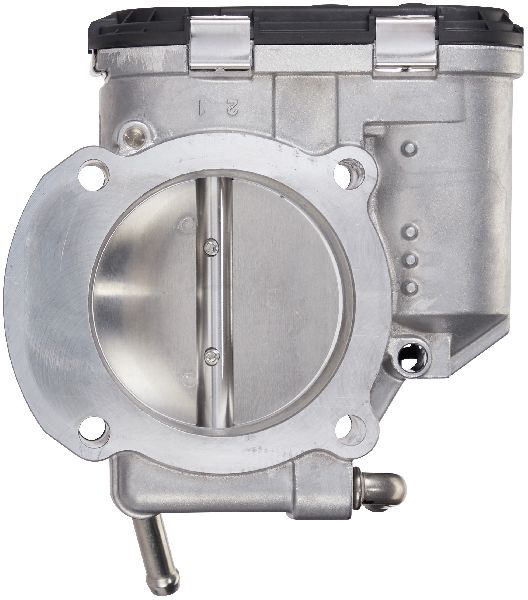
- Dirty Electronic Throttle Body 🔴 High Probability → Shop Fuel Injection Throttle Body The GDI engine's PCV system routes oil vapors and blow-by gases into the intake, which bake onto the throttle plate and bore, causing it to stick slightly open. This prevents the throttle from closing completely at idle, letting in excess air.
How to confirm: Remove the intake duct from the throttle body and visually inspect for a thick, black ring of carbon buildup around the throttle plate and the bore where it seats. The buildup is often worst on the side facing the intake manifold.
Typical fix: Remove the throttle body (typically four 10mm bolts) and clean it thoroughly with a dedicated throttle body cleaner and a soft brush or microfiber cloth. Do not use aggressive tools that could damage the bore's coating. Ensure the edges of the throttle plate are perfectly clean.
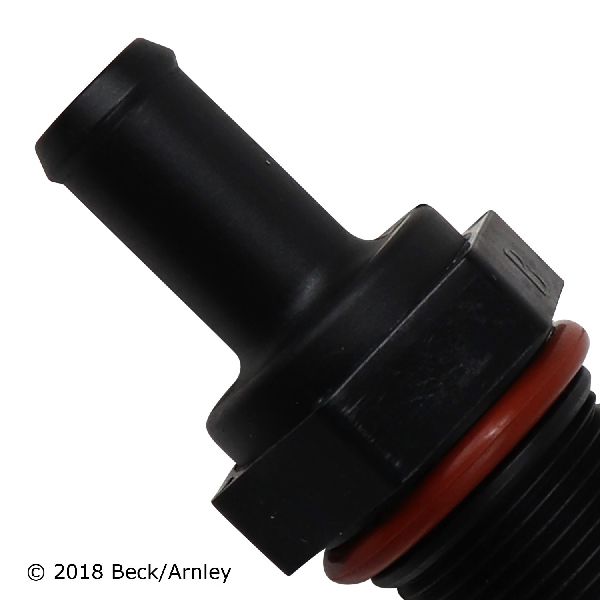
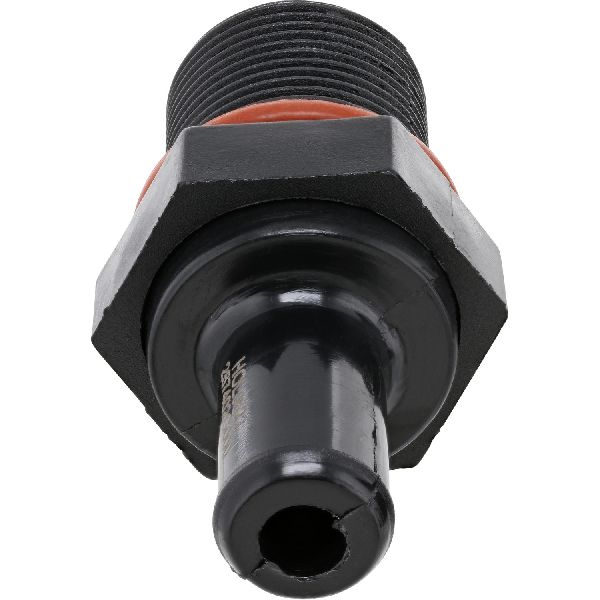
Est. part cost: $5-$15 for a can of cleaner. - Faulty or Stuck PCV Valve 🟡 Medium Probability → Shop PCV Valve The PCV (Positive Crankcase Ventilation) valve can get clogged with sludge and fail, causing it to stick open. This creates a constant, unmetered vacuum leak into the intake manifold, which directly contributes to the high idle. A bad valve also accelerates carbon buildup on the throttle body.
How to confirm: Remove the PCV valve and shake it. If it doesn't rattle, it's stuck and needs replacement. A more definitive test is to remove the oil filler cap while the engine is idling; if there is strong suction holding the cap down, the PCV valve has failed and is creating a significant vacuum leak.
Typical fix: Replace the PCV valve. It is an inexpensive and easy-to-replace part, often done preventatively when cleaning the throttle body.
Est. part cost: $15-$40 - Vacuum Leak ⚪ Low Probability Over time, rubber and plastic hoses in the engine bay can become brittle from heat cycles and crack. The PCV hose, intake manifold gasket, and brake booster hose are common failure points that can introduce unmetered air.
How to confirm: Visually inspect all vacuum lines connected to the intake manifold for cracks or disconnections. A smoke test, where smoke is injected into the intake system, is the most effective way to find hard-to-see leaks. Listening for a hissing sound at idle can also pinpoint a leak.
Typical fix: Replace the cracked or broken vacuum hose or gasket.
Est. part cost: $10-$50 depending on the hose.
Rare But Worth Checking
- EVAP Purge Valve Stuck Open: → Shop Vapor Canister A stuck-open EVAP purge valve can create a vacuum leak. This would typically be accompanied by other EVAP-related codes (e.g., P0442, P0455) and a fuel smell.
- Failing Throttle Body: → Shop Fuel Injection Throttle Body In rare cases, the electronic motor or position sensor within the throttle body assembly can fail, requiring complete replacement. This is uncommon compared to simply needing a cleaning.
- Incorrect Idle Relearn Procedure: After cleaning the throttle body or disconnecting the battery, the ECU's learned throttle position values are incorrect. If a proper idle relearn is not performed, the idle can remain high even after the physical problem is fixed.
Diagnosis Steps
- Confirm the P0507 code is present using an OBD-II scanner. Note any other codes, as they may point to the root cause.
- With the engine off, remove the air intake hose from the throttle body.
- Visually inspect the throttle body bore and plate for black carbon buildup. This is the most likely cause.
- Inspect all accessible vacuum hoses connected to the intake manifold, especially the PCV hose, for cracks, brittleness, or loose connections.
- If the throttle body is dirty, remove it for a thorough cleaning. Clean the plate, bore, and all passages with a dedicated throttle body cleaner and a soft cloth or brush.
- While the throttle body is accessible, locate and replace the PCV valve. It is an inexpensive part and a likely contributor.
- Reinstall the clean throttle body with a new gasket to ensure a proper seal.
- Reconnect all hoses and electrical connectors.
- Perform an idle relearn procedure. This is a critical step. A common method is to disconnect the battery for 30 minutes, reconnect, and let the car idle for several minutes to relearn. A more robust method involves a specific sequence of key-on/key-off cycles or using a professional scan tool to reset the ETC adaptive values.
- If the high idle persists, perform a smoke test to definitively rule out any hidden vacuum leaks.
- If no leaks are found and the issue remains, the throttle body assembly itself may be faulty and require replacement.
Parts You'll Likely Need
- Throttle Body Cleaner — Essential for removing the carbon buildup that causes the throttle plate to stick, which is the most common cause of P0507 on this engine.
Trusted brands: CRC, Berryman, WD-40 Specialist
Aftermarket price range: $5-$15 - PCV Valve
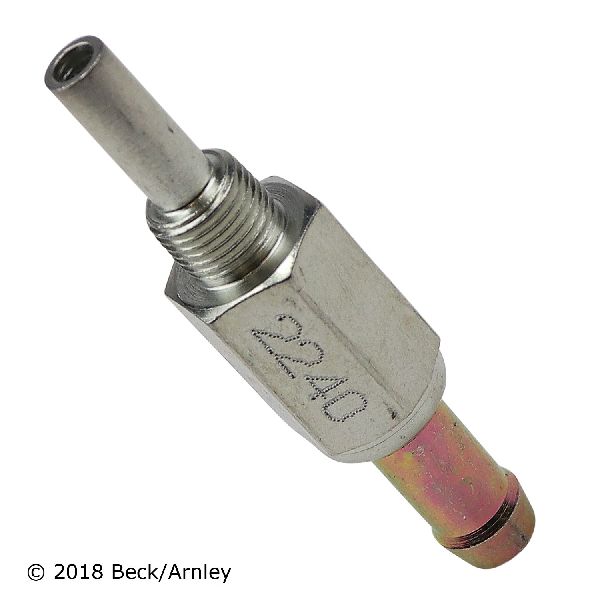
(OEM #26740-2G000)— A faulty PCV valve is a common source of vacuum leaks that cause a high idle. It's inexpensive and easy to replace during the throttle body service.
Trusted brands: Hyundai/Kia OE, Standard Motor Products, WVE
OEM price range: $25-$40
Aftermarket price range: $15-$30 - Throttle Body Gasket
(OEM #35101-2G000)— It is highly recommended to replace the gasket whenever the throttle body is removed to ensure a proper seal and prevent future vacuum leaks.
Trusted brands: Hyundai/Kia OE, Fel-Pro, Mahle
OEM price range: $5-$15
Aftermarket price range: $3-$10
Related Codes That Often Appear With This One
- P0506 — This code for 'Idle RPM Lower Than Expected' can appear if the throttle body is sticking intermittently, causing the idle to be both too high and too low at different times.
- P2187 — This code for 'System Too Lean at Idle' is often caused by the same vacuum leaks (like a bad PCV valve or cracked intake hose) that can trigger P0507.
- P0300 — A 'Random/Multiple Cylinder Misfire' code can be triggered if a significant vacuum leak makes the air-fuel mixture so lean that it causes misfires at idle.
Technical Service Bulletins (TSBs) & Recalls
- TSB ENG 078 (November 2010) provides the official Kia procedure for resetting and relearning the Electronic Throttle Control (ETC) adaptive values using a scan tool. This is critical after cleaning or replacing the throttle body to prevent persistent high idle or codes P0638/P2110.
- Customer Satisfaction Program CS1604 was issued for the 2011-2014 Optima to address a clicking noise from the steering by replacing the flexible MDPS coupling. While not related to P0507, it's a common issue on these vehicles.
Platform-Specific Known Issues
- The 2.0T GDI engine is subject to a major recall (e.g., SC147) for engine bearing failure, which can lead to engine seizure. While unrelated to P0507, owners should check if their VIN is affected by contacting a Kia dealer.
- Many owners report that a simple battery disconnect for 30+ minutes followed by a few minutes of idling is sufficient for an idle relearn, while others require a specific key-on/key-off procedure or a scan tool reset to resolve the high idle after cleaning.
Scan Tool Commands That Help
- Kia GDS (Global Diagnostic System) or compatible: Resetting Adaptive Values / Init Of TCU Learning — This function must be used after cleaning or replacing the throttle body or replacing the ECM. It erases the old learned values for throttle position and forces the system to relearn the new closed-throttle position. Failure to do this is a common reason for the P0507 code to persist after a repair. The procedure typically involves selecting the function, turning the ignition off for 10 seconds, then on for 5 seconds before starting the engine.
Wiring & Ground Locations
- Engine Block Ground — A braided strap or thick wire from the engine block or cylinder head to the firewall or chassis frame.. A poor engine ground can cause erratic sensor readings and improper voltage for the electronic throttle body motor. The ECU relies on a stable ground reference to accurately control the throttle plate. A weak ground can lead to unpredictable throttle behavior and trigger idle control faults.
- ECU/PCM Ground — Typically located on the vehicle's inner fender or firewall, where multiple small-gauge black wires terminate on a single bolt to the chassis.. The Engine Control Module (ECM) for the MFI control system requires a clean, solid ground to function. All sensor inputs (like TPS) and actuator outputs (like the throttle motor) are referenced to this ground. Corrosion or looseness at this point can cause a host of issues, including an inability to properly control idle speed.
- Throttle Body Connector — The electrical connector plugging directly into the electronic throttle body assembly.. The pins for the Throttle Position Sensor (TPS) and the throttle motor are located here. For a 2011-2012 Sonata 2.0L (a similar platform), the TPS signal wire is Pink/Black. Checking for voltage, ground, and signal integrity at these pins is a key diagnostic step if a wiring issue is suspected. A loose or corroded connector is a common point of failure.
Real Owner Repair Stories
- Reddit user comment (Kia/Hyundai models post-2010) — Jerky or poor shifting, high idle after maintenance.
❌ Tried (didn't work) Driving the car and hoping it would relearn on its own.
✅ What actually fixed it Performing a specific, manual throttle position sensor relearn procedure. The steps were: 1. Warm up engine, then turn off. 2. Turn key to 'ON' (or push button twice without brake) for 15 seconds. 3. Turn key/car 'OFF' for 5 seconds. 4. Repeat this ON/OFF cycle 5 times total. This forces the ECU to relearn the throttle's closed position without a scan tool. - NHTSA ODI #11509196 — In a similar Kia platform, an owner reported that code P0507 kept causing the engine light to turn on. Despite replacing the air filter and MAP sensor, and having the throttle body relearned, the issue persisted.
OEM Part Supersession History
26740-2G000→No official supersession found, this part number remains current.— N/A
Heads up: This PCV valve is widely used across many Kia/Hyundai 2.0L and 2.4L Theta II engines from roughly 2009 to present, indicating a stable design.35100-2G700→35100-2G710— Internal revision or change in supplier.
Heads up: Part listings show 35100-2G700 is often for the 2.4L engine, while 35100-2G710 is specified for the 2.0T engine in this vehicle range. While they may look similar, using the wrong one could result in incorrect throttle response or idle characteristics. Always verify by VIN.
Model Year Variations Within This Range
- 2011-2013 vs 2014-2015: The Kia Optima received a mid-cycle refresh for the 2014 model year. While the core 2.0T GDI engine remained, some part numbers for components like the throttle body may have changed. For example, some aftermarket parts explicitly list compatibility with '2011-2013' or '2014-2015' submodels (e.g., SX vs SX Turbo/Limited), indicating potential differences in trim or component revisions.
Diagnostic Flowchart
Other Known Issues on This Vehicle
Issues unrelated to this code that are worth knowing about as an owner of this generation:
- Catastrophic Engine Failure (Theta II) 🔴 High — Widespread across 2011-2019 models with 2.0L & 2.4L GDI engines. Can occur under 100,000 miles. (Ref: Recall SC147, Class-Action Lawsuit Settlement providing lifetime warranty extension.)
- Worn MDPS Steering Coupler 🟠 Medium — Very common on 2011-2014 models, causing a clicking or 'notchy' feeling in the steering wheel, especially when stopped. (Ref: Customer Satisfaction Program CS1604 / Warranty Extension.)
- Engine Bay Fire Hazard 🔴 High — Affects a significant number of vehicles covered by the Theta II engine issue, can be caused by leaking fuel lines or connecting rod failure puncturing the block. (Ref: Part of the broader Theta II engine recalls and investigations.)
- Carbon Buildup on Intake Valves 🟠 Medium — Inherent to the GDI engine design; symptoms like rough idle and power loss often appear after 60,000-80,000 km.
Used vs. New Parts: Buying Guide for This Vehicle
When a used part is the smart pick: A used electronic throttle body from a reputable salvage yard can be a cost-effective option, BUT ONLY if it comes from a low-mileage, rear-ended vehicle. The failure mode of this part is typically carbon buildup or electronic wear, so a high-mileage used part is likely to have the same problem soon.
Donor-vehicle mileage cap: roughly under 60000 miles for the part to have meaningful remaining life.
What to inspect on the donor part:
- Verify the donor vehicle's mileage from the instrument cluster or yard records.
- Inspect the throttle body bore for scoring or damage; light carbon is acceptable as it can be cleaned.
- Ensure the electrical connector pins are straight and free of corrosion.
- Ask for a short warranty period (e.g., 30 days) to ensure it functions correctly after installation and relearn.
OEM-only on this vehicle (don't cheap out):
- PCV Valve
Aftermarket brands forum-validated for this vehicle:
- For the PCV valve, sticking with genuine Hyundai/Kia OE is highly recommended as the cost is low and aftermarket valve flow rates can vary, potentially causing issues.
Brands owners have reported issues with on this vehicle:
- Avoid unbranded, no-name electronic throttle bodies from online marketplaces. These often have high failure rates, use inferior internal electronics, and may not respond correctly to the ECU's commands, making the P0507 issue worse or impossible to resolve.
Real Owner Stories
Aggregated from forums and TSBs cited above. Mileages and costs reflect what owners reported in those sources.
2011-2015 Kia Optima TF
Symptoms: High idle and P0507 code; discussions frequently cited carbon buildup on the throttle plate.
What fixed it: Throttle body cleaning, PCV valve replacement, and performing the idle relearn procedure.
Source hint: optimforums.com - Discussions on the Optima TF (2011-2015)
2011-2015 Kia Optima 2.0T GDI (Theta II) — ~70000 miles
Symptoms: High oil consumption and frequent P0507 codes; carbon buildup appearing more frequently.
What fixed it: Cleaning intake carbon deposits and addressing PCV system issues; noted as an early indicator of larger oil control issues.
Source hint: kia-forums.com - Members with Theta II GDI engines
Related OBD-II Codes
Frequently Asked Questions
Does TSB ENG 078 apply to my 2011-2015 Kia Optima if I have a high idle?
Is there a recall for the engine issues on my 2.0T GDI Optima?
Can I perform the idle relearn myself without a professional scan tool?
Why does my Optima feel like it's pushing forward against the brakes at a stop?
Is the clicking noise in my steering wheel related to the P0507 idle code?
Will cleaning the throttle body myself void my warranty or damage the car?
Used OEM Parts in Stock
New Aftermarket Parts Available


The information in this article is provided for general reference and educational purposes only. Vehicle specifications, procedures, and part compatibility can vary by production date, trim level, and region. Always consult your vehicle's factory service manual and verify part numbers before purchasing or performing repairs. Safety-critical components such as airbags, seat belts, and braking systems should be installed by a qualified professional.
- Kia Optima:
- 🧭 Diagnostic Flowchart
- 🛍️ Shop This Part
- What's Unique About the 2011-2015 Kia Optima
- Symptoms You May Notice
- Most Likely Causes
- Rare But Worth Checking
- Diagnosis Steps
- Parts You'll Likely Need
- Related Codes That Often Appear With This One
- Technical Service Bulletins (TSBs) & Recalls
- Platform-Specific Known Issues
- Scan Tool Commands That Help
- Wiring & Ground Locations
- Real Owner Repair Stories
- OEM Part Supersession History
- Model Year Variations Within This Range
- Other Known Issues on This Vehicle
- Used vs. New Parts: Buying Guide for This Vehicle
- Real Owner Stories
- 2011-2015 Kia Optima TF
- 2011-2015 Kia Optima 2.0T GDI (Theta II) — ~70000 miles
- Related OBD-II Codes
- Frequently Asked Questions
- 🎟️ Get 5% Off