

P0521 on 2017-2020 Genesis G80 3.8L: Oil Pressure Sensor Performance Causes and Fixes
On a 2017-2020 Genesis G80 3.8L, code P0521 is almost always caused by a failing oil pressure sensor. The classic symptom is a flickering oil light at warm idle that disappears when you accelerate. The part is inexpensive (~$60-$100 OEM), but its location under the intake manifold makes the repair very labor-intensive. Shop costs often range from $750 to $1,500, with some dealer quotes approaching $3,000.
- P0521 on a G80 3.8L almost always points to a bad oil pressure sensor, not a bad engine.
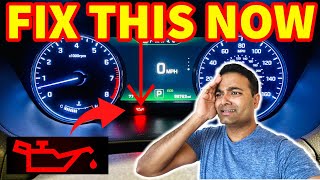
- The most common symptom is a flickering oil light at warm idle that goes away when you rev the engine.
- DO NOT continue to drive without confirming the cause. You must verify it's a sensor issue and not actual low oil pressure, which can destroy the engine.
- The most important diagnostic step is to test the real oil pressure with a mechanical gauge before starting any expensive repairs.
- The repair is very expensive not because of the part, but because of the 4-6+ hours of labor required to access the sensor under the intake manifold.
What's Unique About the 2017-2020 Genesis G80
The Lambda II V6 engine family used in this Genesis G80 is well-known for premature oil pressure sensor failures. The sensor is located deep in the hot 'V' of the engine valley, underneath the entire intake manifold assembly. This location subjects the sensor to extreme heat cycles, leading to internal seal or electronic failure, which causes the classic P0521 symptom: a flickering oil light at warm idle that disappears with a slight touch of the accelerator. While alarming, this issue is so common across the Genesis and Kia lineup that it's far more likely to be the sensor than a catastrophic engine problem. A recall for this exact issue was issued in South Korea for the G80, but not in the USA.
Symptoms You May Notice
- Oil pressure warning light flickering on the dashboard, especially at warm idle.
- Check Engine Light is on.
- Oil pressure light turns off immediately when engine RPMs are increased slightly above idle.
- Oil pressure gauge on the instrument cluster fluctuates wildly.
- Replacing the oil pump. Mechanics unfamiliar with this platform may suspect a failing oil pump, but the issue is almost always the sensor itself.
- Suspecting a rear main seal leak. The failing sensor can leak oil into the engine valley, which then drips out of a weep hole at the back of the engine, mimicking a more serious rear main seal leak. Kia issued TSB ENG237 for this exact issue on the related 3.3L engine.
Most Likely Causes
- Failing Engine Oil Pressure Sensor 🔴 High Probability This is a well-documented common failure item on Hyundai/Genesis Lambda series engines. The sensor is located in the hot engine valley under the intake manifold, and prolonged heat exposure causes its internal electronics or seals to fail, leading to erratic readings or oil leaking into the electrical connector. This issue was widespread enough to prompt a recall in Korea.
How to confirm: The definitive test is to connect a mechanical oil pressure gauge and verify that the actual pressure is within specification (e.g., >11-15 PSI at warm idle) while the dashboard light is flickering. If pressure is good, the sensor is bad. Finding engine oil inside the sensor's electrical connector also confirms internal failure.
Typical fix: Replace the engine oil pressure sensor. This is a very labor-intensive job requiring the removal of the upper and lower intake manifolds and fuel rails.
Est. part cost: $60-$150 for an OEM sensor. - Low or Incorrect Engine Oil 🟡 Medium Probability While not prone to major leaks, any engine can consume or leak oil over time. Some anecdotal reports suggest Lambda engines may consume more oil after 100,000 miles. Using oil of the incorrect viscosity (spec is typically 5W-30 full synthetic) can also trigger this code.
How to confirm: Check the engine oil level using the dipstick. Ensure the oil is at the full mark and that the correct viscosity (e.g., 5W-30 full synthetic) is being used per the owner's manual.
Typical fix: Top off or change the engine oil and filter using the manufacturer-specified type and grade.
Est. part cost: $50-$100 for oil and filter. - Wiring or Connector Issue ⚪ Low Probability The sensor connector is located in the hot engine valley and can become contaminated with oil from a leaking sensor, or the wiring can become brittle over time from heat exposure. A poor ground connection can also cause erratic readings.
How to confirm: Inspect the oil pressure sensor's electrical connector for oil contamination, corrosion, or damage. Check the wiring harness leading to the sensor for any signs of cracking, melting, or breaks.
Typical fix: Clean the connector with electrical contact cleaner. If oil is present, the sensor must be replaced as it is leaking internally. Repair or replace any damaged wiring.
Est. part cost: $10-$30 for cleaning supplies or wiring repair materials.
Rare But Worth Checking
- Failing Oil Pump or Internal Engine Wear: → Shop Engine Oil Pump This is extremely rare on this platform for this code. It should only be considered after a mechanical gauge test has confirmed that the engine's oil pressure is actually low. Symptoms would likely include engine knocking or ticking noises in addition to the warning light.
Diagnosis Steps
- Check the engine oil level and condition. Ensure it is full and has been changed at proper intervals.
- Scan the vehicle for any other stored trouble codes to see if they provide more context.
- CRITICAL STEP: Connect a mechanical oil pressure gauge to the engine. A test port is available on the oil filter housing.
- Start the engine and let it warm up to operating temperature.
- Compare the reading on the mechanical gauge to the vehicle's oil pressure light. If the light is flickering at idle but the mechanical gauge shows stable pressure (typically above 11-15 PSI), the oil pressure sensor is faulty and must be replaced.
- If the mechanical gauge shows low pressure, the problem is more severe (e.g., oil pump, internal wear) and requires further engine diagnosis. Do not drive the vehicle.
- If replacing the sensor, disconnect the battery.
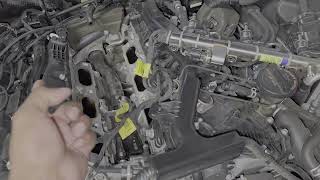
- Remove the upper and lower intake manifolds to gain access to the sensor in the engine valley.
- Disconnect the electrical connector and inspect for oil contamination. Remove the old sensor.
- Install the new oil pressure sensor.
- Install new upper and lower intake manifold gaskets and new fuel injector seals. Reassemble all components.
- Reconnect the battery, clear the DTCs, and start the engine to verify the fix.
Parts You'll Likely Need
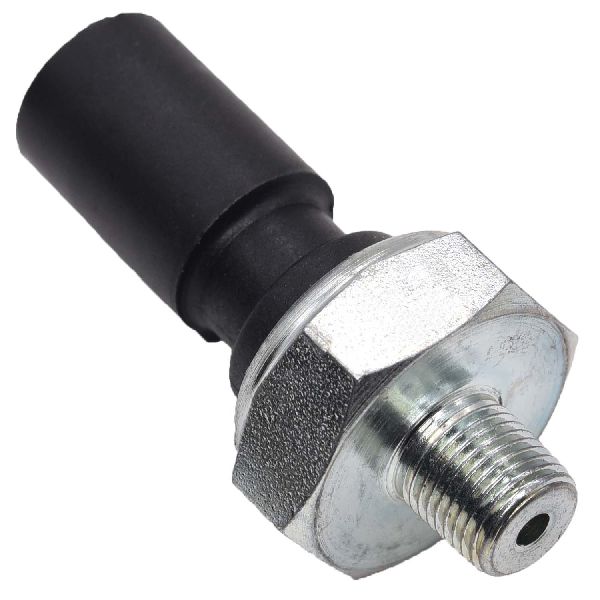
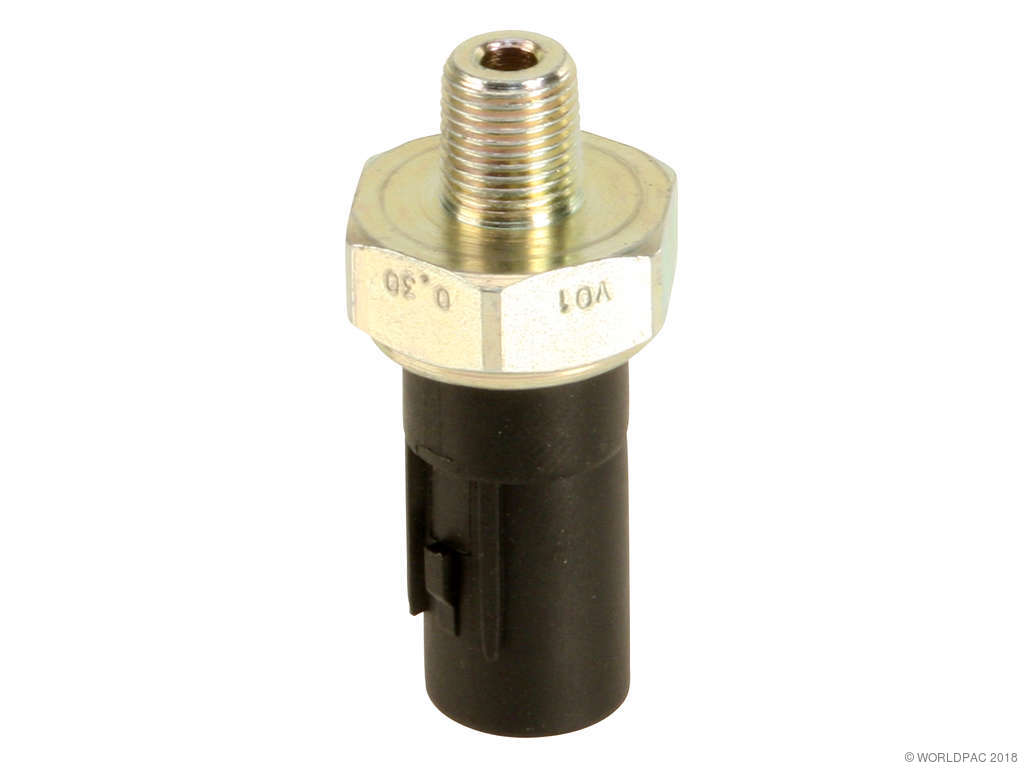
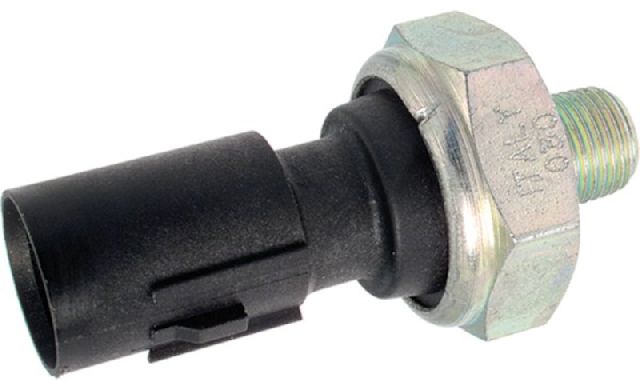
- Engine Oil Pressure Sensor
(OEM #94751-3C000)— This is the component that fails due to heat exposure, causing the erratic signal that triggers code P0521.
Trusted brands: Hyundai/Genesis (OEM)
OEM price range: $60-$150
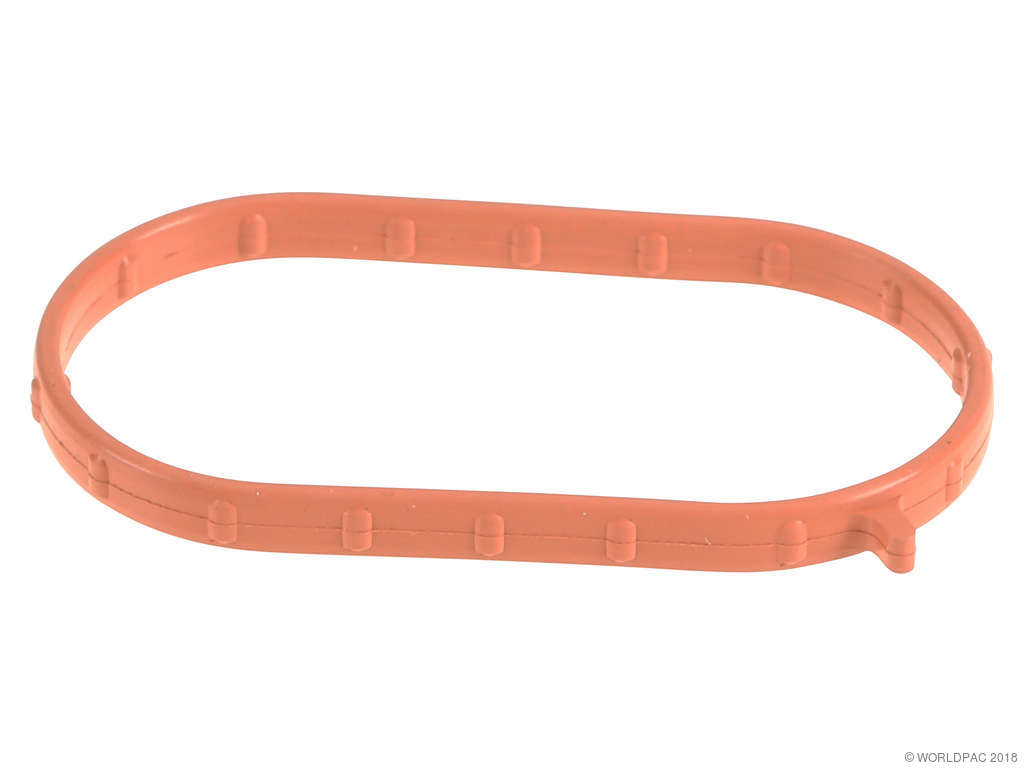
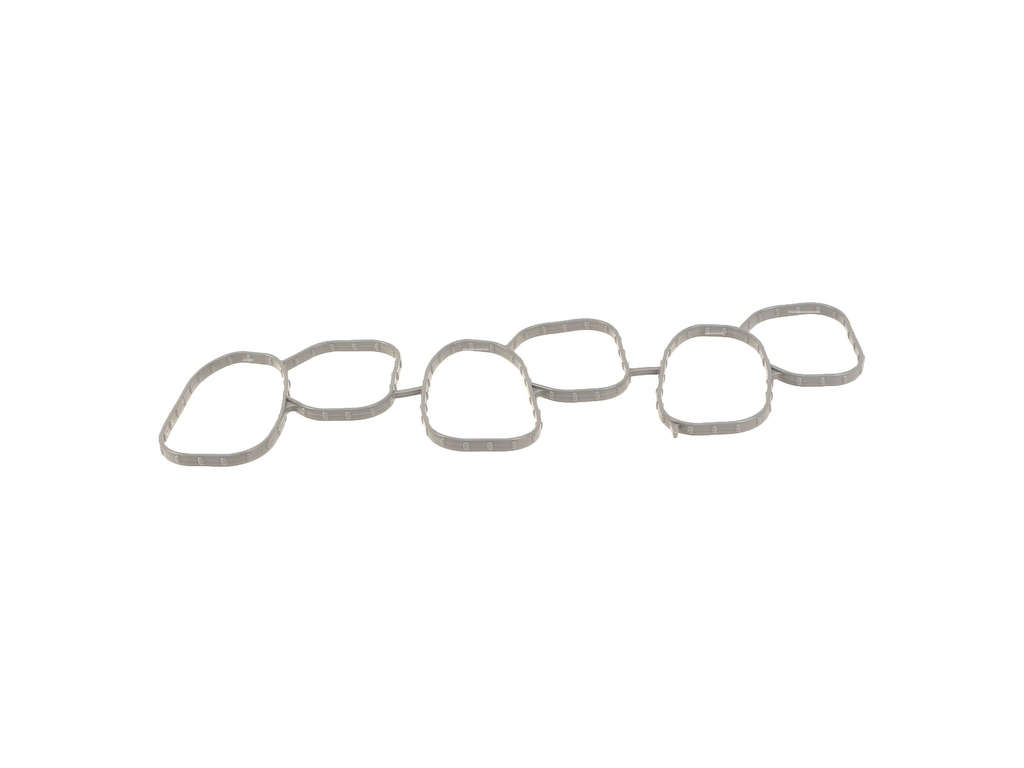
Aftermarket price range: $30-$70 - Upper Intake Manifold Gasket
(OEM #29215-3L100)— This is a single-use gasket that must be replaced anytime the intake manifold is removed to access the oil pressure sensor.
Trusted brands: Hyundai/Genesis (OEM), Mahle, Fel-Pro
OEM price range: $40-$60
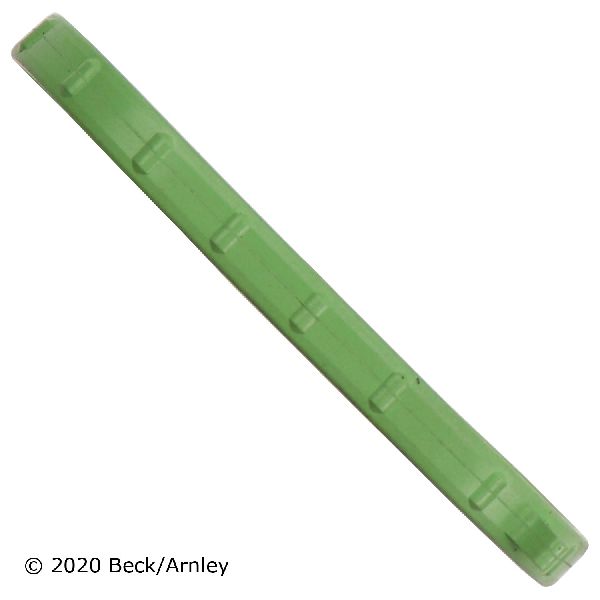
Aftermarket price range: $20-$40 - Lower Intake Manifold Gasket Set
(OEM #28411-3L100)— These are single-use gaskets that must be replaced when the lower intake is removed.
Trusted brands: Hyundai/Genesis (OEM), Mahle, Fel-Pro
OEM price range: $40-$70
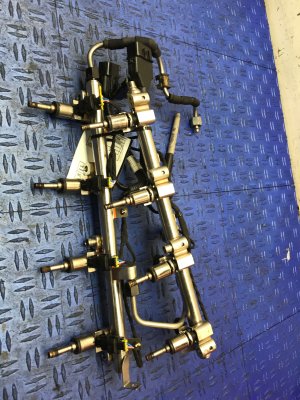
Aftermarket price range: $20-$50 - Fuel Injector Seal/O-Ring Kit
(OEM #35312-2E610 (Upper O-Ring), 35313-3L000 (Seal Kit))— Recommended for replacement since the fuel rails must be removed to access the sensor. This prevents potential fuel leaks after reassembly.
Trusted brands: Hyundai/Genesis (OEM), CARQUEST
OEM price range: $50-$90
Aftermarket price range: $15-$60
Related Codes That Often Appear With This One
- P0520 — P0520 indicates a fault in the sensor's electrical circuit. It can appear with P0521 if the sensor fails electrically, for example, by shorting out internally from oil contamination.
- P0524 — This code means 'Engine Oil Pressure Too Low'. If you see this critical code with P0521, it increases the urgency to stop the engine immediately and mechanically test the oil pressure, as it may indicate a true low-pressure condition.
Technical Service Bulletins (TSBs) & Recalls
- Kia TSB ENG237: While for a sister brand, this TSB applies to the same engine family (3.3L Lambda) and extends the warranty for a leaking oil pressure switch, confirming it's a known manufacturer issue with a similar failure mode (leaking).
- Hyundai TSB 16-AT-012: While not for P0521, this TSB for the G80 addresses replacing the transmission's internal E-Module for oil temperature sensor codes (P0711-P0713), showing other sensors in hot environments can be failure points.
Platform-Specific Known Issues
- The oil pressure sensor on the Lambda V6 is a widely known failure point due to its location in the hot engine valley, leading to premature failure from heat degradation.
- A recall for this exact problem (faulty oil pressure sensor causing warning light at idle) was issued for the G80 in South Korea, but not in the United States.
- Owners on forums frequently discuss this issue, with many receiving high dealer quotes for the labor-intensive repair.
Mechanic-Grade Diagnostic Values
- Engine Oil Pressure (Hot Idle, ~650-800 RPM) — expected: > 11-15 PSI. Failure: Pressure below this range indicates a potential mechanical issue (pump, wear). If pressure is good but the light is on, the sensor is likely bad.
- Engine Oil Pressure (Hot, ~3000 RPM) — expected: > 35 PSI. Failure: Pressure below this range under load could indicate a failing oil pump or clogged passages.
- Oil Pressure Sensor Signal Voltage (Key On, Engine Off) — expected: ~5.0V. Failure: A reading of ~5.0V indicates zero pressure, which is normal with the engine off. A significantly different reading points to a circuit or sensor issue.
- Oil Pressure Sensor Signal Voltage to Pressure Correlation — expected: 5.0V = 0 bar (0 PSI), 2.5V = 5 bar (~72 PSI). Failure: If a mechanical gauge shows pressure but the sensor voltage is stuck high (near 5V), the sensor is faulty or miscalibrated.
Scan Tool Commands That Help
- Hyundai GDS (or equivalent advanced scanner): Engine Mechanical Data Display / Live Data — Use this to monitor the oil pressure sensor's reported voltage in real-time. Compare this data to the mechanical gauge reading to confirm if the sensor is sending irrational signals (e.g., voltage corresponding to low pressure when mechanical pressure is good).
Wiring & Ground Locations
- ECM Connector Pin 48 — At the Engine Control Module (ECM), located in the engine compartment.. This is the specific sensor ground pin for the oil pressure sensor. A poor connection or corrosion at this pin can cause erratic or incorrect readings, triggering P0521.
- Engine Ground Cable (Left Side) — Connects the engine block on the left (driver's) side to the chassis.. A loose or corroded main engine ground can cause a variety of electrical issues, including floating grounds for sensors, which can lead to incorrect readings. The OEM part number for this cable is 91880-B1010.
Real Owner Repair Stories
- Synthesized from multiple forum reports on r/ChevyTrucks and RamForum.com for P0521 (Various vehicles, including Dodge Ram and Chevy Silverado, exhibiting the same P0521 code pattern.) — Check Engine Light with code P0521 would return shortly after replacing the oil pressure sensor.
❌ Tried (didn't work) Replacing the oil pressure sensor with a cheap, aftermarket part from a local auto parts store.
✅ What actually fixed it The problem was resolved only after replacing the aftermarket sensor with a genuine OEM (Mopar/ACDelco) sensor. The initial aftermarket part was either faulty out of the box or had incorrect calibration, causing the P0521 code to persist.
When the Usual Fixes Don't Work
- While the sensor is the most common cause, there are documented cases on forums where replacing the sensor did not fix the P0521 code. The most frequent cause for this scenario was the use of a non-OEM (aftermarket) replacement sensor that was either defective or had the wrong calibration. The fix was to perform the labor-intensive job a second time using a genuine Hyundai/Genesis part. A less common cause was using a restrictive aftermarket oil filter, which was resolved by switching to an OEM filter.
OEM Part Supersession History
94750-3C000→94751-3C000— Unconfirmed, but likely a revision for improved reliability or manufacturing.
Heads up: While 94750-3C000 is mentioned for the same engine family in other vehicles like the Stinger, 94751-3C000 is the consistently specified part for the 2017-2020 G80 3.8L. Using the correct, specified part number is critical.
Diagnostic Flowchart
Other Known Issues on This Vehicle
Issues unrelated to this code that are worth knowing about as an owner of this generation:
- Carbon Buildup on Intake Valves 🟠 Medium — Common on GDI engines, typically becomes an issue requiring cleaning after 80,000-120,000 miles. Can cause misfires.
- Starter Solenoid Water Intrusion 🔴 High — Subject of a recall. Water can enter the starter solenoid, causing an electrical short and potential engine compartment fire. (Ref: NHTSA Recall 24V107000)
- ABS Module Malfunction 🔴 High — Subject of a recall. The Anti-Lock Brake System (ABS) module can malfunction and short circuit, increasing fire risk. (Ref: NHTSA Recall 21V160000)
- Oil Leaks (Valve Cover, Oil Pan) 🟡 Low — Can become more common after 8+ years or 100,000+ miles, typical for many aging engines.
- Valve Clearance Adjustment 🟡 Low — The Lambda engine uses solid lifters, which may require a valve clearance adjustment every 60,000-100,000 miles, though it is often not needed unless noise is present.
Used vs. New Parts: Buying Guide for This Vehicle
When a used part is the smart pick: For this specific repair, using used parts is generally not recommended for the electronic components or single-use gaskets. However, if major components like the intake manifold were damaged during the repair, a used manifold from a low-mileage donor vehicle would be a cost-effective replacement.
Donor-vehicle mileage cap: roughly under 70000 miles for the part to have meaningful remaining life.
What to inspect on the donor part:
- For a used intake manifold, check for cracks, warping, or damage to any threaded inserts.
- Ensure all vacuum ports are intact and not broken off.
- Verify the donor vehicle was not in a front-end collision that could have stressed the plastic manifold.
OEM-only on this vehicle (don't cheap out):
- Engine Oil Pressure Sensor: This is the most critical part to buy OEM. Forum reports consistently show that aftermarket sensors can be faulty out of the box or fail quickly, leading to a repeat of the expensive, labor-intensive repair.
- Intake Manifold Gaskets: While reputable aftermarket brands like Mahle or Fel-Pro exist, the cost savings are minimal compared to the labor cost. Using OEM gaskets (Upper: 29215-3L100, Lower: 28411-3L100) provides the highest assurance of a proper seal.
Aftermarket brands forum-validated for this vehicle:
- For gaskets, if OEM is unavailable: Mahle, Fel-Pro.
Brands owners have reported issues with on this vehicle:
- For the oil pressure sensor itself, it is strongly advised to avoid generic, unbranded, or 'white-box' parts from online marketplaces and local parts stores due to high rates of premature failure for this specific application.
Real Owner Stories
Aggregated from forums and TSBs cited above. Mileages and costs reflect what owners reported in those sources.
2017-2020 Genesis G80 3.8L V6
Symptoms: The owner received a quote for a repair involving the oil pressure sensor and noted the existence of a South Korean recall for the same issue.
What fixed it: Replacement of the oil pressure sensor located in the engine valley.
Cost: $2,000-$3,000
Source hint: Reddit r/genesisg80 thread titled 'Genesis G80 Oil Pressure Sensor Issue?'
Related OBD-II Codes
Frequently Asked Questions
Is there a recall for the oil pressure sensor on my US-spec Genesis G80?
Why is the repair for P0521 so expensive on the 3.8L V6 engine?
Does Kia TSB ENG237 apply to my Genesis G80?
Can I use any oil to fix the flickering pressure light?
My oil light only flickers at idle and goes away when I drive. Is the engine failing?
Are there other sensors in this engine prone to heat failure like the oil sensor?
Helpful Videos
Used OEM Parts in Stock
New Aftermarket Parts Available

The information in this article is provided for general reference and educational purposes only. Vehicle specifications, procedures, and part compatibility can vary by production date, trim level, and region. Always consult your vehicle's factory service manual and verify part numbers before purchasing or performing repairs. Safety-critical components such as airbags, seat belts, and braking systems should be installed by a qualified professional.
- Genesis G80:
- 🧭 Diagnostic Flowchart
- 🎬 Helpful Videos
- 🛍️ Shop This Part
- What's Unique About the 2017-2020 Genesis G80
- Symptoms You May Notice
- Most Likely Causes
- Rare But Worth Checking
- Diagnosis Steps
- Parts You'll Likely Need
- Related Codes That Often Appear With This One
- Technical Service Bulletins (TSBs) & Recalls
- Platform-Specific Known Issues
- Mechanic-Grade Diagnostic Values
- Scan Tool Commands That Help
- Wiring & Ground Locations
- Real Owner Repair Stories
- When the Usual Fixes Don't Work
- OEM Part Supersession History
- Other Known Issues on This Vehicle
- Used vs. New Parts: Buying Guide for This Vehicle
- Real Owner Stories
- 2017-2020 Genesis G80 3.8L V6
- Related OBD-II Codes
- Frequently Asked Questions
- 🎟️ Get 5% Off