

P0556 on 2008-2012 Honda Accord: Brake Booster Sensor Causes and Fixes
On a 2008-2012 Honda Accord, code P0556 is most often caused by a failed brake booster pressure sensor. This results in a hard brake pedal and increased stopping distances. Replacing the sensor, OEM part number 37260-RNA-A01, is a common DIY fix, with the part costing between $30 and $90.
- P0556 on a 2008-2012 Accord means your power brakes are not working correctly, making the car unsafe to drive due to increased stopping distances.
- The most likely cause is a bad brake booster pressure sensor, which is relatively inexpensive and easy to replace.
- Before buying parts, always check the vacuum hose between the engine and the brake booster for cracks or leaks, as this is another common and simple fix.
- Diagnosis can be done with basic tools: a visual inspection, listening for hissing sounds, and basic voltage tests on the sensor.
What's Unique About the 2008-2012 Honda Accord
For the 8th generation Accord (2008-2012), this code relates to a traditional vacuum-powered brake system. Unlike newer Accords that may use more complex electronic boosters, the system on this platform is straightforward. The most common failures are simple mechanical or sensor-related issues, making diagnosis relatively easy for DIY mechanics. The pressure sensor itself is externally mounted on the brake booster, making it accessible without major disassembly. The issue is also seen on platform-mates like the Acura RDX and TSX from the same era.
Symptoms You May Notice
- Check Engine Light is on
- Brake pedal is hard to press
- Significantly increased effort required to stop the vehicle
- Longer stopping distances
- Brake Assist (BAS) warning lamp illuminated on the dashboard
- Possible hissing noise from the engine bay near the driver's side firewall
- Rough or unstable engine idle if a major vacuum leak is present
- Replacing the brake booster when only the inexpensive pressure sensor or a vacuum hose was faulty.
- Replacing the master cylinder, which is a hydraulic component and is not monitored by the P0556 code.
- Replacing the ABS/VSA module, which can have its own pressure sensor-related codes (like DTC 66-11) but is distinct from the booster pressure sensor.
Most Likely Causes
- Failed Brake Booster Pressure Sensor 🔴 High Probability → Shop Power Brake Booster The sensor is an electronic component exposed to constant heat cycles in the engine bay, leading to internal failure of the diaphragm or electronics over time. Extreme cold weather has also been reported to trigger sensor failure.
How to confirm: With the engine off, use a scan tool to check the sensor's reading. It should read near atmospheric pressure. With the engine running, it should show a strong vacuum. You can also backprobe the sensor's connector to test for a 5V reference, ground, and a signal voltage that changes with vacuum (engine on vs. off). A sensor that is stuck at one value, provides an erratic signal, or reads incorrectly is faulty. The sensor typically outputs a voltage between 0.5V and 4.5V.
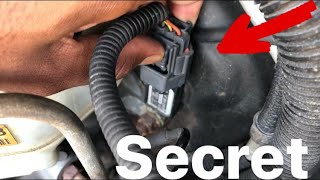
Typical fix: Replace the brake booster pressure sensor. It is located on the brake booster and held in by a rubber grommet. The OEM part number is 37260-RNA-A01. 🎬 Watch: How replacing the pressure sensor can save you thousands.
Est. part cost: $30-$90 - Vacuum Leak 🟡 Medium Probability The rubber and plastic vacuum hoses become brittle and crack over time due to age and heat exposure in the engine compartment.
How to confirm: Visually inspect the vacuum hose running from the intake manifold to the brake booster for any cracks, splits, or loose connections. Listen for a hissing sound with the engine running. A smoke test is the most effective way to find small, hard-to-see leaks.
Typical fix: Replace the cracked or leaking vacuum hose. Ensure the check valve is correctly oriented and sealing properly.
Est. part cost: $20-$50 - Damaged Wiring or Connector ⚪ Low Probability Engine vibrations can cause wiring to chafe against other components over time.
How to confirm: Visually inspect the wiring harness and connector going to the brake booster pressure sensor for any signs of corrosion, chafing, or broken wires. Wiggle the connector and harness with the engine running while monitoring the sensor's live data on a scan tool to see if the reading fluctuates.
Typical fix: Repair the damaged section of wiring or clean/replace the connector pigtail. Apply dielectric grease to the new connection to prevent future corrosion.
Est. part cost: $5-$30
Rare But Worth Checking
- Failed Brake Booster Check Valve: → Shop Power Brake Booster This one-way valve is located in the vacuum supply hose. If it fails, it won't hold vacuum in the booster, causing a hard pedal and potentially triggering the code. It's often replaced with the vacuum hose itself.
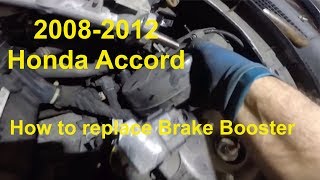
- Failed Brake Booster: → Shop Power Brake Booster If the sensor and vacuum lines are confirmed to be good, the internal diaphragm of the brake booster itself may have failed. This is a more involved and expensive repair. 🎬 See this walkthrough on how to replace the brake booster.
- Faulty Powertrain Control Module (PCM): This is extremely rare. The PCM should only be considered as the cause after all other possibilities (sensor, wiring, vacuum leaks) have been exhaustively ruled out.
Diagnosis Steps
- Read the code with an OBD-II scanner and confirm P0556 is present. Check for any other stored codes.
- Note the freeze frame data to see the conditions under which the code was set.
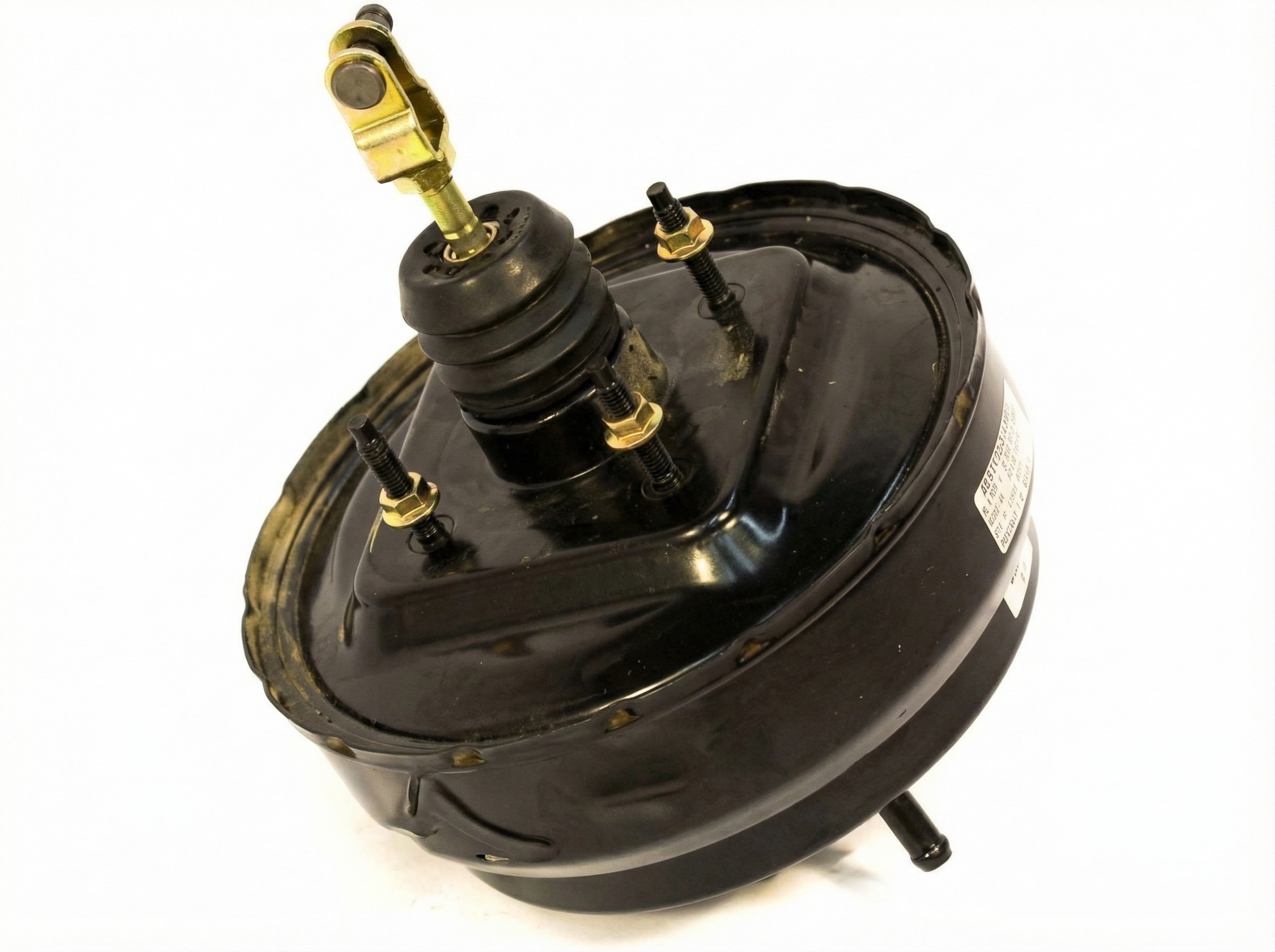
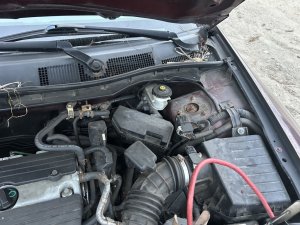
- Visually inspect the brake booster, the large, black, circular object on the firewall behind the brake master cylinder.
- Locate the brake booster pressure sensor on the booster. It's a small plastic sensor, often black or gray, pushed into a rubber grommet.
- Inspect the sensor's electrical connector and wiring for any visible damage, corrosion, or looseness.
- Inspect the vacuum hose that runs from the engine's intake manifold to the brake booster. Look for cracks, brittleness, or swelling. Ensure connections are tight at both ends.
- With the engine running, listen carefully for any hissing sounds around the booster and vacuum lines, which would indicate a vacuum leak.
- If a leak is suspected but not visible, perform a smoke test to pinpoint the source.
- If no vacuum leaks are found, test the sensor. Use a scan tool to monitor the 'Brake Booster Pressure' PID. The reading should be high (near atmospheric pressure) with the engine off and drop significantly to a low, steady value with the engine running at idle.
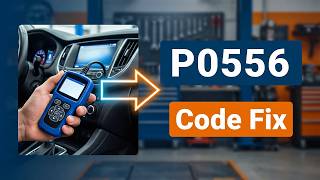
- If a scan tool is unavailable, use a multimeter to backprobe the connector. Check for a 5-volt reference and a good ground. The signal wire should show a voltage that changes when the engine is started (vacuum is applied). A typical range is 0.5V to 4.5V. 🎬 Watch: Step-by-step guide to diagnosing and fixing the P0556 code.
- If the sensor's signal is erratic, stuck, or does not change, and the wiring is confirmed to be good, the sensor is faulty and should be replaced.
- If the sensor and vacuum supply are good, the issue may be a faulty brake booster check valve or, rarely, the booster itself.
Parts You'll Likely Need
- Brake Booster Pressure Sensor
(OEM #37260-RNA-A01)— This is the most common failure point for code P0556 on this vehicle.
Trusted brands: Genuine Honda, Standard Motor Products, Dorman, NTK
OEM price range: $70-$120
Aftermarket price range: $30-$90 - Brake Booster Vacuum Hose — The vacuum hose can become brittle and crack, causing a vacuum leak that triggers the code. The check valve is often integrated into this hose.
Trusted brands: Genuine Honda
OEM price range: $30-$60
Aftermarket price range: $20-$40
Technical Service Bulletins (TSBs) & Recalls
- While no TSBs specifically for P0556 on the 2008-2012 Accord were found, GM issued TSB 21-NA-045 for a similar issue on their vehicles, which lists P0556 as a potential code caused by a faulty vacuum pipe.
Mechanic-Grade Diagnostic Values
- Brake Booster Pressure Sensor Signal Voltage (KOEO) — expected: ~4.5 V. Failure: Voltage is significantly lower, or stuck at the same value as when the engine is running.
- Brake Booster Pressure Sensor Signal Voltage (Engine running at idle) — expected: 0.5 V to 1.0 V. Failure: Voltage is stuck high (near 4.5V), erratic, or does not change from the KOEO reading.
- Sensor Ground Circuit Resistance — expected: Near 0 Ω (to a known good chassis ground). Failure: High resistance (more than a few ohms) indicates a poor ground connection, which can cause an inaccurate signal.
- Sensor 5V Reference Voltage — expected: Approximately 5.0 V. Failure: Voltage is significantly lower or absent, indicating a wiring or PCM issue.
Scan Tool Commands That Help
- Professional Scan Tool (e.g., Honda HDS): PCM Self-Test / Module Test — Use this function after confirming the sensor and wiring are good. It verifies the PCM's internal circuit for the sensor is functioning correctly. A failure here points to a rare PCM fault.
- Professional Scan Tool (e.g., Honda HDS): PCM Re-flash / Relearn Procedure — In rare cases where P0556 is caused by corrupted calibration data in the PCM, re-flashing the module with the latest software can resolve the issue. This should be considered if a new, known-good sensor does not fix the code.
Wiring & Ground Locations
- G101 — On the driver's side of the engine bay. For 4-cylinder models, it is typically on the intake manifold plenum. For V6 models, it is on the left side of the engine.. This is a primary power and logic ground for the ECU/PCM. A corroded or loose connection at G101 can cause erratic voltage readings from various engine sensors, including the brake booster pressure sensor, leading to a P0556 code even if the sensor itself is good.
- Brake Booster Pressure Sensor Connector — Plugged directly into the sensor on the brake booster, located on the driver's side firewall.. This 3-pin connector provides power, ground, and signal path. Pin 1: Signal to PCM, Pin 2: Ground, Pin 3: 5V Reference. Testing voltage and continuity at these pins is the primary electrical diagnostic step.
- PCM Connector A, Pin 20 — At the Powertrain Control Module (PCM), which is located in the engine compartment on the left front side.. Based on similar Honda models, this is the likely pin where the brake booster pressure sensor signal wire terminates at the PCM. Checking for continuity between this pin and Pin 1 at the sensor connector can identify an open or shorted wire in the harness.
Real Owner Repair Stories
- AcuraZine Forum (platform-mate vehicle) (Acura RDX (uses similar braking components)) — Brake system warning light and P0556 code appeared during extremely cold weather (e.g., -2°F to -30°F).
❌ Tried (didn't work) Ignoring the light, as braking performance felt normal for some users.
✅ What actually fixed it For multiple users, the warning light extinguished on its own after the ambient temperature increased over a few days. For others, replacing the brake booster pressure sensor resolved the issue permanently. This indicates the sensor is susceptible to temporary or permanent failure in extreme cold.
OEM Part Supersession History
37260-RNA-A01 (Disputed)→N/A— N/A
Heads up: There is significant confusion in aftermarket parts catalogs, which frequently identify part number 37260-RNA-A01 as the brake booster pressure sensor. However, official Honda parts sources list this number as an 'Engine Oil Pressure Switch' or 'Valve Timing Oil Pressure Switch' for various other engines. While aftermarket sensors sold under this number may work, it is critical to visually match the new sensor to the old one on the brake booster rather than relying solely on this part number.
Model Year Variations Within This Range
- 2008-2012: This generation is known for premature rear brake pad wear, sometimes requiring replacement in as little as 20,000-25,000 miles. While this does not directly cause code P0556, it is a critical characteristic of the overall braking system and may lead owners to inspect the brakes, discovering the P0556 code concurrently.
- 2011-2012: The 2011 model year received a facelift with minor cosmetic changes and a revised automatic transmission. No significant changes to the vacuum brake booster system or the causes of P0556 have been documented.
Diagnostic Flowchart
Other Known Issues on This Vehicle
Issues unrelated to this code that are worth knowing about as an owner of this generation:
- Excessive Oil Consumption (V6 Engine) 🔴 High — Common on 2008-2012 V6 models with Variable Cylinder Management (VCM). Often leads to fouled spark plugs. (Ref: Subject of a class-action lawsuit settled by Honda, which extended the powertrain warranty for some vehicles.)
- VTC Actuator Rattle at Cold Startup (4-Cylinder Engine) 🟠 Medium — A loud, brief rattle from the engine upon cold start-up is very common on K24 engines. (Ref: Honda TSB 09-010 addresses this issue by replacing the defective VTC actuator (P/N 14310-R44-A01).)
- Premature Rear Brake Wear 🟠 Medium — Widespread complaints on 2008-2009 models of rear brake pads wearing out exceptionally fast, sometimes in under 25,000 miles. (Ref: No official recall, but was the subject of class-action lawsuits. Later models seem less affected.)
- Torque Converter Judder (V6 Automatic) 🟠 Medium — A shudder or vibration can be felt between 20-60 mph, often caused by deteriorated automatic transmission fluid. (Ref: Honda addressed this with TSBs (e.g., 16-062, 17-017) involving a software update and/or a transmission fluid flush procedure.)
- Sticking Rear Brake Calipers 🟠 Medium — As vehicles age, the rear caliper slide pins can seize or the parking brake mechanism on the caliper can fail to retract, causing dragging brakes and rapid pad wear.
Used vs. New Parts: Buying Guide for This Vehicle
When a used part is the smart pick: A used brake booster pressure sensor from a reputable salvage yard is a reasonable choice for this repair, as it is not a mechanical wear item and failure is typically electronic. It can offer significant cost savings over a new OEM part.
Donor-vehicle mileage cap: roughly under 80000 miles for the part to have meaningful remaining life.
What to inspect on the donor part:
- Source from a vehicle with no front-end collision damage.
- Inspect the electrical connector pins for any signs of green or white corrosion.
- Ensure the plastic sensor housing and vacuum nipple are not cracked or brittle.
- If possible, confirm the donor vehicle did not have any brake-related warning lights.
OEM-only on this vehicle (don't cheap out):
- Powertrain Control Module (PCM)
Aftermarket brands forum-validated for this vehicle:
- Standard Motor Products (SMP)
- NTK
- Dorman
Real Owner Stories
Aggregated from forums and TSBs cited above. Mileages and costs reflect what owners reported in those sources.
2007-2012 Acura RDX
Symptoms: The P0556 check engine light came on, particularly during a spell of very cold weather.
What fixed it: The issue was resolved by replacing the brake booster pressure sensor.
Source hint: AcuraZine - 'Brake Booster Pressure Sensor' thread
Related OBD-II Codes
Frequently Asked Questions
What is the official Honda part number for the brake booster pressure sensor on my 2010 Accord?
My Accord's P0556 code and hard brake pedal seem to only happen in very cold weather. Is this a known issue?
I hear a hissing sound from the engine bay. Could this be related to the P0556 code?
How can I test the brake booster pressure sensor on my 2008 Accord if I don't have a professional scan tool?
My 2009 Accord has a loud engine rattle on cold startups. Is this connected to the P0556 brake issue?
I have a 2011 Acura TSX with a P0556 code. Is the diagnosis the same as for the Accord?
My 2008 Accord V6 has a shudder when I'm driving between 20-60 mph. Is this related to the P0556 code?
Helpful Videos
Used OEM Parts in Stock
New Aftermarket Parts Available


The information in this article is provided for general reference and educational purposes only. Vehicle specifications, procedures, and part compatibility can vary by production date, trim level, and region. Always consult your vehicle's factory service manual and verify part numbers before purchasing or performing repairs. Safety-critical components such as airbags, seat belts, and braking systems should be installed by a qualified professional.
- Honda Accord:
- 🧭 Diagnostic Flowchart
- 🎬 Helpful Videos
- 🛍️ Shop This Part
- What's Unique About the 2008-2012 Honda Accord
- Symptoms You May Notice
- Most Likely Causes
- Rare But Worth Checking
- Diagnosis Steps
- Parts You'll Likely Need
- Technical Service Bulletins (TSBs) & Recalls
- Mechanic-Grade Diagnostic Values
- Scan Tool Commands That Help
- Wiring & Ground Locations
- Real Owner Repair Stories
- OEM Part Supersession History
- Model Year Variations Within This Range
- Other Known Issues on This Vehicle
- Used vs. New Parts: Buying Guide for This Vehicle
- Real Owner Stories
- 2007-2012 Acura RDX
- Related OBD-II Codes
- Frequently Asked Questions
- 🎟️ Get 5% Off