

P0562 on 2009-2020 Dodge Journey: Low Voltage Causes and Fixes
On a 2009-2020 Dodge Journey, code P0562 almost always points to a failing alternator or a weak battery. Start by testing both. An alternator replacement can cost between $250 and $650, while a new battery is typically $150-$250. DIY difficulty is 3/5 for the alternator due to component accessibility. On later models, a faulty battery sensor is also a known cause.
- P0562 on a Dodge Journey means the electrical system voltage is too low, usually due to a bad alternator or battery.
- Do not drive the vehicle, as it can stall or lose essential functions like power steering and brakes.
- Always test both the alternator and the battery before replacing either part to avoid misdiagnosis.
- Accessing the battery for replacement is more involved than on typical vehicles, requiring removal of the driver's side front wheel and liner.
- Check for simple fixes first, like loose or corroded battery terminals and a tight power connection at the alternator.
What's Unique About the 2009-2020 Dodge Journey
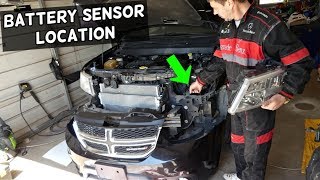
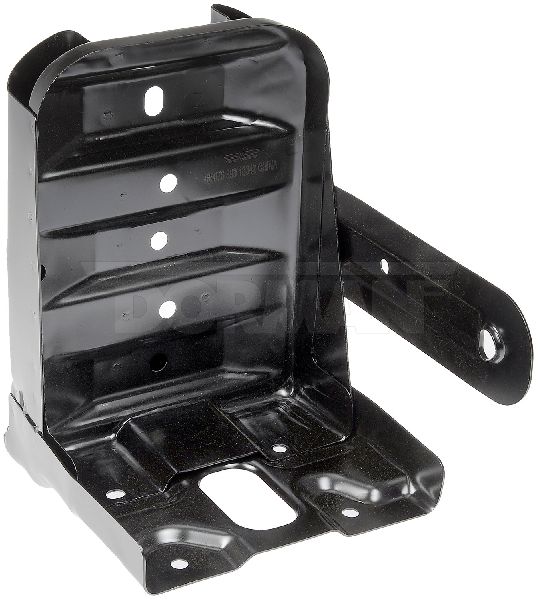
On the Dodge Journey, the battery is located in the front driver's side wheel well, making it more difficult to access for testing or replacement than in many other vehicles. This can complicate what is normally a very simple first diagnostic step. Additionally, some later models (typically 2011 and newer) are equipped with an Intelligent Battery Sensor (IBS) on the negative terminal that can fail or be damaged, leading to charging system issues and a P0562 code. Chrysler has issued a Technical Service Bulletin (TSB S1408000384) related to this sensor causing inaccurate state of charge readings and battery warning lights.
Symptoms You May Notice
- Check Engine Light illuminated
- Battery or charging system warning light on the dashboard
- Engine stalls, especially when coming to a stop
- Slow or no-start condition
- Dimming or flickering headlights and interior lights
- Erratic behavior from electrical components like the radio or power windows
- Transmission may not shift properly or enter 'limp mode'
- Engine won't rev over 3,000 RPM
- Electronic Throttle Control (ETC) light may flash
- Replacing the battery when the alternator is the actual cause, or vice-versa. It is crucial to test both components before purchasing parts.
- Replacing the alternator but failing to tighten the main power nut on the back, leading to the code's immediate return.
- Overlooking the Intelligent Battery Sensor (IBS) on 2011+ models as the root cause.
Most Likely Causes
- Failing Alternator 🔴 High Probability → Shop Alternator The alternator is a common failure point in many modern vehicles due to high electrical loads. Some owners have reported replacing the alternator only to have the code return, sometimes due to a faulty remanufactured unit or an underlying issue like a bad battery that overworks the new alternator.
How to confirm: With the engine running, use a multimeter to measure the voltage at the battery terminals (or under-hood jump posts). A healthy alternator should produce between 13.5 and 14.7 volts. A reading below 13 volts indicates a weak or failing alternator. Many auto parts stores will test your alternator for free if you remove it.
Typical fix: Replace the alternator. Ensure the main power connection nut on the back of the new alternator is properly tightened. 🎬 Watch: 3.6L alternator replacement tips and tricks
Est. part cost: $150-$400 - Weak or Defective Battery 🔴 High Probability → Shop Vehicle Battery The battery is located in the wheel well, which can expose it to more moisture and temperature extremes, potentially shortening its life. Batteries are a common wear item, typically lasting 3-5 years. A bad battery can also cause a new alternator to fail prematurely.
How to confirm: With the engine off, measure the battery voltage with a multimeter. A fully charged battery should read approximately 12.6 volts. A reading below 12.4V suggests it needs charging and load testing. A load test is the most definitive way to confirm a bad battery.
Typical fix: Replace the battery. On the Journey, this requires removing the driver's side front wheel and wheel well liner, making it more labor-intensive than a typical battery replacement. 🎬 Watch: Step-by-step guide to replacing the battery in the wheel well
Est. part cost: $150-$250 - Corroded or Loose Battery Terminals/Cables 🟡 Medium Probability → Shop Vehicle Battery Due to the battery's location, the remote under-hood jump posts are used more frequently, but the actual battery terminals in the wheel well can be neglected and develop corrosion. High resistance in these connections can cause a voltage drop.
How to confirm: Visually inspect the battery terminals (at the under-hood jump posts and at the battery itself in the wheel well) for corrosion (white or greenish buildup). Check that the cable clamps are tight and cannot be moved by hand. Also, check the main ground connections to the chassis and engine block for corrosion and tightness.
Typical fix: Clean the terminals and cable ends with a wire brush and a mixture of baking soda and water. Securely tighten all connections.
Est. part cost: $5-$15 - Loose Alternator Power or Ground Connection ⚪ Low Probability → Shop Alternator One owner reported a P0562 code was caused by a loose nut on the main power stud of a recently replaced alternator. This is a common DIY error.
How to confirm: With the battery disconnected, inspect the main power cable connection on the back of the alternator. Ensure the nut is tight and the connection is clean. Check the alternator's mounting bolts, as they often provide the ground path.
Typical fix: Tighten the loose connection securely.
Est. part cost: $0
Rare But Worth Checking
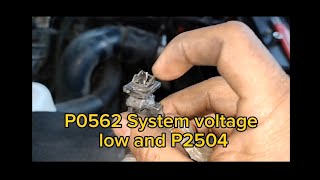
- Failed Intelligent Battery Sensor (IBS): → Shop Vehicle Battery Newer Journey models (2011+) have a battery current sensor on the negative terminal. A YouTube video documented a case where a broken pin on this sensor contributed to a P0562 code on a 2017 Journey. TSB S1408000384 addresses this sensor causing inaccurate readings. If the sensor provides incorrect data to the PCM, it can disrupt proper charging system operation. The OEM part number is 4692269AI (supersedes previous versions). 🎬 Watch: How to locate and replace the battery sensor
- Parasitic Battery Drain: → Shop Vehicle Battery A component may continue to draw power after the vehicle is turned off, draining the battery. A forum user with a 2015 Journey experienced this alongside the P0562 code. This can be caused by aftermarket accessories or a faulty module, such as the radio or a USB port.
- Faulty Powertrain Control Module (PCM): While rare, the PCM itself can fail and misinterpret voltage readings. This should only be considered after all other components of the charging system have been thoroughly tested and confirmed to be working correctly.
Diagnosis Steps
- Read the code with an OBD-II scanner and note any other codes present.
- With the engine off, use a multimeter to check the battery's static voltage. It should be ~12.6V. If it's low, charge the battery fully before proceeding.
- Visually inspect the battery terminals, under-hood jump posts, and ground connections for corrosion or looseness. Clean and tighten as necessary.
- Start the engine and measure the voltage at the battery jump posts. It should be between 13.5V and 14.7V.
- If voltage is below 13.5V with the engine running, the alternator is likely faulty.
- If voltage is normal, have the battery load-tested at an auto parts store to ensure it can hold a charge under load.
- If the alternator and battery test good, inspect the wiring between them for damage. Check the main power connection on the alternator for tightness.
- On 2011+ models, inspect the Intelligent Battery Sensor (IBS) on the negative battery terminal for any visible damage or loose connections. Refer to TSB S1408000384 for more details.
- If all else fails, perform a parasitic draw test to check for components drawing power when the vehicle is off.
- Consider a faulty PCM as a last resort after all other possibilities have been exhausted.
Parts You'll Likely Need
- Alternator
(OEM #R4801624AG (for 3.6L, check specific VIN))— The alternator is the most common cause of undercharging and the P0562 code.
Trusted brands: Mopar, Denso, Bosch, Remy
OEM price range: $300-$500
Aftermarket price range: $150-$350 - Battery — A battery that can no longer hold a proper charge is the second most likely cause. The unique location on the Journey makes replacement more labor-intensive.
Trusted brands: Mopar, Interstate, DieHard, Duralast
OEM price range: $200-$300
Aftermarket price range: $150-$250 - Intelligent Battery Sensor (IBS)
(OEM #4692269AI)— For 2011+ models, this sensor is a known failure point that can cause improper charging and trigger a P0562 code, as noted in TSB S1408000384.
Trusted brands: Mopar, Dorman
OEM price range: $190-$210
Aftermarket price range: $130-$180
Related Codes That Often Appear With This One
- P2504 — This code for 'Charging System Voltage High' can sometimes appear with P0562 if the voltage regulator is failing and causing erratic voltage outputs, both high and low.
- U0140 — This code for 'Lost Communication With Body Control Module' can appear alongside charging system issues, as low voltage can disrupt communication between modules. TSB 18-086-16 addresses this code in conjunction with others.
- P0335 — This code for 'Crankshaft Position Sensor A Circuit' has been reported to appear simultaneously with P0562 during stalling events, as noted in NHTSA ODI #11164298.
Technical Service Bulletins (TSBs) & Recalls
- TSB S1408000384: Addresses the Intelligent Battery Sensor (IBS) causing inaccurate State of Charge (SOC) readings, battery charging messages, and battery warning lights, which can be a root cause for P0562 on 2011+ models.
- TSB 18-086-16: A PCM flash to address various DTCs, including U0140 (Lost Communication With Body Control Module), which can occur due to low voltage situations.
Diagnostic Flowchart
Other Known Issues on This Vehicle
Issues unrelated to this code that are worth knowing about as an owner of this generation:
- 3.6L Pentastar Oil Filter Housing/Cooler Leak 🔴 High — Very common, often occurring between 60,000 and 120,000 miles. The original plastic housing is prone to cracking from heat cycles, causing significant oil and/or coolant leaks.
- Premature Brake Wear 🟠 Medium — Extremely common on early models (2009-2012), with owners reporting the need for new pads and rotors in as little as 12,000 miles. The braking system was undersized for the vehicle's weight. (Ref: Dodge issued TSBs extending the brake warranty to 3 years/36,000 miles for 2009-2010 models.)
- 62TE Automatic Transmission Problems 🔴 High — Common across the vehicle's lifespan. Issues include shuddering, harsh shifting, slipping between gears, and solenoid block failure. Regular fluid changes are critical.
- 3.6L Pentastar Rocker Arm Failure ('Pentastar Tick') 🟠 Medium — A common issue on the 3.6L V6 engine, often appearing after 70,000 miles. A distinct ticking noise from the top of the engine is caused by worn rocker arms, which can damage the camshaft if not addressed. (Ref: An extended warranty (X56) was issued for the left cylinder head on some 2011-2013 models for a related issue, but not specifically for rocker arms.)
- Throttle Body Failure (2.4L Engine) 🟠 Medium — A known failure point on the 2.4L 4-cylinder engine, which can cause stalling, erratic idle, and the Electronic Throttle Control (ETC) warning light to illuminate.
Real Owner Stories
Aggregated from forums and TSBs cited above. Mileages and costs reflect what owners reported in those sources.
2017 Dodge Journey
Symptoms: P0562 code persisted even after the alternator was changed.
What fixed it: The source suggests checking for a damaged battery or bad wiring resulting from the initial alternator failure.
Source hint: Reddit (r/Cartalk) thread: '2017 Dodge Journey p0562 code even after alternator change'
2012 Dodge Journey R/T — 60273 miles
Symptoms: Vehicle was parked outside in -40 C weather.
What fixed it: The context indicates this was a battery/charging system issue related to extreme cold and battery drain.
Source hint: r/MechanicAdvice
2015 Dodge Journey
Symptoms: The vehicle stalled while blocking traffic in an intersection. After finally starting, error codes P0562 (System Voltage Low) and P0335 (Crankshaft Position Sensor A Circuit) were present.
What fixed it: This report highlights the dangerous stalling potential of low voltage issues. (NHTSA ODI #11164298)
Source hint: NHTSA ODI #11164298
2009-2020 Dodge Journey
Symptoms: P0562 code caused by a loose connection after a repair.
What fixed it: Tightening a loose nut on the main power stud of a recently replaced alternator.
Source hint: Common DIY error reported in article context
Related OBD-II Codes
Frequently Asked Questions
Why does my 2011+ Dodge Journey show a battery warning light even though the battery and alternator tested fine?
Is it true that replacing the battery on a Dodge Journey is more difficult than other cars?
I just replaced my alternator but the P0562 code came back. Did I get a bad part?
Can a low voltage issue like P0562 cause my transmission to act up?
Does the Fiat Freemont suffer from the same P0562 issues as the Dodge Journey?
Why are the battery terminals on my Journey corroded if they are protected in the wheel well?
Helpful Videos
Used OEM Parts in Stock
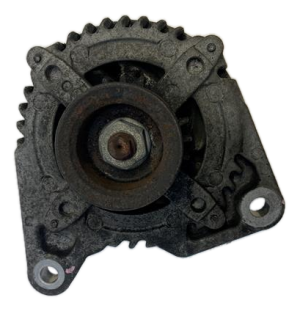
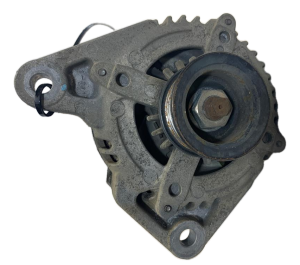
New Aftermarket Parts Available


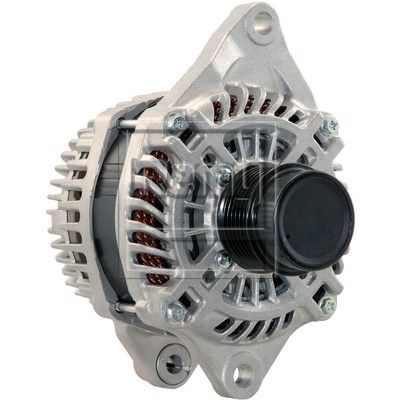
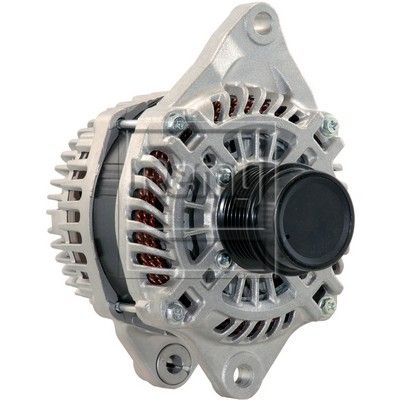

The information in this article is provided for general reference and educational purposes only. Vehicle specifications, procedures, and part compatibility can vary by production date, trim level, and region. Always consult your vehicle's factory service manual and verify part numbers before purchasing or performing repairs. Safety-critical components such as airbags, seat belts, and braking systems should be installed by a qualified professional.
- Dodge Journey:
- 🧭 Diagnostic Flowchart
- 🎬 Helpful Videos
- 🛍️ Shop This Part
- What's Unique About the 2009-2020 Dodge Journey
- Symptoms You May Notice
- Most Likely Causes
- Rare But Worth Checking
- Diagnosis Steps
- Parts You'll Likely Need
- Related Codes That Often Appear With This One
- Technical Service Bulletins (TSBs) & Recalls
- Other Known Issues on This Vehicle
- Real Owner Stories
- 2017 Dodge Journey
- 2012 Dodge Journey R/T — 60273 miles
- 2015 Dodge Journey
- 2009-2020 Dodge Journey
- Related OBD-II Codes
- Frequently Asked Questions
- 🎟️ Get 5% Off