

P0562 on 2014-2023 Jeep Cherokee 2.4L: System Voltage Low Causes and Fixes
On a 2014-2023 Jeep Cherokee, code P0562 is most often caused by a failing AGM battery or a bad alternator. Always perform a load test on the battery first before replacing the more expensive alternator. A battery replacement costs around $200-$400, while an alternator replacement can range from $400-$800. Loose or corroded battery terminals are also a common and simple-to-fix cause.
- P0562 on your Jeep Cherokee indicates a serious low voltage problem; do not continue to drive the vehicle.
- The most likely cause is either a weak AGM battery or a failing alternator.
- Always perform a professional load test on the battery before deciding to replace any parts. A simple voltage check is not enough.
- Ensure you replace the battery with the correct type (AGM) and group size (H6 or H7).
- Before replacing parts, always perform a quick visual inspection of battery terminals and ground wires for looseness or corrosion.
What's Unique About the 2014-2023 Jeep Cherokee
The Jeep Cherokee KL platform has a couple of key features relevant to this code. It requires a specific and more expensive Absorbent Glass Mat (AGM) battery to handle the demands of its electronics and, on many models, the Engine Stop-Start (ESS) system. The battery is also located under the front passenger seat, not in the engine bay, which can make replacement slightly more complex. It also uses an Intelligent Battery Sensor (IBS) on the negative terminal to monitor the battery's health; a fault with this sensor can sometimes cause or contribute to charging system problems. Finally, alternator failure is a widely reported issue on the 2.4L MultiAir engine, making it a high-probability cause for P0562.
Symptoms You May Notice
- Check Engine Light illuminated
- Battery warning light on the dashboard
- Dimming or flickering headlights and interior lights
- Engine stalling, especially when coming to a stop or at idle
- Slow engine crank or no-start condition
- Erratic behavior from electrical components like the radio or power windows
- "Stop/Start Not Ready Battery Charging" message on the display
- Multiple other warning lights (ABS, Traction Control) may appear due to low voltage
- Vehicle dies after a jump start as soon as it's put into gear
- Replacing the alternator when the true cause is a weak battery that failed a load test.
- Replacing the battery without confirming the alternator is charging correctly, leading to the new battery failing prematurely.
- Replacing the battery or alternator when the issue is simply a loose or corroded terminal connection.
Most Likely Causes
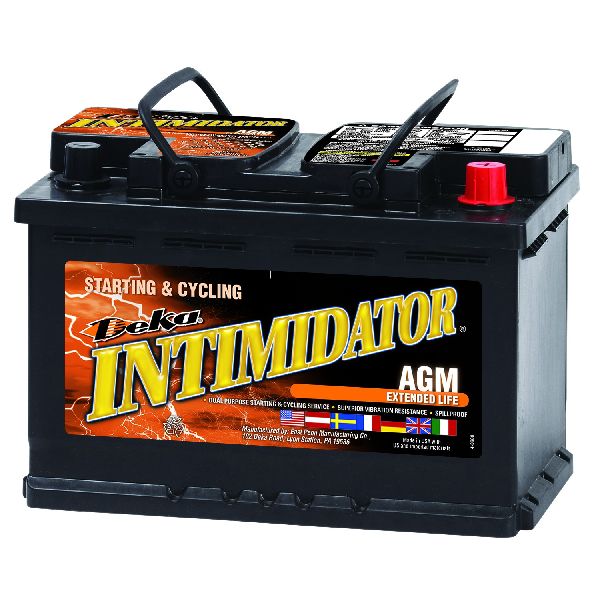
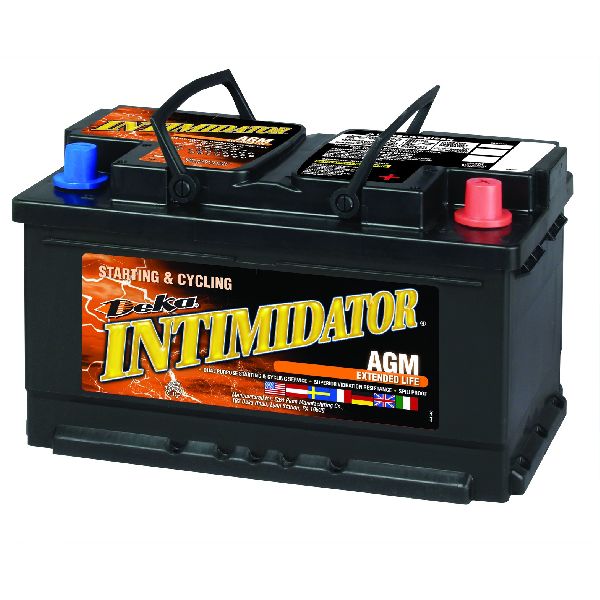
- Failing or Weak AGM Battery 🔴 High Probability → Shop Vehicle Battery These vehicles require an AGM battery which is sensitive to deep discharge and has a finite lifespan of 3-5 years. The complex electronics and start-stop system place high demands on the battery. A weak battery can cause a slow crank and trigger the P0562 code.
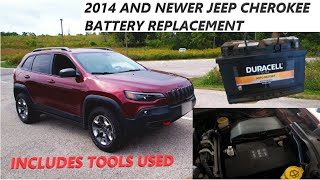
How to confirm: Test the battery with a digital multimeter and, more importantly, a proper electronic load tester. A static voltage reading should be ~12.6V, but a load test is required to confirm it can supply adequate cranking amps without dropping below 10V. Many auto parts stores offer this service for free. The battery is located under the front passenger seat. 🎬 Watch: Step-by-step guide to replacing the battery under the seat.
Typical fix: Replace the battery with a new AGM battery of the correct group size (H6/48 or H7/94R). The OEM Mopar part number for the H7 AGM battery is often BBH7A001AA.
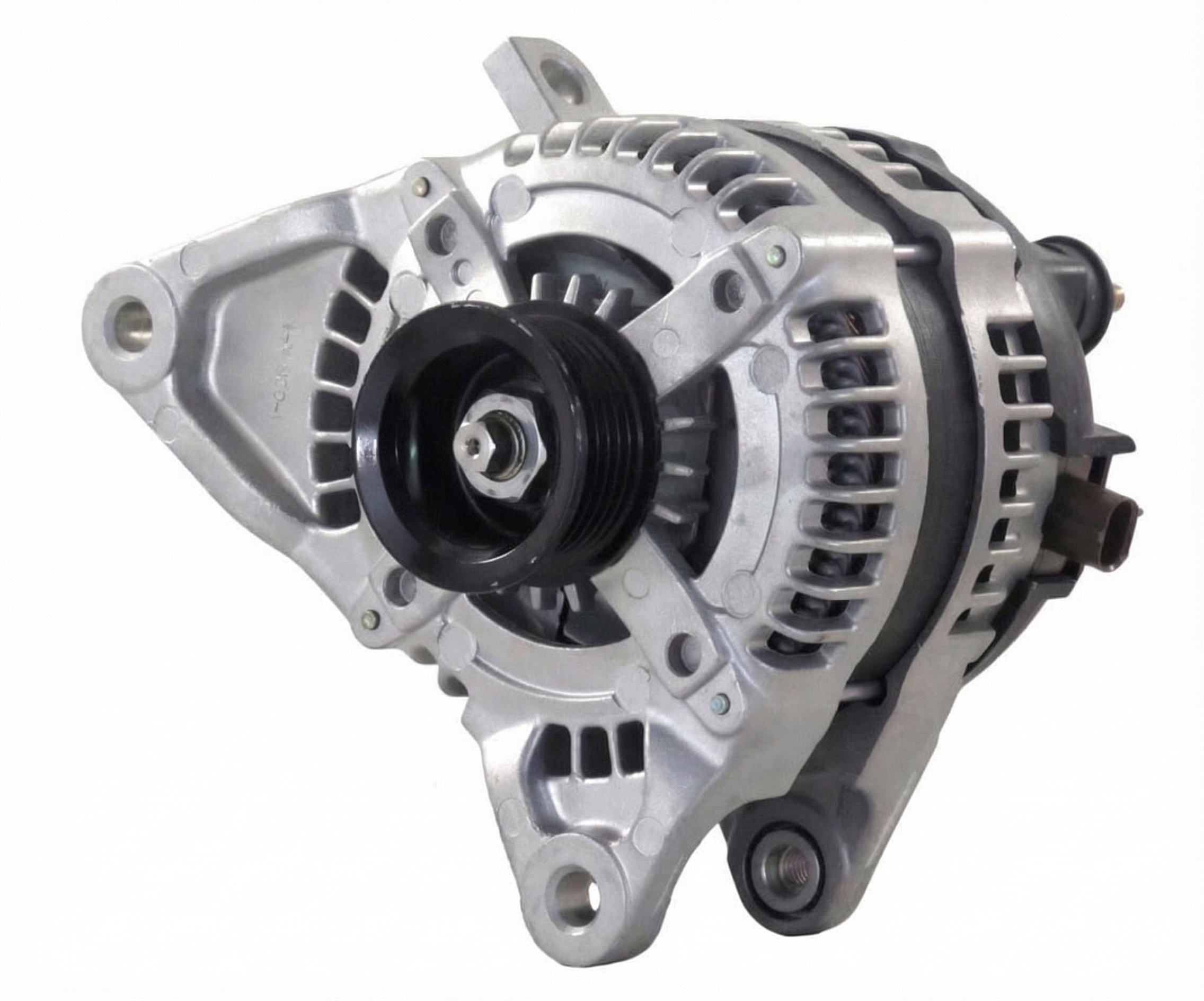
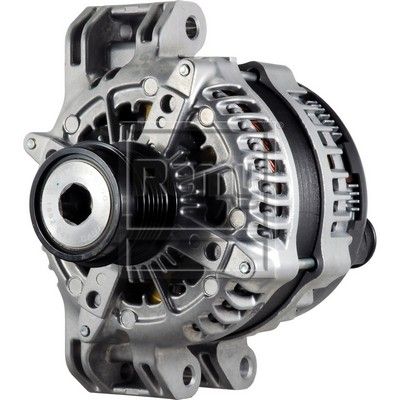
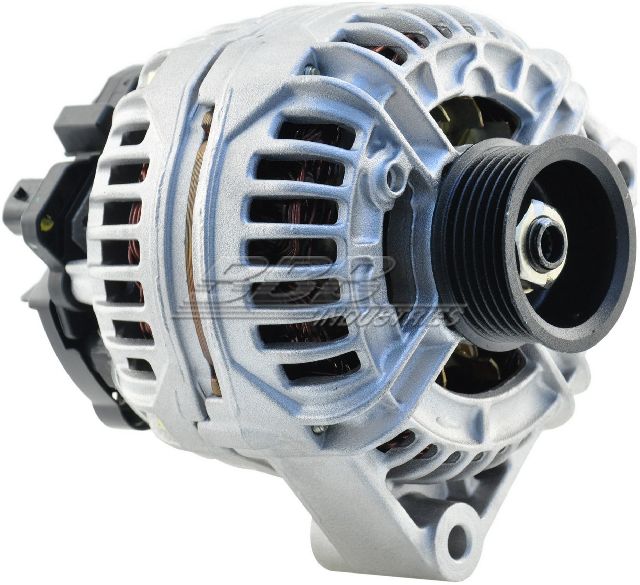
Est. part cost: $200-$400 - Failing Alternator 🔴 High Probability → Shop Alternator Alternator failure is a commonly reported issue for the 2.4L MultiAir engine used in the Cherokee and other FCA products.
How to confirm: With the engine running, use a multimeter to check the voltage at the battery terminals (or the jump posts under the hood). A healthy alternator should produce between 13.5 and 14.7 volts. If the voltage is low (e.g., in the 12s) or doesn't increase when the engine is running, the alternator is likely faulty. You can also have it tested for free at most auto parts stores.
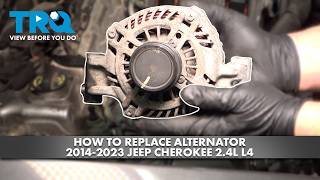
Typical fix: Replace the alternator. It's recommended to use a quality remanufactured or new unit. A Mopar remanufactured alternator for the 2.4L engine 🎬 See this walkthrough for replacing the alternator on a 2.4L engine. can be part number RL146755AB or similar.
Est. part cost: $150-$450 - Loose or Corroded Battery Terminals/Cables 🟡 Medium Probability → Shop Vehicle Battery Corrosion is a common issue on all vehicles and creates resistance, preventing the battery from charging or delivering power correctly. Terminals can also loosen over time, causing intermittent connections and stalling.
How to confirm: Visually inspect the battery terminals for white or greenish corrosion. Physically check if the terminal clamps can be twisted by hand. Check the main ground cable from the battery to the chassis and the engine ground strap for tightness and corrosion. 🎬 Watch: How a bad engine ground can cause no-start issues.
Typical fix: Disconnect the battery (negative first, remembering to unplug the IBS sensor if present), clean the terminals and clamps with a wire brush and baking soda solution, and re-tighten securely. In some cases, a corroded terminal end must be cut off and replaced.
Est. part cost: $1-$25 - Faulty Intelligent Battery Sensor (IBS) ⚪ Low Probability → Shop Vehicle Battery The IBS is a small electronic module on the negative battery terminal that can fail, sending incorrect voltage or state-of-charge data to the PCM, which can disrupt the charging strategy.
How to confirm: This is difficult to confirm without a high-level scan tool that can read the data the IBS is sending. A common diagnostic step is to ensure the sensor's connection is clean and secure. If the battery and alternator test good, and connections are clean, the IBS becomes a suspect.
Typical fix: Replace the Intelligent Battery Sensor, which is typically integrated with the negative battery terminal cable.
Est. part cost: $50-$150
Rare But Worth Checking
- PCM Failure: This is very rare. The Powertrain Control Module itself can fail, but all other more common causes should be exhaustively ruled out first before considering PCM replacement.
- Parasitic Battery Drain: → Shop Vehicle Battery A module or component may not be shutting down correctly when the vehicle is off, slowly draining the battery. This would typically cause a no-start condition after sitting, which could then trigger a P0562 once the vehicle is jump-started and running on low voltage.
- Slipping Serpentine Belt: → Shop Serpentine Belt A worn, loose, or oil-contaminated serpentine belt can slip on the alternator pulley, preventing it from spinning at the correct speed to generate sufficient voltage, especially under high electrical load.
Technical Service Bulletins (TSBs) & Recalls
- TSB Bulletin #08-013-15: Notes that if P0562 is set, normal charging system diagnostics must be performed. This bulletin also addresses issues where puddle lamps may not turn off when the engine is started on manual transmission models.
- TSB Bulletin #08-111-14: Similarly indicates that P0562 or P0563 requires standard charging system diagnostics and mentions specific electrical glitches on manual transmission vehicles, such as puddle lamps remaining illuminated.
Diagnosis Steps
- Read all stored fault codes with an OBD-II scanner. Note any other codes that accompany P0562, as they can provide clues (e.g., P0622 points to the alternator).
- Perform a visual inspection of the battery, which is located under the front passenger seat. Check for corrosion on the terminals, loose connections, or physical damage to the battery case.
- With the engine off, use a multimeter to measure the battery's static voltage at the under-hood jump posts. A healthy, fully charged AGM battery should read approximately 12.6-12.8 volts.
- Perform a battery load test using an electronic battery tester. This is the most critical step. The battery must be able to hold voltage above 10V while under load. If it fails, replace the battery.
- If the battery passes the load test, start the engine. Measure the voltage at the jump posts while the engine is running. It should be between 13.5 and 14.7 volts.
- If the running voltage is below 13.2V, the alternator is likely faulty.
- Turn on all major electrical accessories (headlights, blower fan on high, rear defroster). The voltage should remain stable and within the 13.5-14.7V range. If it drops significantly, the alternator is failing under load.
- If the alternator and battery test good, thoroughly inspect the main power and ground cables, including the engine-to-chassis ground strap, for voltage drop, indicating high resistance from corrosion or damage.
- Inspect the small connector on the Intelligent Battery Sensor (IBS) at the negative terminal for a secure connection.
Parts You'll Likely Need
- AGM Battery
(OEM #BBH7A001AA (Group H7))— This is the most common failure item causing P0562. The vehicle requires an AGM battery, typically group size H6/48 or H7/94R.
Trusted brands: Mopar (OEM), Interstate, Deka, Bosch, Odyssey
OEM price range: $250-$400
Aftermarket price range: $200-$350 - Alternator
(OEM #RL146755AB (Remanufactured))— Alternator failure is a very common issue on the 2.4L MultiAir engine, leading directly to a low voltage condition.
Trusted brands: Mopar (OEM), Denso, Valeo, Remy, ACDelco
OEM price range: $300-$500
Aftermarket price range: $150-$450
Related Codes That Often Appear With This One
- P0563 — System Voltage High. If the alternator's internal voltage regulator is failing erratically, it can cause both low voltage (P0562) and high voltage (P0563) spikes.
- P0622 — Generator Field Control Circuit Malfunction. This code points to a problem with the alternator's activation and control circuit, often appearing alongside P0562 when the alternator is the root cause.
- P0300 — Random/Multiple Cylinder Misfire. Low system voltage can weaken spark and disrupt injector function, leading to misfires that may not be related to a primary ignition or fuel system fault.
- P0706 — Transmission Range Sensor Circuit Range/Performance. Low voltage can cause various electronic modules, including the transmission controller, to report erroneous data or faults.
Mechanic-Grade Diagnostic Values
- PCM Code Set Threshold — expected: System voltage should remain above 10.0V.. Failure: Voltage drops below 10.0 volts for a sustained period (15-60 seconds), which triggers the PCM to set code P0562.
- Battery Cable Voltage Drop (During Crank) — expected: Less than 1.0 VDC drop.. Failure: A voltage drop over 1.0 VDC indicates excessive resistance in the main power or ground cables.
- Quiescent (Parasitic) Current Draw — expected: Between -500mA and 50mA after all modules have gone to sleep (can take up to 30 minutes).. Failure: A sustained draw above 50mA (0.05A) indicates a parasitic drain that will deplete the battery over time.
- Alternator Field Control Circuit Voltage (at alternator connector) — expected: Varies based on demand, controlled by the PCM.. Failure: No voltage or constant full voltage may indicate a wiring or PCM driver issue. This is an advanced check.
Hidden / Shadow Codes Worth Checking
- B2193: Intelligent Battery Sensor Internal Fault. This code is set by the Body Control Module (BCM) and points directly to a failure within the IBS itself. (see via A professional scan tool capable of reading BCM codes, such as the dealer's wiTECH tool or advanced aftermarket scanners.)
- U113E: Lost Communication with Intelligent Battery Sensor. This BCM code indicates the communication link (LIN bus) between the BCM and the IBS is broken, which could be the sensor, wiring, or a fuse. (see via A professional scan tool capable of reading BCM and network communication codes.)
Scan Tool Commands That Help
- wiTECH or equivalent: IBS Reset/Relearn — After replacing the battery or the IBS sensor. The system needs to relearn the battery's state of charge (SOC) and state of health (SOH) for the charging system to work correctly. A manual reset can also be attempted by disconnecting the IBS electrical connector for 10-15 minutes.
- wiTECH or equivalent: View IBS Data PIDs — During diagnosis to see what the IBS is reporting for battery voltage, current, temperature, and state of charge. Inaccurate or missing data with a good battery and alternator points to a faulty IBS.
- wiTECH or equivalent: Actuate Transmission Control Output Circuit — If P0562 is accompanied by transmission-related symptoms or codes. This test helps verify if the TIPM/BCM is properly powering the transmission solenoids, as a fault in this circuit can sometimes trigger a P0562.
Wiring & Ground Locations
- Main Engine/Transmission Ground Strap — A critical ground cable runs from the negative battery post, to the frame rail (often under the driver's side wheel well area), and then to a bolt on the transmission case.. This is the primary ground path for the powertrain. Corrosion or looseness at the transmission or frame connection is a common, often-overlooked cause of P0562 and other electrical issues, even if the battery terminals are clean.
- Alternator B+ Terminal — The main large-gauge wire on the back of the alternator, secured with a nut.. This is the primary charging output wire. Corrosion or looseness here will prevent the alternator's output from reaching the battery and the rest of the vehicle, directly causing a low voltage condition.
- IBS LIN Bus Wire — Part of the small 2-wire connector on the Intelligent Battery Sensor (IBS) at the negative battery terminal.. This is the communication wire between the IBS and the BCM. A break or short in this wire will set a U113E code and cause the PCM to default to a less-than-optimal charging strategy, potentially leading to P0562.
Real Owner Repair Stories
- YouTube user 'My Solution' (2014 Jeep Cherokee 3.2L 4WD (similar electrical architecture)) — Vehicle would not start.
❌ Tried (didn't work) Not specified, but the problem was presented as a final solution to a persistent no-start.
✅ What actually fixed it The problem was a bad engine ground. The fix involved cleaning and securing the ground cable that runs from the negative battery terminal to the frame rail under the driver's side wheel well and then to a bolt on the transmission. - Reddit user in r/AskMechanics (2019 Jeep Cherokee KL) — Parasitic battery drain causing a no-start condition after sitting for 3-4 days. Battery and alternator tested good.
❌ Tried (didn't work) Load testing battery (passed), Verifying alternator output (passed)
✅ What actually fixed it The user identified a significant 0.5 to 0.75 amp draw but the final resolution was not posted. However, a common cause for this on related platforms is a faulty USB port module that fails to shut down.
OEM Part Supersession History
56029624AA, 5602-9624AB→5602-9624AC, and various aftermarket interchange numbers like 11554N.— Standard component revisions for reliability and manufacturing improvements.
Heads up: Ensure the amperage rating (typically 160A for the 2.4L) matches the original specification.
Model Year Variations Within This Range
- 2019-2023: The 2019 model year received a significant facelift, including an updated Uconnect infotainment system and revised exterior styling. While the core 2.4L engine and charging system remained largely the same, software updates for the PCM and BCM were released for 2019+ models to address drivability and electrical issues, which could influence diagnostics.
- 2014-2023: Models equipped with the factory tow package came with a larger Group H7 battery, while non-tow models typically have a Group H6. The battery tray can accommodate the larger H7 battery by removing a plastic spacer, offering an OEM-approved upgrade path for increased battery capacity.
Diagnostic Flowchart
Other Known Issues on This Vehicle
Issues unrelated to this code that are worth knowing about as an owner of this generation:
- Excessive Oil Consumption 🔴 High — Widespread across all model years. Many owners report consuming 1 quart of oil every 1,000-3,000 miles. (Ref: FCA issued warranty extension X81/XB1 for some vehicles to address this, involving a dealer-performed oil consumption test.)
- ZF 9-Speed Transmission Problems 🔴 High — Very common, especially in 2014-2016 models. Symptoms include harsh/jerky shifting (especially 2-3 gear), hesitation, and unexpected shifts to neutral. (Ref: Multiple software updates and recalls (e.g., for clutch and calibration issues) were issued, but many owners report persistent problems.)
- Power Transfer Unit (PTU) Failure 🟠 Medium — A known failure point on AWD models, often presenting as a 'Service 4WD' light. Can be caused by fluid leaks into the actuator or sensor issues. (Ref: Some PTU issues may be covered under powertrain warranty.)
- MultiAir System Sensitivity 🟠 Medium — The valvetrain system is highly sensitive to oil level and quality. Using incorrect oil (not 0W-20 synthetic) or low-quality filters can lead to codes like P1524 and drivability issues.
- Engine Stalling 🔴 High — Can be a consequence of both the oil consumption issue (low oil pressure) and transmission calibration problems, posing a significant safety risk. (Ref: A 2018 recall addressed engine stalling on 2019 models due to improper transmission calibration.)
Used vs. New Parts: Buying Guide for This Vehicle
When a used part is the smart pick: A used alternator from a low-mileage donor vehicle can be a cost-effective option, as the part itself is generally robust. Other electrical components like wiring harnesses or the fuse box (TIPM/BCM) are also good candidates for used parts, as their failure is not typically wear-related.
Donor-vehicle mileage cap: roughly under 75000 miles for the part to have meaningful remaining life.
What to inspect on the donor part:
- For an alternator, check for smooth, quiet bearing rotation with no grinding or roughness.
- Inspect the pulley for excessive rust or damage.
- Ensure the electrical connectors and the B+ terminal post are clean and free of corrosion or damage.
- Verify the donor vehicle was not in a front-end collision that could have damaged the alternator.
OEM-only on this vehicle (don't cheap out):
- Intelligent Battery Sensor (IBS) - Aftermarket versions can have communication issues with the BCM, leading to persistent charging problems. It is safest to use an OEM Mopar sensor.
- Powertrain Control Module (PCM) - Requires vehicle-specific programming (VIN flashing) that makes a used part difficult and often impossible to use without specialized tools.
Aftermarket brands forum-validated for this vehicle:
- Alternators: Denso (often the OEM supplier), Valeo, Bosch, and quality remanufactured units from Remy or Duralast Gold are generally well-regarded.
- Batteries (AGM): Interstate, Deka, Bosch, Odyssey, NorthStar.
Brands owners have reported issues with on this vehicle:
- Avoid unbranded, 'white-box' alternators from online marketplaces. While cheap, they have a high failure rate due to low-quality internal components like bearings and voltage regulators.
Real Owner Stories
Aggregated from forums and TSBs cited above. Mileages and costs reflect what owners reported in those sources.
Jeep Cherokee 2.4L MultiAir
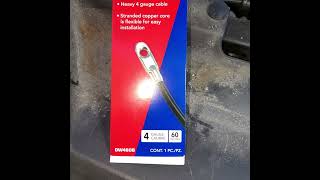
Symptoms: The vehicle experienced stalling, flickering lights, and a P0562 code. The owner noted the positive battery terminal was loose and showing signs of corrosion.
What fixed it: Replacing the battery cable terminal end.
Source hint: YouTube video titled 'P0562 fixed by replacing the battery cable terminal'
Chrysler 200 2.4L MultiAir
Symptoms: The owner reported a P0562 code appearing alongside a P0300 random misfire code, demonstrating how low voltage affects engine performance.
What fixed it: The forum discussion illustrates that low voltage from the charging system was the root cause of the multiple performance codes.
Source hint: Chrysler Forum thread titled 'Misfire help! P0300 and P0562 - Chrysler Forum'
Chrysler Aspen
Symptoms: Classic P0562 symptoms including a slow engine crank condition.
What fixed it: Replacing the aging battery.
Source hint: Chrysler Forum thread titled 'P0562 update - Chrysler Forum'
Related OBD-II Codes
Frequently Asked Questions
Where is the battery located on my 2014-2023 Jeep Cherokee 2.4L?
Why does my Cherokee display 'Stop/Start Not Ready Battery Charging' along with the P0562 code?
Can I use a standard lead-acid battery to fix the P0562 code in my Cherokee?
What is the specific Mopar part number for a replacement alternator for the 2.4L MultiAir engine?
My Jeep dies as soon as I put it in gear after a jump start. Is this related to P0562?
Is there a specific sensor on the battery I should check for P0562?
Helpful Videos
Used OEM Parts in Stock
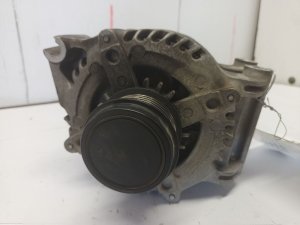
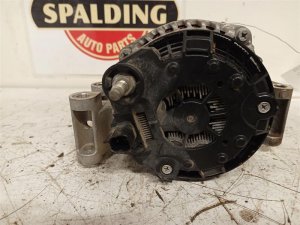
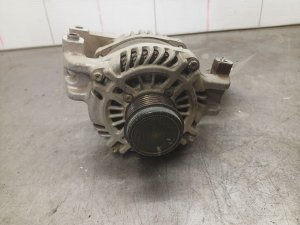
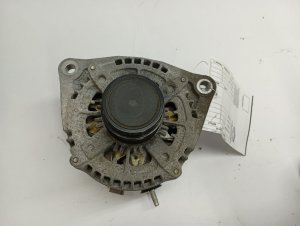
New Aftermarket Parts Available


The information in this article is provided for general reference and educational purposes only. Vehicle specifications, procedures, and part compatibility can vary by production date, trim level, and region. Always consult your vehicle's factory service manual and verify part numbers before purchasing or performing repairs. Safety-critical components such as airbags, seat belts, and braking systems should be installed by a qualified professional.
- Jeep Cherokee:
- 🧭 Diagnostic Flowchart
- 🎬 Helpful Videos
- 🛍️ Shop This Part
- What's Unique About the 2014-2023 Jeep Cherokee
- Symptoms You May Notice
- Most Likely Causes
- Rare But Worth Checking
- Technical Service Bulletins (TSBs) & Recalls
- Diagnosis Steps
- Parts You'll Likely Need
- Related Codes That Often Appear With This One
- Mechanic-Grade Diagnostic Values
- Hidden / Shadow Codes Worth Checking
- Scan Tool Commands That Help
- Wiring & Ground Locations
- Real Owner Repair Stories
- OEM Part Supersession History
- Model Year Variations Within This Range
- Other Known Issues on This Vehicle
- Used vs. New Parts: Buying Guide for This Vehicle
- Real Owner Stories
- Jeep Cherokee 2.4L MultiAir
- Chrysler 200 2.4L MultiAir
- Chrysler Aspen
- Related OBD-II Codes
- Frequently Asked Questions
- 🎟️ Get 5% Off