

P0562 on 2016-2020 Kia Sorento: System Voltage Low Causes and Fixes
On a 2016-2020 Kia Sorento, code P0562 most often indicates a failing alternator or a weak battery. Start by testing both components, as a faulty alternator is the most common repair. Also, check battery terminals for corrosion and tightness. In some cases, a faulty battery current sensor on the negative terminal can cause undercharging.
- P0562 on a 2016-2020 Sorento means the vehicle's electrical system voltage is too low.
- The most probable causes are a failed alternator or a weak/old battery.
- Always test both the battery and alternator before replacing any parts to avoid misdiagnosis.
- Do not drive the vehicle with this code, as it can stall or lose power to critical safety systems like power steering and ABS.
- Before suspecting major issues, always check the simple things first: clean and tighten battery terminals and inspect visible ground wires.
What's Unique About the 2016-2020 Kia Sorento
For the third-generation Kia Sorento, a P0562 code is a straightforward electrical issue, most commonly pointing to the usual suspects: the alternator and battery. While there are no widespread, unique design flaws causing this code on this specific platform, the vehicle's heavy reliance on stable voltage means that even a slightly weak battery can trigger communication errors with various modules, sometimes leading to other codes appearing alongside P0562. Some modern Kia/Hyundai vehicles use a battery current sensor on the negative terminal to regulate charging; a failure of this sensor can lead to undercharging and trigger a P0562 code.
Symptoms You May Notice
- Check Engine Light is on
- Battery or charging system warning light is on
- Dimming or flickering headlights and interior lights
- Difficulty starting the engine or a no-start condition
- Engine stalling, especially at idle
- Erratic operation of electrical components like the radio or power windows
- Poor or hesitant automatic transmission shifting
- Electronic Power Steering (EPS) warning light may illuminate
- Engine may seem to lack power
- Replacing the battery when the alternator is the actual cause of the problem.
- Replacing the alternator when a simple, corroded battery terminal or a bad ground strap was the root issue.
- Overlooking a faulty battery current sensor after replacing the battery and alternator.
Most Likely Causes
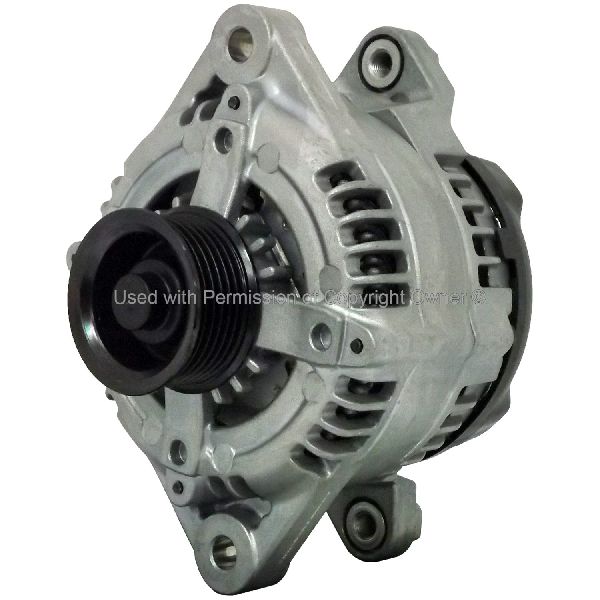
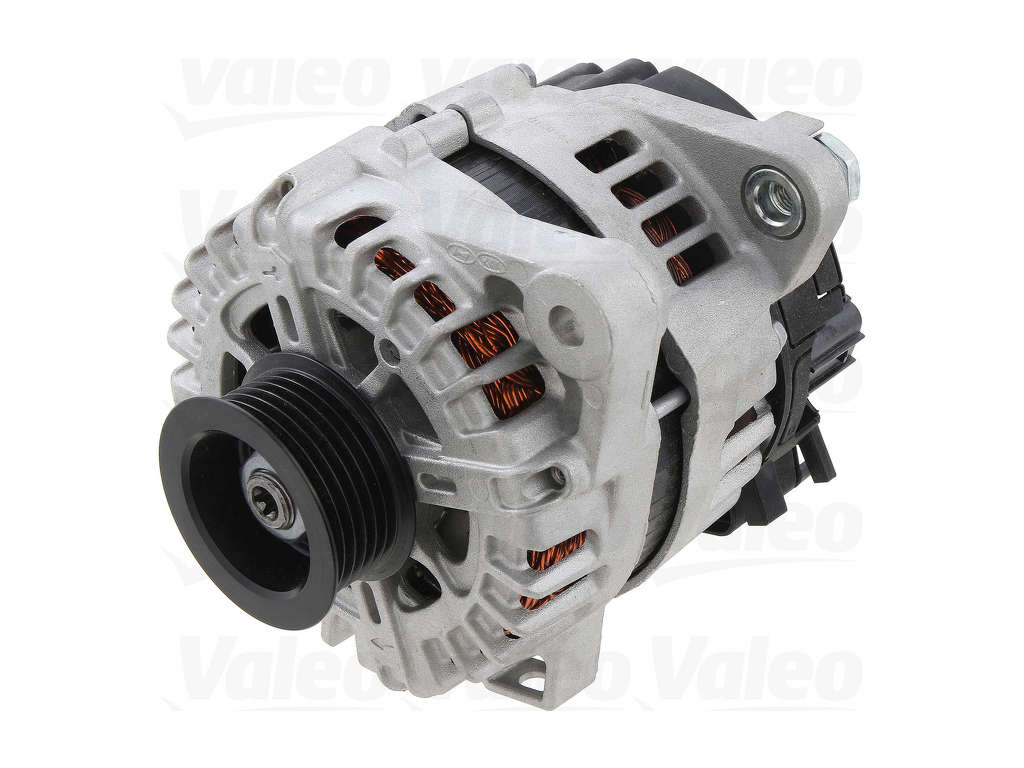
- Failing Alternator 🔴 High Probability → Shop Alternator Alternators are a common failure point on many modern vehicles due to high electrical loads, and the Sorento is no exception. The internal voltage regulator is a frequent point of failure.
How to confirm: With the engine running, use a multimeter to test the voltage at the battery terminals. A healthy alternator should produce between 13.5 and 14.7 volts. A reading near battery voltage (12.6V or less) indicates the alternator is not charging. Most auto parts stores can also test the alternator for free.
Typical fix: Replace the alternator.
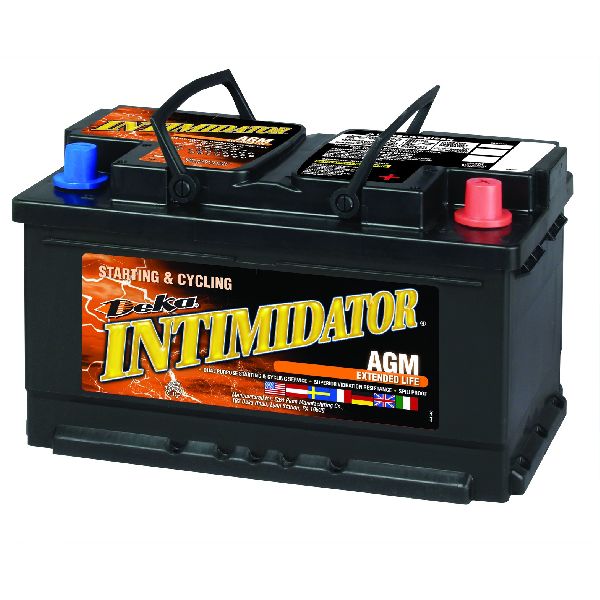
Est. part cost: $150 - $400 - Weak or Old Battery 🔴 High Probability → Shop Vehicle Battery Car batteries typically last 3-5 years. A battery that can no longer hold a sufficient charge, or has a bad cell, will cause the system voltage to drop under load, triggering the code.
How to confirm: Test the battery voltage with the engine off. A healthy battery should read around 12.6 volts. A reading below 12.2V suggests it's weak. For a definitive diagnosis, perform a load test on the battery, as a battery can show good voltage but fail under load.
Typical fix: Replace the battery.
Est. part cost: $150 - $250 - Corroded or Loose Battery Terminals/Cables 🟡 Medium Probability → Shop Vehicle Battery Corrosion is a common issue in all vehicles and creates resistance, preventing the alternator from properly charging the battery and disrupting power flow.
How to confirm: Visually inspect the battery terminals for white or blue-green corrosion. Check that the cable clamps are tight and cannot be moved by hand.
Typical fix: Clean the battery terminals and cable ends with a wire brush and baking soda solution. Ensure clamps are securely tightened.
Est. part cost: $1 - $10 - Damaged Wiring or Poor Ground Connection ⚪ Low Probability While not specific to this vehicle, ground straps can corrode or break over time, creating high resistance in the charging circuit. Check the main ground from the engine block to the chassis.
How to confirm: Inspect the main ground strap from the engine to the chassis for corrosion or damage. Perform a voltage drop test on the main power and ground cables to check for excessive resistance.
Typical fix: Clean or replace the faulty ground strap or damaged wiring.
Est. part cost: $20 - $75 - Faulty Battery Current Sensor ⚪ Low Probability → Shop Vehicle Battery Modern Kia charging systems use a battery current sensor, often on the negative terminal, to monitor the battery's state of charge. If this sensor fails, it can misinform the PCM, leading to an undercharged battery and a P0562 code.
How to confirm: Diagnosis often requires a scan tool that can read charging system data to see what the sensor is reporting to the PCM. Visually inspect the sensor and its connector for damage.
Typical fix: Replace the battery current sensor.
Est. part cost: $50 - $100
Rare But Worth Checking
- Parasitic Battery Drain: → Shop Vehicle Battery If the battery repeatedly dies overnight but the charging system tests fine, an electrical component may be drawing power when the vehicle is off. This requires a more in-depth diagnosis using a multimeter to measure amperage draw.
- Faulty Powertrain Control Module (PCM): This is extremely rare and should only be considered after all other possibilities, including the alternator, battery, and all related wiring, have been thoroughly tested and confirmed to be working correctly.
Diagnosis Steps
- Retrieve all stored fault codes with an OBD-II scanner.
- Visually inspect the battery terminals for corrosion and ensure they are tight.
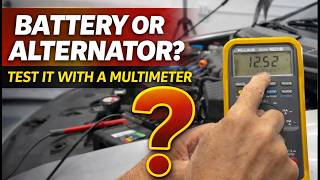
- With the engine off, use a multimeter to check the battery's state of charge. 🎬 Watch: How to test your battery and alternator with a multimeter A reading of ~12.6V is ideal. Below 12.2V indicates a weak battery that needs charging and load testing.
- Start the engine and measure the voltage at the battery terminals. The reading should be between 13.5V and 14.7V. If the voltage is low (near 12.6V or dropping), the alternator is likely faulty.
- If the charging voltage is correct, turn on all electrical accessories (headlights, A/C, radio) and re-check the voltage. A significant drop could still indicate a weak alternator.
- Inspect the alternator drive belt to ensure it is tight and not slipping.
- Examine the main power cable from the alternator and the main ground straps from the engine to the chassis for any signs of corrosion, damage, or looseness.
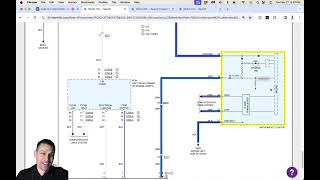
- Inspect the wiring and connector at the back of the alternator. On some models, a green wire from the instrument cluster provides a signal; loss of voltage on this wire can prevent charging.
- If the battery and alternator test good, perform a parasitic draw test to check if a component is draining the battery when the vehicle is off.
- If available, use a diagnostic tool to check the data from the battery current sensor to ensure it is reading correctly.
Parts You'll Likely Need
- Alternator
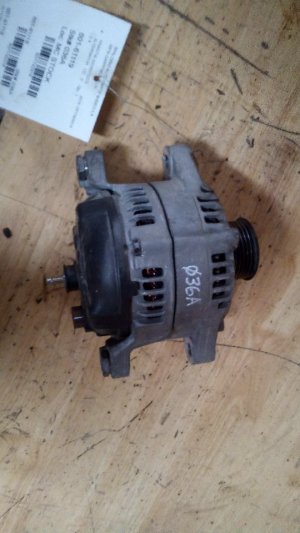
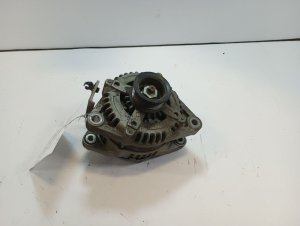
(OEM #37300-2G750 (for 2.4L, verify with VIN))— This is the most frequent cause of P0562, as the internal voltage regulator or other components fail, preventing it from charging the battery.
Trusted brands: Bosch, Denso, Valeo, Kia Genuine
OEM price range: $350-$550
Aftermarket price range: $150-$400 - Automotive Battery — An old or weak battery that can no longer hold a proper charge is the second most common cause of this code.
Trusted brands: Interstate, DieHard, Duralast, ACDelco
OEM price range: $200-$300
Aftermarket price range: $150-$250
Related Codes That Often Appear With This One
- U0100 — Lost Communication With ECM/PCM. Low system voltage can disrupt communication between various control modules on the vehicle's network, often triggering this code alongside P0562.
Diagnostic Flowchart
Other Known Issues on This Vehicle
Issues unrelated to this code that are worth knowing about as an owner of this generation:
- Theta II Engine Failure (2.0L & 2.4L) 🔴 High — Widespread issue across this generation, often occurring between 60,000 and 90,000 miles. Caused by manufacturing debris (metal shavings) restricting oil flow, leading to connecting rod bearing failure, engine seizure, or fire. (Ref: Subject of multiple recalls, lawsuits, and a lifetime warranty extension for affected vehicles. Owners must have the Knock Sensor Detection System (KSDS) software update performed.)
- Excessive Oil Consumption 🟠 Medium — Commonly reported on the 2.4L GDI engine, often a precursor to more serious engine failure. Owners report needing to add oil between changes. (Ref: Related to the broader Theta II engine issues and class-action lawsuits.)
- Automatic Transmission Shifting Problems 🟠 Medium — Some owners report rough shifting, delayed engagement, or a slipping sensation. (Ref: In some cases, a software update for the Transmission Control Module (TCM) can resolve the issue.)
- Headlight Bulbs Burning Out Prematurely 🟡 Low — A frequently mentioned annoyance where headlight bulbs fail more often than expected. Can sometimes be linked to voltage irregularities from a failing alternator.
- Engine Rattling Noise on Startup 🟠 Medium — A rattling sound lasting a few seconds after a cold start can indicate a failing timing chain tensioner. If left unaddressed, it can lead to timing chain failure.
Real Owner Stories
Aggregated from forums and TSBs cited above. Mileages and costs reflect what owners reported in those sources.
2017 Kia Sorento
Symptoms: The charging voltage would start at a healthy 14.2V in the morning but gradually drop to 13.0V throughout the day, even with a light electrical load.
What fixed it: This indicates a potential heat-related failure or a failing voltage regulator within the alternator, requiring alternator replacement.
Source hint: Reddit r/kia
2017 Kia Sorento
Symptoms: The battery light remained on even after replacing both the battery and the alternator.
What fixed it: The issue suggested an underlying problem with wiring, a ground, or the control signal to the alternator.
Source hint: CarKiller.com Forum
2016 Kia Sorento LX 3.3L AWD — 98000 miles
Symptoms: The EPS (Electronic Power Steering) light came on while backing into a parking spot.
What fixed it: Low system voltage condition (P0562) affecting electrical components like power steering.
Source hint: Reddit r/kia
Documented NHTSA Reports
Kia Electrical System Diagnosis
Symptoms: An owner reported that after having their vehicle diagnosed, a wide array of trouble codes were retrieved including P0562, P2191, and several chassis/braking codes (C1101, C1102, C1201, C1204, C1207, C1208, C1210, C1211, C1237, C1260, C1513, C1613, and C1688).
What fixed it: While specific to a different model, NHTSA ODI #11702693 highlights how a low voltage condition (P0562) can trigger a cascade of communication and sensor codes across multiple vehicle systems.
Source hint: NHTSA ODI #11702693
Related OBD-II Codes
Frequently Asked Questions
My 2016-2020 Kia Sorento has a P0562 code and the headlights are flickering; could this be related to the common headlight burnout issue?
I have a 2017 Sorento and my battery light is still on after replacing the battery and alternator. What else should I check?
Does the Sorento use a special sensor to monitor the battery that could cause a P0562?
Can the P0562 code affect how my Sorento shifts?
Is there a specific ground strap I should check on my Sorento for this code?
Could my EPS (Electronic Power Steering) light being on be related to the P0562 code?
Helpful Videos

Used OEM Parts in Stock
New Aftermarket Parts Available


The information in this article is provided for general reference and educational purposes only. Vehicle specifications, procedures, and part compatibility can vary by production date, trim level, and region. Always consult your vehicle's factory service manual and verify part numbers before purchasing or performing repairs. Safety-critical components such as airbags, seat belts, and braking systems should be installed by a qualified professional.
- Kia Sorento:
- 🧭 Diagnostic Flowchart
- 🎬 Helpful Videos
- 🛍️ Shop This Part
- What's Unique About the 2016-2020 Kia Sorento
- Symptoms You May Notice
- Most Likely Causes
- Rare But Worth Checking
- Diagnosis Steps
- Parts You'll Likely Need
- Related Codes That Often Appear With This One
- Other Known Issues on This Vehicle
- Real Owner Stories
- 2017 Kia Sorento
- 2017 Kia Sorento
- 2016 Kia Sorento LX 3.3L AWD — 98000 miles
- Documented NHTSA Reports
- Kia Electrical System Diagnosis
- Related OBD-II Codes
- Frequently Asked Questions
- 🎟️ Get 5% Off