

P0601 on 2002-2005 Ford Explorer: Internal PCM Failure Causes and Fixes
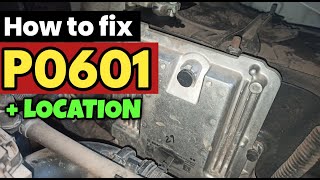
P0601 on a 2002-2005 Ford Explorer indicates a fatal internal memory error in the Powertrain Control Module (PCM). The most common fix is replacing the PCM and having it professionally programmed to your vehicle's VIN. Expect to pay $500-$1000 for a replacement module and programming. This is not a DIY repair.
- P0601 on your Explorer means the engine computer (PCM) has failed an internal self-test and is no longer reliable.
- Do not drive the vehicle. It is unsafe and could stall at any time.
- Before condemning the expensive PCM, always test the battery and check for clean, tight power and ground connections.
- The most common fix is to replace the PCM. This must be done by a professional with the tools to program the new module to your vehicle.
- Check for signs of water leaks near the firewall in the engine bay, as this is a known cause of PCM failure on these vehicles.
What's Unique About the 2002-2005 Ford Explorer
For this generation of Ford Explorer (and other Ford trucks from the early 2000s), the PCM is known to be susceptible to failure from two primary sources: water intrusion and voltage spikes. The PCM is often mounted in the engine bay on the firewall, where water can leak from a poorly sealed or clogged cowl area, corroding the connectors and the module itself. This is a widely discussed issue in owner forums. Additionally, a failing alternator or a weak battery can cause voltage irregularities that corrupt the PCM's internal memory over time, triggering the P0601 code.
Symptoms You May Notice
- Check Engine Light is on
- Engine will crank but not start 🎬 Watch: Troubleshooting a Ford Explorer that cranks but won't start
- Engine stalls intermittently or dies while driving
- Rough or erratic idling
- Noticeable loss of power and acceleration
- Harsh or unpredictable automatic transmission shifting
- Vehicle enters "limp mode," with severely restricted engine power
- ABS and Traction Control lights may illuminate
- Failure to pass state emissions testing due to the active code
- Replacing sensors like the crankshaft or camshaft position sensor. While these can cause no-start or stalling issues, they will typically set their own specific codes and do not cause P0601.
Most Likely Causes
- Powertrain Control Module (PCM) Internal Failure 🔴 High Probability → Shop Engine Control Module (ECM) Age, heat cycles, vibration, and potential water intrusion contribute to the eventual failure of the internal circuit board or memory chips. In many P0601 cases, the PCM itself is the root cause and has developed an internal short or memory corruption.
How to confirm: After confirming stable battery voltage (12.6V+ engine off, 13.7-14.7V running) and clean grounds (<0.1 ohms), if the code returns immediately after being cleared, the PCM is condemned. A professional scan tool may also fail to communicate with the module. Sometimes a burnt smell can be detected near the computer.
Typical fix: Replace the Powertrain Control Module (PCM) and have the new unit programmed to the vehicle's VIN.
Est. part cost: $250-$800 - Low or Unstable Battery Voltage 🟡 Medium Probability → Shop Vehicle Battery A weak or failing battery, or a faulty alternator, can provide inconsistent voltage to the PCM, especially during startup. This can corrupt the module's memory and trigger a P0601 code. This should always be checked before condemning the PCM.
How to confirm: Test the battery voltage with a multimeter. It should be at least 12.6 volts with the engine off. With the engine running, the alternator should produce between 13.7 and 14.7 volts.
Typical fix: Charge or replace the battery. If the charging system is faulty, replace the alternator.
Est. part cost: $150-$400 - Poor PCM Power or Ground Connections ⚪ Low Probability Corrosion on the battery terminals, main engine ground straps, or the PCM connector pins can create high resistance, leading to voltage drops that mimic a failing PCM. Water intrusion from the cowl area is a known cause of connector corrosion on this platform.
How to confirm: Perform a voltage drop test on the PCM's power and ground circuits. Resistance on ground wires should be less than 0.1 ohms. Visually inspect connectors for green or white corrosion, especially the main PCM connector on the firewall.
Typical fix: Clean all corroded terminals and ground points to bare metal. Replace any damaged connectors or wiring sections. Ensure the cowl drain is clear to prevent recurrence.
Est. part cost: $10-$50
Rare But Worth Checking
- Water Intrusion into PCM or Connectors: A known issue for this Explorer generation is water leaking from a clogged or improperly sealed cowl panel, dripping directly onto the PCM and its connectors. This can cause short circuits and corrosion that lead to P0601.
- Aftermarket Tuning or Improper Reflashing: If a performance tune was installed or a software update was interrupted, the PCM's memory can become corrupted, triggering a P0601 code.
Diagnosis Steps
- Connect a professional OBD-II scanner and confirm that P0601 is the primary code. Note any other codes present.
- Attempt to clear the code. If it returns immediately, the PCM has a hard internal fault.
- Perform a full battery and charging system test. Battery voltage must be above 12.6V with the engine off and 13.7-14.7V when running.
- Inspect the battery terminals and main chassis/engine ground straps for corrosion or looseness. Clean and tighten as necessary.
- Visually inspect the PCM and its electrical connectors for any signs of physical damage, corrosion, or water intrusion. Pay close attention to the cowl area above the firewall, as leaks here are common.
- If all power and ground connections are good and the battery is healthy, the PCM is almost certainly faulty.
- As a last resort, a dealership or specialized shop can attempt to reflash the PCM with the latest OEM software, but this is unlikely to fix a hardware-related checksum error.
- The final step is to replace and program the PCM.
Parts You'll Likely Need
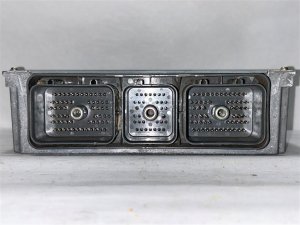
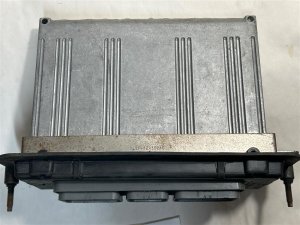
- Powertrain Control Module (PCM)
(OEM #Varies by VIN. Examples include 2L2A-12A650-AYD, 3L2A-12A650-AAD, 4L2A-12A650-AYC. Always verify with VIN.)— This code indicates a fatal internal error within the PCM itself in the vast majority of cases. Replacement is the only reliable fix.
Trusted brands: Motorcraft (OEM), Cardone (Remanufactured), Standard Motor Products, Flagship One
OEM price range: $500-$800
Aftermarket price range: $250-$500
Related Codes That Often Appear With This One
- P0602 — Indicates a PCM programming error, which can occur alongside a memory checksum failure.
- P0603 — Indicates a Keep Alive Memory (KAM) error, which can also be related to power supply issues or internal PCM faults.
- U-codes (e.g., U0100) — Indicates a loss of communication with the PCM, which is a common symptom when the PCM has failed internally.
Platform-Specific Known Issues
- A widely documented issue for 2002-2005 Ford Explorers is water intrusion from the cowl area. Debris can clog the drains or the cowl seal can fail, allowing water to run down the firewall and onto the PCM connector, causing corrosion and electrical failures like P0601.
Mechanic-Grade Diagnostic Values
- PCM Ground Circuit Resistance — expected: Less than 0.1 Ohms. Failure: A reading higher than 0.1 Ohms indicates excessive resistance in the ground path, which can starve the PCM for a stable ground reference.
- PCM Power/Ground Circuit Voltage Drop — expected: Less than 50 millivolts (0.05V). Failure: A voltage drop greater than 50mV on either the power feed or ground side indicates high resistance that can cause the PCM to malfunction.
- Alternator AC Ripple Voltage — expected: Less than 0.5 Volts AC (500mV). Failure: AC voltage exceeding 0.5V indicates failing alternator diodes. This AC 'noise' on the DC system can corrupt sensitive electronic modules like the PCM, causing a P0601 code even if the alternator appears to be charging correctly based on DC voltage alone.
- PCM Keep Alive Power (KAPWR) Voltage — expected: Should be equal to battery voltage at all times (key on or off).. Failure: No voltage or low voltage indicates a problem with the dedicated, unswitched power feed to the PCM, which can corrupt its memory.
- PCM Switched Power (VPWR) Voltage — expected: Should be equal to battery voltage with the key in the ON or RUN position.. Failure: No voltage or low voltage with the key on points to a failure in the PCM power relay or its related circuits.
Scan Tool Commands That Help
- Ford IDS (or equivalent): Parameter Reset — This is a mandatory step after replacing the PCM. It synchronizes the Passive Anti-Theft System (PATS) module (often in the instrument cluster) with the new PCM. Failure to perform this reset will result in a no-start condition, as the modules will not recognize each other's security credentials.
- Ford IDS (or equivalent): Programmable Module Installation (PMI) — This function is used to install a new or used PCM. It can transfer configuration data (As-Built data) from the old module to the new one. If the old module is dead, the technician must manually input the As-Built data, which can be retrieved from Ford's service site using the VIN.
- FORScan: Module Initialization — This is the FORScan equivalent of the 'Parameter Reset.' After installing a new PCM and programming at least two keys into the PATS system, this function must be run to finalize the security handshake between the modules. A real-world repair story confirms the vehicle will not crank until this step is completed.
- FORScan: Module Configuration (As-Built format) - Save/Load — Before removing the old (but still communicating) PCM, this function should be used to save a backup of its 'As-Built' configuration data. This saved file can then be loaded into the new replacement PCM, ensuring all vehicle-specific options are correctly configured.
Wiring & Ground Locations
- G104 / G105 — Located on the right-hand side of the engine compartment, often on the fender apron or near the rear of the engine.. These are primary engine and chassis ground points. Corrosion or looseness here can create high resistance, leading to unstable voltage for the entire engine management system and potentially triggering a P0601.
- G101 — Located on the left-hand side, front of the engine compartment, often near the battery or radiator support.. This is another critical chassis ground. All main grounds should be inspected, cleaned, and tightened when diagnosing any PCM-related fault.
- PCM Pins 24, 25, 51, 76, 77, 103 — On the 104-pin PCM connector.. These are the dedicated ground pins for the PCM. A voltage drop test should be performed on these pins to ensure the PCM has a solid ground path back to the battery. A reading over 50mV indicates a problem.
- PCM Pins 71, 97 (VPWR) — On the 104-pin PCM connector.. These pins supply switched 12V power to the PCM when the ignition is on. A voltage drop here can cause the PCM to malfunction or set false codes.
- PCM Pin 55 (KAPWR) — On the 104-pin PCM connector.. This is the Keep Alive Power pin, which provides constant battery voltage to the PCM to maintain its memory when the vehicle is off. A loss of voltage on this pin can cause KAM errors (like P0603) and potentially contribute to memory corruption leading to P0601.
Real Owner Repair Stories
- Reddit user in r/AskAMechanic (2007 Ford Explorer Sport Trac 4.0L) — Vehicle would die when warm, then either crank-no-start or start and die quickly. Flashing PATS anti-theft light. Multiple PCM and CAN bus communication codes were present.
❌ Tried (didn't work) Checking and cleaning all visible negative ground points., Swapping the battery with a known-good one., Swapping the PCM power relay., Checking CAN bus voltage and resistance at the OBD-II port (which tested within spec).
✅ What actually fixed it The PCM was faulty. After installing a replacement PCM (pre-programmed with VIN), two new keys had to be programmed into the PATS system using FORScan software. Crucially, the vehicle still would not crank until the 'Module Initialization' program was run in FORScan, which finalized the security link between the new PCM and the vehicle's other modules.
Diagnostic Flowchart
Other Known Issues on This Vehicle
Issues unrelated to this code that are worth knowing about as an owner of this generation:
- Cracked Tailgate Applique Panel 🟠 Medium — Extremely common. A class-action lawsuit was filed regarding this issue for 2002-2005 models. The plastic panel below the rear window cracks, allowing water intrusion. (Ref: No recall, but was a well-known warranty repair item.)
- 5R55W/S Automatic Transmission Failure 🔴 High → Shop Transmission Assembly — Very common, often occurring around or after 100,000 miles. Symptoms include delayed engagement, harsh shifting (especially 2-3), shift flares, and a flashing O/D light.
- Worn Timing Chain Cassettes (4.0L SOHC V6) 🔴 High — A notorious issue for the 4.0L V6 engine. Plastic timing chain guides wear out, causing a characteristic 'rattle' on startup. If ignored, it can lead to catastrophic engine failure.
- Rear Wheel Bearing Failure 🟠 Medium — Commonly reported by owners. Leads to a loud grinding or whining noise from the rear of the vehicle that changes with speed. (Ref: Recalls for wheel bearings exist for later model years, but not specifically for 2002-2005. However, the issue is well-documented in forums.)
- Heater Blend Door Actuator Failure 🟡 Low — A common annoyance where the plastic actuator breaks, causing the climate control to get stuck on full heat.
Used vs. New Parts: Buying Guide for This Vehicle
When a used part is the smart pick: A used PCM from a junkyard is a viable, cost-effective option ONLY if you or your mechanic have access to a professional scan tool like Ford IDS or a full-featured version of FORScan. A used module absolutely requires reprogramming to your vehicle's VIN and a 'Parameter Reset' to sync with the anti-theft system. Without this capability, the vehicle will not start.
Donor-vehicle mileage cap: roughly under 125000 miles for the part to have meaningful remaining life.
What to inspect on the donor part:
- Match the hardware part number EXACTLY. The number is printed on the PCM's sticker (e.g., 2L2A-12A650-AYD).
- Source the part from a vehicle with the same engine, transmission, and drivetrain (4x4 vs 4x2).
- Inspect the donor vehicle for signs of flood or fire damage.
- Check the connector pins on the used PCM for any corrosion, moisture, or physical damage.
Aftermarket brands forum-validated for this vehicle:
- Flagship One (FS1)
- Cardone (Remanufactured)
- Standard Motor Products (SMP)
Brands owners have reported issues with on this vehicle:
- Unknown sellers on platforms like eBay or Amazon that do not offer programming services or a warranty. A blank, unprogrammed module is useless without the proper tools.
Real Owner Stories
Aggregated from forums and TSBs cited above. Mileages and costs reflect what owners reported in those sources.
2020 Ford Explorer ST
Symptoms: Water leak on the passenger side causing the carpet to get wet.
What fixed it: Addressing cowl leaks and water intrusion paths to protect electronics.
Source hint: Explorer ST Forum - 'Water leak passenger side carpet wet.'
2002-2005 Ford Explorer
Symptoms: Water in the passenger foot area due to clogged sunroof drains and cowl seals.
What fixed it: Clearing cowl drains and repairing cowl seals to prevent water from reaching the firewall and PCM.
Source hint: Reddit r/FordExplorer - 'Water in passenger foot area'
2002-2005 Ford Explorer 4.0L V6 — ~100000 miles
Symptoms: Characteristic 'rattle' on startup from the engine area.
What fixed it: Replacing plastic timing chain guides/cassettes to prevent catastrophic engine failure.
Source hint: Bob Is The Oil Guy - '02 -05 Ford Explorers . Tell me about them'
Related OBD-II Codes
Frequently Asked Questions
Can I just reflash my 2002-2005 Explorer's PCM to fix the P0601 checksum error?
Is there a specific part number I need to look for when replacing the PCM?
Why is water getting into my Explorer's PCM connector?
Can I use a used PCM from a junkyard for my 2005 Explorer?
Could my Explorer's P0601 code actually be caused by a bad battery?
Are there any other common issues I should look for while fixing this code on my 2002 Explorer?
Helpful Videos

Used OEM Parts in Stock
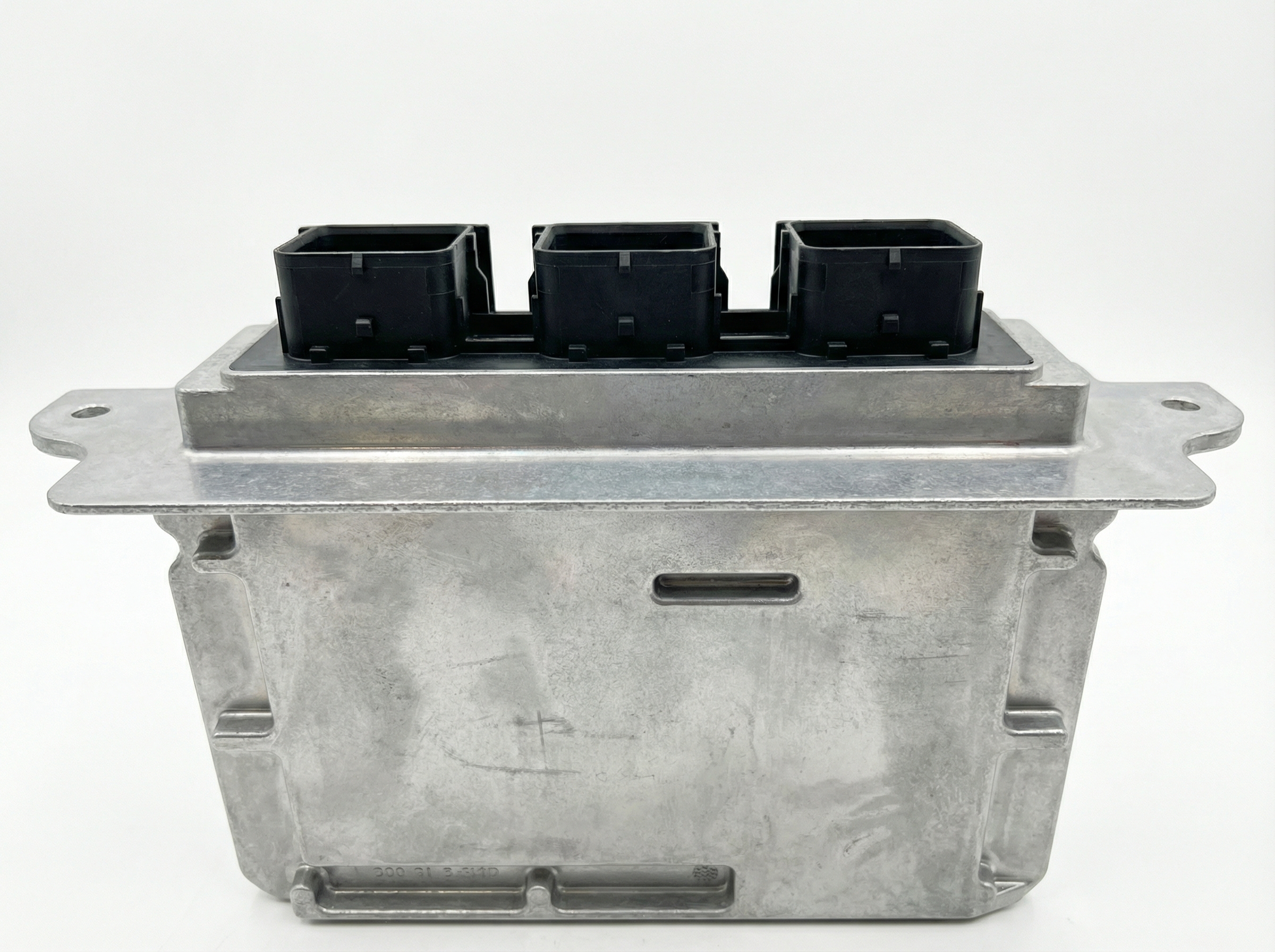
New Aftermarket Parts Available
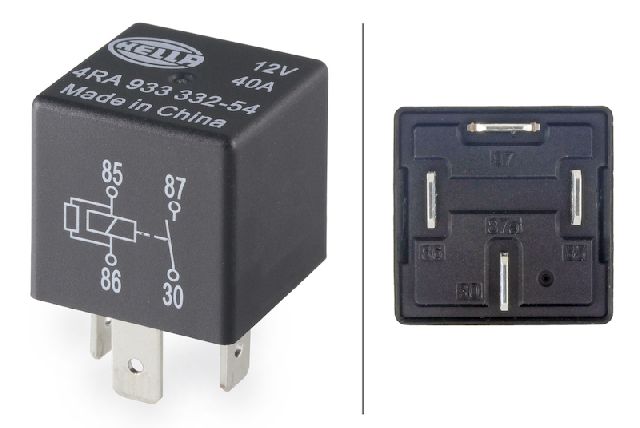

The information in this article is provided for general reference and educational purposes only. Vehicle specifications, procedures, and part compatibility can vary by production date, trim level, and region. Always consult your vehicle's factory service manual and verify part numbers before purchasing or performing repairs. Safety-critical components such as airbags, seat belts, and braking systems should be installed by a qualified professional.
- Ford Explorer:
- 🧭 Diagnostic Flowchart
- 🎬 Helpful Videos
- 🛍️ Shop This Part
- What's Unique About the 2002-2005 Ford Explorer
- Symptoms You May Notice
- Most Likely Causes
- Rare But Worth Checking
- Diagnosis Steps
- Parts You'll Likely Need
- Related Codes That Often Appear With This One
- Platform-Specific Known Issues
- Mechanic-Grade Diagnostic Values
- Scan Tool Commands That Help
- Wiring & Ground Locations
- Real Owner Repair Stories
- Other Known Issues on This Vehicle
- Used vs. New Parts: Buying Guide for This Vehicle
- Real Owner Stories
- 2020 Ford Explorer ST
- 2002-2005 Ford Explorer
- 2002-2005 Ford Explorer 4.0L V6 — ~100000 miles
- Related OBD-II Codes
- Frequently Asked Questions
- 🎟️ Get 5% Off