

P0607 on 2007-2021 Toyota Tundra: Control Module Performance Causes and Fixes
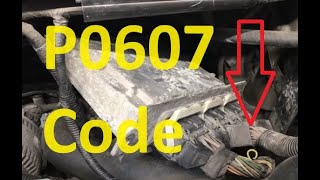
P0607 on a Toyota Tundra indicates a 'Control Module Performance' error, which points to an internal problem with the Engine Control Module (ECM). Before replacing the expensive ECM, first check for simpler causes like a weak battery, bad grounds, or charging system issues. A failing or shorted external sensor, especially an oxygen (O2) sensor, can also trigger this code on Toyotas, sometimes after catalytic converter theft damages the wiring.
- P0607 means the Tundra's main computer (ECM) has detected an internal error.
- Before suspecting a bad ECM, ALWAYS test the battery, alternator, and check all power/ground connections first.
- On a Tundra, check for any other codes, especially for oxygen sensors. A shorted O2 sensor can cause a P0607 code.
- Do not drive the vehicle with this code, as it can stall or behave unpredictably.
- Replacing the ECM is expensive and requires professional programming; it should be the last resort after all other possibilities are eliminated.
What's Unique About the 2007-2021 Toyota Tundra
On many Toyota vehicles, including the Tundra and the related Sequoia, the P0607 code has a known, and sometimes misleading, relationship with its sensors. A shorted-out sensor, particularly a downstream oxygen (O2) sensor, can send erratic voltage or short the 5v reference circuit back to the Engine Control Module (ECM). Because there is no fuse on this circuit between the O2 sensor and the ECM, the voltage spike can permanently damage the ECM's internal processor, causing it to incorrectly flag an internal performance fault. Owners and technicians have reported instances where damaged O2 sensor wiring, often from attempted catalytic converter theft, directly led to a P0607 code, and replacing the ECM was necessary because the short circuit had already destroyed it. Therefore, any accompanying sensor codes (like P0138 or P0158) must be investigated thoroughly as the root cause before condemning the ECM, though ECM replacement may still be necessary as a consequence.
Generation note: This guide covers the second-generation Toyota Tundra (2007-2021). This generation had a significant refresh in 2014 (sometimes called Gen 2.5), but the underlying causes and diagnostic principles for P0607 remain consistent across the entire year range. The issue is also common on the mechanically similar Toyota Sequoia.
Symptoms You May Notice
- Check Engine Light is on
- VSC and/or TRAC warning lights may illuminate
- Engine may stall, hesitate, or run rough
- Vehicle may not start, or may crank but not turn over
- Unresponsive throttle or reduced engine power (limp mode)
- Harsh or incorrect transmission shifting
- Vehicle may start and run normally with no apparent issues other than the light
- Immediately replacing the ECM without checking the battery, alternator, and wiring first. Many P0607 codes are caused by simple power supply issues.
- Replacing only the O2 sensor without realizing the short has already damaged the ECM. The code may persist until the ECM is also replaced.
Most Likely Causes
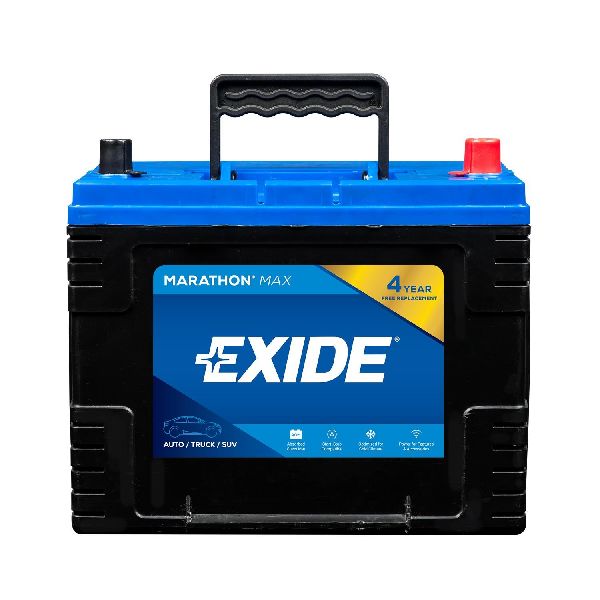
- Failing Battery or Charging System 🔴 High Probability → Shop Vehicle Battery All modern vehicles rely on stable voltage. The Tundra's complex electronics are sensitive to low voltage from a weak battery or failing alternator, which can cause the ECM to behave erratically and set false internal fault codes. Factory batteries often last only 3-4 years. 🎬 See this guide on testing and replacing your Tundra battery
How to confirm: Test the battery voltage with a multimeter. It should be above 12.5 volts with the engine off and 13.5-14.5 volts with the engine running. A simple voltage test is not enough; perform a load test on the battery at an auto parts store to check its health.
Typical fix: Replace the battery or alternator if they fail testing.
Est. part cost: $150-$400 - Poor Power or Ground Connections 🟡 Medium Probability Corrosion on battery terminals, loose ground straps from the engine to the chassis, or compromised wiring can create unstable voltage for the ECM. This is a common issue on any vehicle over time, especially in rust-prone areas.
How to confirm: Visually inspect all battery terminals, cables, and major ground straps for corrosion, looseness, or damage. Pay special attention to the main ground strap from the engine block to the firewall/chassis. Use a multimeter to check for voltage drop across ground connections.
Typical fix: Clean or replace corroded terminals and cables. Tighten or replace faulty ground straps.
Est. part cost: $20-$150 - Shorted External Sensor (Especially O2 Sensor) 🟡 Medium Probability On Toyotas, a shorted sensor can feed incorrect voltage back into the ECM, tricking it into setting a P0607 code. This is frequently reported by Tundra owners who found damaged O2 sensor wires, sometimes due to external factors like road debris or attempted catalytic converter theft where thieves cut the sensor wires.
How to confirm: Scan for other trouble codes, especially those related to oxygen sensors (e.g., P0138, P0157, P0158). Thoroughly inspect the wiring harnesses for all engine and exhaust sensors for physical damage, melting, or shorts. The damage is often visible where wires were cut or have rubbed against the frame or exhaust.
Typical fix: Repair the damaged wiring and/or replace the faulty sensor. In severe cases, the short may have already damaged the ECM, requiring its replacement as well. One user on a Tundra forum noted that after his dog chewed the O2 sensor wires, the resulting short required a new ECM to fix the P0607 code.
Est. part cost: $80-$250 - Faulty Engine Control Module (ECM) ⚪ Low Probability → Shop Engine Control Module (ECM) While this is the direct definition of the code, outright primary ECM failure is less common than external issues triggering the code. Failures are most often a secondary consequence of voltage spikes from shorted external components like O2 sensors.
How to confirm: This is a diagnosis of exclusion. If the battery, charging system, all power/ground connections, and all external sensors/wiring have been confirmed to be in perfect working order, the ECM itself is the likely culprit. A professional diagnosis with an oscilloscope may be needed to confirm.
Typical fix: Replace the Engine Control Module. This requires programming the new unit to the vehicle's VIN and immobilizer system using Toyota's Techstream software.
Est. part cost: $900-$1600
Rare But Worth Checking
- Aftermarket Tuner/Programmer: Improperly reprogramming the ECM with an aftermarket device like a Bully Dog tuner can corrupt the software and trigger a P0607 code. A Tundras.com forum member reported the code appearing after using a Bullydog tuner. Returning the truck to the stock tune is a critical diagnostic step.
- Water Intrusion: If the vehicle has been in a flood or if water has leaked into the cabin or engine bay where the ECM is located, it can cause short circuits and permanent damage to the module. A user on a Russian Sequoia forum suspected water from driving through puddles was causing his intermittent P0607.
Diagnosis Steps
- Read all stored fault codes with an OBD-II scanner. Pay close attention to any other codes that are present, especially for sensors like O2 sensors (P0138, P0158). 🎬 Watch: How to diagnose P0607 and P0138 codes yourself
- Check battery health. Test static voltage (should be >12.5V) and charging voltage with the engine running (should be 13.5V-14.5V).
- Perform a battery load test to ensure it can hold a charge under load. A weak battery is a common culprit.
- Inspect battery terminals and cable ends for corrosion or looseness. Clean and tighten as needed.
- Inspect the main engine and chassis ground straps. Ensure they are clean, tight, and free of damage. Check for voltage drop on the ground side. 🎬 Watch: How to diagnose and fix bad ground connections
- If other sensor codes are present (especially O2 sensor codes), thoroughly inspect the wiring harness for that sensor for any signs of damage, melting, or shorts. This is a critical step, especially if catalytic converter theft is suspected.
- If an aftermarket tuner is installed, remove it and flash the ECM back to the factory stock program.
- If all external checks pass and the code persists after clearing, the ECM is the most likely cause. This often happens because an external short has already caused permanent internal damage.
- Replacement of the ECM requires programming it to the vehicle. This is typically a dealer or specialty shop job.
Parts You'll Likely Need
- Engine Control Module (ECM)
(OEM #89660-0CS10)— This is the ultimate fix if the module itself has failed internally, often as a result of a short from another component.
Trusted brands: Toyota (Genuine OE)
OEM price range: $920-$1500
Aftermarket price range: $350-$800 (Remanufactured) - Battery — A weak or failing battery is a very common cause of voltage-related codes like P0607.
Trusted brands: Interstate, DieHard, Optima, Toyota TrueStart
OEM price range: $150-$250
Aftermarket price range: $150-$400
Related Codes That Often Appear With This One
- P0138 — This code indicates 'O2 Sensor Circuit High Voltage (Bank 1, Sensor 2)'. A short in this sensor's circuit is a known cause for triggering a P0607 on Toyotas.
- P0158 — This code indicates 'O2 Sensor Circuit High Voltage (Bank 2, Sensor 2)'. Similar to P0138, a short in this circuit can lead to a P0607 code.
- P0602, P0603, P0604, P0605, P0606 — These are all related codes pointing to various internal ECM/PCM memory or processor errors. Seeing them together strongly suggests a problem with the module itself.
Technical Service Bulletins (TSBs) & Recalls
- T-SB-0144-14: Addresses MIL 'ON' with DTCs P2440/P2442 for Secondary Air Injection System due to debris/ice. The fix is an ECM logic reprogram.
- T-SB-0350-09: Addresses MIL 'ON' with various P244# codes due to water intrusion into the air injection pump assembly on 2010 Tundras.
- EG042-07: A TSB for 2005-2007 Corolla/Matrix with P0607, often calling for ECM replacement, showing a history of this code on other Toyota platforms.
- Limited Service Campaign (LSC) for Frame Rust: Multiple campaigns and recalls were issued for 1st and 2nd gen Tundras for excessive frame corrosion, particularly in cold-weather states.
Mechanic-Grade Diagnostic Values
- Battery Voltage (Engine Off) — expected: > 12.5 V. Failure: Voltage below 12.2V indicates a weak or discharged battery that can cause spurious ECM codes.
- Charging System Voltage (Engine Running) — expected: 13.5 V - 14.5 V. Failure: Voltage below 13.5V or above 14.5V indicates a problem with the alternator or voltage regulator, which can cause ECM instability.
- Oxygen Sensor (Heated) Resistance — expected: 5 - 14 Ohms (varies by sensor). Failure: A reading far outside the typical range, or an open circuit (infinite resistance), indicates a failed sensor heater, which can cause related codes.
- Oxygen Sensor Signal Voltage (Normal Operation) — expected: Fluctuates between 100mV and 900mV (0.1V - 0.9V). Failure: Voltage that is stuck high (near 0.9V), stuck low (near 0.1V), or does not fluctuate indicates a faulty sensor or circuit issue.
Scan Tool Commands That Help
- Toyota Techstream: Health Check — After replacing an ECM, running a Health Check will identify that the new ECU needs configuration. A 'Configure' column will appear, prompting the technician to download and install vehicle-specific software.
- Toyota Techstream: ECU Customization / Immobiliser Reset — When installing a new or used ECM, the immobilizer must be reset and the new module's VIN must be programmed. For later models (approx. 2021+), the traditional paperclip short method for reset does not work and must be initiated via a Techstream utility that virtually connects 'TC and TE1'.
- Toyota Techstream: Calibration Update Wizard (CUW) — Used to flash reprogram the ECM with updated software from Toyota's Technical Information System (TIS). This is a potential fix if the P0607 is caused by a known software glitch, and is a necessary step when installing a new module.
Wiring & Ground Locations
- ECM Location — Typically located inside the cabin, behind the glove box assembly.. Technicians need to access the ECM to test power/ground pins directly at the connectors and to replace the module if it's deemed faulty.
- Main Engine Grounds — The primary engine grounds are located at the rear of the cylinder heads, one on each side, near where the engine mates to the transmission.. A poor engine-to-chassis ground is a common cause of electrical noise and unstable voltage, which can trigger a P0607. These specific points are critical for the ECM's stability.
- Interior Ground Points — There are several accessible ground bolts attached to the chassis behind the kick panels in the driver and passenger footwells.. When diagnosing ECM ground circuits, these provide a known-good chassis ground reference for multimeter testing.
Real Owner Repair Stories
- Tundras.com forum user 'jammer' (Year not specified, 2nd Gen Tundra) — P0607 code present. No other codes were showing.
❌ Tried (didn't work) Replacing the passenger side O2 sensors., Clearing the code (it would return after idling for a minute).
✅ What actually fixed it The ECM had to be replaced. The root cause was suspected to be an attempted catalytic converter theft where the thieves damaged the O2 sensor wiring with a sawzall. The user theorized the frayed wires shorted out the ECM, as there is no fuse in the circuit between the O2 sensor and the ECM. - Tundras.com forum user 'BaldEagle2006' (2014 SR5 Crewmax 5.7L, 128,000 miles) — After catalytic converter theft and replacement with aftermarket parts, the truck threw codes P0607, P0137 (O2 Circuit Low Voltage), and P0138 (O2 Circuit High Voltage).
❌ Tried (didn't work) Replacing downstream O2 sensors with Denso parts from Amazon., Replacing downstream O2 sensors again with Bosch parts from Autozone.
✅ What actually fixed it The P0607 and other codes were a direct result of the catalytic converter theft. While the user's final resolution post focused on a different code (inefficient cat), the appearance of P0607 immediately after the O2 sensor wiring was cut and then repaired highlights the direct link between O2 sensor circuit integrity and this ECM performance code. - NHTSA ODI #10330220 — An owner reported the vehicle stalling without warning while the battery light was on. The dealer invoice noted "P0607- ECM shortened," and the repair required replacing the ECM.
- NHTSA ODI #10295043 — A driver experienced a situation where the vehicle was hard to restart and ran poorly with a P0607 code. The dealer replaced the ECU and noted they were busy replacing many of these units.
Documented NHTSA Reports
- NHTSA ODI #11033142: An owner noted that a P0607 code often involves changing out the PCM (ECM) and frequently occurs alongside code P0138 for the O2 sensor.
- NHTSA ODI #10316230: A report describes a vehicle stalling at a busy intersection; the diagnostic revealed code P0607, which the owner linked to manufacturer service bulletin TSB EG042-07.
- NHTSA ODI #11229921: One owner reported that the check engine light, TRAC OFF light, and 4X4 light would illuminate intermittently with a P0607 code, even though the vehicle seemed to drive fine without symptoms.
OEM Part Supersession History
89661-0C860, 89661-0C861, 89661-0C862, 89661-0C863→89661-0C864— Standard part revision by manufacturer.
Heads up: Applies to 2007 Tundra 5.7L 4WD with Towing Package.89661-0CU31→89661-0CU32— Standard part revision by manufacturer.
Heads up: Part numbers are specific to engine, drivetrain, and emissions. Always verify with VIN.89661-0C442→89661-0C442-84— Superseded by a remanufactured part designated by the '-84' suffix.
Heads up: The '-84' indicates a Toyota-authorized remanufactured unit.
Model Year Variations Within This Range
- 2021-2023: The traditional 'paperclip method' of shorting pins 4 and 13 in the OBD-II port to reset the immobilizer after an ECM swap does not work on these later models, partly because pin 13 may not be populated. The reset must be performed using a specific utility within the Toyota Techstream software.
- 2022-2023: According to Toyota Service Bulletin T-SB-0120-20, replacing the ECM (and other modules like Body, Brake, ECT) on these model years requires a mandatory software configuration step using Techstream to download vehicle-specific software to the new module.
Diagnostic Flowchart
Other Known Issues on This Vehicle
Issues unrelated to this code that are worth knowing about as an owner of this generation:
- Cam Tower Leak 🟠 Medium — Common on 4.6L and 5.7L UR engines, often appearing as seepage or a slow leak after 60,000 miles. Many owners live with minor seepage, but a significant leak is a costly repair ($2000-$4000).
- Secondary Air Injection System Failure 🔴 High — Very common, especially on 2007-2013 models. Pumps and/or valves fail, causing the truck to enter limp mode. The repair is expensive ($1500+), leading many to use bypass kits. (Ref: T-SB-0144-14, T-SB-0350-09, T-SB-0230-12)
- Frame Rust 🔴 High — A notorious issue, particularly for vehicles in the 'salt belt'. Led to a major recall and warranty enhancement program where Toyota inspected and either treated or replaced entire frames. (Ref: Toyota Limited Service Campaign (LSC) / Recall)
- Water Pump Failure 🟡 Low — The water pumps on the UR engines are a known wear item. They often develop a slow leak from the weight hole, giving warning before a catastrophic failure. Relatively common after 100,000 miles.
- Cracked Exhaust Manifolds 🟠 Medium — The stock cast iron exhaust manifolds are prone to cracking, causing an exhaust leak and a ticking noise, especially when cold. More common on the 5.7L engine.
Used vs. New Parts: Buying Guide for This Vehicle
When a used part is the smart pick: A used part is generally not recommended for the Engine Control Module (ECM) itself due to the complexity of VIN-locking and immobilizer programming. However, for the common root causes, used parts can be viable. A used battery or alternator is not recommended. Used O2 sensors are also not recommended due to their limited lifespan.
Donor-vehicle mileage cap: roughly under 80000 miles for the part to have meaningful remaining life.
What to inspect on the donor part:
- For an ECM, verify the exact part number, as there are dozens of variations based on engine, year, and emissions.
- Ensure the donor vehicle was not involved in a flood or fire.
- If buying a remanufactured ECM, choose a reputable supplier that offers programming to your VIN before shipping.
OEM-only on this vehicle (don't cheap out):
- Engine Control Module (ECM): While remanufactured units from reputable sources exist, OEM is the safest bet to avoid compatibility issues. A used ECM requires specialized tools and knowledge to reprogram, making it a risky purchase for DIY.
Aftermarket brands forum-validated for this vehicle:
- Denso (for Oxygen Sensors): Denso is an original equipment supplier for Toyota, and their aftermarket sensors are widely considered a reliable and cost-effective alternative to dealer parts.
- Bosch (for Oxygen Sensors): Also a reputable OEM supplier, though some forum users have reported mixed results when pairing with other brands, so it's best to replace sensors in pairs or sets.
Brands owners have reported issues with on this vehicle:
- Unbranded/No-Name Oxygen Sensors: Forum discussions frequently show that cheap, unbranded O2 sensors from online marketplaces can be faulty out of the box or fail quickly, leading to repeat repairs.
Real Owner Stories
Aggregated from forums and TSBs cited above. Mileages and costs reflect what owners reported in those sources.
2014 Toyota Tundra
Symptoms: P0607 code appeared along with O2 sensor codes after the catalytic converters were stolen and replaced.
What fixed it: The owner highlighted electrical chaos caused by cut wires during the theft; the P0607 appeared even after replacing the sensors and cats.
Source hint: Tundras.com: HELP: Repair issues after CAT's were stolen.
Toyota Tundra
Symptoms: P0607 code (control module performance).
What fixed it: The owner discovered an attempted catalytic converter theft where the O2 sensor wires were cut with a sawzall, which shorted and destroyed the ECM.
Source hint: Tundras.com: P0607 code - What exactly is 'control module performance'??
2014 Toyota Sequoia 5.7L Flex
Symptoms: P0157, P0158, and P0607 codes all appeared at once.
What fixed it: A complete ECM replacement was required after a dog chewed the Bank 2 Sensor 2 O2 sensor wiring, causing a short that damaged the computer.
Source hint: Tundras.com: 2014 Sequoia 5.7 Flex: P0157, P0158, P0607 all at once
Related OBD-II Codes
Frequently Asked Questions
Can a bad battery really cause a P0607 code on my Toyota Tundra?
I have a 2010 Tundra with a Check Engine Light and P244# codes; is this related to P0607?
Could an attempted catalytic converter theft cause a P0607 code?
Does TSB-0144-14 apply to my Tundra's Check Engine Light?
Is the P0607 code common on other Toyotas besides the Tundra?
Can my dog chewing on wires cause a P0607 code?
Helpful Videos
Used OEM Parts in Stock
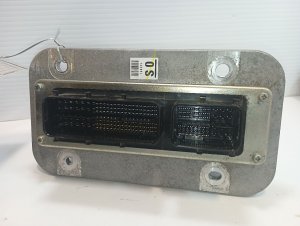
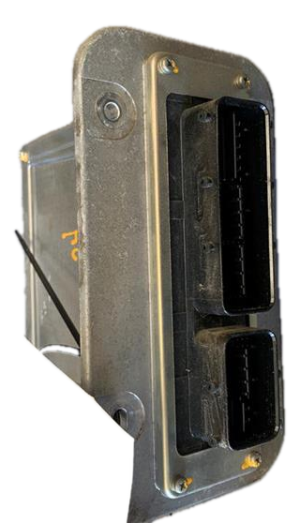
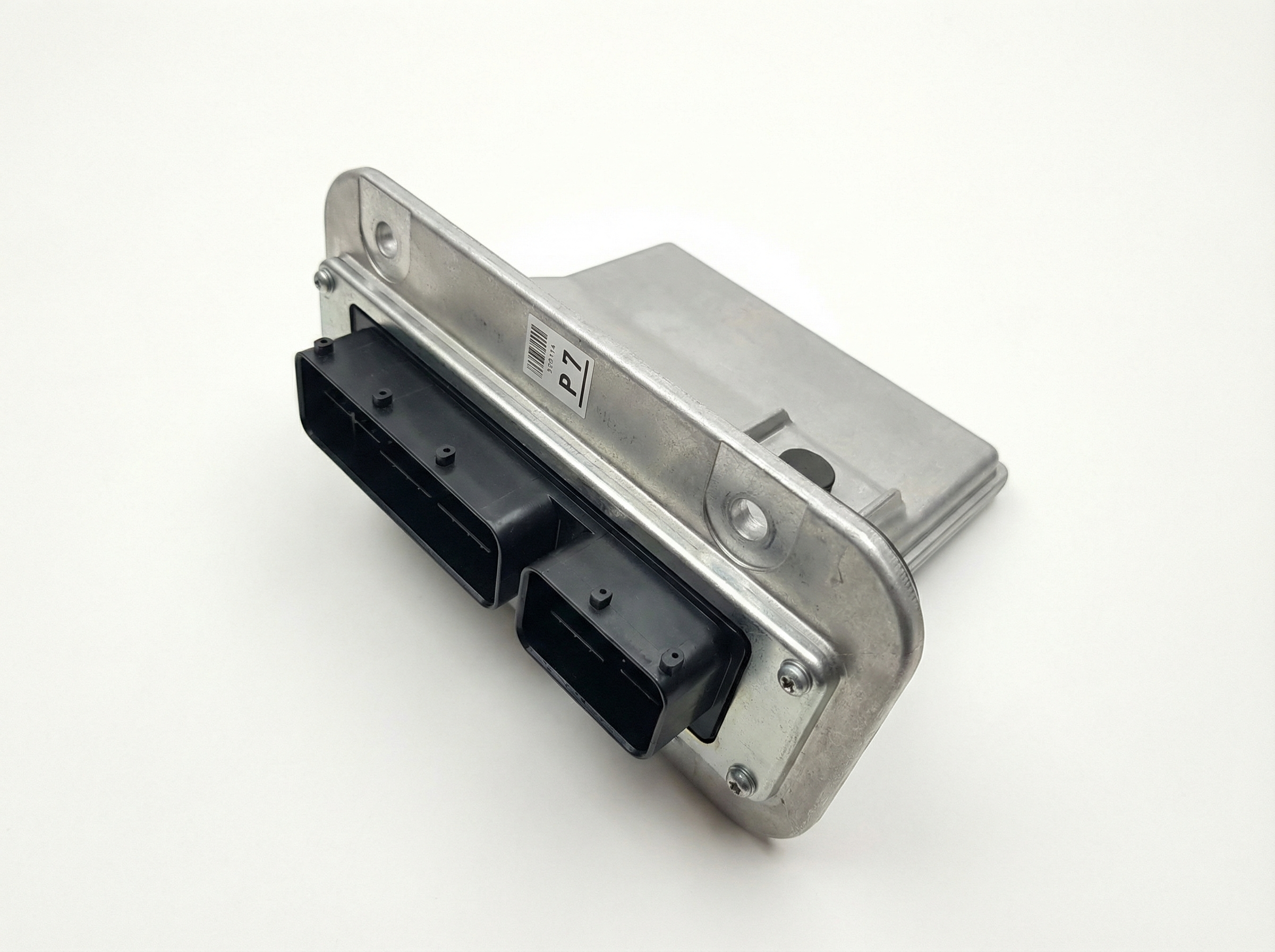
New Aftermarket Parts Available
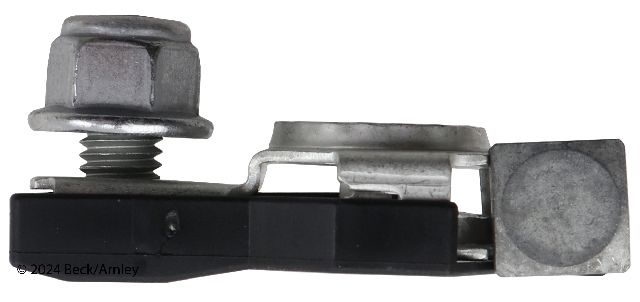


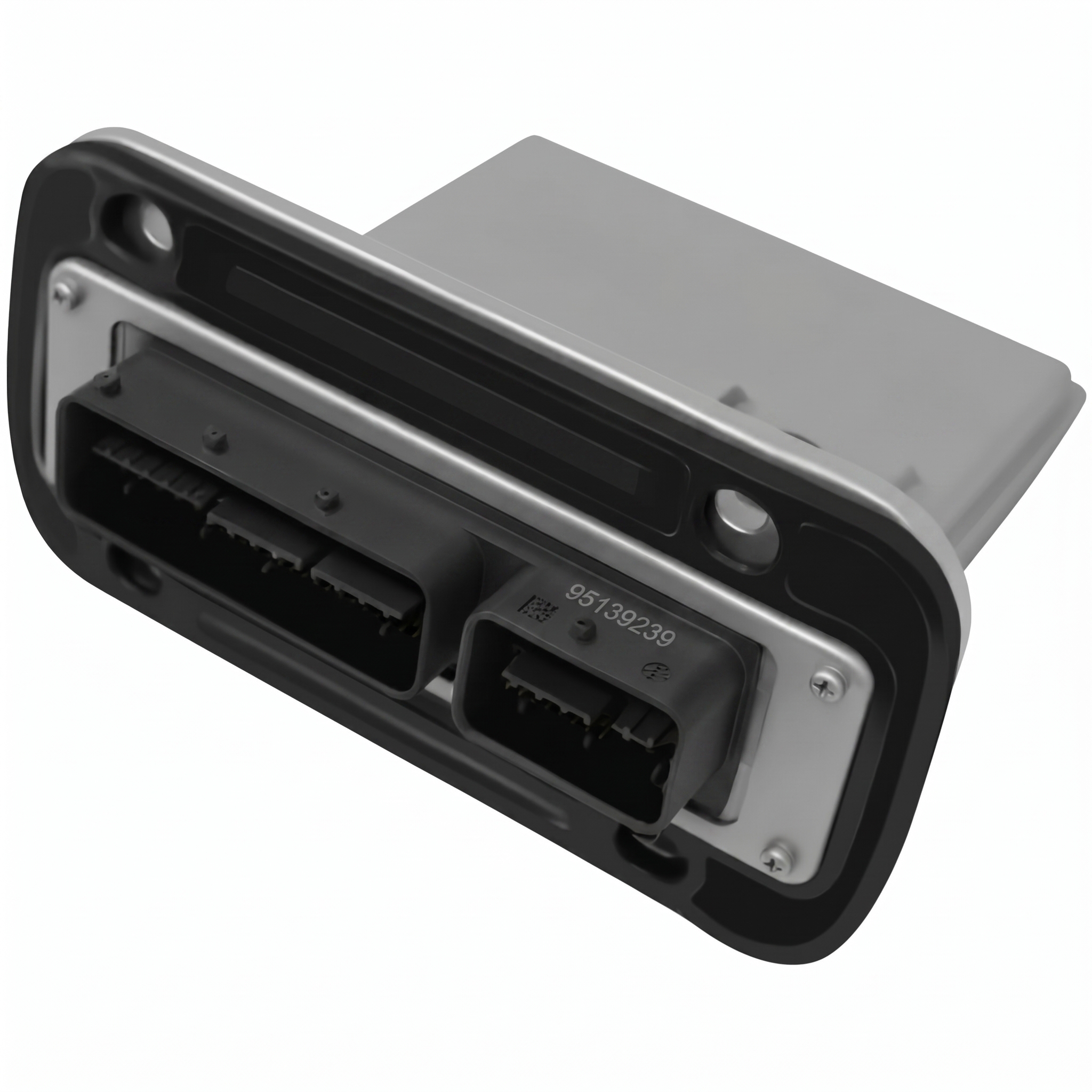
The information in this article is provided for general reference and educational purposes only. Vehicle specifications, procedures, and part compatibility can vary by production date, trim level, and region. Always consult your vehicle's factory service manual and verify part numbers before purchasing or performing repairs. Safety-critical components such as airbags, seat belts, and braking systems should be installed by a qualified professional.
- Toyota Tundra:
- 🧭 Diagnostic Flowchart
- 🎬 Helpful Videos
- 🛍️ Shop This Part
- What's Unique About the 2007-2021 Toyota Tundra
- Symptoms You May Notice
- Most Likely Causes
- Rare But Worth Checking
- Diagnosis Steps
- Parts You'll Likely Need
- Related Codes That Often Appear With This One
- Technical Service Bulletins (TSBs) & Recalls
- Mechanic-Grade Diagnostic Values
- Scan Tool Commands That Help
- Wiring & Ground Locations
- Real Owner Repair Stories
- Documented NHTSA Reports
- OEM Part Supersession History
- Model Year Variations Within This Range
- Other Known Issues on This Vehicle
- Used vs. New Parts: Buying Guide for This Vehicle
- Real Owner Stories
- 2014 Toyota Tundra
- Toyota Tundra
- 2014 Toyota Sequoia 5.7L Flex
- Related OBD-II Codes
- Frequently Asked Questions
- 🎟️ Get 5% Off