

P0626 on 2011-2019 Ford Explorer 3.5L: Alternator Circuit Fault Causes and Fixes
On a 2011-2019 Ford Explorer with the 3.5L V6, code P0626 almost always means the alternator is failing due to an internal voltage regulator fault. The code specifically indicates a high voltage or open circuit on the Generator Monitor (GENMON) feedback line to the PCM. Expect to pay $250-$500 for a quality replacement alternator, with DIY replacement being moderately difficult.
- P0626 on your 2011-2019 Explorer points to a charging system problem, most often a bad alternator.
- Do not replace the battery without first testing the alternator and charging system voltage.
- Before replacing the alternator, perform a quick visual inspection of the alternator's wiring connector for any obvious damage or corrosion.
- Be aware of the 3.5L V6's internal water pump issue; if you see signs of a coolant leak near the alternator, the pump is likely failing and has probably caused the alternator failure.
What's Unique About the 2011-2019 Ford Explorer
The 2011-2019 Explorer, like many modern Fords, uses a PCM-controlled smart charging system. This makes the communication between the alternator and the computer critical. Unlike older systems, a simple voltage test isn't always enough; the PCM needs to see the correct signal on the GENMON circuit to properly command the alternator. A unique and significant issue on the 3.5L Cyclone V6 is the internal, timing-chain-driven water pump. When this pump's seals fail, it is designed to leak coolant externally from a 'weep hole' located near the A/C compressor and alternator. This coolant, often described as orange or yellow, can drip directly onto the alternator, causing contamination, corrosion, and premature failure of its electronic components, leading to codes like P0626.
Generation note: This guide covers the fifth generation of the Ford Explorer (2011-2019). The charging system and the 3.5L Cyclone V6 engine remained largely consistent throughout this generation, so the causes and fixes are generally applicable across these model years.
Symptoms You May Notice
- Check Engine Light illuminated
- Battery or charging system warning light on the dashboard
- Engine may stall or have difficulty starting
- Dimming interior or dashboard lights
- Electrical accessories (radio, windows) behaving erratically
- A battery that repeatedly dies or won't hold a charge
- Charging system voltage reading above 15.0 volts (overcharging)
- Reduced fuel economy
- Replacing the battery without testing the alternator. A new battery will quickly be drained and potentially damaged if the alternator is not charging correctly.
Most Likely Causes
- Failed Alternator (Internal Voltage Regulator) 🔴 High Probability → Shop Alternator The internal voltage regulator that communicates with the PCM is the most common failure point within the alternator assembly. This failure can be caused by normal wear, heat, or contamination from a leaking water pump, leading directly to this GENMON circuit fault.
How to confirm: With the engine running at 1500 RPM, check the voltage at the battery terminals. A healthy system should read between 13.5 and 14.8 volts. A reading above 15.0V or below 12.5V suggests a faulty regulator. Many auto parts stores can also bench-test the alternator for free if it's removed from the vehicle. A scan tool showing a GENMON PID duty cycle of 98% or higher also strongly points to an alternator or circuit fault.
Typical fix: Replace the entire alternator assembly. It is generally not cost-effective to replace only the internal regulator.
Est. part cost: $250-$500 - Damaged Wiring or Connector 🟡 Medium Probability The wiring harness to the alternator can be exposed to heat and vibration, potentially causing wires to break or chafe over time. The 3-pin connector itself can also become corroded or have loose pins, creating an open or high-resistance condition on the GENMON circuit.
How to confirm: Visually inspect the wiring harness and the 3-pin connector at the alternator for any signs of damage, corrosion, or loose connections. Perform a continuity test on the GENMON wire between the alternator connector and the PCM connector to check for an open circuit. A 'wiggle test' of the harness while monitoring the GENMON PID on a scan tool can help identify intermittent connection issues.
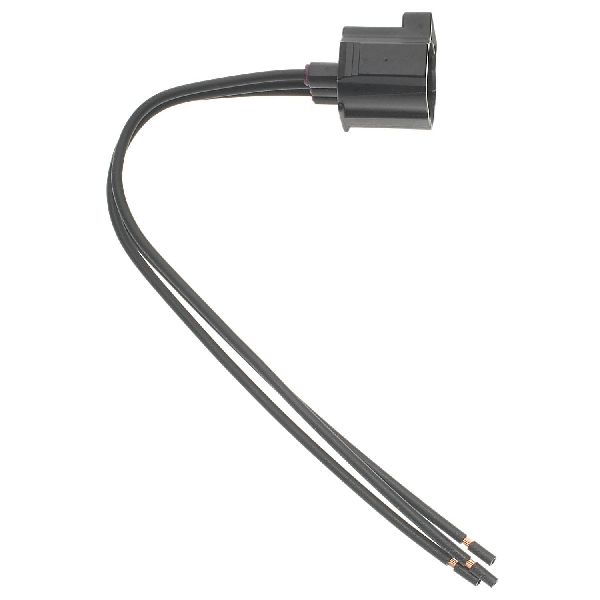
Typical fix: Repair the damaged section of wiring or replace the pigtail connector.
Est. part cost: $20-$60 - Weak or Failing Battery ⚪ Low Probability → Shop Vehicle Battery A battery with an internal short or that can no longer hold a proper charge can put excessive strain on the charging system. While less common to directly cause P0626, it can create erratic electrical behavior and should be ruled out as part of a comprehensive diagnosis.
How to confirm: Have the battery load-tested. Most auto parts stores offer this service for free. A healthy battery should read above 12.4V at rest and pass a load test. Ensure battery voltage is above 12.2V before beginning any circuit testing.
Typical fix: Replace the vehicle's 12V battery.
Est. part cost: $150-$250
Rare But Worth Checking
- Powertrain Control Module (PCM) Fault: → Shop Engine Control Module (ECM) This is the least likely cause. The PCM's internal driver circuit for the alternator can fail, but all other possibilities, especially the alternator and wiring, should be exhaustively ruled out before condemning the PCM. This might be suspected if the code returns immediately after replacing the alternator with a known-good part and verifying the wiring is intact.
Diagnosis Steps
- Check for any other stored diagnostic trouble codes. Codes like P0625 or P0620 are highly relevant.
- Perform a visual inspection of the battery, battery terminals, alternator, and all related wiring. Look for loose connections, corrosion, or physical damage.
- Test the battery's state of charge and health. A healthy battery should have over 12.4 volts at rest and pass a load test.
- With the engine running at approximately 1500 RPM, use a multimeter to measure the voltage at the battery terminals. The reading should be stable and between 13.5 and 14.8 volts. A reading over 15.1V indicates a dangerous overcharge condition.
- If voltage is out of range, the alternator is the primary suspect. If the voltage is within range but the code persists, proceed to check the alternator's control circuit.
- Inspect the 3-pin electrical connector at the alternator for damage or corrosion. Ensure it is seated securely.
- Using a scan tool, monitor the GENMON (Generator Monitor) PID. A duty cycle reading of 98% or higher indicates an open circuit or short to voltage, confirming the fault P0626 describes.
- Test the GENMON wire for continuity between the alternator connector and the PCM. Check for any shorts to power or ground on this circuit.
- If the battery, alternator, and wiring all test good, the final and least likely possibility is a fault within the Powertrain Control Module (PCM).
Parts You'll Likely Need
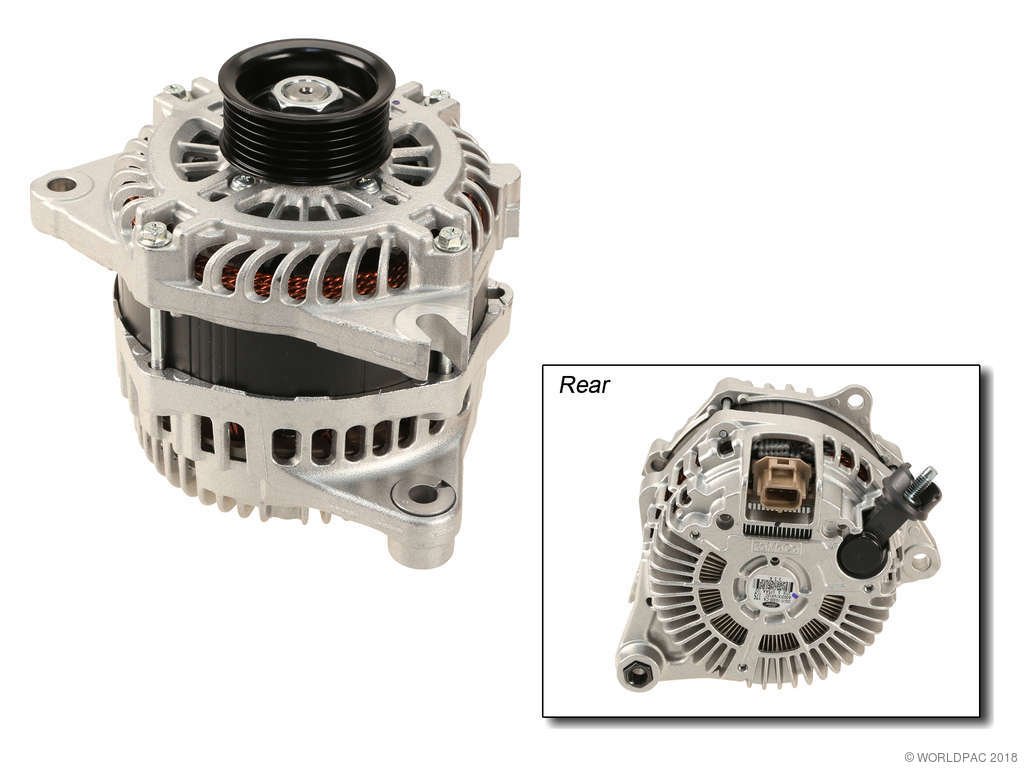
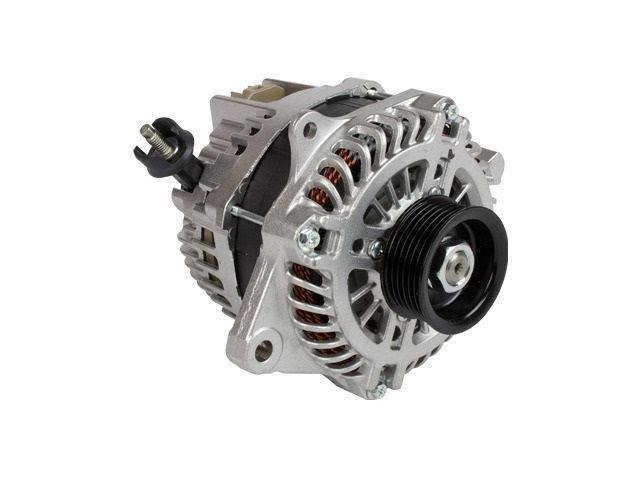
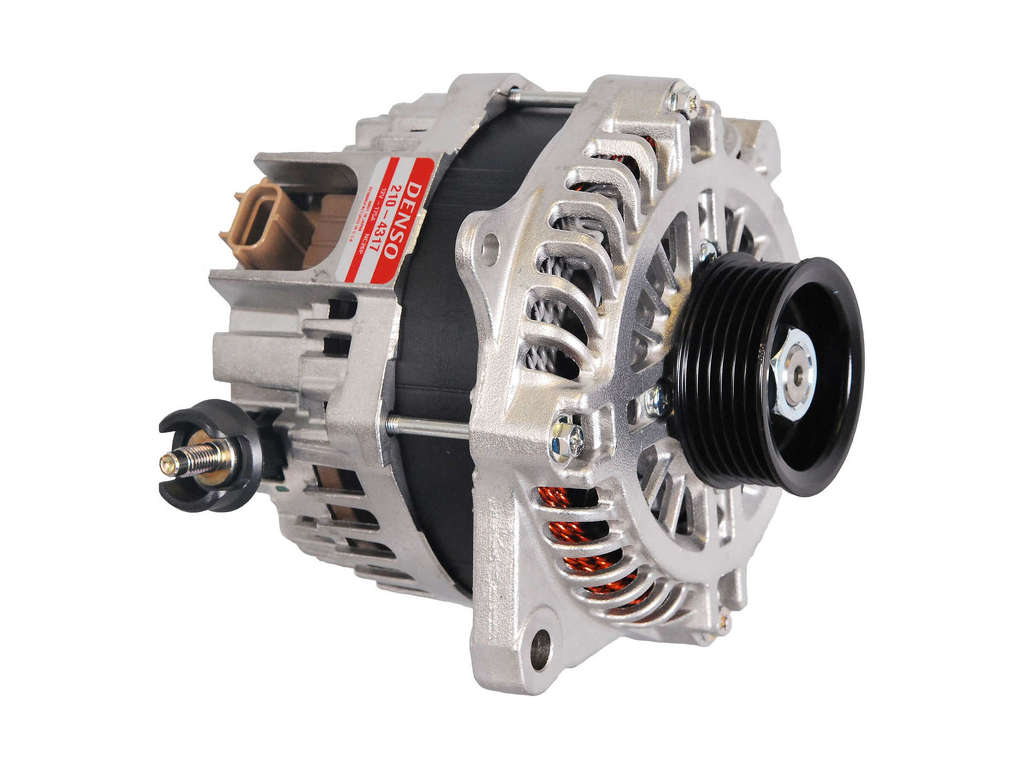
- Alternator (Generator)
(OEM #DG1Z-10346-F (replaces DG1Z-10346-A, DG1T-10300-CB, GL8684))— The internal voltage regulator is the most common point of failure that triggers code P0626. The entire alternator assembly is typically replaced.
Trusted brands: Motorcraft, Bosch, Denso, TYC
OEM price range: $400-$600
Aftermarket price range: $250-$450
Related Codes That Often Appear With This One
- P0625 — This code means "Generator Field / F-Terminal Circuit Low." It's the direct companion to P0626 and often points to the same root causes, such as a faulty alternator or wiring issue.
- P0620 — This is a more general "Generator Control Circuit Malfunction" code. It can appear alongside P0626, indicating a definite problem within the alternator or its control circuit.
- P0562 — This code indicates "System Voltage Low." A failure in the alternator's control circuit (P0626) will prevent proper charging, leading to low system voltage.
- P0563 — This code for "System Voltage High" can be triggered if the alternator defaults to an uncontrolled, overcharging state due to the control circuit fault.
Platform-Specific Known Issues
- The 3.5L Cyclone V6 engine features an internal, timing-chain-driven water pump. A known failure point is the pump's seals, which can cause coolant to leak from a 'weep hole' near the alternator. This coolant leakage can drip onto the alternator, leading to premature failure and potentially causing a P0626 code. Owners should inspect the area below the A/C compressor for signs of orange or yellow coolant residue.
Mechanic-Grade Diagnostic Values
- GENMON (Generator Monitor) PID Duty Cycle — expected: 3% to 98% during normal operation.. Failure: A duty cycle of 98% or higher indicates an open circuit or short to voltage, which directly corresponds to a P0626 fault.
- Voltage Drop - Alternator B+ to Battery Positive Terminal — expected: Less than 0.5 volts with engine running and electrical loads on (headlights, blower fan).. Failure: Voltage drop greater than 0.5 volts indicates high resistance in the main charging cable or connections, which can strain the charging system.
- Alternator Connector C102 - Pin 1 (GENMON) Voltage — expected: A Pulse-Width Modulated (PWM) square wave signal. The voltage will fluctuate rapidly.. Failure: No voltage or steady high voltage (short to power) indicates a wiring or alternator fault. With the connector unplugged and Key On Engine Off, this circuit should show a bias voltage from the PCM (typically 8-11 volts).
Wiring & Ground Locations
- C102 (or C102A) — The 3-pin electrical connector located directly on the alternator body.. This is the primary connection for the control circuits. Pin 1 (Violet wire) is the GENMON circuit that triggers P0626. Pin 2 (Blue/Orange wire) is the GENCOM (Generator Communication) circuit. Pin 3 (Red wire) is the 'A' sense circuit, a battery voltage feed. Damage or corrosion here is a common cause of the code.
- C175B — One of the main multi-pin connectors at the Powertrain Control Module (PCM), located in the engine compartment, typically near the firewall.. This connector contains the other end of the GENMON wire. For the 3.5L engine, the GENMON wire (Violet) terminates at Pin 29 of this connector. A continuity test must be performed between C102 Pin 1 and C175B Pin 29.
- G104 — Primary engine-to-chassis ground strap, typically located on the driver's side of the engine block or cylinder head, connecting to the frame rail or firewall.. A poor engine ground can create a voltage potential difference between the alternator and the PCM. This can cause erratic signals on the GENMON line, leading the PCM to incorrectly set a P0626 code.
- Battery Junction Box (BJB) Fuse 38 — In the underhood fuse box, near the battery.. This 10A fuse provides power to the alternator's internal regulator. While a blown fuse is more likely to cause other codes, checking it is a crucial preliminary step in any charging system diagnosis.
Real Owner Repair Stories
- Ford F150 Forum (2016 Ford F-150 5.0L (uses a similar smart charge system)) — Service charging system warning message.
❌ Tried (didn't work) Replacing the battery with a new, high-quality unit., Visual inspection of wiring by a mechanic.
✅ What actually fixed it The owner replaced the original alternator with a remanufactured unit from RockAuto, which then caused P0626 to appear along with the original codes (P0620, P065B). The forum consensus pointed to the remanufactured alternator being incompatible with the Ford PCM's smart charge system, causing the new fault code. The implied fix is to use a genuine OEM/Motorcraft alternator.
OEM Part Supersession History
8A4Z-10346-A, DG1Z-10346-A, GL-8664→DG1Z-10346-F (Motorcraft GL-8684)— Standard part revision and consolidation by the manufacturer.
Heads up: While all listed parts are for the same application, it is always best practice to use the latest part number (DG1Z-10346-F) to ensure you have the most updated design and internal components.
Diagnostic Flowchart
Other Known Issues on This Vehicle
Issues unrelated to this code that are worth knowing about as an owner of this generation:
- Internal Water Pump Failure 🔴 High — Commonly occurs between 80,000 and 150,000 miles. Failure can lead to coolant mixing with engine oil, causing catastrophic engine damage if not addressed.
- Power Transfer Unit (PTU) Overheating/Failure 🔴 High — Widespread issue on AWD models. The 'lifetime' fluid overheats due to proximity to the exhaust, breaking down and causing gear/bearing failure. Symptoms include a burning gear oil smell and grinding noises. Fluid changes every 30,000 miles are recommended. (Ref: TSB 19-2017 for fluid leaks from the intermediate shaft seal.)
- Exhaust Odor In Cabin 🟠 Medium — Many owners report an exhaust or sulfur smell inside the cabin, particularly during heavy acceleration. This has been linked to cracked exhaust manifolds or poor body sealing. (Ref: Multiple TSBs issued, including 12-12-4, 16-0166, 17-0029, and 17-0044, to address body sealing and exhaust components.)
- Electronic Power Steering Rack Failure 🔴 High — A common weak point, leading to a sudden loss of power steering assist. Numerous complaints have been filed, and multiple recalls were issued for related components. (Ref: Several recalls were issued for the 2011-2013 model years related to the power steering system.)
- Electronic Throttle Body Malfunction 🟠 Medium — Can cause the vehicle to suddenly lose power and enter 'limp mode,' often with a wrench light illuminated. This was a common issue, particularly on earlier models in the generation. (Ref: Ford extended warranty coverage for this component on certain model years.)
- A-Pillar Trim Detachment / Rattle 🟡 Low — The exterior trim pieces on the A-pillars are known to become loose, rattle, or fly off at highway speeds. This was a common complaint, especially on 2011-2013 models. (Ref: A recall was issued for this issue on certain model years.)
Used vs. New Parts: Buying Guide for This Vehicle
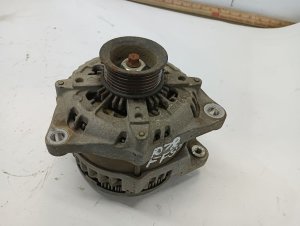
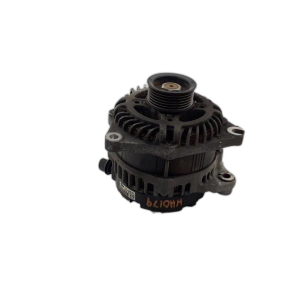
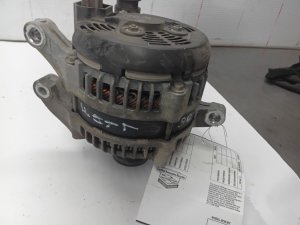
When a used part is the smart pick: A used OEM Motorcraft alternator from a low-mileage, late-model (2017-2019) donor vehicle can be a cost-effective and reliable option. Given the high incidence of issues with aftermarket units, a used original part is often preferable to a new aftermarket one.
Donor-vehicle mileage cap: roughly under 70000 miles for the part to have meaningful remaining life.
What to inspect on the donor part:
- Check for minimal corrosion on the alternator case and pulley.
- Ensure the 3-pin electrical connector is intact with no broken plastic or bent pins.
- Inspect the donor vehicle's engine bay for signs of coolant leaks from the water pump weep hole, as this could indicate the alternator was contaminated.
- Ask for the donor vehicle's VIN to verify mileage and confirm it wasn't from a flood or collision vehicle.
OEM-only on this vehicle (don't cheap out):
- Alternator / Generator
Aftermarket brands forum-validated for this vehicle:
- Bosch (New, not remanufactured)
- Denso (Often an OEM supplier)
Brands owners have reported issues with on this vehicle:
- Generic or 'white-box' remanufactured units from large online retailers have a high rate of incompatibility with Ford's smart charge system, often causing codes like P0626 right out of the box.
Real Owner Stories
Aggregated from forums and TSBs cited above. Mileages and costs reflect what owners reported in those sources.
2011-2019 Ford Explorer 3.5L Cyclone V6 — ~115000 miles
Symptoms: Internal water pump seals failed, causing coolant to leak from a 'weep hole' near the alternator and drip directly onto it.
What fixed it: Replacement of the alternator assembly and addressing the internal water pump leak.
Source hint: vehicle_specific_issues
2011-2019 Ford Explorer 3.5L Cyclone V6 — ~120000 miles
Symptoms: The internal water pump failed, leading to coolant mixing with engine oil.
What fixed it: Repair of the internal water pump to prevent catastrophic engine damage.
Source hint: known_issues: Internal Water Pump Failure
2011-2013 Ford Explorer
Symptoms: Sudden loss of power steering assist.
What fixed it: Service related to multiple recalls issued for the electronic power steering rack components.
Source hint: known_issues: Electronic Power Steering Rack Failure
Related OBD-II Codes
Frequently Asked Questions
Could a coolant leak from my water pump cause the P0626 code on my 3.5L Explorer?
What should I look for if I suspect the water pump is damaging my alternator?
Is there a TSB for the exhaust smell I'm noticing along with my electrical issues?
What scan tool reading confirms a GENMON circuit fault on my Ford Explorer?
Is there a TSB for the PTU fluid leaks on my AWD Explorer?
Can I just replace the voltage regulator to fix P0626?
Helpful Videos


Used OEM Parts in Stock
New Aftermarket Parts Available


The information in this article is provided for general reference and educational purposes only. Vehicle specifications, procedures, and part compatibility can vary by production date, trim level, and region. Always consult your vehicle's factory service manual and verify part numbers before purchasing or performing repairs. Safety-critical components such as airbags, seat belts, and braking systems should be installed by a qualified professional.
- Ford Explorer:
- 🧭 Diagnostic Flowchart
- 🎬 Helpful Videos
- 🛍️ Shop This Part
- What's Unique About the 2011-2019 Ford Explorer
- Symptoms You May Notice
- Most Likely Causes
- Rare But Worth Checking
- Diagnosis Steps
- Parts You'll Likely Need
- Related Codes That Often Appear With This One
- Platform-Specific Known Issues
- Mechanic-Grade Diagnostic Values
- Wiring & Ground Locations
- Real Owner Repair Stories
- OEM Part Supersession History
- Other Known Issues on This Vehicle
- Used vs. New Parts: Buying Guide for This Vehicle
- Real Owner Stories
- 2011-2019 Ford Explorer 3.5L Cyclone V6 — ~115000 miles
- 2011-2019 Ford Explorer 3.5L Cyclone V6 — ~120000 miles
- 2011-2013 Ford Explorer
- Related OBD-II Codes
- Frequently Asked Questions
- 🎟️ Get 5% Off