

P0626 on 2011-2015 Kia Optima: Generator Field Circuit High Causes and Fixes
P0626 on a 2011-2015 Kia Optima most often means the alternator is failing. A close second is a broken or corroded wire in the alternator's electrical connector. Expect to pay $250-$500 for a replacement alternator, with DIY difficulty rated at 3/5.
- P0626 indicates a high voltage fault in the alternator's control circuit.
- The most likely cause is a failed alternator, but a broken wire at the alternator connector is a very common second cause on this platform.
- Always inspect the alternator connector wiring carefully before replacing the alternator.
- An over-voltage condition (above 15V at the battery) is a strong sign of a bad alternator.
- Be wary of low-quality remanufactured alternators, as they are known to be faulty out of the box.
What's Unique About the 2011-2015 Kia Optima
For the third-generation Kia Optima (2011-2015), the P0626 code is a straightforward charging system fault. 🎬 Watch: A quick overview of the P0626 code and its causes. While the alternator itself is a common failure point, these vehicles are also known for wiring issues right at the alternator's electrical connector. Vibration and heat can cause the control wire to break or corrode inside the connector's housing, leading to this specific code. It's a critical check to perform before spending money on a new alternator. This exact issue is also common on its platform-mate, the Hyundai Sonata.
Generation note: The 2011-2015 model years all belong to the third generation of the Kia Optima, known as the TF series. This issue is common across all engines in this generation, including the 2.4L GDI and 2.0L Turbo GDI, as they share a similar charging system architecture.
Symptoms You May Notice
- Check Engine Light is on
- Battery or charging system warning light is illuminated
- Headlights and interior lights may flicker, dim, or appear overly bright
- Engine may stall, especially at idle
- Difficulty starting the engine or a no-start condition
- Erratic behavior from electrical accessories like the radio or power windows
- A swollen battery case or a rotten egg smell from the battery due to overcharging
- Reduced fuel economy
- Replacing the battery. While a bad battery can cause many electrical issues, P0626 specifically points to a fault in the alternator's *control* circuit, not the battery's ability to hold a charge. A healthy charging system should run the car even with a weak battery.
- Assuming a new alternator will fix it. As seen in forum discussions for the Hyundai Sonata, a remanufactured alternator can sometimes be faulty out of the box or the issue may lie in the wiring, leading the code to return immediately.
Most Likely Causes
- Failed Alternator 🔴 High Probability → Shop Alternator The internal voltage regulator, which contains the field control circuit, is a common failure point within the alternator assembly. After years of service, these electronic components can fail from heat and vibration, causing it to send a higher-than-expected voltage signal.
How to confirm: Most auto parts stores can test the alternator's output on the vehicle for free. A proper test will show if the voltage regulator is responding correctly to commands. With the engine running, a multimeter reading at the battery terminals above 15 volts indicates an overcharging condition, pointing to a faulty voltage regulator inside the alternator.
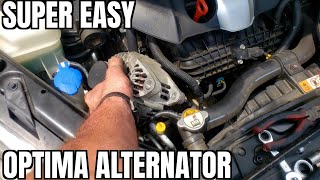
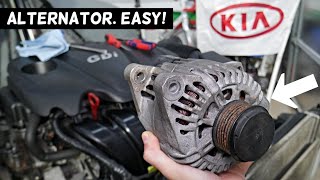
Typical fix: Replace the entire alternator assembly. 🎬 Watch: Step-by-step guide to replacing the alternator on this model.
Est. part cost: $200-$450 - Damaged Wiring or Connector at Alternator 🟡 Medium Probability → Shop Alternator The wiring harness connector that plugs into the alternator is susceptible to heat and vibration, which can cause the wires to become brittle and break, or the terminals to corrode. This creates an open or high-resistance condition in the F-terminal circuit, which the PCM interprets as a high voltage fault.
How to confirm: Unplug the 3-pin connector from the back of the alternator. Carefully inspect the wires leading into the connector for any signs of breakage, fraying, or green/white corrosion. Gently tug on each wire to ensure it is secure in the connector. The break often occurs right at the base of the connector where the wire flexes.
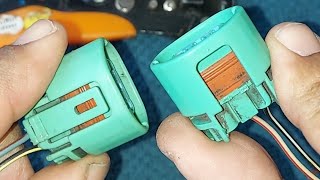
Typical fix: Repair the broken wire or replace the alternator pigtail connector. This often involves splicing in a new connector. 🎬 See how to repair a broken alternator connector pigtail.
Est. part cost: $15-$40
Rare But Worth Checking
- Faulty Powertrain Control Module (PCM): → Shop Engine Control Module (ECM) This is rare, but if a new alternator and verified good wiring do not solve the code, the driver circuit within the PCM may have failed. This should be the last consideration after all other possibilities are exhausted.
Diagnosis Steps
- Read the code with an OBD-II scanner and check for any other related codes.
- Check the battery and its terminals. Ensure the terminals are clean and tight. Have the battery's health tested to rule it out as a contributing factor.
- Visually inspect the alternator's main electrical connector. Unplug it and look for any broken wires, pushed-out pins, or corrosion. This is a common point of failure.
- Inspect the main power cable and ground connection at the alternator for tightness and corrosion.
- With the engine running, use a multimeter to measure the voltage at the battery terminals. A healthy charging system should read between 13.5 and 14.5 volts. A reading above 15 volts indicates an overcharging condition, pointing to a faulty voltage regulator inside the alternator.
- If the wiring appears intact and the charging voltage is abnormal, have the alternator tested. Most auto parts stores offer this service for free.
- If the alternator tests good, perform a detailed wiring check. Disconnect the F-terminal at the alternator and measure the voltage on the harness side with the key on. If voltage remains high, there is a short to power upstream in the harness. If the voltage is low, the fault is more likely internal to the alternator.
- If all tests pass, the final, least likely cause is a faulty PCM.
Parts You'll Likely Need
- Alternator
(OEM #37300-2G855)— This is the most common cause of P0626, as the internal voltage regulator fails and can no longer be controlled by the PCM. This part number fits 2012-2015 Optima models with 2.0L and 2.4L engines.
Trusted brands: Kia (OEM), Bosch, Denso, TYC, Remy, Valeo
OEM price range: $450-$700
Aftermarket price range: $200-$450 - Alternator Connector Pigtail — If the wire is broken right at the 3-pin connector, splicing in a new pigtail is the standard repair.
Trusted brands: Dorman, Standard Motor Products, Duralast
OEM price range: $N/A
Aftermarket price range: $15-$40
Related Codes That Often Appear With This One
- P0625 — This code means "Generator Field/F Terminal Circuit Low." It's the opposite of P0626 and can appear intermittently if the wiring fault is causing the circuit to short to ground instead of being open or shorted to power.
- P0562 — This code means "System Voltage Low." It can be triggered if the alternator fails to charge the battery correctly, leading to a drop in overall system voltage.
Technical Service Bulletins (TSBs) & Recalls
- CS1604: A customer satisfaction program, not a formal TSB, was issued for the common MDPS steering coupler noise, extending the warranty for the part. This is unrelated to P0626 but a major issue for the platform.
- ENG132: A TSB for the 2011-2012 Optima Hybrid to upgrade ECM software for improved drivability. While not directly for P0626, it shows that PCM software updates are a part of vehicle maintenance.
Platform-Specific Known Issues
- Real Repair Story: A user on a Kia forum with a 2012 Optima and code P0626 found the issue after replacing the alternator did not solve the problem. The fix was a broken wire inside the insulation, right at the alternator connector. He spliced in a new pigtail connector (costing about $20) and the code was resolved. This highlights the importance of checking the wiring thoroughly before replacing the more expensive alternator.
Mechanic-Grade Diagnostic Values
- F-Terminal (Field) Voltage, Key On Engine Off (KOEO) — expected: Typically near 0V or low voltage when the field is commanded off.. Failure: Voltage remaining high (approaching battery voltage) suggests a short to power upstream of the alternator.
- F-Terminal (Field) Voltage, Engine Running — expected: A Pulse Width Modulated (PWM) signal, typically varying between 0V and 5V as the PCM commands the alternator.. Failure: A consistent voltage above 5V can indicate a short, while a constant 0V can indicate an open circuit.
- F-Terminal Pin to Ground Resistance (Engine Off) — expected: A few hundred ohms.. Failure: A reading of infinite resistance (OL) indicates an open circuit. A reading near zero ohms indicates a short to ground.
- Battery Voltage, Engine Running — expected: 13.5V - 14.5V. Failure: Voltage consistently above 15V indicates an overcharging condition, pointing to a failed internal voltage regulator.
Scan Tool Commands That Help
- Kia GDS (Global Diagnostic System): Actuation Test — The GDS tool allows for bidirectional control. A technician can use the actuation test to command the alternator's field circuit on and off or to a specific duty cycle. This helps determine if the alternator responds to commands, isolating the fault to either the alternator itself or the PCM/wiring if it fails to respond.
- Kia GDS (Global Diagnostic System): DTC Guide — After retrieving code P0626, the GDS software provides a specific, step-by-step diagnostic guide for that code, including component locations, wiring diagrams, and expected values for tests, which is more precise than generic repair manuals.
- Advanced OBD-II Scanner (e.g., Innova 5610): Battery/Alternator Test — Some advanced consumer-grade scan tools have a guided alternator test function. The tool prompts the user to start the engine, turn on loads (like headlights), and hold RPMs to test the alternator's charging capability and ripple, providing a 'good' or 'bad' result without needing a multimeter.
Wiring & Ground Locations
- Alternator Connector (C125 on some diagrams) — Plugged into the back of the alternator, typically a 3-pin or 4-pin connector.. This is the primary connection point for the F-terminal control wire. The pins are: Pin 1 (L Terminal - Lamp), Pin 2 (S Terminal - Battery Voltage Sense), Pin 3 (F Terminal - Field Control). A break or corrosion on Pin 3's wire is a direct cause of P0626.
- Engine Block Ground — A primary ground strap connecting the engine block to the chassis, often near the alternator or starter.. A poor engine ground can create a floating ground reference, causing the PCM to misinterpret the voltage on the F-terminal circuit, potentially triggering P0626.
- PCM/ECM Ground — Typically grounded to the chassis near its mounting location in the engine bay or under the dashboard.. The PCM needs a solid ground reference to accurately measure and control the alternator circuit. A faulty PCM ground can cause this and many other electrical codes.
Real Owner Repair Stories
- Reddit r/MechanicAdvice (2011 Kia Forte (similar platform/system)) — Pending P0626 code, occasional sputter and stall on startup.
❌ Tried (didn't work) Replaced alternator in June 2021., Replaced faulty remanufactured alternator in June 2023., Replaced another faulty remanufactured alternator in October 2023.
✅ What actually fixed it The user was experiencing repeated failures of CarQuest remanufactured alternators from a major parts store. The consensus from other technicians in the thread was that aftermarket remanufactured alternators for these vehicles are notoriously unreliable out of the box, and the root cause was likely poor part quality rather than a complex vehicle issue. The recommendation was to use an OEM or a high-quality remanufactured unit from a brand like Denso. - YouTube - Noel Matute Técnico Diesel y Gasolina (2011 Hyundai Sonata 2.4L (platform mate)) — P0626 code present, engine shaking when cold.
❌ Tried (didn't work) Previous shops diagnosed it as a bad alternator or a major engine problem.
✅ What actually fixed it The technician used a battery tester which immediately indicated a bad battery. Despite the P0626 code pointing to the alternator circuit, the technician determined the aged and failing battery was the root cause of the electrical instability. Replacing the battery resolved the issue. This serves as a reminder to always test the battery first, even when the code seems specific to the alternator.
OEM Part Supersession History
37300-2G850→37300-2G855— Unknown revision, likely for improved reliability or minor design change.
Heads up: The parts are generally interchangeable for the specified model years, but it is always best to use the latest part number (37300-2G855) when replacing.
Diagnostic Flowchart
Other Known Issues on This Vehicle
Issues unrelated to this code that are worth knowing about as an owner of this generation:
- Theta II Engine Failure (Rod Bearing Wear) 🔴 High — Widespread issue affecting 2011-2014 models. Machining errors during manufacturing can cause premature connecting rod bearing wear, leading to a knocking noise and eventual engine seizure. (Ref: NHTSA Recall: 17V-224 (Kia's SC147). Led to a class-action lawsuit and lifetime warranty extension for the engine short block for original and subsequent owners.)
- MDPS Steering Coupler Degradation 🟠 Medium — Extremely common on 2011-2014 models. The small, rubber flexible coupler in the electronic power steering column disintegrates over time, causing a clicking or clunking noise in the steering wheel when turning. (Ref: Kia Customer Satisfaction Program CS1604; Warranty extension to 10 years/unlimited mileage for this specific part.)
- GDI Intake Valve Carbon Buildup 🟠 Medium — Inherent to all Gasoline Direct Injection (GDI) engines of this era. Oil vapors from the PCV system bake onto the intake valves, as fuel is no longer washing over them. Can cause rough idle, misfires, and reduced performance, typically noticeable after 60,000-80,000 miles.
- HECU (Hydraulic Electronic Control Unit) Fire Risk 🔴 High — Affects a wide range of 2011-2015 models. An electrical short within the HECU for the ABS can occur, creating a risk of an engine compartment fire, even while the vehicle is parked and off. (Ref: NHTSA Recall: 23V-652 (Kia's SC284). Owners are advised to park outside and away from structures until the recall repair (fuse replacement) is performed.)
Used vs. New Parts: Buying Guide for This Vehicle
When a used part is the smart pick: A used OEM alternator from a low-mileage (under 80,000 miles) donor vehicle can be a reliable and cost-effective alternative to a new aftermarket part, given the high failure rate of some remanufactured units for this platform.
Donor-vehicle mileage cap: roughly under 80000 miles for the part to have meaningful remaining life.
What to inspect on the donor part:
- Check the date code on the alternator sticker; a newer date is better.
- Inspect the pulley for smoothness and lack of play.
- Look for any signs of oil leaks from the donor vehicle's engine, as oil can damage the alternator.
- Ensure the electrical connector housing is not cracked or brittle.
OEM-only on this vehicle (don't cheap out):
- While not strictly 'OEM-only', there is strong anecdotal evidence from forums and repair stories suggesting that cheap, 'white-box' or store-brand remanufactured alternators should be avoided for this vehicle due to high out-of-box failure rates.
Aftermarket brands forum-validated for this vehicle:
- Denso (often the original OEM manufacturer)
- Valeo
- Bosch
Brands owners have reported issues with on this vehicle:
- Unbranded or 'white-box' remanufactured units
- Store-brand remanufactured parts (e.g., CarQuest) have been reported by users to have high failure rates for this application.
Real Owner Stories
Aggregated from forums and TSBs cited above. Mileages and costs reflect what owners reported in those sources.
Kia Cerato / Optima 2.0
Symptoms: The vehicle had acceleration and charging system problems, and would sometimes stall. The battery was not charging (voltage was around 11.9V), and fault codes P0638, P2110, and P0626 were present.
What fixed it: Replaced the alternator and the throttle body.
Source hint: YC AUTOMOTRIZ - YouTube comment
2012 Optima
Symptoms: The P0626 code was present, and replacing the alternator did not solve the problem.
What fixed it: The issue was a broken wire inside the insulation right at the alternator connector. Splicing in a new pigtail connector resolved the code.
Cost: $15-$40
Source hint: Real Repair Story from a Kia forum
Kia
Symptoms: A pending P0626 code was present.
What fixed it: The owner was struggling with repeatedly replacing faulty remanufactured alternators, highlighting a quality control issue with some aftermarket parts rather than a specific final repair.
Source hint: Reddit: r/MechanicAdvice - 'Are all these alternators junk or something else going on?'
Related OBD-II Codes
Frequently Asked Questions
My 2012 Optima has a P0626 code. Is it more likely the alternator or just the wiring?
I'm getting a P0626. Could this be related to the big engine recall (SC147) on my 2013 Optima?
My mechanic says I need a new alternator for P0626, but I've heard aftermarket ones can be bad. What does the article say?
With a P0626 code on my Optima, what voltage should I see at the battery when the engine is running?
Does the common steering wheel clunk on my 2011 Optima have any connection to this P0626 charging system code?
I have a 2014 Hyundai Sonata with a P0626 code. Is the information for the Kia Optima relevant to my car?
Helpful Videos
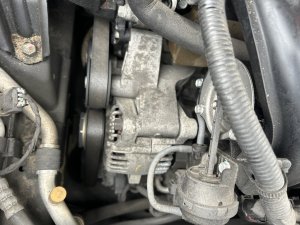
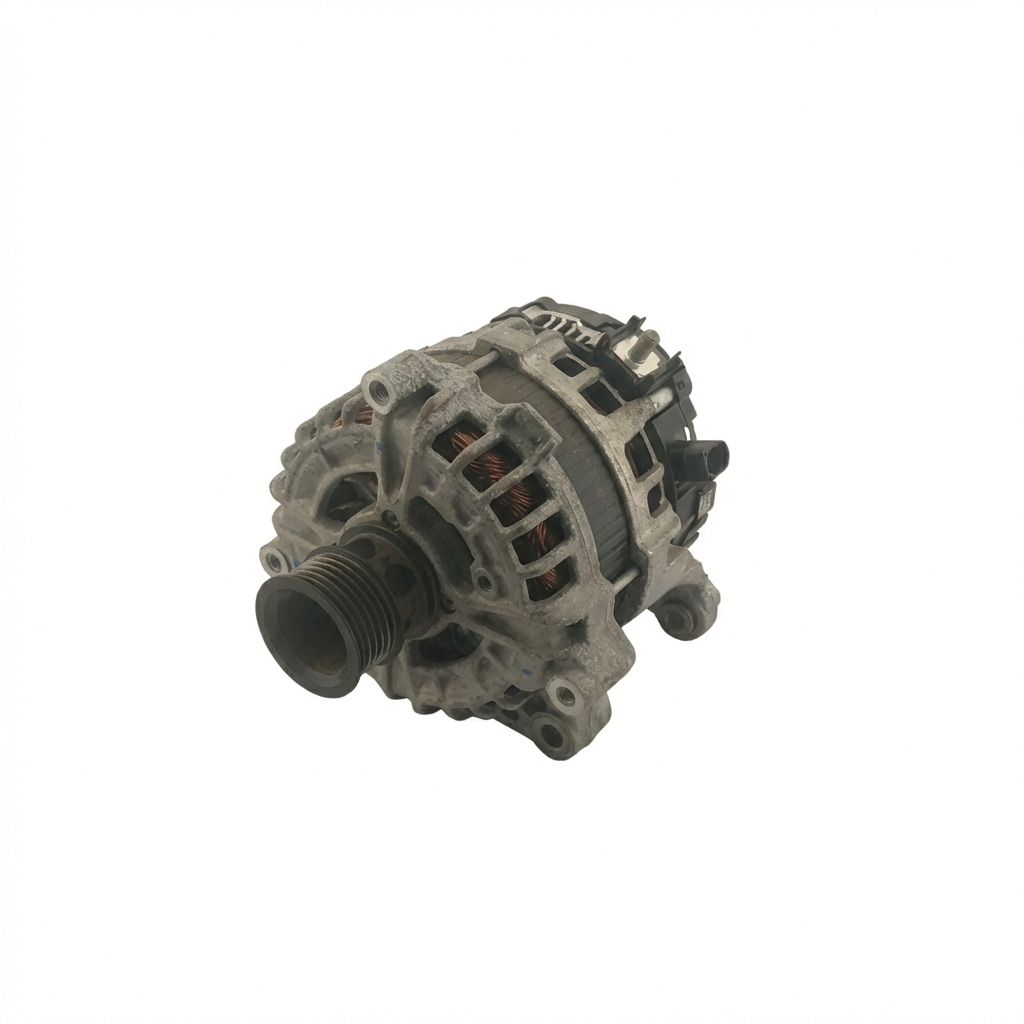
Used OEM Parts in Stock
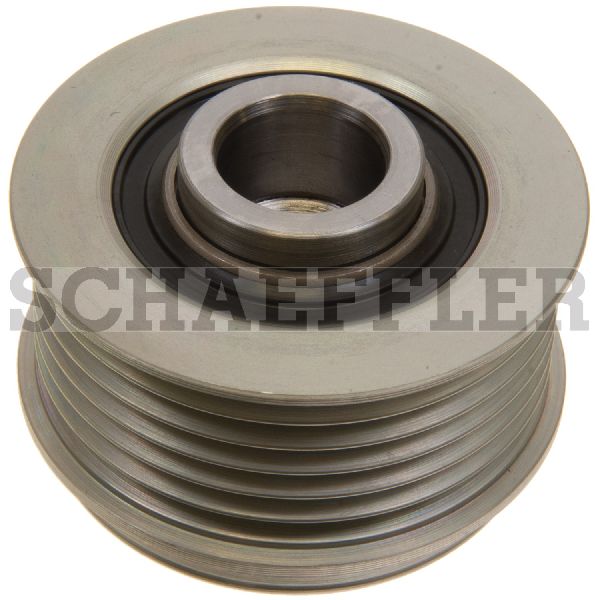
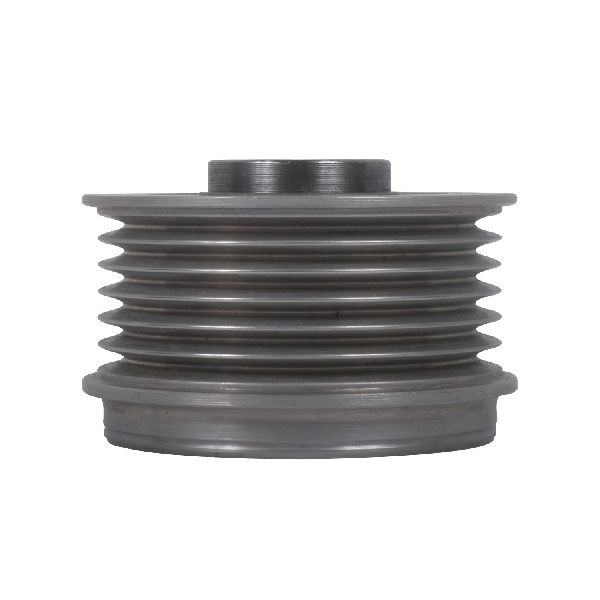
New Aftermarket Parts Available


The information in this article is provided for general reference and educational purposes only. Vehicle specifications, procedures, and part compatibility can vary by production date, trim level, and region. Always consult your vehicle's factory service manual and verify part numbers before purchasing or performing repairs. Safety-critical components such as airbags, seat belts, and braking systems should be installed by a qualified professional.
- Kia Optima:
- 🧭 Diagnostic Flowchart
- 🎬 Helpful Videos
- 🛍️ Shop This Part
- What's Unique About the 2011-2015 Kia Optima
- Symptoms You May Notice
- Most Likely Causes
- Rare But Worth Checking
- Diagnosis Steps
- Parts You'll Likely Need
- Related Codes That Often Appear With This One
- Technical Service Bulletins (TSBs) & Recalls
- Platform-Specific Known Issues
- Mechanic-Grade Diagnostic Values
- Scan Tool Commands That Help
- Wiring & Ground Locations
- Real Owner Repair Stories
- OEM Part Supersession History
- Other Known Issues on This Vehicle
- Used vs. New Parts: Buying Guide for This Vehicle
- Real Owner Stories
- Kia Cerato / Optima 2.0
- 2012 Optima
- Kia
- Related OBD-II Codes
- Frequently Asked Questions
- 🎟️ Get 5% Off