

P0700 on 2004-2011 Chevrolet Aveo: Transmission Control System Malfunction Guide
P0700 on a 2004-2011 Aveo is a general alert from the transmission computer (TCM). It means the TCM has stored a more specific fault code. The first step is always to scan the TCM for these secondary codes, which often point to issues like a faulty transmission range sensor or shift solenoid.
- P0700 is not the problem, it's a signal OF a problem. Do not replace any parts based on this code alone.
- You MUST use a scanner that can read transmission codes to find the real issue. Basic code readers are not sufficient.
- Common underlying causes on the Aveo include a bad transmission range sensor, faulty shift solenoids, or low/dirty fluid.
- Driving with this code can lead to unpredictable shifting and may cause further, more expensive damage to the transmission.
What's Unique About the 2004-2011 Chevrolet Aveo
The 2004-2011 Aveo uses an Aisin 81-40LE 4-speed automatic transmission, a unit also found in vehicles like the Pontiac G3 and Suzuki Swift+. While P0700 is a universal code, on this platform it frequently points to underlying issues with components like the transmission range sensor (neutral safety switch) or the TCM itself. Owners often report symptoms like harsh shifting, failure to shift into the final gear (overdrive), or getting stuck in gear, which are classic signs of the transmission entering a protective 'limp mode' due to the fault detected by the TCM.
Symptoms You May Notice
- Check Engine Light is on.
- Harsh or erratic shifting.
- Transmission getting stuck in one gear (limp mode), often 2nd or 3rd gear.
- Inability to shift into overdrive (4th gear), resulting in high RPMs at highway speeds.
- Delayed engagement when shifting into Drive or Reverse.
- Reduced fuel economy.
- In some cases, the engine may stall or have poor acceleration.
- Replacing the Transmission Control Module (TCM) without first diagnosing the specific codes it has stored. The P0700 code itself does not mean the TCM is bad.
- Clearing the code without further investigation. The code will almost certainly return until the underlying transmission fault is addressed.
Most Likely Causes
- Underlying Transmission-Specific DTCs 🔴 High Probability → Shop Transmission Assembly P0700 is designed to be a general alert, making it a guaranteed companion to another, more specific code that identifies the actual fault.
How to confirm: Use an advanced scan tool capable of reading codes from the Transmission Control Module (TCM). The specific code found (e.g., P0705, P0706) will guide further diagnosis.
Typical fix: Diagnose and repair the cause of the specific transmission code(s) found in the TCM.
Est. part cost: $0-$1000+ - Faulty Transmission Range Sensor (Neutral Safety Switch) 🟡 Medium Probability → Shop Transmission Assembly This sensor tells the TCM which gear is selected (P, R, N, D). It's a common failure point that can send incorrect data, triggering a fault. This often sets a P0705 or P0706 code alongside the P0700.
How to confirm: Scan the TCM for code P0705 or P0706. Test the sensor's circuit for correct voltage and continuity as the gear selector is moved.
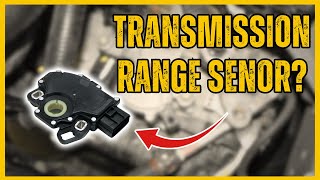
Typical fix: Replacement of the transmission range sensor. The OEM part number is 93741830. 🎬 See this easy DIY transmission range sensor replacement walkthrough.
Est. part cost: $40-$100 - Faulty Shift Solenoid(s) 🟡 Medium Probability → Shop Transmission Valve Body Solenoids control the flow of transmission fluid to engage different gears. They can fail electrically or become clogged with metallic debris over time, leading to shifting problems.
How to confirm: Scan the TCM for solenoid-specific codes (e.g., P0750-P0774). A mechanic can test the resistance of the solenoids and check for proper operation using a capable scan tool.
Typical fix: Replace the faulty shift solenoid. This is often done by removing the transmission oil pan. In some cases, an updated pan magnet (GM P/N 29535617) is recommended per TSB 08-07-30-040B to better capture metal shavings that can foul solenoids. Cross-manufacturer reports such as NHTSA ODI #11707313 indicate that severe hard shifting and loss of reverse may require a full valve body replacement if solenoids or internal components fail.
Est. part cost: $30-$80 per solenoid - Low or Dirty Transmission Fluid 🟡 Medium Probability → Shop Transmission Assembly
How to confirm: Check the transmission fluid level and condition using the dipstick. The fluid should be bright red and not smell burnt. Dark or metallic-flecked fluid indicates internal wear.
Typical fix: Perform a transmission fluid and filter change. If the fluid is very dirty or contains metal, a full transmission flush may be recommended, though this can sometimes cause issues in high-mileage transmissions.
Est. part cost: $50-$150 for fluid and filter - Faulty Transmission Control Module (TCM) ⚪ Low Probability → Shop Transmission Assembly While less common than sensor or solenoid failure, the TCM itself can fail, causing a variety of transmission issues and communication faults. A weak battery can sometimes cause communication errors that mimic a bad TCM.
How to confirm: This is typically a diagnosis of exclusion. If all sensors, solenoids, and wiring test good, and communication with the TCM is intermittent or impossible (often accompanied by U-codes like U0100 or U0073), the TCM is likely the culprit. Always check battery and ground connections first.
Typical fix: Replacement and reprogramming of the Transmission Control Module.
Est. part cost: $200-$600
Rare But Worth Checking
- Damaged Wiring or Connectors: Corrosion or damage to the wiring harness between the TCM and transmission sensors/solenoids can disrupt signals and trigger a P0700 code. Always perform a visual inspection of the harness, especially where it might rub against other components. Check main ground points under the car and on the passenger inner kick panel. NHTSA ODI #11607742 suggests that P0700 accompanied by lost communication with the Brake Control Module (U0121) or Body Control Module (U0140) may be due to a bad design in the wiring.
- Faulty Speed Sensors: A failing output shaft speed sensor or vehicle speed sensor can trigger P0700. NHTSA ODI #11645214 describes a case where a technician identified P0700 as a transmission control system malfunction related to these sensors.
Diagnosis Steps
- Connect an advanced OBD-II scanner capable of communicating with the Transmission Control Module (TCM).
- Read and record all DTCs from both the ECM (for P0700) and the TCM (for specific fault codes).
- Check the level and condition of the transmission fluid. The fluid should be at the correct level, bright red, and free of debris or a burnt smell.
- Visually inspect the transmission wiring harness and connectors for any signs of damage, corrosion, or loose connections. Pay special attention to main ground points.
- Follow the specific diagnostic procedure for the additional codes found in the TCM. For example, if P0705 is present, test the transmission range sensor and its circuit. 🎬 Watch: How to replace the range sensor without special tools.
- If communication codes (U-codes) are present, investigate the battery, main power, and ground connections to the TCM and ECM before condemning the module.
- If no other codes are present, or if communication with the TCM is not possible, test the power and ground circuits for the TCM itself.
- If fluid, wiring, and external sensors are good, the issue may be internal, such as a faulty shift solenoid or valve body.
Parts You'll Likely Need
- Transmission Range Sensor
(OEM #93741830)— This sensor is a frequent failure point and is often the root cause when P0700 is accompanied by P0705 or P0706.
Trusted brands: ACDelco, Standard Motor Products
OEM price range: $70-$120
Aftermarket price range: $40-$80 - Shift Solenoid — Shift solenoids control gear changes and can fail electrically or mechanically, leading to specific gear-related fault codes alongside P0700.
Trusted brands: ACDelco, Rostra
OEM price range: $60-$100
Aftermarket price range: $30-$80 - Transmission Control Module (TCM) — In cases where sensors and wiring are confirmed to be good, or if there are communication errors, the TCM itself may have failed.
Trusted brands: ACDelco, Cardone
OEM price range: $400-$600
Aftermarket price range: $200-$400
Related Codes That Often Appear With This One
- P0705 — This code indicates a malfunction in the Transmission Range Sensor circuit, a common cause of transmission faults on the Aveo.
- P0706 — Similar to P0705, this code points to a performance issue with the Transmission Range Sensor.
- P0722 — Output Speed Sensor Circuit No Signal. NHTSA ODI #10926749 notes that this code frequently appears alongside P0700, even after sensor replacement, sometimes accompanied by idle codes.
- U0100 — This code indicates a loss of communication with the ECM. It can appear with P0700 if there are significant electrical or module-level problems, such as a failing TCM or bad ground connection.
- U0073 — Stands for 'Control Module Communication Bus A Off'. This is another communication code that can point to a faulty TCM or a wiring/ground issue when seen with P0700.
Technical Service Bulletins (TSBs) & Recalls
- TSB 08-07-30-040B: This bulletin, while for a different GM transmission (4TXX series), discusses a relevant concept where an original pan magnet can become saturated with metal shavings. Upgrading to a new, more effective magnet (P/N 29535617) can prevent these shavings from contaminating solenoids, a principle that can be applied to the Aveo's 81-40LE during a service.
Documented NHTSA Reports
- NHTSA ODI #10926749: An owner reported that even with only 51,340 miles, a diagnostic check showed P0700 and P0722 (speed sensor). Despite replacing the sensor, the codes P0722, P0700, and P0597 remained.
- NHTSA ODI #11721239: A report describes a vehicle that required moving the selector from Park to Drive repeatedly to engage the gear. After driving up an incline, the car stopped moving forward and began reversing backwards, showing codes P0700 and P2714 among others.
Platform-Specific Known Issues
- Owner Experience: P0700 and P0706 fixed with Range Sensor: An owner of a 2009 Aveo5 on AveoForum.com reported a check engine light with codes P0700 and P0706. The car seemed to hesitate or stall when shifting from 2nd to 3rd gear under hard acceleration. The issue was identified as a faulty transaxle range switch (sensor).
- Owner Experience: P0700 with multiple codes, limp mode: A 2004 Aveo owner on AveoForum.com experienced a P0700 code along with multiple other emission and throttle position sensor codes. The car would not shift into overdrive, causing the engine to run at 4000 RPMs at highway speeds. The suggested cause was a faulty throttle p
Mechanic-Grade Diagnostic Values
- Shift Solenoid (1 & 2), Timing Solenoid, and Lock-Up Solenoid Resistance — expected: 11 - 16 Ohms at 68°F (20°C). Failure: A reading outside this range, or an infinite reading (open circuit), indicates a failed solenoid. Resistance can increase at higher temperatures.
- Pressure Control Solenoid (PCS) Resistance — expected: 5.0 - 5.6 Ohms. Failure: A reading significantly outside this range, such as 6.2 Ohms or higher, suggests a failing solenoid.
- Transmission Fluid Temperature (TFT) Sensor Resistance — expected: 5.8 - 7.09 kOhms at 50°F (10°C) OR 0.23 - 0.263 kOhms at 230°F (110°C). Failure: Resistance outside the specified range for a given temperature indicates a faulty sensor.
Scan Tool Commands That Help
- Advanced Scan Tool (e.g., Tech2, GDS2, or equivalent): Live Data > TCM > Transmission Range Sensor Position — When P0705 or P0706 is present. This allows you to watch the gear position data that the TCM is seeing in real-time. As you slowly move the gear selector through P, R, N, D, etc., the scanner display should match each position exactly. If the display freezes, shows the wrong gear, or jumps erratically, it confirms a fault in the range sensor or its circuit.
Wiring & Ground Locations
- TCM Location — Typically located under the dashboard on the driver's side, to the left of the steering column. In some configurations, it may be in the engine bay near the firewall or attached to the transmission.. The TCM is the computer that sets the P0700 code. Knowing its location is critical for checking its connectors, power, and ground circuits.
- G103 / G105 — Ground point located on a starter mounting bolt or on the engine block near the starter motor.. This is a primary engine and transmission component ground. A loose or corroded connection here can cause a host of issues, including communication faults and erratic sensor readings for the TCM.
- G104 — Ground point located on the battery harness, next to the starter motor.. This ground is essential for the starter circuit and provides a ground path for the TCM. A poor connection can cause intermittent no-start conditions and trigger range sensor faults.
- G203 — Ground point located inside the cabin, below the ashtray or at the upper left of the instrument panel cluster near the A-Pillar.. This is an instrument panel ground that serves various modules. A fault here can cause communication issues between the instrument cluster, ECM, and TCM.
- C105 Connector — A 3-pin gray connector that links the engine harness to the TCM harness, located next to the EBCM (ABS module) in the engine bay.. This is a key junction for signals traveling between the engine bay and the TCM. It's a potential point of failure due to corrosion or loose pins.
Real Owner Repair Stories
- AveoForum.com user 'johndeere' (2009 Chevrolet Aveo5 LT) — Check engine light on. When accelerating hard from a stop, the engine would feel like it was stalling as the transmission shifted from 2nd to 3rd gear. Codes pulled were P0700 and P0706 (Transaxle range switch performance).
❌ Tried (didn't work) Initial diagnosis was uncertain, considered changing transmission fluid/filter.
✅ What actually fixed it The confirmed cause was a faulty transaxle range switch (neutral safety sensor). The user was advised to either test the circuit voltages or replace the sensor, which is the common fix for the P0700/P0706 code combination. - NHTSA ODI #11707313 (Cross-Model Reference) — A Chevrolet owner reported the car went into limp mode with sudden hard shifting and no reverse. A service center inspection found codes P0700 and P0777, ultimately requiring a valve body replacement.
OEM Part Supersession History
93741830 (GM)→84540-80A020 (Aisin/Suzuki)— Cross-reference
Heads up: These part numbers are often listed as interchangeable for the Aisin 81-40LE transmission used in the Aveo and Suzuki vehicles. Always verify fitment with the vehicle's VIN, but they refer to the same Transmission Range Sensor.
Model Year Variations Within This Range
- 2004-2011: A technical service document for the Aisin 81-40LE transmission warns that electrical components (such as sensors and solenoids) for models equipped with the 1.2L engine differ from those used with the 1.4L, 1.5L, and 1.6L engines. While the US market primarily received the 1.6L, this is a critical distinction for other markets or engine-swapped vehicles.
- 2004-2006 (T200) vs 2007-2011 (T250): While the core transmission is the same, there are minor differences in wiring harness routing and ground point locations between the pre-facelift (T200) and post-facelift (T250) models. For example, ground G101 is 'under the ECM' on a 2007 model but 'behind the right headlamp' on a 2006. Always consult the specific wiring diagram for the exact model year you are working on.
Diagnostic Flowchart
Other Known Issues on This Vehicle
Issues unrelated to this code that are worth knowing about as an owner of this generation:
- Premature Timing Belt Failure 🔴 High — Very common. The 1.6L E-TECH II is an interference engine. The belt has a 60,000-mile replacement interval, but many fail before this, causing catastrophic engine damage (bent valves, damaged pistons). (Ref: No formal recall, but a known widespread issue. GM had early warnings about defective belts.)
- Thermostat and Cooling System Problems 🟠 Medium — Thermostat failure is common and can lead to overheating, which in turn can cause the plastic tensioner pulley for the timing belt to fail, leading to the above issue.
- Oil Leaks from Valve Cover/Seals 🟡 Low — Common on higher-mileage vehicles. Dried out rubber seals can cause oil to leak into spark plug wells, leading to misfires.
- Daytime Running Light (DRL) Module Failure 🟠 Medium — Widespread issue leading to loss of headlights or DRLs melting the module. (Ref: Recall 14V261000 was issued for 2004-2008 models to address this fire risk.)
- Delayed or Sluggish Acceleration 🟠 Medium — Many owners report a noticeable lag or hesitation when pressing the accelerator, often attributed to the drive-by-wire throttle system.
Used vs. New Parts: Buying Guide for This Vehicle
When a used part is the smart pick: For this vehicle, obtaining used parts like the Transmission Range Sensor, individual shift solenoids, or even a complete valve body from a junkyard is a very cost-effective strategy. A used TCM is also a viable option but carries more risk and may require professional reprogramming to work with your vehicle's immobilizer system.
Donor-vehicle mileage cap: roughly under 100000 miles for the part to have meaningful remaining life.
What to inspect on the donor part:
- Check the donor vehicle's history for accidents, especially front-end collisions that could damage the transmission.
- When buying a used solenoid or valve body, inspect the fluid passages and screens for excessive metallic debris or sludge.
- For any used electrical part (TCM, sensor), inspect the connector pins for corrosion, bending, or moisture damage.
- If possible, check the transmission fluid color on the donor car's dipstick. Bright red fluid is a good sign; dark brown or burnt-smelling fluid is a major red flag.
OEM-only on this vehicle (don't cheap out):
- Transmission Fluid: While not a 'part', using the exact specified fluid type (e.g., T-IV) is critical. Using a generic 'universal' fluid can cause shifting problems.
Aftermarket brands forum-validated for this vehicle:
- ACDelco (OEM supplier)
- Rostra (For solenoids)
- Standard Motor Products (For sensors)
Brands owners have reported issues with on this vehicle:
- No-name, unbranded electrical sensors and solenoids from online marketplaces are a gamble. They often have high failure rates and may not meet the correct resistance specifications, leading to repeat repairs.
Real Owner Stories
Aggregated from forums and TSBs cited above. Mileages and costs reflect what owners reported in those sources.
2009 Chevrolet Aveo5
Symptoms: Check engine light with codes P0700 and P0706; the car would hesitate or stall specifically when shifting from 2nd to 3rd gear under hard acceleration.
What fixed it: Replacement of the transaxle range switch (sensor).
Source hint: AveoForum.com - 'Transmission Issue?'
2004 Chevrolet Aveo
Symptoms: P0700 code along with multiple emission and throttle position sensor codes; car would not shift into overdrive, resulting in 4000 RPMs at highway speeds.
What fixed it: The suggested cause was a faulty throttle position sensor.
Source hint: AveoForum.com - 'Check Engine Light PO700 and others, car isn't shifting into Overdrive'
2006 Chevrolet Aveo
Symptoms: P0700 code appearing alongside communication-related codes U0073 and U0100.
What fixed it: Troubleshooting focused on communication-related U-codes, specifically checking the battery, main power, and ground connections to the TCM and ECM.
Source hint: AveoForum.com - '2006 aveo p0700, u0073, u0100 codes'
2011 Chevrolet Aveo
Symptoms: With 51,340 miles, a diagnostic check showed P0700 and P0722 (speed sensor). The owner reported that even after replacing the sensor, the codes P0722, P0700, and P0597 persisted.
What fixed it: Further investigation at a dealership was required after initial sensor replacement failed to clear the codes.
Source hint: NHTSA ODI #10926749
Related OBD-II Codes
Frequently Asked Questions
My 2009 Aveo5 is hesitating when shifting from 2nd to 3rd gear and showing P0700 and P0706. What is the likely fix?
Does TSB 08-07-30-040B apply to the transmission in my Chevrolet Aveo?
Why is my 2004 Aveo stuck at 4000 RPM on the highway with a P0700 code?
Can a weak battery cause transmission codes like P0700 on a 2006 Aveo?
What specific transmission fluid should I check if I have a P0700 code?
Helpful Videos
We Have This Part in Stock

The information in this article is provided for general reference and educational purposes only. Vehicle specifications, procedures, and part compatibility can vary by production date, trim level, and region. Always consult your vehicle's factory service manual and verify part numbers before purchasing or performing repairs. Safety-critical components such as airbags, seat belts, and braking systems should be installed by a qualified professional.
- Chevrolet Aveo:
- 🧭 Diagnostic Flowchart
- 🎬 Helpful Videos
- 🛍️ Shop This Part
- What's Unique About the 2004-2011 Chevrolet Aveo
- Symptoms You May Notice
- Most Likely Causes
- Rare But Worth Checking
- Diagnosis Steps
- Parts You'll Likely Need
- Related Codes That Often Appear With This One
- Technical Service Bulletins (TSBs) & Recalls
- Documented NHTSA Reports
- Platform-Specific Known Issues
- Mechanic-Grade Diagnostic Values
- Scan Tool Commands That Help
- Wiring & Ground Locations
- Real Owner Repair Stories
- OEM Part Supersession History
- Model Year Variations Within This Range
- Other Known Issues on This Vehicle
- Used vs. New Parts: Buying Guide for This Vehicle
- Real Owner Stories
- 2009 Chevrolet Aveo5
- 2004 Chevrolet Aveo
- 2006 Chevrolet Aveo
- 2011 Chevrolet Aveo
- Related OBD-II Codes
- Frequently Asked Questions
- 🎟️ Get 5% Off