

P0706 on 2009-2020 Dodge Journey: Transmission Range Sensor Causes and Fixes
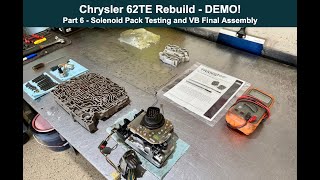
On a Dodge Journey, code P0706 usually means the Transmission Range Sensor (TRS) is failing. This sensor is part of the solenoid pack/valve body assembly located inside the 62TE transmission and requires significant labor to replace. Expect a shop to charge between $400 and $700 for this repair, with costs potentially higher if the entire solenoid pack is replaced.
- P0706 on a Dodge Journey points directly to a problem with the Transmission Range Sensor circuit, specifically a 'rationality' or 'performance' error.
- The most likely cause is a failed sensor, which is located inside the transmission as part of the solenoid pack on the common 62TE automatic.
- This is not a simple DIY job; replacing the sensor requires specialized knowledge and removal of the transmission valve body.
- Symptoms include a Check Engine Light, limp mode, incorrect gear display, and possible no-start conditions.
- Always ensure the correct type of transmission fluid (Mopar ATF+4) is used when refilling.
What's Unique About the 2009-2020 Dodge Journey
The Dodge Journey, particularly those with the common 6-speed 62TE automatic transmission, has a known point of failure with the Transmission Range Sensor (TRS). Unlike many other vehicles where this sensor is mounted externally, on the 62TE it is an integral part of the solenoid/pressure switch assembly, located inside the transmission and attached to the valve body. This internal placement makes replacement more labor-intensive, as the transmission pan and valve body must be removed to access it. The sensor is not always sold separately from the entire solenoid pack, which increases repair cost.
Symptoms You May Notice
- Check Engine Light is on
- Vehicle may be stuck in 'limp mode' (usually 2nd or 3rd gear)
- Harsh or delayed shifting
- Incorrect gear selection displayed on the dashboard (e.g., shows 'R' when in 'D')
- PRNDL indicator on the dash may flash or be blank
- Engine will not start
- Vehicle starts in a gear other than Park or Neutral
- Reverse lights may not illuminate
- On startup, reverse camera may activate even when not in reverse
- Replacing the entire valve body when only the range sensor/solenoid pack is needed.
- Replacing the PCM before verifying the sensor and wiring are good.
- Condemning the internal sensor before thoroughly inspecting the external wiring harness connector for corrosion or damage.
Most Likely Causes
- Faulty Transmission Range Sensor (TRS) / Solenoid Pack 🔴 High Probability → Shop Transmission Assembly The sensor is a common failure item on the 62TE transmission due to age and wear. Being internal, it is subjected to constant heat and fluid exposure. The TRS is integrated into the solenoid pack, which is a known weak point on these transmissions. Failures are common between 80,000 and 120,000 miles, often due to fluid contamination clogging small passages.
How to confirm: A technician will use a scan tool to monitor the sensor's data stream (PRNDL state) while shifting through the gears. If the readings are erratic, incorrect, or don't change, the sensor is likely bad. The diagnostic procedure involves checking for metal debris on the sensor's code plate. Resistance checks can be performed at the transmission connector.
Typical fix: Replace the Transmission Solenoid/TRS Assembly. This involves draining the fluid, dropping the transmission pan, and removing the valve body to access the part. The entire solenoid pack is often replaced as a unit.
Est. part cost: $150-$400 - Damaged Wiring or Corroded Connector 🟡 Medium Probability The main transmission electrical connector (a round, 23-pin connector) is exposed to the elements under the vehicle, making it susceptible to corrosion, moisture intrusion, or physical damage. Fluid can also leak from the connector seal.
How to confirm: Visually inspect the main electrical connector at the transmission for corrosion (green tinge), bent pins, or damaged wires. Perform a continuity and voltage test on the sensor circuit wires between the connector and the PCM. Check for fluid wicking up the harness.
Typical fix: Clean the connector terminals with an electrical contact cleaner and a soft brush, apply dielectric grease, and ensure the seal is intact. If the wiring is damaged, it will need to be repaired or replaced. A leaking connector seal should be replaced.
Est. part cost: $5-$50 - Low or Dirty Transmission Fluid ⚪ Low Probability → Shop Transmission Assembly Neglected maintenance can lead to fluid that is contaminated with clutch material and metal shavings, which can interfere with the operation of internal components, including the valve body and sensors. Using fluid other than the specified Mopar ATF+4 can also cause issues.
How to confirm: Check the level and condition of the transmission fluid using the dipstick (if equipped) or via the service procedure. If it is dark, burnt-smelling, or contains debris, it needs to be changed.
Typical fix: Perform a transmission fluid and filter change. This is often done as part of the TRS replacement since the pan must be removed anyway.
Est. part cost: $80-$150
Rare But Worth Checking
- Faulty Powertrain Control Module (PCM): This is very rare. The PCM should only be considered after all other possibilities, including the sensor, solenoid pack, and wiring, have been thoroughly tested and ruled out.
- Misadjusted or Damaged Shift Lever Cable: If the cable connecting the gear shifter to the transmission is stretched or damaged, it can cause a mismatch between the selected gear and what the sensor reports. This is less common than sensor failure but worth checking, especially if the shifter feels loose.
Diagnosis Steps
- Scan the vehicle for all stored trouble codes. Note if P0700 is present with P0706.
- Using a professional scan tool, view the live data for the Transmission Range Sensor (PRNDL state). Observe the reading as you move the shifter through all gears (P, R, N, D, L).
- If the data is erratic, missing, or doesn't match the gear position, the sensor/solenoid pack is the primary suspect.
- Turn the ignition off. Locate and inspect the main transmission wiring harness connector for any signs of corrosion, moisture, or damage. Clean and secure the connection.
- Check the transmission fluid level and condition. Low or dirty fluid can cause a variety of issues. Ensure Mopar ATF+4 is used.
- If the sensor data is stable but incorrect, check the adjustment of the shift cable at the transmission manual lever.
- If external wiring and fluid are good, the next step is internal inspection, which involves removing the transmission pan and valve body to access the solenoid/TRS assembly. Check for metal debris on the assembly.
- If the sensor and wiring test good, the issue may be with the PCM, but this is the least likely cause.
Parts You'll Likely Need
- Transmission Solenoid/Range Sensor Assembly
(OEM #68376696AA (Supersedes older numbers))— This is the most common cause. The range sensor is typically integrated into this assembly on the 62TE transmission. Replacing the entire block is the standard repair.
Trusted brands: Mopar
OEM price range: $350-$450
Aftermarket price range: $150-$250 - Transmission Range Sensor (if sold separately)
(OEM #68055955AA (also cross-references to 5078930AA))— In some cases, the sensor itself can be purchased separately from the solenoid block, though replacing the whole assembly is often recommended.
Trusted brands: Mopar, Dorman, Standard Motor Products
OEM price range: $100-$180
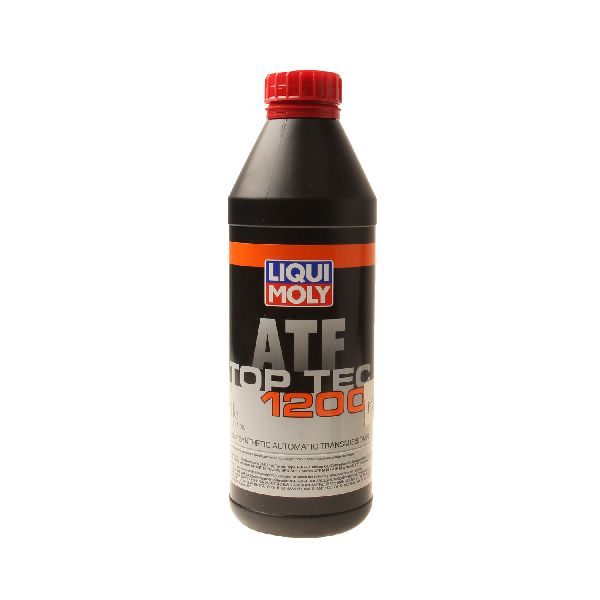
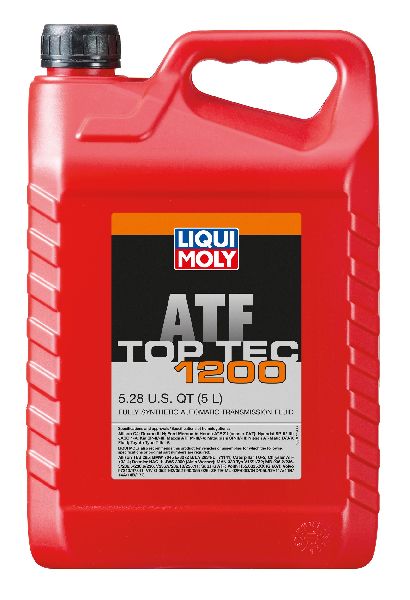
Aftermarket price range: $50-$100 - Automatic Transmission Fluid (ATF+4)
(OEM #68218057AB (Quart), 68218058AB (Gallon))— The fluid must be drained to access the sensor and should be replaced with the correct Mopar ATF+4 specification fluid. Approximately 5-6 quarts are needed for a pan drop.
Trusted brands: Mopar, Valvoline, Castrol
OEM price range: $15-$25 per quart
Aftermarket price range: $8-$15 per quart - Transmission Pan Gasket — The gasket should be replaced whenever the transmission pan is removed to prevent leaks. Some technicians prefer using a high-quality RTV sealant specified for transmission fluid.
Trusted brands: Mopar, Fel-Pro, Mahle
OEM price range: $25-$40
Aftermarket price range: $15-$30
Related Codes That Often Appear With This One
- P0700 — P0700 is a generic code indicating that the Transmission Control Module (TCM) has stored a fault. It often appears alongside more specific transmission codes like P0706.
- P0705 — This code is for a 'Transmission Range Sensor Circuit Malfunction,' which is a closely related electrical fault in the same circuit.
- P1790 — This code means 'Fault Immediately After Shift' and can be triggered by the irrational data from the failing range sensor when a gear change is attempted. A user on the Dodge Journey Forum reported this code alongside P0706.
Technical Service Bulletins (TSBs) & Recalls
- While no TSB is specifically for P0706 on the Journey, TSB 21-013-08 was issued for other Chrysler vehicles for issues related to the transmission solenoid connector and seal. This highlights a known vulnerability at the main electrical connection point that can lead to various electrical fault codes, including range sensor performance issues due to moisture or fluid intrusion.
Platform-Specific Known Issues
- A 2019 Dodge Journey SE owner on dodgejourneyforum.com reported that upon starting, the reverse camera would come on and the dash would show 'R' and a 'Vehicle not in park' message, even though the shifter was in Park. This was accompanied by codes P0706, P0731, and P1790. The f
Mechanic-Grade Diagnostic Values
- Resistance of individual shift solenoids (Low/Reverse, Underdrive, Overdrive, 2-4, Direct Clutch, Low Clutch) — expected: 1.6 to 1.8 Ohms (temperature dependent). Failure: An open circuit (infinite resistance) or a reading significantly different from the other similar solenoids.
- Resistance of Line Pressure Solenoid — expected: 4.9 Ohms. Failure: A reading significantly different from the specification.
- Resistance of Pressure Switch Resistors — expected: ~300 Ohms. Failure: A reading significantly different from the specification.
Scan Tool Commands That Help
- Autel, WiTech, or equivalent professional scan tool: Quick Learn Procedure — This function should be performed after replacing the solenoid pack or disconnecting the vehicle's battery. It allows the TCM to relearn the shift points and clutch volume indexes, which can resolve harsh shifting or engagement issues that may occur after the repair.
- WiTech or equivalent dealer-level tool: View EATX DTC Event Data — This allows a technician to see the specific vehicle conditions (engine speed, TRS pin states, etc.) that were present when the P0706 code was set. This can help differentiate between a true sensor fault and a code set by disconnecting the harness with the key on.
Wiring & Ground Locations
- Transmission Solenoid/TRS Assembly Connector (C105) — The main round electrical connector on the front of the 62TE transmission, accessible after removing the air filter box.. This is the primary point for testing the TRS and solenoid circuits without removing the transmission pan. All TRS signals pass through this connector.
- TRS T41 Signal Pin — Pin 5 on the transmission solenoid connector.. This is one of the four signal circuits the PCM uses to determine shifter position. An open or short on this circuit will cause a P0706 code.
- TRS T42 Signal Pin — Pin 8 on the transmission solenoid connector.. This is one of the four signal circuits the PCM uses to determine shifter position. An open or short on this circuit will cause a P0706 code.
- TRS T3 Signal Pin — Pin 9 on the transmission solenoid connector.. This is one of the four signal circuits the PCM uses to determine shifter position. An open or short on this circuit will cause a P0706 code.
- TRS T1 Signal Pin — Pin 13 on the transmission solenoid connector.. This is one of the four signal circuits the PCM uses to determine shifter position. An open or short on this circuit will cause a P0706 code.
- Transmission Control Relay Power — Pin 10 on the transmission solenoid connector.. This is the main power feed for the solenoid pack. All resistance checks for the solenoids are performed using this pin as the common reference point.
Real Owner Repair Stories
- Dodge Journey Forum (2019 Dodge Journey SE) — When started, reverse camera comes on, dash shows 'R' and 'Vehicle not in park' message, even when in Park. Engine sounds forced in first gear. Codes P0706, P0731, P1790 present.
✅ What actually fixed it The user did not post a final fix, but the symptoms are classic indicators of a failed Transmission Range Sensor (TRS) within the solenoid pack. - YouTube video comment (2017 Dodge Journey) — Vehicle in park, but dash says 'not in park'. Would not start, just a click. Check engine light with codes P0706 and P0688.
❌ Tried (didn't work) Initially suspected starter or transmission range sensor.
✅ What actually fixed it Swapped two fuses in the under-hood fuse box (ASD box), specifically positions 20 and 25. After swapping the fuses, the car started and the check engine light was gone. - NHTSA ODI #11376471 — In a similar Chrysler platform, an owner reported a P0706 TCM issue where the automatic transmission would go into limp mode and sometimes would not go into drive.
OEM Part Supersession History
68029389AA→68376696AA— Updated Mopar part for the 62TE solenoid pack assembly. The new part number is the current OEM replacement for all applications.
Heads up: The 68376696AA is the correct, updated version and is a direct replacement for earlier part numbers.
Diagnostic Flowchart
Other Known Issues on This Vehicle
Issues unrelated to this code that are worth knowing about as an owner of this generation:
- 3.6L Pentastar Rocker Arm / Lifter Failure 🔴 High — Common after 80,000-100,000 miles, but can occur earlier. Presents as a distinct 'ticking' noise from the top of the engine.
- Premature Brake Wear (Early Models) 🟠 Medium — Very common on 2009-2012 models, with rotors and pads often needing replacement under 20,000 miles due to undersized components for the vehicle's weight. A class-action lawsuit was filed over this issue. (Ref: Warranty was extended to 3yr/36k miles for some early models, but no full recall was issued.)
- 2.4L Engine Oil Consumption 🔴 High — Affects the 2.4L 'Tigershark' engine, where owners report consuming a quart of oil or more between changes, sometimes with no visible leaks. (Ref: Customer Satisfaction Notification S18 was issued for some 2015 models for an oil consumption issue that could lead to engine failure.)
- 3.6L Pentastar Oil Cooler/Filter Housing Leaks 🟠 Medium — The plastic housing, located in the engine valley, is prone to cracking with age and heat cycles, causing significant oil leaks.
- Uconnect Touchscreen Delamination/Malfunction 🟡 Low — The infotainment screen can delaminate, causing 'ghost touches' or unresponsiveness, particularly on the 8.4-inch screens.
- Brake Caliper Issues (2018-2019 Models) 🔴 High — A specific recall (U86) was issued for 2018-2019 models where an insufficient coating on rear brake caliper pistons could reduce braking performance. (Ref: Recall U86)
Used vs. New Parts: Buying Guide for This Vehicle
When a used part is the smart pick: Given the high failure rate of the 62TE solenoid pack and the significant labor involved in replacement, using a used part from a junkyard is generally NOT recommended. The risk of installing a part that is already near the end of its service life is very high.
Donor-vehicle mileage cap: roughly under 60000 miles for the part to have meaningful remaining life.
What to inspect on the donor part:
- Verify the donor vehicle's mileage; lower is always better.
- Inspect the transmission fluid from the donor vehicle if possible. If it is dark, burnt, or full of debris, avoid the part.
- Check the main electrical connector pins for any signs of corrosion, damage, or fluid intrusion.
OEM-only on this vehicle (don't cheap out):
- Transmission Solenoid/Range Sensor Assembly
Aftermarket brands forum-validated for this vehicle:
- Mopar (OEM)
Brands owners have reported issues with on this vehicle:
- Unbranded or generic 'white box' solenoid packs from online marketplaces are a significant gamble. While brands like Dorman and Standard Motor Products are generally reputable, for this specific high-failure, high-labor part, sticking with the OEM Mopar unit is the safest investment to avoid repeat repairs.
Real Owner Stories
Aggregated from forums and TSBs cited above. Mileages and costs reflect what owners reported in those sources.
2019 Dodge Journey SE
Symptoms: Upon starting, the reverse camera would come on and the dash would show 'R' and a 'Vehicle not in park' message, even though the shifter was in Park. Codes P0706, P0731, and P1790 were present.
What fixed it: Replacement of the internal Transmission Range Sensor/Solenoid Pack (requires valve body removal).
Source hint: Dodge Journey Forum: 'P0706 Transmission Range Sensor' (https://www.dodgejourneyforum.com/topic/10123-p0706-transmission-range-sensor/)
2009 Dodge Journey
Symptoms: The vehicle triggered a P0706 code due to an 'irrational' signal where the sensor reported the car was in Park while the actual vehicle speed was 25 mph.
What fixed it: Replacement of the Transmission Range Sensor.
Source hint: DodgeForum.com: 'Transmission issues!!!' (https://dodgeforum.com/forum/dodge-journey/391456-transmission-issues.html)
Chrysler Platform (Cross-Model Reference)
Symptoms: An owner reported a P0706 TCM issue where the automatic transmission would go into limp mode and sometimes would not go into drive.
What fixed it: Documented under NHTSA ODI #11376471.
Related OBD-II Codes
Frequently Asked Questions
Is the Transmission Range Sensor (TRS) on my Dodge Journey's 62TE transmission easy to replace?
My 2019 Journey shows 'R' on the dash while in Park and won't start. Is this a known issue?
Does TSB 21-013-08 apply to the P0706 code on my Dodge Journey?
What kind of transmission fluid should I use in my Dodge Journey to avoid sensor issues?
At what mileage does the Transmission Range Sensor typically fail on the Journey?
Can a dirty transmission connector cause the P0706 code?
Helpful Videos

We Have This Part in Stock


The information in this article is provided for general reference and educational purposes only. Vehicle specifications, procedures, and part compatibility can vary by production date, trim level, and region. Always consult your vehicle's factory service manual and verify part numbers before purchasing or performing repairs. Safety-critical components such as airbags, seat belts, and braking systems should be installed by a qualified professional.
- Dodge Journey:
- 🧭 Diagnostic Flowchart
- 🎬 Helpful Videos
- 🛍️ Shop This Part
- What's Unique About the 2009-2020 Dodge Journey
- Symptoms You May Notice
- Most Likely Causes
- Rare But Worth Checking
- Diagnosis Steps
- Parts You'll Likely Need
- Related Codes That Often Appear With This One
- Technical Service Bulletins (TSBs) & Recalls
- Platform-Specific Known Issues
- Mechanic-Grade Diagnostic Values
- Scan Tool Commands That Help
- Wiring & Ground Locations
- Real Owner Repair Stories
- OEM Part Supersession History
- Other Known Issues on This Vehicle
- Used vs. New Parts: Buying Guide for This Vehicle
- Real Owner Stories
- 2019 Dodge Journey SE
- 2009 Dodge Journey
- Chrysler Platform (Cross-Model Reference)
- Related OBD-II Codes
- Frequently Asked Questions
- 🎟️ Get 5% Off