

P0713 on 2012-2017 Hyundai Accent: Transmission Temperature Sensor Causes and Fixes
On a 2012-2017 Hyundai Accent, code P0713 is most often caused by a failed transmission fluid temperature sensor, which is part of the internal transmission wire harness. Replacing this harness is the most common fix, costing around $40-$200 for the part and requiring 2-3 hours of labor. This is a known issue addressed by Hyundai in a Technical Service Bulletin (TSB).
- P0713 on a 2012-2017 Accent almost always points to a failed transmission fluid temperature sensor.
- The sensor is part of the internal transmission wire harness and cannot be replaced separately.
- The fix involves dropping the transmission pan and replacing the entire harness, which is a moderately difficult DIY job.
- Driving with this code can cause poor performance and may lead to more serious transmission damage over time.
- Always use the correct Hyundai-specific (SP-IV) transmission fluid when refilling.
What's Unique About the 2012-2017 Hyundai Accent
For this generation of Hyundai Accent with the 6-speed automatic transmission (A6GF1 family), the transmission fluid temperature sensor is not sold as a separate component. Instead, it is integrated into the main internal wire harness located inside the transmission oil pan. This design, confirmed by Hyundai TSB 14-AT-010, means that a simple sensor failure requires the replacement of the entire harness assembly, a more involved job than replacing an externally mounted sensor.
Symptoms You May Notice
- Check Engine Light is on
- Transmission Warning Light may be illuminated
- Harsh, delayed, or erratic shifting.
- Transmission may get stuck in one gear (typically 3rd gear, also known as 'limp mode').
- Abrupt or hard engagement when shifting from Park to Reverse or Drive.
- Torque converter clutch may not engage, leading to higher RPMs at highway speeds.
- Reduced fuel economy.
- Replacing the entire transmission when only the internal harness is needed. Hyundai TSBs specifically warn against this.
- Replacing the valve body solenoids when they are not related to the temperature sensor circuit.
- Assuming the code always means the transmission is overheating, without checking the sensor's live data for an electrical fault first.
Most Likely Causes
- Failed Internal Transmission Wire Harness (with integrated Temperature Sensor) 🔴 High Probability → Shop Transmission Assembly The temperature sensor is integrated into the harness, which is a well-documented failure point for these transmissions. Hyundai issued TSBs 13-AT-012-1 and 14-AT-010 specifically addressing this issue across multiple models using this transmission family, instructing dealers to replace the harness instead of the whole transaxle.
How to confirm: With a scan tool, observe the live data for the transmission fluid temperature. If it reads a fixed, illogical value (like -40°F or a very high temperature like 300°F+) that doesn't change as the engine warms up, the sensor circuit is open or shorted. A multimeter can be used to check for an open circuit (infinite resistance) in the harness once it's accessed.
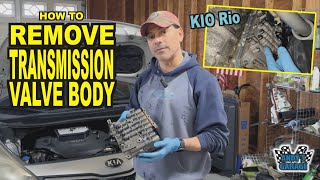
Typical fix: Drain the transmission fluid, remove the oil pan, and replace the entire internal wire harness. The valve body may need to be removed to access the harness. 🎬 Watch: Step-by-step guide on how to remove the transmission valve body. Refill with the correct type (SP-IV) and amount of transmission fluid.
Est. part cost: $40-$200 - Low or Degraded Transmission Fluid 🟡 Medium Probability → Shop Transmission Assembly While P0713 is often an electrical fault, genuinely low or burnt fluid can cause the transmission to overheat. The sensor will then accurately report a high temperature, triggering the code. This is less common than a sensor circuit fault but must be ruled out.
How to confirm: Check the transmission fluid level and condition. The fluid should be at the correct level, bright red, and not smell burnt. The level must be checked at a specific temperature (122°F-140°F) with the engine running, per the service procedure.
Typical fix: Top off the fluid if low. If the fluid is old or burnt, perform a transmission fluid and filter change. Address the cause of the fluid loss (e.g., a leak).
Est. part cost: $50-$150 - Damaged External Wiring or Connectors ⚪ Low Probability
How to confirm: Visually inspect the wiring harness leading to the main transmission connector. Look for any signs of corrosion, chafing, melted sections from exhaust contact, or damage from road debris.
Typical fix: Repair the damaged section of the wire or clean/replace the corroded connector.
Est. part cost: $10-$50
Rare But Worth Checking
- Faulty Transmission Control Module (TCM) or Powertrain Control Module (PCM): → Shop Engine Control Module (ECM) This is very uncommon and should be the last resort. Before suspecting the TCM/PCM, all other possibilities (sensor, harness, fluid, external wiring) must be thoroughly ruled out. A professional diagnosis is required, which may involve checking for software updates before module replacement.
Diagnosis Steps
- Connect an OBD-II scanner to confirm the P0713 code and document any other related codes.
- Use the scanner's live data function to monitor the Transmission Fluid Temperature (TFT). A reading that is stuck at a very low (-40°F) or very high number (300°F+), or doesn't change as the car warms up, strongly indicates a sensor circuit fault.
- Check the transmission fluid level and condition. This must be done when the fluid is between 122-140°F (50-60°C) with the engine running. If the fluid is low, dark, or smells burnt, address this first.
- Inspect the external wiring harness and the main connector at the transmission case for any visible damage, corrosion, or loose connections.
- If external checks are good, the fault is almost certainly the internal harness. Drain the transmission fluid and remove the transmission oil pan.
- Visually inspect the internal harness and sensor for any obvious damage.
- Using a multimeter set to Ohms (Ω), test the resistance of the temperature sensor. A service manual for this transmission family shows a resistance of ~8.1 kΩ at 68°F (20°C). An infinite resistance (OL) reading confirms a failed/open sensor within the harness.
- If the sensor and wiring test good (highly unlikely), the problem may lie with the TCM/PCM, which requires advanced diagnostics by a professional.
Parts You'll Likely Need
- Automatic Transmission Wire Harness
(OEM #46307-23010)— This harness contains the integrated transmission fluid temperature sensor, which is the most common cause of a P0713 code on this vehicle. This part number is cited in TSBs and cross-references. It may supersede older numbers like 46307-23000 and 46309-23000.
Trusted brands: Hyundai Genuine Parts, Kia Genuine Parts, Dorman, Mando
OEM price range: $100-$200
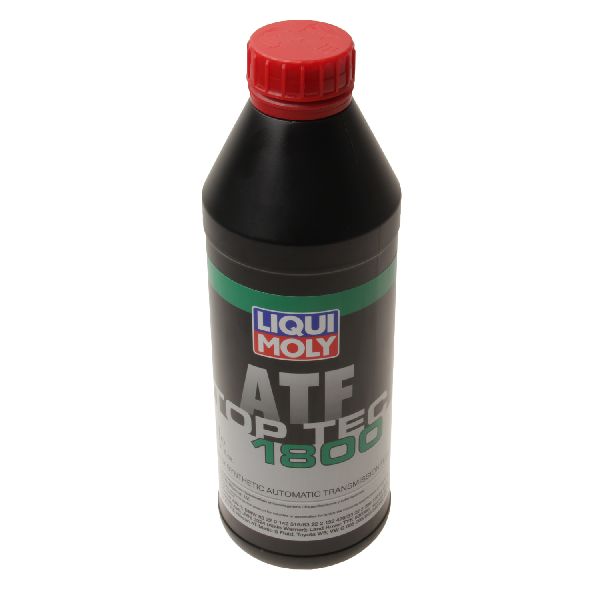
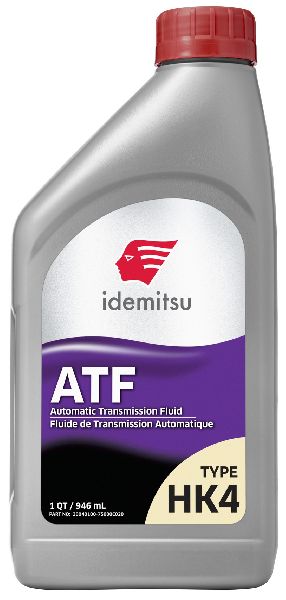
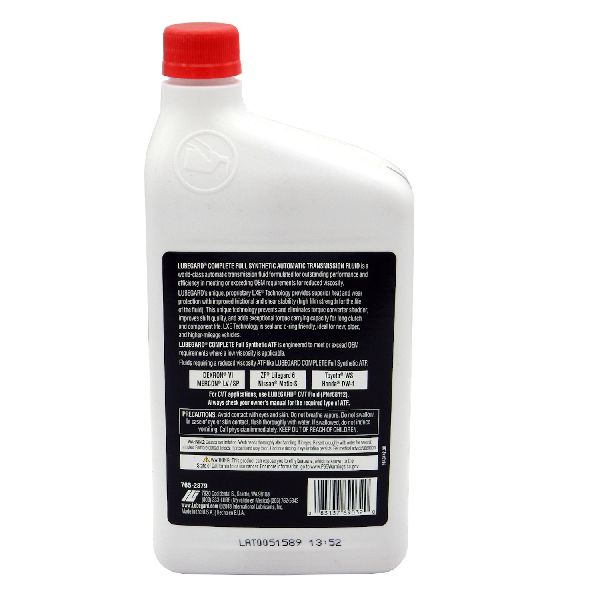
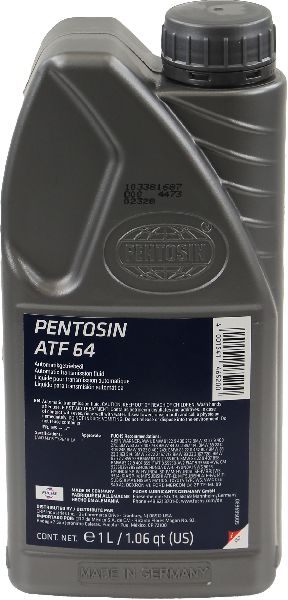
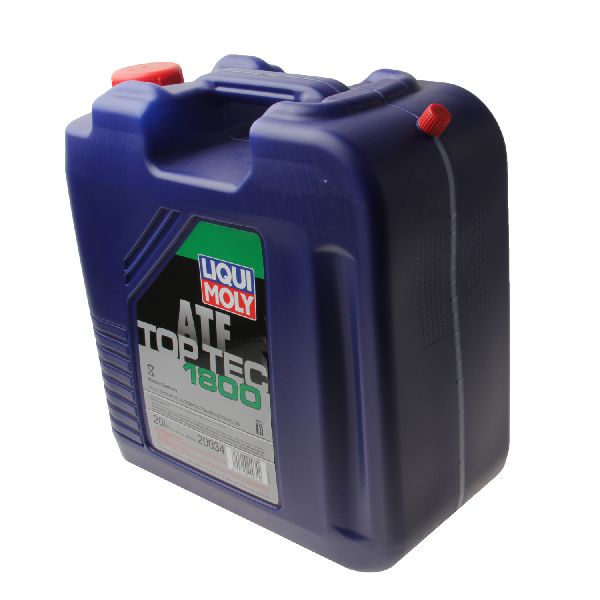
Aftermarket price range: $40-$90 - Automatic Transmission Fluid (Hyundai SP-IV / SPH-IV) — Fluid must be replaced after dropping the pan to replace the harness. You will need approximately 5-6 quarts for a pan drop and refill.
Trusted brands: Hyundai/Kia (OEM), Idemitsu TLS-LV, ENEOS Model H, Valvoline MaxLife Multi-Vehicle ATF
OEM price range: $15-$25 per quart
Aftermarket price range: $10-$18 per quart - Transmission Oil Pan Gasket or RTV Sealant — The oil pan must be re-sealed after the repair. The service procedure often calls for a specific RTV sealant like Permatex Ultra Gray or Hyundai's own brand.
Trusted brands: Permatex (Ultra Grey), Hyundai Genuine Gasket Sealer (00232-19039)
OEM price range: $20-$40
Aftermarket price range: $10-$25
Related Codes That Often Appear With This One
- P0711 — This code indicates a 'Rationality' or performance problem with the same temperature sensor, often set alongside circuit faults. It is included in the same TSB from Hyundai.
- P0712 — This is the opposite code, 'Circuit Low Input,' indicating a short to ground. It points to a problem in the same sensor circuit and is also covered by the same TSB.
- P0748 — This is a pressure control solenoid code. The TCM may set various solenoid or pressure codes when it enters limp mode due to the primary P0713 fault.
Technical Service Bulletins (TSBs) & Recalls
- 14-AT-010: Supersedes previous TSBs, adds 2015 models, and confirms the repair procedure for P0711, P0712, & P0713 is to replace the internal harness.
- 13-AT-012-1: Addresses DTCs P0711, P0712, & P0713 by recommending the replacement of the internal oil temperature sensor/harness instead of the entire transmission.
Platform-Specific Known Issues
- Hyundai issued Technical Service Bulletin (TSB) 14-AT-010 (which supersedes 13-AT-012-1 and others) for a range of models, including the 2012+ Accent (RB). It specifically addresses DTCs P0711, P0712, and P0713. The bulletin instructs technicians not to replace the entire transaxle but to instead replace the internal oil temperature sensor/wire harness assembly.
Mechanic-Grade Diagnostic Values
- Transmission Fluid Temperature Sensor Resistance — expected: Resistance changes with temperature. Common values are: 8.1 kΩ at 20°C (68°F), 3.8 kΩ at 40°C (104°F), and 1.98 kΩ at 60°C (140°F).. Failure: An infinite resistance (OL) reading indicates an open circuit. A reading that does not change as the fluid warms up indicates a faulty sensor.
- TFT Sensor Signal Voltage at TCM — expected: A variable voltage that corresponds to temperature, typically below 4.5V during operation.. Failure: A sustained voltage reading of greater than 4.547V for more than one second will trigger the P0713 code.
Scan Tool Commands That Help
- Hyundai GDS / Autel MaxiSys (or equivalent professional scanner): Resetting auto trans adapted values — This function should be performed after replacing the transmission wire harness or any major transmission component to clear old learned shift patterns and allow the TCM to adapt to the new component correctly.
Wiring & Ground Locations
- Internal Solenoid Valve Connector — Inside the transmission, connecting the main internal wire harness to the valve body assembly.. The oil temperature sensor signal is carried through this harness. According to a wiring diagram for the A6GF1, the sensor signal is on terminal 9 and the sensor ground is on terminal 13. Testing for continuity between these pins on the harness can confirm an internal break.
OEM Part Supersession History
46307-23000→46307-23010— Updated part revision for the internal transmission wire harness.46309-23000→46307-23010— Part number consolidation for the internal transmission wire harness.
Diagnostic Flowchart
Other Known Issues on This Vehicle
Issues unrelated to this code that are worth knowing about as an owner of this generation:
- Ignition Coil Wiring Harness Chafing 🟠 Medium — Common issue where the harness rubs against a bracket on the transmission, causing shorts, misfires, and blown fuses.
- Canister Purge Control Valve (PCSV) Failure 🟡 Low — A common failure causing a Check Engine Light (often code P0441) and sometimes difficulty starting after refueling.
- No Sound from Stereo 🟡 Low — Widespread reports of the factory radio amplifier failing, resulting in a complete loss of audio. The head unit appears to function but produces no sound.
- Premature Rear Shock Wear 🟠 Medium — Owners report rear shocks wearing out relatively early, leading to a bouncy ride and cupped tire wear.
- Broken Exterior Door Handles 🟡 Low — The small, fixed part of the exterior door handle assembly is prone to breaking, causing the main handle to become loose or fall off.
Used vs. New Parts: Buying Guide for This Vehicle
When a used part is the smart pick: For the P0713 code, a used part is NOT recommended for the primary fix (the internal wire harness). The failure is due to age and heat degradation, so a used harness from a salvage yard is likely to fail in the same way. A used part would only be a consideration if replacing the entire transmission for a separate mechanical failure.
Donor-vehicle mileage cap: roughly under 150000 miles for the part to have meaningful remaining life.
What to inspect on the donor part:
- For a complete used transmission: ask for maintenance records, specifically evidence of regular fluid changes.
- For a used harness (not recommended): check for any brittleness in the plastic connectors, discoloration of wires, or corrosion on pins. Avoid any harness that feels stiff or inflexible.
OEM-only on this vehicle (don't cheap out):
- Internal Transmission Wire Harness: Due to the high failure rate of this specific part and the significant labor to access it, using a genuine Hyundai/Kia part (46307-23010) is strongly advised to ensure longevity and prevent a repeat repair.
Aftermarket brands forum-validated for this vehicle:
- ATF Fluid: Valvoline MaxLife Multi-Vehicle, Idemitsu TLS-LV, ENEOS Model H are widely reported as compatible SP-IV equivalents.
Brands owners have reported issues with on this vehicle:
- Unbranded wire harnesses from online marketplaces (e.g., eBay, AliExpress) carry a high risk of poor quality control, incorrect pinouts, or premature failure.
Real Owner Stories
Aggregated from forums and TSBs cited above. Mileages and costs reflect what owners reported in those sources.
2012 Hyundai i30
Symptoms: The P0713 code was intermittent. When the check engine light was on, shifting became laggy, but it would return to normal when the light went off.
What fixed it: The owner described the intermittent nature of the fault but did not state the final repair in the cited post.
Source hint: Reddit - r/Hyundai - Intermittent P0713 trans temp sensor code on 2012 i30
Hyundai Elantra
Symptoms: The car was experiencing hard shifting and the scan tool's live data showed the transmission temperature was stuck at -34 degrees.
What fixed it: The mechanic dropped the transmission side pan and replaced the internal temperature sensor/harness assembly, which resolved the issue.
Source hint: YouTube - P0713 P0711 hyundai elantra transmission temperature sensor ( hard shifting)
Hyundai i10
Symptoms: The P0713 code appeared, and it seemed to happen more frequently in hot weather.
What fixed it: The forum thread discussed basic troubleshooting steps like checking the transmission fluid level and condition, but a final confirmed fix was not stated.
Source hint: Honest John Forums - AUTOMATIC - fault code P0713
Hyundai Sonata
Symptoms: An owner reported that while changing gears, the engine would shake badly. A diagnostic check revealed code P0713 for a bad transmission temperature sensor.
What fixed it: NHTSA ODI #11329064 describes the diagnosis of a bad transmission temperature sensor following these severe shaking symptoms.
Source hint: NHTSA ODI #11329064
Related OBD-II Codes
Frequently Asked Questions
Is there an official Hyundai TSB for the P0713 code on my 2012-2017 Accent?
My mechanic wants to replace the entire transmission for a P0713 code. Is that necessary?
How can I check if the transmission temperature sensor has failed without taking anything apart?
What is the most likely cause of P0713 on this specific Hyundai Accent?
My Accent is shifting very hard and is stuck in 3rd gear. Is this related to P0713?
What kind of transmission fluid does my 2012-2017 Accent need for this repair?
I have a 2014 Kia Rio with the same P0713 code. Does this information apply?
Helpful Videos
We Have This Part in Stock

The information in this article is provided for general reference and educational purposes only. Vehicle specifications, procedures, and part compatibility can vary by production date, trim level, and region. Always consult your vehicle's factory service manual and verify part numbers before purchasing or performing repairs. Safety-critical components such as airbags, seat belts, and braking systems should be installed by a qualified professional.
- Hyundai Accent:
- 🧭 Diagnostic Flowchart
- 🎬 Helpful Videos
- 🛍️ Shop This Part
- What's Unique About the 2012-2017 Hyundai Accent
- Symptoms You May Notice
- Most Likely Causes
- Rare But Worth Checking
- Diagnosis Steps
- Parts You'll Likely Need
- Related Codes That Often Appear With This One
- Technical Service Bulletins (TSBs) & Recalls
- Platform-Specific Known Issues
- Mechanic-Grade Diagnostic Values
- Scan Tool Commands That Help
- Wiring & Ground Locations
- OEM Part Supersession History
- Other Known Issues on This Vehicle
- Used vs. New Parts: Buying Guide for This Vehicle
- Real Owner Stories
- 2012 Hyundai i30
- Hyundai Elantra
- Hyundai i10
- Hyundai Sonata
- Related OBD-II Codes
- Frequently Asked Questions
- 🎟️ Get 5% Off