

P0715 on 2011-2016 Hyundai Elantra: Input Speed Sensor Circuit Causes and Fixes
P0715 on a 2011-2016 Elantra indicates a problem with the transmission's input speed sensor. This usually causes harsh shifting or getting stuck in gear. The fix is most often replacing the sensor, but be aware: the sensor is part of an internal transmission wire harness that also includes the output speed and temperature sensors. This makes the repair more complex and costly than a simple external sensor swap, as it requires removing the transmission pan and valve body.
- P0715 on a 2011-2016 Elantra means the transmission input speed sensor circuit is failing, which will cause poor shifting.
- The most common fix is replacing a failed sensor, but on this car, the sensor is likely part of an internal wire harness inside the transmission.
- This is not a simple external sensor swap. The repair requires draining the transmission fluid and removing the oil pan, making it a job best left to a professional.
- Always verify with a VIN whether your specific vehicle has the internal harness or a separate external sensor before buying parts.
- Using the correct Hyundai SP-IV transmission fluid during the repair is mandatory for the health of the transmission.
What's Unique About the 2011-2016 Hyundai Elantra
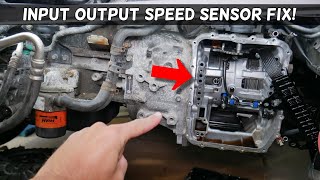
The 2011-2016 Elantra (fifth generation, MD/UD) uses a 6-speed automatic transmission (A6GF1). For this specific transmission, the input speed sensor, output speed sensor, and transmission fluid temperature sensor are all integrated into a single internal wire harness located inside the transmission oil pan. This is a critical distinction from older models that may have used simple, externally mounted sensors. 🎬 Watch: Locating the transmission speed sensors A failure of this internal harness requires draining the transmission fluid, removing the pan, and often the valve body to gain access, making the repair significantly more involved and costly. Hyundai issued TSBs acknowledging issues with this harness design, such as TSB 16-AT-003 and its successor 20-AT-011H, which guide technicians to replace the harness rather than the entire transmission.
Symptoms You May Notice
- Check Engine Light is on
- Harsh, erratic, or delayed gear shifts
- Transmission gets stuck in a single gear (usually 3rd gear fail-safe)
- Sudden "thud" or slam when shifting between gears, especially from Park to Drive or when coming to a stop.
- Sudden loss of power or inability to accelerate properly
- Decreased fuel economy
- Transmission temperature warning light may be illuminated (if the temp sensor on the same harness also fails)
- Replacing only an external speed sensor. Many parts stores may sell individual external sensors, but for the A6GF1 transmission in this Elantra, the input/output sensors are part of the internal harness. Replacing the wrong part will not fix the issue.
- Condemning the entire transmission. This code points to a specific circuit failure. The sensor harness and wiring should always be diagnosed before assuming a major mechanical failure requires a full transmission replacement. Hyundai issued TSB 16-AT-003 specifically to guide technicians away from this misdiagnosis.
- Ignoring the transmission fluid temperature sensor data. Since the temp sensor is on the same harness, its live data can be a key clue. A stuck temperature reading alongside a P0715 strongly indicates the entire harness is faulty.
Most Likely Causes
- Failed Internal Transmission Wire Harness 🔴 High Probability → Shop Transmission Assembly On the A6GF1 transmission, the input, output, and temperature sensors are integrated into a single internal wire harness assembly (OEM Part 46307-2F000 🎬 Watch: How to replace the internal temperature sensor harness). This harness is constantly submerged in hot transmission fluid, causing the plastic and electronic components to become brittle and fail over time. This is a well-documented failure point across many Hyundai and Kia models using this transmission.
How to confirm: A technician will use a scan tool to monitor live data from the input speed sensor and transmission fluid temperature sensor. If the input speed reading is zero, erratic, or doesn't change with engine speed, the circuit is faulty. If the transmission temperature is stuck at a nonsensical value (like -40°F), it further confirms a harness failure. The internal resistance of the input speed sensor can be tested and should be approximately 3.8 MΩ (Megaohms). 🎬 See: Testing the input and output speed sensors
Typical fix: Replace the internal transmission wire harness. This requires draining the fluid, removing the oil pan, removing the valve body, replacing the harness, and then reinstalling everything and refilling with the correct fluid.
Est. part cost: $150-$250 for OEM, $65-$120 for aftermarket - Damaged External Wiring or Connector 🟡 Medium Probability The external wiring harness leading to the transmission can be damaged by road debris, heat from the engine/exhaust, or corrosion. Some owners report intermittent issues, especially after rain, which points to moisture intrusion in a connector.
How to confirm: Visually inspect the main wiring harness that connects to the transmission case. Check for frayed wires, loose pins, or corrosion in the connector. A multimeter can be used to check for continuity and proper voltage (typically a 5V reference) between the TCM and the transmission connector pins.
Typical fix: Repair the damaged section of the wire or replace the faulty connector. In some cases, the entire engine wiring harness may need replacement if the damage is extensive.
Est. part cost: $10-$50 for connector repair, $500+ for a new harness
Rare But Worth Checking
- Faulty Transmission Control Module (TCM): → Shop Transmission Assembly This is uncommon. The TCM is the computer that controls the transmission. It should only be considered after the sensor harness and all associated wiring have been thoroughly tested and ruled out.
- Low or Contaminated Transmission Fluid: → Shop Transmission Assembly While less likely to cause a specific sensor circuit code, extremely low or dirty fluid can cause erratic transmission behavior, overheating, and potentially trigger various codes. It's a basic check that should always be performed first.
Diagnosis Steps
- Connect an OBD-II scanner to check for P0715 and any other related codes (e.g., P0717, P0722, P0711).
- Use the scanner's live data function to monitor 'Input Speed Sensor RPM' and 'Transmission Fluid Temperature'.
- On a cold engine, compare the Transmission Fluid Temperature to the Engine Coolant and Ambient Air temperatures. They should be within a few degrees of each other. A wildly different reading (e.g., -40°F) points to a faulty harness.
- While the vehicle is in Park or Neutral, observe if the Input Speed Sensor reading changes as you gently raise the engine RPM. It should correspond to engine speed. If the reading is zero, erratic, or does not change, the circuit has a fault.
- Inspect the main wiring harness connector at the transmission case for damage, corrosion, or loose pins.
- If external wiring appears intact, the next step is to test the internal components. This requires draining the transmission fluid and removing the transmission oil pan.
- Visually inspect the internal wire harness (which contains the input/output/temp sensors) for any signs of damage, brittleness, or broken wires.
- If the harness appears faulty, replace it. This will require removing the valve body for access.
- After repair, refill the transmission with Hyundai SP-IV specification fluid, clear the codes, and perform a transmission adaptive values reset using a capable scan tool. Then, perform a test drive to allow the system to relearn.
Parts You'll Likely Need
- Transmission Wire Harness (Internal)
(OEM #46307-2F000)— For the A6GF1 6-speed automatic transmission, the input, output, and temperature sensors are integrated into this single internal harness, which is the primary point of failure for codes P0715 and P0711.
Trusted brands: Hyundai/Kia (Genuine OEM), Dorman, GPD
OEM price range: $150-$250
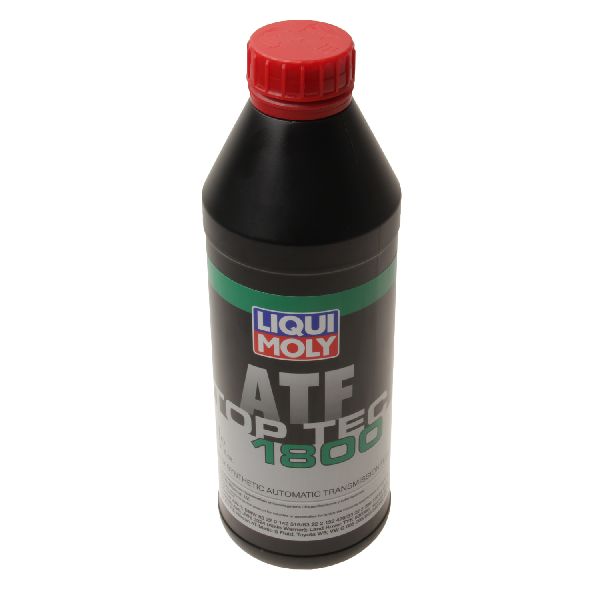
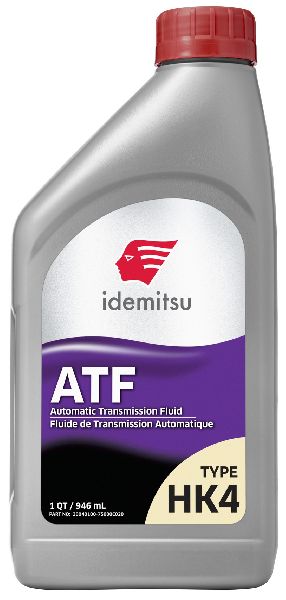
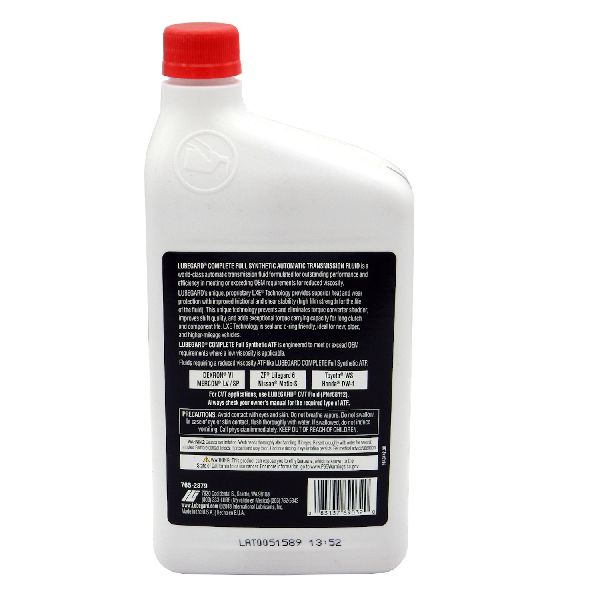
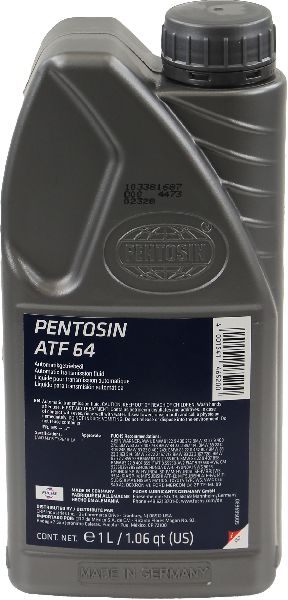
Aftermarket price range: $65-$150 - Hyundai SP-IV Automatic Transmission Fluid — The transmission fluid must be drained to replace the internal harness. It is critical to refill with the correct specification fluid (SP-IV) to ensure proper transmission function and longevity. You will typically need 5-6 quarts for a pan drop.
Trusted brands: Hyundai/Kia (Genuine OEM), Idemitsu TLS-LV, ENEOS ECO ATF
OEM price range: $15-$25 per quart
Aftermarket price range: $10-$18 per quart - Transmission Oil Pan Gasket
(OEM #45285-2F000)— A new gasket is required to properly seal the transmission oil pan after removing it to access the internal harness.
Trusted brands: Hyundai/Kia (Genuine OEM), Fel-Pro, Mahle
OEM price range: $20-$40
Aftermarket price range: $10-$25
Related Codes That Often Appear With This One
- P0717 — This code means 'Input/Turbine Speed Sensor A Circuit No Signal,' which is a more specific version of P0715, often appearing when the sensor has completely failed or the circuit is open.
- P0722 — This code indicates 'Output Speed Sensor Circuit No Signal.' Since the input and output sensors are part of the same internal harness on this vehicle, a failure in the harness can trigger both codes simultaneously.
- P0711 — This code for 'Transmission Fluid Temperature Sensor Circuit Range/Performance' is very common with P0715 because the temperature sensor is also part of the same internal harness that fails.
- P0700 — This is a generic code indicating that the Transmission Control Module (TCM) has stored a fault code. It's an informational code that will always appear alongside a more specific transmission code like P0715.
Technical Service Bulletins (TSBs) & Recalls
- TSB 20-AT-011H (supersedes 16-AT-003): Addresses DTCs P0717, P0721, and P0722 for the 2011-2016 Elantra (MD/UD), instructing technicians to replace the internal harness rather than the entire transaxle.
- TSB 20-AT-014H (supersedes 14-AT-010): Pertains to temperature sensor codes P0711, P0712, and P0713. It notes that the oil temperature sensor was integrated into the internal harness and is not available as a separate part for these models.
- TSB 18-AT-004: Provides diagnostic procedures for harsh and/or delayed shifts on vehicles with the 6-speed automatic, including the 2011-2016 Elantra.
- TSB 09-AT-016: A general diagnostic guide for input and output speed sensor codes (P0715-P0722) on various Hyundai models, including older Elantras. It advises checking wiring and sensor data.
Platform-Specific Known Issues
- Integrated Temperature Sensor Failure: A very common scenario for this vehicle is for the P0715 code to appear alongside a P0711 (Transmission Fluid Temperature Sensor). This is because both sensors are part of the same internal harness (46307-2F000) that fails. Technicians often diagnose the harness as bad when they see a temperature reading stuck at -40°F on the scan tool.
- Valve Body Removal is Required: → Shop Transmission Valve Body Unlike some transmissions where the harness can be swapped after just dropping the pan, on the A6GF1, the valve body must be removed to disconnect and replace the harness assembly. This adds complexity and labor time to the repair.
Mechanic-Grade Diagnostic Values
- Input Speed Sensor (ISS) internal resistance — expected: 3.8 MΩ (Megaohms). Failure: A reading significantly different from the specification, or an open/short circuit.
- Output Speed Sensor (OSS) internal resistance — expected: 5.8 MΩ (Megaohms). Failure: A reading significantly different from the specification. Useful for confirming overall harness health as it's the same component.
- Sensor reference voltage at external transmission harness connector — expected: 5.0V ± 0.5V (Key On, Engine Off). Failure: No voltage or low voltage points to a problem with the TCM/PCM or the external wiring, not the internal harness.
- Sensor ground circuit resistance to chassis ground — expected: < 0.1 Ω. Failure: High resistance indicates a poor ground connection, which can cause erratic signals.
Scan Tool Commands That Help
- Hyundai GDS (Global Diagnostic System): Resetting Auto T/A values — This function must be performed after replacing the transmission, valve body, or internal wire harness to clear the old adaptive learning values. Failure to do so can result in continued poor shift quality even after the repair.
- Hyundai GDS (Global Diagnostic System): AT Adaptation Mode — After resetting the adaptive values, a specific relearn drive cycle must be performed. The GDS tool may have a guided function for this, or the technician must follow the procedure of accelerating gently through all gears and decelerating to a stop multiple times.
Wiring & Ground Locations
- Transmission Negative Ground Cable — A dedicated ground cable running from the transmission case/gearbox directly to the chassis or negative battery terminal.. A loose or corroded main transmission ground can cause a floating ground, leading to erratic and unreliable signals from all transmission sensors, including the input speed sensor. This should be checked for integrity before condemning internal components.
- TCU Fuse (TCU 1) — Located in the engine compartment fuse box, typically a 15A fuse.. This fuse supplies power to the Transaxle Range Switch and, on some configurations, is involved in the power supply for the transmission control circuits. While a blown fuse would likely cause more severe issues, it's a primary check for any transmission-related electrical fault.
- GNG03 Ground — Located on the top rear of the engine.. This is a primary engine ground point. While not exclusive to the transmission, poor contact here can introduce electrical noise into the system, potentially affecting sensor readings.
Real Owner Repair Stories
- YouTube user 'A-1 CHANNEL' (Hyundai Elantra (exact year between 2011-2014)) — Check Engine Light with code P0711 (Transmission Fluid Temperature Sensor). This code is frequently seen with P0715 as they are on the same harness.
❌ Tried (didn't work) The user went straight for the diagnosis pointing to the internal harness.
✅ What actually fixed it The user drained the transmission fluid, dropped the pan, and replaced the internal wire harness which includes the temperature sensor. The video shows the old harness being removed and the new one (OEM part) being installed, which resolved the code.
OEM Part Supersession History
46307-3B610, 46307-3B620→46307-3B650, which may have been further superseded by 46307-2F000 for this application.— Revisions to improve durability and address failures of the integrated sensors.
Heads up: While multiple part numbers exist for the A6 family of transmissions, 46307-2F000 is the most commonly cited part for the 2011-2016 Elantra's A6GF1. Always verify the part number with a VIN at a dealership to ensure compatibility, as harnesses for A6MF1/A6LF1 may differ.
Model Year Variations Within This Range
- 2013-2016: According to some technical articles, models from 2013 onwards have the transmission fluid temperature sensor integrated into the internal wiring harness by default. Earlier models (2011-2012) might have had a stand-alone sensor, but the recommended service procedure and replacement part is the updated, integrated harness.
Diagnostic Flowchart
Other Known Issues on This Vehicle
Issues unrelated to this code that are worth knowing about as an owner of this generation:
- Engine Ticking / Piston Slap (1.8L Nu Engine) 🔴 High — Widespread issue, can occur under 100,000 miles. A class-action lawsuit was filed regarding this problem. The noise is often described as a tick or knock, especially when cold. (Ref: Hyundai extended the powertrain warranty for this issue for certain vehicles but did not issue a formal recall for the Elantra.)
- Failing Steering Coupler (MDPS) 🟠 Medium — Extremely common. Owners report a clicking or clunking noise in the steering column when turning the wheel. The flexible rubber coupler disintegrates over time. (Ref: Hyundai extended the warranty for this part (Campaign TXX), but many vehicles are now outside the coverage period. The part itself is inexpensive, but labor can be several hundred dollars.)
- Prematurely Failing Alternators 🟠 Medium — Some owners report needing to replace the alternator multiple times, sometimes annually. The alternator warning light will illuminate on the dash.
- Peeling / Chipping Paint 🟡 Low — A class-action lawsuit was filed alleging that the paint on 2006-2016 Hyundai models, including the Elantra, is prone to chipping and peeling prematurely.
Used vs. New Parts: Buying Guide for This Vehicle
When a used part is the smart pick: For this specific repair, obtaining a used part is strongly discouraged. The failure mode of the internal wire harness is due to age and heat cycles, meaning a used part from a junkyard vehicle has likely experienced similar wear and is prone to premature failure.
What to inspect on the donor part:
- Not applicable as used parts are not recommended.
OEM-only on this vehicle (don't cheap out):
- Internal Transmission Wire Harness (46307-2F000): While aftermarket options exist, the OEM part is the safest bet for longevity and compatibility. Given the high labor cost to access this part, using a potentially lower-quality aftermarket part carries a significant risk of repeat failure.
- Transmission Fluid (SP-IV): Using non-specified fluid can cause shifting problems and long-term damage. OEM fluid or a fully certified equivalent (e.g., Idemitsu TLS-LV) is critical.
Aftermarket brands forum-validated for this vehicle:
- Dorman: Dorman produces a replacement for this harness and is a generally recognized brand, though OEM is still preferred by many technicians for critical internal components.
Brands owners have reported issues with on this vehicle:
- No-name or unbranded harnesses from online marketplaces should be avoided due to the high labor cost of the repair. The risk of a defective part out of the box or early failure is too high.
Real Owner Stories
Aggregated from forums and TSBs cited above. Mileages and costs reflect what owners reported in those sources.
2013 Hyundai Elantra
Symptoms: Engine code P0711 appeared; learned that the updated sensor is integrated into the main harness.
What fixed it: Replacement of the internal transmission harness, which required valve body removal.
Source hint: Reddit r/Hyundai: A user with a 2013 Elantra and code P0711 was informed by another user about the TSB and the fact that the updated sensor is integrated into the main harness, requiring valve body removal for replacement.
2011-2016 Hyundai Elantra
Symptoms: Vehicle was stuck in third gear with code P0715.
What fixed it: Replacing the input speed sensor (internal harness assembly).
Source hint: 2CarPros.com: A user confirms that replacing the input speed sensor fixed their issue of being stuck in third gear with code P0715.
Related OBD-II Codes
Frequently Asked Questions
Which TSB addresses the P0715 input speed sensor issue on my 2011-2016 Hyundai Elantra?
My Elantra has both P0715 and P0711; do I need to buy two different sensors?
Can I replace the P0715 sensor by just removing the transmission oil pan?
Why does my Elantra slam into gear or get stuck in 3rd gear when P0715 is present?
Is there a specific transmission fluid I must use after fixing the P0715 code?
How can a technician confirm the internal harness is the problem without taking the transmission apart?
Helpful Videos
We Have This Part in Stock


The information in this article is provided for general reference and educational purposes only. Vehicle specifications, procedures, and part compatibility can vary by production date, trim level, and region. Always consult your vehicle's factory service manual and verify part numbers before purchasing or performing repairs. Safety-critical components such as airbags, seat belts, and braking systems should be installed by a qualified professional.
- Hyundai Elantra:
- 🧭 Diagnostic Flowchart
- 🎬 Helpful Videos
- 🛍️ Shop This Part
- What's Unique About the 2011-2016 Hyundai Elantra
- Symptoms You May Notice
- Most Likely Causes
- Rare But Worth Checking
- Diagnosis Steps
- Parts You'll Likely Need
- Related Codes That Often Appear With This One
- Technical Service Bulletins (TSBs) & Recalls
- Platform-Specific Known Issues
- Mechanic-Grade Diagnostic Values
- Scan Tool Commands That Help
- Wiring & Ground Locations
- Real Owner Repair Stories
- OEM Part Supersession History
- Model Year Variations Within This Range
- Other Known Issues on This Vehicle
- Used vs. New Parts: Buying Guide for This Vehicle
- Real Owner Stories
- 2013 Hyundai Elantra
- 2011-2016 Hyundai Elantra
- Related OBD-II Codes
- Frequently Asked Questions
- 🎟️ Get 5% Off