

P0720 on 2007-2018 Jeep Wrangler: Output Speed Sensor Circuit Causes and Fixes
For a 2007-2018 Jeep Wrangler, P0720 indicates a problem with the Output Speed Sensor. On 2007-2011 models with the 42RLE transmission, this is usually a simple, inexpensive external sensor replacement. On 2012-2018 models with the NAG1 transmission, the sensor is part of the internal conductor plate, requiring a more complex and costly repair involving dropping the transmission pan and valve body.
- P0720 on a Jeep Wrangler points directly to the output speed sensor circuit.
- The required repair is very different depending on the model year: 2007-2011 models have an easy-to-replace external sensor, while 2012-2018 models have a more complex internal conductor plate.
- Symptoms are severe and affect drivability, including limp mode and a non-functional speedometer.
- Before replacing parts, always inspect the wiring harness for damage, as this is a common issue on Wranglers.
- When replacing the conductor plate on 2012-2018 models, it's best practice to also replace the filter, fluid, and electrical connector sleeve.
What's Unique About the 2007-2018 Jeep Wrangler
The 2007-2018 Jeep Wrangler JK generation used two different automatic transmissions, which completely changes the repair for a P0720 code. Early models (2007-2011) used the Chrysler 42RLE transmission, which has a simple, external, and easily replaceable output speed sensor. Later models (2012-2018) with the 3.6L Pentastar engine used the Mercedes-designed W5A580 (NAG1) transmission, where the speed sensors are integrated into a 'conductor plate' on the valve body inside the transmission. Failure of this conductor plate is a well-documented common issue and a much more involved repair.
Generation note: While this range covers a single Wrangler generation (JK), a significant powertrain change occurred. 2007-2011 models with the 3.8L V6 use the 42RLE 4-speed automatic transmission, where the output speed sensor is an individual, external part. 2012-2018 models with the 3.6L V6 use the W5A580/NAG1 5-speed automatic, where the speed sensors are integrated into the valve body's conductor plate, making replacement more labor-intensive.
Symptoms You May Notice
- Check Engine Light illuminated
- Transmission stuck in a single gear (limp mode, often 2nd gear)
- Harsh, erratic, or delayed shifting
- Speedometer reads 0 mph or behaves erratically while driving
- Cruise control is inoperative
- Vehicle may hesitate or stall
- ABS, ESP, or Traction Control light may illuminate, as this data is shared with the brake control module 🎬 Watch: Understanding P0720 causes and symptoms
- Replacing the entire transmission when only the conductor plate (on 2012-2018 models) or external sensor (on 2007-2011 models) is needed.
- Replacing the sensor or conductor plate when the actual problem is a damaged wire or a fluid-contaminated 13-pin connector on the NAG1 transmission.
Most Likely Causes
- Failed Conductor Plate (2012-2018 models) 🔴 High Probability The integrated speed sensors on the conductor plate of the W5A580/NAG1 transmission are a well-documented common failure point. The plastic and electronics inside the transmission are subject to thermal stress and vibration, leading to internal circuit failure.
How to confirm: Use an advanced scan tool to monitor live data from the output speed sensor. If the signal is absent or erratic and the external wiring is confirmed to be good, the conductor plate is the likely culprit. The plate itself can be tested with a multimeter once removed.
Typical fix: Drop the transmission pan, remove the valve body, and replace the entire conductor plate. It is highly recommended to also replace the transmission filter, pan gasket, and the 13-pin electrical connector sleeve (a common leak point) at the same time.
Est. part cost: $70-$250 - Failed Output Speed Sensor (2007-2011 models) 🔴 High Probability This external sensor is exposed to heat from the exhaust and transmission, as well as road debris and water, leading to eventual electronic failure. The magnetic tip can also become covered in metallic debris, disrupting its signal.
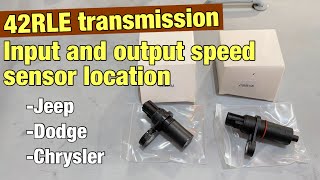
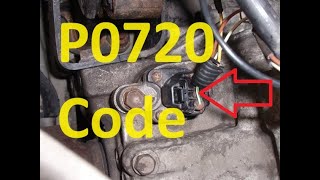
How to confirm: The sensor is located on the driver's side of the 42RLE transmission case, near the rear driveshaft. It can be tested with a multimeter for resistance, or simply replaced as it is a relatively inexpensive part.
Typical fix: Unplug the electrical connector, unbolt the single bolt holding the sensor, and pull it out of the transmission housing. Install the new sensor with a new O-ring.
Est. part cost: $20-$60 - Damaged Wiring or Connector 🟡 Medium Probability As an off-road vehicle, the wiring harness is susceptible to damage. On NAG1 models, the 13-pin connector's O-rings can fail, allowing transmission fluid to leak and wick up the wiring harness, contaminating connections at the TCM. On all models, the harness runs near hot exhaust components and can be melted or chafed by trail debris.
How to confirm: Visually inspect the entire wiring harness from the sensor/transmission case to the PCM/TCM. On NAG1 models, unplug the main 13-pin connector and check for any signs of red transmission fluid. On all models, check for chafed wires, breaks, or corrosion inside the connector pins.
Typical fix: Repair the damaged section of wire or clean/replace the connector. If fluid has wicked up the harness, it may need extensive cleaning or replacement.
Est. part cost: $5-$50 for wire repair, $20-$40 for a new connector plug. - Low or Dirty Transmission Fluid ⚪ Low Probability → Shop Transmission Assembly
How to confirm: Check the transmission fluid level and condition using the dipstick (42RLE) or the special service tool and procedure (NAG1). Fluid should be at the correct level, pink/red in color, and not smell burnt. Metal shavings in the fluid indicate a more severe internal problem.
Typical fix: Perform a transmission fluid and filter change using the correct Mopar ATF+4 fluid.
Est. part cost: $50-$150
Rare But Worth Checking
- Faulty Powertrain Control Module (PCM) or Transmission Control Module (TCM): → Shop Engine Control Module (ECM) This is very rare. The PCM/TCM should only be considered after all other possibilities, including the conductor plate/sensor, wiring, and connectors, have been exhaustively tested and ruled out.
Diagnosis Steps
- Use an OBD-II scanner to confirm P0720 and check for other related codes like P0700 or P0715.
- Check the transmission fluid level and condition. Ensure it is full, clean, and of the correct type (ATF+4).
- For 2012-2018 (NAG1): Carefully inspect the 13-pin electrical connector on the front passenger side of the transmission. Unplug it and check for any signs of red transmission fluid, indicating a failed connector sleeve seal.
- For all models: Thoroughly inspect the wiring harness leading to the transmission. Look for any signs of physical damage, melting from exhaust contact, corrosion, or loose connections.
- For 2007-2011 (42RLE): Test the external output speed sensor with a multimeter for proper resistance according to the service manual. Given its low cost, replacement is often a practical diagnostic step.
- For 2012-2018 (NAG1): Use a scan tool capable of reading live data to monitor the output shaft speed while driving. If the reading is erratic, intermittent, or zero while the vehicle is moving, and the wiring/connector is confirmed to be good, the conductor plate is the primary suspect.
- If the sensor/conductor plate and wiring are good, the final step would be to diagnose a potential fault with the Powertrain Control Module (PCM), though this is extremely uncommon.
Parts You'll Likely Need
- Conductor Plate
(OEM #52108308AC (supersedes 52108308AB))— For 2012-2018 models with the W5A580/NAG1 transmission, the speed sensors are integrated into this plate, which is the most common point of failure for code P0720.
Trusted brands: Mopar, Dorman, Standard Motor Products (SMP)
OEM price range: $200-$300
Aftermarket price range: $70-$180 - Output Speed Sensor
(OEM #52854001AA)— For 2007-2011 models with the 42RLE transmission, this individual external sensor is the most common cause of the P0720 code.
Trusted brands: Mopar, NTK, Standard Motor Products (SMP), Crown
OEM price range: $40-$70
Aftermarket price range: $20-$50 - Transmission Connector Adapter Plug (NAG1)
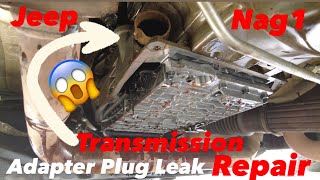
(OEM #68021352AA)— For 2012-2018 models, this 13-pin plug's O-rings are a notorious leak point. It should ALWAYS be replaced when servicing the conductor plate to prevent future fluid leaks and wicking.
Trusted brands: Mopar, Dorman
OEM price range: $20-$35
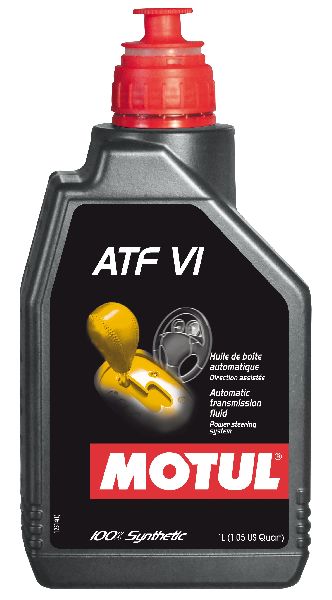
Aftermarket price range: $10-$20 - Transmission Fluid (ATF+4) — Fluid must be replaced any time the transmission pan is dropped for service. Both the 42RLE and NAG1 transmissions in the Wrangler specify ATF+4.
Trusted brands: Mopar, Valvoline, Castrol
OEM price range: $15-$25 per quart
Aftermarket price range: $8-$15 per quart - Transmission Filter and Pan Gasket — Should always be replaced when the transmission pan is removed for service on either transmission type.
Related Codes That Often Appear With This One
- P0700 — This is a generic code that indicates the Transmission Control Module (TCM) has stored a fault. It almost always appears with any specific transmission code like P0720, essentially acting as a 'check engine light' for the transmission.
- P0715 — This code relates to the Input Speed Sensor. On NAG1 transmissions (2012-2018), both the input and output speed sensors are integrated into the same conductor plate, so they often fail together, triggering both codes.
Technical Service Bulletins (TSBs) & Recalls
- TSB 21-009-13: This Technical Service Bulletin for the NAG1 transmission involves a software flash for the Transmission Control Module (TCM) to address customer complaints of harsh shifting, hesitation, or erratic shift behavior, which can sometimes accompany sensor-related codes.
Platform-Specific Known Issues
- On 2012-2018 models with the NAG1 transmission, a leak at the 13-pin electrical connector is extremely common. The O-rings on the connector sleeve degrade, allowing ATF to seep out. This fluid can wick up the wiring harness all the way to the Transmission Control Module (TCM), causing erratic behavior and codes like P0720 even if the conductor plate itself is still functional. Replacing this connector sleeve (Part No. 68021352AA) is considered mandatory preventative maintenance whenever the pan is dropped.
Mechanic-Grade Diagnostic Values
- 42RLE Output Speed Sensor Signal Circuit Resistance — expected: Less than 5.0 ohms. Failure: Resistance above 5.0 ohms indicates an open in the signal circuit.
- 42RLE Output Speed Sensor Signal Circuit Voltage — expected: Less than 3.0 volts. Failure: Voltage above 3.0 volts indicates a short to voltage in the signal circuit.
- NAG1/W5A580 Solenoid Resistance — expected: 4-5 ohms. Failure: A reading significantly higher or lower (e.g., 4.5k ohms) indicates a faulty solenoid or a measurement error.
- NAG1/W5A580 Valve Body to Case Bolt Torque — expected: 71 in-lbs (8 Nm). Failure: N/A
Scan Tool Commands That Help
- DRB III / wiTECH: Erase DTCs — After any repair for P0720, both the Transmission DTCs and the PCM DTCs (specifically P0700) must be cleared to turn off the Malfunction Indicator Lamp (MIL).
- DRB III / wiTECH: 42RLE Transmission Verification Test - VER 1 — This is the official Chrysler procedure to run after a repair to verify the fix and ensure no other codes are set during a test drive.
Wiring & Ground Locations
- 42RLE Output Speed Sensor Connector — Driver's side of the 42RLE transmission, near the rear driveshaft.. This is the primary connection point for the sensor. It's exposed to road debris and heat, making it a common point for corrosion or damage that directly causes a P0720 circuit code.
- NAG1 13-pin Connector (Round) — Passenger side of the W5A580/NAG1 transmission, toward the front.. This is the main electrical connection for the entire valve body, including the conductor plate where the speed sensors are located. The O-rings on its sleeve frequently fail, allowing ATF to leak and wick up the harness, causing shorts and communication failures that trigger P0720.
- TCM (42RLE) / PCM (NAG1) Harness Connector — The main computer module, typically in the engine bay.. This is the termination point for the sensor circuit. Testing for voltage, resistance, and shorts to ground is often performed at these pins to diagnose the entire circuit from the control module end.
Real Owner Repair Stories
- Jeeps.net Forum user 'dniksich' (2002 Jeep Grand Cherokee (with 42RLE-like diagnostics)) — P0720 code present.
❌ Tried (didn't work) Initially ran new wires from the sensor to the control module., Performed resistance and short-to-ground tests which passed after realizing he was testing at the wrong connector.
✅ What actually fixed it After confirming the wiring and sensor circuits were good, the user replaced the Transmission Control Module (TCM) from a pick-and-pull salvage yard for $35, which resolved the code. - YouTube user 'Jeep 2012 3L Diesel Grand Cherokee' (Jeep Grand Cherokee with W5A580/NAG1) — Transmission issues, likely limp mode.
✅ What actually fixed it The user replaced the conductor plate, solenoids, and the 13-pin connector sleeve. The video highlights the importance of checking for different conductor plate designs (round hole vs. U-shaped hole) which can affect fluid level readings if incorrect.
OEM Part Supersession History
52108308AB→52108308AC— Revision and update to the NAG1/W5A580 conductor plate.
Heads up: These parts are generally interchangeable for the application. The 'AC' revision is the latest and preferred part.N/A→N/A— N/A
Heads up: For the NAG1 conductor plate, there are two physical designs: one with a round hole and one with a U-shaped hole near the solenoids. Using the wrong design can lead to incorrect transmission fluid level readings. It is critical to match the new plate to the original.
Model Year Variations Within This Range
- 2007-2011: Uses the 42RLE 4-speed automatic. The output speed sensor is an external, individual part that is relatively easy and inexpensive to replace.
- 2012-2018: Uses the W5A580 (NAG1) 5-speed automatic. The output speed sensor is integrated into the internal conductor plate, requiring removal of the transmission pan and valve body for replacement.
Diagnostic Flowchart
Other Known Issues on This Vehicle
Issues unrelated to this code that are worth knowing about as an owner of this generation:
- Totally Integrated Power Module (TIPM) Failure 🔴 High — Very common on 2007-2015 models. Can cause random electrical issues like fuel pump failure (crank-no-start), horn honking, wipers activating, or door locks cycling. (Ref: While no universal recall exists, numerous lawsuits and complaints have been filed. Repair often involves replacing the entire TIPM unit.)
- 'Death Wobble' 🔴 High — A well-known issue across all JK years (2007-2018). It's a violent, uncontrollable shaking of the front end, typically triggered by hitting a bump at speeds over 45 mph. It is caused by worn or loose front suspension components. (Ref: No recall, as it's considered a wear-and-tear issue. The primary cause is often a worn track bar, but ball joints, tie rod ends, and other steering components can contribute.)
- Excessive Oil Consumption (3.8L V6) 🟠 Medium — Common on the 2007-2011 models with the 3.8L engine, with some owners reporting consumption of a quart of oil every 1,000 miles. Causes range from PCV issues to piston rings. (Ref: TSB 09-008-07 addresses oil seepage from a porous timing cover, which can be a contributing factor.)
- Cracked Left Cylinder Head (3.6L Pentastar) 🔴 High — Primarily affects early 2012-2013 models. A defect in the left cylinder head could lead to a P0300-series misfire code and a noticeable ticking sound. (Ref: Chrysler extended the warranty on the left cylinder head for affected vehicles to 10 years or 150,000 miles.)
- Cracked Exhaust Manifolds (3.8L V6) 🟠 Medium — Common on the 2007-2011 models. The cast iron manifolds are prone to cracking from heat cycles, causing an exhaust leak often heard as a ticking noise on cold starts.
- Water Leaks 🟡 Low — Extremely common across all years due to the modular nature of the Freedom Top panels and door seals. Leaks often appear at the A-pillars or where the top panels meet.
Used vs. New Parts: Buying Guide for This Vehicle
When a used part is the smart pick: A used wiring harness pigtail from a salvage yard is a smart and cost-effective way to repair a damaged connector. A used, tested Transmission Control Module (TCM) can also be a viable option if the original is confirmed faulty, as demonstrated in forum repair stories.
Donor-vehicle mileage cap: roughly under 80000 miles for the part to have meaningful remaining life.
What to inspect on the donor part:
- For a wiring pigtail, inspect for brittle plastic, corrosion on pins, and any signs of melting or previous repair.
- For a control module, ensure the donor vehicle was not involved in a flood and that the part number matches exactly.
OEM-only on this vehicle (don't cheap out):
- Transmission Control Module (TCM) - While a used OEM part can work, aftermarket or improperly matched modules often cause more problems. It's best to stick with a new or verified used OEM part.
Aftermarket brands forum-validated for this vehicle:
- Mopar (OEM for both transmissions)
- NTK (For 42RLE external sensor)
- Standard Motor Products (SMP) (For both sensor and conductor plate)
Brands owners have reported issues with on this vehicle:
- Unbranded/white-box conductor plates: Many forum and user reviews report premature failure or out-of-the-box defects with the cheapest available conductor plates. While Dorman is a common aftermarket choice, some users report mixed results, suggesting OEM or premium aftermarket is a safer bet for a labor-intensive job.
Real Owner Stories
Aggregated from forums and TSBs cited above. Mileages and costs reflect what owners reported in those sources.
2012-2018 Jeep Wrangler (NAG1 Transmission)
Symptoms: The vehicle experienced a leak at the 13-pin electrical connector where ATF seeped out and wicked up the wiring harness all the way to the Transmission Control Module (TCM), causing erratic behavior.
What fixed it: Replacing the connector sleeve (Part No. 68021352AA) and cleaning the harness.
Source hint: vehicle_specific_issues
2012 Jeep Wrangler (NAG1 Transmission)
Symptoms: Code P2767 was present; the video walkthrough showed the complexity of removing the valve body to access the internal sensors.
What fixed it: Removing and installing a new valve body and conductor plate, including aligning the selector rod and using specific torque specs.
Source hint: YouTube - Remove Conductor Plate Code P2767 Dodge Chrysler Mercedes Jeep Nag 1 722.6 Transmission
2012-2018 Jeep Wrangler (NAG1 Transmission)
Symptoms: Internal circuit failure of the integrated speed sensors due to thermal stress and vibration; required monitoring live data to see the absent signal.
What fixed it: Dropped the transmission pan, removed the valve body, and replaced the entire conductor plate along with the transmission filter, pan gasket, and 13-pin connector sleeve.
Cost: $70-$250
Source hint: common_causes - Failed Conductor Plate (2012-2018 models)
Related OBD-II Codes
Frequently Asked Questions
My 2013 Jeep Wrangler is shifting harshly and hesitating; is there a software update for this?
I have a 2014 Wrangler and found red fluid in my electrical connector. What part do I need?
Is the P0720 fix different for a 2010 Wrangler versus a 2015 model?
Why is my ABS and Traction Control light on at the same time as the P0720 code?
Can I just clean the sensor on my 2009 Wrangler to fix this?
Could my Jeep's 'Death Wobble' or TIPM issues be related to P0720?
Helpful Videos

We Have This Part in Stock


The information in this article is provided for general reference and educational purposes only. Vehicle specifications, procedures, and part compatibility can vary by production date, trim level, and region. Always consult your vehicle's factory service manual and verify part numbers before purchasing or performing repairs. Safety-critical components such as airbags, seat belts, and braking systems should be installed by a qualified professional.
- Jeep Wrangler:
- 🧭 Diagnostic Flowchart
- 🎬 Helpful Videos
- 🛍️ Shop This Part
- What's Unique About the 2007-2018 Jeep Wrangler
- Symptoms You May Notice
- Most Likely Causes
- Rare But Worth Checking
- Diagnosis Steps
- Parts You'll Likely Need
- Related Codes That Often Appear With This One
- Technical Service Bulletins (TSBs) & Recalls
- Platform-Specific Known Issues
- Mechanic-Grade Diagnostic Values
- Scan Tool Commands That Help
- Wiring & Ground Locations
- Real Owner Repair Stories
- OEM Part Supersession History
- Model Year Variations Within This Range
- Other Known Issues on This Vehicle
- Used vs. New Parts: Buying Guide for This Vehicle
- Real Owner Stories
- 2012-2018 Jeep Wrangler (NAG1 Transmission)
- 2012 Jeep Wrangler (NAG1 Transmission)
- 2012-2018 Jeep Wrangler (NAG1 Transmission)
- Related OBD-II Codes
- Frequently Asked Questions
- 🎟️ Get 5% Off