

P0720 on 2010-2016 Mercedes-Benz E-Class: Output Speed Sensor and Conductor Plate Fixes
On a 2010-2016 E-Class with the 7G-Tronic (722.9) transmission, code P0720 almost always means the transmission conductor plate has failed. This component, which houses the output speed sensor (Y3/8n3), is a known weak point. The fix involves replacing the conductor plate inside the transmission, a job that requires professional installation and SCN coding (online programming) to the vehicle's VIN.
- P0720 on a 2010-2016 E-Class is a serious code indicating a problem with the transmission's internal output speed sensor.
- The most likely cause is a failed conductor plate, a common issue with the 7G-Tronic (722.9) transmission.
- Before condemning the conductor plate, always check the cheaper and easier fix: the 13-pin electrical connector for signs of fluid leakage.
- This is not a DIY-friendly repair. Replacement of the conductor plate requires specialized tools and software for programming.
- Do not continue to drive the vehicle, as it will be unsafe and you risk causing further damage to the transmission.
What's Unique About the 2010-2016 Mercedes-Benz E-Class
The 2010-2016 E-Class models primarily use the 7G-Tronic (722.9) automatic transmission. In this design, the output speed sensor (designated as Y3/8n3) is not a simple, externally accessible part. Instead, it is integrated directly into a complex electronic component inside the transmission called the conductor plate, which also houses the Transmission Control Module (TCM) and other speed sensors (Y3/8n1, Y3/8n2). As a result, a P0720 code on these vehicles rarely points to a simple sensor swap; it almost always indicates a failure of the entire conductor plate assembly, a very common and well-documented issue for this transmission. There are multiple versions of this plate (VGS1, VGS2, VGS3), and later versions from Continental replaced the original Siemens units in an attempt to improve reliability.
Generation note: This range covers the W212 (Sedan/Wagon), C207 (Coupe), and A207 (Convertible) generations. All predominantly used the 7G-Tronic (722.9) transmission, making the causes and fixes for P0720 consistent across these models. The issue is also common in countless other Mercedes models from the mid-2000s to mid-2010s that used this transmission.
Symptoms You May Notice
- Transmission enters 'limp mode', often getting stuck in a single gear (usually 2nd).
- Harsh, jerky, or delayed gear shifts, sometimes described as a 'bang' or 'jolt'.
- Check Engine Light is illuminated.
- Vehicle will not accelerate properly and may be limited to a low speed.
- Speedometer may work erratically or drop to zero, although sometimes it remains functional by using wheel speed sensor data from the ESP module.
- The car may stall when coming to a stop.
- Restarting the engine may temporarily clear the symptoms, but they will return, often once the transmission fluid warms up.
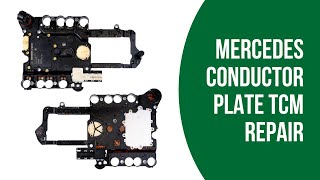
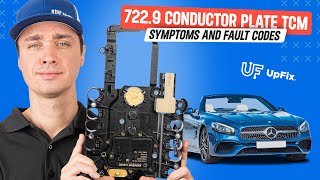
- Inability to shift out of Park, or no engagement in Drive or Reverse. 🎬 Watch: Understanding 722.9 conductor plate symptoms and repair options.
- Replacing the wheel speed sensors. While wheel speed sensors can cause ABS/ESP lights, the P0720 code specifically refers to the transmission's output shaft speed sensor, which is internal to the transmission.
- Replacing the entire transmission. While the symptoms are severe, the issue is most often with the serviceable (and much cheaper) conductor plate, not the mechanical gears of the transmission itself.
Most Likely Causes
- Failed Transmission Conductor Plate (VGS/TCM) 🔴 High Probability → Shop Transmission Assembly The internal speed sensors on the 722.9 transmission's conductor plate are a known high-failure item. Heat, vibration, and time cause the delicate internal circuits and sensor connections to fail, leading to a loss of signal. This is the most common cause for P0720 and related speed sensor codes.
How to confirm: A professional scan tool (like Mercedes STAR/Xentry) will show specific fault codes pointing to the Y3/8n3 output speed sensor (e.g., Mercedes codes 0721, 0722), confirming an internal conductor plate fault. Live data will show the output speed at 0 RPM while the vehicle is moving.
Typical fix: Replace the entire conductor plate assembly inside the transmission oil pan. The new part must be SCN coded (programmed) to the vehicle. Alternatively, the original plate can be sent to a specialist for repair and rebuild, which often carries a lifetime warranty and may not require reprogramming.
Est. part cost: $300-$800 - Leaking 13-Pin Electrical Connector 🟡 Medium Probability The O-rings on the transmission's main electrical connector plug are known to degrade, allowing transmission fluid to leak. This fluid can wick up the wiring harness (capillary action) and contaminate the connection pins, disrupting communication between the conductor plate and the rest of the car, potentially triggering a P0720 code.
How to confirm: Visually inspect the round 13-pin connector on the transmission housing (front passenger side). Unplug it and check for any signs of red or blue transmission fluid inside the connector or on the pins. This should always be the first check.
Typical fix: Replace the connector sleeve and its O-rings. Thoroughly clean the fluid out of the harness-side plug with electrical contact cleaner. This is a very inexpensive fix and should always be checked first before condemning the conductor plate.
Est. part cost: $15-$40 - Low or Contaminated Transmission Fluid ⚪ Low Probability → Shop Transmission Assembly
How to confirm: Check the transmission fluid level and condition according to the manufacturer's procedure. Note that these models do not have a traditional dipstick and require a special tool. The fluid should be red (early models) or blue (later models) and not smell burnt or contain excessive debris.
Typical fix: Perform a transmission fluid and filter service. If the fluid is heavily contaminated, it may indicate a more severe internal issue. Using the correct fluid type (MB 236.14 for red, 236.15 for blue) is critical.
Est. part cost: $150-$300
Rare But Worth Checking
- Damaged Wiring Harness: While less common than internal failure, the wiring harness leading to the transmission can be damaged by road debris or improper service, causing a short or open circuit. This can be diagnosed by checking for continuity between the TCM connector and the 13-pin plug.
- Valve Body Failure: → Shop Transmission Valve Body Mechanical failure or clogged solenoids within the valve body itself can cause severe shifting issues, though this is less likely to set a P0720 code specifically, which points to an electrical sensor circuit.
Diagnosis Steps
- Scan the vehicle with a Mercedes-specific diagnostic tool (like Xentry) to confirm P0720 and check for other transmission-related codes (e.g., 0717, 0722, 2767). Generic OBD-II readers are often insufficient.
- Safely raise the vehicle and locate the 13-pin transmission connector. Disconnect it and thoroughly inspect for transmission fluid contamination. If fluid is present, replace the connector sleeve (Part No. 2035400253) and clean the harness before proceeding. This is a critical first step. 🎬 See how to replace the transmission connector and O-rings.
- If the connector is dry, check live data with the scan tool. Monitor the input, internal, and output transmission speed sensors while driving. A reading of 0 RPM from the output speed sensor (Y3/8n3) while other sensors show speed confirms a fault in that sensor's circuit.
- If the fluid level and connector are good, and live data confirms a sensor failure, the evidence overwhelmingly points to a failed conductor plate.
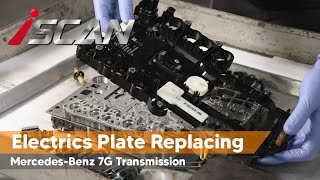
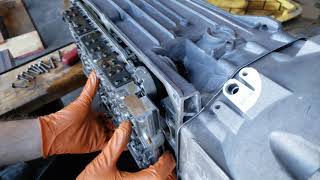
- Confirm the diagnosis with a professional shop before ordering parts, as replacement requires dropping the transmission pan and valve body 🎬 Watch: Step-by-step guide to removing the valve body and plate. and subsequent programming.
Parts You'll Likely Need
- Transmission Conductor Plate (VGS)
(OEM #A000270260080 (example, VIN specific))— This is the most common point of failure for code P0720 on the 722.9 transmission, as it houses the faulty output speed sensor.
Trusted brands: Genuine Mercedes-Benz, Continental (OEM), Siemens (Original OEM)
OEM price range: $500-$800
Aftermarket price range: $300-$500 (Often for remanufactured or repaired units) - Transmission Connector Adapter Plug w/ O-Rings
(OEM #2035400253)— This is a common leak point that can cause the P0720 code due to fluid contamination in the electrical connection. It should be checked and replaced as a preventative measure during any transmission service.
Trusted brands: Genuine Mercedes-Benz, Febi Bilstein, Meyle
OEM price range: $25-$40
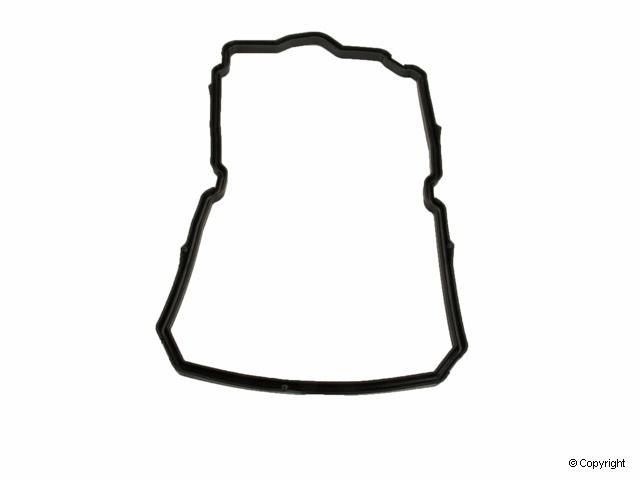
Aftermarket price range: $15-$25 - Transmission Pan Gasket and Filter Kit — This kit is required when dropping the transmission pan to access the conductor plate. It includes a new pan gasket, filter, and often new pan bolts and a drain plug washer.
Trusted brands: Genuine Mercedes-Benz, Vaico, Febi Bilstein, FCP Euro Kit
OEM price range: $80-$120
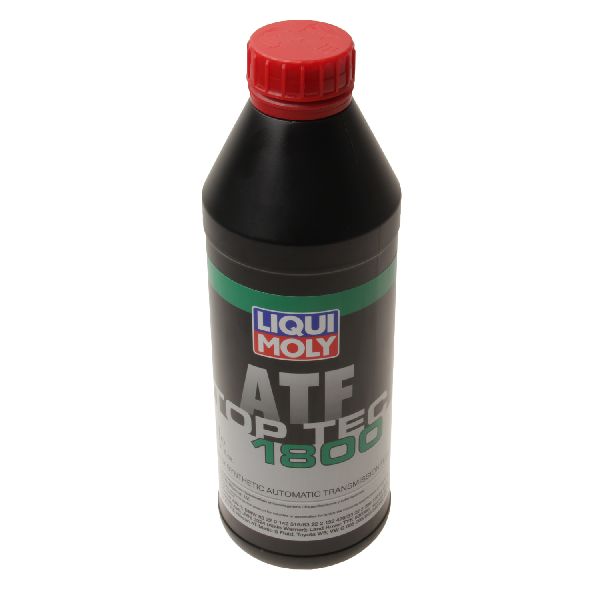
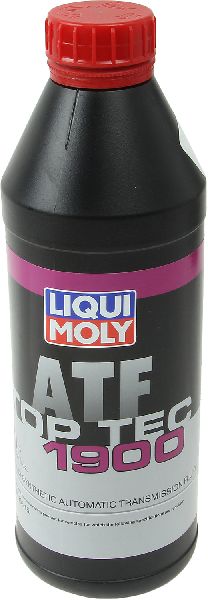
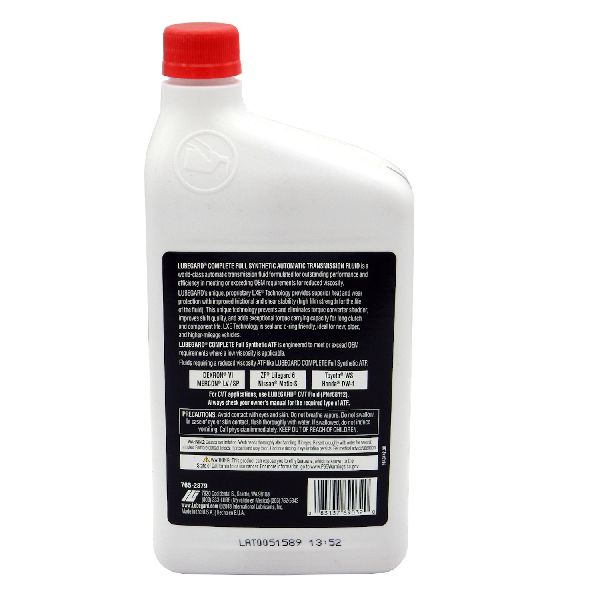
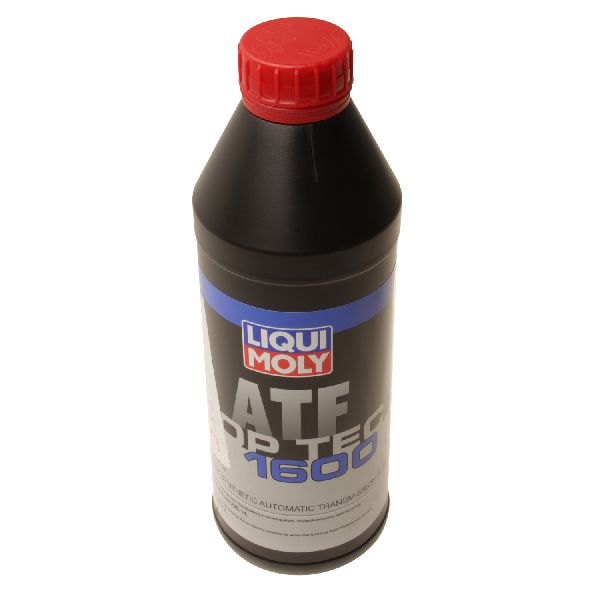
Aftermarket price range: $50-$90 - Transmission Fluid (ATF) — Approximately 5-6 liters of new fluid are required to refill the transmission after dropping the pan. Using the correct specification (MB 236.14 Red or 236.15 Blue) is absolutely critical.
Trusted brands: Genuine Mercedes-Benz, Fuchs Titan, Shell ATF 134, Liqui Moly Top Tec ATF
OEM price range: $20-$30 per liter
Aftermarket price range: $12-$20 per liter
Related Codes That Often Appear With This One
- P0715, 0717, 0718 — These codes indicate a fault with the Input/Turbine Speed Sensor (Y3/8n1). Since this sensor is also located on the same conductor plate, it often fails at the same time or for the same reason, strengthening the diagnosis of a failed plate.
- 0721, 0722 — These are Mercedes-specific codes for the output speed sensor (Y3/8n3) signal being implausible or unavailable, which is the direct cause of the generic P0720 code.
- 2767, 2768 — These are Mercedes-specific codes for the internal speed sensor (Y3/8n2), which is also on the conductor plate. A fault here is another strong indicator of plate failure.
Technical Service Bulletins (TSBs) & Recalls
- While no specific TSB number was found in the searches, multiple sources reference service bulletins regarding timing chain tensioner issues on the M276 engine (a common engine in this E-Class) and conductor plate failures.
Platform-Specific Known Issues
- Conductor Plate Repair vs. Replace: Many owners opt to send their original conductor plate to a third-party repair service (like ECU Testing, Circuit Board Medics, etc.). These services can often repair the failed speed sensor connections for a lower cost than a new part, and the repaired unit is plug-and-play, avoiding the need for expensive SCN coding at a dealership. Many of these services offer a lifetime warranty on the repair.
- DIY Speed Sensor Replacement: For highly skilled DIYers with electronics and soldering experience, it is possible to replace only the failed speed sensor on the conductor plate. The sensors themselves are available for purchase. This is the cheapest but most technically demanding solution, requiring careful desoldering and soldering on the delicate board.
Mechanic-Grade Diagnostic Values
- Resistance of integrated speed sensors (e.g., Y3/8n1) — expected: Approximately 1.2–1.8 kΩ. Failure: A reading significantly outside this range, such as 2.3 kΩ or an open circuit, indicates a failed sensor.
Hidden / Shadow Codes Worth Checking
- 0721: The transmission output speed signal is implausible when compared to the wheel rpm signal. This is a more specific version of P0720. (see via Mercedes-Benz STAR/Xentry diagnostic software.)
- 0722: The signal from component Y3/8n3 (Output Speed Sensor (VGS)) is not available. This directly indicates a total loss of signal from the sensor. (see via Mercedes-Benz STAR/Xentry diagnostic software.)
- 0723: The signal from component Y3/8n3 (Output Speed Sensor (VGS)) is intermittent. (see via Mercedes-Benz STAR/Xentry diagnostic software.)
Scan Tool Commands That Help
- Mercedes-Benz Xentry/DAS: SCN (Software Calibration Number) Coding — This is mandatory when installing a new or 'virginized' used conductor plate. The function connects to Mercedes servers to download vehicle-specific software and 'marries' the new theft-relevant part to the car's VIN.
- Specialized third-party programming tools: Virginize / Renew — This function is used on a secondhand (used) conductor plate to erase its original VIN programming, returning it to a factory state. Once virginized, it can be installed in another vehicle and then SCN coded as if it were a new part.
- Specialized third-party programming tools: Cloning — This process reads the complete data (including VIN and adaptation data) from the original conductor plate and writes it directly onto a compatible donor plate. A successfully cloned plate is plug-and-play and does not require SCN coding.
- Mercedes-Benz Xentry/DAS: Reset Transmission Adaptations — After replacing the conductor plate and performing SCN coding, the learned shift adaptations must be reset to ensure smooth shifting as the transmission relearns driving style with the new component.
Wiring & Ground Locations
- Transmission 13-Pin Connector (to Conductor Plate) — On the front passenger side of the transmission housing.. This is the main electrical interface for the conductor plate. Pin 5 is the ground (Circuit 31) and Pin 4 is the power supply (Circuit 87). A poor connection or fluid contamination here can directly cause P0720.
- Main Transmission Ground — A large ground cable connects to the transmission bell housing, near the starter motor.. This is the primary ground path for the entire transmission assembly. While not a common failure point, corrosion or a loose connection here could cause a variety of difficult-to-diagnose electrical issues, including sensor signal problems.
- CAN Bus Connectors (X30 series) — Located in the driver's side footwell/sill area. These are blocks where multiple CAN wires join.. Water ingress into the cabin can corrode these connectors, disrupting communication between the TCM and other modules. While this would typically set U-codes (communication faults), it can sometimes manifest as sensor performance codes if the data is corrupted.
Real Owner Repair Stories
- Reddit user in r/mercedes_benz (2012 Mercedes-Benz C350 (W204) with 722.9 transmission) — After installing a used transmission (56k miles), the car immediately went into limp mode with codes P0720 and P0721. It would shift briefly then fail.
❌ Tried (didn't work) Installing a used transmission., VIN programming, SCN coding, and adaptation reset were performed correctly.
✅ What actually fixed it The consensus from experienced users was that the conductor plate within the 'new' used transmission was faulty, a very common issue. The recommended fix was to send the conductor plate out for repair/rebuilding of the speed sensors. - MBWorld.org user 'Coontail' (Mercedes E-Class (W211)) — P0720 code, transmission in safe mode (1st and reverse only).
❌ Tried (didn't work) Initially, replacing the conductor plate with a new Dorman (aftermarket) unit seemed to work. The code cleared and the car drove normally.
✅ What actually fixed it The problem was not resolved. The code and limp mode returned a few days later, indicating either the aftermarket part was also faulty or the root cause was something else. The thread ends without a final resolution, serving as a cautionary tale about aftermarket electronics.
OEM Part Supersession History
VGS1 Conductor Plate→VGS2 / VGS3— Improved reliability and design.
Heads up: VGS1 plates are not interchangeable with VGS2/VGS3. If a VGS1 car needs a new conductor plate, Mercedes requires the entire valve body and conductor plate to be replaced as a matched set. VGS2 and VGS3 plates can be replaced independently of the valve body.VGS2 (Siemens, 5-pin connector)→VGS3 (Continental, 4-pin connector)— Updated speed sensor design for better reliability.
Heads up: Software for VGS2 and VGS3 is not directly compatible. While a VGS3 can physically replace a VGS2, it requires careful online SCN coding with Xentry, which will flash the correct software for the newer hardware to work in the older car. Mixed results have been reported by independent shops attempting this.
Model Year Variations Within This Range
- 2010-~2012: These earlier models in the range are more likely to be equipped with a VGS2 conductor plate. They also typically use the red MB 236.14 specification ATF.
- ~2013-2016: Later models, especially post-facelift (2014+), are typically equipped with the more reliable VGS3 conductor plate from Continental. These models also switched to the blue MB 236.15 specification ATF, which is not backward compatible or mixable with the earlier red fluid.
Diagnostic Flowchart
Other Known Issues on This Vehicle
Issues unrelated to this code that are worth knowing about as an owner of this generation:
- M276 Engine: Timing Chain Tensioner Rattle 🟠 Medium — Common on early M276 engines (2012-2014) on cold start. Can lead to costly timing chain damage if ignored. (Ref: Mercedes issued updated parts (check valves, tensioners) to address the issue after 2014.)
- M272/M276 Engine: Intake Manifold Failure / Carbon Buildup 🟠 Medium — The M272 (pre-2012) had plastic flaps in the intake manifold that could break. The M276 (2012+) suffers from carbon buildup on intake valves due to direct injection, typically needing cleaning around 100,000 miles.
- OM651 Diesel Engine: Injector Seal Leak ('Black Death') 🔴 High — A well-known issue where the copper injector seals fail, causing a buildup of black, tar-like carbon around the injectors.
- OM642/OM651 Diesel Engine: Oil Cooler Leaks 🔴 High — The seals for the engine oil cooler, located in the 'V' of the engine, degrade over time, causing oil to leak into the coolant or externally. A labor-intensive repair.
- Airmatic Suspension Failure 🟠 Medium — On models equipped with Airmatic, the air springs (especially rear) are prone to leaks, and the compressor can burn out from overuse. Failure is common after 80,000-100,000 miles.
- Faded Wood Trim 🟡 Low — The interior wood trim, particularly on the center console and doors, is known to fade and discolor from UV exposure over time.
Used vs. New Parts: Buying Guide for This Vehicle
When a used part is the smart pick: A standard used conductor plate from a junkyard is NEVER a smart choice, as it is VIN-locked to the donor car and will not function. However, two types of 'used' parts make sense: a 'repaired and returned' original unit, or a 'cloned' or 'virginized' unit from a specialist. These are often cheaper than a new OEM part and can bypass the need for dealer programming.
Donor-vehicle mileage cap: roughly under 80000 miles for the part to have meaningful remaining life.
What to inspect on the donor part:
- For a 'Repair & Return' service: Choose a reputable company with a lifetime warranty (e.g., Circuit Board Medics, ECU Testing).
- For a 'Cloned' or 'Virginized' unit: Ensure the part number and VGS version (VGS2/VGS3) exactly match your original plate.
- Verify the service provider's success rate and reviews for 722.9 modules specifically.
- Confirm whether their service is a simple data transfer (cloning) or a full renewal (virginizing), as the latter will still require SCN coding.
OEM-only on this vehicle (don't cheap out):
- Transmission Conductor Plate (New): If not using a repair service, buying a new Genuine Mercedes-Benz/Continental part is the only way to guarantee it can be SCN coded to the vehicle without issue.
Aftermarket brands forum-validated for this vehicle:
- Repair Services: Circuit Board Medics, ECU Testing, Xemodex, and other mail-in repair specialists have a strong reputation for successfully rebuilding the original conductor plate sensors.
Brands owners have reported issues with on this vehicle:
- New Aftermarket Units (e.g., Dorman): Forum reports suggest these can be unreliable, with failures sometimes occurring shortly after installation, leading to a repeat of the original problem.
Real Owner Stories
Aggregated from forums and TSBs cited above. Mileages and costs reflect what owners reported in those sources.
2012 Mercedes-Benz E-Class
Symptoms: Owner was quoted for a conductor plate replacement after experiencing issues related to P0720.
What fixed it: Replacement of the transmission conductor plate.
Cost: $1170-$1170
Source hint: MBWorld.org thread titled 'transmission conductor plate replacement'
Mercedes-Benz E-Class (W212)
Symptoms: Vehicle entered limp mode; owner was advised the conductor plate and TCU are a single unit on the 722.9 transmission.
What fixed it: Replacement of the conductor plate/TCU unit followed by SCN coding.
Source hint: Mercedes-Benz Owners' Forums thread 'w212 transmission problems'
Mercedes-Benz E-Class (W212)
Symptoms: P0720 and P0721 codes present; the car would not move even though the engine ran smoothly.
What fixed it: Diagnosis pointed to a failed output speed sensor on the conductor plate, with potential valve body issues.
Source hint: MBWorld.org thread 'p0720-p0721-car-doesnt-move-but-engine-runs-smoothly'
Mercedes-Benz C-Class (W204)
Symptoms: Owner replaced the conductor plate for a P0720 code but found the issue persisted because the code was not cleared properly from the TCM.
What fixed it: Ensuring the fault codes were properly cleared from the Transmission Control Module (TCM).
Source hint: MBWorld.org thread 'p0720-changed-conductor-plate'
Related OBD-II Codes
Frequently Asked Questions
My 2012 E-Class is stuck in 2nd gear and won't shift. Is this the 'limp mode' associated with P0720?
Can I just replace the 13-pin connector sleeve (Part No. 2035400253) to fix P0720?
Do I have to pay a Mercedes dealer for SCN coding if I replace the conductor plate?
Which transmission fluid should I use for my E-Class transmission service, and does it matter?
Why does my speedometer drop to zero when the Check Engine Light comes on?
Is the P0720 issue common on other Mercedes models besides the E-Class?
Helpful Videos
We Have This Part in Stock

The information in this article is provided for general reference and educational purposes only. Vehicle specifications, procedures, and part compatibility can vary by production date, trim level, and region. Always consult your vehicle's factory service manual and verify part numbers before purchasing or performing repairs. Safety-critical components such as airbags, seat belts, and braking systems should be installed by a qualified professional.
- Mercedes-Benz E-Class:
- 🧭 Diagnostic Flowchart
- 🎬 Helpful Videos
- 🛍️ Shop This Part
- What's Unique About the 2010-2016 Mercedes-Benz E-Class
- Symptoms You May Notice
- Most Likely Causes
- Rare But Worth Checking
- Diagnosis Steps
- Parts You'll Likely Need
- Related Codes That Often Appear With This One
- Technical Service Bulletins (TSBs) & Recalls
- Platform-Specific Known Issues
- Mechanic-Grade Diagnostic Values
- Hidden / Shadow Codes Worth Checking
- Scan Tool Commands That Help
- Wiring & Ground Locations
- Real Owner Repair Stories
- OEM Part Supersession History
- Model Year Variations Within This Range
- Other Known Issues on This Vehicle
- Used vs. New Parts: Buying Guide for This Vehicle
- Real Owner Stories
- 2012 Mercedes-Benz E-Class
- Mercedes-Benz E-Class (W212)
- Mercedes-Benz E-Class (W212)
- Mercedes-Benz C-Class (W204)
- Related OBD-II Codes
- Frequently Asked Questions
- 🎟️ Get 5% Off