

P0722 on 2011-2016 Hyundai Elantra: Output Speed Sensor Failure Causes and Fixes
On a 2011-2016 Elantra, P0722 almost always means the internal transmission wire harness, which contains the output speed sensor, has failed. This is a known issue covered by a Hyundai TSB. The fix requires replacing the internal harness, a job best left to a professional, costing roughly $400-$600.
- P0722 on a 2011-2016 Elantra will cause the transmission to enter 'limp mode', stuck in 3rd gear.
- The cause is almost certainly a failed internal transmission wire harness that contains the speed sensor, not the entire transmission.
- This is a known issue documented by Hyundai in TSB 20-AT-011H.
- Repair is complex, requiring removal of the transmission valve body, and is not recommended for a DIY beginner.
- Do not let a shop replace the entire transmission for this code without first replacing the internal harness.
What's Unique About the 2011-2016 Hyundai Elantra
For the 2011-2016 Hyundai Elantra (generation MD/UD) with the A6GF1 6-speed automatic transmission, the output speed sensor is not a simple, externally mounted part. Instead, it is integrated into a larger wire harness assembly located inside the transmission oil pan, attached to the valve body. This design makes replacement much more complex than on older vehicles. This internal harness is a well-known failure point. Hyundai acknowledged this common failure by issuing Technical Service Bulletins (TSBs), such as 20-AT-011H, that guide technicians to replace this internal harness rather than misdiagnosing the issue as a complete transmission failure.
Symptoms You May Notice
- Transmission is stuck in 3rd gear (fail-safe or "limp mode")
- Very slow or sluggish acceleration from a stop
- Check Engine Light is illuminated
- Transmission will not shift up or down automatically
- Harsh or banging gear engagement when shifting from Park to Drive or Reverse
- The 'D' drive indicator on the instrument cluster may blink
- Speedometer may work normally, as it often relies on wheel speed sensors from the ABS, not the transmission output sensor.
- Difficulty engaging Drive; an owner reported in NHTSA ODI #11427357 that the car would not go into drive at all before the check engine light appeared.
- The need to manually shift through gears; NHTSA ODI #11696914 describes an instance where the driver had to use manual 1st and 2nd gears while reverse remained functional.
- Replacing the entire transmission. Hyundai TSBs specifically warn against this, as the problem is almost always the much cheaper internal harness. One owner on Reddit reported being quoted $5,000 for a transmission replacement, which did not fix the P0722 code, indicating the issue was elsewhere (likely wiring).
- Replacing the vehicle speed sensors (VSS) on the wheels. Those sensors are for the ABS and speedometer; the P0722 code refers specifically to the transmission output sensor.
Most Likely Causes
- Failed Internal Transmission Wire Harness 🔴 High Probability → Shop Transmission Assembly This is a well-documented failure point for this specific Hyundai A6GF1 6-speed transmission, as acknowledged by Hyundai's own Technical Service Bulletins (TSB 16-AT-003, 20-AT-011H). The sensor electronics and wiring within the harness assembly fail due to heat and fluid exposure over time.
How to confirm: A technician will use a scan tool to verify the output speed sensor reads 0 RPM while the vehicle is in motion. After confirming external wiring is intact, the diagnosis points to the internal harness.
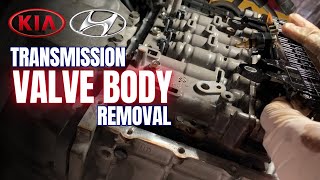
Typical fix: Replace the internal transmission wire harness (which includes the input and output speed sensors). This requires draining the fluid, removing the transmission pan, and detaching the valve body to access the harness. 🎬 See how to remove the valve body on this transmission.
Est. part cost: $150-$200 - Damaged External Wiring or Connector ⚪ Low Probability While less common, damage can occur from road debris or improper servicing. A Reddit user with a P0722 code on a 2016 Elantra was advised to check the wiring harness for damage after a transmission swap didn't solve the issue, highlighting it as a possibility.
How to confirm: Visually inspect the wiring harness leading to the main transmission case connector for any signs of chafing, corrosion, or rodent damage. Test for continuity from the TCM to the transmission connector.
Typical fix: Repair the damaged section of the wiring harness or replace the affected connector pigtail.
Est. part cost: $20-$50
Rare But Worth Checking
- Powertrain Control Module (PCM/TCM) Failure: → Shop Engine Control Module (ECM) This is extremely rare. The official Hyundai TSB advises only to consider replacing the PCM if the P0722 code returns *after* the internal harness and external wiring have been confirmed to be good.
- Low or Dirty Transmission Fluid: → Shop Transmission Assembly Extremely contaminated or low fluid can cause erratic shifting and potentially trigger sensor codes, though it's not the primary cause of a 'No Signal' fault. It's a basic check that should be performed early in the diagnosis. In a cross-manufacturer reference, NHTSA ODI #10143151 for a Hyundai Accent noted a P0722 code where the transmission fluid level and condition were also found to be poor.
Diagnosis Steps
- Connect an OBD-II scanner and confirm the presence of code P0722. Note any other codes like P0717 or P0700.
- Use the scanner's live data function to monitor 'Transmission Output Speed Sensor'.
- Safely test drive the vehicle. Observe if the sensor reading remains at 0 RPM while the vehicle is in motion. If it does, the 'no signal' condition is confirmed.
- Check the transmission fluid level and condition. Burnt or very dark fluid can indicate internal problems, but is not the direct cause of a 'no signal' code.
- Visually inspect the main transmission wiring harness and connector for any obvious damage, corrosion, or loose connections.
- If the external wiring appears intact, the fault is highly likely to be the internal transmission wire harness, as per Hyundai TSB 20-AT-011H.
- The definitive fix is to replace the internal harness, which involves draining the transmission fluid, removing the oil pan, and then removing the valve body to access and replace the harness assembly.
Parts You'll Likely Need
- Transmission Internal Wire Harness
(OEM #46307-2F000)— This is the primary failure part for a P0722 code on this vehicle. The output speed sensor is integrated into this harness, which is a known weak point.
Trusted brands: Hyundai (Genuine)
OEM price range: $170-$200
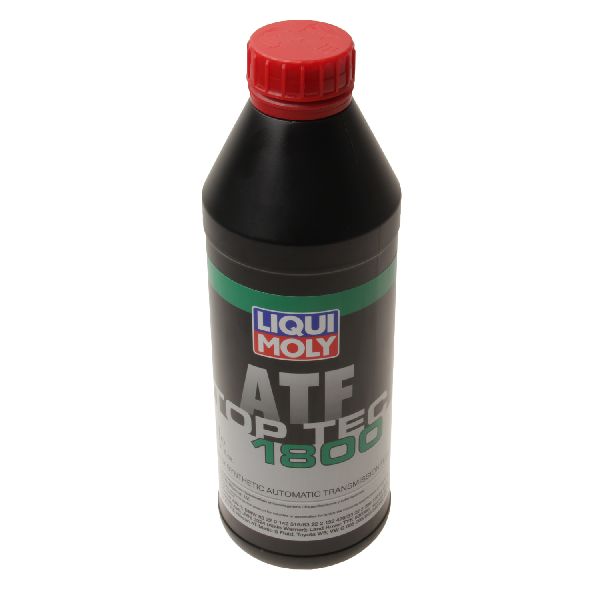
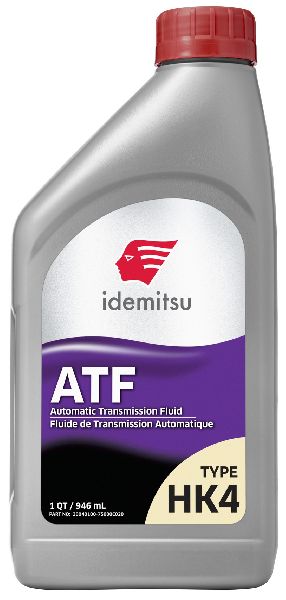
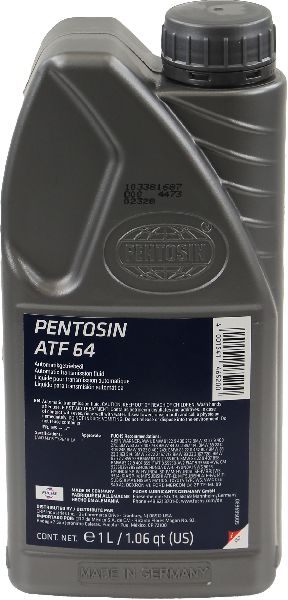
Aftermarket price range: $100-$150 - Hyundai SP-IV Automatic Transmission Fluid — The transmission fluid must be drained to replace the internal harness, so a refill (typically 5-6 quarts) is required. Using the correct OEM-spec fluid is critical for transmission health.
Trusted brands: Hyundai (Genuine), Idemitsu TLS-LV, ENEOS ECO ATF
OEM price range: $15-$20 per quart
Aftermarket price range: $10-$15 per quart - Transmission Oil Pan Gasket
(OEM #45282-26100 (Verify by VIN))— The oil pan must be removed to access the internal harness. It is best practice to replace the gasket to prevent leaks upon reassembly. TSB 20-AT-011H lists specific gasket part numbers for different models.
Trusted brands: Hyundai (Genuine)
OEM price range: $20-$30
Aftermarket price range: $10-$20
Related Codes That Often Appear With This One
- P0717 — P0717 is 'Input Speed Sensor Circuit No Signal'. Since both the input and output speed sensors are part of the same internal harness, it is common for them to fail together, triggering both codes.
- P0700 — P0700 is a generic code that simply means the Transmission Control Module (TCM) has stored a fault code. It acts as a general alert that a more specific transmission code, like P0722, is present.
- P0743 — P0743 is 'Torque Converter Clutch Solenoid Circuit Electrical'. A user on the Carjunky Forum reported this code alongside P0722 on their 2016 Elantra, suggesting that a failure in the internal harness can sometimes affect other components wired through it.
Technical Service Bulletins (TSBs) & Recalls
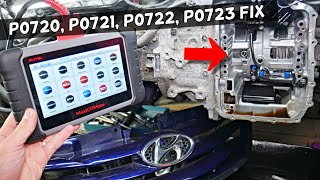
- TSB 20-AT-011H (supersedes 16-AT-003): 🎬 Watch this video guide on fixing P0722 codes. Addresses DTCs P0717, P0721, and P0722, and instructs technicians to replace the internal oil pressure switch and harness assembly instead of the entire transmission. It covers a wide range of Hyundai models with the Gen1 6-speed automatic, including the 2011-2016 Elantra.
- TSB 16-AT-003: The earlier version of the bulletin covering the same speed sensor codes and repair procedure for 2011-2016 Elantras among other models.
Platform-Specific Known Issues
- The 2011-2016 Elantra (MD/UD) with the A6GF1 6-speed automatic transmission is known for the failure of the internal transmission harness that contains the speed sensors. This issue is so common that Hyundai issued TSBs 16-AT-003 and 20-AT-011H to address it directly.
Mechanic-Grade Diagnostic Values
- Output Speed Sensor (OSS) internal resistance — expected: 5.8 MΩ (Megaohms). Failure: A reading significantly different from the specification, or an open/short circuit.
- Input Speed Sensor (ISS) internal resistance — expected: 3.8 MΩ (Megaohms). Failure: A reading significantly different from the specification. Often tested with the OSS as they are on the same harness.
- Output Speed Sensor voltage (Hall effect sensor) — expected: Switches between a LOW state (0.59V - 0.84V) and a HIGH state (1.18V - 1.68V) as the shaft rotates.. Failure: Voltage stuck at 0V, 5V, or not switching, indicates a failed sensor or circuit issue.
- Transmission Fluid Temperature Sensor Resistance at 68°F (20°C) — expected: ~2.5 kΩ (Kilohms). Failure: A wildly different resistance value can cause the TCM to operate on incorrect data, potentially contributing to erratic behavior, though not a direct cause for a 'No Signal' code.
Scan Tool Commands That Help
- Hyundai GDS (Global Diagnostic System): Resetting Auto Transmission Adaptive Values — This function should be used after replacing the internal harness or valve body to clear the old learned shift patterns and force the TCM to relearn with the new components. This can resolve harsh shifting after the repair.
- Hyundai GDS (Global Diagnostic System): Flight Record — For intermittent 'No Signal' issues, a technician can use the Flight Record function to capture live data during a test drive. This helps to catch the exact moment the sensor signal drops out, which can be difficult to replicate in the shop.
Wiring & Ground Locations
- PCM (TCM Integrated) — Under the driver's side dashboard, near the steering column.. Since the Transmission Control Module (TCM) is part of the main Powertrain Control Module (PCM), all external wiring for the transmission sensors ultimately terminates here. A bad connection or fault at the PCM could mimic a sensor failure.
- Transmission Case Connector — The main electrical connector on the outside of the transmission case where the external harness connects to the internal components.. This is the primary point for testing the external wiring. A technician can perform continuity and voltage tests here to determine if the fault is in the external harness leading to the PCM or inside the transmission (the internal harness).
- Transmission Ground Cable (91865-3X020) — A ground strap connecting the transmission case to the vehicle's chassis.. A poor or corroded ground connection for the transmission can cause a variety of electrical issues, including erratic sensor readings. While not the most common cause for a specific 'No Signal' code, it's a fundamental check in any electrical diagnosis.
Real Owner Repair Stories
- Reddit r/Elantra (2016 Hyundai Elantra) — Car won't accelerate when put in Drive, throwing P0722 for input/output speed sensor.
❌ Tried (didn't work) Replacing the sensor three times., Replacing the entire transmission with a used unit (26k miles) at a cost of ~$5,000.
✅ What actually fixed it The problem persisted even after a full transmission swap. The final diagnosis pointed to a fault in the external wiring harness between the transmission and the computer, which was not replaced during the transmission swap. This highlights the critical need to test wiring before condemning expensive components. - NHTSA ODI #11696914 — An owner reported that after an auto parts store identified error code P0722, they planned to attempt replacing the input/output speed sensor to solve the issue, noting that while no dash lights were on, they had to use manual shifting for forward gears.
- NHTSA ODI #11427357 — A driver experienced a breakdown where the car would not go into drive at all; a subsequent scan revealed code P0722.
OEM Part Supersession History
Various older harness numbers→46307-2F000— This part number appears to be the most current and widely applicable replacement for the internal harness on the A6GF1 transmission across multiple models and years, including the 2011-2016 Elantra. It consolidates previous versions.
Heads up: While aftermarket versions exist, forums and TSBs strongly imply that using the Genuine Hyundai part is the most reliable fix due to the sensitivity of the electronics. Some aftermarket harnesses may have lower quality wiring or connectors that fail prematurely.
Model Year Variations Within This Range
- 2011-2016: The A6GF1 transmission in this range uses a 'Generation 1' valve body with 8 solenoids. Later Hyundai models (post-2016) may use a 'Generation 2' valve body with 7 solenoids. This is not critical for the P0722 harness replacement but is a crucial detail if sourcing a used valve body or complete transmission.
Diagnostic Flowchart
Other Known Issues on This Vehicle
Issues unrelated to this code that are worth knowing about as an owner of this generation:
- Engine Ticking / Piston Slap (1.8L Nu Engine) 🔴 High — Common issue, can occur at various mileages, often noticeable on cold starts. Led to a class-action lawsuit. (Ref: A lawsuit settlement extended the warranty for the engine short block to 10 years/120,000 miles for qualifying repairs.)
- Failing Flexible Steering Coupler 🟠 Medium — Extremely common. Causes a distinct clicking or clunking noise in the steering column when turning the wheel. (Ref: Hyundai extended the warranty for this part to 10 years/100,000 miles under campaign TXX7 (TSB 17-ST-002). The part itself is cheap, but labor can be significant.)
- Prematurely Worn Brakes 🟡 Low — Some owners report faster-than-expected wear on brake pads and rotors, sometimes under 30,000 miles.
- Corroding Front Coil Springs 🟠 Medium — Primarily affects vehicles in regions that use road salt. Corrosion can cause the spring to fracture. (Ref: NHTSA Recall 15V629000 was issued for certain 2011 Elantra models.)
- Timing Chain Guide/Tensioner Failure 🔴 High — Less common than engine ticking, but can lead to a no-start condition if the timing chain jumps. Often preceded by a chattering noise from the engine.
Used vs. New Parts: Buying Guide for This Vehicle
When a used part is the smart pick: For this specific P0722 repair, buying a used internal wire harness is NOT recommended. The failure is due to heat and time degrading the electronics, so a used part from a junkyard has the same inherent vulnerability and offers no guarantee of remaining life.
What to inspect on the donor part:
- Not applicable, as a used harness is not a viable repair option.
OEM-only on this vehicle (don't cheap out):
- Transmission Internal Wire Harness (46307-2F000)
- Hyundai SP-IV Automatic Transmission Fluid
Brands owners have reported issues with on this vehicle:
- Unnamed/unbranded harnesses from online marketplaces. While significantly cheaper, their reliability is questionable for a part that requires several hours of labor to install. The risk of premature failure outweighs the initial cost savings.
Real Owner Stories
Aggregated from forums and TSBs cited above. Mileages and costs reflect what owners reported in those sources.
2016 Hyundai Elantra
Symptoms: The vehicle was not shifting and the output speed sensor was reading 0 RPM on a scan tool.
What fixed it: The owner identified the sensor as internal, requiring a complex repair of the internal harness.
Source hint: Hyundai Forum: '2016 Elantra not shifting, transmission output speed sensor not working'
2016 Hyundai Elantra
Symptoms: The owner was getting a speed sensor code and was told they needed a full transmission swap. After spending thousands on a new transmission, the P0722 code returned.
What fixed it: The issue was likely in the wiring harness (internal or external) rather than the transmission mechanicals themselves.
Source hint: Reddit r/Elantra: 'Replaced Transmission, Still Getting Speed Sensor Code – What Next?'
2016 Hyundai Elantra
Symptoms: The car would not shift into first gear and threw codes P0722 and P0743.
What fixed it: Diagnosis of the transmission electronics and speed sensor circuit.
Source hint: Carjunky Forum: 'Doesn't Shift into first gear - Transmission Problems'
Documented NHTSA Reports
NHTSA ODI #11696914
Symptoms: The driver had to use manual 1st and 2nd gears as the car would not shift automatically. Reverse functioned normally, and no dashboard lights were illuminated at the time of the fault.
What fixed it: An auto parts store scan confirmed code P0722, leading the owner to schedule a diagnostic appointment to replace the input/output speed sensor.
NHTSA ODI #11427357
Symptoms: The vehicle failed to go into drive at all, followed by the illumination of the check engine light.
What fixed it: A scan of the vehicle confirmed code P0722 was present.
Related OBD-II Codes
Frequently Asked Questions
My 2013 Elantra is stuck in 3rd gear and won't shift. Is there a specific Hyundai bulletin for this?
The dealership says I need a whole new transmission for my 2016 Elantra's P0722 code. Is that necessary?
Why is my speedometer still working if the output speed sensor (P0722) is failing?
Can I just replace the sensor on the outside of the transmission case?
Is the P0722 code related to the engine ticking noise common in the 1.8L Elantra?
How much should I expect to pay for the parts to fix P0722 on my Elantra?
Helpful Videos
We Have This Part in Stock



The information in this article is provided for general reference and educational purposes only. Vehicle specifications, procedures, and part compatibility can vary by production date, trim level, and region. Always consult your vehicle's factory service manual and verify part numbers before purchasing or performing repairs. Safety-critical components such as airbags, seat belts, and braking systems should be installed by a qualified professional.
- Hyundai Elantra:
- 🧭 Diagnostic Flowchart
- 🎬 Helpful Videos
- 🛍️ Shop This Part
- What's Unique About the 2011-2016 Hyundai Elantra
- Symptoms You May Notice
- Most Likely Causes
- Rare But Worth Checking
- Diagnosis Steps
- Parts You'll Likely Need
- Related Codes That Often Appear With This One
- Technical Service Bulletins (TSBs) & Recalls
- Platform-Specific Known Issues
- Mechanic-Grade Diagnostic Values
- Scan Tool Commands That Help
- Wiring & Ground Locations
- Real Owner Repair Stories
- OEM Part Supersession History
- Model Year Variations Within This Range
- Other Known Issues on This Vehicle
- Used vs. New Parts: Buying Guide for This Vehicle
- Real Owner Stories
- 2016 Hyundai Elantra
- 2016 Hyundai Elantra
- 2016 Hyundai Elantra
- Documented NHTSA Reports
- NHTSA ODI #11696914
- NHTSA ODI #11427357
- Related OBD-II Codes
- Frequently Asked Questions
- 🎟️ Get 5% Off