

P0729 on 2012-2018 Volkswagen Passat: Gear 6 Incorrect Ratio Causes and Fixes
On a 2012-2018 VW Passat, code P0729 is most often caused by issues with the DSG transmission, specifically low/dirty fluid or a failing Mechatronics unit. A fluid and filter service is the first and most crucial diagnostic step. If that doesn't resolve the issue, the problem likely lies with the complex and costly Mechatronics unit.
- P0729 on a 2012-2018 Passat means the transmission is slipping in 6th gear.
- The first and most important diagnostic step is to check the DSG transmission fluid level and condition, as low or old fluid is a common cause.
- A failing Mechatronics unit is a very common and vehicle-specific cause for this code on Passats with a DSG transmission.
- Driving with this code can lead to being stuck in a lower gear ('limp mode') and can cause further, more severe transmission damage.
- This is not a DIY-friendly repair; professional diagnosis with specialized tools is strongly recommended to avoid costly misdiagnosis.
What's Unique About the 2012-2018 Volkswagen Passat
For this generation of Passat (NMS), which is often equipped with a 6-speed Direct-Shift Gearbox (DSG) known as the DQ250 (VW code 02E), code P0729 is frequently linked to the complex Mechatronics unit. This single assembly houses the transmission's control module (TCM), sensors, and a hydraulic valve body with shift solenoids. While low fluid is a common cause on any automatic transmission, on the Passat's DSG, these symptoms often point specifically toward an internal fault within the Mechatronics unit. Common failures include degradation of the printed circuit board, solenoid failure, or internal hydraulic leaks, which prevent the unit from building or holding the pressure required to engage the K2 clutch pack for 6th gear.
Symptoms You May Notice
- Check Engine Light or transmission warning light is on.
- Flashing "PRNDS" indicator on the dashboard.
- Failure to shift into 6th gear.
- Harsh, jerky, or delayed shifts, especially into 6th gear.
- Transmission slipping (engine RPMs flare up without a corresponding increase in vehicle speed).
- Vehicle enters "limp mode," often stuck in a lower gear.
- Reduced fuel economy, particularly at highway speeds.
- Grinding or humming noises when the transmission attempts to shift into 6th gear.
- Replacing the entire transmission when only the Mechatronics unit or fluid was the issue.
- Replacing input/output speed sensors when the root cause is hydraulic or mechanical slip. The sensors are often correctly reporting the slip, not causing it.
Most Likely Causes
- Low or Dirty Transmission Fluid 🔴 High Probability → Shop Transmission Assembly DSG transmissions are highly sensitive to fluid level and condition, as the fluid provides the hydraulic pressure for all shifting operations. A recall for some 2014 models addressed a potential leak from the transmission oil cooler O-rings, which could cause low fluid levels. The fluid also degrades over time, losing its hydraulic properties.
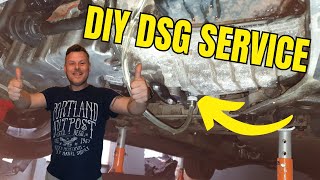
How to confirm: Check the transmission fluid level and condition. This must be done with the engine running, fluid at a specific temperature (typically 35-45°C) checked via a scan tool, 🎬 See how to perform a DIY DSG fluid service. and the vehicle level. Dark, burnt-smelling, or low fluid indicates a problem.
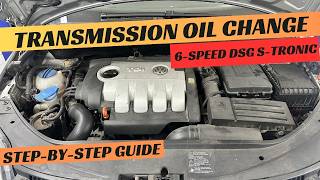
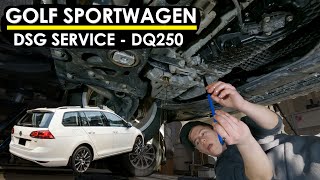
Typical fix: Perform a complete transmission fluid and filter service using the correct OEM-specification fluid (e.g., VW G 052 182 A2). 🎬 Watch: Step-by-step DSG fluid and filter service guide. Address any leaks found, such as the oil cooler seals.
Est. part cost: $100-$200 - Failing Mechatronics Unit 🟡 Medium Probability → Shop Transmission Valve Body The Mechatronics unit is a widely documented failure point on VW's 6-speed DQ250 DSG transmission. Internal issues like solenoid failure, circuit board cracks from thermal stress, or valve body wear can cause hydraulic pressure loss specifically to the clutch pack responsible for even-numbered gears (including 6th).
How to confirm: A professional diagnosis with a VW-specific scan tool (like VCDS) is required. Technicians will check for specific fault codes related to the Mechatronics unit (in addition to P0729), test solenoid function, and monitor hydraulic pressure in real-time. Often, no other codes are present besides the gear ratio error.
Typical fix: The fix can range from replacing individual solenoids to a full replacement or repair of the Mechatronics unit. Replacement is a complex job that requires programming the new unit to the vehicle.
Est. part cost: $800-$2500 - Worn Internal Clutch Packs ⚪ Low Probability High mileage or a history of running with low/degraded fluid can accelerate wear on the dual-clutch assembly (specifically the K2 clutch for gears 2, 4, 6), causing slippage that the TCM detects as an incorrect ratio.
How to confirm: This is typically diagnosed after fluid and Mechatronics issues have been ruled out. Burnt-smelling fluid is a strong indicator. Diagnosis involves using a scan tool to monitor clutch slip data and perform a clutch adaptation procedure, which may fail if the clutches are excessively worn.
Typical fix: Requires transmission removal and replacement of the dual clutch pack assembly. This is a major, labor-intensive repair.
Est. part cost: $600-$1200
Rare But Worth Checking
- Faulty Transmission Speed Sensor: → Shop Transmission Assembly The input (G182) or output (G195) speed sensors can fail, providing incorrect data to the TCM. However, this usually triggers specific sensor fault codes in addition to P0729. It's a less common cause for an isolated P0729.
- Corrupted TCM Software: In some cases, a software glitch can cause the TCM to misinterpret sensor data or have incorrect shift parameters. A TSB for some dual-clutch models involved a software update to prevent loss of drive, indicating this is a possible, though less common, solution.
- Blocked Transmission Fluid Passages: → Shop Transmission Assembly Debris from worn clutches or other internal components can clog the small fluid passages within the valve body, restricting hydraulic flow to the 6th gear clutch pack. This is often a consequence of another failure rather than a standalone cause.
Diagnosis Steps
- Check the transmission fluid level and condition using the proper VW procedure. The fluid must be at a specific temperature (35-45°C), checked with a scan tool, with the engine running and on a level surface.
- Scan the TCM with a VW-specific tool (like VCDS) for any other fault codes. Codes for speed sensors, solenoids (e.g., N217, N218), or fluid pressure can help pinpoint the issue.
- Using a capable scan tool, monitor live data for the transmission input speed sensor (G182) and output speed sensor (G195) while driving to see if they are reading logically and without dropouts.
- Inspect the transmission wiring harness and the main connector to the Mechatronics unit for any signs of damage, corrosion, or fluid intrusion.
- If fluid and wiring are good, the next step is a professional diagnosis of the Mechatronics unit. This involves commanding solenoids and monitoring hydraulic pressures with a scan tool to see if the unit can build and hold pressure for the 6th gear clutch circuit.
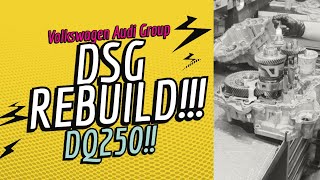
- If the Mechatronics unit is confirmed to be functioning correctly, the issue is likely internal mechanical wear, such as the K2 clutch pack, requiring transmission disassembly. 🎬 Watch this teardown to see internal DSG gearbox components.
Parts You'll Likely Need
- DSG Mechatronics Unit
(OEM #02E325025AD)— This is the 'brain' and hydraulic control of the DQ250 DSG transmission and a very common failure point leading to P0729. It must be programmed to the vehicle upon installation.
Trusted brands: Genuine Volkswagen, BorgWarner (OEM supplier)
OEM price range: $1500-$3000
Aftermarket price range: $800-$1500 (rebuilt) - DSG Transmission Fluid and Filter Kit
(OEM #G052182A2 (Fluid), 02E305051C (Filter))— Low or degraded fluid is a primary cause of shifting problems and slippage. Regular service every 40,000 miles is critical for DSG longevity.
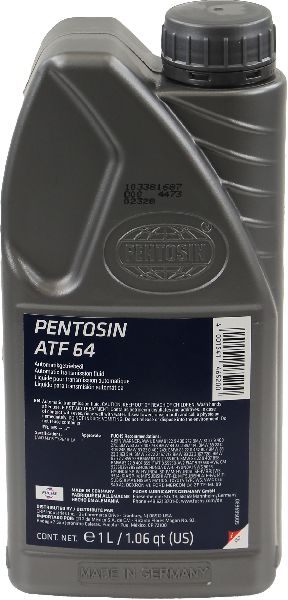
Trusted brands: Genuine Volkswagen, Fuchs Titan FFL-2, Pentosin FFL-2, Liqui Moly 8100
OEM price range: $150-$250
Aftermarket price range: $80-$150
Related Codes That Often Appear With This One
- P0730 — This is a general 'Incorrect Gear Ratio' code. P0729 specifies the fault is with 6th gear, but P0730 may be stored at the same time as a generic indicator of the problem.
- P0868 — This code indicates 'Transmission Fluid Pressure Low'. Low hydraulic system pressure is a direct cause of clutch slippage, which in turn causes the incorrect gear ratio detected by P0729. This often points towards a Mechatronics or fluid leak issue.
- 17113 — This is the VAG-specific fault code that corresponds to the generic OBD-II code P0729.
Technical Service Bulletins (TSBs) & Recalls
- TSB 34-13-01 (July 30, 2013): While not for P0729 specifically, this TSB provides diagnostic guidance for various manual transmission noises, highlighting VW's process
Platform-Specific Known Issues
- A recall was issued for some 2014 Passat models for O-ring seals between the transmission oil cooler and transmission that could leak fluid, leading to a low fluid condition that can cause this code.
- The 6-speed DQ250 'wet-clutch' DSG is known for Mechatronics failures. Forum discussions frequently cite P0729 as a precursor to needing a new Mechatronics unit, often after a fluid service fails to resolve the issue.
Mechanic-Grade Diagnostic Values
- Resistance check on Mechatronics solenoids (e.g., N215, N216, N217, N218) — expected: Approximately 5 Ohms per solenoid. Some sources cite a range of 4.5-5.5 Ohms.. Failure: A reading of 0 Ohms (short circuit) or infinite/OL (open circuit) indicates a failed solenoid coil.
- Transmission Fluid Temperature for Diagnostics/Adaptation — expected: 30°C to 100°C (86°F to 210°F) for performing basic settings. Some procedures are more specific, requiring 35-45°C for level checks.. Failure: Attempting adaptations outside of this temperature range can cause the procedure to fail or result in incorrect calibration.
Hidden / Shadow Codes Worth Checking
- P1824 / 18232: Pressure Control Valve 3 (N217) - Open/Short to Ground. N217 is a main pressure regulating solenoid. A fault here directly impacts the ability to engage clutches. (see via VCDS or other VAG-specific scan tools.)
- P1829 / 18237: Pressure Control Valve 4 (N218) - Open/Short to Ground. N218 is another critical pressure regulating solenoid for the K2 clutch pack (even gears 2, 4, 6). A fault here is a strong candidate for causing P0729. (see via VCDS or other VAG-specific scan tools.)
- P2732 / 19164: Pressure control valve 6 (N371) - short to earth/interruption. This solenoid is also involved in pressure regulation for clutch cooling and engagement. (see via VCDS or other VAG-specific scan tools.)
- P1604: Internal Control Module Failure. This is a generic code indicating the Mechatronics control unit itself has an internal processing or memory fault. It's often a death sentence for the unit. (see via VCDS or other VAG-specific scan tools.)
Scan Tool Commands That Help
- VCDS (VAG-COM): Basic Settings - Group 060 (or IDE02903) — This function performs a full reset and basic setting of the transmission, including clutch adaptations. It should be performed after a fluid change, clutch replacement, or Mechatronics replacement to force the TCM to re-learn clutch engagement points and valve calibrations.
- VCDS (VAG-COM): Clutch Adaptation Drive Cycle — After performing the static Basic Settings, a specific on-road driving procedure is required for the TCM to learn the real-world clutch bite points. This involves driving in Tiptronic mode through all gears and holding specific gears at certain RPMs to allow the K1 and K2 clutches to adapt.
- VCDS (VAG-COM): Output Tests — This allows a technician to individually cycle each solenoid within the Mechatronics unit while the vehicle is stationary. It can help identify a specific solenoid that is mechanically stuck or not responding electrically, without having to remove the unit from the transmission.
Wiring & Ground Locations
- 652 - Transmission/Engine Ground Connection — A ground strap located between the transmission housing and the vehicle's chassis, typically on the left front long member (frame rail) in the engine bay.. The Mechatronics unit (TCM) is grounded through the transmission case. A corroded or loose main ground strap can cause erratic voltage, leading to communication errors, incorrect sensor readings, and faulty solenoid operation, potentially triggering ratio codes like P0729.
- 1J0927320 (Connector) — This is the 20-pin main electrical connector that plugs into the Mechatronics unit on the front of the DQ250 transmission.. All power, ground, and sensor signals for the TCM pass through this single connector. Corrosion from moisture or fluid wicking into the pins can cause a host of issues, including the P0729 code. Checking the integrity of this connector and its wiring is a critical diagnostic step.
Real Owner Repair Stories
- YouTube user 'neuromangler' (2006 VW Jetta TDI (with DQ250, similar to Passat)) — No reverse gear, stuck in second gear with no upshifts, and fault code P1604 (Internal Control Module Failure).
❌ Tried (didn't work) Initial diagnosis pointed to a complete Mechatronics failure.
✅ What actually fixed it Upon opening the sealed Mechatronics control unit, a single broken wire was found on the internal wiring harness that connects the circuit board to the solenoids. The wire had fatigued and snapped. Repairing this single broken wire restored full functionality to the transmission, saving the owner from a costly Mechatronics replacement. - Reddit user 'ismiameen' (2013 VW Sharan with DQ250) — Jerky engagement when driving off from a standstill, feeling like the clutch bites too soon.
❌ Tried (didn't work) Attempted to perform a VCDS Basic Settings procedure (Group 60) which failed, resulting in a new DTC 1087 'Basic Settings not Performed'.
✅ What actually fixed it The resolution is not posted in the thread, but the story is a critical cautionary tale. It highlights that even with the correct tools (VCDS), the basic settings/adaptation procedure can fail if prerequisites are not met or if there is an underlying hardware fault preventing the calibration from completing. This failure to adapt can make symptoms worse or introduce new fault codes.
OEM Part Supersession History
02E927770AD, 02E927770AE, 02E927770AJ, 02E927770AL→02E927770AM, 02E927770AQ, 02E927770AS, 02E927770AT— Revisions often include updated circuit boards, improved solenoid materials, and software changes to address common failure points and improve shift quality.
Heads up: While many part numbers are physically interchangeable, the software programmed onto the control unit is specific to the vehicle's engine and features. A used unit from a different model may cause issues unless it is reprogrammed (cloned) with the original unit's software.
Model Year Variations Within This Range
- Post-2013: Later DQ250 models (often referred to as Mk3/Updated) may feature enhanced cooling circuits, revised valve body designs, and different software calibrations. When performing diagnostics with VCDS, newer models may use named adaptation channels (e.g., 'IDE02903-Basic setting of transmission') instead of the older 'Group 060' numbers.
Diagnostic Flowchart
Other Known Issues on This Vehicle
Issues unrelated to this code that are worth knowing about as an owner of this generation:
- Timing Chain Tensioner Failure (TSI Engines) 🔴 High — Common on 2.0T TSI engines built before mid-2012. Failure can occur at any mileage, often without warning, leading to catastrophic engine damage. (Ref: No recall, but a class-action lawsuit and updated part exist. Visual inspection or checking part number is the only confirmation.)
- Clogged Heater Core 🟠 Medium — A very common issue across this generation, leading to poor or no heat in the cabin. Often caused by sediment in the cooling system.
- Diesel Particulate Filter (DPF) Clogging (TDI Engines) 🟠 Medium — Frequent issue for TDI models, especially those used for short trips. Leads to warning lights, limp mode, and costly cleaning or replacement. (Ref: Part of the 'Dieselgate' emissions warranty extension for some vehicles.)
- Failing Airbag Clock Spring 🔴 High — A recall was issued for 2012-2014 models. Debris could contaminate the clock spring, tearing the internal cable and disabling the driver's airbag. (Ref: NHTSA Recall 15V483000)
- Ignition Coil Failure (Gasoline Engines) 🟡 Low — Ignition coils can fail between 100,000 and 150,000 miles, causing misfires, engine vibration, and hesitation.
Used vs. New Parts: Buying Guide for This Vehicle
When a used part is the smart pick: A used Mechatronics unit can be a cost-effective option if it comes from a reputable rebuilder or a low-mileage donor vehicle with a known history. It makes sense when the budget for a new OEM unit ($2500+) is prohibitive. However, it is critical that the part number matches and that the seller can either clone your original unit's software onto the used one or you have access to a workshop that can.
Donor-vehicle mileage cap: roughly under 80000 miles for the part to have meaningful remaining life.
What to inspect on the donor part:
- Ask for the donor vehicle's VIN to verify its history and mileage.
- Inspect the main 20-pin electrical connector for any signs of corrosion, bent pins, or fluid contamination.
- Choose sellers who provide a warranty (e.g., 12 months) and a testing certificate showing the unit passed hydraulic pressure and electronic solenoid tests.
- Avoid units with physical damage, signs of being opened improperly, or heavy external corrosion.
OEM-only on this vehicle (don't cheap out):
- Transmission Fluid and Filter: Always use new, OEM-spec fluid (e.g., VW G 052 182 A2) and a new filter. The cost savings of aftermarket fluid are not worth the risk of incorrect hydraulic properties causing shifting problems.
- Seals and Gaskets: Any seals disturbed during the repair, such as the Mechatronics cover gasket or oil cooler O-rings, should be replaced with new OEM parts to prevent leaks.
Aftermarket brands forum-validated for this vehicle:
- TVS Engineering (for new/upgraded units)
- Langwieser Performance (for rebuilt/tested used units)
- ControlUnits (for repair services and refurbished units)
- Fuchs Titan FFL-2 / Pentosin FFL-2 (as OEM-equivalent fluid alternatives)
Brands owners have reported issues with on this vehicle:
- Unbranded, no-name Mechatronics units from marketplaces without a warranty or testing verification. These often use lower-grade solenoids that fail prematurely.
Real Owner Stories
Aggregated from forums and TSBs cited above. Mileages and costs reflect what owners reported in those sources.
2012 Volkswagen GTI
Symptoms: Harsh shifting and the vehicle entering limp mode.
What fixed it: A Mechatronics unit replacement was required after a transmission fluid change provided no improvement.
Source hint: VWVortex Forum
Volkswagen Passat with DQ250
Symptoms: The 'flashing PRNDS' light on the dashboard and the transmission going into limp mode.
What fixed it: The issue was attributed to Mechatronics failure, which typically requires repair or replacement of the unit.
Source hint: TDIClub Forum
2014 Volkswagen Passat
Symptoms: Symptoms of a low fluid condition, such as failure to shift into 6th gear and harsh or jerky shifts.
What fixed it: The underlying cause was a known recall issue involving leaking O-ring seals between the transmission oil cooler and the transmission. The fix involved replacing the seals and refilling the transmission fluid.
Source hint: Vehicle-specific issues section regarding a recall for 2014 models
Related OBD-II Codes
Frequently Asked Questions
My 2014 Volkswagen Passat has a P0729 code. Could this be related to a recall?
My mechanic says I need a new Mechatronics unit for my Passat. Is this a common problem for P0729?
My Passat's 'PRNDS' indicator is flashing and it won't shift past a certain gear. Is this a symptom of P0729?
What specific transmission fluid should I use if I'm servicing my Passat's DSG for this code?
I have a 2012 VW GTI with the same symptoms. Does the information for the Passat apply to my car?
Besides low fluid, what could cause P0729 on my Passat if the fluid level is correct?
Helpful Videos
We Have This Part in Stock


The information in this article is provided for general reference and educational purposes only. Vehicle specifications, procedures, and part compatibility can vary by production date, trim level, and region. Always consult your vehicle's factory service manual and verify part numbers before purchasing or performing repairs. Safety-critical components such as airbags, seat belts, and braking systems should be installed by a qualified professional.
- Volkswagen Passat:
- 🧭 Diagnostic Flowchart
- 🎬 Helpful Videos
- 🛍️ Shop This Part
- What's Unique About the 2012-2018 Volkswagen Passat
- Symptoms You May Notice
- Most Likely Causes
- Rare But Worth Checking
- Diagnosis Steps
- Parts You'll Likely Need
- Related Codes That Often Appear With This One
- Technical Service Bulletins (TSBs) & Recalls
- Platform-Specific Known Issues
- Mechanic-Grade Diagnostic Values
- Hidden / Shadow Codes Worth Checking
- Scan Tool Commands That Help
- Wiring & Ground Locations
- Real Owner Repair Stories
- OEM Part Supersession History
- Model Year Variations Within This Range
- Other Known Issues on This Vehicle
- Used vs. New Parts: Buying Guide for This Vehicle
- Real Owner Stories
- 2012 Volkswagen GTI
- Volkswagen Passat with DQ250
- 2014 Volkswagen Passat
- Related OBD-II Codes
- Frequently Asked Questions
- 🎟️ Get 5% Off