

P0730 on 2005-2009 Chevrolet Equinox: Incorrect Gear Ratio Causes and Fixes
For a first-generation Equinox, P0730 usually points to low/dirty transmission fluid or failing shift solenoids in the Aisin AF33 transmission. A fluid exchange with the correct JWS 3309 fluid is the first step; if that fails, solenoid replacement is the next most likely fix. This is a serious code that should be addressed immediately to prevent catastrophic transmission damage.
- P0730 on a 2005-2009 Equinox indicates a transmission gear ratio error, most often caused by a problem with the transmission fluid or shift solenoids.
- Before any major repairs, check the transmission fluid level and condition. Ensure only JWS 3309 (T-IV) specification fluid is used; using standard DEXRON fluid will cause problems.
- Failing shift solenoids are a very common cause for this code on this specific Aisin AF33 transmission.
- Driving with this code is not recommended as it can lead to severe transmission damage.
- Due to the complexity of diagnosis and the lack of a dipstick, seeking professional service is highly recommended if a simple fluid change does not resolve the issue.
What's Unique About the 2005-2009 Chevrolet Equinox
The 2005-2009 Equinox uses an Aisin AF33 5-speed automatic transmission (also known as the AW55-50SN), which is known to be very sensitive to the type and condition of its fluid. Unlike many GM vehicles that use DEXRON fluid, this transmission requires a specific fluid that meets the JWS 3309 (T-IV) specification. Using the wrong fluid is a common mistake that can cause this code and other shifting problems. Furthermore, this model does not have a transmission fluid dipstick, making fluid level checks more complicated. 🎬 Watch: How to check and fill your Equinox transmission fluid This transmission also features a 'Cold Mode' which intentionally delays upshifts until the engine is warm (coolant temp > 122°F), which can be mistaken for a slipping issue by an unfamiliar driver.
Symptoms You May Notice
- Check Engine Light is on
- Transmission is stuck in one gear (limp mode)
- Harsh or delayed shifting
- Transmission slipping (engine RPMs increase without a corresponding increase in speed)
- Reduced fuel economy
- Flashing 'PRNDL' or transmission warning light on the dash
- Audible whining or grinding noise from the transmission
- Replacing the entire transmission without first checking fluid and solenoids. Many shops will quote a full replacement when a much cheaper solenoid or fluid service would have fixed the issue.
- Using the wrong transmission fluid (e.g., DEXRON VI) during a service, which can cause the problem to start or worsen.
- Mistaking the transmission's normal 'Cold Mode' operation for a fault.
Most Likely Causes
- Low, Dirty, or Incorrect Transmission Fluid 🔴 High Probability → Shop Transmission Assembly The Aisin AF33 transmission is highly sensitive to fluid level and type, requiring JWS 3309 (T-IV) fluid, not standard DEXRON. The lack of a dipstick makes it easy for the level to be incorrect if not serviced properly. Fluid degradation over time reduces hydraulic pressure, causing slippage.
How to confirm: The fluid level must be checked via the fill plug with the vehicle level, running, and at a specific temperature (typically 35-45°C). The fluid on a paper towel should be reddish/pink and not smell burnt. Dark, brown, or black fluid indicates severe degradation or internal component wear.
Typical fix: Perform a drain-and-fill (or multiple) with the correct JWS 3309 specification fluid. Do NOT perform a high-pressure flush, which can dislodge debris and cause more issues. A full fluid exchange is a better option if available.
Est. part cost: $50-$150 - Failed Shift Solenoid(s) 🔴 High Probability → Shop Transmission Valve Body The solenoids in the Aisin AF33 are a very common failure point. They can get clogged with metallic debris from normal wear or fail electrically, preventing the valve body from directing fluid to engage a gear.
How to confirm: A professional scan tool can monitor solenoid commands and response, and may show specific solenoid circuit codes. Solenoids can also be commanded ON and OFF with a bi-directional scanner to listen for an audible click. Resistance can be tested with a multimeter after removing the transmission pan and valve body cover.
Typical fix: Replace the faulty solenoid or, more commonly, the entire solenoid pack as a preventative measure. This is often done in conjunction with a fluid and filter change. Aftermarket kits from brands like Rostra are widely used.
Est. part cost: $30-$250 - Faulty Transmission Speed Sensors (Input or Output) 🟡 Medium Probability → Shop Transmission Assembly
How to confirm: Use a scan tool to monitor the Input Speed Sensor (ISS) and Output Speed Sensor (OSS) data in real-time while driving. If one sensor shows an erratic signal, 0 RPM when it should be reading, or a reading that doesn't logically correspond to the vehicle's speed, it is likely faulty.
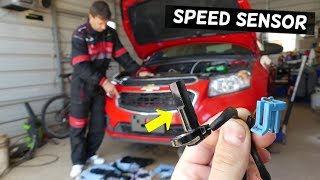
Typical fix: Replace the malfunctioning sensor. The sensors are typically located on the outside of the transmission case and are relatively accessible. 🎬 Watch: How to locate and replace the speed sensor
Est. part cost: $40-$100 - Worn Internal Components or Clogged Valve Body ⚪ Low Probability → Shop Transmission Valve Body High mileage and/or a history of fluid neglect can lead to worn clutches, a failing fluid pump, or a clogged valve body.
How to confirm: This is a diagnosis of exclusion. If fluid, solenoids, and sensors are all good, the problem is likely internal. A transmission pressure test can help confirm a weak pump or internal leaks. Inspecting the transmission pan for excessive metal shavings (more than a fine paste on the magnet) is a strong indicator of internal wear.
Typical fix: This requires either a valve body replacement or a complete transmission rebuild or replacement.
Est. part cost: $500-$4000+
Rare But Worth Checking
- Faulty Transmission Control Module (TCM): → Shop Transmission Assembly While less common than mechanical or hydraulic failures, the TCM itself can fail, causing incorrect commands or misinterpretation of sensor data. This is usually diagnosed after all other possibilities are exhausted.
- Damaged Wiring or Connectors: Corrosion or damage to the wiring harness leading to the transmission can interrupt signals to and from the solenoids and sensors, causing erratic behavior and codes.
- False Codes During Transport: Although documented for other Chevrolet models like the Malibu, manufacturer service bulletin #19NA201 notes that P0730 can sometimes be set during vehicle transport and may be considered a false code unless the MIL is on and other codes are present.
Diagnosis Steps
- Check the transmission fluid level and condition. This is the first and most important step. Ensure the correct procedure is followed since there is no dipstick.
- Scan the TCM for any other codes. Codes for specific solenoids (e.g., P0973) or speed sensors (e.g., P0717) can point directly to the cause.
- Use a scan tool to monitor live data. Observe the input and output speed sensors, commanded gear vs. actual gear, and TCC slip speed while driving.
- If fluid is old, burnt, or incorrect, perform a drain-and-fill with JWS 3309 (T-IV) specification fluid and re-test. Consider a second drain-and-fill after a short drive to circulate more of the old fluid out.
- If a specific solenoid is suspected, use a bi-directional scan tool to command it on and off with the engine off; a healthy solenoid will make an audible click.
- Test the resistance of the suspect solenoid(s) with a multimeter. Compare the reading to the manufacturer's specification.
- Inspect the wiring harness and main connector at the transmission for any damage, corrosion, or loose connections.
- If all external components and fluid are good, a transmission line pressure test may be needed to check for internal hydraulic leaks or a weak pump.
- As a final step, drop the transmission pan and check for excessive metal debris. Inspect the valve body for sticking valves or clogged passages.
Parts You'll Likely Need
- Automatic Transmission Fluid (JWS 3309 / T-IV)
(OEM #GM P/N 88900925 (US) / 22689186 (Canada))— The Aisin transmission is highly sensitive to fluid type and condition. Using fresh, correct fluid is the most common and necessary first step to fixing shift problems.
Trusted brands: ACDelco, Idemitsu (OEM supplier), AISIN, Mobil 3309
OEM price range: $10-$20 per quart
Aftermarket price range: $8-$15 per quart - Automatic Transmission Shift Solenoid
(OEM #24220806 (Individual Solenoid))— Shift solenoids are a very common failure point on this transmission, leading directly to an inability to engage gears correctly. Often replaced as a complete kit.
Trusted brands: ACDelco, Rostra (Popular for complete kits, e.g., 52-0485), Dorman
OEM price range: $45-$65
Aftermarket price range: $25-$50 (individual), $150-$250 (kit) - Automatic Transmission Filter Kit — Should be replaced whenever the transmission pan is removed for service, such as for a solenoid replacement, to ensure clean fluid flow.
Trusted brands: ACDelco, Wix, ATP
OEM price range: $30-$50
Aftermarket price range: $15-$30
Related Codes That Often Appear With This One
- P0700 — P0700 is a general transmission fault code. It means the TCM has requested the Check Engine Light to be turned on and has stored one or more specific transmission codes, like P0730.
- P0731-P0735 — These codes correspond to incorrect gear ratios for specific gears (P0731 for 1st, P0732 for 2nd, etc.). If P0730 is present with one of these, it can help pinpoint which gear's hydraulic circuit or solenoid is failing.
- P0973, P0974, etc. — These are specific electrical fault codes for the shift solenoids (e.g., Shift Solenoid 'A' Control Circuit Low/High). Their presence strongly points to a failed solenoid or wiring issue.
Technical Service Bulletins (TSBs) & Recalls
- TSB 08-07-30-035G: Details the harmful effects of water or ethylene glycol contamination in automatic transmission fluid, which can cause shift problems and lead to codes like P0730.
- TSB Bulletin #19NA201: Notes that DTC P0730 may be set during vehicle transport and is considered a false code unless the customer states the MIL is on and other codes are present.
Platform-Specific Known Issues
- No transmission fluid dipstick: Fluid level check is complicated and must be done from a fill plug at a specific temperature, often leading to incorrect levels if not done by a knowledgeable technician.
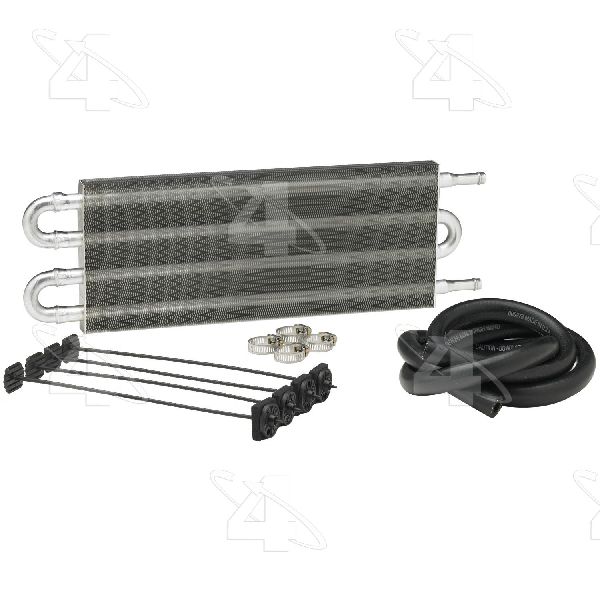
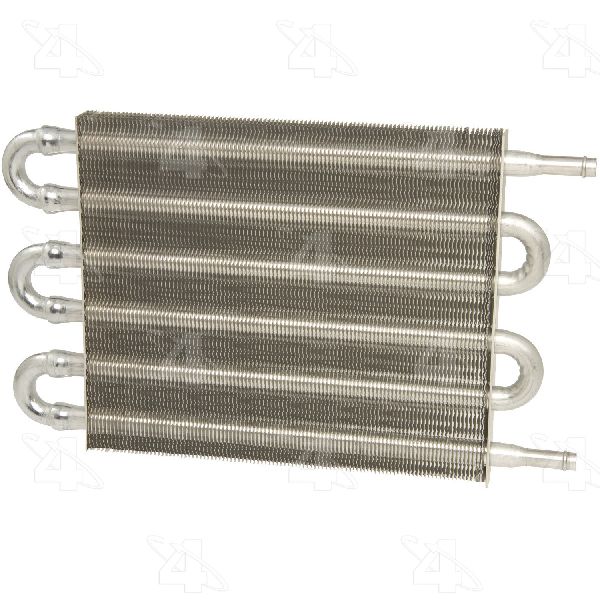
- Transmission cooler line leaks: The crimps on the lines running to the radiator can fail, causing a slow leak that leads to a low fluid level and this code.
- Normal 'Cold Mode' Operation: The TCM intentionally holds gears longer when the engine is cold to speed up warmup. This can be misdiagnosed as transmission slipping by owners unfamiliar with the behavior.
Diagnostic Flowchart
Other Known Issues on This Vehicle
Issues unrelated to this code that are worth knowing about as an owner of this generation:
- Lower Intake Manifold (LIM) Gasket Failure 🔴 High — Extremely common. The original plastic-carrier gaskets degrade from Dex-Cool coolant, typically failing between 60,000 and 120,000 miles, causing coolant and/or vacuum leaks.
- Clogged Heater Core 🔴 High — Very common, often a consequence of LIM gasket failure introducing air and stop-leak additives into the cooling system. Results in no heat in the cabin and can cause engine overheating.
- Steering Column / Intermediate Shaft Rattle 🟡 Low — A common annoyance where a clunking or rattling is heard and felt through the steering wheel over bumps. Often caused by a loose bolt on the intermediate steering shaft coupler under the dash. (Ref: A related TSB for brake caliper pin rattle is 05-05-23-005A.)
- Head Gasket Failure 🔴 High — Less common than the LIM gasket, but a known issue, often occurring after the engine has been repeatedly overheated due to other cooling system failures.
Real Owner Stories
Aggregated from forums and TSBs cited above. Mileages and costs reflect what owners reported in those sources.
2005 Chevrolet Equinox 3.4L V6 — ~90000 miles
Symptoms: The owner experienced no heat in the cabin and engine overheating, which was linked to air and stop-leak additives entering the cooling system.
What fixed it: Heater core bypass was performed as a workaround for a clogged heater core caused by LIM gasket failure.
Source hint: YouTube video titled 'k_oAk4v93h8' detailing a heater core bypass
2006 Chevrolet Equinox 3.4L V6
Symptoms: A clunking or rattling noise was heard and felt through the steering wheel when driving over bumps.
What fixed it: Tightening a loose bolt on the intermediate steering shaft coupler under the dash.
Source hint: chevroletforum.com thread titled 'rattle-noise-front-end-2005-2006-equinox-49019/'
2005-2009 Chevrolet Equinox 3.4L V6
Symptoms: Transmission holds gears longer than usual during cold weather starts.
What fixed it: No repair needed; this was identified as normal 'Cold Mode' operation by the TCM to speed up engine warmup.
Source hint: chevroletforum.com thread titled 'cold-weather-transmission-issue-79354/'
Related OBD-II Codes
Frequently Asked Questions
Can I use standard DEXRON fluid in my 2005-2009 Equinox Aisin AF33 transmission?
I can't find the transmission dipstick on my 2005 Equinox; how do I check the level?
Does TSB 08-07-30-035G apply to my P0730 code?
My Equinox shifts strangely only when it's very cold outside; is this a P0730 fault?
Could a coolant leak from my intake manifold cause transmission codes?
Is there a specific brand of solenoid recommended for the AF33 transmission?
Is it possible for P0730 to be a false code?
Helpful Videos

We Have This Part in Stock

The information in this article is provided for general reference and educational purposes only. Vehicle specifications, procedures, and part compatibility can vary by production date, trim level, and region. Always consult your vehicle's factory service manual and verify part numbers before purchasing or performing repairs. Safety-critical components such as airbags, seat belts, and braking systems should be installed by a qualified professional.
- Chevrolet Equinox:
- 🧭 Diagnostic Flowchart
- 🎬 Helpful Videos
- 🛍️ Shop This Part
- What's Unique About the 2005-2009 Chevrolet Equinox
- Symptoms You May Notice
- Most Likely Causes
- Rare But Worth Checking
- Diagnosis Steps
- Parts You'll Likely Need
- Related Codes That Often Appear With This One
- Technical Service Bulletins (TSBs) & Recalls
- Platform-Specific Known Issues
- Other Known Issues on This Vehicle
- Real Owner Stories
- 2005 Chevrolet Equinox 3.4L V6 — ~90000 miles
- 2006 Chevrolet Equinox 3.4L V6
- 2005-2009 Chevrolet Equinox 3.4L V6
- Related OBD-II Codes
- Frequently Asked Questions
- 🎟️ Get 5% Off