

P0730 on 2011-2019 Ford Fiesta: Incorrect Gear Ratio Causes and Fixes
On a 2011-2019 Ford Fiesta, code P0730 almost always points to a serious problem with the DPS6 PowerShift automatic transmission. The most common causes are a failed Transmission Control Module (TCM) or internal clutch failure. This is not a DIY-friendly repair and often costs thousands to fix. Before paying for repairs, check with a Ford dealer about warranty extensions 14M01 (clutch) and 14M02 (TCM), as your vehicle may still be covered.
- P0730 on a 2011-2019 Fiesta is a serious code indicating a major fault in the DPS6 PowerShift transmission.
- The most likely culprits are a failed Transmission Control Module (TCM) or a worn-out dual-clutch assembly.
- This is not a DIY repair. It requires professional diagnosis with specialized tools and is often very expensive.
- Do not continue to drive the vehicle, as you risk getting stranded and causing more severe, costly damage to the transmission.
- Check with a Ford dealer about potential warranty extensions on the TCM or clutch, as many of these vehicles were covered beyond the standard factory warranty.
What's Unique About the 2011-2019 Ford Fiesta
The 2011-2019 Ford Fiesta uses the DPS6 PowerShift, which is not a traditional automatic but a dry-clutch automated manual transmission. This design is notoriously prone to shuddering, harsh shifts, and premature failure of its core components. Unlike hydraulic automatics where P0730 might point to low fluid or a bad solenoid, on the Fiesta, it's very frequently a sign of failure in the unique and complex components of the PowerShift system, such as the dual-clutch assembly, the externally-mounted Transmission Control Module (TCM), or the clutch actuators.
Symptoms You May Notice
- Harsh, jerky, or delayed shifts.
- Shuddering or vibration, especially when accelerating from a stop.
- Transmission slipping (engine revs increase but speed does not).
- Vehicle gets stuck in one gear (limp mode).
- Flashing transmission warning light or Check Engine Light is on.
- Vehicle fails to move when put in gear.
- Grinding or chattering noises from the transmission.
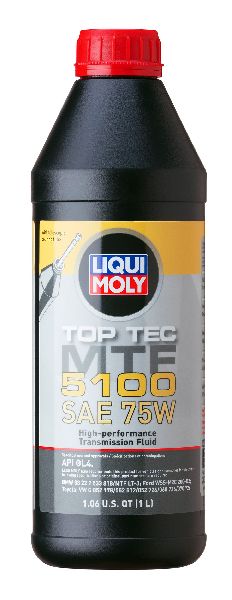
- Replacing only the transmission fluid. While low or dirty fluid can cause P0730 in traditional automatics, it is rarely the root cause on a Fiesta with a DPS6 transmission and will not fix a failing TCM or clutch. Fluid on the clutch is a sign of leaking seals, which requires clutch replacement.
- Replacing the TCM when the clutch is the actual problem, or vice-versa. A proper diagnosis using Ford's IDS software is critical to differentiate between the two main failure points.
Most Likely Causes
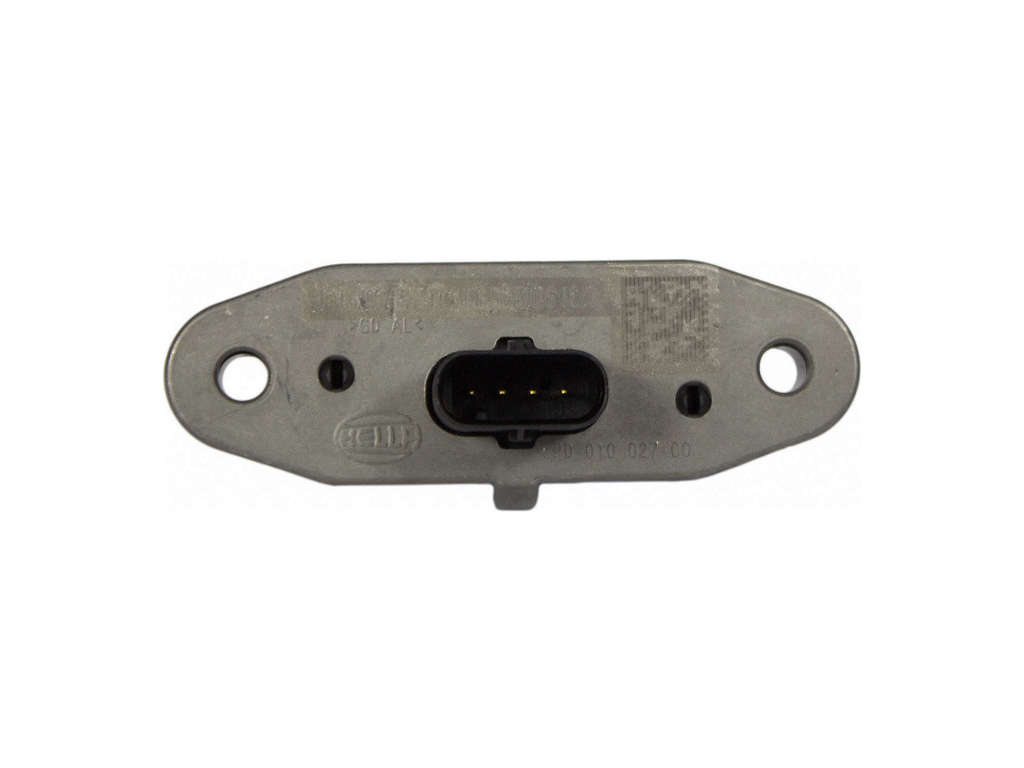
- Failed Transmission Control Module (TCM) 🔴 High Probability → Shop Transmission Assembly The TCM for the DPS6 transmission is a well-documented, high-failure item due to internal circuit failures from heat and vibration. Ford has had numerous warranty extensions and customer satisfaction programs for this part, most notably program 14M02.
How to confirm: A professional scan tool will often show specific TCM-related fault codes (like U0100, U0101, P0606) in addition to P0730. A technician will test for communication with the module. A complete loss of communication is a definitive sign of failure.
Typical fix: Replacement of the TCM, followed by programming it to the vehicle using Ford's diagnostic software (IDS). Ford has authorized the use of new, used, or refurbished TCMs for out-of-warranty repairs.
Est. part cost: $500-$900 - Worn or Failed Dual-Clutch Assembly 🔴 High Probability The dry clutch design of the DPS6 is known for premature wear and contamination from leaking input shaft seals, leading to slipping and shuddering that can trigger a P0730 code. This was a central issue in multiple class-action lawsuits and led to Customer Satisfaction Program 14M01.
How to confirm: Diagnosis often involves observing transmission data for clutch slip percentages with a scan tool and listening for characteristic grinding or chattering noises. TSB 16-0109 outlines a specific diagnostic procedure using Ford's IDS software to measure shudder and confirm failure. Visual inspection after removal will show fluid contamination or worn friction material.
Typical fix: Complete replacement of the dual-clutch and slave cylinder assembly. This is a major repair requiring transmission removal. The input shaft seals should also be replaced to prevent future fluid contamination.
Est. part cost: $800-$1500 - Faulty Clutch Fork Actuators 🟡 Medium Probability The electric motors that actuate the clutch forks can fail or seize, causing them to not engage or disengage the clutches properly, leading to an incorrect gear ratio.
How to confirm: A technician can use a high-level scan tool to command the actuators and monitor their response. Failure to move or erratic movement indicates a problem. The two motors are identical and can be swapped to see if the fault code moves from one clutch to the other (e.g., from P07A3 to P07A4), which would confirm a bad actuator motor.
Typical fix: Replacement of the upper and/or lower clutch actuator motor. This may also require a clutch adaptive learning procedure. The actuators can be replaced without removing the transmission.
Est. part cost: $200-$400 per actuator
Rare But Worth Checking
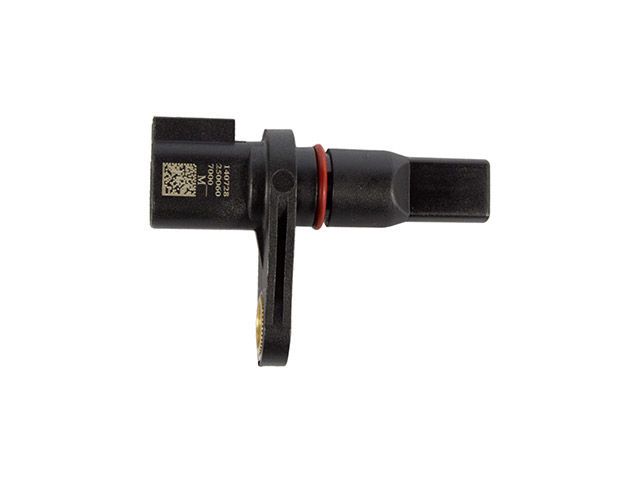
- Faulty Input/Output Speed Sensors: → Shop Automatic Transmission Speed Sensor While less common on the Fiesta than TCM or clutch failure, a faulty speed sensor or damaged wiring to the sensor can provide incorrect data to the TCM, causing it to mistakenly set a P0730 code. TSB 15-0036 addresses issues with chafed wiring pigtails for these sensors.
- Internal Transmission Mechanical Failure: → Shop Transmission Assembly Beyond the clutch itself, other internal components like shift forks, synchronizers, or gears can fail, but this is less frequent than the primary known issues with the DPS6 transmission.
Diagnosis Steps
- Scan the Transmission Control Module (TCM) for all stored codes. Note any codes related to clutch actuators (P0902), speed sensors, or TCM communication (U0100, U0101).
- Check for any applicable Technical Service Bulletins (TSBs) or warranty extensions related to the DPS6 transmission for your vehicle's VIN. Key programs are 14M01 (Clutch/Seals) and 14M02 (TCM).
- With a professional scan tool (preferably Ford IDS), monitor live data for input and output speed sensors, commanded vs. actual gear, and clutch slip.
- Inspect the wiring harness and connectors going to the TCM and transmission actuators for any visible damage, corrosion, or looseness. Pay attention to the speed sensor pigtails.
- Perform a clutch and actuator function test using the scan tool to check for proper mechanical response.
- If TCM communication is lost or codes like U0101 or P0606 are present, the TCM is the likely culprit.
- If the TCM is responsive but data shows excessive slip or shudder values during the TSB 16-0109 diagnostic routine, the issue is likely internal, pointing to the clutch assembly or actuators, requiring transmission removal for inspection and repair.
Parts You'll Likely Need
- Transmission Control Module (TCM)
(OEM #AE8Z-7Z369-F)— This is one of the most common failure points on the DPS6 transmission, directly causing shifting errors and communication codes.
Trusted brands: Motorcraft
OEM price range: $600-$900
Aftermarket price range: $400-$700 (Remanufactured) - Clutch and Slave Cylinder Kit — The original dual-clutch assembly is prone to premature wear and contamination from leaking seals, causing the slipping and shuddering that triggers P0730.
Trusted brands: Motorcraft, LuK
OEM price range: $1000-$1500
Aftermarket price range: $700-$1100 - Clutch Actuator Motor
(OEM #AE8Z-7C604-A)— These motors are responsible for engaging the clutches. Failure leads to an inability to shift correctly.
Trusted brands: Motorcraft
OEM price range: $250-$400
Aftermarket price range: $150-$300
Related Codes That Often Appear With This One
- P07A3 — This code for 'Transmission Friction Element 'A' Stuck On' often accompanies P0730 as it points directly to a problem with the clutch assembly or its actuator.
- P0902 — This code for 'Clutch Actuator Circuit Low' points towards a problem with the clutch fork actuators or the TCM that controls them.
- U0101 — This code indicates 'Lost Communication with TCM,' which is a strong indicator that the Transmission Control Module itself has failed.
- P0606 — Indicates an internal processor fault within the TCM, strongly suggesting the TCM needs replacement.
Technical Service Bulletins (TSBs) & Recalls
- TSB 16-0109: Addresses excessive clutch shudder and/or fluid leaks from the clutch housing. It provides the official diagnostic procedure for confirming clutch failure.
- TSB 16-0129: Addresses no-start, loss of engagement, or loss of power with codes like U0100, U0101, U1013, and/or P0606, pointing toward a TCM failure.
- Customer Satisfaction Program 14M02: Extended the warranty on the TCM to 10 years or 150,000 miles due to high failure rates.
- Customer Satisfaction Program 14M01: Extended the warranty on the clutch assembly and input shaft seals to 7 years or 100,000 miles to address shudder issues caused by leaking seals.
- Bulletin #16-0057: While issued for other Ford platforms, this manufacturer bulletin notes that vehicles may exhibit a MIL with DTCs P0751, P0730, and/or P2700.
- Bulletin #TSB160057: A manufacturer service bulletin notes that certain Ford transmissions may exhibit a Malfunction Indicator Lamp (MIL) with diagnostic trouble codes P0751, P0730, and/or P2700.
Platform-Specific Known Issues
- The DPS6 PowerShift transmission in the 2011-2016 Fiesta was the subject of multiple class-action lawsuits due to its design flaws, including shuddering, slipping, and sudden loss of power.
- Ford issued several warranty extensions for the clutch assembly and the Transmission Control Module (TCM) on affected vehicles. Owners should check with a Ford dealer to see if their vehicle is covered under any remaining programs. Program 14M01 extended clutch/seal warranty to 7 years/100,000 miles. Program 14M02 extended TCM warranty to 10 years/150,000 miles, with a final one-time replacement offer through June 30, 2025 for vehicles that have already exceeded the mileage.
Mechanic-Grade Diagnostic Values
- Clutch Actuator Motor Resistance — expected: 1.5–2.2 ohms. Failure: A reading outside of this range indicates a faulty motor.
Scan Tool Commands That Help
- Ford IDS / FORScan: TCM Adaptive Learning — This procedure is mandatory after replacing the TCM, clutch assembly, or clutch actuators. It resets and relearns the clutch engagement points and shift drum positions. Failure to perform this can result in harsh shifts, slipping, and other driveability issues.
- Ford IDS / FORScan: Clutch System Test — This is a diagnostic function used to command the clutch actuators and monitor their response. It helps determine if an actuator motor is slow, stuck, or not responding, which is crucial for differentiating between a bad motor and a mechanical clutch problem.
- Ford IDS / FORScan: Reprogram the PCM/TCM — Used when a Technical Service Bulletin (TSB) indicates that a software update is available to fix known issues, including incorrect gear ratio detection logic. TSB 16-0109 and TSB 16-0129 both require reprogramming the modules.
- Ford IDS / FORScan: Module Cloning / Programmable Module Installation (PMI) — When replacing the TCM, the vehicle's specific programming (including VIN and immobilizer data) must be transferred from the old module to the new one. IDS can do this via the PMI function. Specialized aftermarket tools can also 'clone' the data directly from the old TCM's EPROM chip to a used donor module.
Wiring & Ground Locations
- TCM Main Connector — The Transmission Control Module (TCM) is mounted externally on the side of the DPS6 transmission case. The main electrical connector is on the module itself.. This connector and its wiring harness are a common point of failure. The harness can rub through against the chassis or other components, and the connector pins can get contaminated with oil that wicks up from inside the transmission, causing poor connections, voltage drops, and communication errors that can trigger P0730 and other TCM codes.
- Main Battery Grounds — Located near the battery tray in the engine compartment.. A weak or corroded main ground connection can cause voltage fluctuations throughout the vehicle's electrical system. The sensitive TCM is particularly vulnerable to low voltage, which can cause it to malfunction, set false codes like P0730, and fail to operate the actuators correctly. Cleaning and securing these grounds is a critical first step in diagnosing any electronic issue on this platform.
Real Owner Repair Stories
- Gears Magazine Technical Article (Ford Focus/Fiesta with DPS6 Transmission) — Intermittent no-start, no-move, and various DTCs.
❌ Tried (didn't work) Assuming the code immediately means a major internal failure.
✅ What actually fixed it In a case of code P090B (Clutch B Actuator Circuit Performance), the technician swapped the identical upper (A) and lower (B) clutch actuator motors. The code then changed to P0901 (Clutch A Actuator Circuit Performance), definitively proving that the actuator motor itself was faulty. This confirmed the fix was to replace the motor, not the entire clutch or TCM. - YouTube Channel - Barbour's Auto Help (2012-2018 Ford Focus (also applies to Fiesta)) — Codes P0902 or P090C related to clutch actuator circuits.
❌ Tried (didn't work) For older models (2012-2016), replacing the actuator when the TCM was the real cause.
✅ What actually fixed it The technician explains that on 2012-2016 models, actuator codes often point to a failing TCM. However, on later 2017-2018 models, the same codes are much more likely to be a failed clutch actuator motor itself. The diagnostic strategy of swapping the upper and lower motors is recommended to confirm if the fault follows the motor, which isolates the problem without guesswork.
OEM Part Supersession History
AE8Z-7Z369-B, AE8Z-7Z369-D→AE8Z-7Z369-F— The original TCMs were prone to failure due to internal connection issues and heat. The later revisions, including the 'F' version, are considered more robust, with some remanufactured units featuring improved soldered connections.
Heads up: While the 'F' version is the latest service part, it's crucial to ensure any replacement (new, used, or reman) is properly programmed for the specific vehicle's VIN and calibration. A used TCM from a Focus may not be easily programmable to a Fiesta, and vice-versa.
Model Year Variations Within This Range
- 2011-early 2013: Vehicles built before 6/6/2013 had transmission input shaft seals that were more prone to leaking fluid onto the dry clutch, causing shudder and slipping.
- Late 2013-2019: Vehicles built on or after 6/6/2013 received improved input shaft seals that are less likely to leak. While clutch failure is still possible, it is less likely to be caused by fluid contamination on these later models.
- 2017-2019: On later model years, clutch actuator codes (like P0902, P090C) are more likely to indicate a failed actuator motor itself, whereas on earlier models (2012-2016), the same codes were more frequently caused by a failing TCM.
Diagnostic Flowchart
Other Known Issues on This Vehicle
Issues unrelated to this code that are worth knowing about as an owner of this generation:
- Faulty Door Latches 🔴 High — Very common, affecting 2011-2015 models especially. Led to multiple recalls. (Ref: Multiple recalls (e.g., NHTSA recalls 15V246, 20V331, 23V772) issued over several years. A broken pawl spring tab can prevent the door from latching or cause it to open while driving.)
- Failing HVAC Blend Door Actuator 🟡 Low — Extremely common across most model years. Owners report failure as early as 30,000 miles. Often characterized by a repetitive clicking sound from the dashboard upon startup or when changing temperature settings.
- Engine Overheating (1.0L & 1.6L EcoBoost) 🔴 High — A known issue on early EcoBoost models due to failing nylon coolant pipes that were prone to degradation at high temperatures. Can lead to catastrophic engine failure if not addressed. (Ref: Ford issued a recall for some models to replace the faulty coolant system components.)
- Stalling or Hesitation 🟠 Medium — Commonly reported, often linked to a faulty electronic throttle body (ETB) or issues within the fuel system.
- Suspension Wear 🟠 Medium — Premature wear of front struts, sway bar links, and control arm bushings is common, leading to clunking noises and poor handling.
Used vs. New Parts: Buying Guide for This Vehicle
When a used part is the smart pick: A used Transmission Control Module (TCM) can be a cost-effective option, especially given the high price and potential backorder status of new OEM units. However, it MUST be from a donor vehicle with a matching part number and will require professional cloning of your original module's data or reprogramming with dealer-level tools. Used clutch actuator motors are also a viable option as they are simple electric motors.
Donor-vehicle mileage cap: roughly under 80000 miles for the part to have meaningful remaining life.
What to inspect on the donor part:
- For a used TCM, verify the part number matches yours exactly.
- Ask for the VIN of the donor car to check for accident history.
- Inspect the connectors for any signs of corrosion, bent pins, or oil contamination.
- For any used part, buy from a reputable salvage yard that offers a short warranty or return period.
OEM-only on this vehicle (don't cheap out):
- Dual-Clutch Assembly: The labor to replace the clutch is extensive. Using a non-OEM or generic clutch kit is a huge risk, as many have poor reputations for quality and longevity. Sticking with the Motorcraft (OEM) or LuK (often the OEM supplier) kit is strongly recommended by mechanics.
Aftermarket brands forum-validated for this vehicle:
- LuK: For the dual-clutch assembly, LuK is widely considered the OEM supplier and a trusted alternative to the more expensive Ford/Motorcraft branded part.
Brands owners have reported issues with on this vehicle:
- Unbranded/Generic Clutch Kits: Many forum users and mechanics report that cheap, unbranded clutch kits from online marketplaces often fail prematurely, do not fit correctly, or cause shifting problems that cannot be resolved with adaptive learning.
Real Owner Stories
Aggregated from forums and TSBs cited above. Mileages and costs reflect what owners reported in those sources.
2011-2016 Ford Fiesta
Symptoms: Vehicle failed to move from a stop and then jerked hard into gear, accompanied by the P0730 code and AT light.
What fixed it: Replacement of the Transmission Control Module (TCM) or clutch assembly, as these are the primary failure points for the DPS6 transmission in this scenario.
Source hint: Reddit r/Cartalk - P0730 Code: Incorrect Gear Ratio
2011-2016 Ford Fiesta
Symptoms: Grinding or chattering noises from the transmission and P07A-series codes.
What fixed it: Diagnosing seized clutch forks or bad actuators by swapping the motors to see if the fault code moves.
Source hint: YouTube - 'Ford Tech Makuloco' - Every DPS6 Transmission Code and Issue EXPLAINED!
Related OBD-II Codes
Frequently Asked Questions
Is my 2011-2016 Ford Fiesta covered for the transmission shudder and leaking seals mentioned in TSB 16-0109?
My Fiesta has over 150,000 miles and the TCM just failed. Is there any coverage left under Program 14M02?
Can I use a used Transmission Control Module (TCM) to fix the P0730 code on my Fiesta?
How can I tell if my P0730 code is caused by a bad actuator motor or a mechanical clutch failure?
Does the 2012-2018 Ford Focus suffer from the same P0730 issues as the Fiesta?
Helpful Videos

We Have This Part in Stock


The information in this article is provided for general reference and educational purposes only. Vehicle specifications, procedures, and part compatibility can vary by production date, trim level, and region. Always consult your vehicle's factory service manual and verify part numbers before purchasing or performing repairs. Safety-critical components such as airbags, seat belts, and braking systems should be installed by a qualified professional.
- Ford Fiesta:
- 🧭 Diagnostic Flowchart
- 🎬 Helpful Videos
- 🛍️ Shop This Part
- What's Unique About the 2011-2019 Ford Fiesta
- Symptoms You May Notice
- Most Likely Causes
- Rare But Worth Checking
- Diagnosis Steps
- Parts You'll Likely Need
- Related Codes That Often Appear With This One
- Technical Service Bulletins (TSBs) & Recalls
- Platform-Specific Known Issues
- Mechanic-Grade Diagnostic Values
- Scan Tool Commands That Help
- Wiring & Ground Locations
- Real Owner Repair Stories
- OEM Part Supersession History
- Model Year Variations Within This Range
- Other Known Issues on This Vehicle
- Used vs. New Parts: Buying Guide for This Vehicle
- Real Owner Stories
- 2011-2016 Ford Fiesta
- 2011-2016 Ford Fiesta
- Related OBD-II Codes
- Frequently Asked Questions
- 🎟️ Get 5% Off