

P0730 on 2011-2016 Kia Sportage: Incorrect Gear Ratio Causes and Fixes
P0730 on a 2011-2016 Kia Sportage most often points to low or dirty transmission fluid, a failing transmission temperature sensor, or failing shift solenoids inside the transmission. Start by checking the fluid level and condition; a fluid and filter change is a relatively low-cost first step. These models have a sealed transmission without a dipstick, so checking the fluid is a more involved process.
- P0730 indicates transmission slipping. Do not ignore this code, as it can lead to severe transmission damage.
- The most common and affordable starting point for diagnosis is to check the transmission fluid level and condition. A fluid and filter service may resolve the issue.
- Other likely causes include faulty shift solenoids or a clogged valve body, which are more involved repairs.
- This is not a DIY-friendly repair for most home mechanics. Professional diagnosis is strongly recommended to avoid replacing expensive parts unnecessarily.
- Always use the specific transmission fluid type recommended by Kia for your vehicle to ensure proper operation.
What's Unique About the 2011-2016 Kia Sportage
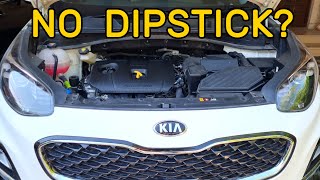
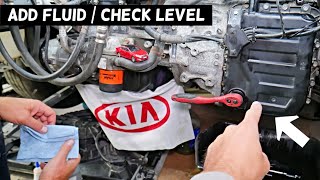
The 2011-2016 Kia Sportage (third generation, SL series) primarily uses a 6-speed automatic transmission (A6MF1). While P0730 is a generic code, on this platform, issues often trace back to basic fluid maintenance, a faulty transmission fluid temperature sensor, or electronically controlled components like solenoids. A key feature of this transmission is that it is a "sealed" unit, meaning it does not have a traditional dipstick for checking the fluid level, making fluid checks more complex for DIYers. 🎬 Watch: How to check transmission fluid level without a dipstick. Unlike some later models that have TSBs for software updates related to this code, the focus for this generation is more on the hydraulic and electro-mechanical aspects of the transmission.
Symptoms You May Notice
- Check Engine Light is on.
- Transmission slipping, where engine RPMs increase without a corresponding increase in vehicle speed.
- Harsh, jerky, or delayed gear shifts.
- Vehicle may enter "limp mode," getting stuck in a single gear (usually 2nd or 3rd).
- Reduced fuel economy.
- Vehicle may stall when coming to a stop after highway driving.
- Flashing gear position indicator on the dashboard.
- Loud whining or growling noise from the transmission area, which could indicate a failing pump or internal mechanical damage.
- Replacing the entire transmission when only a fluid change, temperature sensor harness, or a single solenoid was needed.
- Mistaking the symptoms for an engine misfire problem when the issue is transmission-related.
- Replacing the valve body when the root cause was a clogged transmission filter or faulty temperature sensor.
Most Likely Causes
- Low or Dirty Transmission Fluid 🔴 High Probability → Shop Transmission Assembly The A6MF1 transmission is 'sealed' and has no dipstick, discouraging DIY checks. Owners may neglect the service interval (typically 60,000 miles), leading to fluid degradation, contamination, and low levels from minor leaks, which reduces hydraulic pressure.
How to confirm: The fluid level must be checked with the vehicle level, engine running, and transmission fluid at a specific temperature (122-140°F / 50-60°C). A plug on the side of the transmission case is removed; a small, steady stream of fluid indicates a correct level. No fluid or a gusher indicates a problem. The fluid should be bright red/pink and not smell burnt.
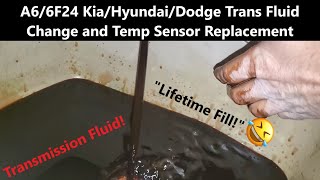
Typical fix: Perform a transmission fluid drain and fill, or a full fluid exchange. The transmission filter should also be replaced. Use only specified Kia SP-IV ATF. If the fluid is very low, the source of the leak must be found and repaired.
Est. part cost: $75-$200 - Faulty Transmission Fluid Temperature Sensor 🔴 High Probability → Shop Transmission Assembly This is a very common failure point on the A6 family of transmissions. The sensor is part of the internal wiring harness. When it fails, it sends incorrect temperature data to the TCM, causing erratic shifting, harsh engagement, and triggering codes like P0711, P0712, P0713, often alongside P0730.
How to confirm: A scan tool can read the live data from the transmission temperature sensor. If the reading is erratic, stuck at an extreme high or low value, or doesn't change as the vehicle warms up, the sensor is likely bad. A normal reading is approximately 3.2 volts at 104°F (40°C) and drops to around 0.29 volts at 302°F (150°C).
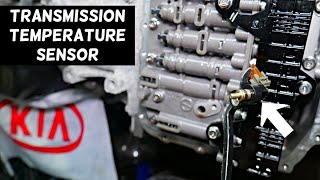
Typical fix: Replace the internal transmission wiring harness which contains the temperature sensor. This requires dropping the transmission pan and valve body. The OEM part number for the harness is 46307-3B650. 🎬 See this walkthrough for replacing the temperature sensor and harness.
Est. part cost: $80-$150 - Faulty Shift Solenoid(s) 🟡 Medium Probability → Shop Transmission Valve Body Solenoids are electro-hydraulic valves that control fluid flow for gear changes. They can fail electrically or become clogged with debris from old fluid, leading to an inability to engage a specific gear correctly.
How to confirm: An advanced scan tool can command individual solenoids and monitor their response. Resistance can also be checked with a multimeter once the transmission pan is removed. Variable Force Solenoids (VFS) should read approximately 5.1-5.3 Ohms, while on/off shift solenoids (SSA, SSB) should read between 10-11 Ohms.
Typical fix: Replace the specific faulty solenoid or the entire solenoid pack. This requires removing the transmission oil pan and valve body. An example OEM part number for a single on/off solenoid is 46313-3B030.
Est. part cost: $100-$400 - Defective Valve Body 🟡 Medium Probability → Shop Transmission Valve Body The valve body is the hydraulic control center. Passages can become clogged with sludge, or the reducing valve bores can wear out even at low mileage, causing pressure losses that lead to slipping.
How to confirm: This is typically diagnosed after fluid, the temperature sensor, and solenoids have been ruled out. It often requires inspection by a transmission specialist. Intermittent solenoid codes that return after solenoid replacement can point to a worn valve body.
Typical fix: The valve body may be cleaned and serviced, or completely replaced. Remanufactured valve bodies are a common repair option.
Est. part cost: $500-$1200 - Failing Torque Converter ⚪ Low Probability → Shop Automatic Transmission Torque Converter The torque converter's internal clutch (TCC) can wear out and slip, causing a gear ratio error, often accompanied by code P0741.
How to confirm: A mechanic can perform a stall speed test; for the A6MF1, it should be around 2200 +/- 100 RPM. A scan tool can also monitor torque converter clutch slip RPM.
Typical fix: Replacement of the torque converter, which requires removing the entire transmission.
Est. part cost: $400-$800
Rare But Worth Checking
- Faulty Input/Output Speed Sensors: → Shop Automatic Transmission Speed Sensor While less common, if one of these sensors provides an erratic or nonexistent signal, the TCM will calculate the gear ratio incorrectly and set a false P0730 code.
- Internal Mechanical Failure: This is the worst-case scenario and includes worn-out internal clutch packs, a failed planetary gear set, or a failing oil pump. This is usually accompanied by significant metal debris in the transmission pan and whining or grinding noises.
- Faulty Transmission Control Module (TCM): → Shop Transmission Assembly In rare cases, the computer itself can fail, though this should be the last item to suspect after all other possibilities are exhausted.
Diagnosis Steps
- Scan for all DTCs in the TCM. Note any specific gear ratio codes (P0731-P0735) or temperature sensor codes (P0711-P0713) that accompany P0730.
- Check the transmission fluid level and condition. This is a critical step but requires lifting the vehicle and following a specific temperature-dependent procedure since there is no dipstick.
- With an advanced scan tool, monitor live data for the input and output speed sensors, as well as the transmission fluid temperature sensor. Look for rational and consistent readings.
- Inspect the transmission wiring harness and connectors for any visible damage, corrosion, or loose connections.
- If fluid and sensors appear good, drop the transmission pan to inspect for excessive metal debris. This gives access to internal components.
- While the pan is off, inspect and test the resistance of the shift solenoids with a multimeter to check for electrical faults. 🎬 Watch: How to test transmission solenoids using a multimeter.
- If a temperature sensor code was present, replace the internal wiring harness (which includes the sensor).
- If solenoids test good and no other cause is found, the issue may be in the valve body or be an internal mechanical problem, which requires professional diagnosis.
Parts You'll Likely Need
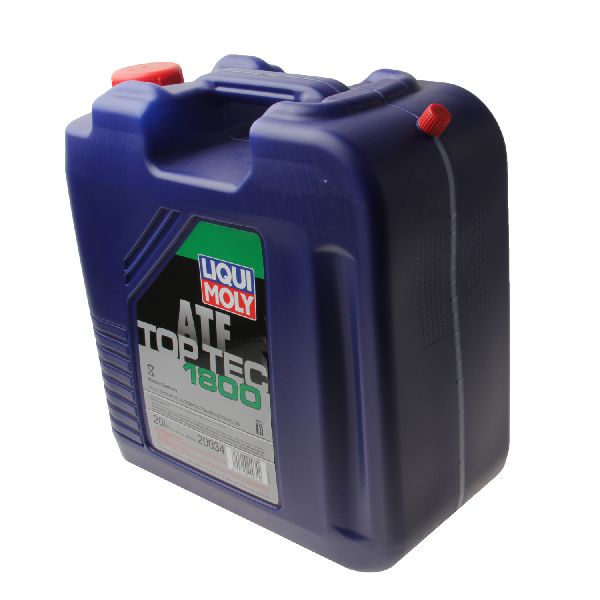
- Automatic Transmission Fluid
(OEM #Use only specified SP-IV type ATF.)— Low or degraded fluid is a primary cause of slipping and incorrect gear ratio codes. The A6MF1 transmission requires SP-IV fluid for proper operation.
Trusted brands: Kia Genuine SP-IV, AISIN ATF SP-IV, Valvoline Multi-Vehicle (SP-IV Compatible)
OEM price range: $15-$25 per quart
Aftermarket price range: $10-$20 per quart - Transmission Filter
(OEM #46321-3B600)— The filter traps debris. If it becomes clogged, it can starve the transmission of fluid, causing pressure drops and slipping. It should be replaced during any fluid service.
Trusted brands: Kia Genuine, WIX, ATP
OEM price range: $30-$50
Aftermarket price range: $15-$30 - Internal Transmission Wiring Harness
(OEM #46307-3B650)— This harness contains the transmission fluid temperature sensor, a very common failure point on this transmission. A faulty sensor provides incorrect data to the TCM, causing shifting problems.
Trusted brands: Kia/Hyundai Genuine, Phyun
OEM price range: $80-$150
Aftermarket price range: $50-$100
Related Codes That Often Appear With This One
- P0731-P0735 — These codes indicate an incorrect gear ratio for a specific gear (1st, 2nd, 3rd, etc.), which helps pinpoint the area of the fault. P0730 is a general code that may appear with them.
- P0741 — This code indicates a problem with the Torque Converter Clutch (TCC) circuit, which can also cause the slipping that triggers a P0730.
- P0711, P0712, P0713 — These codes point directly to a fault in the transmission fluid temperature sensor circuit. Their presence with P0730 makes the temperature sensor/harness a very likely culprit.
Technical Service Bulletins (TSBs) & Recalls
- TSB SA476: This TSB addresses P0730 for some 2020 Kia Rio models with a CVT, involving a software update or transmission replacement. While not directly applicable to the 2011-2016 Sportage's A6MF1 transmission, it shows Kia's use of the code for various transmission faults.
- TSB Bulletin #TSB_TRA097: A manufacturer bulletin for other Kia models equipped with IVT/CVT transmissions notes that vehicles may exhibit a Malfunction Indicator Lamp (MIL) with DTCs P0730, P0731, P0741, and P0867.
- TSB CHA044 / CHA074: These TSBs do not relate to the transmission but to a common steering issue (MDPS coupling replacement) on this platform. Their inclusion helps differentiate between common platform faults.
Platform-Specific Known Issues
- Transmission Temperature Sensor Failure: → Shop Transmission Assembly A widely reported issue for the A6MF1 transmission is the failure of the internal fluid temperature sensor. This causes the TCM to receive faulty data, leading to harsh shifts, incorrect gear selection, and codes P0730, P0711, P0712, and/or P0713. The fix is to replace the entire internal wiring harness, which contains the sensor.
- No Transmission Dipstick: → Shop Transmission Assembly The 2011-2016 Sportage with the automatic transmission does not have a dipstick. Checking the fluid is a service procedure that requires the vehicle to be level on a lift, warmed to a specific temperature, and a check/fill plug to be opened on the side of the transmission case. This makes routine checks difficult for the average owner and can lead to neglected fluid service.
Mechanic-Grade Diagnostic Values
- Variable Force Solenoid (VFS) Resistance — expected: 5.1 - 5.3 Ohms. Failure: A reading outside this range indicates an electrical fault in the solenoid coil.
- On/Off Shift Solenoid (SSA/SSB) Resistance — expected: 10 - 11 Ohms. Failure: A reading outside this range suggests a bad solenoid coil.
- Transmission Fluid Temperature Sensor Resistance — expected: Approx. 1.9k Ohms @ 76°F (24.4°C). Failure: Significant deviation from this value, or readings that don't change with temperature, indicate a faulty sensor.
- Transmission Fluid Temperature Sensor Voltage — expected: Approx. 3.2V @ 104°F (40°C), dropping to approx. 0.29V @ 302°F (150°C). Failure: Voltage that is stuck high or low, or does not correspond to the actual fluid temperature.
- Torque Converter Stall Speed Test — expected: 2200 +/- 100 RPM. Failure: A stall speed that is significantly higher or lower than the specification can indicate a problem with the torque converter or internal transmission clutches.
Scan Tool Commands That Help
- Kia GDS (Global Diagnostic System) or equivalent advanced scan tool: TCM Adaptation Reset / Adaptive Values Reset — This function should be used after replacing major transmission components like the valve body, solenoids, or the entire transmission. It clears the learned shift adaptations from the TCM, forcing it to relearn shift points and pressures with the new components, which is critical for proper performance and longevity.
Real Owner Repair Stories
- AliExpress Product Review/Q&A (2015 Hyundai Sonata with A6MF1 transmission) — Delayed shifts, harsh engagement, erratic gear behavior, intermittent P0750 (Shift Solenoid A Malfunction) and P0755 (Shift Solenoid B Circuit) codes.
❌ Tried (didn't work) Replacing two shift solenoids with OEM parts., Multiple transmission fluid flushes.
✅ What actually fixed it The owner discovered that worn internal passages and degraded seals within the valve body were the root cause, not the solenoids themselves. Replacing the entire valve body assembly finally resolved the shifting problems. - NHTSA ODI #11558544: An owner of a Kia vehicle reported that while driving, the check engine light turned on indicating the presence of code P0730, requiring immediate scheduling of service and maintenance at a dealership.
OEM Part Supersession History
46307-3B610, 46307-3B620→46307-3B650— Updated design for the internal transmission wiring harness, which includes the temperature sensor. The new harness is recommended to be installed whenever the valve body is accessed.
Heads up: The older harnesses are discontinued. The 46307-3B650 is the correct service part.
Model Year Variations Within This Range
- 2011-2016: While the core A6MF1 transmission is used throughout this period, there can be minor variations in internal components and software. It is critical to verify part numbers using the vehicle's VIN. Using a used transmission from a different year without verification is not recommended due to potential compatibility issues.
Diagnostic Flowchart
Other Known Issues on This Vehicle
Issues unrelated to this code that are worth knowing about as an owner of this generation:
- Theta II Engine Failure 🔴 High — Widespread across 2.0L and 2.4L engines. Machining debris from manufacturing can block oil passages, leading to connecting rod bearing failure and catastrophic engine seizure, often between 80,000-130,000 miles. (Ref: Recall 17V-224 / NHTSA Campaign 23V652000 (related to KSDS update and fuel pipe inspection after engine replacement).)
- GDI Carbon Buildup on Intake Valves 🟠 Medium — Common on GDI engines, typically becoming noticeable from 60,000-100,000 miles. Causes rough idle, misfires (P0300-P0304), and hesitation.
- MDPS Steering Column Coupling Wear 🟡 Low — A flexible rubber coupling in the electronic power steering (MDPS) wears out, causing a clicking or knocking sound when turning the steering wheel. It is a common and relatively inexpensive fix. (Ref: TSB CHA074 describes the replacement procedure for this known issue.)
- HECU Electrical Shorts 🔴 High — Affects multiple Kia models including the 2014-2016 Sportage. The Hydraulic Electronic Control Unit (HECU) for the ABS can short circuit, creating a risk of an engine compartment fire, even when the vehicle is parked. (Ref: NHTSA Campaign 23V652000)
Used vs. New Parts: Buying Guide for This Vehicle
When a used part is the smart pick: A complete used transmission can be a cost-effective option if the vehicle has high mileage and the owner's budget is limited. It is a gamble, as the history is often unknown. Used solenoids or sensors are generally not recommended due to the high labor cost to replace them if they fail shortly after installation.
Donor-vehicle mileage cap: roughly under 80000 miles for the part to have meaningful remaining life.
What to inspect on the donor part:
- Source the transmission from a vehicle with a known, verifiable lower mileage.
- Look for a donor vehicle that was involved in a collision that did not damage the powertrain.
- Check the color and smell of the fluid in the donor transmission if possible. Bright red fluid without a burnt smell is a good sign.
- Ask for a warranty, even if it's only 30-90 days. This provides some protection against immediate failure.
OEM-only on this vehicle (don't cheap out):
- Internal Transmission Wiring Harness (including Temp Sensor): Aftermarket versions have a poor reputation for reliability and can cause repeat failures. Given the labor involved, OEM is the safest bet.
Aftermarket brands forum-validated for this vehicle:
- ATF Fluid: AISIN, Valvoline, ENEOS, and Ravenol are well-regarded brands that produce compatible SP-IV fluid.
- Valve Body: A remanufactured valve body from a reputable transmission parts supplier can be a reliable and cost-effective alternative to a new OEM unit.
Brands owners have reported issues with on this vehicle:
- Generic, unbranded online marketplace solenoids and wiring harnesses. Forum discussions frequently mention these parts failing quickly, leading to repeated, expensive labor.
Real Owner Stories
Aggregated from forums and TSBs cited above. Mileages and costs reflect what owners reported in those sources.
2011 Sportage EX AWD
Symptoms: Check Engine Light was on with codes P0730 and P0741 stored in the computer.
What fixed it: The dealer diagnosed the issue and confirmed the fix was replacing the internal transmission wiring harness, which contains the transmission fluid temperature sensor.
Source hint: https://www.kia-forums.com/threads/2011-sportage-ex-awd-transmission-problems-p0730-p0741.332390/
Related OBD-II Codes
Frequently Asked Questions
How do I check the transmission fluid on my 2011-2016 Sportage since it doesn't have a dipstick?
My Sportage is shifting harshly and has a P0730 code. Could it be the transmission temperature sensor?
What is the part number for the replacement transmission temperature sensor?
What kind of transmission fluid does my 2011-2016 Kia Sportage use?
Does TSB SA476 for code P0730 apply to my 2014 Sportage?
I have a 2013 Hyundai Tucson with a P0730 code. Is this article relevant?
Helpful Videos

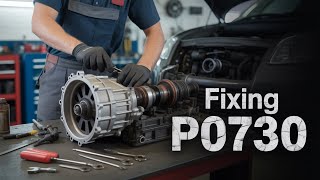
We Have This Part in Stock
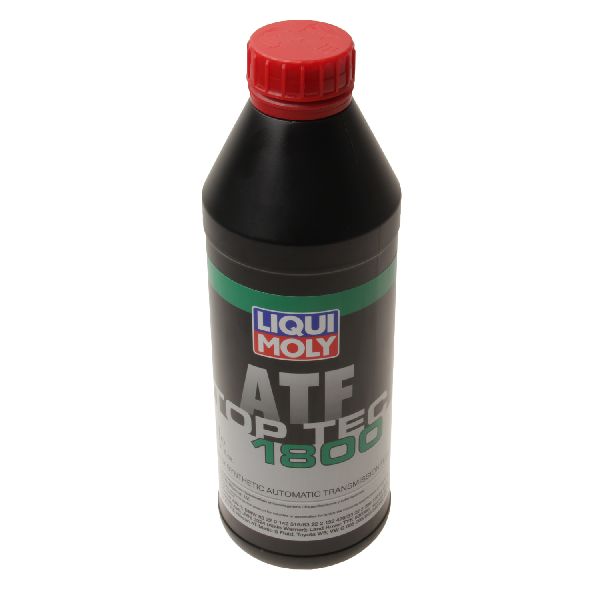
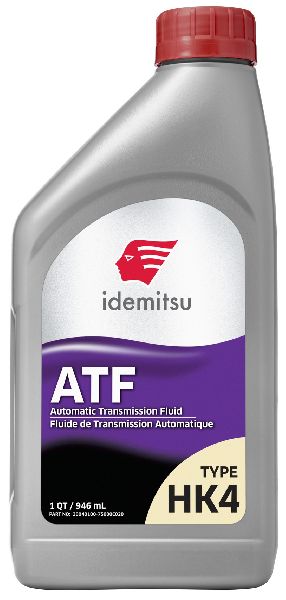


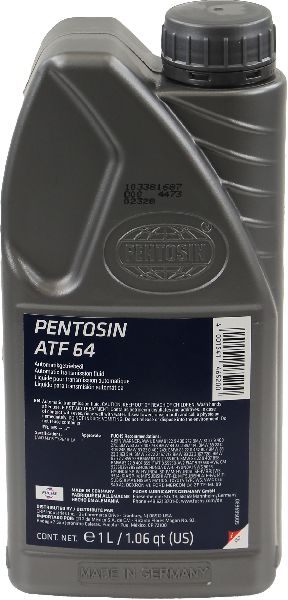

The information in this article is provided for general reference and educational purposes only. Vehicle specifications, procedures, and part compatibility can vary by production date, trim level, and region. Always consult your vehicle's factory service manual and verify part numbers before purchasing or performing repairs. Safety-critical components such as airbags, seat belts, and braking systems should be installed by a qualified professional.
- Kia Sportage:
- 🧭 Diagnostic Flowchart
- 🎬 Helpful Videos
- 🛍️ Shop This Part
- What's Unique About the 2011-2016 Kia Sportage
- Symptoms You May Notice
- Most Likely Causes
- Rare But Worth Checking
- Diagnosis Steps
- Parts You'll Likely Need
- Related Codes That Often Appear With This One
- Technical Service Bulletins (TSBs) & Recalls
- Platform-Specific Known Issues
- Mechanic-Grade Diagnostic Values
- Scan Tool Commands That Help
- Real Owner Repair Stories
- OEM Part Supersession History
- Model Year Variations Within This Range
- Other Known Issues on This Vehicle
- Used vs. New Parts: Buying Guide for This Vehicle
- Real Owner Stories
- 2011 Sportage EX AWD
- Related OBD-II Codes
- Frequently Asked Questions
- 🎟️ Get 5% Off