

P0740 on 2006-2016 Chevrolet Impala: Torque Converter Clutch Circuit Malfunction Causes and Fixes
On a 2006-2016 Chevrolet Impala, code P0740 usually points to a problem with the Torque Converter Clutch (TCC) solenoid inside the transmission. The most common fix is replacing the TCC solenoid, which requires dropping the transmission pan. Expect parts to cost between $35 and $70. If other electrical codes like P0753 or P1860 are present, the ignition switch is a likely culprit.
- P0740 on a 2006-2016 Impala is an electrical code pointing to the Torque Converter Clutch circuit.
- The most common cause is a failed TCC solenoid inside the transmission.
- Always check the transmission fluid level and condition first, as low or dirty fluid is a common problem.
- If other transmission electrical codes are present, suspect a faulty ignition switch before diving into transmission work.
- Due to the need to access internal transmission components, this repair is best left to experienced DIYers or professionals.
What's Unique About the 2006-2016 Chevrolet Impala
The 2006-2016 Chevrolet Impala, especially the ninth generation (2006-2013) equipped with the 4T65-E transmission, is well-documented for having transmission problems. These issues often stem from internal components like solenoids and the torque converter itself. While P0740 is an electrical circuit code, on these Impalas it frequently points to an eventual mechanical or component failure within a transmission known to have a shorter-than-average lifespan. The 10th generation (2014+) uses different transmissions like the 6T70, which can also suffer from TCC-related codes, but the 4T65-E is the most cited for this specific failure pattern.
Generation note: The 2006-2016 range covers two Impala generations. The ninth generation (2006-2013, plus 'Limited' fleet models through 2016) primarily used the 4T65-E 4-speed automatic, which is particularly known for transmission issues, including solenoid and torque converter failures that trigger P0740. The tenth generation (2014-2016 for non-fleet models) uses different 6-speed transmissions (like the 6T70), which can still experience similar electrical faults but have different internal components.
Symptoms You May Notice
- Check Engine Light is on
- Transmission may not shift properly or may feel like it's slipping
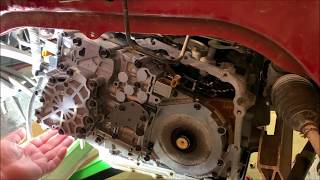
- Shuddering or vibration at highway speeds, similar to driving over rumble strips 🎬 Watch: Diagnosing highway speed transmission shudder
- Engine RPMs fluctuate or run higher than usual at steady cruising speeds
- Reduced fuel economy
- Engine may stall when coming to a stop
- Transmission may overheat, potentially causing a burning smell
- Replacing the entire transmission without first testing the TCC solenoid and its wiring.
- Replacing the torque converter when the issue is a much cheaper solenoid or wiring fault.
- Overlooking a faulty ignition switch when multiple transmission electrical codes are present simultaneously.
Most Likely Causes
- Faulty Torque Converter Clutch (TCC) Solenoid 🔴 High Probability → Shop Automatic Transmission Torque Converter The 4T65-E transmission in 9th generation Impalas is notorious for solenoid failures due to age, heat, and contamination from aging transmission fluid.
How to confirm: A mechanic can test the solenoid's resistance with a multimeter. For the PWM TCC solenoid in the 4T65-E, the reading should be between 10 and 15 ohms. This requires accessing the solenoid by dropping the transmission pan.
Typical fix: Replace the TCC solenoid. This is done by removing the transmission pan and sometimes the valve body to access the solenoid.
Est. part cost: $35-$70 - Low, Burnt, or Contaminated Transmission Fluid 🟡 Medium Probability → Shop Transmission Assembly Many of these vehicles are older and may have missed fluid services. Old fluid loses its lubricating properties, can't dissipate heat effectively, and suspended debris can clog solenoid passages, leading to electrical and mechanical faults.
How to confirm: Check the transmission fluid level and condition via the dipstick. The fluid should be bright red and clear, not dark brown, black, or have a burnt smell.
Typical fix: Perform a transmission fluid and filter change 🎬 Watch: 4T65-E transmission fluid and filter service walkthrough using DEXRON-VI fluid. If the fluid is very dirty, a full fluid flush may be recommended by a professional.
Est. part cost: $50-$150 - Damaged Wiring or Connectors 🟡 Medium Probability Vibrations, heat, and age can cause the wiring harness leading to or inside the transmission to become brittle, frayed, or corroded, leading to an open or short in the TCC circuit.
How to confirm: Visually inspect the external transmission wiring harness for any signs of damage. Test for continuity and shorts in the TCC solenoid circuit from the TCM connector to the transmission connector using a multimeter.
Typical fix: Repair or replace the damaged section of the wiring harness. Ensure connectors are clean and secure.
Est. part cost: $20-$200 - Internal Transmission Failure (Torque Converter or Valve Body) ⚪ Low Probability → Shop Transmission Assembly The 4T65-E transmissions have known weak points. Debris from a failing torque converter clutch can clog passages in the valve body and damage solenoids, causing an electrical code like P0740 as a symptom of a larger mechanical failure.
How to confirm: If significant metal shavings are found in the transmission pan during a fluid change, it's a strong indicator of internal mechanical wear. A professional may need to perform a pressure test or further disassembly.
Typical fix: This is a major repair that could involve replacing the torque converter, the valve body, or a complete transmission rebuild/replacement.
Est. part cost: $400-$3500+
Rare But Worth Checking
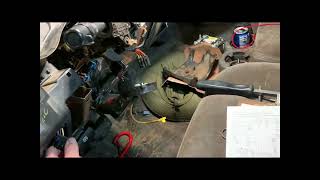
- Faulty Ignition Switch: → Shop Ignition Switch On many GM platforms, including the Impala, a failing ignition switch can cause a loss of power to a circuit that feeds multiple transmission solenoids. If P0740 appears with other electrical transmission codes (like P0753, P0758, P1860), the ignition switch is a very strong suspect and should be investigated before condemning the transmission.
- Faulty Transmission Control Module (TCM): → Shop Transmission Assembly While rare, the TCM itself can fail. This should only be considered after all other possibilities (solenoid, wiring, fluid, ignition switch) have been thoroughly ruled out, as it is an expensive and often misdiagnosed part.
Diagnosis Steps
- Check the transmission fluid level and condition. If it's low, top it off. If it's dark, burnt, or contains debris, a fluid and filter change will be necessary.
- Using an OBD-II scanner, check for any other pending or stored trouble codes. The presence of other transmission codes like P0753, P0758, or P1860 is a critical clue pointing towards a possible ignition switch failure.
- Inspect the external wiring harness and connectors to the transmission for any visible damage, corrosion, or loose connections.
- If the fluid and external wiring are okay, the next step is to test the TCC solenoid circuit. This involves dropping the transmission pan to gain access.
- Test the resistance of the TCC solenoid using a multimeter. It should be between 10-15 ohms. An out-of-spec reading indicates a faulty solenoid.
- If the solenoid tests good, check the internal transmission wiring for continuity and shorts between the main connector and the solenoid.
- If the solenoid and wiring are good, and multiple solenoid codes are present, test the ignition switch for proper voltage output to the transmission solenoid power supply circuit (circuit 1020).
- If all electrical tests pass, the problem may lie with the torque converter itself or a clogged/worn valve body, which requires professional diagnosis.
Parts You'll Likely Need
- Torque Converter Clutch (TCC) Solenoid
(OEM #24227747)— This solenoid is the most frequent point of failure for an isolated P0740 code. It is an electro-mechanical part that wears out over time and is susceptible to damage from contaminated fluid.
Trusted brands: ACDelco, Bosch, Rostra
OEM price range: $40-$70
Aftermarket price range: $30-$50 - Transmission Filter and Pan Gasket Kit — This is required whenever dropping the transmission pan to service internal components like the TCC solenoid.
Trusted brands: ACDelco, ATP, Wix
OEM price range: $25-$40
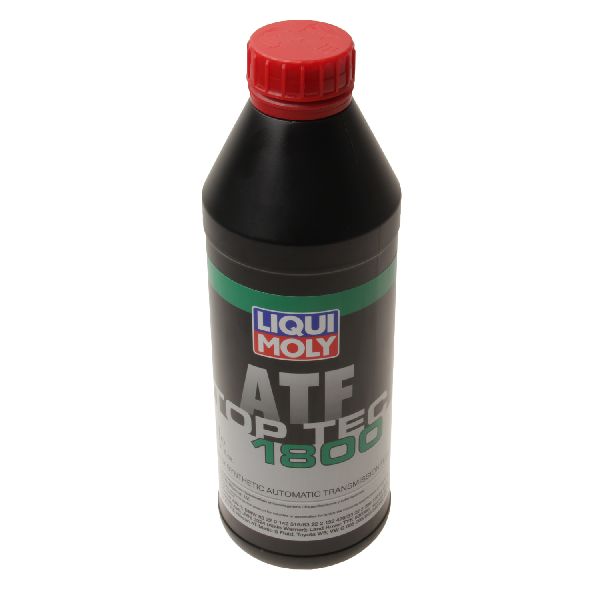
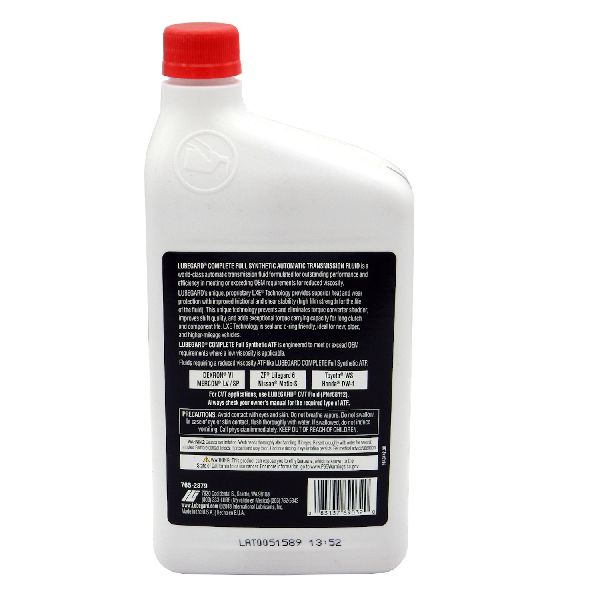
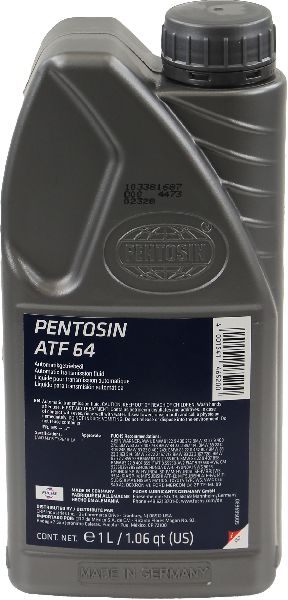
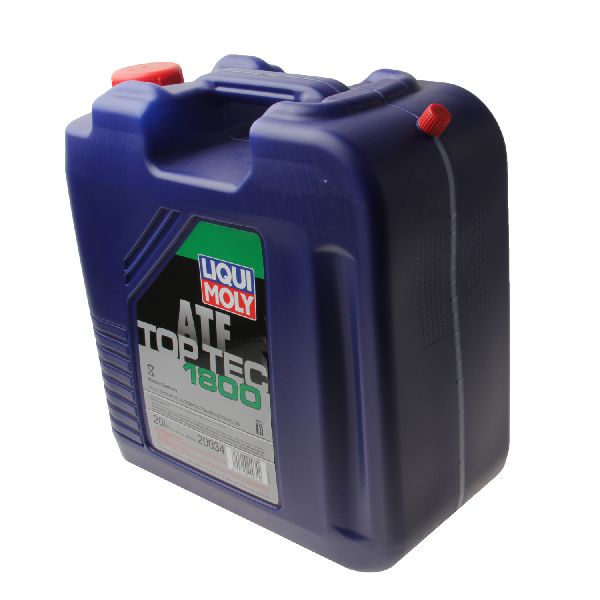
Aftermarket price range: $15-$30 - DEXRON-VI Automatic Transmission Fluid — The correct fluid is essential for transmission health. A pan drop requires approximately 7-8 quarts for a refill.
Trusted brands: ACDelco, Valvoline, Castrol
OEM price range: $8-$12 per quart
Aftermarket price range: $7-$10 per quart - Ignition Switch
(OEM #D1462G (ACDelco))— A common cause of P0740 when it appears with other solenoid codes (P0753, P0758, P1860). It fails internally, cutting power to the transmission solenoids.
Related Codes That Often Appear With This One
- P0741 — P0741 indicates 'TCC System Stuck Off'. An electrical fault (P0740) can prevent the clutch from engaging, leading the computer to also log the resulting performance fault (P0741).
- P0753, P0758, P1860 — When seen together with P0740, this group of electrical solenoid codes on a GM vehicle strongly points to a common power supply issue, very often a faulty ignition switch. The same circuit provides power to all these solenoids.
Technical Service Bulletins (TSBs) & Recalls
- TSB 01-07-30-002E: Addresses multiple transmission solenoid codes (including P0740) being caused by a faulty ignition switch on various GM vehicles.
- TSB 06-06-01-010C: Details repair for coolant leaking from the coolant crossover pipe gaskets on 3.5L and 3.9L V6 engines.
- TSB 4196 (unofficial number from forum): Mentioned in forums as relating to head gasket leaks on the 3.5L/3.9L V6 engines.
- TSB for Intermediate Steering Shaft Clunk: Multiple sources mention a TSB for lubricating or replacing the clunking intermediate steering shaft.
Platform-Specific Known Issues
- The ninth-generation Impala (2006-2013) is particularly noted for transmission failures, which can often be preceded by solenoid-related codes like P0740.
Mechanic-Grade Diagnostic Values
- TCC/PWM Solenoid Resistance (4T65-E) — expected: 10-12 Ohms at 68°F (20°C), 13-15 Ohms at 190°F (88°C).. Failure: A reading outside of this range indicates a faulty solenoid.
- Shift Solenoid A & B Resistance (4T65-E) — expected: 19-24 Ohms at 68°F (20°C), 24-31 Ohms at 190°F (88°C).. Failure: While not the direct cause of P0740, checking these helps assess overall transmission electronic health. Out-of-spec readings suggest widespread solenoid failure.
- TCC PWM Solenoid Frequency — expected: The PCM operates this solenoid with a negative duty cycle at a fixed frequency of 32Hz.. Failure: This is a baseline value for advanced diagnosis with an oscilloscope; deviations could point to PCM or wiring issues.
- Transmission Case to Chassis Ground Resistance — expected: Less than 0.5 Ohms.. Failure: A higher resistance indicates a poor ground connection, which can cause a variety of electrical faults, including P0740.
Scan Tool Commands That Help
- GM Tech 2 / GDS2: TCC Solenoid Test (Solenoid cycling) — This bidirectional command allows a technician to manually command the TCC solenoid on and off while monitoring system data. It's used to verify if the solenoid clicks and if the circuit responds as expected, helping to isolate a faulty solenoid from a wiring or PCM issue without immediate disassembly.
- GM Tech 2 / GDS2: Monitor TCC PWM Duty Cycle — While driving, a technician can watch the commanded TCC duty cycle percentage and compare it to the actual TCC slip RPM. If the PCM commands a high duty cycle (e.g., 50%+) but slip RPM remains high, it suggests the solenoid is not responding or there is a hydraulic/mechanical issue.
Wiring & Ground Locations
- G101 — Located at the lower left front of the engine block.. This is a primary ground for the Engine Control Module (ECM) and Transmission Control Module (TCM). A poor connection here can cause erratic behavior and false codes from both modules, including P0740.
- G103 — Located at the left rear of the engine compartment on the cowl, above the brake booster.. This ground serves the BCM, Instrument Panel Cluster (IPC), and Data Link Connector (DLC). While not directly in the TCC circuit, a fault here can cause communication issues that may manifest as various electronic problems.
- Transmission Control Module (TCM) — Located on the left side of the engine compartment.. This is the module that directly controls the TCC solenoid. All wiring tests for the solenoid circuit will originate or terminate at the TCM's connector.
- Circuit 1020 (Pink Wire) — This is the ignition voltage supply wire that powers the transmission solenoids. It originates from the ignition switch and runs to the transmission case connector.. If multiple solenoid codes (P0740, P0753, P0758, P1860) are present, a voltage drop or loss on this specific circuit is highly likely. The fault is often in the ignition switch itself, not the wiring.
Real Owner Repair Stories
- Reddit user in r/MechanicAdvice (2009 Chevrolet Impala) — Slow crank, then a no-start condition. All lights and accessories worked, but the car would not turn over. After replacing the battery, the problem persisted.
❌ Tried (didn't work) Replacing the battery, Using a battery booster pack
✅ What actually fixed it The user suspected a bad ground. By connecting a jumper cable from the negative battery post directly to the engine brace, the car was able to start, confirming a faulty ground connection was the root cause of the electrical issues. - NHTSA ODI #10702398 — An owner reported that after replacing the ignition switch, the vehicle worked fine for a month before the problem recurred with errors P1860, P0758, P0753, and P0740. Testing revealed no power from the red/white to white wire when the switch was on.
- NHTSA ODI #10023435 — A driver experienced a service engine light and found codes P0740 and P1860. The vehicle would not move from a dead stop, though it functioned normally once moving at second gear speeds.
OEM Part Supersession History
Various previous part numbers→24227747 (ACDelco)— Updates to the solenoid design for improved durability and performance.
Heads up: Crucially, the 4T65-E TCC PWM solenoid (24227747) is physically identical to the one used in the 4L60-E transmission, but they are NOT interchangeable. Using a 4L60-E solenoid in a 4T65-E will cause shifting and lock-up problems. Always verify the part number for the specific transmission.
Model Year Variations Within This Range
- 2006-2013: These models primarily use the 4T65-E transmission, which is the main focus of the known TCC solenoid and ignition switch issues related to P0740.
- 2014-2016: These models (excluding the 'Limited' fleet version) use newer 6-speed transmissions like the 6T70. While they can still set a P0740 code, the internal components, solenoids (which are part of a TEHCM module), and diagnostic procedures are entirely different from the 4T65-E.
Diagnostic Flowchart
Other Known Issues on This Vehicle
Issues unrelated to this code that are worth knowing about as an owner of this generation:
- Intake Manifold Gasket Failure (3.5L & 3.9L V6) 🔴 High — Very common on 9th gen models, especially the 3.5L 'wet' intake design. Failure often occurs between 70,000 and 120,000 miles. (Ref: GM TSB 03-06-01-008B (for earlier V6s, but principle applies), TSB 06-06-01-010C (coolant crossover gaskets).)
- Intermediate Steering Shaft Clunk 🟠 Medium — Common across the 9th generation. A clunking or popping noise is felt in the steering wheel and floorboards during low-speed turns. (Ref: A known issue with a TSB, though the original GM part is discontinued. Aftermarket replacements are available.)
- HVAC Blend Door Actuator Failure 🟡 Low — Extremely common on the 9th generation. Presents as a repetitive clicking or ticking sound from behind the dashboard when changing temperature or airflow modes.
- Excessive Oil Consumption 🟠 Medium — Reported in some 9th generation engines, particularly the 2006 model year. Can be caused by worn piston rings or valve seals.
- PassLock Security System Failure 🟠 Medium — Affects many 9th generation Impalas, causing intermittent no-start conditions where the fuel system is disabled.
- Premature Transmission Failure 🔴 High → Shop Transmission Assembly — Particularly noted in 2006-2011 models with the 4T65-E transmission. Issues can range from solenoid failures to complete failure requiring a rebuild.
Used vs. New Parts: Buying Guide for This Vehicle
When a used part is the smart pick: A used wiring harness or Transmission Control Module (TCM) from a low-mileage donor can be a cost-effective option if the original is confirmed to be faulty. It is generally not recommended to use a 'used' solenoid.
Donor-vehicle mileage cap: roughly under 80000 miles for the part to have meaningful remaining life.
What to inspect on the donor part:
- Check the donor vehicle's VIN for any reported transmission issues.
- Inspect the transmission fluid color and smell from the donor car if possible. Bright red fluid with no burnt smell is a good sign.
- For wiring harnesses, ensure there are no cuts, brittle sections, or corroded pins on the connectors.
OEM-only on this vehicle (don't cheap out):
- Torque Converter Clutch (TCC) Solenoid
- Transmission Filter and Gaskets
Aftermarket brands forum-validated for this vehicle:
- Rostra (for solenoids)
- Borg-Warner (for EPC solenoid, often considered an upgrade)
- Wix (for transmission filter kits)
Brands owners have reported issues with on this vehicle:
- Unbranded, no-name solenoids from online marketplaces are a significant gamble and a common source of repeat failures.
Real Owner Stories
Aggregated from forums and TSBs cited above. Mileages and costs reflect what owners reported in those sources.
2006-2013 Chevrolet Impala
Symptoms: Transmission failures often preceded by solenoid-related codes like P0740.
What fixed it: Replacement of the TCC solenoid by removing the transmission pan and sometimes the valve body.
Source hint: vehicle_specific_issues
2014 Chevrolet Impala 6T70 Transmission
Symptoms: Jolting shifts.
What fixed it: Identified as a known issue distinct from the 4T65-E solenoid failures.
Source hint: Reddit r/AskMechanics thread titled '2014 Impala 6T70 Transmission Issues'
GM Vehicle (4T65-E equipped)
Symptoms: P0740 code appearing alongside P0753, P0758, and P1860.
What fixed it: Replacing the faulty ignition switch, which restored power to the shared solenoid circuit.
Source hint: GM-Trucks.com thread titled 'P0740 code TCC Circuit Malfunction'
Documented NHTSA Reports
An owner reported an intermittent loss of 1st gear where the vehicle would start in 2nd or 3rd gear, accompanied by trouble codes P0758 and P0740 (NHTSA ODI #10836973). Another report mentioned persistent error codes P0785, P1860, and P0740, noting that the manufacturer was aware of these recurring issues (NHTSA ODI #10098357).
Related OBD-II Codes
Frequently Asked Questions
Could my P0740 code be caused by a faulty ignition switch instead of the transmission?
What is the specific resistance range for the TCC solenoid in the 4T65-E transmission?
My 2014 Impala is jolting during shifts; is this the same as the P0740 issue on older models?
Does the P0740 code on my Impala mean I need a full transmission rebuild?
Are there other common leaks on the 3.5L or 3.9L V6 Impala engines I should check while addressing transmission issues?
Helpful Videos

Used OEM Parts in Stock
New Aftermarket Parts Available


The information in this article is provided for general reference and educational purposes only. Vehicle specifications, procedures, and part compatibility can vary by production date, trim level, and region. Always consult your vehicle's factory service manual and verify part numbers before purchasing or performing repairs. Safety-critical components such as airbags, seat belts, and braking systems should be installed by a qualified professional.
- Chevrolet Impala:
- 🧭 Diagnostic Flowchart
- 🎬 Helpful Videos
- 🛍️ Shop This Part
- What's Unique About the 2006-2016 Chevrolet Impala
- Symptoms You May Notice
- Most Likely Causes
- Rare But Worth Checking
- Diagnosis Steps
- Parts You'll Likely Need
- Related Codes That Often Appear With This One
- Technical Service Bulletins (TSBs) & Recalls
- Platform-Specific Known Issues
- Mechanic-Grade Diagnostic Values
- Scan Tool Commands That Help
- Wiring & Ground Locations
- Real Owner Repair Stories
- OEM Part Supersession History
- Model Year Variations Within This Range
- Other Known Issues on This Vehicle
- Used vs. New Parts: Buying Guide for This Vehicle
- Real Owner Stories
- 2006-2013 Chevrolet Impala
- 2014 Chevrolet Impala 6T70 Transmission
- GM Vehicle (4T65-E equipped)
- Documented NHTSA Reports
- Related OBD-II Codes
- Frequently Asked Questions
- 🎟️ Get 5% Off