

P0740 on 2010-2015 Hyundai Tucson: Torque Converter Clutch Circuit Fixes
For a 2010-2015 Tucson with the A6MF1/A6MF2 transmission, code P0740 almost always points to a failed Torque Converter Clutch (TCC) solenoid inside the transmission. This is an electrical fault code, not a mechanical one. The fix involves dropping the transmission pan and replacing the specific solenoid on the valve body. Expect to pay $300-$600 for a professional repair, as it requires fluid replacement and careful handling of internal components.
- P0740 on a 2010-2015 Tucson indicates an electrical problem with the torque converter clutch solenoid circuit, not necessarily a major mechanical failure.
- The most likely culprit is the TCC solenoid itself, which is located inside the transmission oil pan.
- Before performing an expensive repair, always check the transmission fluid level and condition, as low or dirty fluid can cause similar symptoms.
- This is a moderately difficult DIY repair due to the need to work inside the transmission. Professional service is recommended for those not comfortable with this.
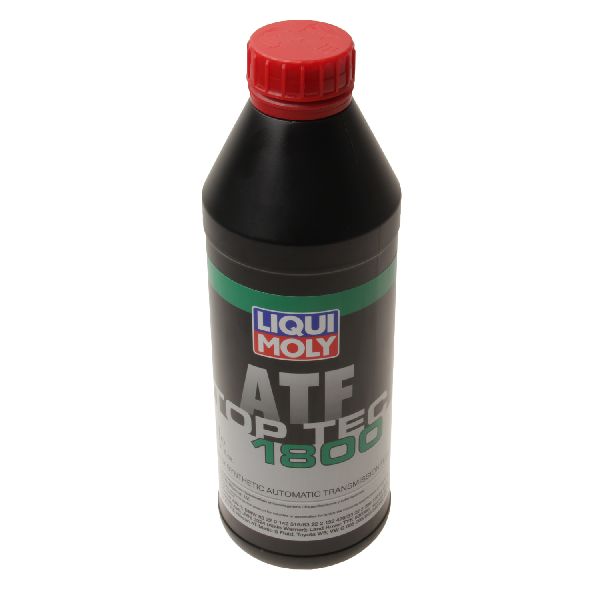
- Always use Hyundai-specific SP-IV transmission fluid (or a compatible equivalent) when refilling.
What's Unique About the 2010-2015 Hyundai Tucson
The 2010-2015 Tucson with the 2.4L engine uses Hyundai's A6MF1 or A6MF2 6-speed automatic transmission. While generally reliable, this code on this platform is typically a straightforward electrical or component failure rather than a complex software issue. Unlike the later 2016+ models that introduced a Dual-Clutch Transmission (DCT) with its own set of control logic problems, the issue on this generation is most often a worn-out TCC solenoid within the valve body. This is a common failure point for many automatic transmissions as they age, as the solenoid's internal coil winding can burn out or break, creating an open circuit.
Symptoms You May Notice
- Check Engine Light is on
- Reduced fuel economy
- Engine RPMs fluctuate or are higher than usual at highway speeds
- Shuddering or vibration at cruising speeds, particularly during gentle acceleration
- Harsh or delayed gear shifts
- Transmission may feel like it's slipping
- Transmission may overheat, potentially causing a burning smell
- Replacing the entire transmission when only a single, inexpensive solenoid has failed.
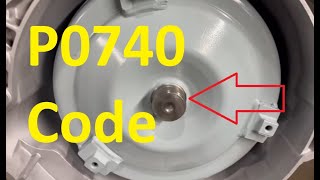
- Replacing the torque converter when the issue is a simple electrical fault in the control solenoid circuit. 🎬 Watch: Understanding P0740 causes and common solenoid circuit fixes.
- Replacing the TCM before thoroughly testing the solenoid and wiring harness.
Most Likely Causes
- Faulty Torque Converter Clutch (TCC) Solenoid 🔴 High Probability → Shop Automatic Transmission Torque Converter The TCC solenoid is an electro-mechanical part inside the transmission that cycles thousands of times. Over time, its internal copper coil winding can burn out or develop a break, leading to an open circuit that triggers P0740. This is a common wear-and-tear item on the A6MF1/2 transmission family.
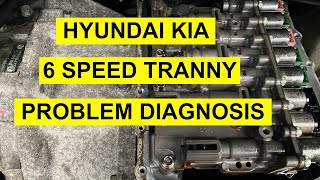
How to confirm: After dropping the transmission pan, the solenoid can be tested with a multimeter set to ohms. Disconnect the solenoid and measure its resistance. A good on/off type solenoid 🎬 See how to test and clean A6MF1 transmission solenoids. should have a specific resistance (e.g., 10-11 ohms), while a variable force solenoid (VFS) like the TCC solenoid should be closer to 5.1 ohms. An infinite resistance reading (OL) indicates an open circuit and a failed solenoid.
Typical fix: Replace the TCC solenoid, which is located on the transmission valve body. It's often recommended to replace the internal wiring harness at the same time.
Est. part cost: $50-$120 - Low or Degraded Transmission Fluid 🟡 Medium Probability → Shop Transmission Assembly Old, burnt, or low fluid cannot properly lubricate and cool transmission components, leading to solenoid and clutch wear. Many transmissions are neglected and do not receive fluid changes at recommended intervals, causing varnish to build up in the valve body and solenoids.
How to confirm: Check the transmission fluid level and condition via the dipstick or service port. The fluid should be bright red and not smell burnt. If it is dark brown/black or has metallic debris, it is degraded and should be changed immediately.
Typical fix: Perform a transmission fluid drain-and-fill or a full fluid flush. Use only fluid that meets Hyundai's SP-IV specification. A simple fluid change may sometimes resolve the issue if it's caused by dirty fluid affecting solenoid operation.
Est. part cost: $60-$150 - Damaged Wiring or Connectors ⚪ Low Probability The wiring harness leading to the transmission can be damaged by road debris, heat from the exhaust, or corrosion at the main connector. The internal harness, which is submerged in hot transmission fluid, can also become brittle and fail over time.
How to confirm: Visually inspect the external wiring harness from the TCM to the transmission case. Unplug the main connector and check for corrosion, moisture, or bent/broken pins. Perform a continuity test from the TCM connector to the transmission connector. The internal harness should also be inspected for damage when the pan is removed.
Typical fix: Repair the damaged section of external wire or replace the corroded connector. The internal transmission harness is often replaced as a unit.
Est. part cost: $20-$250
Rare But Worth Checking
- Failed Transmission Control Module (TCM): → Shop Transmission Assembly This is rare. The TCM is the computer that controls the transmission. It should only be suspected after all other possibilities (solenoid, fluid, wiring) have been definitively ruled out. A faulty driver circuit within the TCM can mimic a solenoid failure.
- Internal Transmission Failure: → Shop Transmission Assembly In some cases, a mechanical failure inside the torque converter itself (e.g., the lock-up clutch) or with a clutch pack can prevent lock-up and trigger this code. This is usually accompanied by more severe symptoms like slipping, grinding noises, or a complete loss of movement.
Diagnosis Steps
- Verify the code with an OBD-II scanner. Check for any other transmission-related codes.
- Check the transmission fluid level and condition. If low, dirty, or burnt, perform a drain-and-fill with Hyundai SP-IV fluid, clear the codes, and re-test.
- Visually inspect the external transmission wiring harness and the main connector for any signs of damage, corrosion, or loose connections. Repair as needed.
- If external wiring is okay, the next step is to test the TCC solenoid itself. This requires draining the transmission fluid and removing the oil pan to access the valve body.
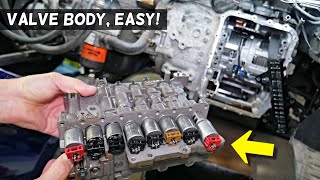
- Identify the TCC solenoid on the valve body. On the A6MF1/2, there are eight solenoids in total. The TCC solenoid is a specific Variable Force Solenoid (VFS) and its location can be confirmed with a service manual or valve body diagram.
- Disconnect the solenoid and measure its resistance with a multimeter. A reading of approximately 5.1 ohms is expected for the TCC (VFS) solenoid. If the reading is infinite (open) or zero (shorted), the solenoid is bad and must be replaced.
- If the solenoid tests good, the problem may lie in the internal transmission wiring harness between the main connector and the solenoid. Test this harness for continuity from pin to pin. It is often recommended to replace this harness whenever the pan is dropped for a solenoid replacement due to its exposure to heat and fluid.
- If the solenoid and all wiring (internal and external) test good, the fault may be with the Transmission Control Module (TCM), though this is the least likely cause.
Parts You'll Likely Need
- Torque Converter Clutch (TCC) Solenoid
(OEM #46313-3B030 or 46313-3B075 (Verify by VIN, may vary))— This is the component that most commonly fails electrically, causing the P0740 circuit code. It is a specific solenoid on the valve body.
Trusted brands: Hyundai (OEM), Rostra, Standard Motor Products
OEM price range: $80-$130
Aftermarket price range: $50-$90 - Transmission Pan Gasket
(OEM #45285-3B010 (Verify by VIN))— Must be replaced anytime the transmission pan is removed to prevent leaks. Some technicians prefer using a high-quality RTV sealant like Permatex Ultra Grey instead of a pre-formed gasket.
Trusted brands: Hyundai (OEM), Fel-Pro, Mahle
OEM price range: $20-$40
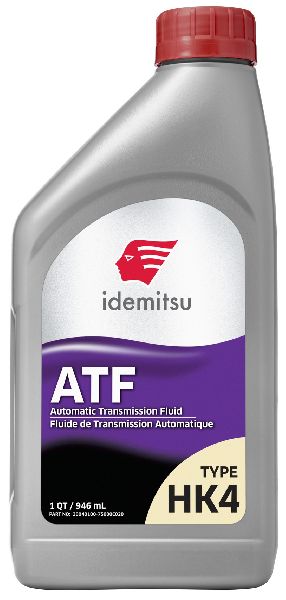
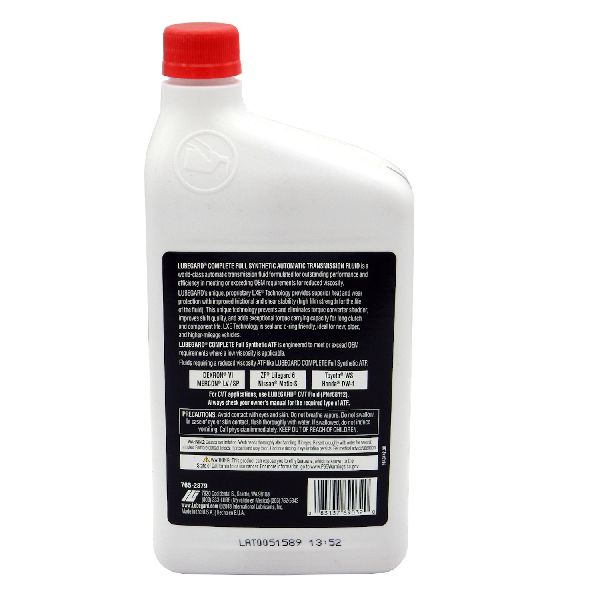
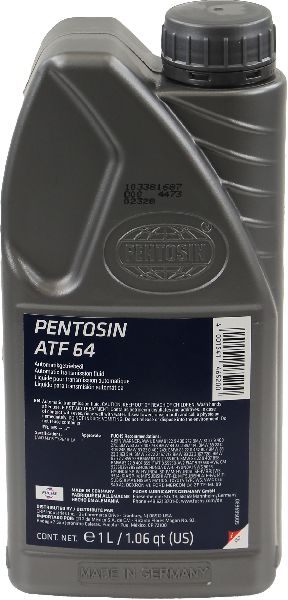
Aftermarket price range: $10-$25 - Hyundai SP-IV Automatic Transmission Fluid
(OEM #00232-19045)— Required to refill the transmission after dropping the pan (approx. 5-6 quarts). Using the correct fluid is critical for transmission health and performance.
Trusted brands: Hyundai/Kia (OEM SP-IV), Idemitsu TLS-LV, Valvoline MaxLife ATF (meets SP-IV spec)
OEM price range: $15-$25 per quart
Aftermarket price range: $8-$15 per quart - Internal Wire Harness
(OEM #46307-3B650 (Verify by VIN))— Often replaced as a preventative measure when replacing a solenoid. The harness lives in hot ATF and can become brittle, causing intermittent connections or shorts.
Trusted brands: Hyundai (OEM)
OEM price range: $70-$150
Technical Service Bulletins (TSBs) & Recalls
- TSB 06-40-001: While an older TSB, it provides a diagnostic framework for various solenoid codes (including P0740) on Hyundai transmissions, advising against full transaxle replacement for electrical solenoid codes and instead guiding technicians to test and replace the specific solenoid and/or internal harness.
- TSB 21-01-023H-4: This TSB applies to the 2010-2015 Tucson 2.4L but addresses a knock sensor software update (related to code P1326) and is not directly related to P0740.
Platform-Specific Known Issues
- Solenoid Location on A6MF1/2 Valve Body: → Shop Transmission Valve Body The A6MF1/2 valve body has a bank of eight solenoids. Identifying the correct TCC solenoid is crucial. According to video guides and diagrams, the TCC solenoid is often a Variable Force Solenoid (VFS) and its position should be verified with a service manual for the specific model year.
Mechanic-Grade Diagnostic Values
- TCC Solenoid Resistance (Variable Force type) — expected: Approximately 5.1 Ohms. Failure: A reading of infinite (OL) or near-zero ohms indicates a failed solenoid.
- Shift Solenoid Resistance (On/Off type) — expected: 10 - 11 Ohms. Failure: A reading outside this range indicates a failed solenoid. This is useful for differentiating solenoid types on the valve body.
- Transmission Fluid Temperature (TFT) Sensor Voltage — expected: Approximately 3.2 Volts at 104°F (40°C) and 0.29 Volts at 302°F (150°C).. Failure: Incorrect voltage readings can cause the TCM to inhibit torque converter lock-up, mimicking a circuit fault. Check for smooth voltage changes as temperature rises.
Scan Tool Commands That Help
- Hyundai GDS (or equivalent professional scanner): TCC Solenoid Activation Test / Bidirectional Control — This command allows the technician to manually command the TCC solenoid on and off while monitoring circuit voltage or listening for a physical click from the solenoid (with the pan off). If the scanner can command the solenoid and the circuit responds correctly, it suggests the TCM driver and wiring are likely functional, pointing more strongly toward an intermittent solenoid or mechanical issue.
Wiring & Ground Locations
- Internal Wire Harness Connector — Inside the transmission, connecting the main case connector to the valve body solenoids.. This harness is submerged in hot transmission fluid and is a known high-failure component. The plastic and wiring can become brittle over time, leading to intermittent open circuits or shorts that trigger P0740. It is often visually inspected for damage when the pan is removed for solenoid replacement.
- TCC Solenoid Power Pin — Pin 10 on the main transmission case connector (based on A6MF1 general diagrams).. This pin supplies power to a bank of solenoids including the TCC solenoid. Testing for voltage at this pin on the external harness connector can help determine if the issue is upstream (TCM, main power) or downstream (internal harness, solenoid) without dropping the pan.
Real Owner Repair Stories
- Technician experience shared in a diagnostic video (General vehicles with P0740, applicable to the Tucson) — Check Engine Light with code P0740, sometimes with no other major drivability symptoms.
❌ Tried (didn't work) Replacing the TCC solenoid based on the code definition alone.
✅ What actually fixed it The mechanical torque converter itself had failed internally. Despite the code pointing to an electrical 'circuit' issue, the root cause was a mechanical failure inside the converter that prevented lock-up, which the TCM interpreted as a circuit problem. This is often confirmed by finding excessive metallic debris in the transmission pan.
"I Checked Everything" — The Actual Cause
- A common scenario for P0740 is that the TCC solenoid and all associated wiring (internal and external) test perfectly with a multimeter for resistance and continuity. The code still returns because the actual root cause is not a hard electrical failure but a hydraulic/mechanical issue within the valve body. The 'Reducing valve' bores within the A6MF1 valve body are known to wear out prematurely, sometimes in as few as 40,000 miles. This wear prevents the solenoid from building the correct hydraulic pressure to actuate the lock-up clutch, even though the solenoid itself is electrically sound. Technicians often miss this because they stop diagnosis after the electrical tests pass.
OEM Part Supersession History
46313-3B030, 46313-3B075→46313-3B673 (Verify by VIN)— Component revision and improvement by the manufacturer.
Heads up: Different solenoids may have different colored connectors (e.g., red) and may not be interchangeable. Always verify the correct part number for your vehicle's specific VIN and production date, as multiple designs were used.
Model Year Variations Within This Range
- 2010-2012 (approx.): Early models in this generation range (approx. 2009-2012) used a stand-alone Transmission Fluid Temperature (TFT) sensor. Later models may have integrated the sensor into the internal wire harness. A failing stand-alone sensor can cause incorrect temperature readings, leading to the TCM preventing TCC lock-up and potentially triggering faults. This is a separate part to check on earlier vehicles.
Diagnostic Flowchart
Other Known Issues on This Vehicle
Issues unrelated to this code that are worth knowing about as an owner of this generation:
- Catastrophic Engine Failure (Theta II Seizure) 🔴 High — Widespread across 2011-2019 models with 2.0L & 2.4L GDI engines. Caused by manufacturing debris restricting oil flow to rod bearings, leading to seizure. (Ref: Multiple recalls (e.g., NHTSA 15V568000) and a class-action lawsuit resulted in a lifetime engine warranty for affected vehicles, contingent on a Knock Sensor Detection System (KSDS) software update.)
- Excessive Oil Consumption 🔴 High — Common on 2.0L and 2.4L GDI engines. Often attributed to stuck or poorly designed oil control piston rings, leading to oil burning between services. (Ref: Hyundai has issued TSBs (e.g., for piston soaks) but warranty coverage for consumption alone is inconsistent. A separate class action lawsuit addresses this issue.)
- Faulty Clock Spring 🟠 Medium — Very common issue causing the airbag warning light to illuminate and loss of steering wheel controls (horn, cruise control). (Ref: Hyundai extended the warranty on the clock spring to 15 years/unlimited miles for many models, including the Tucson's generation. (e.g., TSB 21-BE-003H-1).)
- ABS Module Failure / Brake Fluid Leaks 🔴 High — An issue with the ABS Hydraulic Electronic Control Unit (HECU) could cause an electrical short, increasing the risk of an engine compartment fire, even when the vehicle is off. (Ref: NHTSA Recall 20V543000 and 23V651000. Owners are advised to park outside and away from structures until the recall repair is completed.)
Used vs. New Parts: Buying Guide for This Vehicle
When a used part is the smart pick: A complete, low-mileage used transmission assembly can be cost-effective if the original has catastrophic internal damage. However, for a P0740 code specifically, buying individual used electronic parts like solenoids or a used valve body is generally not recommended.
Donor-vehicle mileage cap: roughly under 60000 miles for the part to have meaningful remaining life.
What to inspect on the donor part:
- For a complete transmission: Ask for maintenance records, specifically proof of fluid changes.
- Check the fluid on the donor unit's dipstick. If it's dark, burnt, or contains metallic flakes, walk away.
- Inspect the main electrical connector for corrosion, bent pins, or cracks in the housing.
OEM-only on this vehicle (don't cheap out):
- Internal Wire Harness: This part becomes brittle from heat and fluid exposure. A used harness has unknown remaining life and is a high-risk purchase. Always buy this new from the OEM.
Aftermarket brands forum-validated for this vehicle:
- Rostra
- Sonnax (for valve body repair kits)
- TransGo (for valve body repair kits)
- Standard Motor Products (SMP)
Brands owners have reported issues with on this vehicle:
- Unbranded, no-name solenoid kits from online marketplaces. These often have inconsistent resistance values and high failure rates, leading to repeat repairs.
Real Owner Stories
Aggregated from forums and TSBs cited above. Mileages and costs reflect what owners reported in those sources.
2011 Hyundai Tucson 2.4L
Symptoms: The owner experienced a P0740 code indicating a torque converter clutch solenoid circuit open condition.
What fixed it: The diagnostic process pointed towards the TCC solenoid as the likely culprit, requiring testing of the solenoid resistance and potential replacement of the solenoid on the valve body.
Source hint: https://www.hyundai-forums.com/threads/p0740-torque-converter-clutch-solenoid-circuit-open.670835/
Related OBD-II Codes
Frequently Asked Questions
Does TSB 21-01-023H-4 for the 2010-2015 Tucson 2.4L address my P0740 code?
What is the specific resistance I should look for when testing the TCC solenoid on my A6MF1/2 transmission?
Can I just change the transmission fluid to fix a P0740 on my Tucson?
Is it necessary to replace the internal wiring harness when fixing the TCC solenoid?
Does Hyundai recommend replacing the entire transaxle for a P0740 code?
Where is the TCC solenoid located on the 2.4L Tucson's transmission?
Helpful Videos

We Have This Part in Stock


The information in this article is provided for general reference and educational purposes only. Vehicle specifications, procedures, and part compatibility can vary by production date, trim level, and region. Always consult your vehicle's factory service manual and verify part numbers before purchasing or performing repairs. Safety-critical components such as airbags, seat belts, and braking systems should be installed by a qualified professional.
- Hyundai Tucson:
- 🧭 Diagnostic Flowchart
- 🎬 Helpful Videos
- 🛍️ Shop This Part
- What's Unique About the 2010-2015 Hyundai Tucson
- Symptoms You May Notice
- Most Likely Causes
- Rare But Worth Checking
- Diagnosis Steps
- Parts You'll Likely Need
- Technical Service Bulletins (TSBs) & Recalls
- Platform-Specific Known Issues
- Mechanic-Grade Diagnostic Values
- Scan Tool Commands That Help
- Wiring & Ground Locations
- Real Owner Repair Stories
- "I Checked Everything" — The Actual Cause
- OEM Part Supersession History
- Model Year Variations Within This Range
- Other Known Issues on This Vehicle
- Used vs. New Parts: Buying Guide for This Vehicle
- Real Owner Stories
- 2011 Hyundai Tucson 2.4L
- Related OBD-II Codes
- Frequently Asked Questions
- 🎟️ Get 5% Off