

P0740 on 1999-2005 Porsche 911: Torque Converter Clutch Circuit Fixes
For the 1999-2005 Porsche 911 (996) with a Tiptronic transmission, code P0740 typically points to a problem with the torque converter clutch (TCC) system. The most common fixes involve addressing the transmission fluid, replacing the TCC solenoid (pressure regulator), or, in more severe cases, the valve body or torque converter itself. It is critical to first identify if the car has the earlier ZF 5HP19 or later Mercedes 722.6 transmission, as parts are not interchangeable.
- This code applies only to 911s with the Tiptronic automatic transmission.
- Before any major repairs, verify the transmission fluid level and condition. Use the correct fluid type for your specific year (ZF vs. Mercedes transmission).
- The most common parts-based fixes are replacing the TCC solenoid or the entire valve body.
- A faulty valve body can lead to a damaged torque converter, so addressing the code promptly is crucial to avoid a much more expensive repair.
- Due to the complexity and need for special tools, this repair is best left to a professional or a highly experienced DIY mechanic.
What's Unique About the 1999-2005 Porsche 911
The 1999-2005 Porsche 911 (996 generation) used two different Tiptronic transmissions. Models up to 2001 used a ZF 5HP19 transmission, while 2002 and later models used a Mercedes-Benz 722.6 unit. This is critical, as the internal components, fluid specifications, and common failure points can differ. For P0740, forum discussions suggest that on the earlier ZF transmissions, a faulty valve body can cause high pressure that damages the torque converter's seal, leading to the code. It is essential to identify the correct transmission before ordering parts. The ZF unit is also shared with various BMW and Audi models of the era, while the Mercedes unit was used in many Daimler-Chrysler products.
Generation note: The 1999-2005 year range covers the Porsche 911's 996 generation. However, a key driveline change occurred within this period. Models from 1999-2001 typically have a ZF 5HP19 Tiptronic transmission, while 2002-2005 models have a Mercedes-Benz 722.6 Tiptronic. Diagnostic and repair procedures, especially concerning internal parts like the valve body and solenoids, will differ between these two units. It's crucial to confirm the transmission type before sourcing parts.
Symptoms You May Notice
- Check Engine Light (CEL) is on, though sometimes the code can be present without illuminating the light.
- Hesitation or sluggish shifting, particularly between 4th and 5th gear in automatic mode.
- Noticeable jerk or 'thud' when shifting.
- Stalling when coming to a stop (if the clutch is stuck engaged).
- Reduced fuel economy due to the torque converter not locking up.
- In some cases, the car may enter a 'limp mode' where it is stuck in a single gear.
- Shuddering at low speeds.
- Engine speed is higher than usual at cruising speeds.
- Immediately replacing the entire transmission. Many shops may condemn the whole unit, but often the issue can be resolved by replacing a much cheaper component like a solenoid or the valve body.
Most Likely Causes
- Low or Degraded Automatic Transmission Fluid (ATF) 🔴 High Probability → Shop Transmission Assembly High-performance cars generate more heat, which can break down fluid faster. Incorrect fluid is a common mistake, as the ZF and Mercedes units require different types (e.g., Pentosin ATF 1 for ZF). Incorrect fill level after a service is also a frequent error.
How to confirm: Check the transmission fluid level and condition. The level must be checked at a specific temperature (e.g., 35-40°C) with the engine running. The fluid should be its correct color (not black or burnt-smelling).
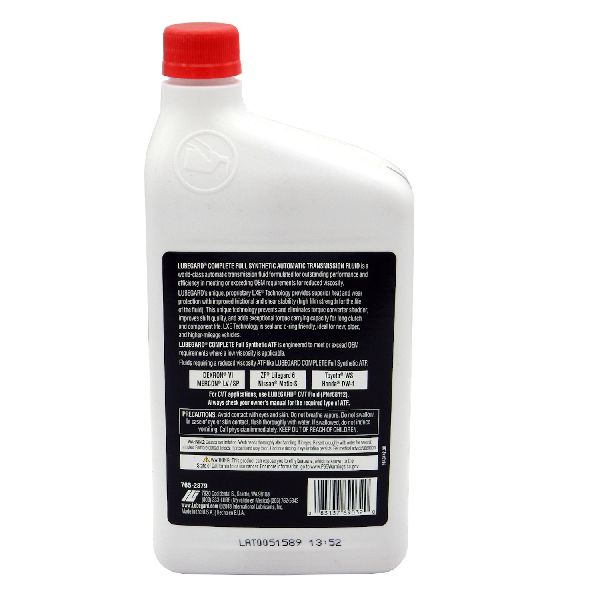
Typical fix: Perform a transmission fluid and filter change using the correct OEM-spec fluid (e.g., Pentosin ATF 1 for the ZF transmission, specific Mercedes fluid for the 722.6). A simple drain-and-fill may not be enough; a full flush might be needed if the fluid is heavily degraded.
Est. part cost: $100-$250 - Faulty Torque Converter Clutch (TCC) Solenoid / Pressure Regulator 🟡 Medium Probability → Shop Automatic Transmission Torque Converter The solenoid is an electronic part submerged in hot fluid, making it susceptible to failure over time. It's often referred to as 'pressure regulator 4' in Porsche documents for the ZF transmission.
How to confirm: This requires dropping the transmission pan to access the valve body. The solenoid can be tested for resistance with a multimeter and compared to specifications (e.g., around 4.9 ohms for ZF, 2.0-4.0 ohms for Mercedes). A diagnostic scan tool can also monitor the solenoid's commanded state versus its actual state.
Typical fix: Replace the faulty solenoid. This involves draining the fluid, dropping the pan, and accessing the valve body where the solenoids are mounted. This is a common DIY fix for experienced owners.
Est. part cost: $150-$300 - Worn or Faulty Valve Body 🟡 Medium Probability → Shop Transmission Valve Body On early 996 models with the ZF transmission, wear in the valve body bores can lead to pressure control issues, which in turn causes the P0740 code and can damage the torque converter. Aftermarket solutions from companies like Sonnax and TransGo exist to address these wear issues.
How to confirm: Diagnosis is difficult without specialized equipment. Often diagnosed by exclusion after fluid and solenoids have been replaced without success. Visible scoring or sticking valves upon inspection are definitive signs.
Typical fix: Replace the valve body with a new or remanufactured unit. Kits from brands like Sonnax may be available for rebuilding the existing valve body.
Est. part cost: $500-$1500 - Failed Torque Converter ⚪ Low Probability → Shop Automatic Transmission Torque Converter Often a consequential failure caused by a faulty valve body sending excessive pressure, which blows out the internal seals of the torque converter. It can also fail internally on its own.
How to confirm: Confirmed by finding excessive metal debris in the transmission pan or by a transmission specialist. A stall speed test can also indicate a problem. This is often the last resort after other components have been checked.
Typical fix: Replacement of the torque converter, which requires removing the entire transmission from the vehicle.
Est. part cost: $800-$2000
Rare But Worth Checking
- Wiring Harness Issues: An open circuit, short to ground, or corrosion in the wiring leading to the TCC solenoid can trigger the code. This should be checked before replacing expensive internal components.
- Faulty Transmission Control Module (TCM): → Shop Transmission Assembly While rare, the TCM itself can fail or have software glitches. This is usually the last item to suspect after all mechanical and electrical circuit checks have been completed.
Diagnosis Steps
- Scan the vehicle for all fault codes in the engine and transmission control modules.
- Check the automatic transmission fluid (ATF) level and condition. Ensure the level is checked at the correct temperature as specified by the manufacturer.
- If the fluid is low, top it off with the correct type of ATF and re-test. If the fluid is dark, burnt, or contains debris, a fluid and filter change is necessary.
- Inspect the transmission wiring harness and connectors for any visible damage, corrosion, or loose connections.
- If the fluid and wiring are okay, the next step is to drop the transmission pan to inspect for metal debris and to access the internal components.
- Test the resistance of the Torque Converter Clutch (TCC) solenoid (also known as pressure regulator 4) with a multimeter. Compare the reading to the manufacturer's specification.
- If the solenoid tests bad, replace it. A Rennlist forum member successfully resolved their P0740 by replacing the TCC solenoid. If it tests good, the issue may lie in the valve body or the torque converter itself.
- Inspect the valve body for any signs of sticking valves or scoring. If issues are found, the valve body may need to be replaced or rebuilt.
- If all other components check out, the final possibilities are an internal failure of the torque converter or a faulty Transmission Control Module (TCM).
Parts You'll Likely Need
- Torque Converter Clutch (TCC) Solenoid / Pressure Regulator — This solenoid directly controls the TCC circuit. It's an electro-hydraulic part that is a common failure point.
Trusted brands: ZF, Bosch
OEM price range: $200-$300
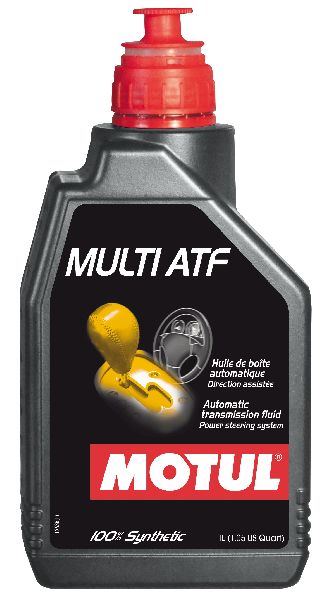
Aftermarket price range: $100-$200 - Automatic Transmission Fluid and Filter Kit — Low or degraded fluid is a primary cause, and any internal repair requires draining the fluid and replacing the filter. Using the correct fluid is critical.
Trusted brands: Pentosin, Liqui Moly, Porsche OEM
OEM price range: $200-$300
Aftermarket price range: $100-$200 - Transmission Valve Body — Worn valve bores can cause pressure leaks that lead to this code, especially on the ZF 5HP19 transmission.
Trusted brands: ZF (OEM), Sonnax (rebuild kits)
OEM price range: $1000-$2000
Aftermarket price range: $500-$1500
Related Codes That Often Appear With This One
- P0733 (Gear 3 Incorrect Ratio)
- P0734 (Gear 4 Incorrect Ratio) - A user on RennTech reported these codes alongside P0740, which pointed towards a more significant internal issue.
Mechanic-Grade Diagnostic Values
- TCC (PWM) Solenoid Resistance (Mercedes 722.6) — expected: 2.0 - 4.0 Ohms. Failure: A reading outside this range indicates a faulty solenoid coil.
- Shift Solenoid Resistance (Mercedes 722.6) — expected: 2.5 - 6.5 Ohms. Failure: A reading outside this range indicates a faulty solenoid coil. A typical good reading is around 4.6-4.7 Ohms.
- TCC Solenoid Resistance (General/ZF 5HP19) — expected: Approximately 4.9 Ohms. Failure: A reading significantly higher or lower than the specification suggests a faulty solenoid.
Scan Tool Commands That Help
- Porsche PIWIS System Tester: Coding the Tiptronic control module — This function is required when a new Tiptronic control module is installed. The module must be coded to the specific vehicle version.
- Porsche PIWIS System Tester: Resetting adaptation values — This must be performed when the transmission is renewed or replaced. The transmission will be in an adaptation phase after a reset, and shifting may be poor until it adapts.
Wiring & Ground Locations
- Tiptronic Control Module — Located in the rear luggage compartment, on the rear wall, next to the DME control module.. This is the computer that controls the transmission and TCC solenoid. A visual inspection for water damage or corrosion at its connectors is a valid diagnostic step.
- Ground Point 9 — Located on the rear wall in the rear luggage compartment, between the DME control module and Tiptronic control module.. This is a primary ground point for electronics in the rear of the vehicle, including the control modules. A poor connection here could cause various electrical faults.
- Main Engine-to-Chassis Ground — On the passenger side (bank 2) chassis rail at the back of the wheel well.. A poor main ground connection between the engine/transmission assembly and the vehicle's chassis can cause a wide range of electrical issues, including erratic sensor readings and control module problems.
Real Owner Repair Stories
- Rennlist user 'rjth' (1999 Porsche 911 C4 (996.1) Tiptronic) — Intermittent P0740 code returning every few hundred miles. Sluggish 4th to 5th gear shift in automatic mode (manual shifting was fine). No shudder.
❌ Tried (didn't work) ATF and filter change (fluid was clean), TCC solenoid replacement
✅ What actually fixed it The owner planned to replace the valve body (with a Sonnax unit for early ZF5HP19) and the torque converter together, as this was the suspected root cause after the simpler fixes failed. - RennTech.org user 'Izzy' (1999 Porsche 911 (996) Tiptronic) — P0740 code would return about 100 miles after clearing, even after a fluid change.
❌ Tried (didn't work) ATF fluid and filter change
✅ What actually fixed it The owner replaced the TCC solenoid (pressure regulator) located in the valve body. This resolved the code and resulted in quicker upshifts.
Model Year Variations Within This Range
- 1999-2001: These models use the ZF 5HP19 transmission. P0740 is frequently linked to wear in the pressure regulator bore of the valve body. Aftermarket repair kits from TransGo and Sonnax are a common fix. Valve bodies themselves had revisions; for example, a 1999 model may use a 'BMW002' version, while a later 1999 build might use a 'BMW003'.
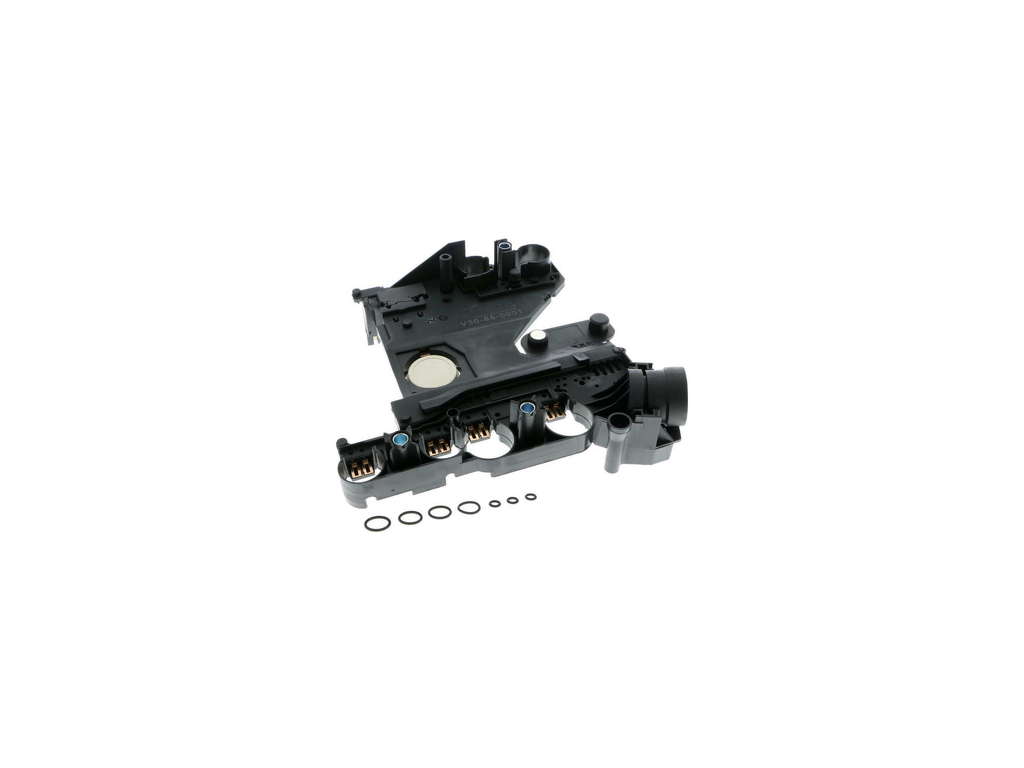
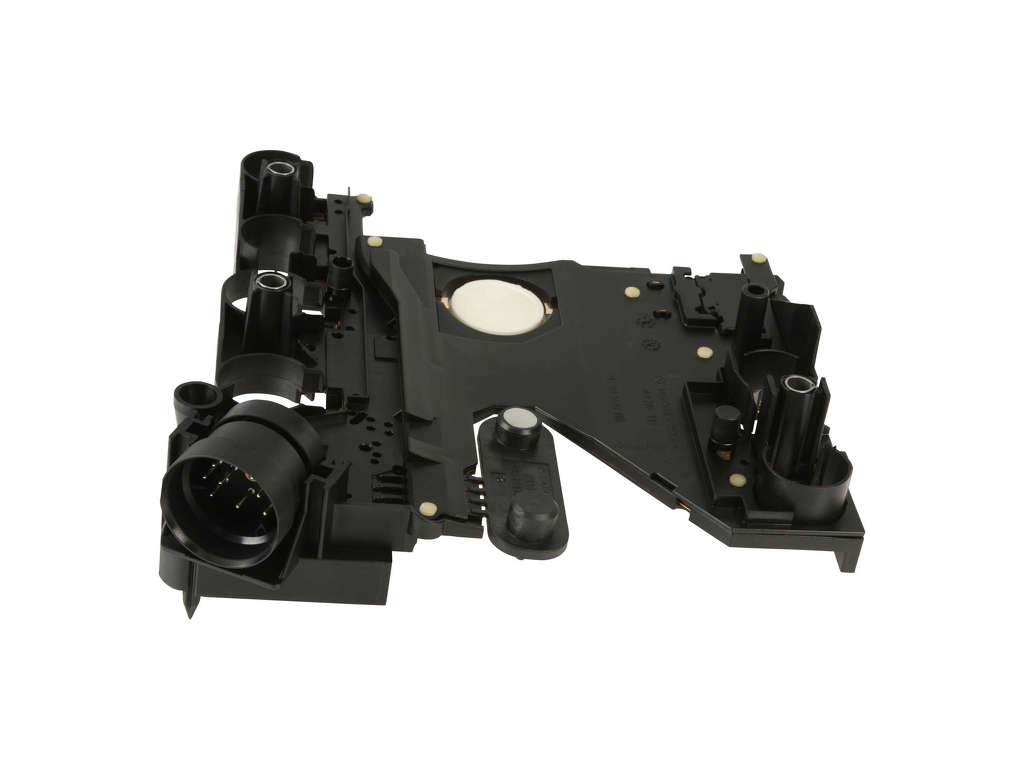
- 2002-2005: These models use the Mercedes-Benz 722.6 transmission. P0740 is often caused by a failing TCC solenoid or, more commonly, a cracked conductor plate which houses the solenoids and speed sensors. The conductor plate is a very common failure item on this transmission across all vehicle brands that used it.
Diagnostic Flowchart
Other Known Issues on This Vehicle
Issues unrelated to this code that are worth knowing about as an owner of this generation:
- Intermediate Shaft (IMS) Bearing Failure 🔴 High — Affects M96 engines from 1999-2005. Failure rates are debated but estimated between 1-10% depending on the bearing type (dual-row vs. single-row). Failure can be catastrophic to the engine. (Ref: No official recall, but a class-action lawsuit occurred. Numerous aftermarket solutions exist.)
- Rear Main Seal (RMS) Leak 🟠 Medium — A very common oil leak at the junction of the engine and transmission. Often described as a 'weep' rather than a major leak. It's often recommended to replace it during a clutch or IMS bearing job. (Ref: Porsche redesigned the seal multiple times, but the issue was never fully eliminated in this generation.)
- Cylinder Bore Scoring 🔴 High — Less common than IMS/RMS issues but a known problem, particularly on later 3.6L engines and cars from colder climates. It causes a distinct ticking noise ('piston slap') and increased oil consumption, eventually requiring an engine rebuild.
- Cracked Cylinder Liners / D-Chunk Failure 🔴 High — A known, though relatively rare, failure mode where a piece of the cylinder liner can break away, leading to catastrophic engine failure. More common on early 3.4L engines.
- Air Oil Separator (AOS) Failure 🟠 Medium — A common failure item. When the AOS fails, it can cause excessive blue smoke from the exhaust, a rough idle, and a strong vacuum in the crankcase. If it fails completely, it can hydro-lock the engine with oil.
- Cracked Coolant Expansion Tank 🟡 Low — The plastic coolant expansion tank is prone to developing hairline cracks over time due to heat cycles, leading to slow coolant leaks and the smell of coolant.
Used vs. New Parts: Buying Guide for This Vehicle
When a used part is the smart pick: A complete used transmission from a low-mileage, verified running and driving donor car can be a cost-effective alternative to a full rebuild, especially for the Mercedes 722.6 unit due to its wide availability. A used valve body is a gamble unless it's from a specialist who has tested and verified it.
Donor-vehicle mileage cap: roughly under 80000 miles for the part to have meaningful remaining life.
What to inspect on the donor part:
- Verify the donor vehicle's mileage and history if possible.
- For a complete transmission, ask for video of the car running and driving, or a report from a diagnostic tool showing no transmission faults.
- When buying a valve body, inspect for any cracks, scoring on the valve bores, or signs of previous improper repair.
- Check the color and smell of the fluid from the donor unit; dark, burnt-smelling fluid is a major red flag.
OEM-only on this vehicle (don't cheap out):
- Torque Converter: Aftermarket converters can have issues with balance or incorrect stall speeds. A high-quality remanufactured unit from a reputable supplier or a new OEM unit is the safest bet.
- Transmission Control Module (TCM): A used TCM must be from the exact same model and year and may still require coding to the vehicle with a tool like PIWIS.
Aftermarket brands forum-validated for this vehicle:
- Sonnax (Valve body repair kits, oversized valves)
- TransGo (Pressure regulator valve kits for ZF 5HP19)
- Pentosin (ATF for ZF transmissions)
- Liqui Moly (ATF for ZF and Mercedes transmissions)
Brands owners have reported issues with on this vehicle:
- Unbranded, no-name solenoids or conductor plates from online marketplaces. These parts have a very high failure rate and are not worth the labor to install.
Real Owner Stories
Aggregated from forums and TSBs cited above. Mileages and costs reflect what owners reported in those sources.
1999 Porsche 911 Carrera Tiptronic
Symptoms: P0740 code persisted even after a fluid change.
What fixed it: Replacing the pressure regulator solenoid (TCC solenoid).
Cost: $220-$220
Source hint: RennTech.org - 'P0740 - 996 Series...'
1999 Porsche 911 Carrera 4 Tiptronic
Symptoms: Intermittent P0740 code and sluggish shifts between 4th and 5th gear.
What fixed it: The owner replaced fluid, filter, and the TCC solenoid without success, concluding the valve body and torque converter required replacement due to internal wear.
Source hint: Rennlist - '1999 C4 Tip P0740 – What actually fixes it?'
Related OBD-II Codes
Frequently Asked Questions
Does my 1999-2005 Porsche 911 use the same transmission fluid regardless of the year?
I have a 1999 C4 Tiptronic with sluggish 4-5 shifts; is this related to P0740?
Can I replace the TCC solenoid (Pressure Regulator 4) myself on a ZF-equipped 911?
Why is the P0740 code often associated with the IMS bearing or RMS leak in forum discussions?
Is there a difference in repair costs for P0740 between early and late 996 models?
At what temperature should I check the transmission fluid level to ensure the P0740 isn't caused by a low fill?
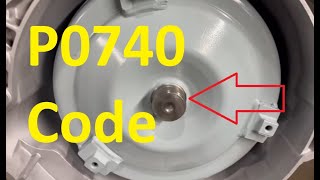
Helpful Videos
We Have This Part in Stock

The information in this article is provided for general reference and educational purposes only. Vehicle specifications, procedures, and part compatibility can vary by production date, trim level, and region. Always consult your vehicle's factory service manual and verify part numbers before purchasing or performing repairs. Safety-critical components such as airbags, seat belts, and braking systems should be installed by a qualified professional.
- Porsche 911:
- 🧭 Diagnostic Flowchart
- 🎬 Helpful Videos
- 🛍️ Shop This Part
- What's Unique About the 1999-2005 Porsche 911
- Symptoms You May Notice
- Most Likely Causes
- Rare But Worth Checking
- Diagnosis Steps
- Parts You'll Likely Need
- Related Codes That Often Appear With This One
- Mechanic-Grade Diagnostic Values
- Scan Tool Commands That Help
- Wiring & Ground Locations
- Real Owner Repair Stories
- Model Year Variations Within This Range
- Other Known Issues on This Vehicle
- Used vs. New Parts: Buying Guide for This Vehicle
- Real Owner Stories
- 1999 Porsche 911 Carrera Tiptronic
- 1999 Porsche 911 Carrera 4 Tiptronic
- Related OBD-II Codes
- Frequently Asked Questions
- 🎟️ Get 5% Off