

P0740 on 2013-2018 Ram 2500 6.7L Cummins: Torque Converter Clutch Fixes
On a 2013-2018 Ram 2500 with the 6.7L Cummins, P0740 almost always means the torque converter is failing and can no longer lock up. This is a common failure on the 68RFE transmission. The computer sets the code when TCC slip exceeds 60-100 RPM when lock-up is commanded. Expect a professional repair involving torque converter replacement, and potentially valve body/pump work, costing between $1,500 and $3,500 for a basic fix, or more for a fully built transmission.
- P0740 on your 6.7L Cummins Ram almost always points to a failing torque converter, a known weak spot in the 68RFE transmission.
- Do not drive for long distances or tow with this code active. The lack of torque converter lock-up will generate excessive heat and can cause complete transmission failure.
- The first and easiest check is the transmission fluid level and condition. However, be prepared for a more serious mechanical issue.
- This is not a simple DIY fix. Repair requires removing the transmission and should be handled by a qualified professional or transmission shop.
- When replacing the torque converter, consider upgrading to a more robust multi-disc aftermarket unit to prevent repeat failures.
What's Unique About the 2013-2018 Ram 2500
The 6.7L Cummins engine produces immense torque, which puts significant stress on the stock 68RFE automatic transmission. The torque converter clutch is a known weak point and a very common failure item. When P0740 appears by itself, without other electrical or solenoid codes, it is highly probable that the clutch material inside the torque converter has worn out, causing the slip. A secondary, but also common, cause is wear in the hydraulic circuits of the pump and valve body that control the TCC. While some trucks in this range could have the heavier-duty Aisin AS69RC transmission, the 68RFE is far more common and is the primary transmission associated with this specific failure mode.
Symptoms You May Notice
- Engine RPMs are higher than normal at highway speeds
- Noticeable decrease in fuel economy
- Transmission temperature running hotter than usual, especially under load
- The truck may feel like it's slipping or hesitating when it should be in a steady cruise
- A shudder or vibration can be felt throughout the vehicle as the TCC attempts to lock but slips
- Check Engine Light is illuminated
- Truck won't shift into 6th gear unless you let off the accelerator pedal.
- Immediately replacing the TCC solenoid without confirming the torque converter's health. If there are no other electrical codes, the solenoid is less likely to be the root cause than the converter itself or a hydraulic leak in the pump/valve body.
Most Likely Causes
- Failed Torque Converter 🔴 High Probability → Shop Automatic Transmission Torque Converter The stock torque converter's single-disc clutch is a well-documented weak point in the 68RFE transmission, especially when dealing with the high torque of the Cummins engine. The clutch friction material wears out, burns, and can no longer hold, causing the slip.
How to confirm: Use a professional scan tool to monitor 'TCC Slip Speed'. If slip is high (over 100 RPM) when lock-up is commanded, the converter is failing. Finding excessive metallic debris or black clutch material in the transmission pan is another strong indicator. In many cases, this is the primary failure point when P0740 is the only code present.
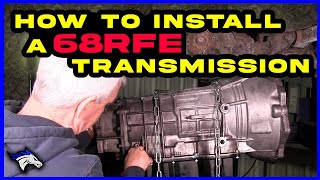
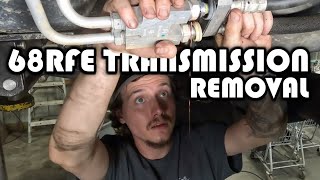
Typical fix: Replace the torque converter. This requires removing the transmission. 🎬 See how to remove the 68RFE from a Ram 2500. Many owners opt for a heavy-duty aftermarket converter with a multi-disc (double or triple disc) clutch from brands like Goerend, RevMax, or BD Diesel for better durability.
Est. part cost: $400-$1800 - Worn Transmission Valve Body or Pump 🟡 Medium Probability → Shop Transmission Valve Body The 68RFE can suffer from wear in the valve bores for the TCC control valve (in the pump) or the solenoid switch valve (in the valve body), causing hydraulic leaks that prevent proper lock-up pressure. This wear allows apply pressure to leak, making it impossible for the TCC to hold under load.
How to confirm: This is difficult to confirm without specialized tools. A transmission specialist can perform a pressure test at the TCC apply and release ports. One case study showed low apply pressure (85 psi instead of 120 psi) and high release pressure (20 psi instead of <5 psi), confirming a hydraulic leak. Another method is a vacuum test on the valve body and pump bores; a bore that cannot hold at least 18 inches of vacuum is considered worn.
Typical fix: The affected valve bore must be reamed and fitted with an oversized valve kit (e.g., from Sonnax), or the entire pump/valve body assembly must be replaced. This is often done during a torque converter replacement.
Est. part cost: $300-$1000 - Low or Burnt Transmission Fluid ⚪ Low Probability → Shop Transmission Assembly
How to confirm: Check the transmission fluid dipstick. The fluid should be at the correct level, red in color, and not smell burnt. Low or degraded fluid can cause hydraulic pressure issues, preventing proper solenoid and clutch function.
Typical fix: Perform a transmission fluid and filter change using the correct Mopar ATF+4 fluid. If the fluid is very dark, smells burnt, or contains significant metal, it often indicates a deeper mechanical problem like a failing converter that has already contaminated the fluid.
Est. part cost: $100-$200 - Faulty TCC Solenoid / Solenoid Pack ⚪ Low Probability → Shop Transmission Valve Body
How to confirm: This is a less likely cause if P0740 is the only code present. A failing solenoid would typically be accompanied by other electrical fault codes (e.g., P0743). It can be tested for correct resistance with a multimeter, but this requires dropping the transmission pan and possibly the valve body.
Typical fix: Replace the TCC solenoid or the entire solenoid pack. The OEM part number for the pack is often updated; a common revision is 68002342AD or a later version like 68456067AB for 2019+ models which may be retrofitted. This is often done as a 'while you're in there' job during a torque converter replacement.
Est. part cost: $250-$500
Rare But Worth Checking
- Damaged Wiring Harness: While uncommon if P0740 is the only code, check the main transmission wiring harness for any signs of chafing, melting on the exhaust, or corrosion at the main connector.
Diagnosis Steps
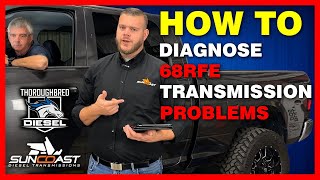
- Verify the code with an OBD-II scanner. 🎬 Watch: A pro guide to diagnosing common 68RFE transmission issues. Note if P0740 is the only code present.
- Check the transmission fluid level and condition. Ensure it is full, red, and does not smell burnt.
- Using a scan tool with live data, monitor 'Engine RPM', 'Transmission Input Speed', and 'TCC Slip Speed' while driving at a steady cruise (above 45 mph). When the TCM commands lock-up, the slip should drop to near zero (under 50 RPM). If it remains high (e.g., >100 RPM), a mechanical or hydraulic failure is confirmed.
- If slip is confirmed, drop the transmission pan and inspect for excessive clutch material (black sludge) or metal shavings. A light coating of fine grey material is normal, but large flakes or a thick sludge indicates a hard part failure, most likely the torque converter.
- If the pan is relatively clean but slip is present, the issue is more likely a hydraulic leak. This requires professional diagnosis involving hydraulic pressure testing at the TCC apply and release ports to check for a faulty pump or valve body.
- If P0740 is accompanied by other electrical codes, test the TCC solenoid circuit for proper resistance and voltage before condemning mechanical parts.
Parts You'll Likely Need
- Torque Converter
(OEM #68516587AA (Kit))— This is the most common failure point for a P0740 code on the 68RFE transmission. The internal clutch wears out, causing slip.
Trusted brands: Mopar (OEM), BD Diesel, RevMax, Goerend Transmission
OEM price range: $600-$900
Aftermarket price range: $800-$1800 - Transmission Solenoid Pack
(OEM #68002342AD (or later revision like 68456067AB))— Though less likely to be the direct cause, it's often replaced preventatively during a torque converter job to address potential hydraulic control issues. A dealer or parts specialist can confirm the latest revision for the specific VIN.
Trusted brands: Mopar (OEM)
OEM price range: $400-$550
Aftermarket price range: $250-$400 - Valve Body/Pump Repair Kit — If diagnosis points to hydraulic leaks, oversized valves are needed to repair worn bores in the pump or valve body. This is a specialized part.
Trusted brands: Sonnax
OEM price range: N/A
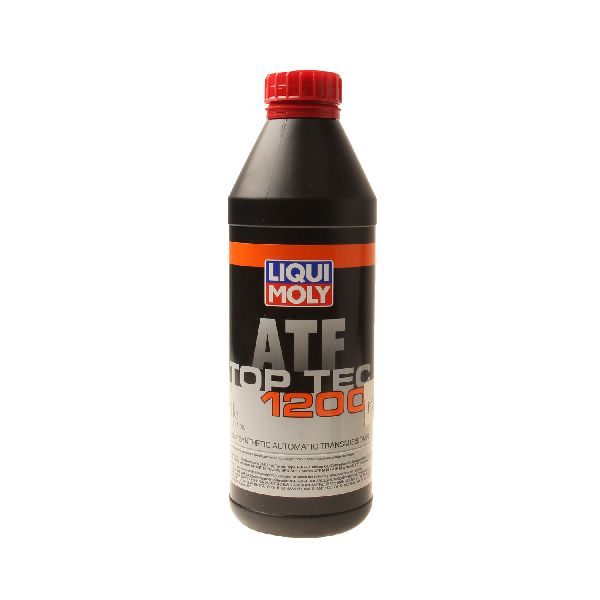
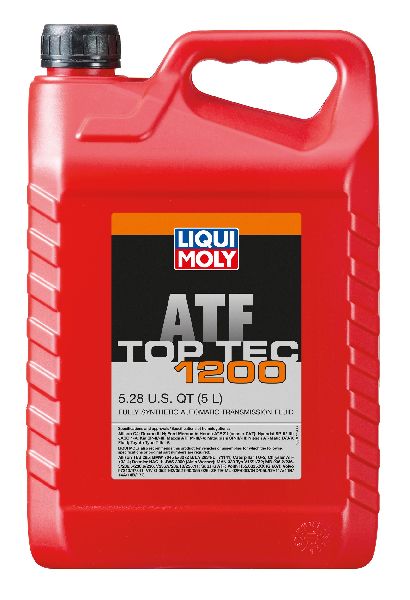
Aftermarket price range: $100-$300 - Automatic Transmission Fluid (ATF+4) — A full fluid and filter change is required for any internal transmission work. Approximately 12-15 quarts are needed for a pan drop and converter replacement.
Trusted brands: Mopar, Valvoline
OEM price range: $12-$18 per quart
Aftermarket price range: $8-$12 per quart
Related Codes That Often Appear With This One
- P0868 — Indicates 'Line Pressure Low'. Seeing this with P0740 suggests a more widespread hydraulic issue, possibly a failing transmission pump or a significant internal leak.
- P0841 — Indicates 'Transmission Fluid Pressure Sensor/Switch 'A' Circuit Range/Performance'. This combination can point to a failing solenoid pack, valve body, or even a control module issue.
- P0700 — This is a generic code indicating the Transmission Control Module (TCM) has requested the check engine light. It will always be present alongside a more specific transmission code like P0740.
Technical Service Bulletins (TSBs) & Recalls
- While no specific TSB directly addresses P0740 on the Ram 6.7L, TSBs for other Chrysler vehicles with different transmissions (e.g., 62TE) often state that P0740 indicates a torque converter failure after the solenoid circuit is confirmed to be good, establishing a diagnostic pattern for the manufacturer.
Platform-Specific Known Issues
- The stock single-disc torque converter in the 68RFE transmission is notoriously weak for the torque output of the 6.7L Cummins, leading to a high failure rate that presents as code P0740.
- Wear in the TCC accumulator piston bore (in the pump) and the solenoid switch valve bore (in the valve body) are known secondary failure points that also cause P0740 by preventing adequate hydraulic pressure from being applied to the clutch.
Mechanic-Grade Diagnostic Values
- Solenoid Block Resistance (most solenoids) — expected: 1.3 Ohms. Failure: An open circuit (infinite resistance) or a reading significantly different from 1.3 Ohms indicates a failed solenoid coil.
- Solenoid Block Resistance (Pressure Control Solenoid) — expected: 4.9 Ohms. Failure: A reading significantly different from 4.9 Ohms indicates a fault in the pressure control solenoid.
- TCC Apply Pressure (at damper apply port) — expected: ~120 PSI (should match line pressure). Failure: A significantly lower reading, such as 85 PSI, points to a major hydraulic leak in the TCC apply circuit, likely from a worn pump or valve body bore.
- TCC Release Pressure (at damper release port) — expected: < 5 PSI. Failure: A higher reading, such as 20 PSI, indicates a cross-leak or a stuck valve preventing pressure from properly venting.
- Clutch Volume Index (CVI) - Underdrive Clutch — expected: 30-100. Failure: A value approaching or exceeding 100 indicates significant wear on the underdrive clutches. A healthy, newer clutch pack will typically be in the 40-60 range.
- Clutch Volume Index (CVI) - Overdrive Clutch — expected: 40-85. Failure: A value over 85 indicates worn overdrive clutches. A fresh clutch pack is often between 40-50.
- Clutch Volume Index (CVI) - Low/Reverse Clutch — expected: 85-135. Failure: This clutch naturally has a high CVI. A value outside this range could indicate a problem, but it's less commonly a source of failure compared to others.
Scan Tool Commands That Help
- Professional Scan Tool (Snap-on, Autel, Launch, WiTech): Quick Learn — This is a mandatory procedure after replacing the valve body, solenoid pack, or rebuilding the transmission. It allows the TCM to learn the new clutch fill volumes (CVIs) and apply rates. Failure to perform this can result in poor shifting and damage to the new parts.
- Professional Scan Tool (Snap-on, Autel, Launch, WiTech): Read Clutch Volume Index (CVI) — This should be used during diagnosis before disassembly. Comparing the CVI values for each clutch pack against known good ranges can help identify which specific clutch circuit is worn out, providing a strong clue about the transmission's internal health.
- WiTech or equivalent: Program Torque Converter PI Curve — This function is specifically required for 2019 and newer models after a torque converter replacement. It programs the new converter's characteristics into the TCM.
Wiring & Ground Locations
- Transmission Solenoid Connector (C107) — On the driver's side of the transmission case, where the main harness connects to the solenoid pack.. This is the primary electrical interface for the TCC solenoid. The L/R-TCC solenoid is controlled via Pin 2 (Low/Reverse Solenoid Control) and receives power via Pin 10 (Transmission Control Relay Output). Testing resistance between these pins at the harness side can help isolate a wiring issue from a solenoid failure.
- Transmission Control Module (TCM) — Located at the rear of the engine compartment, near the right (passenger side) inner fender.. The TCM controls the TCC solenoid by grounding its control circuit. All diagnostic signals and commands originate here. Checking for corrosion or pushed-out pins at the C1 and C4 connectors is a key step if electrical issues are suspected.
- G115 — A primary ground point located on the left side of the engine block.. While a bad ground is more likely to cause high voltage codes, a poor ground connection for the TCM or engine sensors can create electrical noise and unpredictable behavior in the transmission control system. Verifying this ground is clean and tight is good practice during electrical diagnosis.
Real Owner Repair Stories
- Turbo Diesel Register forum user (2014 Ram 6.7L Cummins with 68RFE, 140k miles, deleted and tuned.) — P0740 code would appear after 75-100 miles of driving. Transmission was not overheating and fluid was clean upon inspection.
❌ Tried (didn't work) Fluid and filter change.
✅ What actually fixed it The user did not post a final fix, but a highly-rated response from a transmission expert on the forum stated that with only a P0740 code present (no other electrical faults), the most likely cause is either an internal torque converter failure or a sticking TCC control valve in the transmission pump. This confirms the common diagnostic path.
OEM Part Supersession History
Black or Grey Connector Solenoid Pack (e.g., 5170877AA)→White Connector Solenoid Pack (e.g., 68002342AD, 68376695AA)— The white connector solenoid pack is an updated design intended to improve reliability. Early (pre-2010) models with black connectors must be updated to the white connector style.
Heads up: The 2019+ 68RFE uses a different solenoid pack with a blue connector that is not interchangeable with earlier models due to the addition of an auxiliary valve body.
Model Year Variations Within This Range
- 2007.5-2010: These early 68RFE transmissions used a valve body with 7 check balls and a white (or black initially) solenoid pack. They are considered the most problematic generation.
- 2011-2018: This second generation 68RFE used an updated valve body with only 5 check balls and a grey solenoid pack. The valve bodies were also hard-anodized from the factory in an attempt to reduce bore wear, though wear issues persist.
- 2019+: The 68RFE was significantly redesigned. It includes an auxiliary valve body, a dedicated TCC control solenoid, and a solenoid pack with a blue connector. These parts are not backward compatible with the 2013-2018 models.
Diagnostic Flowchart
Real Owner Stories
Aggregated from forums and TSBs cited above. Mileages and costs reflect what owners reported in those sources.
2014 Ram 2500 6.7L Cummins — 220000 miles
Symptoms: Truck felt sluggish, had poor fuel economy, and required the driver to lift off the throttle to get the transmission to shift from 5th to 6th gear.
What fixed it: Pending further diagnosis by the owner, though symptoms perfectly matched classic 68RFE torque converter failure.
Source hint: RamForum.com thread titled 'P0740 Code Help'
2017 Ram 3500 6.7L Cummins
Symptoms: Check engine light illuminated with code P0740 while under warranty.
What fixed it: The dealer initially replaced the torque converter, but the code returned. They then replaced the solenoid pack, and the code returned again, illustrating that the root cause was likely a deeper hydraulic or wiring issue that was missed.
Source hint: RamForum.com thread titled 'Check engine light P0740'
2014 Ram 2500 6.7L Cummins
Symptoms: The truck threw both P0740 and P0841 codes simultaneously.
What fixed it: Community consensus advised that this combination of codes indicates major internal failure, requiring a full transmission replacement.
Source hint: Reddit r/Cummins thread titled '2014 ram2500 68rfe p0740 p0841'
2014 Ram 6.7L Cummins
Symptoms: Experienced an intermittent P0740 code with no other codes present.
What fixed it: Diagnosed by a transmission expert as an internal converter failure or a sticky TCC control valve in the pump, both requiring transmission removal to fix.
Source hint: Turbo Diesel Register thread titled '2014 Ram P0740'
Related OBD-II Codes
Frequently Asked Questions
Is there a specific TSB for the P0740 code on my 2013-2018 Ram 2500 6.7L?
Why won't my Ram 2500 shift into 6th gear with the P0740 code?
Should I replace the TCC solenoid pack first since it's cheaper?
What aftermarket upgrades are recommended when fixing P0740 on the 6.7L Cummins?
Can a worn valve body cause the P0740 code on my 68RFE transmission?
What is the updated part number for the 68RFE solenoid pack if I need to replace it?
Helpful Videos
We Have This Part in Stock



The information in this article is provided for general reference and educational purposes only. Vehicle specifications, procedures, and part compatibility can vary by production date, trim level, and region. Always consult your vehicle's factory service manual and verify part numbers before purchasing or performing repairs. Safety-critical components such as airbags, seat belts, and braking systems should be installed by a qualified professional.
- Ram 2500:
- 🧭 Diagnostic Flowchart
- 🎬 Helpful Videos
- 🛍️ Shop This Part
- What's Unique About the 2013-2018 Ram 2500
- Symptoms You May Notice
- Most Likely Causes
- Rare But Worth Checking
- Diagnosis Steps
- Parts You'll Likely Need
- Related Codes That Often Appear With This One
- Technical Service Bulletins (TSBs) & Recalls
- Platform-Specific Known Issues
- Mechanic-Grade Diagnostic Values
- Scan Tool Commands That Help
- Wiring & Ground Locations
- Real Owner Repair Stories
- OEM Part Supersession History
- Model Year Variations Within This Range
- Real Owner Stories
- 2014 Ram 2500 6.7L Cummins — 220000 miles
- 2017 Ram 3500 6.7L Cummins
- 2014 Ram 2500 6.7L Cummins
- 2014 Ram 6.7L Cummins
- Related OBD-II Codes
- Frequently Asked Questions
- 🎟️ Get 5% Off