

P0740 on 1998-2002 Subaru Forester: Torque Converter Clutch Solenoid Fixes
On a 1998-2002 Forester, P0740 almost always means the torque converter clutch (TCC) solenoid has failed. This is often accompanied by a flashing 'AT OIL TEMP' light, which is Subaru's primary indicator for an electronic transmission fault. Replacing the solenoid inside the transmission oil pan is the typical fix, costing around $50-$150 for the part.
- P0740 on a 1998-2002 Forester is almost certainly a failed Torque Converter Clutch (TCC) solenoid.
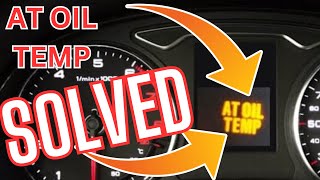
- The key symptom to look for, besides the Check Engine Light, is a flashing 'AT OIL TEMP' light.
- This is a moderately difficult DIY repair that involves dropping the transmission pan. If you are not comfortable with this, seek professional service.
- Do not ignore this code. Continued driving can lead to excessive heat buildup and cause more severe, expensive transmission damage.
What's Unique About the 1998-2002 Subaru Forester
On the first-generation Subaru Forester with the 4EAT automatic transmission, the P0740 code is very specific. Unlike in some other vehicles where the cause can be ambiguous, on this platform it almost always points directly to the lock-up solenoid. The most telling sign, unique to Subarus of this era, is the flashing 'AT OIL TEMP' light on the dashboard, which serves as the primary indicator of an electronic transmission fault. 🎬 Watch: How to diagnose a flashing AT OIL TEMP light For the 1999-2002 models (Phase 2, 4EAT transmissions), the faulty solenoid is easily identified on the valve body by its blue electrical connector.
Symptoms You May Notice
- Flashing 'AT OIL TEMP' light on the dashboard
- Check Engine Light is on
- Vehicle fails to shift into the highest gear or feels like it's slipping at highway speeds
- Reduced fuel economy
- Engine RPM is higher than usual at cruising speeds
- Vehicle may shudder or stall when coming to a stop (less common)
- Replacing the entire transmission when only a single solenoid has failed.
- Replacing the torque converter when the issue is purely electrical 🎬 Watch: Understanding P0740 causes and fixes with the solenoid or wiring.
Most Likely Causes
- Failed Torque Converter Clutch (TCC) Solenoid 🔴 High Probability → Shop Automatic Transmission Torque Converter The solenoids in the 4EAT transmission are a known failure point as the vehicle ages. The internal electrical windings can break or develop high resistance, creating an open circuit that the TCM detects.
How to confirm: Disconnect the transmission wiring harness and test the resistance of the TCC solenoid pins with a multimeter. A reading of infinity (open) or near-zero (short) confirms failure. A commonly cited good resistance is between 10-16 ohms. The test should be performed from the main harness connector to avoid dropping the pan for diagnosis.
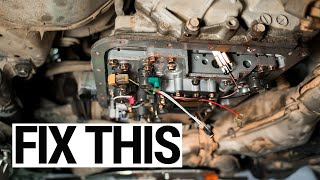
Typical fix: Replace the TCC/lock-up solenoid. This requires draining the transmission fluid, removing the oil pan, 🎬 See this step-by-step 4EAT solenoid replacement guide identifying the correct solenoid on the valve body (it has a blue connector for 1999-2002 models), and replacing it.
Est. part cost: $50-$150 - Low or Dirty Transmission Fluid 🟡 Medium Probability → Shop Transmission Assembly
How to confirm: Check the transmission fluid level and condition using the dipstick. The fluid should be at the correct level and reddish in color. If it's dark brown, black, or smells burnt, it's degraded and may contain clutch material, which can clog solenoid passages.
Typical fix: Perform a transmission fluid and filter change. Use a fluid that meets Dexron III specifications. If the fluid is very contaminated, a professional flush may be needed.
Est. part cost: $60-$120 - Damaged Wiring or Connectors ⚪ Low Probability
How to confirm: Visually inspect the wiring harness leading to the transmission for any signs of damage, corrosion, or loose connections, paying close attention to the main round connector on the transmission case. Check for continuity between the TCM and the transmission harness connector.
Typical fix: Repair or replace the damaged section of the wiring harness or clean the connectors.
Est. part cost: $10-$50
Rare But Worth Checking
- Faulty Transmission Control Module (TCM): → Shop Transmission Assembly This is uncommon, but if the solenoid and wiring are confirmed to be good, the TCM itself could be the source of the electrical fault.
- Internal Torque Converter Failure: → Shop Automatic Transmission Torque Converter While P0740 is an electrical code, a severe internal mechanical failure of the torque converter's clutch can sometimes be a root cause, though it's more likely to trigger performance codes like P0741.
Diagnosis Steps
- Scan the vehicle's computer to confirm P0740 is the active code and check for other codes like P0700.
- Note if the 'AT OIL TEMP' light is flashing, as this is a key symptom for this vehicle.
- Check the level and condition of the automatic transmission fluid. Dark, burnt, or low fluid can cause issues.
- Inspect the external wiring harness connected to the transmission for any visible damage, corrosion, or loose pins.
- If fluid and wiring are okay, test the TCC solenoid's resistance. Disconnect the transmission harness and use a multimeter on the appropriate pins. An open circuit (infinite resistance) or a direct short (zero resistance) confirms a bad solenoid. The expected resistance is typically 10-16 ohms.
- If the solenoid tests good from the external connector, there could be an issue with the internal transmission harness between the connector and the solenoid itself.
- If the solenoid and all wiring test good, the issue may lie in the Transmission Control Module (TCM) itself, though this is rare.
Parts You'll Likely Need
- Torque Converter Clutch (TCC) Lock-Up Solenoid
(OEM #31939AA191 (Supersedes older numbers, verify by VIN))— This solenoid is the most common failure point for a P0740 code on this platform due to internal electrical failure.
Trusted brands: Rostra, Sonnax, Genuine Subaru
OEM price range: $100-$180
Aftermarket price range: $50-$150 - Automatic Transmission Fluid (Dexron III / Idemitsu ATF) — Fluid must be drained to access the solenoid and should be replaced with fresh fluid during the repair. A pan drop requires approximately 4-5 quarts.
Trusted brands: Idemitsu (OEM supplier), Valvoline MaxLife Multi-Vehicle, ENEOS Import ATF
OEM price range: $15-$25 per quart
Aftermarket price range: $8-$15 per quart - Transmission Pan Gasket
(OEM #31338AA020)— The gasket should always be replaced when the transmission pan is removed to prevent leaks.
Trusted brands: Fel-Pro, Mahle, Genuine Subaru
OEM price range: $20-$40
Aftermarket price range: $10-$25
Related Codes That Often Appear With This One
- P0700 — P0700 is a generic code indicating the Transmission Control Module (TCM) has stored a fault. It acts as a messenger to turn on the Check Engine Light when a specific transmission code, like P0740, is present.
Platform-Specific Known Issues
- Owner Experience: Solenoid Replacement Fix: A user on subaruforester.org with an '07 Forester (similar 4EAT transmission) experienced P0740 and P0700 codes. After confirming the solenoid's resistance was out of spec, they replaced the lock-up solenoid, which resolved the issue. This reinforces the diagnosis that the solenoid itself is the primary point of failure.
- Intermittent Failures: Some owners report the P0740 code appearing intermittently, especially when the transmission is hot. This can be caused by the fine wire windings inside the solenoid losing connection as they expand with heat. A resistance test on a cold transmission might read as normal, but fail when hot, making diagnosis tricky.
Mechanic-Grade Diagnostic Values
- Lock-up (TCC) Duty Solenoid Resistance — expected: 12.5 Ω at 20°C (68°F). Failure: A reading of infinity (open circuit) or near-zero (short circuit). Readings may also be out of spec when the transmission is hot.
- Lock-up (TCC) Duty Solenoid Voltage at TCM — expected: 10.5 V or more when lock-up is commanded by the TCM; Less than 1 V when lock-up is released.. Failure: No voltage change when lock-up is commanded, or constant voltage when it should be off, indicates a wiring or TCM driver issue.
Scan Tool Commands That Help
- Subaru Select Monitor (or equivalent professional scanner): Lock-Up Solenoid ON/OFF Test (Active Test) — This bidirectional control is used to command the TCC solenoid on and off while the vehicle is stationary. It is a crucial step to verify if the TCM driver and the wiring to the solenoid are functioning correctly. If the command is sent but the solenoid does not click or the circuit voltage doesn't change, it helps isolate the fault to the solenoid itself, confirming the diagnosis before dropping the transmission pan.
Wiring & Ground Locations
- TCC Solenoid Wire at Transmission Connector — The main round transmission harness connector on the transmission case. The Lockup Solenoid wire is Purple and located at Pin 3.. This is the primary external test point for the TCC solenoid. By testing resistance at this pin against a ground, a technician can confirm if the solenoid coil is open or shorted without removing the transmission pan.
- TCM Location — Located behind the left side of the dashboard, near the steering column.. This is the location for performing pin-out voltage tests on the TCC solenoid circuit to diagnose potential wiring issues between the module and the transmission or a faulty driver circuit within the TCM itself.
- Key Engine/Chassis Grounds — Important grounds for the TCM circuit include G101 (right front shock tower), G102 (left front shock tower), and G114 (left rear of engine).. The TCM relies on a clean and secure ground path. A corroded or loose main ground can cause erratic behavior, incorrect voltage readings, and false trouble codes, including P0740.
Real Owner Repair Stories
- YouTube channel 'YepThatsIt' (Subaru Forester with 4EAT transmission (similar to 1998-2002 models)) — Intermittent P0740 fault code, likely accompanied by flashing AT OIL TEMP light.
❌ Tried (didn't work) Initial diagnosis was difficult because the fault was intermittent and resistance tests were inconsistent.
✅ What actually fixed it The TCC solenoid was failing due to heat. When the transmission warmed up, a weak internal connection in the fine wire winding inside the solenoid's plastic housing would lose contact. The fix was to replace the TCC solenoid.
OEM Part Supersession History
31939AA130, 31939AA150, 31939AA160, 31939AA161, 31939AA190→31939AA191— Part revisions and consolidation by Subaru over time.
Heads up: This part number is for the TCC/Lock-Up Solenoid (typically with a blue or red connector) for the Phase 2 transmission. It is not compatible with the 1998 Phase 1 transmission.
Model Year Variations Within This Range
- 1998: The 1998 model year Forester uses the 'Phase 1' 4EAT transmission. While the P0740 code still points to the TCC solenoid, the specific part number, solenoid arrangement on the valve body, and internal transmission components are different from the 1999-2002 models.
- 1999-2002: These model years use the 'Phase 2' 4EAT transmission. This version features a redesigned valve body, a different solenoid pack, and an external spin-on transmission filter. The TCC solenoid is identifiable by its blue connector and uses part number 31939AA191.
Diagnostic Flowchart
Other Known Issues on This Vehicle
Issues unrelated to this code that are worth knowing about as an owner of this generation:
- Head Gasket Failure (External Leaks) 🔴 High — Very common, typically between 100,000 and 150,000 miles. Affects the SOHC EJ25 engines from ~1999-2009.
- Rear Wheel Bearing Failure 🟠 Medium — Common failure item, often presenting as a humming or grinding noise from the rear of the vehicle that changes with speed. (Ref: TSB 03-50-02 (Details a new replacement procedure to improve durability))
- Piston Slap on Cold Starts 🟡 Low — A knocking sound from the engine when first started in cold weather, which typically goes away as the engine warms up. Generally considered a nuisance rather than a critical failure.
- Torque Bind / Center Differential Issues 🟠 Medium — Can cause a shuddering or grabbing feeling during tight, low-speed turns. Often caused by mismatched tire sizes or failure of the transfer clutch duty solenoid.
Used vs. New Parts: Buying Guide for This Vehicle
When a used part is the smart pick: For the TCC solenoid, a used part from a reputable auto recycler can be a cost-effective option, especially given the high cost of a new OEM part. Since it's a common failure, many junkyards are familiar with pulling them.
Donor-vehicle mileage cap: roughly under 150000 miles for the part to have meaningful remaining life.
What to inspect on the donor part:
- Test the resistance of the used solenoid with a multimeter before purchase. It should be around 12.5 ohms.
- Inspect the plastic connector for any cracks, brittleness, or signs of overheating.
- Ask for the mileage of the donor vehicle if possible.
- Ensure it is the correct solenoid for your transmission phase (Phase 1 for 1998, Phase 2 for 1999-2002).
OEM-only on this vehicle (don't cheap out):
- Transmission Control Module (TCM)
Aftermarket brands forum-validated for this vehicle:
- Rostra
- Sonnax
Brands owners have reported issues with on this vehicle:
- Unbranded, no-name solenoids from online marketplaces should be avoided due to inconsistent quality control.
Real Owner Stories
Aggregated from forums and TSBs cited above. Mileages and costs reflect what owners reported in those sources.
2007 Subaru Forester (4EAT Transmission)
Symptoms: Experienced P0740 and P0700 codes. Confirmed the solenoid's resistance was out of spec.
What fixed it: Replaced the lock-up solenoid.
Source hint: subaruforester.org thread titled 'p0740-and-p0700-on-07-forester.791925/'
Related OBD-II Codes
Frequently Asked Questions
My 1998-2002 Forester has a flashing 'AT OIL TEMP' light and P0740; what is the most likely cause?
I'm looking for a used TCC solenoid for my 1999 Forester; what should I check before buying?
Does TSB 03-50-02 apply to my P0740 transmission code?
Can I test the TCC solenoid without removing the transmission oil pan?
Why does my P0740 code only appear after driving on the highway for a while?
What color connector should I look for when replacing the lock-up solenoid on my 2001 Forester?
Helpful Videos
We Have This Part in Stock

The information in this article is provided for general reference and educational purposes only. Vehicle specifications, procedures, and part compatibility can vary by production date, trim level, and region. Always consult your vehicle's factory service manual and verify part numbers before purchasing or performing repairs. Safety-critical components such as airbags, seat belts, and braking systems should be installed by a qualified professional.
- Subaru Forester:
- 🧭 Diagnostic Flowchart
- 🎬 Helpful Videos
- 🛍️ Shop This Part
- What's Unique About the 1998-2002 Subaru Forester
- Symptoms You May Notice
- Most Likely Causes
- Rare But Worth Checking
- Diagnosis Steps
- Parts You'll Likely Need
- Related Codes That Often Appear With This One
- Platform-Specific Known Issues
- Mechanic-Grade Diagnostic Values
- Scan Tool Commands That Help
- Wiring & Ground Locations
- Real Owner Repair Stories
- OEM Part Supersession History
- Model Year Variations Within This Range
- Other Known Issues on This Vehicle
- Used vs. New Parts: Buying Guide for This Vehicle
- Real Owner Stories
- 2007 Subaru Forester (4EAT Transmission)
- Related OBD-II Codes
- Frequently Asked Questions
- 🎟️ Get 5% Off