

P0740 on 2006-2013 Suzuki Grand Vitara: Torque Converter Clutch Circuit Fixes
This code typically points to an electrical issue with the Torque Converter Clutch (TCC) solenoid or its wiring. Start by checking the transmission fluid level and condition, as low or dirty fluid is a common and easy-to-fix cause. If the fluid is fine, the TCC solenoid itself is the next most likely culprit, followed by wiring issues. In some cases, this code can point to a failing torque converter, even though it's defined as a circuit malfunction.
- P0740 on your Grand Vitara means there's an electrical fault in the torque converter clutch circuit.
- Always start your diagnosis by checking the transmission fluid level and condition; this is the simplest and a very common fix.
- The most likely failed parts are the TCC solenoid or the wiring leading to it.
- Driving with this code will hurt your fuel mileage and can cause long-term transmission damage due to excess heat.
- Due to the complexity of accessing internal transmission parts, professional diagnosis is often the most cost-effective path.
What's Unique About the 2006-2013 Suzuki Grand Vitara
For the 2006-2013 Suzuki Grand Vitara, which is equipped with a 5-speed automatic transmission (likely an Aisin variant), the P0740 code does not point to a widely documented, model-specific pattern failure. The causes and diagnostic steps are typical for this generic transmission code. However, it's important to note that the TCC solenoid is located inside the transmission oil pan and requires its removal for access. A forum post for a similar Suzuki model (Tracker) noted a TCC relay in the engine bay and a connection to the brake switch as part of the circuit, which could be relevant points of failure. The diagnosis should follow a logical path starting with fluid, external wiring, and relays before suspecting internal components like the solenoid or the torque converter itself.
Symptoms You May Notice
- Check Engine Light is on
- Reduced fuel economy
- Engine RPM is higher than normal at highway speeds
- Shifting problems, such as harsh or delayed shifts
- Vehicle may shudder or vibrate at low speeds, typically below 20 mph
- Transmission may feel like it's slipping
- In some cases, the engine may stall when coming to a stop
- Transmission overheating or a burning smell 🎬 See more symptoms of a bad TCC solenoid
- Replacing the entire transmission when only a single solenoid or wiring was at fault.
- Replacing the torque converter when the issue was a much cheaper electrical problem like a bad solenoid or wiring.
- Replacing the TCC solenoid when the actual cause is a failing torque converter that is mechanically unable to lock up, even with a functional solenoid.
Most Likely Causes
- Low or Dirty Transmission Fluid 🔴 High Probability → Shop Transmission Assembly Fluid level and condition are critical for all automatic transmissions. Over time, fluid degrades and can become contaminated, affecting hydraulic pressure and solenoid operation. Low fluid can prevent the solenoids from working correctly.
How to confirm: Check the transmission fluid dipstick for level and color. The fluid should be at the 'FULL' mark when warm and be bright red and clear. If it's brown, black, or smells burnt, it's contaminated and should be changed.
Typical fix: Perform a transmission fluid drain-and-fill or a complete fluid flush. Ensure 🎬 Watch: How to change the transmission fluid on this model the correct type of fluid is used per the owner's manual. A fluid flush may temporarily clear the code.
Est. part cost: $50-$150 - Faulty Torque Converter Clutch (TCC) Solenoid 🟡 Medium Probability → Shop Automatic Transmission Torque Converter Solenoids are electro-mechanical parts that can fail over time due to heat and wear. The internal coil can short out, develop an open circuit, or the valve can stick mechanically.
How to confirm: After accessing the solenoid (usually inside the transmission pan), a multimeter can be used to check its resistance. Compare the reading to the manufacturer's specification. An infinite reading indicates an open circuit, while a zero reading indicates a short.
Typical fix: Replace the faulty TCC solenoid. This is often done as part of a solenoid pack located on the valve body.
Est. part cost: $55-$250 - Damaged Wiring or Connectors 🟡 Medium Probability
How to confirm: Visually inspect the wiring harness leading to the transmission for any signs of damage, corrosion, or loose connections. Use a multimeter to check for continuity and shorts in the circuit between the TCM and the transmission connector. A forum for a similar vehicle mentioned checking the TCC relay and its power feed from the brake switch.
Typical fix: Repair or replace the damaged section of the wiring harness or the connector.
Est. part cost: $20-$200 - Failing Torque Converter ⚪ Low Probability → Shop Automatic Transmission Torque Converter
How to confirm: This is a more complex diagnosis. If the transmission fluid is found to have a large amount of metallic debris, it can indicate internal failure of the converter's clutch material. Some experienced technicians note that for certain transmissions, P0740 is almost always caused by a bad torque converter, despite the 'circuit' definition. A mechanic may use an advanced scan tool to monitor TCC slip speed.
Typical fix: Replace the torque converter, which requires removing the transmission from the vehicle.
Est. part cost: $450-$800
Rare But Worth Checking
- Faulty Transmission Control Module (TCM) or Powertrain Control Module (PCM): → Shop Engine Control Module (ECM) This is rare and should only be considered after all other possibilities (fluid, solenoid, wiring, and torque converter) have been ruled out. The module's internal driver for the TCC circuit can fail, or the software may be corrupted.
Diagnosis Steps
- Scan the vehicle for all stored trouble codes. Note any other transmission-related codes, especially P0700, P0741, or P0743.
- Check the transmission fluid level and condition. Top off or replace the fluid if it is low, dirty, or burnt.
- Inspect the transmission wiring harness and connectors for any visible damage, corrosion, or loose pins. Pay attention to the main connector at the transmission case.
- Using a wiring diagram for the Grand Vitara, test the TCC solenoid circuit for proper voltage and ground at the transmission connector. Check for related relays and fuses in the power distribution box.
- If external wiring is good, drop the transmission pan to access the TCC solenoid.
- Test the resistance of the TCC solenoid with a multimeter and compare it to the factory specification. An out-of-spec reading confirms a failed solenoid. 🎬 Watch: How to test and replace the TCC solenoid
- If the solenoid and wiring test good, the problem may be a mechanical issue within the valve body, a failing torque converter (check for excessive metal in the pan), or, rarely, the TCM itself.
Parts You'll Likely Need
- Torque Converter Clutch (TCC) Solenoid
(OEM #26581-54J30 (Clutch Control Solenoid 2) or 26591-65D10 may be applicable, but must be verified by VIN.)— This solenoid is the most common component to fail within the TCC circuit, either electrically or mechanically.
Trusted brands: Rostra, Aisin, Transtar, Genuine Suzuki
OEM price range: $150-$250
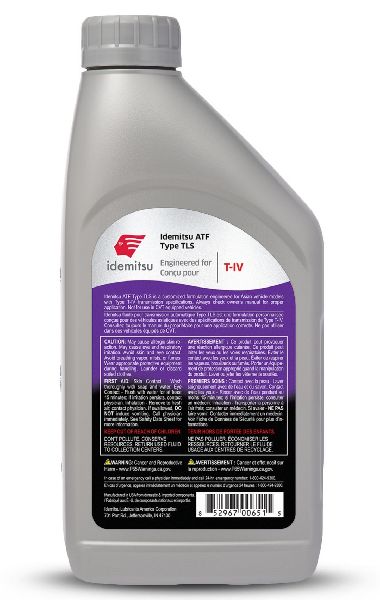
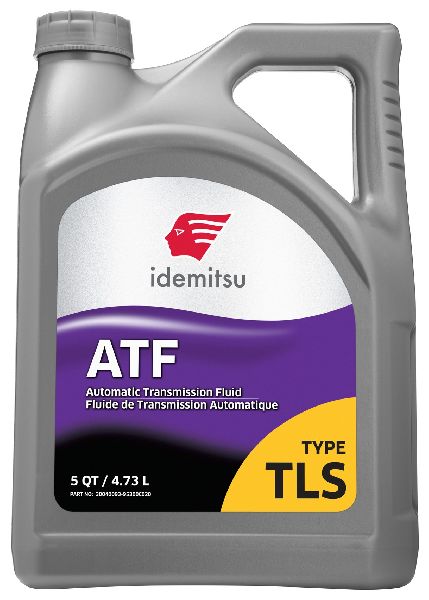
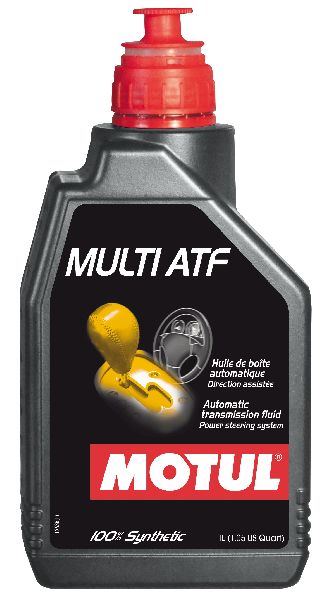
Aftermarket price range: $55-$150 - Automatic Transmission Fluid
(OEM #SUZUKI ATF 3317 or equivalent)— Incorrect fluid level or poor fluid quality is a primary cause of many transmission problems, including this one.
Trusted brands: Idemitsu, ENEOS, Valvoline
OEM price range: $15-$25 per quart
Aftermarket price range: $8-$15 per quart - Torque Converter — If the internal lock-up clutch inside the converter has failed, it will need to be replaced. This is a major repair and can be the root cause even with a circuit code.
Trusted brands: Luk, Transtar, Precision of New Hampton
OEM price range: $600-$900
Aftermarket price range: $450-$700
Related Codes That Often Appear With This One
- P0700 — P0700 is a general Transmission Control System Malfunction code. It is often set alongside more specific transmission codes like P0740 to indicate that the TCM has detected a fault.
- P0741 — P0741 indicates 'TCC System Stuck Off'. If the computer detects an electrical fault (P0740), it may also log a performance code if it sees that the clutch is not engaging as expected.
- P0743 — P0743 indicates 'TCC Electrical'. This is a very similar code and can appear with P0740, pointing strongly to an electrical issue like a short or open in the solenoid or wiring.
Platform-Specific Known Issues
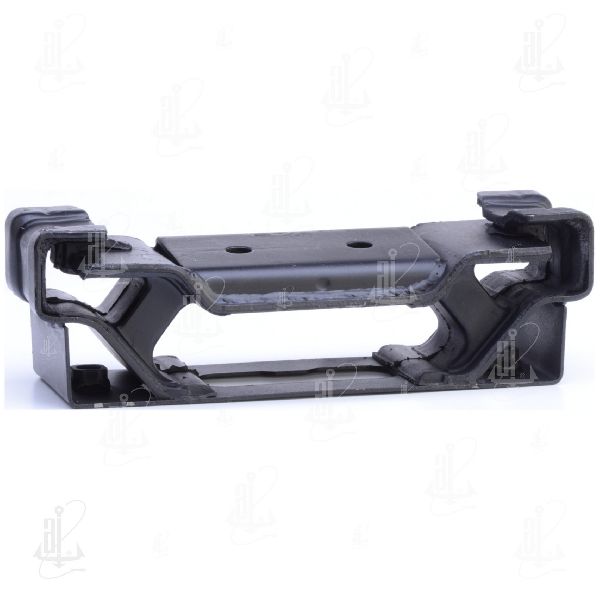
- Transmission Type: → Shop Transmission Assembly The 2006-2008 models with the 2.7L V6 used a 5-speed automatic. Later models from 2009 onward offered a 2.4L I4 with a 4-speed automatic or a 3.2L V6 with a 5-speed automatic. The specific transmission model affects part numbers and procedures. The TCC solenoid is located inside the oil pan on the valve body.
Mechanic-Grade Diagnostic Values
- TCC Solenoid Coil Resistance — expected: 12-28 Ohms is a common range for this type of on/off solenoid. Some Aisin-based transmissions may have solenoids in the 11-15 Ohm range.. Failure: A reading of infinite Ohms (open circuit) or near-zero Ohms (short circuit) indicates a failed solenoid.
- TCC Solenoid Circuit Voltage (at solenoid connector) — expected: Approximately 12V (battery voltage) should be present on the power supply wire with the key on. When commanded ON by the TCM (or a scan tool), the ground-side control wire should complete the circuit.. Failure: No voltage on the supply wire indicates a wiring or fuse issue upstream. If voltage is present but the solenoid doesn't activate when commanded, the issue could be the solenoid, the ground-side wiring, or the TCM driver.
Scan Tool Commands That Help
- Professional Scan Tool (e.g., Suzuki SDT-II, iCarsoft, etc.): TCC Solenoid Activation / Bidirectional Control — This command allows a technician to manually turn the TCC solenoid on and off while the vehicle is stationary (engine on or off, depending on tool). Listening for an audible 'click' from the transmission pan area can quickly confirm if the solenoid's coil and internal plunger are functioning electrically and mechanically. No click strongly suggests a failed solenoid or a break in the wiring.
- Professional Scan Tool: Live Data Monitoring (TCC Commanded State, TCC Slip Speed) — While driving, monitor the 'TCC Commanded' status PID. It should change from 'Off' to 'On' at cruising speeds. Simultaneously, watch the 'TCC Slip Speed' PID. When the TCC is commanded on, slip speed should drop to near zero. If the TCM commands lockup but the slip speed remains high, it points to a mechanical issue like a worn torque converter clutch or a hydraulic problem, rather than an electrical one.
Wiring & Ground Locations
- G2 / G3 / G5 — Various points at the rear of the engine block.. The engine and transmission case must have a solid ground connection to the chassis and battery. A poor engine ground can cause a host of electrical issues, including erratic behavior from transmission sensors and solenoids that use the case as a ground reference.
- G11 / G12 — Behind the left and right kick panels, respectively.. These are major interior ground points. The Transmission Control Module (TCM), which controls the TCC solenoid, is often grounded in this area. A corroded or loose ground at G11 or G12 could directly cause a P0740 by interrupting the TCM's ability to properly control or sense the TCC circuit.
When the Usual Fixes Don't Work
- While P0740 is defined as a 'Circuit Malfunction,' leading most diagnostics down an electrical path, there is significant anecdotal evidence from technicians that the root cause is often purely mechanical. In many cases where the TCC solenoid and wiring test perfectly, the actual failure is within the torque converter itself; the internal clutch is worn and unable to lock up as commanded. This causes the TCM to see a performance error (incorrect RPM difference) which it interprets and flags as a circuit fault. One mechanic noted that in their personal experience with P0740, the cause was *always* a bad torque converter, never the solenoid or wiring the code points to.
Model Year Variations Within This Range
- 2009-2013 (with 2.4L I4 engine): Models with the 2.4L I4 engine were equipped with a 4-speed automatic transmission, whereas the V6 models retained a 5-speed automatic. The TCC solenoid, valve body, and internal wiring harness are different between these two transmissions. Part numbers are not interchangeable, so it is critical to identify the correct transmission before ordering parts.
Diagnostic Flowchart
Used vs. New Parts: Buying Guide for This Vehicle
When a used part is the smart pick: For this repair, using used parts is generally not recommended for the electronic and hydraulic components. A used wiring harness or external connector could be a viable option if a specific section is damaged and a new harness is unavailable or prohibitively expensive.
Donor-vehicle mileage cap: roughly under 80000 miles for the part to have meaningful remaining life.
What to inspect on the donor part:
- For a torque converter: Ask the salvage yard if the donor vehicle's transmission fluid was checked. Pink/red and clear fluid is a good sign; brown/black or burnt-smelling fluid means the part should be avoided.
- For a wiring harness: Inspect thoroughly for any brittle sections, cracked insulation, or corrosion on the connector pins. Bend the harness in several places to ensure the plastic sheathing isn't cracking from age.
OEM-only on this vehicle (don't cheap out):
- Transmission Control Module (TCM): While not a common failure, if the TCM is needed, a new or professionally remanufactured OEM unit is the only reliable option to ensure correct software and compatibility.
Aftermarket brands forum-validated for this vehicle:
- Aisin (often the OEM supplier)
- Rostra
- Transtar
Brands owners have reported issues with on this vehicle:
- Unbranded, 'white-box' solenoids from online marketplaces should be avoided. They often have high failure rates and may not meet the precise hydraulic or electrical specifications, causing the code to return or creating new shifting problems.
Real Owner Stories
Aggregated from forums and TSBs cited above. Mileages and costs reflect what owners reported in those sources.
1996 Suzuki Tracker
Symptoms: Owner reported a P0740 TCC Circuit Malfunction code.
What fixed it: The owner was advised to investigate the TCC relay located under the hood and to check the wiring coming from the brake switch as potential causes for the circuit malfunction code.
Source hint: Zukiworld.com forum thread titled 'PO740 TCC Circuit Malfunction on Suzuki Tracker'
Related OBD-II Codes
Frequently Asked Questions
My 2007 Grand Vitara has the 2.7L V6. Is the TCC solenoid hard to get to for a P0740 code?
The mechanic says I need a new TCC solenoid. What aftermarket brands are reliable for my Suzuki?
I'm getting a P0740 code and my transmission fluid is black and smells burnt. Will a simple fluid change fix it?
My mechanic confirmed the TCC solenoid and its wiring are good. What else could cause P0740 on my Grand Vitara?
Is it a good idea to buy a used torque converter from a salvage yard to fix my Grand Vitara?
Besides the solenoid itself, what other electrical parts should I check for the P0740 code?
Helpful Videos

We Have This Part in Stock


The information in this article is provided for general reference and educational purposes only. Vehicle specifications, procedures, and part compatibility can vary by production date, trim level, and region. Always consult your vehicle's factory service manual and verify part numbers before purchasing or performing repairs. Safety-critical components such as airbags, seat belts, and braking systems should be installed by a qualified professional.
- Suzuki Grand Vitara:
- 🧭 Diagnostic Flowchart
- 🎬 Helpful Videos
- 🛍️ Shop This Part
- What's Unique About the 2006-2013 Suzuki Grand Vitara
- Symptoms You May Notice
- Most Likely Causes
- Rare But Worth Checking
- Diagnosis Steps
- Parts You'll Likely Need
- Related Codes That Often Appear With This One
- Platform-Specific Known Issues
- Mechanic-Grade Diagnostic Values
- Scan Tool Commands That Help
- Wiring & Ground Locations
- When the Usual Fixes Don't Work
- Model Year Variations Within This Range
- Used vs. New Parts: Buying Guide for This Vehicle
- Real Owner Stories
- 1996 Suzuki Tracker
- Related OBD-II Codes
- Frequently Asked Questions
- 🎟️ Get 5% Off