

P0741 on 2000-2005 Chevrolet Impala: TCC Solenoid Causes and Fixes
On a 2000-2005 Impala, code P0741 almost always points to a problem with the Torque Converter Clutch (TCC) system inside the 4T65-E transmission. The most common fix is replacing the TCC solenoid, which is accessible after dropping the transmission pan. Expect to pay around $50 for an ACDelco solenoid. However, if the code returns, the underlying cause is very likely a worn TCC valve bore in the valve body, which requires a specialized kit to repair.
- P0741 on a 2000-2005 Impala means the torque converter clutch is failing to lock up, hurting fuel economy and increasing transmission heat.
- The most likely culprit is a failed TCC solenoid inside the transmission, a common issue with the 4T65-E.
- Always check transmission fluid level and condition first, as low or dirty fluid can cause this code.
- While you can drive with this code, it's best to get it fixed promptly to avoid more expensive damage to the transmission from overheating.
- Repair is best left to a professional, as it involves working inside the transmission. The most common fix involves replacing the TCC solenoid, fluid, and filter.
What's Unique About the 2000-2005 Chevrolet Impala
The 2000-2005 Chevrolet Impala uses the 4T65-E automatic transmission, which is notoriously prone to issues with the TCC system. The problem is so common that many owners and technicians immediately suspect the TCC solenoid or the associated valve body components when a P0741 code appears. The issue is not specific to the 3.4L or 3.8L V6 engine, but rather to the transmission they are both paired with. A GM Technical Service Bulletin (02-07-30-013E) acknowledges that TCC codes can be caused by debris clogging passages in the valve body.
Symptoms You May Notice
- Check Engine Light is on
- Engine RPMs are higher than normal at highway speeds (e.g., 2500-3000 RPM at 65 MPH)
- Noticeable decrease in fuel economy
- Transmission may feel like it's slipping or shifting harshly
- A shudder or vibration during acceleration or at highway speeds
- Transmission overheating, though a warning light is less common
- Slight fluctuation of the tachometer needle at steady cruising speed
- Difficulty gaining speed quickly, which can lead to safety hazards in traffic (as reported in NHTSA ODI #11546983)
- Replacing the entire transmission without first diagnosing the specific internal components like the TCC solenoid or valve body.
- Replacing the torque converter when the issue is only a faulty solenoid or a worn valve bore.
- Replacing only the TCC solenoid and having the code return because the underlying issue was a worn TCC valve bore in the valve body.
Most Likely Causes
- Faulty Torque Converter Clutch (TCC) Solenoid 🔴 High Probability → Shop Automatic Transmission Torque Converter The TCC solenoid (specifically, the TCC PWM solenoid) in the 4T65-E transmission is a very common failure point. It can fail electrically or become clogged with debris from normal wear and tear.
How to confirm: A technician can use a bi-directional scan tool to command the TCC solenoid on and off while monitoring TCC slip RPM. An electrical test with a multimeter can also check the solenoid's resistance (ohms) against specifications. The TCC PWM solenoid should have a resistance between 10.0 and 15.0 ohms.
Typical fix: Replace the TCC solenoid. This requires dropping the transmission pan and side cover to access the valve body where the solenoid is located.
Est. part cost: $40-$70 - Worn TCC Valve Bore in Valve Body 🔴 High Probability → Shop Transmission Valve Body This is an extremely common secondary failure. The steel TCC regulator valve constantly oscillates within the softer aluminum valve body bore, causing wear. This wear creates a hydraulic leak, preventing the new solenoid from building enough pressure to apply the clutch. It is the most common reason for the P0741 code to return after a solenoid replacement.
How to confirm: This is difficult to confirm without disassembling the valve body. It's often diagnosed after a new TCC solenoid fails to fix the problem. A transmission shop can perform a vacuum test on the valve body to check for leaks.
Typical fix: The valve body must be removed and the worn bore reamed out to accept an oversized valve kit (e.g., from Sonnax, part #84754-34K). This is a job for a transmission specialist.
Est. part cost: $60-$150 for the kit, plus specialized labor. - Low or Dirty Transmission Fluid 🟡 Medium Probability → Shop Transmission Assembly Low fluid prevents the hydraulic system from building enough pressure to engage the clutch, while old, dirty fluid can clog solenoid passages and valve body bores, causing valves to stick. GM TSB 02-07-30-013E specifically points to debris as a cause for this code.
How to confirm: Check the transmission fluid level and condition using the dipstick. The fluid should be at the correct level, red in color, and not smell burnt. The presence of fine, dark clutch material on the pan magnet is a key indicator.
Typical fix: If low, top off with the correct fluid (DEXRON-VI is the recommended replacement for the original DEXRON-III). If dirty or burnt, perform a fluid and filter change. This may or may not solve the problem if components are already clogged or damaged.
Est. part cost: $50-$100 - Failed Torque Converter ⚪ Low Probability → Shop Automatic Transmission Torque Converter
How to confirm: This is usually the cause if the fluid is full of excessive metallic debris or looks like metallic paint. The internal clutch lining of the converter itself can delaminate, preventing lock-up and contaminating the entire transmission. NHTSA ODI #11627254 describes a similar scenario where a vehicle was diagnosed with a stuck torque converter after P0741 was retrieved.
Typical fix: The transmission must be removed from the vehicle to replace the torque converter. At this point, a full transmission flush and often a rebuild are necessary to remove all debris.
Est. part cost: $200-$500 for the converter
Rare But Worth Checking
- Wiring Issues: The wiring harness leading to the transmission can become damaged, causing an open or short in the TCC solenoid circuit. Manufacturer Bulletin #15111 notes that P0741 may be accompanied by harsh 1-2 shifts, and in such cases, dealers are instructed to replace the automatic transmission wiring harness.
- Internal Mechanical Damage: While less common on the 4T65-E than valve body wear, manufacturer Bulletin #PI1447A suggests that P0741 can be caused by a damaged turbine shaft front bushing or damage to the turbine shaft journal area.
Diagnosis Steps
- Check the transmission fluid level and condition. If it is low, dark, or smells burnt, this indicates a problem that needs to be addressed first.
- Use an OBD-II scanner to confirm P0741 and check for other codes like P0700. Note if the code is active or history.
- While driving at a steady highway speed (above 45 mph), observe the tachometer. If you lightly tap the brake pedal, you should see the RPMs jump slightly (200-300 RPM) as the TCC disengages. If there is no change, the TCC was likely not engaged in the first place.
- A qualified technician will use a bi-directional scan tool to monitor desired TCC state vs. actual TCC state and the amount of TCC slip RPM. They can also command the TCC solenoid on to see if it responds mechanically and if the slip RPM drops.
- Inspect the wiring harness and the main round connector at the transmission for any visible damage, corrosion, or looseness.
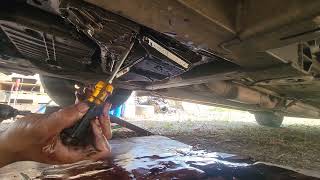
- If the solenoid is suspected, drop the transmission pan to access and test the TCC solenoid for correct resistance with a multimeter. The TCC PWM solenoid should measure between 10.0 and 15.0 ohms. 🎬 Watch: How to diagnose and fix a P0741 code
- While the pan is off, inspect the pan magnet for debris. A light coating of fine grey material is normal; large metal shavings or chunks of clutch material indicate a severe internal failure.
- If a new solenoid does not resolve the issue, the next step is to have the valve body inspected and tested for leaks at the TCC regulator valve bore.
Parts You'll Likely Need
- Torque Converter Clutch (TCC) Pulse Width Modulation (PWM) Solenoid
(OEM #24227747 (Supersedes 24212327))— This is the most common component to fail and cause a P0741 code on this specific transmission.
Trusted brands: ACDelco, Rostra
OEM price range: $50-$70
Aftermarket price range: $30-$50 - Sonnax TCC Regulated Apply Valve Kit
(OEM #84754-34K)— This aftermarket kit is often required to fix the root cause of the problem: a worn valve body bore. It includes an oversized valve and tools to ream the bore.
Trusted brands: Sonnax
OEM price range: N/A
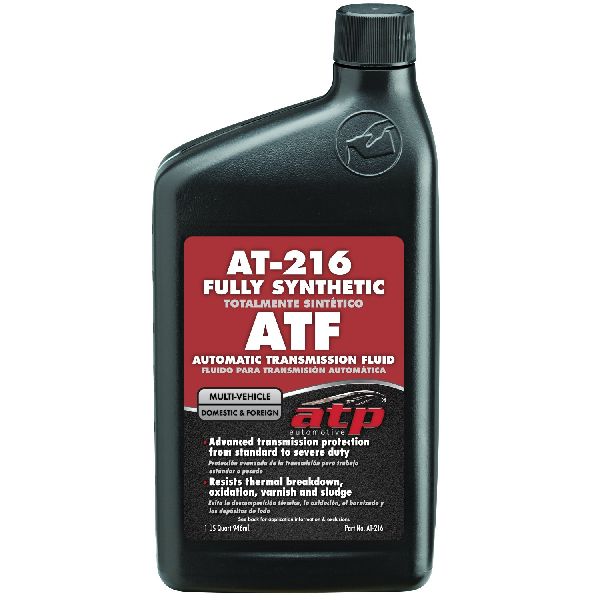
Aftermarket price range: $60-$90 - Automatic Transmission Fluid and Filter Kit — Required for any repair that involves dropping the transmission pan, such as replacing the TCC solenoid.
Trusted brands: ACDelco, ATP
OEM price range: $40-$60
Aftermarket price range: $25-$40 - Torque Converter — Needed if the internal clutch has failed, which is the most severe and expensive cause of this code.
Trusted brands: ACDelco, Transtar
OEM price range: $300-$500
Aftermarket price range: $150-$250
Related Codes That Often Appear With This One
- P0700: Transmission Control System Malfunction - This is a general code indicating the TCM has stored a fault, and it will almost always be present alongside P0741.
- P1811: Maximum Adapt and Long Shift - Often occurs with P0741, indicating the transmission is commanding maximum line pressure due to excessive shift times, which can be related to the same hydraulic integrity issues causing the TCC problem.
- P0872: Transmission Fluid Pressure Sensor/Switch C Circuit Low - As noted in NHTSA ODI #11546983, this code can sometimes appear alongside P0741 even without a check engine light being illuminated.
Technical Service Bulletins (TSBs) & Recalls
- GM TSB 02-07-30-013E: Addresses various shift quality issues and TCC-related trouble codes (including P0741). It suggests that debris in the transmission fluid can cause valves in the valve body and case oil passages to stick, recommending a fluid flush procedure.
- Manufacturer Bulletin #15111: Discusses conditions where P0741 is set alongside harsh 1-2 shifts, identifying the automatic transmission wiring harness as the required fix.
- Manufacturer Bulletin #PI1447A: Provides diagnostic tips for P0741, noting that the condition may be caused by a damaged turbine shaft front bushing or damage to the turbine shaft journal area.
Platform-Specific Known Issues
- Common 'Comeback' After Solenoid Replacement: A very common experience for Impala and other 4T65-E owners is to pay for a TCC solenoid replacement, only to have the P0741 code return within a few weeks or months. This is almost always due to the technician not addressing the worn TCC regulator valve bore in the valve body, which prevents even a new solenoid from functioning correctly.
Mechanic-Grade Diagnostic Values
- TCC PWM Solenoid Resistance — expected: 10.0 - 15.0 Ohms. Failure: A reading outside this range (open or shorted) indicates a failed solenoid.
- Shift Solenoid A & B Resistance — expected: 20 - 40 Ohms. Failure: While not the direct one cause of P0741, checking these while the pan is off is wise. A reading outside this range indicates a problem with the shift solenoid.
- EPC Solenoid (Force Motor) Resistance — expected: 3 - 6 Ohms. Failure: An incorrect resistance reading on the Electronic Pressure Control solenoid can cause widespread shifting issues, though it's not the primary cause of P0741.
- TCC Slip Speed (Scan Tool Data) — expected: Near 0 RPM when TCC is commanded ON and locked.. Failure: The PCM will set code P0741 when it sees a slip of more than ~200 RPM between the engine and transmission input shaft when lockup is commanded.
Scan Tool Commands That Help
- GM Tech 2 / Professional Bidirectional Scanner: TCC Solenoid Control — This function allows a technician to manually command the TCC solenoid ON and OFF while the vehicle is in gear (and often on a lift with wheels turning). By monitoring TCC Slip RPM, the tech can verify if the solenoid is clicking and if the hydraulic circuit is capable of applying the clutch. If the solenoid is commanded ON and slip RPM does not drop to near zero, it confirms a mechanical or hydraulic failure rather than an electrical one.
- GM Tech 2 / Professional Bidirectional Scanner: TCC Duty Cycle Control — The 4T65-E uses a Pulse Width Modulated (PWM) TCC system that allows for controlled slip. A scan tool can monitor the commanded duty cycle percentage. A tech can observe if the PCM is commanding lock-up (e.g., ramping up to 40% or higher) and if the actual slip RPM responds accordingly. This helps differentiate between the PCM not commanding lock-up versus the lock-up mechanism failing to respond to the command.
Wiring & Ground Locations
- G113 — On a transaxle stud, near the starter motor.. This is a primary ground connection for the transaxle assembly. A poor connection here can cause a host of electrical issues within the transmission, including erratic solenoid behavior.
- G117 — On a transaxle stud, located above G113.. Another critical ground for the transaxle. Both G113 and G117 should be inspected, cleaned, and tightened when diagnosing any electrical fault related to the transmission.
- Main Transmission Connector — A large, round, 20-pin connector on the top side of the transmission, near the driver's side.. This is the main electrical interface for all transmission solenoids and sensors. The pins for the TCC PWM solenoid are typically Pin E (TCC PWM Solenoid Control) and Pin U (TCC Solenoid Valve Control). A visual inspection for corrosion, bent pins, or harness damage is a crucial diagnostic step.
- PCM Grounds — The Powertrain Control Module (PCM) has several ground connections, often tied to the engine block or chassis. A key ground splice is S106, located on the left side of the engine compartment near the PCM connectors.. The PCM relies on solid ground references to accurately control the solenoids. A faulty PCM ground can lead to incorrect voltage readings and improper solenoid commands, potentially mimicking a component failure.
Real Owner Repair Stories
- YouTube video by 'Ben's Auto Repair LLC' (Chevrolet Impala, year within the 2000-2005 range.) — P0741 code, potential shift error code, vehicle would not move when cold.
❌ Tried (didn't work) The video focuses on the correct repair path rather than failed attempts.
✅ What actually fixed it The video creator states that while a fluid/filter change can sometimes fix the issue (50/50 chance), the common cause is a stuck valve in the valve body. He points out the location of the shift solenoids on the side cover of the transmission, which must be removed for access to the TCC solenoid and valve body components. This aligns with the known common failure pattern of the TCC solenoid and valve bore. - YouTube video by 'm ph' (GM vehicle with 4T65-E (likely Grand Prix, but applicable to Impala).) — Harsh shifts, P1811 (Max Adapt), and related P0741.
❌ Tried (didn't work) Installed a shift kit as a temporary 'band-aid' fix.
✅ What actually fixed it The ultimate fix was replacing the Pressure Control Solenoid (PCS), the TCC solenoid, and the 4th clutch hub (a pre-emptive repair for pre-2003.5 models). After the repair, the torque converter lockup was much faster and firmer, resolving the underlying hydraulic pressure issues that cause both P1811 and P0741. - NHTSA ODI #10120942 — An owner reported that after a dealer claimed to have fixed a P0741 issue, the vehicle left them stranded on a long trip just six days later.
OEM Part Supersession History
24212327, 24214974→24227747— GM updated the TCC PWM solenoid design for improved durability and performance.
Heads up: The newest part number, 24227747, is the correct service replacement for all 2000-2005 Impalas and is fully compatible.
Model Year Variations Within This Range
- 2003-2005: In 2003, the electronics of the 4T65-E were changed. This primarily affects the Pressure Control Solenoid (PCS) and the internal wiring harness, which are different from the 1997-2002 models. While the TCC solenoid itself remained largely the same, when ordering a master solenoid kit or harness, it is critical to specify the correct year.
- 2000-2002: The valve bodies were reportedly upgraded starting in 2000 for improved shifting, but the TCC valve bore wear issue persists across all years in this range. Additionally, the 4th clutch hub was prone to failure in pre-2003.5 models; while not directly related to P0741, it's a common failure point addressed during any major transmission work on these earlier years.
Diagnostic Flowchart
Other Known Issues on This Vehicle
Issues unrelated to this code that are worth knowing about as an owner of this generation:
- Lower Intake Manifold (LIM) Gasket Failure (3.8L V6) 🔴 High — Extremely common, often occurring between 80,000 and 150,000 miles. The original nylon/plastic gaskets degrade from exposure to Dex-Cool antifreeze. (Ref: No recall, but it is a widely known design flaw. Upgraded metal-framed gaskets (e.g., Fel-Pro) are the standard replacement.)
- GM Passlock Anti-Theft System Failure 🟠 Medium — Very common across all model years. The vehicle will fail to start and the 'Security' light will flash. (Ref: No recall. The common temporary fix is a 10-minute key-on relearn procedure. Permanent fixes involve replacing the ignition lock cylinder or bypassing the system.)
- Intermediate Steering Shaft Clunk 🟡 Low — A common complaint is a clunking or popping noise from the steering column when turning at low speeds. (Ref: GM TSB #00-02-35-003N addresses this issue, which is caused by a stick-slip condition in the shaft. The fix is to replace the intermediate shaft with an updated part.)
- Instrument Cluster / Speedometer Malfunction 🟠 Medium — Widespread reports of gauges, particularly the speedometer, behaving erratically, getting stuck, or failing completely. Most common on 2004-2005 models. (Ref: No recall, but it was part of a class-action lawsuit for other GM vehicles with the same issue. The typical fix is replacing the stepper motors in the cluster or the entire unit.)
- Transmission Pressure Control (EPC) Solenoid Failure 🔴 High → Shop Transmission Valve Body — Separate from the TCC solenoid, a failing EPC solenoid is a known issue in the 4T65-E that causes harsh, erratic, or delayed shifting and can lead to transmission damage.
Used vs. New Parts: Buying Guide for This Vehicle
When a used part is the smart pick: A complete used transmission assembly from a low-mileage donor can be a cost-effective alternative to a full rebuild, especially if your current transmission has multiple issues or severe internal damage (e.g., large amounts of metal in the pan). A used valve body could be considered, but it carries the same risk of having a worn TCC valve bore as your original.
Donor-vehicle mileage cap: roughly under 100000 miles for the part to have meaningful remaining life.
What to inspect on the donor part:
- Verify the donor vehicle's mileage. Look for vehicles under 100,000 miles.
- If possible, ask the junkyard to drop the pan. Check the fluid color and smell; it should be reddish and not smell burnt.
- Inspect the pan magnet for debris. A fine gray paste is normal wear, but large metal shavings or chunks of clutch material are red flags.
- Check the RPO code sticker (usually in the glove box or on the trunk lid) to ensure the final drive ratio matches your original transmission to avoid programming issues.
OEM-only on this vehicle (don't cheap out):
- Torque Converter Clutch (TCC) Solenoid: While some aftermarket brands are reputable, the ACDelco OEM part is highly recommended for reliability and to avoid early failure.
- Pressure Control Solenoid (PCS): Given its critical role in controlling line pressure, using an ACDelco OEM part is the safest choice to prevent shift quality problems.
Aftermarket brands forum-validated for this vehicle:
- Sonnax: The undisputed leader for valve body repair kits, including the essential TCC regulated apply valve kit (84754-34K).
- Rostra: A well-regarded manufacturer of aftermarket transmission solenoids and sensors.
- TransGo: Known for their shift kits and other valve body upgrade components.
Brands owners have reported issues with on this vehicle:
- Unnamed, no-brand 'white box' solenoid kits from online marketplaces. These often have high failure rates and can cause more problems than they solve. The cost savings are not worth the risk of having to do the labor-intensive job a second time.
Real Owner Stories
Aggregated from forums and TSBs cited above. Mileages and costs reflect what owners reported in those sources.
2004 Pontiac Grand Prix 3.8L V6
Symptoms: Check engine light is on but there are no noticeable driving issues, highlighting the subtle nature of the initial failure.
What fixed it: The source identifies the cause as a sticky solenoid that starts as an occasional fault before becoming permanent.
Source hint: LS1Tech Forum: 2004 Grand Prix DTC P0741
2011 Chevrolet Impala
Symptoms: P0741 and P0700 codes present; the owner was able to manually command the TCC to lock with a scan tool.
What fixed it: The ability to manually lock the TCC pointed away from a failed solenoid and toward a control, hydraulic, or intermittent electrical issue.
Source hint: Reddit r/mechanic: 2011 Impala P0741 and P0700
2000-2005 Chevrolet Impala 3.4L/3.8L V6
Symptoms: The owner paid for a TCC solenoid replacement, only to have the P0741 code return within a few weeks or months.
What fixed it: The failure was due to not addressing the worn TCC regulator valve bore in the valve body during the initial solenoid repair.
Source hint: vehicle_specific_issues: Common 'Comeback' After Solenoid Replacement
Documented NHTSA Reports
NHTSA ODI #11546983
Symptoms: An owner reported being unable to gain speed quickly, which resulted in being rear-ended. Diagnostic codes P0741 and P0872 were retrieved, though no check engine light had previously appeared.
NHTSA ODI #11627254
Symptoms: A vehicle was diagnosed with a stuck torque converter after the P0741 code was retrieved by an independent mechanic.
Related OBD-II Codes
Frequently Asked Questions
I replaced the TCC solenoid on my 4T65-E transmission, but the P0741 code came back. Why?
Does GM have a technical service bulletin for P0741 on the 2000-2005 Impala?
What is the correct resistance for a new TCC PWM solenoid in my 3.4L/3.8L Impala?
Can I use DEXRON-VI in my 2000-2005 Impala transmission?
Is there a specific part to fix the worn valve body bore without replacing the whole unit?
How can I tell if my torque converter is locking up while driving on the highway?
Helpful Videos
We Have This Part in Stock

The information in this article is provided for general reference and educational purposes only. Vehicle specifications, procedures, and part compatibility can vary by production date, trim level, and region. Always consult your vehicle's factory service manual and verify part numbers before purchasing or performing repairs. Safety-critical components such as airbags, seat belts, and braking systems should be installed by a qualified professional.
- Chevrolet Impala:
- 🧭 Diagnostic Flowchart
- 🎬 Helpful Videos
- 🛍️ Shop This Part
- What's Unique About the 2000-2005 Chevrolet Impala
- Symptoms You May Notice
- Most Likely Causes
- Rare But Worth Checking
- Diagnosis Steps
- Parts You'll Likely Need
- Related Codes That Often Appear With This One
- Technical Service Bulletins (TSBs) & Recalls
- Platform-Specific Known Issues
- Mechanic-Grade Diagnostic Values
- Scan Tool Commands That Help
- Wiring & Ground Locations
- Real Owner Repair Stories
- OEM Part Supersession History
- Model Year Variations Within This Range
- Other Known Issues on This Vehicle
- Used vs. New Parts: Buying Guide for This Vehicle
- Real Owner Stories
- 2004 Pontiac Grand Prix 3.8L V6
- 2011 Chevrolet Impala
- 2000-2005 Chevrolet Impala 3.4L/3.8L V6
- Documented NHTSA Reports
- NHTSA ODI #11546983
- NHTSA ODI #11627254
- Related OBD-II Codes
- Frequently Asked Questions
- 🎟️ Get 5% Off