

P0741 on 2007-2013 Chevrolet Silverado: Torque Converter Clutch Fixes
P0741 on a Silverado most often means a problem with the torque converter clutch (TCC) system. The most common fixes are replacing the TCC solenoid inside the transmission pan or, especially on 6L80/6L90 models, replacing a failed torque converter. A solenoid replacement can cost $200-$400, while a torque converter is a major repair costing $1,500 or more.
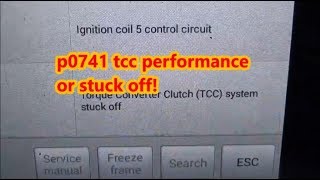
- P0741 means the torque converter clutch is failing to lock up as commanded by the computer.
- The first diagnostic step is to check the transmission fluid. If it's full of dark, metallic debris, a major failure (likely the torque converter) has occurred.
- On trucks with the 6-speed (6L80/6L90) transmission, the most common cause is a failed torque converter, which is a major and expensive repair.
- On trucks with the 4-speed (4L60-E), a faulty TCC solenoid is a very common and less expensive fix.
- Do not ignore this code. Driving with a failing torque converter can quickly destroy the entire transmission.
What's Unique About the 2007-2013 Chevrolet Silverado
For the 2007-2013 Silverado, this code points to different common failures depending on your transmission. Trucks with the 4-speed 4L60-E (common in 2007-2008 models) may have a faulty TCC solenoid or a worn TCC regulator valve bore in the valve body, which can be fixed with an aftermarket sleeve kit. GM also issued a specific internal wiring harness Special Coverage program (#14404) for some 2012 models with this transmission that could cause P0741. Trucks with the 6-speed 6L80 or 6L90 transmission (phased in starting in 2009) are notorious for torque converter failures, where the internal clutch material delaminates, sending metallic debris throughout the transmission. This not only causes P0741 but can also damage the valve body, transmission pump, and clog cooler lines, often requiring a full transmission rebuild or replacement.
Symptoms You May Notice
- Check Engine Light is on
- Engine RPM is higher than usual at highway speeds
- Noticeable decrease in fuel economy
- Vehicle shudders or vibrates at steady cruising speeds (like driving over rumble strips), especially between 35-55 mph
- Transmission may feel like it's slipping
- Harsh or delayed shifts
- Transmission may get stuck in a lower gear and not shift into overdrive (5th or 6th gear on 6-speeds)
- Tachometer needle may bounce slightly (100-200 RPM) when the shudder occurs
- Replacing only the TCC solenoid when the torque converter has failed. If there is significant debris in the pan, the new solenoid will likely fail again, and the root cause (the converter) has not been addressed.
- Replacing the torque converter but not flushing the transmission cooler and lines, which re-introduces debris into the new parts 🎬 Watch: Why you must flush the system, not just the converter. and causes a repeat failure.
Most Likely Causes
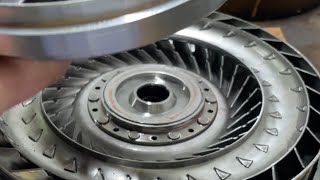
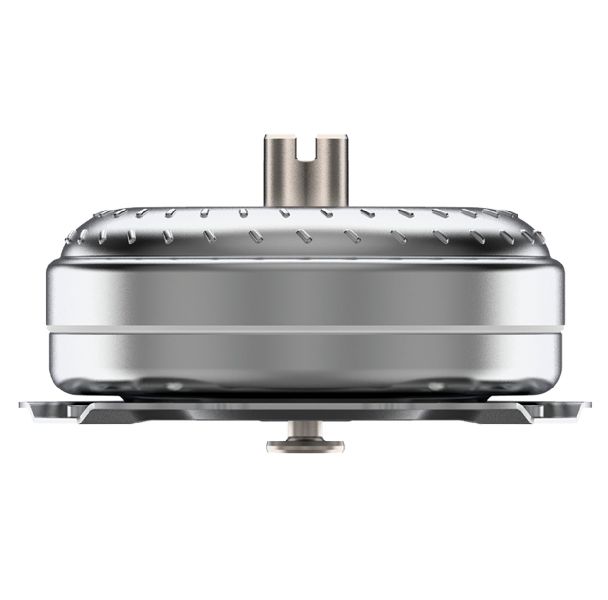
- Failed Torque Converter 🔴 High Probability → Shop Automatic Transmission Torque Converter This is a very common failure on the 6L80 and 6L90 transmissions. The internal lockup clutch lining delaminates or glazes due to a weak stamped cover that flexes, causing the clutch to slip or shudder and sending metal/clutch debris throughout the transmission. This is a well-documented issue across the GM truck and SUV lineup. 🎬 Watch: A deep dive into common 6L80 torque converter issues.
How to confirm: A professional will use a scan tool to monitor TCC slip speed, which will be high (over 150-200 RPM) when lockup is commanded. The definitive sign is finding excessive metallic and clutch material ('coffee grounds') in the transmission pan and on the magnet.
Typical fix: The torque converter must be replaced. This is a major repair that requires removing the transmission. The transmission and cooler lines must also be thoroughly flushed to remove all debris, or replaced if clogged. Many shops recommend a full rebuild or replacement of the transmission if significant debris is found.
Est. part cost: $300-$800 - Faulty Torque Converter Clutch (TCC) Solenoid 🔴 High Probability → Shop Automatic Transmission Torque Converter The TCC solenoid is an electro-hydraulic valve that lives in a harsh environment. It can fail electrically or get stuck from contamination in the fluid (often from a failing torque converter). It's a very common first-step repair, especially on the 4L60-E. A manufacturer service bulletin, TSB Bulletin #PIP5009G, notes that a faulty TCC solenoid and wire harness can cause the Malfunction Indicator Lamp to illuminate with P0741 and lead to a harsh 1-2 shift.
How to confirm: A mechanic can command the solenoid with a scan tool to check for a response. It can also be tested with a multimeter for correct resistance (typically 10-15 ohms for some GM applications, or 20-40 ohms for others) after dropping the transmission pan.
Typical fix: Replace the TCC solenoid. This part is located inside the transmission on the valve body and requires removing the transmission pan for access. 🎬 See this walkthrough on replacing the TCC solenoid yourself.
Est. part cost: $40-$100 - Worn Valve Body or Sticking TCC Regulator Valve 🟡 Medium Probability → Shop Transmission Valve Body On 4L60-E transmissions, the bore for the TCC regulator valve inside the aluminum valve body can wear over time from valve oscillation, causing a hydraulic leak that prevents the TCC from applying with enough pressure. Debris in the fluid can also cause the valve to stick in its bore.
How to confirm: This is difficult to confirm without disassembly and is often diagnosed after a TCC solenoid replacement doesn't fix the issue. A transmission shop can perform a vacuum test on the valve body bores to check for wear.
Typical fix: The valve body must be reamed and an oversized valve kit, such as the Sonnax 77754-04K, installed to restore the hydraulic integrity of the circuit. In some cases, the entire valve body is replaced.
Est. part cost: $60 (Sonnax kit) - $700 (new valve body) - Faulty Internal Transmission Wiring Harness (4L60-E) ⚪ Low Probability → Shop Transmission Assembly GM issued a special coverage program (#14404) for some 2012 models with the 4L60-E transmission, where the internal harness can fail and cause P0741. The wiring can become brittle and break or short out.
How to confirm: Check dealer records for applicability of Special Coverage #14404. A technician would diagnose this after ruling out the solenoid itself by testing the harness for continuity.
Typical fix: Replace the internal transmission wiring harness. This is done with the transmission pan removed.
Est. part cost: $50-$120
Rare But Worth Checking
- Low or Contaminated Transmission Fluid: → Shop Transmission Assembly While this can cause the code, it's more often a symptom of another problem, like a failing torque converter shedding material into the fluid. For the 6L80/8L90, TSB 18-NA-355 notes that the original fluid can absorb moisture and cause a TCC shudder, which is fixed by flushing and refilling with Mobil 1 Synthetic LV ATF HP (blue label).
- Damaged Transmission Pump: → Shop Transmission Assembly This is almost always secondary damage caused by debris from a failed torque converter circulating through the pump, causing scoring and low line pressure. GM bulletin PI1393B specifically calls out checking line pressure for this reason.
- TCM Software/Tuning: In some cases of TCC shudder on the 6L80, owners have had success modifying the TCC apply pressure tables and disabling PWM slip using tuning software like HP Tuners to command a full lock-up, which can be a temporary fix for a worn clutch.
Diagnosis Steps
- Check the transmission fluid level and condition. If it is dark, smells burnt, or has visible metallic particles, suspect a major internal failure like the torque converter.
- Connect a professional scan tool to monitor live data. Observe the 'TCC Slip Speed' or 'TCC Slip RPM' while driving. When the PCM commands lock-up (usually at steady speeds above 45 MPH), this value should drop to near zero. If it remains high (e.g., >150 RPM), the clutch is slipping and will set the code.
- Use the scan tool's bidirectional controls to manually command the TCC solenoid on and off at low speed (around 10-15 mph) to feel for engagement. A noticeable RPM drop and engagement feeling indicates the solenoid and valve are likely working.
- Perform a transmission line pressure test. Low pressure indicates a possible worn pump (often from debris) or significant internal leaks.
- Drop the transmission oil pan and inspect the magnet. A light metallic fuzz is normal, but large metal shavings or a thick, gray paste of clutch material ('coffee grounds') indicates a failed torque converter or other internal damage.
- If the fluid is clean and the pan is free of debris, the TCC solenoid is the primary suspect. It can be tested for resistance with a multimeter (should be 10-15 ohms or 20-40 ohms depending on the specific transmission model).
- If the solenoid tests good but the problem persists (especially on a 4L60-E), the valve body should be inspected for a worn TCC regulator valve bore.
Parts You'll Likely Need
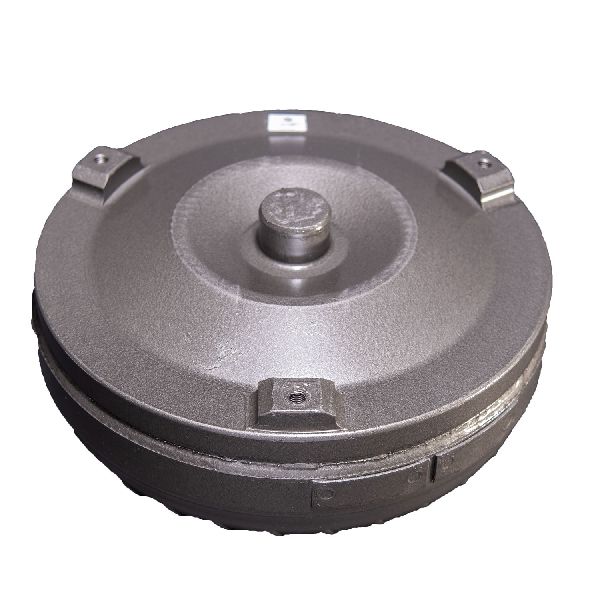
- Torque Converter — This is the most common point of failure on 6L80/6L90 transmissions that causes code P0741. The internal clutch fails and requires replacement of the entire unit.
Trusted brands: ACDelco (OEM), Circle D, Transtar, FTI, Yank Performance Converters
OEM price range: $400-$800
Aftermarket price range: $300-$600 - Torque Converter Clutch (TCC) PWM Solenoid — This solenoid controls the application of the lockup clutch. It can fail electrically or become clogged with debris, preventing proper TCC function. It is a common first-step repair, especially on the 4L60-E.
Trusted brands: ACDelco (OEM), Bosch, Rostra
OEM price range: $50-$110
Aftermarket price range: $30-$80
Related Codes That Often Appear With This One
- P0796 — On 6L80/90 transmissions, debris from a failing torque converter (causing P0741) can lead to low line pressure, causing clutch slippage in other clutch packs, like the 3-5-R clutch which can set codes like P0796.
- P0700 — This is a generic Transmission Control System Malfunction code. The TCM sets this code to request the PCM to turn on the Check Engine Light. When you see P0700, there will always be other, more specific transmission codes like P0741 stored in the TCM.
Technical Service Bulletins (TSBs) & Recalls
- 14404: Special Coverage for some 2012 models with 4L60-E transmission for a faulty internal wiring harness causing P0741.
- PI1393B: Diagnostic tips for P0741 on 6L80/6L90 transmissions, pointing to damaged torque converter clutch material as a primary cause and advising line pressure checks.
- 18-NA-355: Addresses torque converter shudder (rumble strip feeling) on 6L80 and 8L90 transmissions by recommending a complete fluid exchange with Mobil 1 Synthetic LV ATF HP (blue label).
- 19-NA-153: Details diagnostic procedure for P0741, including using a scan tool to command the TCC on/off and inspecting the pan for metal.
- TSB Bulletin #PIP5009G: Notes that for vehicles with P0741 and a harsh 1-2 shift, technicians may need to replace the TCC solenoid and wire harness with part number 242379.
Platform-Specific Known Issues
- 6L80/6L90 Torque Converter Failure: → Shop Automatic Transmission Torque Converter The most prevalent issue for this Silverado generation with the 6-speed automatic. The torque converter's lock-up clutch fails, contaminating the entire transmission with debris. Symptoms often start as a light shudder and progress to the P0741 code and loss of overdrive gears. Repair almost always requires a new torque converter and a full transmission flush or rebuild.
- 4L60-E TCC Regulator Valve Bore Wear: On the 4-speed automatic, the valve body's TCC regulator valve bore is a known weak point. Wear in the aluminum bore causes a pressure loss, preventing lock-up. This is often misdiagnosed as a bad solenoid. The proper fix is to install an aftermarket oversized valve and sleeve kit from a company like Sonnax.
Mechanic-Grade Diagnostic Values
- TCC Slip Speed (on Scan Tool) — expected: Near 0 RPM when TCC is commanded locked.. Failure: Greater than ~60-200 RPM when TCC is commanded locked indicates clutch slippage.
- 4L60-E TCC Solenoid Resistance — expected: 20-40 Ohms. Failure: An open (infinite resistance) or shorted (near zero) reading indicates a failed solenoid.
- 6L80 On/Off Shift Solenoid Resistance — expected: 20-40 Ohms. Failure: A reading outside this range indicates a bad solenoid within the TEHCM.
- Generic GM TCC Solenoid Resistance (alternate spec) — expected: 11 to 15 Ω at 20°C (68°F). Failure: Resistance outside of this range points to a faulty solenoid coil.
Scan Tool Commands That Help
- GDS2 / Tech2: TCC Dynamic Test or TCC Solenoid Control — During a road test at low speeds (approx. 10-15 mph), a technician can manually command the TCC solenoid on and off to verify if the solenoid, valve, and clutch are mechanically responding. A successful test will show a drop in engine RPM and TCC slip speed, and the driver may feel the engagement.
- Professional Scan Tool: Monitor TCC Desired Slip vs. TCC Actual Slip — During a steady-state cruise (e.g., 3rd gear at 30 mph), a technician can compare the computer's target slip RPM with the actual measured slip. If the actual slip significantly exceeds the desired slip, it confirms a hydraulic or mechanical failure in the TCC system.
Wiring & Ground Locations
- G103 / G105 / G106 — G103 is on the front of the right cylinder head. G105/G106 are on the lower left side of the engine block.. These are primary engine and powertrain grounds. A poor connection at these points can cause erratic voltage to sensors and modules, including the Transmission Control Module (TCM), potentially leading to incorrect readings and fault codes.
- G110 — Located on the left side of the firewall.. This is a major body and component ground. A compromised G110 can affect communication between the TCM and other vehicle modules, leading to various electronic faults, including transmission codes.
- Internal Transmission Harness Connector — Passes through the transmission case to connect the external vehicle harness to the internal components like the TCC solenoid.. The pins for the TCC solenoid pass through this connector. Corrosion or damage here can cause an open or short in the TCC circuit. GM issued Special Coverage #14404 for a faulty internal harness on some 2012 4L60-E models causing P0741.
Real Owner Repair Stories
- Tahoe Yukon Forum user (2012 Yukon XL Denali (AWD) with 6L80 at 130k miles) — Occasional TCC shudder at 30-40 mph, progressing to a pause during hard 1-2 shifts, shudder at highway speeds (not fully locking up), and poor fuel economy.
❌ Tried (didn't work) Initially lived with the intermittent shudder.
✅ What actually fixed it The user identified the stock torque converter as the likely failure point based on common 6L80 issues. Forum members recommended replacing the stock converter with a more robust aftermarket unit from brands like Circle D or FTI to permanently resolve the issue. - GM-Trucks.com user (2015 Silverado 2500 6.0L with 6L90 at 62k miles (Note: slightly newer but same P0741 issue)) — Intermittent P0700 and P0741 codes for 2 years, especially after towing. Eventually got locked in 4th gear.
❌ Tried (didn't work) Reverting to stock TCM tune., Changing transmission fluid and filter.
✅ What actually fixed it The user took the truck to a transmission shop. The shop immediately recognized the symptoms as a common issue and diagnosed a failed torque converter, which was covered under the user's warranty.
OEM Part Supersession History
Varies by year/model→Varies, often includes improved internal components— Many original equipment (OE) torque converters for the 6L80 transmission had design flaws, such as a thin stamped cover that would flex and weak single-disc clutch material that would delaminate. Superseded and aftermarket parts often feature a stronger billet front cover and improved multi-disc clutch materials to prevent these failures.N/A→24237980 (Harness)— GM identified a fault in the internal transmission wiring harness for some 2012 4L60-E equipped trucks that could cause P0741. Special Coverage #14404 was issued to replace the original harness with this updated part number.
Heads up: This part and coverage are specific to certain 2012 models with the 4L60-E transmission and may not apply to other years or transmissions.
Model Year Variations Within This Range
- 2007-2008: These model years primarily used the 4-speed 4L60-E automatic transmission. For P0741, common causes are more likely to be a faulty TCC solenoid, a worn TCC regulator valve in the valve body, or wiring issues.
- 2009-2013: These years saw the widespread adoption of the 6-speed 6L80 automatic transmission. On these models, P0741 is most notoriously caused by a catastrophic failure of the torque converter itself, which sheds debris and often requires a full transmission rebuild or replacement along with the new converter.
Diagnostic Flowchart
Used vs. New Parts: Buying Guide for This Vehicle
When a used part is the smart pick: For this repair, a used part is generally a poor choice. A used torque converter is never recommended due to the high failure rate of the original design. A complete used transmission is also very risky, as it likely has the same inherent flaws and unknown history. The only scenario where a used part might be considered is for a valve body from a verified low-mileage donor vehicle, but even this carries risk.
Donor-vehicle mileage cap: roughly under 50000 miles for the part to have meaningful remaining life.
What to inspect on the donor part:
- For a complete transmission, verify the donor vehicle's mileage and check for any signs of collision damage near the transmission case.
- Ask for a vehicle history report if possible to check for prior accidents or maintenance records.
- Inspect the transmission fluid from the donor if possible; if it's dark, burnt, or contains metal, reject the part immediately.
Aftermarket brands forum-validated for this vehicle:
- Torque Converters: Circle D, FTI Performance, Yank, ACC Performance are frequently recommended on forums for their billet covers and upgraded clutches that fix the OEM weak points.
- Valve Body Repair Kits: Sonnax is the go-to brand for kits that repair worn valve bores, like the TCC regulator valve bore in the 4L60-E.
Brands owners have reported issues with on this vehicle:
- Avoid unbranded, 'white box' torque converters or solenoids from online marketplaces. The quality control is often poor, and they can fail quickly, forcing you to do the labor all over again.
Real Owner Stories
Aggregated from forums and TSBs cited above. Mileages and costs reflect what owners reported in those sources.
2017 GMC Sierra 2500 HD 6.0L (with 6L80e) — 108000 miles
Symptoms: User described the classic P0741 symptoms.
What fixed it: A new torque converter resolved the issue.
Cost: $2000-$2000
Source hint: silveradosierra.com: '2017 GMC Sierra 2500 HD 4wd 6.0L 6L80e 6 speed Transmission Code PO741 Issue'
Silverado with 6L80/90 transmission
Symptoms: The transmission refuses to shift into 5th/6th gear while on a trip.
What fixed it: Identified as a classic 6L80/90 failure mode requiring transmission replacement due to a failed torque converter clutch.
Source hint: reddit.com/r/Silverado: 'How bad is a P0741?'
2007 Silverado NNBS
Symptoms: Intermittent torque converter lock-up.
What fixed it: Forum members suggested checking the TCC solenoid first before assuming the more expensive converter had failed.
Source hint: ls1tech.com: 'P0741 code on 07 silverado NNBS with perforabuilt converter'
Related OBD-II Codes
Frequently Asked Questions
My 2012 Silverado has a P0741 code. Is there any special coverage or recall for this?
My Silverado with the 6-speed 6L80 transmission shudders like it's driving over rumble strips. Is this related to P0741?
I replaced the TCC solenoid in my 4L60-E transmission, but the P0741 code returned. What's the next most likely cause?
What's the definitive sign of a failed torque converter when I drop the transmission pan for a P0741 diagnosis?
The shop says my torque converter failed and contaminated the transmission. Is it enough to just replace the converter?
How can a mechanic confirm the torque converter clutch is slipping without taking the transmission apart?
Helpful Videos

We Have This Part in Stock


The information in this article is provided for general reference and educational purposes only. Vehicle specifications, procedures, and part compatibility can vary by production date, trim level, and region. Always consult your vehicle's factory service manual and verify part numbers before purchasing or performing repairs. Safety-critical components such as airbags, seat belts, and braking systems should be installed by a qualified professional.
- Chevrolet Silverado:
- 🧭 Diagnostic Flowchart
- 🎬 Helpful Videos
- 🛍️ Shop This Part
- What's Unique About the 2007-2013 Chevrolet Silverado
- Symptoms You May Notice
- Most Likely Causes
- Rare But Worth Checking
- Diagnosis Steps
- Parts You'll Likely Need
- Related Codes That Often Appear With This One
- Technical Service Bulletins (TSBs) & Recalls
- Platform-Specific Known Issues
- Mechanic-Grade Diagnostic Values
- Scan Tool Commands That Help
- Wiring & Ground Locations
- Real Owner Repair Stories
- OEM Part Supersession History
- Model Year Variations Within This Range
- Used vs. New Parts: Buying Guide for This Vehicle
- Real Owner Stories
- 2017 GMC Sierra 2500 HD 6.0L (with 6L80e) — 108000 miles
- Silverado with 6L80/90 transmission
- 2007 Silverado NNBS
- Related OBD-II Codes
- Frequently Asked Questions
- 🎟️ Get 5% Off