

P0741 on 2007-2012 Lexus ES 350: Torque Converter Clutch Causes and Fixes
On a 2007-2012 Lexus ES 350, code P0741 most often means the torque converter lock-up solenoid has failed or the transmission fluid is old and degraded. A solenoid replacement costs around $300-$600, while a fluid exchange is less. A failing torque converter is also possible but is a much more expensive repair.
- Code P0741 on your ES 350 means the torque converter clutch is failing to lock, which hurts fuel economy and can damage the transmission over time.
- Before any expensive repairs, check the transmission fluid level and condition. A simple drain-and-fill with Toyota WS fluid may fix the problem.
- The most likely failed part is the TCC lock-up solenoid (SL/SLU solenoid). Replacing it is a moderately difficult job but is far cheaper than a new transmission or torque converter.
- Do not immediately agree to a full transmission replacement. The issue is very often a serviceable part inside the transmission pan.
What's Unique About the 2007-2012 Lexus ES 350
The Lexus ES 350 from this era uses the U660E 6-speed automatic transmission, which is known to be sensitive to fluid condition. These were often marketed with 'lifetime' fluid, which can lead to owners neglecting fluid changes. Degraded fluid is a primary contributor to the solenoid and valve body issues that trigger a P0741 code on this specific platform. While many dealers might suggest a full transmission replacement, the problem is very often a serviceable component like a single solenoid within the valve body. The U660E's TCM also has a learning function, and any major repair like a solenoid or valve body replacement should be followed by a TCM initialization or reset procedure using a capable scan tool like Toyota's Techstream.
Symptoms You May Notice
- Check Engine Light is on
- Higher than normal engine RPM at highway speeds
- Noticeable decrease in fuel economy
- Vehicle shuddering or vibrating at steady cruising speeds (45-65 mph), sometimes described as driving over rumble strips
- Transmission overheating, potentially triggering a warning light
- Delayed or harsh shifting, sometimes described as 'flares' between shifts
- Engine stalling when coming to a stop (if the clutch is stuck on, which is less common for this code)
- Clunking noise when shifting into Reverse or Drive
- Immediately replacing the entire transmission. Dealers or shops may recommend this expensive repair when a much cheaper component, like a single solenoid or a fluid change, could solve the issue.
- Replacing the torque converter first. The solenoid and fluid are more likely culprits and should be diagnosed before committing to a torque converter replacement, which is a very high-labor job.
Most Likely Causes
- Low, Dirty, or Incorrect Transmission Fluid 🔴 High Probability → Shop Transmission Assembly The U660E transmission is sensitive to fluid quality, and the 'lifetime fluid' concept often leads to neglected service. Old fluid loses its properties, becomes contaminated with clutch material, and can cause solenoids to stick or valve body passages to clog.
How to confirm: Check the transmission fluid level and condition. The fluid should be checked at operating temperature. It should be bright red and clear, not dark brown, black, or have a burnt smell. A lack of regular fluid changes in the vehicle's service history is a strong indicator.
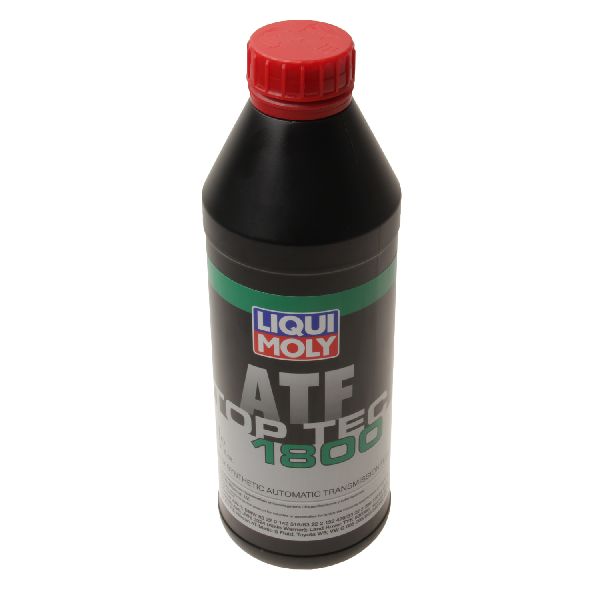
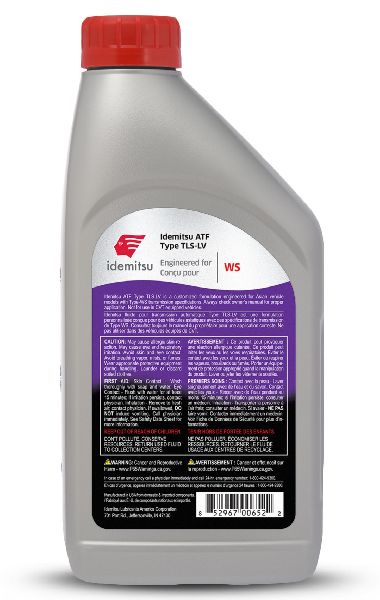
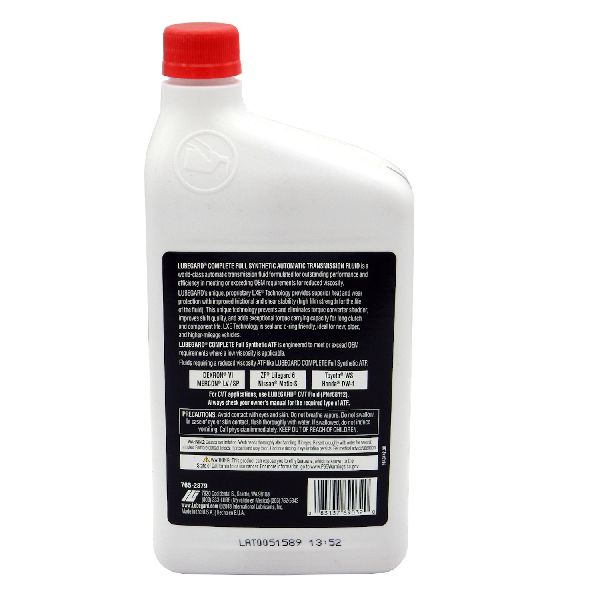
Typical fix: Perform one or more transmission fluid drain-and-fills. A complete flush on a high-mileage transmission with original fluid is often not recommended as it can dislodge debris and cause more issues. Use only Toyota/Lexus World Standard (WS) automatic transmission fluid. 🎬 Watch: Step-by-step Lexus ES350 transmission fluid drain and fill
Est. part cost: $60-$120 - Faulty Torque Converter Clutch (TCC) Solenoid 🔴 High Probability → Shop Automatic Transmission Torque Converter This solenoid is the primary actuator for the lock-up function and is a very common failure point on the U660E transmission, either electrically or by sticking mechanically due to fluid contamination. On this transmission, it is referred to as the 'SLU' solenoid (Lock-Up Control).
How to confirm: A technician can test the solenoid's resistance with a multimeter to check for electrical failure. This requires dropping the transmission pan and valve body for access. A professional scan tool can also command the solenoid on and off 🎬 Watch: How to diagnose and fix a P0741 solenoid code to check its response and monitor TCC slip RPM.
Typical fix: Replace the faulty solenoid. This is done by removing the transmission pan and valve body to access the solenoid assembly.
Est. part cost: $50-$200 - Worn Transmission Valve Body 🟡 Medium Probability → Shop Transmission Valve Body Debris from old fluid can cause wear in the aluminum bores of the valve body, particularly the secondary regulator valve and lock-up control valve bores. This wear leads to hydraulic pressure leaks that prevent the TCC from engaging properly.
How to confirm: This is typically diagnosed after confirming the fluid is good and the solenoid is functional. It's a process of elimination, though a specialist may perform vacuum tests on the valve body bores. Kits from companies like Sonnax are designed to repair these worn bores.
Typical fix: Replace the valve body with a new or remanufactured unit, or have the original valve body rebuilt with an overhaul kit (e.g., Sonnax Zip Kit U660E-ZIP). This is a more involved job than a single solenoid replacement. 🎬 See this walkthrough: Lexus ES350 valve body replacement
Est. part cost: $400-$800 - Failing Torque Converter ⚪ Low Probability → Shop Automatic Transmission Torque Converter The mechanical clutch inside the torque converter can wear out or the seals can fail, preventing it from holding pressure. While less common than fluid or solenoid issues, it is the final major mechanical failure point.
How to confirm: This is the diagnosis when all other causes (fluid, solenoids, valve body, wiring) have been ruled out. A large amount of metallic debris in the transmission pan is a strong indicator of this failure. A technician can also monitor slip RPM with a scan tool; high slip when lock-up is commanded points to a mechanical failure.
Typical fix: Replace the entire torque converter. This is a very labor-intensive job that requires removing the transmission from the vehicle.
Est. part cost: $200-$500
Rare But Worth Checking
- Wiring or Connector Issue: A damaged wire or corroded connector pin in the circuit between the ECM/TCM and the transmission can prevent the solenoid from receiving the correct signal. This should be checked before condemning internal transmission parts.
- Faulty ECM/TCM: In very rare cases, the transmission control module (TCM), which is part of the main engine computer (ECM) on this vehicle, can fail. This should only be considered after all other possibilities are exhausted.
Diagnosis Steps
- Scan for Codes: Use an OBD-II scanner to confirm P0741 and check for any other related transmission codes like P2757.
- Check Transmission Fluid: Inspect the transmission fluid level and condition. Ensure the vehicle is at the correct operating temperature for an accurate reading. If the fluid is low, dark, or smells burnt, it needs to be addressed.
- Perform a Drain-and-Fill: If the fluid is old or condition is unknown, perform a drain-and-fill with Toyota WS fluid. Some owners report needing two or three drain-and-fills to sufficiently clean the system. Clear the codes and test drive to see if the issue is resolved.
- Live Data Analysis: Use a scan tool (like Toyota Techstream) to monitor the TCC command from the ECM versus the actual RPM slip while driving at highway speeds. If the ECM is commanding lock-up but the slip RPM remains high, a mechanical or hydraulic issue is likely.
- Inspect Solenoids and Wiring: If the problem persists, drop the transmission pan to visually inspect the fluid for excessive metal debris. Test the resistance of the TCC (SLU) solenoid and inspect its wiring harness for damage.
- Diagnose Valve Body / Torque Converter: If the solenoid and wiring are good, the issue is likely a worn valve body or a failed torque converter. This level of diagnosis and repair should be performed by a transmission specialist, who may use vacuum testing to check the valve body for wear.
Parts You'll Likely Need
- Torque Converter Clutch (Lock-Up) Solenoid
(OEM #35280-52040)— This solenoid (also called SLU) directly controls the lock-up function and is the most common part to fail, either electrically or by sticking.
Trusted brands: Lexus (OEM), Aisin, Rostra, Standard Motor Products
OEM price range: $150-$250
Aftermarket price range: $50-$150 - Automatic Transmission Fluid (Toyota WS)
(OEM #00289-ATFWS)— The U660E transmission is highly sensitive to fluid type and condition. Using only the specified Toyota World Standard fluid is critical for proper operation and longevity.
Trusted brands: Toyota/Lexus (OEM)
OEM price range: $10-$15 per quart
Aftermarket price range: N/A - Valve Body Rebuild Kit
(OEM #U660E-ZIP)— If the valve body bores are worn, this kit from Sonnax provides replacement valves, O-rings, and other components to restore hydraulic integrity without replacing the entire valve body.
Trusted brands: Sonnax
OEM price range: N/A
Aftermarket price range: $150-$250 - Transmission Filter (Strainer)
(OEM #35330-33050)— When dropping the pan to service fluid or solenoids, it is standard practice to replace the transmission filter, which traps debris.
Trusted brands: Lexus (OEM), Wix, ATP
OEM price range: $40-$60
Aftermarket price range: $15-$30
Related Codes That Often Appear With This One
- P2757 — This code for 'Torque Converter Clutch Pressure Control Solenoid Control Circuit Performance/Stuck Off' is very common to see with P0741. It points to the same system and often indicates a failure of the lock-up control solenoid or related hydraulics.
- P0990 — This code for 'Transmission Fluid Pressure Sensor/Switch 'E' Circuit' can sometimes appear alongside P0741, indicating broader hydraulic pressure issues within the transmission that could be related.
Technical Service Bulletins (TSBs) & Recalls
- Lexus L-SB-0044-12: While not directly for P0741, this TSB and others like it address related transmission drivability issues (e.g., shift flares) on the U660E, sometimes with software updates. It's worth checking if any ECM updates are available for the vehicle.
- Toyota Limited Service Campaign (LSC) 90K: Related to the VVT-i oil line, not P0741, but a critical issue for this engine. It covered the replacement of a rubber oil line with an all-metal version to prevent catastrophic oil leaks.
- Lexus Warranty Enhancement Program (ZLD/ZLZ): Related to melting/sticky dashboards, not P0741. This program extended warranty coverage for dashboard replacement on affected vehicles, including the 2007-2008 ES 350.
Platform-Specific Known Issues
- The U660E transmission in this vehicle is known for having issues related to its 'lifetime' fluid, which often degrades and causes solenoid and valve body problems.
- Some owners report a transmission 'flare' or hesitation between shifts, which can sometimes be an early indicator of fluid or valve body issues, though not always related to P0741.
Mechanic-Grade Diagnostic Values
- Resistance of Torque Converter Clutch (TCC) Solenoid (SLU) — expected: 5.0 to 5.6 Ω at 68°F (20°C). Failure: A reading outside this range indicates an electrical fault in the solenoid.
- Resistance of Shift Solenoid SL — expected: 11 to 15 Ω at 68°F (20°C). Failure: A reading outside this range indicates an electrical fault in the solenoid. While not the primary TCC solenoid, its health is related to overall transmission control.
- TCC Slip Speed (Live Data) — expected: Near 0 RPM when lock-up is commanded and engaged.. Failure: A slip of more than 100-200 RPM when the ECM commands lock-up indicates the clutch is not holding, pointing to a hydraulic or mechanical failure.
Scan Tool Commands That Help
- Toyota Techstream: Active Test: "Control the Lock Up" — This allows a technician to manually command the TCC (SLU) solenoid ON and OFF while monitoring live data (engine RPM vs. input shaft RPM) to verify the solenoid's hydraulic and mechanical response. It's used to isolate a faulty solenoid from a wiring or ECM issue.
- Toyota Techstream: Utility: "Reset Memory" or "TCM Initialization" — This must be performed after replacing the valve body, solenoids, or the entire transmission. The U660E's control module has a learning function, and resetting the adaptive values is critical to ensure proper shifting and prevent harshness or future codes after a repair.
- Toyota Techstream: Utility: "Transaxle Compensation Code Registration" — When replacing the entire transaxle assembly, the unique compensation code from the new unit must be programmed into the TCM. Failure to do so will result in harsh shifting and drivability problems.
Wiring & Ground Locations
- Transmission Connector to ECM — The main wiring harness runs from the top or side of the U660E transmission case to the Engine Control Module (ECM) in the engine bay. The Transmission Control Module (TCM) is integrated into the ECM on this model.. The command signals for the SLU solenoid originate at the ECM. Any damage, corrosion, or looseness at the connectors on either the transmission side or the ECM side can interrupt the signal, mimicking a solenoid failure. Technicians will test for voltage and continuity at these connectors.
- Internal Valve Body Harness — Inside the transmission oil pan, connecting the valve body solenoids to the main case connector.. This harness is constantly submerged in hot transmission fluid. Over time, the plastic can become brittle and wires can break or short, especially during a valve body service. A visual inspection of this harness is crucial whenever the pan is removed.
Real Owner Repair Stories
- ClubLexus Forum User (2010 RX350 AWD (uses same U660F transmission), 85,000 miles) — Check engine light with codes P0741, P2757, and P0990. No noticeable shifting problems.
❌ Tried (didn't work) Replacing the transmission pressure sensor., Replacing the transmission line pressure solenoid.
✅ What actually fixed it The user had already performed a partial drain and fill (5 quarts). The advice given by other forum members was to perform at least one more drain and fill, as old, depleted fluid was the most likely cause, and a single partial change was not enough to restore its properties. The implication is that a fluid issue was the root cause.
OEM Part Supersession History
35280-52040→No supersession found. This part number appears to be consistent for the model range.— N/A
Model Year Variations Within This Range
- 2007: Early production 2007 models were subject to a Technical Service Bulletin (TC007-07) that involved a firmware reflash for the transmission computer to correct shift flares (slipping). If the reflash didn't work, the TSB recommended transaxle replacement. This indicates that some early issues were software-related.
Diagnostic Flowchart
Other Known Issues on This Vehicle
Issues unrelated to this code that are worth knowing about as an owner of this generation:
- VVT-i Oil Line Rupture 🔴 High — Common on 2007-2010 models with the original rubber hose. Failure can occur without warning at any mileage. (Ref: Toyota Limited Service Campaign (LSC) 90K covered replacement with an all-metal line (Part No. 15772-31030).)
- Melting / Sticky Dashboard 🟡 Low — Extremely common on 2007-2008 models, especially in warmer climates. Becomes noticeable after 5-8 years. (Ref: Lexus Warranty Enhancement Program ZLD extended coverage for replacement, but has since expired.)
- Transmission Shift Flare/Harsh Shifting 🟠 Medium → Shop Transmission Assembly — Common issue on the U660E transmission, often appearing after 80,000 miles. Can be a precursor to P0741. (Ref: Various TSBs (e.g., L-SB-0044-12) were issued for software updates to address shift quality, though hardware (fluid, solenoids) is often the root cause.)
- Faulty Evaporator Core 🟠 Medium — Reported on 2007-2009 models, leading to poor A/C performance or white flakes from vents.
- Water Pump Failure 🟠 Medium — The water pump on the 2GR-FE engine is a known failure point, often leaking coolant around 80,000-120,000 miles. It is internal and driven by the timing chain, making replacement labor-intensive.
Used vs. New Parts: Buying Guide for This Vehicle
When a used part is the smart pick: For this repair, a used or remanufactured valve body can be a cost-effective choice, especially if the original is worn beyond what a simple rebuild kit can fix. Complete used transmissions from a low-mileage donor are also a viable, though more expensive, alternative to a full rebuild of the original unit.
Donor-vehicle mileage cap: roughly under 80000 miles for the part to have meaningful remaining life.
What to inspect on the donor part:
- For a valve body: Ask the seller to confirm the fluid from the donor car was red and not burnt. Inspect the electrical connectors for any cracks or damage.
- For a torque converter: Look for a clean, rust-free unit with no damage to the mounting studs or pilot hub. Avoid any with signs of leaking or overheating (discoloration).
- For a full transmission: Verify the donor vehicle's mileage. Check the fluid at the dipstick/fill plug if possible. Ensure all sensors and connectors are intact and undamaged.
OEM-only on this vehicle (don't cheap out):
- Automatic Transmission Fluid (Toyota WS). The U660E is extremely sensitive to fluid chemistry; using non-specified fluid is a common cause of failure.
- Transmission Control Module (TCM/ECM). Due to programming and vehicle-specific compatibility, using a new OEM or correctly matched used unit is critical.
Aftermarket brands forum-validated for this vehicle:
- Sonnax (for valve body rebuild kits, like the U660E-ZIP)
- Aisin (Aisin is the OEM manufacturer for many Toyota/Lexus transmission components, including solenoids)
- Rostra (for aftermarket solenoids)
Brands owners have reported issues with on this vehicle:
- Generic, unbranded solenoid kits from online marketplaces. These often have high failure rates and may not meet the precise flow and resistance specifications required by the TCM.
Real Owner Stories
Aggregated from forums and TSBs cited above. Mileages and costs reflect what owners reported in those sources.
2012 Lexus ES 350 3.5L V6
Symptoms: The owner took the vehicle to a dealer for a P0741 code, and the dealer immediately recommended a full transmission replacement.
What fixed it: The source suggests exploring cheaper options like fluid changes first, though the specific outcome for this owner was not confirmed beyond the dealer's recommendation.
Source hint: https://www.clublexus.com/forums/rx-2nd-gen-2004-2009/593583-code-po-741.html
2008 Lexus ES 350 3.5L V6 — 163000 miles
Symptoms: Owner reported classic symptoms including clunky shifting and an 'RPM bounce.'
What fixed it: The owner was debating between a fluid change and solenoid replacement to resolve the issue.
Source hint: https://carkiller.com/topic/advice-for-a-2008-lexus-es-350-transmission-issue/
2007-2012 Lexus ES 350 3.5L V6
Symptoms: Owner experienced P0741 appearing alongside codes P0990, C1201, and B2799.
What fixed it: The combination of codes pointed toward a potential pressure solenoid failure.
Source hint: https://www.clublexus.com/forums/es-5th-gen-2007-2012/836171-mil-lit-up-codes-p0990-p0741-abs-c1201-lexus-enhanced-b2799-p0990-twice.html
Related OBD-II Codes
Frequently Asked Questions
Does Lexus L-SB-0044-12 apply to the P0741 code on my ES 350?
Is there a recall for the transmission issues causing P0741 in the 2007-2012 ES 350?
Can I use any transmission fluid to fix the P0741 shudder on my Lexus?
Why is my ES 350 vibrating like I'm driving over rumble strips at 50 mph?
Is it true that the transmission fluid in my 2007-2012 ES 350 never needs to be changed?
What is the 'SLU' solenoid mentioned in Lexus service manuals for this code?
Helpful Videos
We Have This Part in Stock


The information in this article is provided for general reference and educational purposes only. Vehicle specifications, procedures, and part compatibility can vary by production date, trim level, and region. Always consult your vehicle's factory service manual and verify part numbers before purchasing or performing repairs. Safety-critical components such as airbags, seat belts, and braking systems should be installed by a qualified professional.
- Lexus ES 350:
- 🧭 Diagnostic Flowchart
- 🎬 Helpful Videos
- 🛍️ Shop This Part
- What's Unique About the 2007-2012 Lexus ES 350
- Symptoms You May Notice
- Most Likely Causes
- Rare But Worth Checking
- Diagnosis Steps
- Parts You'll Likely Need
- Related Codes That Often Appear With This One
- Technical Service Bulletins (TSBs) & Recalls
- Platform-Specific Known Issues
- Mechanic-Grade Diagnostic Values
- Scan Tool Commands That Help
- Wiring & Ground Locations
- Real Owner Repair Stories
- OEM Part Supersession History
- Model Year Variations Within This Range
- Other Known Issues on This Vehicle
- Used vs. New Parts: Buying Guide for This Vehicle
- Real Owner Stories
- 2012 Lexus ES 350 3.5L V6
- 2008 Lexus ES 350 3.5L V6 — 163000 miles
- 2007-2012 Lexus ES 350 3.5L V6
- Related OBD-II Codes
- Frequently Asked Questions
- 🎟️ Get 5% Off