

P0751 on 2004-2013 BMW 3 Series: Shift Solenoid 'A' Causes and Fixes
On a 2004-2013 BMW 3 Series, code P0751 is most often caused by low or dirty transmission fluid, or a failing shift solenoid 'A'. A fluid and filter service is the first step, but replacing the solenoid inside the transmission pan is a common repair. Often, this issue is also linked to leaking seals on the mechatronics (valve body) unit.
- P0751 on a BMW 3 Series points to a performance issue with Shift Solenoid 'A' inside the automatic transmission.
- Do not ignore this code. Driving in limp mode can cause severe overheating and lead to a much more expensive transmission failure.
- The most common and logical first step is to check the transmission fluid. A full fluid and filter (pan) service often resolves the issue.
- If a fluid service doesn't work, the next most likely culprit is the shift solenoid itself, which is located inside the transmission on the valve body.
What's Unique About the 2004-2013 BMW 3 Series
The 2004-2013 3 Series spans two generations, the E90/E91/E92/E93 and the early F30. These models primarily used highly reliable ZF 6-speed (GA6HP19Z in the E90) and 8-speed (ZF 8HP45 in the F30) automatic transmissions. While robust, these units are sensitive to fluid condition and internal hydraulic pressure. BMW's "lifetime fill" recommendation for transmission fluid is a major point of contention; many specialists and owners find that fluid degradation after 60,000-80,000 miles is a primary cause of solenoid and valve body issues. Pressure loss from hardened and leaking seals on the mechatronics unit, such as the main connector sleeve, adapter seal, and four small tube seals, is a very common underlying cause for solenoid performance codes like P0751 on the 6HP transmissions.
Generation note: This range covers the E90/E91/E92/E93 generation (approx. 2004-2013) and the F30/F31 generation (starting 2011). Both generations are susceptible to this code. The E90 models with the ZF 6HP19 transmission are particularly known for mechatronic seal degradation causing this issue. The F30 with the ZF 8HP is generally more reliable but can still suffer from fluid breakdown and solenoid failure. The diagnostic and repair process is broadly similar for both.
Symptoms You May Notice
- Check Engine Light is on
- Transmission warning light on the dashboard (often a gear symbol with an exclamation mark)
- Vehicle is stuck in 'limp mode' (fail-safe mode), usually in one gear
- Harsh, delayed, or failed gear shifts, especially a harsh 2-1 downshift when stopping
- Inability to shift into certain gears
- Reduced acceleration from a stop
- Increased fuel consumption
- Slipping between gears
- Replacing the entire transmission when only a fluid service, mechatronic seals, or a single solenoid was needed.
- Replacing solenoids without also replacing the known-to-fail mechatronic adapter seal and connector sleeve, leading to a repeat failure.
Most Likely Causes
- Low or Dirty Transmission Fluid 🔴 High Probability → Shop Transmission Assembly Despite BMW's 'lifetime fill' marketing, the ZF automatic transmissions in these cars are sensitive to fluid degradation. Heat and time break down the fluid, and contaminants can clog the small passages in the solenoids and valve body, preventing proper operation.
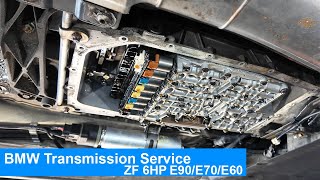
How to confirm: Check the transmission fluid level and condition. This requires the vehicle to be level and at a specific temperature (usually 30-50°C). Dark, burnt-smelling fluid indicates a problem. A proper fluid and filter service is the first diagnostic step. 🎬 Watch: Step-by-step BMW E90 transmission fluid service
Typical fix: Perform a transmission fluid and filter service (pan drop).
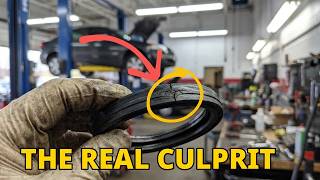
Est. part cost: $150-$300 for a fluid and filter kit. - Failed Mechatronic Seals (Sleeve, Adapter, Tube Seals) 🔴 High Probability On the ZF 6HP transmission, the rubber seals that connect the mechatronics unit to the transmission case and the main electrical connector are notorious for hardening and leaking over time. This causes a loss of hydraulic pressure, which prevents the solenoids from actuating correctly, leading to performance codes like P0751.
How to confirm: The main connector sleeve leak is often visible as transmission fluid weeping from the electrical connector on the outside of the transmission. Internal seal leaks are confirmed when the mechatronics unit is removed.
Typical fix: Replace the mechatronic sealing sleeve, the valve body adapter seal (bridge seal), and the four small tube seals. This is typically done at the same time as a fluid service and solenoid replacement.
Est. part cost: $40-$80 for the complete seal kit. - Failed Shift Solenoid 'A' 🟡 Medium Probability → Shop Transmission Valve Body The solenoid is an electro-mechanical part that cycles thousands of times. Over time, its internal coil can fail electrically, or the mechanical valve can get stuck due to debris in the fluid. It's common practice to replace all solenoids as a set due to the labor involved.
How to confirm: After confirming fluid level and seals are good, a diagnostic scan tool can be used to command the solenoid on and off to check for an audible click. The solenoid's electrical resistance can also be tested with a multimeter once the transmission pan is removed.
Typical fix: Replace the faulty shift solenoid. Solenoids are located on the valve body (mechatronics unit) and are often replaced as a complete kit.
Est. part cost: $80-$200 for a single solenoid, or $350-$500 for a full OEM ZF kit. - Faulty Mechatronics Unit (Valve Body) ⚪ Low Probability → Shop Transmission Valve Body Internal passages within the valve body can become blocked by debris, or the bores for the accumulator pistons can wear, causing pressure loss. This is often the result of long-term operation with degraded fluid or leaking seals.
How to confirm: This is usually diagnosed after replacing the fluid, seals, and solenoids without success. Pressure testing specific ports on the valve body is the definitive test. Sonnax offers 'Zip Kits' to address common wear points in the valve body.
Typical fix: Rebuild the valve body with a specialized kit or replace the entire mechatronics assembly.
Est. part cost: $500-$1500+
Rare But Worth Checking
- Wiring Harness or Connector Issues: The internal transmission wiring harness lives in a harsh environment of hot fluid. Over time, the plastic can become brittle and wires can break. The main connector sleeve seal is a very common leak point that can lead to fluid contamination on the electrical pins, causing poor connections.
- Transmission Control Module (TCM) Failure: → Shop Transmission Assembly While rare, the TCM (which is part of the mechatronics unit inside the transmission) can fail electronically, preventing it from properly commanding the solenoid.
Diagnosis Steps
- Scan for all codes in the TCM using a BMW-compatible scan tool.
- Check the transmission fluid level and condition. This is the most critical first step. If the fluid is low, dark, or smells burnt, a fluid and filter service is required.
- Inspect the main transmission electrical connector for fluid leaks, which indicates a failed mechatronic sealing sleeve.
- Clear the codes and perform a test drive to see if P0751 returns immediately.
- If the code returns, plan to drop the transmission pan. This involves draining the fluid and replacing the pan/filter assembly.
- With the pan removed, remove the mechatronics unit.
- Once the mechatronics unit is on a bench, replace the sealing sleeve, the bridge/adapter seal, and the four small tube seals.
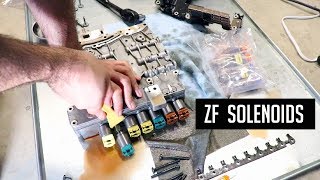
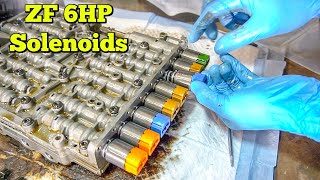
- Identify and test the resistance of Shift Solenoid 'A' with a multimeter. Compare the reading to manufacturer specifications. If out of spec, replace it. It is highly recommended to replace all solenoids as a set. 🎬 Watch: ZF 6HP transmission solenoid replacement walkthrough
- Reinstall the mechatronics unit, install the new pan/filter, and follow the specific, multi-step procedure to refill the transmission with the correct fluid to the proper level at the correct temperature.
- Reset transmission adaptations using a capable scan tool. This is a critical step the TCM must relearn the pressure values of the new components.
Parts You'll Likely Need
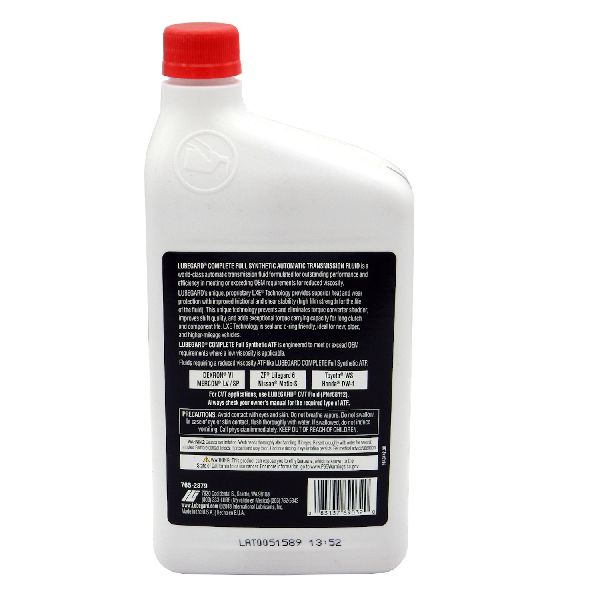
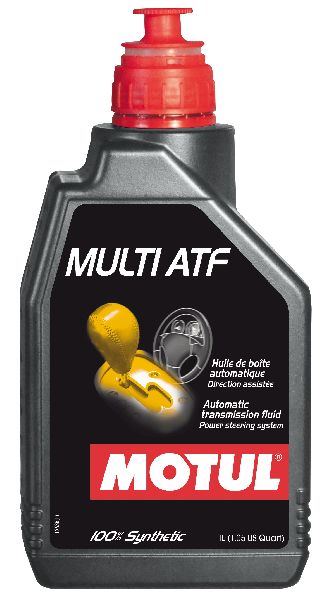
- Transmission Fluid and Filter/Pan Kit
(OEM #24152333907)— Low or degraded fluid is a primary cause. The filter is integrated into the pan on these models and must be replaced during a fluid service.
Trusted brands: ZF (OEM), Hengst, Vaico
OEM price range: $150-$250
Aftermarket price range: $80-$180 - Shift Solenoid Kit (All 7 Solenoids)
(OEM #1068298044 (for 6HP19/26/32))— This is the component set identified by the code. Due to the labor involved, it is best practice to replace all solenoids at once. The kit typically includes three yellow, three blue, and one black solenoid for the ZF 6HP.
Trusted brands: ZF (OEM), Bosch
OEM price range: $350-$500
Aftermarket price range: $200-$350 - Mechatronic Sealing Sleeve
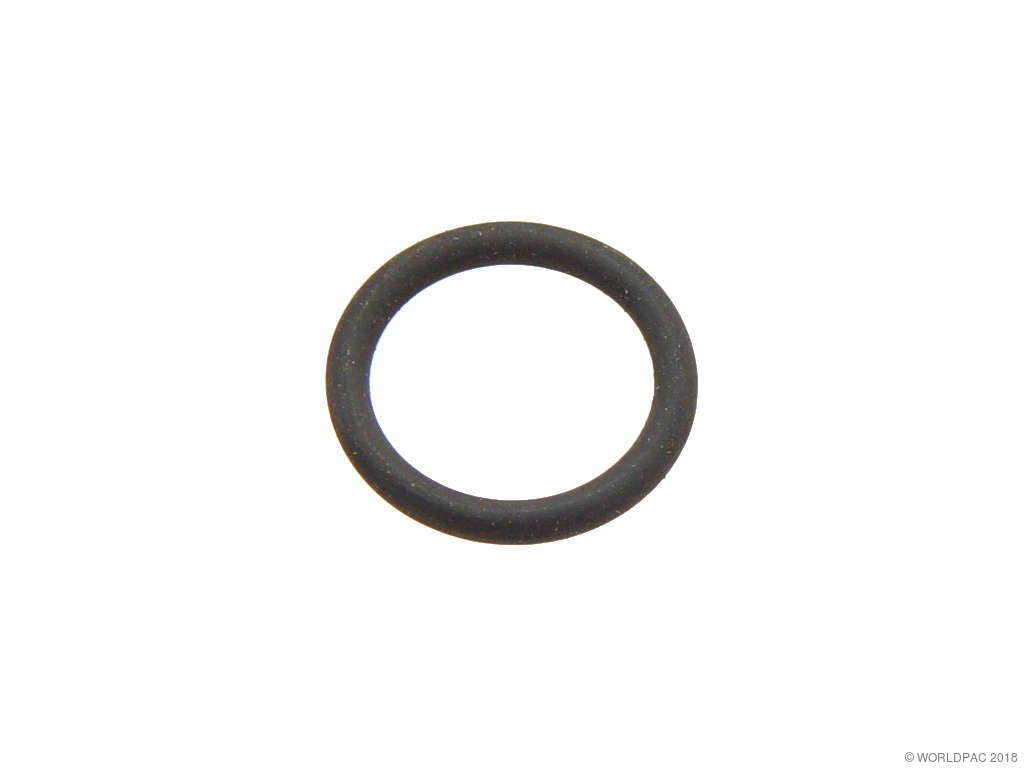
(OEM #24347588725)— This seal for the main electrical connector is a very common leak point that can cause fluid to wick into the connector, causing communication issues, or contribute to overall fluid loss.
Trusted brands: ZF (OEM), Elring, Meyle
OEM price range: $20-$30
Aftermarket price range: $10-$20 - Mechatronic Adapter Seal (Bridge Seal)
(OEM #24107536339)— This rectangular seal between the valve body and transmission case is a critical failure point. It hardens and cracks, causing major internal pressure loss that directly leads to shift quality problems and solenoid performance codes.
Trusted brands: ZF (OEM), Vaico
OEM price range: $15-$25
Aftermarket price range: $5-$15
Related Codes That Often Appear With This One
- P0700 — P0700 is a generic code that simply means the Transmission Control Module (TCM) has stored a fault code. It will almost always appear alongside a more specific transmission code like P0751.
- P0753 — This code indicates a purely electrical fault (open or short) in the Shift Solenoid 'A' circuit, whereas P0751 points to a performance problem (mechanical or hydraulic). Seeing them together helps pinpoint an electrical issue with the solenoid or its wiring.
Platform-Specific Known Issues
- On the E90 generation with the ZF 6HP19 transmission, the combination of a leaking Mechatronic Sealing Sleeve (part no. 24347588725) and hardened internal mechatronic adapter/tube seals is extremely common. This combination leads to system-wide pressure loss that often manifests as a fault for a single solenoid, even if the solenoid itself is functional. Many successful repairs involve replacing all the solenoids and all the rubber seals at the same time as the fluid/filter service.
Mechanic-Grade Diagnostic Values
- Shift Solenoid Resistance (ZF 6HP) — expected: On/Off (MV) solenoids: 17.0 - 20.0 Ohms at 20°C (68°F). Pressure regulating (EDS) solenoids: 3.5 - 6.0 Ohms at 20°C (68°F).. Failure: A reading of 0 ohms (short circuit), infinite/OL (open circuit), or a value significantly outside the specified range indicates a failed solenoid coil.
Hidden / Shadow Codes Worth Checking
- 507B: EGS: Parking-gear sensor implausible signal. This code indicates a problem with the parking gear position sensor within the mechatronics unit. It can be triggered by hydraulic pressure issues, a faulty sensor, or incorrect mechanical adjustment of the parking lock mechanism, and may appear alongside solenoid performance codes. (see via BMW-specific diagnostic tools like ISTA, INPA, or high-end professional scan tools that can read manufacturer-specific codes from the EGS (transmission control module).)
Scan Tool Commands That Help
- ISTA (BMW Dealer Software): Service Functions -> Powertrain -> Transmission Control -> Adjustment -> Display and reset adaptation values — This is a mandatory step after replacing the transmission fluid, solenoids, or the entire mechatronics unit. The function clears the learned hydraulic pressure values, forcing the TCM to relearn the clutch fill times and pressure characteristics of the new components. Failing to do this can result in harsh shifting or persistent fault codes.
Wiring & Ground Locations
- Mechatronics Connector Sleeve — On the passenger side of the transmission housing, towards the rear. It is a round, black, twist-lock connector where the main vehicle harness plugs into the transmission.. This is the single point of electrical connection to the solenoids and sensors inside the transmission. The O-ring seals on the sleeve are a notorious failure point, allowing transmission fluid to leak out and potentially contaminate the electrical pins, causing intermittent connections, communication errors with the TCM, and incorrect solenoid operation.
Real Owner Repair Stories
- Bimmerpost forum user (2008 BMW 335i (E92) with 6HP21 transmission) — Rough 2-1 downshift when coming to a stop.
❌ Tried (didn't work) Initial diagnosis pointed towards solenoids.
✅ What actually fixed it The user performed a full mechatronics service, which included replacing the solenoids, the mechatronic sealing sleeve, the four small tube seals, and the rectangular bridge seal (adapter seal). The user noted that the likely culprit for the harsh downshift was the failing bridge seal, a common issue on these transmissions. - Bimmerpost forum user (BMW E90) — 4F81 error code (Ratio monitoring, gearshift 4-5)
❌ Tried (didn't work) Not specified, but the user went straight for a mechatronics service.
✅ What actually fixed it Upon removing the mechatronics unit, the user found a damaged rectangular bridge seal between the valve body and the transmission. Replacing this seal, along with the other standard seals (sleeve, tubes) as part of the service, resolved the issue.
OEM Part Supersession History
1068298044→N/A - This remains the common ZF part number for the complete 7-solenoid kit for 6HP19/26/32 transmissions.— N/A
Heads up: This kit contains three yellow, three blue, and one black solenoid. Ensure the correct color solenoids are placed in their designated positions within the valve body during installation.
Model Year Variations Within This Range
- 2007-2013: Around 2007, BMW began phasing in the ZF 6HP21, an updated version of the 6HP19, sometimes referred to as the 6HP19TÜ. While externally very similar and often interchangeable for fitment, the 6HP21 features internal improvements, including more clutch packs and updated mechatronics, to handle more torque. While the P0751 code can appear on both, parts like the internal wiring or specific mechatronics software may differ. Always verify the transmission type via the tag on the transmission case before ordering internal parts.
- 2009+: The facelift (LCI) models introduced in September 2008 for the 2009 model year included various mechanical and cosmetic updates. While the core ZF 6-speed transmission remained, software updates to the EGS (transmission controller) were common. It's crucial to ensure the EGS software is up to date, as some shift quality issues can be software-related.
Diagnostic Flowchart
Other Known Issues on This Vehicle
Issues unrelated to this code that are worth knowing about as an owner of this generation:
- Electric Water Pump and Thermostat Failure 🔴 High — Very common, often fails without warning between 60,000 and 100,000 miles.
- Oil Filter Housing Gasket (OFHG) Leak 🔴 High — Extremely common leak. The gasket hardens and leaks oil onto the serpentine belt, which can cause the belt to slip off and be ingested by the crankshaft seal, leading to catastrophic engine failure.
- Valve Cover and Gasket Leak 🟠 Medium — Very common oil leak due to heat cycles causing the plastic cover to crack or the gasket to harden. Can cause oil to drip onto the exhaust manifold, creating a burning smell.
- N54 High-Pressure Fuel Pump (HPFP) Failure 🔴 High — A notorious issue on the twin-turbo N54 engine (335i models). Symptoms include long cranks, reduced power, and limp mode. BMW issued an extended warranty/recall for this part. (Ref: NHTSA Action Number: PE10042)
- N54/N55 Charge Pipe Failure 🟠 Medium — The stock plastic charge pipe (connecting the intercooler to the throttle body) becomes brittle and can crack or break under boost, causing a sudden loss of power.
- N52 Hydraulic Valve Lifter (HVA) Ticking 🟡 Low — Common on earlier N52 engines (325i, 328i, 330i), especially on short trips. Causes an audible ticking noise from the top of the engine but is generally considered harmless. (Ref: SI B 11 09 07)
Used vs. New Parts: Buying Guide for This Vehicle
When a used part is the smart pick: A complete used transmission assembly can be a cost-effective option if the vehicle has suffered a major internal mechanical failure (e.g., burnt clutches, planetary gear damage) beyond a simple solenoid or seal issue. It is critical to source a unit from a reputable salvage yard with a known history and warranty.
Donor-vehicle mileage cap: roughly under 80000 miles for the part to have meaningful remaining life.
What to inspect on the donor part:
- Check the transmission fluid from the donor unit if possible. It should not be black or smell burnt.
- Inspect the main electrical connector for any physical damage.
- Obtain the VIN of the donor car to verify its model year and transmission type (6HP19 vs 6HP21).
- Prefer units from vehicles with documented service history.
OEM-only on this vehicle (don't cheap out):
- Mechatronics Unit (TCM/EGS): A used mechatronics unit is VIN-locked to the donor car. While it's physically possible to swap, it requires specialized programming to virginize the unit and code it to your car's VIN. For a plug-and-play repair, a new OEM unit or swapping your original computer (EGS) onto the donor valve body is the recommended path.
- Mechatronic Seals (Sleeve, Bridge, Tubes): These are inexpensive, critical wear items. Never reuse old seals from a donor transmission; always install a new OEM ZF or high-quality aftermarket seal kit during any transmission service.
Aftermarket brands forum-validated for this vehicle:
- ZF (OEM): For solenoids, pans/filters, and seals, ZF is the original equipment manufacturer and the gold standard.
- Sonnax: A highly respected brand that produces improved replacement parts and kits to fix common wear points in valve bodies, such as accumulator pistons and sleeves.
Brands owners have reported issues with on this vehicle:
- Unbranded, no-name solenoid kits from online marketplaces. The quality control on these parts is often poor, and given the high labor cost to access them, using unverified parts is a significant risk.
Real Owner Stories
Aggregated from forums and TSBs cited above. Mileages and costs reflect what owners reported in those sources.
2006 BMW 3 Series (E90) ZF 6HP19
Symptoms: Harsh shifts and gear ratio faults caused by pressure loss from solenoids and valve body sealing gaskets.
What fixed it: Replacing the solenoids and valve body sealing gaskets to address internal pressure loss.
Source hint: BAVLOGIC technical write-up 'Everything about your ZF 6HP26, 6HP19, 6HP28 transmission issues'
2008 BMW 3 Series (E90) ZF 6HP19
Symptoms: System-wide pressure loss manifesting as a fault for a single solenoid (P0751), often accompanied by a leaking Mechatronic Sealing Sleeve and hardened internal adapter/tube seals.
What fixed it: Replacing all the solenoids and all the rubber seals (sleeve, bridge/adapter, and four tube seals) at the same time as the fluid/filter service.
Source hint: vehicle_specific_issues section regarding E90 generation ZF 6HP19 transmission
Related OBD-II Codes
Frequently Asked Questions
Is there a specific part number for the mechatronic sealing sleeve that often fails on the E90 3 Series?
BMW says my 3 Series has 'lifetime' transmission fluid; do I really need to change it to fix P0751?
What temperature does my BMW 3 Series transmission need to be at to check the fluid level correctly?
My 335i is in limp mode with P0751; could this be related to the High-Pressure Fuel Pump (HPFP) recall?
Do I need to do anything special after replacing the solenoids and seals in my ZF 6HP transmission?
Can a leak at the electrical connector on the outside of the transmission cause P0751?
Helpful Videos
We Have This Part in Stock

The information in this article is provided for general reference and educational purposes only. Vehicle specifications, procedures, and part compatibility can vary by production date, trim level, and region. Always consult your vehicle's factory service manual and verify part numbers before purchasing or performing repairs. Safety-critical components such as airbags, seat belts, and braking systems should be installed by a qualified professional.
- BMW 3 Series:
- 🧭 Diagnostic Flowchart
- 🎬 Helpful Videos
- 🛍️ Shop This Part
- What's Unique About the 2004-2013 BMW 3 Series
- Symptoms You May Notice
- Most Likely Causes
- Rare But Worth Checking
- Diagnosis Steps
- Parts You'll Likely Need
- Related Codes That Often Appear With This One
- Platform-Specific Known Issues
- Mechanic-Grade Diagnostic Values
- Hidden / Shadow Codes Worth Checking
- Scan Tool Commands That Help
- Wiring & Ground Locations
- Real Owner Repair Stories
- OEM Part Supersession History
- Model Year Variations Within This Range
- Other Known Issues on This Vehicle
- Used vs. New Parts: Buying Guide for This Vehicle
- Real Owner Stories
- 2006 BMW 3 Series (E90) ZF 6HP19
- 2008 BMW 3 Series (E90) ZF 6HP19
- Related OBD-II Codes
- Frequently Asked Questions
- 🎟️ Get 5% Off