

P0751 on 2017-2018 Genesis G80: Shift Solenoid 'A' Causes and Fixes
This code means Shift Solenoid 'A' in your 8-speed automatic transmission is stuck off. This causes harsh shifting, getting stuck in gear, and a check engine light. The most common fix is replacing the faulty solenoid and the internal wiring harness (E-Module) inside the transmission, which requires removing the valve body.
- P0751 on your G80 indicates a definite problem with Shift Solenoid 'A' that requires attention to prevent further transmission damage.
- The most likely cause is a failed solenoid, but the problem could also be low/dirty fluid or a faulty internal wiring harness (E-module).
- Do not let a shop replace the entire transmission without first attempting to replace the solenoid and/or E-module, as this is the manufacturer-recommended repair.
- This is not a simple DIY fix. The repair requires dropping the transmission's valve body and using a specialized scan tool to program the new parts.
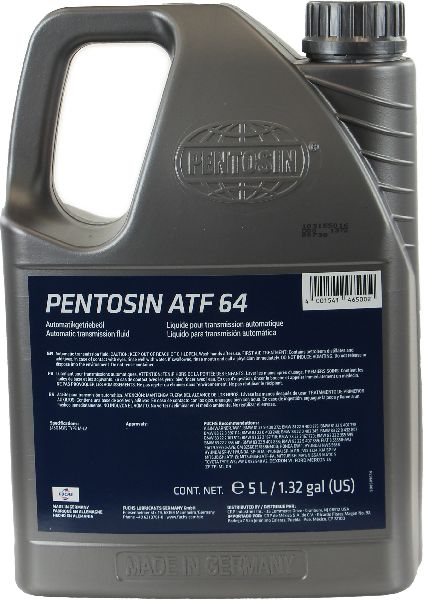
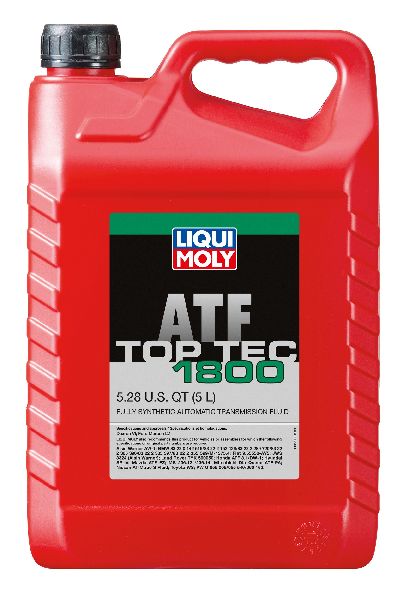
- Always use the specified SP-IV-RR transmission fluid (P/N 00232-19052) for this vehicle.
What's Unique About the 2017-2018 Genesis G80
The 2017-2018 Genesis G80 uses a Hyundai-Powertech 8-speed automatic transmission (A8LR1 for the 5.0L V8, A8TR1 for the 3.3L/3.8L V6s). These are generally reliable units, but are known to be sensitive to fluid condition and have documented issues with transmission solenoids and the internal wiring harness (E-Module). Genesis has issued several Technical Service Bulletins (TSBs) for harsh shifting and various solenoid-related fault codes on this exact transmission. TSB 19-AT-002HG specifically lists procedures for replacing solenoids and the E-module for a host of electrical DTCs, indicating this is a recognized failure pattern. A critical and often-missed step is that individual solenoids are flow-rated and must be programmed to the TCM with their unique identifier (from a QR code on the part) using a dealer-level scan tool after replacement.
Symptoms You May Notice
- Harsh, abrupt, or delayed gear shifts, particularly on the 1-2 upshift.
- Transmission getting stuck in one gear (limp mode).
- Check Engine Light is illuminated.
- Transmission may feel like it's slipping or flaring between shifts.
- Reduced fuel economy.
- Vehicle may refuse to move when put in gear.
- Replacing the entire transmission. Manufacturer TSBs explicitly advise against replacing the whole transmission for this type of DTC, as the fault is almost always a serviceable component like a solenoid or wiring harness.
Most Likely Causes
- Faulty Shift Solenoid 'A' 🔴 High Probability → Shop Transmission Valve Body Genesis has released TSBs related to solenoid failures and shift quality issues for this specific 8-speed transmission. TSB 19-AT-002HG lists part numbers for various solenoids, acknowledging them as common replacement items.
How to confirm: After confirming fluid is clean and full, a technician will use a scan tool to command the solenoid on and off. If it fails to respond, or if its electrical resistance (measured with a multimeter) is out of the specified range of 11-16 Ohms, it is faulty.
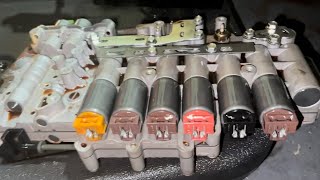
Typical fix: Replace the faulty shift solenoid and program its unique characteristics to the TCM using a GDS scan tool. This is located inside the transmission and requires removing the oil pan and valve body for access.
Est. part cost: $50-$150 - Faulty Internal Wiring Harness (E-Module) 🟡 Medium Probability → Shop Transmission Wiring Harness Manufacturer TSBs for similar codes on this transmission, like P0711 (Temp Sensor), often involve replacing the E-module, which is the internal wiring harness connecting all solenoids. The harness lives in hot fluid and its insulation can become brittle over time, causing shorts or open circuits.
How to confirm: This is typically diagnosed after a new solenoid fails to fix the issue, or if a visual inspection during solenoid replacement reveals brittle wires, a damaged connector, or if other sensor codes (like P0711, P0717) stored in the TCM are present.
Typical fix: Replace the E-module. This is done at the same time as the solenoid replacement as it is located in the same area, attached to the valve body.
Est. part cost: $150-$300 - Low or Dirty Transmission Fluid 🟡 Medium Probability → Shop Transmission Assembly All transmissions are sensitive to fluid condition. The Hyundai 8-speed is particularly sensitive to fluid type and cleanliness, as old, degraded fluid can cause sludge that clogs solenoid passages and affects performance.
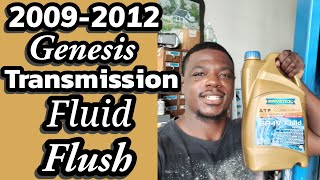
How to confirm: Check the transmission fluid level and condition. The fluid should be clean, pinkish-red, and not have a burnt smell. Note: This transmission does not have a traditional dipstick; the level must be checked via a fill plug on the transmission case 🎬 See how to properly check and change the fluid with the fluid at a specific temperature (122-140°F / 50-60°C).
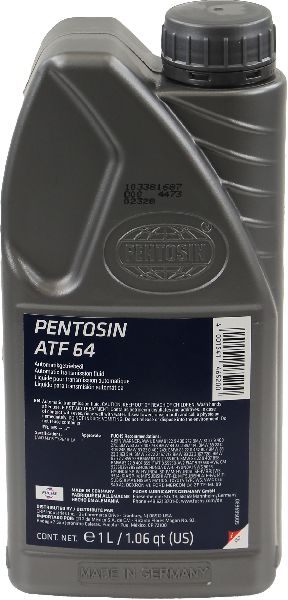
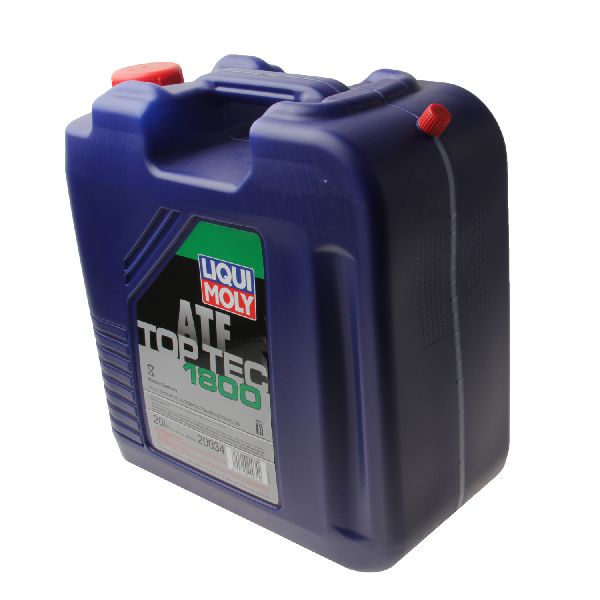
Typical fix: Perform a transmission fluid drain and fill, or a complete fluid flush. Use only the specified SP-IV-RR automatic transmission fluid (P/N 00232-19052).
Est. part cost: $100-$250 - Damaged External Wiring or Connectors ⚪ Low Probability
How to confirm: Visually inspect the wiring harness leading to the transmission for any signs of damage, corrosion, or loose pins at the main connector.
Typical fix: Repair the damaged section of the harness or clean/replace the connector.
Est. part cost: $10-$100
Rare But Worth Checking
- Faulty Transmission Control Module (TCM): → Shop Transmission Assembly This is rare. TSBs recommend only replacing the TCM if all other steps, including solenoid and wiring replacement, fail to resolve the code. It should be considered a last resort.
- Clogged Valve Body Passages: → Shop Transmission Valve Body Severe contamination from very old fluid or internal component wear can clog the hydraulic passages in the valve body, preventing the solenoid from controlling fluid flow even if it's electronically functional. This often requires a valve body replacement or professional cleaning.
Diagnosis Steps
- Check the transmission fluid level and condition. Ensure the correct fluid type (SP-IV-RR) is used. This must be done at a specific operating temperature (122-140°F / 50-60°C).
- Use a professional scan tool (like the dealer GDS) to confirm P0751 is present and note any other codes (e.g., P0711, P0741).
- Clear the codes and test drive the vehicle to see if the code immediately returns.
- Inspect the external transmission wiring harness and main connector for any visible damage, corrosion, or loose connections.
- With a scan tool, monitor the live data for Shift Solenoid 'A' and attempt to command it on and off to check for a response.
- If the solenoid does not respond or the code returns, drain the transmission fluid and remove the transmission oil pan.
- Remove the valve body to gain access to the shift solenoids and E-Module.
- Visually inspect the internal wiring harness (E-module) for brittle wires, cracks, or a discolored connector.
- Test the resistance of Shift Solenoid 'A' with a multimeter. Compare the reading to the manufacturer specification of 11-16 Ohms.
- Replace the faulty solenoid and, as recommended by TSBs for related issues, the E-module.
- Reinstall the valve body and oil pan with a new gasket/sealant.
- Refill the transmission with new SP-IV-RR fluid to the proper level.
- Use the scan tool to perform the 'Oil-Pressure Characteristics Input' procedure to program the new solenoid to the TCM.
- Use the scan tool to perform the 'Resetting Auto Transmission Adaptive Values' procedure to calibrate the new components to the TCM.
- Clear all codes and perform a final test drive to verify the repair.
Parts You'll Likely Need
- Automatic Transmission Shift Solenoid 'A' (UD/6/27/8LR)
(OEM #46313-4J100)— This is the component identified by the trouble code as malfunctioning. TSB 19-AT-002HG identifies this part number for multiple shift control solenoid electrical faults. This specific part is described as controlling multiple functions including UD/C (Underdrive Clutch).
Trusted brands: Hyundai/Genesis Genuine
OEM price range: $70-$150
Aftermarket price range: $50-$100 - Automatic Transmission E-Module / Internal Wire Harness
(OEM #46305-4J550)— This harness provides the electrical connection to all solenoids. It lives in a harsh, high-temperature environment and is a common point of failure. TSBs often recommend its replacement during solenoid service.
Trusted brands: Hyundai/Genesis Genuine
OEM price range: $250-$400 - SP-IV-RR Automatic Transmission Fluid
(OEM #00232-19052)— The correct fluid must be used when refilling the transmission after service. Using the wrong fluid can cause further damage.
Trusted brands: Hyundai/Genesis Genuine
OEM price range: $20-$30 per quart
Related Codes That Often Appear With This One
- P0741 — This is a code for the Torque Converter Clutch solenoid. It's common to see multiple solenoid-related codes if there is a widespread electrical issue (like a bad E-module) or severe fluid contamination. TSB 19-AT-002HG groups P0741 with other solenoid electrical faults.
- P0711 — This code relates to the transmission fluid temperature sensor. A TSB for the G80 (24-AT-003G) links this code to a faulty E-module, which is the same internal harness that serves the shift solenoids, making it a strong indicator that the harness is the root cause.
- P0700 — This is a generic code that simply means the Transmission Control Module (TCM) has detected a fault and has requested the Check Engine Light to be turned on. It will always be present alongside a more specific code like P0751.
Technical Service Bulletins (TSBs) & Recalls
- 19-AT-002HG: Addresses multiple *electrical* solenoid DTCs for the 2017-18 G80 3.3L/5.0L, providing the procedure for replacing specific solenoids and the E-module. This is the key document confirming the repair strategy.
- 21-AT-010HG: Details the replacement of other shift solenoids (C & D) for harsh shifting on the 2017 G80, confirming the repair process and the need for solenoid calibration.
- 24-AT-003G: Supersedes an earlier TSB and provides the diagnostic procedure for temperature and speed sensor codes (P0711, P0717, etc.), which points to replacing the E-module as the primary fix. This corroborates the E-module as a common failure point.
Platform-Specific Known Issues
- TSB Guidance Points to Solenoid/Harness Replacement: Genesis TSB 19-AT-002HG, while not listing P0751 (a performance code), covers a wide range of *electrical* fault codes for every solenoid in the transmission (P0753, P0758, etc.). It directs technicians to replace the specific solenoid and the entire internal E-Module harness, strongly suggesting this is the standard, effective repair for any solenoid-related code on this transmission.
- Confusion with Shift Solenoid Naming: → Shop Transmission Valve Body Hyundai/Genesis documentation can be confusing. 'Shift Solenoid A' in a generic OBD-II context may not directly correspond to how Genesis labels its solenoids. Based on TSBs, the solenoids are often referred to by the clutches they control (e.g., 'UD' for Underdrive, '35R' for 3rd-5th-Reverse). P0751 is typically associated with the 1-2 shift, which involves the Underdrive (UD) clutch solenoid.
Mechanic-Grade Diagnostic Values
- Shift Solenoid 'A' (S1) resistance — expected: 11 - 16 Ω (at 20°C / 68°F). Failure: A reading outside of this range, or an open/short circuit, indicates a faulty solenoid coil.
- Transmission Fluid Temperature for Level Check — expected: 122 - 140°F (50 - 60°C). Failure: Checking the fluid level when the fluid is too cold or too hot will result in an inaccurate reading and potentially an incorrect fluid level.
Scan Tool Commands That Help
- Hyundai GDS (Global Diagnostic System): Oil-Pressure Characteristics Input — This is a mandatory step after replacing an individual shift solenoid. The A8 series transmissions use flow-rated solenoids, and the unique identification code (from the QR label on the new part) must be programmed into the TCM to ensure proper hydraulic control.
- Hyundai GDS (Global Diagnostic System): Resetting Auto T/A Values — After replacing the transmission, valve body, solenoids, or TCM, this function must be used to erase the old adaptive learning values. Failure to do so can result in poor shift quality. This is followed by a specific driving relearn procedure.
Wiring & Ground Locations
- TCM / ATM Fuses — In the engine compartment and passenger compartment fuse boxes.. Before diagnosing complex wiring or module faults, it is critical to check for blown fuses that supply power to the Transmission Control Module (TCM) or Automatic Transmission (ATM) systems. A blown fuse can mimic a component or module failure. Consult the fuse diagram for your specific model year to identify fuses labeled 'TCM', 'ATM', 'A/T', or 'MODULE'.
Real Owner Repair Stories
- AliExpress User Review / Guide (2013 Kia Optima with 8-speed A8LR1 transmission (platform-mate to G80), 112,000+ miles) — Harsh shifts between 3-4, delayed engagement, and jerking. Later pulled codes P0755 and P0758 (Shift Solenoid 'B' related), but the repair process is identical for Solenoid 'A'.
❌ Tried (didn't work) An initial attempt by another person failed because they did not flush the system of old fluid/sludge before installing the new valve body, causing symptoms to return within days.
✅ What actually fixed it The owner replaced the entire valve body with an aftermarket unit. Critically, they performed a thorough fluid flush, followed all torque sequences, and then used an OBDLink MX+ scan tool to perform the adaptive values relearn procedure. The final result was smooth shifting, a slight MPG improvement, and no recurring codes.
Diagnostic Flowchart
Other Known Issues on This Vehicle
Issues unrelated to this code that are worth knowing about as an owner of this generation:
- ABS Module Electrical Short 🔴 High — Common enough to trigger a major recall (NHTSA #21V160000). Affects 2015-2020 models. (Ref: Recall 201 / 006G. Owners are advised to park outdoors away from structures until the recall fix (fuse replacement) is performed due to fire risk.)
- Intake Valve Carbon Buildup 🟠 Medium — A common issue for all Gasoline Direct Injection (GDI) engines, including the 3.3T and 5.0 V8. Typically becomes noticeable after 60,000-80,000 miles, causing rough idle, hesitation, or misfires.
- Starter Solenoid Water Intrusion 🔴 High — Subject of a recall (NHTSA #23V-581) affecting 2015-2019 G80 models. Water can enter the starter solenoid, causing an electrical short and potential fire risk. (Ref: Recall 254(H) / 018G(G).)
- Turbocharger Oil Pipe Leak (3.3T Engine) 🔴 High — A recall was issued for the 2018 G80 3.3T where a loose seal on the turbocharger oil supply pipe could leak oil onto the hot exhaust manifold, creating a fire risk. (Ref: Recall 18V496000)
- Electronic Parking Brake (EPB) Malfunctions 🟡 Low — Some owners report intermittent EPB warning lights or failures to engage/disengage. This can sometimes be linked to ESC system faults rather than the brake itself.
Used vs. New Parts: Buying Guide for This Vehicle
When a used part is the smart pick: A complete, used valve body assembly from a verified low-mileage (<50,000 miles) donor vehicle could be a cost-effective option if the entire valve body is suspect. However, it carries risks as the condition of the solenoids and internal harness is unknown.
Donor-vehicle mileage cap: roughly under 50000 miles for the part to have meaningful remaining life.
What to inspect on the donor part:
- Verify the exact part number of the valve body matches your original.
- Ask for the VIN of the donor car to verify mileage and model year.
- Inspect the electrical connector for any bent or corroded pins.
- Look for any signs of extreme overheating (discolored metal, melted plastic) on the assembly.
OEM-only on this vehicle (don't cheap out):
- Internal Wire Harness (E-Module): This part lives in hot, corrosive transmission fluid. An OEM part ensures the correct materials and heat resistance for longevity. Aftermarket versions are rare and of unknown quality.
- Transmission Fluid (SP-IV-RR): Do not substitute. These transmissions are highly sensitive to fluid chemistry.
Aftermarket brands forum-validated for this vehicle:
- While no specific brands are universally praised on forums, some owners have reported success with complete aftermarket valve body assemblies from sources like AliExpress, provided the correct relearn procedures are followed. This is a high-risk, high-reward option.
Brands owners have reported issues with on this vehicle:
- Avoid unbranded, individual solenoids from dubious online sources. Given the critical programming step required, an incompatible or poor-quality solenoid will cause the repair to fail, wasting significant labor costs.
Real Owner Stories
Aggregated from forums and TSBs cited above. Mileages and costs reflect what owners reported in those sources.
2018 Genesis G80 3.3T — ~105000 miles
Symptoms: Owners discussed various electrical gremlins and reliability issues, specifically mentioning sensitivity to wiring harness problems.
What fixed it: Traced back to a faulty engine wiring harness.
Source hint: https://www.genesisowners.com/threads/how-reliable-are-2018-genesis-g80-3-3t-sport-with-over-100k-miles.35829/
2017 Genesis G80
Symptoms: Harsh shifting specifically involving solenoids C and D.
What fixed it: Replacement of shift solenoids and subsequent solenoid calibration as directed by technical service guidance.
Source hint: TSB 21-AT-010HG
Related OBD-II Codes
Frequently Asked Questions
Does TSB 19-AT-002HG apply to my 2017 Genesis G80 with the 5.0L V8 engine?
What specific transmission fluid should I use for my G80 to avoid shift quality issues?
Is there a dipstick to check the transmission fluid level on the 2018 G80?
Why does the TSB recommend replacing the E-Module along with the solenoid?
I see a code for 'Shift Solenoid A' but my technician mentions 'UD' or '35R' solenoids. Are these the same?
Do I need to program the car after replacing a shift solenoid?
Helpful Videos



We Have This Part in Stock



The information in this article is provided for general reference and educational purposes only. Vehicle specifications, procedures, and part compatibility can vary by production date, trim level, and region. Always consult your vehicle's factory service manual and verify part numbers before purchasing or performing repairs. Safety-critical components such as airbags, seat belts, and braking systems should be installed by a qualified professional.
- Genesis G80:
- 🧭 Diagnostic Flowchart
- 🎬 Helpful Videos
- 🛍️ Shop This Part
- What's Unique About the 2017-2018 Genesis G80
- Symptoms You May Notice
- Most Likely Causes
- Rare But Worth Checking
- Diagnosis Steps
- Parts You'll Likely Need
- Related Codes That Often Appear With This One
- Technical Service Bulletins (TSBs) & Recalls
- Platform-Specific Known Issues
- Mechanic-Grade Diagnostic Values
- Scan Tool Commands That Help
- Wiring & Ground Locations
- Real Owner Repair Stories
- Other Known Issues on This Vehicle
- Used vs. New Parts: Buying Guide for This Vehicle
- Real Owner Stories
- 2018 Genesis G80 3.3T — ~105000 miles
- 2017 Genesis G80
- Related OBD-II Codes
- Frequently Asked Questions
- 🎟️ Get 5% Off