

P0751 on 2005-2009 Subaru Outback 2.5L Turbo: Shift Solenoid 'A' and Valve Body Issues
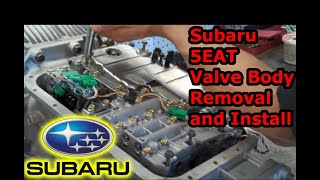
On the 2005-2009 Subaru Outback XT with the 5-speed automatic transmission (5EAT), code P0751 almost always indicates a failing transmission valve body. This is a very common and well-documented failure for this platform. The most common and reliable fix is to replace the entire valve body assembly, which can be a costly repair, often exceeding $1,000. Individual solenoids are not sold by Subaru, and aftermarket options are not recommended.
- P0751 on a 2005-2009 Outback XT is a strong indicator of a failing transmission valve body.
- This is a common and well-known issue with the 5EAT automatic transmission.
- The standard and most reliable repair is to replace the entire valve body assembly with an OEM part (PN: 31705AA683).
- Due to the complexity and messiness of the job, professional service is highly recommended.
- Always start by checking the transmission fluid and consider performing the flush procedure outlined in TSB 16-80-11R before replacing expensive parts.
What's Unique About the 2005-2009 Subaru Outback
The 2005-2009 Outback XT (and its platform-mate, the Legacy GT) uses a 5-speed automatic known as the 5EAT, which was designed by Jatco based on their JR507E. This transmission is known within the Subaru community for having issues with the valve body at higher mileage, with P0751 being a very common indicator of this failure. Unlike many other vehicles where individual solenoids can be easily replaced, Subaru dealers typically replace the entire valve body assembly as a single unit to resolve this code, as individual solenoids are not sold separately as new OEM parts. Attempting to use aftermarket solenoids is strongly discouraged as they are known to be unreliable and fail quickly.
Symptoms You May Notice
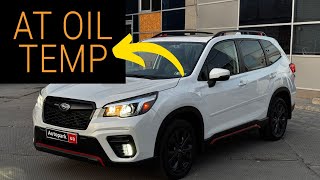
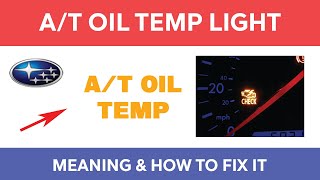
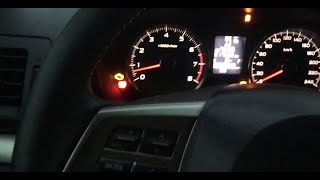
- Flashing 'AT OIL TEMP' light on the dashboard
- Check Engine Light is on
- Harsh or delayed gear shifts, sometimes with a 'clunk' sound
- Transmission getting stuck in one gear (limp mode)
- Vehicle may feel like it's stuck in neutral or refuse to engage a gear
- Reduced fuel economy
- Inability to shift manually using paddle shifters or sport mode
- Replacing only the shift solenoid 'A'. On this 5EAT transmission, the solenoids are integrated into the valve body and not sold separately by Subaru. Even if an individual aftermarket solenoid could be sourced, the issue is often widespread wear or contamination within the valve body itself, so a single solenoid replacement is unlikely to be a lasting fix and is not recommended.
Most Likely Causes
- Failing Transmission Valve Body 🔴 High Probability → Shop Transmission Valve Body Valve body failures are a well-documented, common issue on the 5EAT transmission used in this generation of Outback XT and Legacy GT models. Internal wear, sludge from old fluid, and debris can cause the delicate valves and solenoids to stick.
How to confirm: A professional mechanic can perform a line pressure test and use a high-end scan tool to monitor solenoid commands versus actual gear state. However, given the high failure rate, P0751 on this specific vehicle is a very strong indicator of a bad valve body. Often, multiple solenoid performance codes (e.g., P0751 and P0756) will appear together, pointing to a systemic valve body issue rather than a single solenoid fault.
Typical fix: Replace the entire transmission valve body assembly with a new OEM unit. Remanufactured units are available from specialists like Ream Man or IPT, but quality can vary.
Est. part cost: $800 - $1200 for an OEM part. - Low or Degraded Transmission Fluid 🟡 Medium Probability → Shop Transmission Assembly Old, contaminated, or low fluid can cause poor hydraulic pressure, leading to sludge that clogs the small passages within the valve body and causes solenoids to stick. The 5EAT is sensitive to fluid type and condition.
How to confirm: Check the transmission fluid level and condition using the dipstick. The fluid should be at the correct level, pinkish-red, and not smell burnt. If it is dark, brown, or contains debris, it needs to be changed.
Typical fix: Perform a complete transmission fluid flush and fill with the correct Subaru-specific ATF (HP-ATF). 🎬 Watch: How to change your 5EAT fluid and filter Subaru TSB 16-80-11R specifically recommends a fluid flush and a 'Dynamic Check Mode' procedure to try and clear contamination before condemning the valve body.
Est. part cost: $100 - $200 for fluid - Contaminated Fluid from Front Differential Bearing Failure ⚪ Low Probability A known failure pattern on this platform involves the front differential carrier bearing failing. This sends metallic debris into the shared Automatic Transmission Fluid (ATF), which then contaminates and clogs the valve body and solenoids. An activated solenoid is an electromagnet, which will attract any metallic debris, causing it to jam.
How to confirm: When the transmission fluid is drained, inspect it carefully for excessive metallic particles. A whining or grinding noise from the front of the vehicle while driving can also indicate a failing differential bearing. The magnets on the transmission pan will often have a significant amount of metal shavings.
Typical fix: This is a major repair. The transmission must be removed to replace the failing bearing, and the valve body and torque converter will likely need to be replaced as well due to widespread contamination.
Est. part cost: $1500+
Rare But Worth Checking
- Faulty Transmission Control Module (TCM): → Shop Transmission Assembly While possible, a failing TCM is much less common than a mechanical or hydraulic issue within the transmission itself. This should only be considered after all other possibilities have been exhausted. Subaru did issue a TSB (16-86-12) with a TCM software update to address erroneously set solenoid codes, so checking for the latest software version is a valid diagnostic step.
- Wiring Harness or Connector Issues: An open or short in the wiring to the shift solenoid can cause this code, often accompanied by P0753 (Shift Solenoid 'A' Electrical). Check for damaged wiring or corroded connectors at the transmission housing and the firewall.
Diagnosis Steps
- Check the transmission fluid level and condition. If low, top it off. If dirty or burnt, a fluid flush is the first step.
- Scan for other transmission-related codes. Note if P0700 or any electrical fault codes like P0753 are present.
- Follow the procedure in TSB 16-80-11R. This involves a specific transmission flush procedure, cleaning the pan and magnet, and then performing a 'Dynamic Check Mode' to attempt to clear debris from the valve body.
- If the code returns after the flush procedure, the next logical step is to suspect the valve body, given the high failure rate on this platform.
- Inspect the wiring harness and connector going to the transmission for any visible damage, corrosion, or loose connections.
- A professional shop can perform a line pressure test to check the hydraulic integrity of the transmission.
- If all other tests pass, the most likely culprit is the valve body assembly, which will need to be replaced.
Parts You'll Likely Need
- Transmission Valve Body Assembly
(OEM #31705AA683 (This is the latest part number, superseding 31705AA682, 31705AA620, 31705AA690, and others).)— This is the most common failure point on the 5EAT transmission that causes code P0751.
Trusted brands: Subaru (OEM)
OEM price range: $1000 - $1300
Aftermarket price range: $450 - $800 (Remanufactured units from specialists like IPT or Ream Man Valve Bodies). - Automatic Transmission Fluid (Subaru HP-ATF)
(OEM #SOA868V9241)— Required when replacing the valve body or performing a fluid service. A full flush and fill will require 10-12 quarts.
Trusted brands: Subaru (OEM), Idemitsu ATF-HP
OEM price range: $15 - $25 per quart
Aftermarket price range: $10 - $20 per quart - Transmission Pan Gasket
(OEM #31338AA020)— Must be replaced anytime the transmission pan is removed to access the valve body. Some technicians prefer using a high-quality RTV sealant instead of a pre-formed gasket.
Trusted brands: Subaru (OEM), Fel-Pro
OEM price range: $20 - $40
Aftermarket price range: $10 - $25
Related Codes That Often Appear With This One
- P0700 — This is a generic transmission fault code. It simply means the Transmission Control Module (TCM) has detected a problem and has stored a more specific code, like P0751.
- P0753 — This code indicates an electrical fault (open or short circuit) with Shift Solenoid 'A'. If you see both P0751 and P0753, it points more strongly towards a wiring problem or a completely failed solenoid coil rather than a mechanical/hydraulic issue.
- P0756, P0761, etc. — These are performance codes for other shift solenoids ('B', 'C', etc.). If multiple solenoid performance codes are present, it's a very strong indication of a systemic issue like fluid contamination or a failed valve body, not an isolated solenoid problem.
Technical Service Bulletins (TSBs) & Recalls
- 16-80-11R: Addresses diagnostics for a flashing AT OIL TEMP light and DTCs including P0751, recommending a flush and dynamic test.
- 16-86-12: Announces a TCM reprogramming file to address concerns of the AT Oil Temp light coming on with various DTCs, including P0751.
Platform-Specific Known Issues
- Subaru issued Technical Service Bulletin (TSB) 16-80-11R regarding the AT OIL TEMP light flashing with various solenoid codes including P0751. The TSB recommends a specific diagnostic procedure involving a fluid flush and a 'Dynamic Check Mode' to dislodge potential contamination before condemning the valve body.
- A later TSB, 16-86-12, provided a TCM software update to address the same list of codes, indicating that in some cases the fault could be triggered by software logic.
Mechanic-Grade Diagnostic Values
- Shift Solenoid 'A' (and all other 5EAT solenoids) resistance — expected: 5.7 Ohms at room temperature. Failure: A reading that is significantly higher (open circuit) or lower (short circuit) than 5.7 Ohms indicates a failed solenoid coil.
- Valve Body to Transmission Case Bolt Torque — expected: 80 inch-pounds (9 Nm). Failure: Over-torquing can damage the valve body or transmission case. Under-torquing can lead to internal hydraulic leaks.
- Solenoid Power Supply Voltage at Transmission Connector — expected: Approximately 12V (Battery Voltage) with key on, engine off.. Failure: A voltage deviation greater than 0.5V from battery voltage can indicate high resistance in the wiring or a problem with the TCM power supply.
Scan Tool Commands That Help
- Subaru Select Monitor (SSM) or compatible high-end aftermarket scanner (e.g., Autel, Launch): AT Learning Mode — This is a mandatory procedure required after replacing the transmission valve body. The function calibrates the new solenoids to the TCM. Failure to perform this procedure can result in poor shift quality or persistent codes even with a new part. The process typically requires the vehicle to be lifted off the ground.
- Subaru Select Monitor (SSM) or compatible high-end aftermarket scanner: Clear AT Learning Value — This function should be performed *before* initiating the 'AT Learning Mode' after a valve body replacement. It erases the old calibration data from the TCM to ensure the new learning process starts from a clean slate.
- Subaru Select Monitor (SSM) or compatible high-end aftermarket scanner: Dynamic Check Mode — This is a specific diagnostic procedure outlined in TSB 16-80-11R to be performed after a transmission fluid flush. It cycles the solenoids and fluid through the valve body in an attempt to dislodge debris or contamination that could be causing a solenoid to stick. It should be tried before condemning the valve body.
Wiring & Ground Locations
- Internal Valve Body Harness — Inside the transmission oil pan, connected to the valve body and routed along the case wall.. This harness is delicate and can be crushed against the transmission case by the oil pan during reinstallation if not routed correctly under its retaining tabs. A crushed harness can cause a short to ground, leading to electrical fault codes (like P0753) in addition to performance codes like P0751.
- TCM Connector — Typically located in the passenger compartment, often near the glove box or center console area.. Testing solenoid resistance from the TCM connector is a key diagnostic step. It allows a technician to test the entire circuit (solenoid coil and wiring) without having to drop the transmission pan, helping to quickly differentiate between an internal transmission fault and an external wiring issue.
Real Owner Repair Stories
- LegacyGT.com forum user (2005 Subaru Legacy GT (5EAT)) — Flashing AT Temp light, harsh shifting, and codes for multiple solenoid failures.
❌ Tried (didn't work) Multiple transmission fluid drain and fills., Attempting to clear codes without addressing the root cause.
✅ What actually fixed it The user ultimately had the transmission valve body replaced by a dealer, which resolved all symptoms and codes. This aligns with the common understanding that valve body failure is the primary cause for these symptoms on this platform.
OEM Part Supersession History
31705AA620, 31705AA621, 31705AA682, 31705AA690→31705AA683— Subaru periodically updates parts to improve reliability, address known failure modes, or consolidate part numbers. The latest part number (31705AA683) is the correct and most updated version for this application.
Heads up: While all listed part numbers are for the 5EAT valve body, it is critical to use the latest superseded part number (31705AA683) when ordering a new OEM replacement to ensure you get the most recent design and software compatibility.
Diagnostic Flowchart
Other Known Issues on This Vehicle
Issues unrelated to this code that are worth knowing about as an owner of this generation:
- Turbo Oil Supply Banjo Bolt Filter Clogging 🔴 High — Common issue if oil change intervals are extended. The filter screen inside the banjo bolt can clog, starving the turbo of oil and leading to catastrophic failure. (Ref: Subaru has released service information advising technicians to check and often remove these filters.)
- Catted Up-Pipe Failure 🔴 High — The catalytic converter material in the factory up-pipe (before the turbo) can break down over time and be ingested by the turbocharger, destroying it.
- Head Gasket Failure 🟠 Medium — While more famous on the non-turbo EJ25 engines, the turbo EJ255 can also experience head gasket leaks, typically external oil or coolant leaks rather than internal combustion leaks. Often occurs at higher mileage (100k+ miles).
- Cracked Radiator Top Tanks 🟠 Medium — The plastic end tanks on the OEM radiator are a common failure point, developing cracks with age and heat cycles, leading to coolant leaks.
- Worn Wheel Bearings 🟡 Low — Wheel bearings are a common wear item, often failing before 100,000 miles and causing a humming or grinding noise that changes with vehicle speed.
Used vs. New Parts: Buying Guide for This Vehicle
When a used part is the smart pick: A used valve body is a significant gamble and generally not recommended due to it being the primary failure point. However, for a budget-conscious repair on a high-mileage vehicle, a used unit from a low-mileage, documented donor vehicle (e.g., a rear-end collision) could be considered as a last resort.
Donor-vehicle mileage cap: roughly under 80000 miles for the part to have meaningful remaining life.
What to inspect on the donor part:
- Verify the donor vehicle's mileage and history if possible.
- Ask the seller to drain the transmission fluid; it should be reddish and not smell burnt.
- Inspect the transmission pan magnet from the donor car for excessive metal shavings. A fine metallic paste is normal, but large chips or flakes indicate a severe internal failure.
OEM-only on this vehicle (don't cheap out):
- Transmission Valve Body Assembly
- Transmission Control Module (TCM)
Aftermarket brands forum-validated for this vehicle:
- IPT (Import Performance Transmissions) - Offers modified/remanufactured valve bodies that are well-regarded in the Subaru performance community for improved shift firmness and durability.
Brands owners have reported issues with on this vehicle:
- Generic, unbranded individual solenoids sold on platforms like eBay or Amazon. The solenoids are not designed to be individually serviced, and the quality of these parts is highly questionable.
Real Owner Stories
Aggregated from forums and TSBs cited above. Mileages and costs reflect what owners reported in those sources.
2005 Subaru Legacy GT 2.5L Turbo — 139500 miles
Symptoms: Check engine light and flashing cruise control after aggressive driving; symptoms related to P0751 and valve body failure.
What fixed it: The owner discussed options including a full valve body replacement or an IPT rebuild after being quoted for a replacement.
Source hint: legacygt.com thread '5EAT Transmission Valve Body'
2006 Subaru Legacy GT 2.5L Turbo
Symptoms: No gear engagement and received codes P0751 and P0753 after attempting to replace individual solenoids.
What fixed it: The attempt to replace individual solenoids failed to resolve the issue and resulted in a loss of gear engagement.
Source hint: reddit.com/r/subaru '5eat help'
Related OBD-II Codes
Frequently Asked Questions
My 2005 Outback XT has a flashing 'AT OIL TEMP' light and code P0751. Is there a specific procedure Subaru recommends before I replace the whole valve body?
Could a software update fix the P0751 code on my 2006 Legacy GT?
I'm seeing metallic shavings in my transmission fluid along with P0751. What does this mean for my Outback?
Can I just replace the single failing solenoid to fix P0751 on my 5EAT transmission?
What kind of transmission fluid should I use for the flush recommended in TSB 16-80-11R?
Are there any other major engine issues I should look out for while fixing the transmission on my Outback 2.5L Turbo?
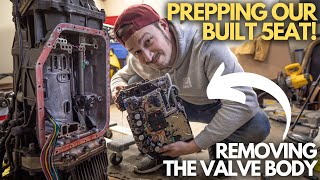
Helpful Videos

We Have This Part in Stock


The information in this article is provided for general reference and educational purposes only. Vehicle specifications, procedures, and part compatibility can vary by production date, trim level, and region. Always consult your vehicle's factory service manual and verify part numbers before purchasing or performing repairs. Safety-critical components such as airbags, seat belts, and braking systems should be installed by a qualified professional.
- Subaru Outback:
- 🧭 Diagnostic Flowchart
- 🎬 Helpful Videos
- 🛍️ Shop This Part
- What's Unique About the 2005-2009 Subaru Outback
- Symptoms You May Notice
- Most Likely Causes
- Rare But Worth Checking
- Diagnosis Steps
- Parts You'll Likely Need
- Related Codes That Often Appear With This One
- Technical Service Bulletins (TSBs) & Recalls
- Platform-Specific Known Issues
- Mechanic-Grade Diagnostic Values
- Scan Tool Commands That Help
- Wiring & Ground Locations
- Real Owner Repair Stories
- OEM Part Supersession History
- Other Known Issues on This Vehicle
- Used vs. New Parts: Buying Guide for This Vehicle
- Real Owner Stories
- 2005 Subaru Legacy GT 2.5L Turbo — 139500 miles
- 2006 Subaru Legacy GT 2.5L Turbo
- Related OBD-II Codes
- Frequently Asked Questions
- 🎟️ Get 5% Off