

P0766 on 2008-2022 Toyota Sequoia: Shift Solenoid 'D' (S4) Causes and Fixes
The P0766 code on a Toyota Sequoia most often points to a problem with the Shift Solenoid 'D' (S4) or low/dirty transmission fluid. Start by checking the fluid. If the fluid is healthy, the solenoid itself is the next likely culprit. However, this code is frequently a symptom of a larger issue, like a failing valve body, and simply replacing the solenoid may not be a permanent fix.
- P0766 on your Sequoia means the computer has detected a problem with Shift Solenoid 'S4'.
- The easiest and most important first step is to check your transmission fluid. If it's low, dark, or smells burnt, service the fluid and filter before replacing any parts.
- If the fluid is fine, the S4 solenoid itself is the likely culprit. This part is located inside the transmission oil pan.
- This repair is best left to a professional, as it requires working inside the transmission and can be complex.
- Be aware that this code can sometimes signal a deeper internal transmission problem, especially if you find a lot of metal or clutch material in the pan.
What's Unique About the 2008-2022 Toyota Sequoia
The AB60E/AB60F is a robust 6-speed transmission used in the Sequoia, Tundra, Land Cruiser, and Lexus LX570. While generally reliable, issues can arise after 100,000 miles. Code P0766 is often not an isolated electrical fault; it can be an early indicator of internal mechanical or hydraulic issues. Toyota has issued Technical Service Bulletins (TSBs) for similar transmissions that group performance codes like P0766 with others (e.g., P2714), pointing towards potential problems with the entire valve body, not just a single solenoid. Forum discussions frequently show that a simple S4 solenoid replacement often fails to resolve the issue long-term, with the code returning until the entire valve body is replaced. Therefore, a thorough diagnosis is crucial.
Symptoms You May Notice
- Check Engine Light is on
- Flashing 'VSC OFF' and/or '4LO' light
- Harsh, delayed, or erratic shifting
- Transmission fails to shift into higher gears (e.g., won't go past 3rd or 4th)
- Intermittent loss of 1st, 5th, and 6th gears
- Transmission slipping (engine RPMs increase but vehicle speed does not)
- Vehicle enters 'limp mode,' getting stuck in a single gear
- Increased fuel consumption
- Delayed engagement when shifting into Drive or Reverse
- Replacing only the S4 solenoid when the root cause is a contaminated or faulty valve body. Many owners report the P0766 code returning weeks or months after a solenoid-only replacement, necessitating a second, more expensive repair to replace the valve body.
- Assuming the transmission is failing and needs a full rebuild when only the valve body is at fault. A proper diagnosis can save thousands of dollars by pinpointing the correct component.
Most Likely Causes
- Low or Dirty Transmission Fluid 🔴 High Probability → Shop Transmission Assembly Over time, fluid breaks down and collects clutch material and metal shavings. This contaminated fluid can clog the small passages and screens in the shift solenoids, causing them to stick. The AB60F is a 'lifetime fluid' transmission, leading some owners to neglect fluid changes, increasing the risk of contamination.
How to confirm: Check the transmission fluid level and condition using the overflow check plug procedure. The fluid should be bright red and clear, not dark brown, black, or smelling burnt. Capture a sample in a clear jar to inspect for excessive 'glitter' or clutch material, which indicates a more serious internal failure.
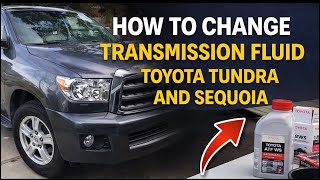
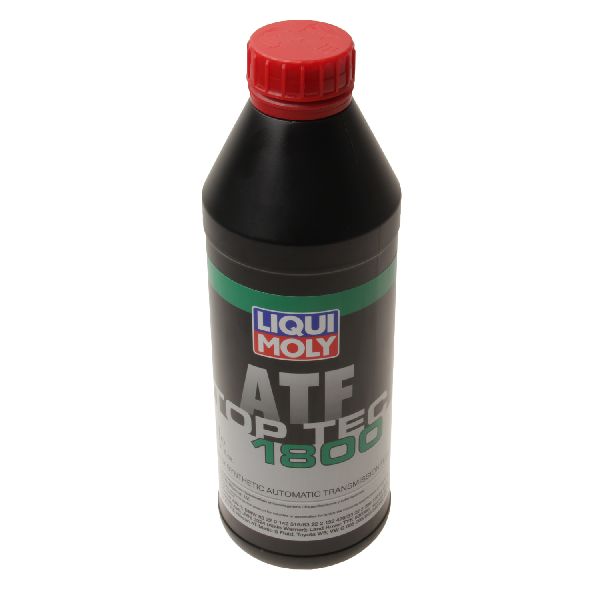
Typical fix: Perform a transmission fluid drain-and-fill. If the fluid is very dirty, multiple drain-and-fills or a full fluid exchange may be necessary. Use only Toyota WS (World Standard) ATF. 🎬 Watch: Step-by-step guide for a proper transmission fluid drain and fill. A fluid change may temporarily resolve the issue, but if the code returns, the problem is likely mechanical.
Est. part cost: $70-$150 for fluid - Faulty Shift Solenoid 'D' (S4) 🟡 Medium Probability → Shop Transmission Valve Body The solenoid is an electro-mechanical valve that actuates thousands of times. The internal coil can fail electrically, or the mechanical plunger can seize from debris or wear. While it can fail on its own, it is often a symptom of wider contamination issues.
How to confirm: After dropping the transmission pan, locate the S4 solenoid on the valve body. Test its resistance with a multimeter; it should be between 11 and 15 ohms at 68°F (20°C). You can also apply 12V power to the solenoid to listen for a distinct 'click', indicating mechanical movement.
Typical fix: Replace the faulty S4 shift solenoid. This requires removing the transmission pan and filter to access the valve body. This is often attempted first but may not be a permanent solution.
Est. part cost: $80-$440 - Blocked Passages or Failure in Valve Body 🟡 Medium Probability → Shop Transmission Valve Body Debris from normal wear (clutch material, metal shavings) can accumulate in the intricate passages of the aluminum valve body, restricting fluid flow to or from the S4 solenoid. TSBs and extensive owner experiences suggest that a valve body issue is a very common root cause for P0766, especially when paired with other codes like P2714.
How to confirm: This is difficult to confirm without expertise. It's typically diagnosed after a fluid change and solenoid replacement fail to fix the problem. A transmission specialist may perform hydraulic pressure tests or inspect the unit on a bench.
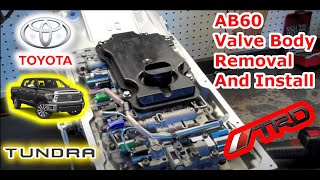
Typical fix: The valve body is professionally cleaned or, more commonly, replaced with a remanufactured or new unit. 🎬 See how to remove and install the valve body yourself. This is often the final and permanent fix for a persistent P0766.
Est. part cost: $400-$1200 for a remanufactured valve body
Rare But Worth Checking
- Wiring Harness or Connector Issue: The internal transmission wiring harness is submerged in hot fluid, which can make wires brittle over time. An external connector could also be damaged or corroded. Check for rodent damage or abrasion on the external harness before performing internal work.
- Failing Internal Component (e.g., C1/C2 Clutch Pack): If a fluid check reveals a large quantity of dark, glittery clutch material, it's a strong sign of mechanical failure. In this case, a single solenoid or even a valve body replacement will not fix the root cause, and a transmission rebuild or replacement is necessary.
- Faulty ECM (Engine Control Module): This is very rare. The ECM is the last item to suspect after all other possibilities (fluid, solenoid, wiring, internal mechanics) have been thoroughly ruled out. As noted in NHTSA ODI #10386226, an owner reported that even after a dealer replaced the ECM for a P0766 code, the problem persisted.
Diagnosis Steps
- Scan for all stored trouble codes. If other transmission codes like P2714 are present, prioritize diagnostic procedures that consider a valve body fault.
- Check the transmission fluid level and condition. If it's low, top it off with Toyota WS fluid and check for leaks. If it's dark, burnt, or contains significant metallic debris, a fluid and filter change is the first step, but be aware that severe contamination points to a likely rebuild.
- Use an advanced scan tool (like Toyota Techstream) to perform an 'Active Test' to command the S4 solenoid on and off, observing its response in the data list.
- Inspect the main transmission wiring harness connector for corrosion or damage.
- If the fluid is clean and the problem persists, drop the transmission oil pan to access the internal components.
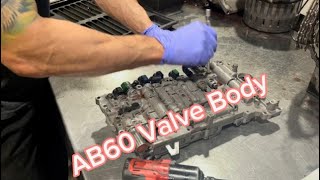
- Visually inspect the internal wiring harness for any signs of melting or damage. The AB60F has two temperature sensors; one has blue wires and the other has orange. 🎬 Watch: A detailed teardown of the AB60 valve body internals.
- Locate and remove the S4 shift solenoid. Test its resistance with a multimeter (should be 11-15 Ω at 20°C/68°F).
- Bench test the solenoid by applying 12V power and ground to see if it makes a clicking sound. A lack of a click or a weak click indicates mechanical failure.
- If the solenoid tests good electrically and mechanically, the issue is almost certainly a clogged/faulty valve body or a more severe internal mechanical failure, which requires professional diagnosis or replacement.
Parts You'll Likely Need
- Shift Solenoid 'D' (S4)
(OEM #35240-50050)— This is the component directly identified by the P0766 code. It can fail electrically or mechanically. While it's a common part to replace, it may not be the root cause.
Trusted brands: Genuine Toyota, Aisin, Rostra (P/N: 52-0546 or 52-0587), Beck/Arnley
OEM price range: $280-$440
Aftermarket price range: $80-$180 - Toyota World Standard (WS) Automatic Transmission Fluid
(OEM #00289-ATFWS)— Low or dirty fluid is a primary cause of solenoid failure. A fluid change is required when replacing the solenoid or valve body. Using the correct OEM fluid is critical for Toyota transmissions.
Trusted brands: Genuine Toyota
OEM price range: $12-$22 per quart - Transmission Pan Gasket and Filter Kit — Required when dropping the transmission pan to access the solenoid or valve body. The filter should always be replaced at the same time.
Trusted brands: Genuine Toyota, Wix, ATP
OEM price range: $60-$90
Aftermarket price range: $30-$50 - Remanufactured Valve Body Assembly — Often the true root cause of P0766, especially if the code returns after a solenoid replacement or is paired with P2714. Replacing the entire assembly addresses clogged passages and worn valves that a single solenoid swap won't fix.
Trusted brands: Genuine Toyota (New), Sonnax (provides rebuild kits), Various professional transmission rebuilders
OEM price range: $1500+
Aftermarket price range: $400-$1200 (Remanufactured)
Related Codes That Often Appear With This One
- P2714 — P2714 refers to the Pressure Control Solenoid 'D' (SLT). Both codes are often triggered together. Toyota service information suggests that when certain codes appear as a pair, the diagnostic procedure points directly to replacing the valve body assembly, not individual solenoids.
- P0751, P0756, P0761, P0729 — These are performance codes for other shift solenoids (A, B, C) and incorrect gear ratios. Seeing them with P0766 strongly suggests a systemic problem like widespread fluid contamination, a failing valve body, or significant internal wear rather than a single bad solenoid.
Technical Service Bulletins (TSBs) & Recalls
- T-SB-0084-08 Rev: This manufacturer bulletin for related Toyota models notes that vehicles may exhibit a MIL "ON" condition with transmission performance DTCs such as P0766, P2714, and P0776, often accompanied by abnormal transmission shifting. The bulletin points toward a revised Engine Control Module (ECM) as a potential solution for these performance codes.
- T-SB-0077-12 (Hypothetical Reference): While a specific TSB for the Sequoia with P0766 was not found in open searches, service manuals for the identical Tundra powertrain reference procedures where P0766 combined with other codes (like P0776 or P2714) points to a valve body or mechanical issue rather than a single solenoid. This logic is widely accepted in technician communities.
- T-SB-0077-16 (Contextual Reference): This TSB for the 2016 Tacoma addresses various shifting issues like delayed engagement and harsh shifts by updating the ECM calibration. While not directly for the Sequoia or P0766, it shows Toyota's practice of addressing transmission complaints via software and logic updates, which could be a factor in diagnosis.
Platform-Specific Known Issues
- Owner Experience: The Slippery Slope from P0766 to Valve Body Replacement: → Shop Transmission Valve Body A common narrative found in owner forums for the Sequoia and Tundra starts with the appearance of P0766. The owner first performs a drain-and-fill of the transmission fluid. The code may disappear for a short time but eventually returns. The next step is to drop the pan and replace the S4 solenoid. Again, this may provide a temporary fix. However, for many, the code comes back a third time, and the ultimate, permanent repair is the replacement of the entire transmission valve body. This pattern suggests the solenoid failure is often a symptom of a larger hydraulic control problem within the valve body.
Mechanic-Grade Diagnostic Values
- Shift Solenoid S4 Resistance — expected: 11 to 15 Ω at 20°C (68°F). Failure: A reading outside this range indicates an electrical fault in the solenoid coil.
- Shift Solenoid S4 Bench Test — expected: A distinct 'click' sound when 12V power is applied to the pin and the body is grounded.. Failure: No click, or a very weak click, indicates a mechanical failure (stuck plunger). The solenoid may not click a second time until power has been removed for a short period.
Scan Tool Commands That Help
- Toyota Techstream: Active Test: Shift — This allows a technician to manually command gear shifts while driving at low speeds (under 31 mph / 50 km/h). By comparing the commanded gear on the scanner to the actual gear engaged, you can confirm if the S4 solenoid is failing to actuate under hydraulic load, which is a more definitive test than a static resistance check.
- Toyota Techstream: Active Test: Control the Shift Solenoid ON/OFF — This is a static test with the vehicle on but not necessarily moving. It allows you to command a specific solenoid (like S4) on and off to verify the ECM can control the circuit and to listen for the solenoid's click from under the vehicle, confirming basic electrical and mechanical function without dropping the pan.
- Toyota Techstream: Reset Memory (A/T Initialization) — This procedure is mandatory after replacing the ECM or the entire transmission assembly. It clears learned values and re-initializes the transmission control module. Simply disconnecting the battery is not sufficient to perform this reset.
Wiring & Ground Locations
- Transmission Main Harness Connectors — On the exterior of the transmission case. There are typically two large multi-pin connectors.. These are the primary connection points between the ECM and all internal transmission electronics, including the S4 solenoid. Corrosion or damage here can cause a P0766 code.
- Internal Solenoid Harness — Inside the transmission, connected to the valve body. The AB60F internal harness connects to all solenoids and two temperature sensors (one with blue wires, one with orange).. This harness is submerged in hot ATF, which can make the wiring and connectors brittle over time, leading to intermittent connections or shorts that can trigger solenoid codes.
- Main Transmission Ground — Often a large gauge wire running from a bolt on the top of the transmission bell housing to a grounding point on the chassis or engine block.. A poor ground connection for the transmission can cause a host of electrical issues, including erratic solenoid behavior and incorrect sensor readings, potentially leading to false codes.
- Transfer Case Ground Strap — On 4WD models (AB60F), a smaller ground strap is often found on the transfer case.. While less likely to cause a specific solenoid code, corrosion on this ground point has been noted by owners and can contribute to general electrical gremlins in the drivetrain control systems.
Real Owner Repair Stories
- TundraSolutions Forum user 'Larly5000' (Toyota Tundra with AB60F transmission, 241,000 miles) — Check engine light with codes for shift solenoids S1 and S4.
❌ Tried (didn't work) The user diagnosed the issue as faulty solenoids and planned a direct replacement.
✅ What actually fixed it Replaced the S1 and S4 solenoids with aftermarket Rostra parts (S1 P/N 520506, S4 P/N 520587) purchased from Rock Auto for approximately $130 for the pair. After clearing the codes, the transmission shifted normally and the codes did not return. - NHTSA ODI #10386226 — An owner reported a "Shift Solenoid D Stuck" (P0766) condition where the vehicle occasionally would not get into gear. Despite the dealer replacing the Electronic Control Module (ECM), the problem persisted.
"I Checked Everything" — The Actual Cause
- This code is internal to the transmission, so a smoke test is not a relevant diagnostic procedure. The equivalent scenario is when the S4 solenoid passes all electrical tests (resistance, bench click test) but the code persists. In the AB60F transmission, this situation almost always points to a hydraulic issue rather than an electrical one. The root cause is typically fine debris clogging the intricate passages within the valve body, preventing proper fluid pressure from reaching or leaving the solenoid's circuit. The solenoid is working, but the hydraulic command can't be executed, leading the ECM to flag a performance fault.
OEM Part Supersession History
Valve Body with Casting #89010→N/A— N/A
Heads up: When sourcing a replacement valve body (new or remanufactured), it is critical to match the casting number. Parts vendors explicitly state that a valve body with casting number 89010 will not fit a transmission that requires casting number 8870, and vice-versa. Using the wrong one will result in a part that does not fit or function.
Model Year Variations Within This Range
- 2008-2022 (5.7L V8 Only): The P0766 code for the AB60E/F transmission is specific to Sequoias equipped with the 5.7L (3UR-FE) V8 engine. Earlier models (2008-2012) also offered a 4.7L or 4.6L V8, but those were paired with different transmissions (A750/A760 series) and would not log this specific code related to the AB60F's S4 solenoid.
- 2018-2022: A mid-cycle refresh occurred for the 2018 model year, which included revised exterior styling (grille, LED headlights) and the standardization of Toyota Safety Sense-P (TSS-P). These changes were cosmetic and electronic (driver aids) and did not affect the powertrain. The diagnosis and repair for a P0766 code remain identical to the earlier 2008-2017 models with the 5.7L engine.
Diagnostic Flowchart
Other Known Issues on This Vehicle
Issues unrelated to this code that are worth knowing about as an owner of this generation:
- Secondary Air Injection System Failure 🔴 High — Very common, typically occurs between 80,000-150,000 miles. Triggers codes like P2440, P2442, P2445 and puts the vehicle into limp mode. (Ref: Toyota issued a Warranty Enhancement Program (ZE7) for some model years, extending coverage for this specific issue.)
- Cam Tower Oil Leak 🟠 Medium — Common after 100,000 miles. The Formed-in-Place Gasket (FIPG) sealant between the cam tower and cylinder head fails, causing an oil leak often mistaken for a valve cover gasket leak.
- Water Pump Failure 🔴 High — A known weak point on the 3UR-FE 5.7L engine. Failure can occur with little warning, often identified by pink crusty residue from dried coolant near the pump pulley.
- Cracked Exhaust Manifolds 🟡 Low — Can occur on higher mileage vehicles, causing an exhaust ticking sound that is most prominent when the engine is cold and may quiet down as the metal expands with heat.
Used vs. New Parts: Buying Guide for This Vehicle
When a used part is the smart pick: A single used OEM solenoid from a verified low-mileage wreck can be a cost-effective option if you are performing the labor yourself. However, a used valve body is extremely high-risk. Because this code is often caused by contamination from worn clutches and neglected fluid, a used valve body is likely to have the same or other problems.
Donor-vehicle mileage cap: roughly under 80000 miles for the part to have meaningful remaining life.
What to inspect on the donor part:
- If possible, inspect the transmission fluid from the donor vehicle. Avoid any part from a transmission with dark, burnt, or metallic-flecked ('glittery') fluid.
- For a valve body, verify the casting number (e.g., #89010) matches your original part exactly.
- Ask for the donor vehicle's VIN to check its service history for transmission maintenance, if possible.
OEM-only on this vehicle (don't cheap out):
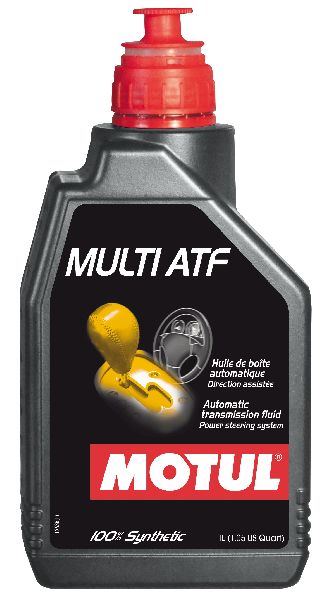
- Toyota World Standard (WS) Automatic Transmission Fluid. Do not use universal or 'multi-vehicle' ATF, as the friction properties are critical for this transmission's performance and longevity.
Aftermarket brands forum-validated for this vehicle:
- Aisin (Often the original OEM manufacturer for Toyota)
- Rostra (Confirmed by owner forums to work as a direct replacement for solenoids).
- Sonnax (Specializes in high-quality valve body repair components and upgraded valves, often used by professional transmission shops).
Brands owners have reported issues with on this vehicle:
- No-name, unbranded solenoid kits from online marketplaces. The quality control is unknown, and the cost of labor to replace a failed aftermarket part a second time far outweighs any initial savings.
Real Owner Stories
Aggregated from forums and TSBs cited above. Mileages and costs reflect what owners reported in those sources.
Toyota Sequoia / Tundra (AB60E/AB60F)
Symptoms: The Check Engine Light came on with code P0766. A fluid change or solenoid replacement would only fix the problem temporarily before the code returned.
What fixed it: The ultimate, permanent repair was the replacement of the entire transmission valve body.
Source hint: vehicle_specific_issues: 'Owner Experience: The Slippery Slope from P0766 to Valve Body Replacement'
2013 Toyota Tundra
Symptoms: Received code P0766. A different owner with similar codes (P0894, P2714) experienced transmission slipping after a temporary fix.
What fixed it: A fluid change provided a temporary fix for two years before the transmission began to slip, which ultimately required a solenoid replacement.
Source hint: TundraTalk Forum: '2013 Transmission code P0766'
Toyota Tundra
Symptoms: Vehicle stored codes P0766 and P0973.
What fixed it: The fix was replacing the 'D' solenoid (S4).
Cost: $200-$200
Source hint: TundraTalk Forum: 'Trans solenoids'
Related OBD-II Codes
Frequently Asked Questions
My Sequoia has both P0766 and P2714 codes. What does this combination usually mean?
I replaced the S4 shift solenoid for P0766, but the Check Engine Light came back. What's the next likely cause?
What specific transmission fluid should I use for a drain-and-fill on my 2008-2022 Sequoia?
What is the correct electrical resistance for the Shift Solenoid 'D' (S4) on the AB60F transmission?
My 'VSC OFF' light is flashing and the transmission won't shift past 3rd gear. Is this a symptom of P0766?
I heard this P0766 issue is common on the Toyota Tundra. Does my Sequoia share the same parts?
Helpful Videos

We Have This Part in Stock

The information in this article is provided for general reference and educational purposes only. Vehicle specifications, procedures, and part compatibility can vary by production date, trim level, and region. Always consult your vehicle's factory service manual and verify part numbers before purchasing or performing repairs. Safety-critical components such as airbags, seat belts, and braking systems should be installed by a qualified professional.
- Toyota Sequoia:
- 🧭 Diagnostic Flowchart
- 🎬 Helpful Videos
- 🛍️ Shop This Part
- What's Unique About the 2008-2022 Toyota Sequoia
- Symptoms You May Notice
- Most Likely Causes
- Rare But Worth Checking
- Diagnosis Steps
- Parts You'll Likely Need
- Related Codes That Often Appear With This One
- Technical Service Bulletins (TSBs) & Recalls
- Platform-Specific Known Issues
- Mechanic-Grade Diagnostic Values
- Scan Tool Commands That Help
- Wiring & Ground Locations
- Real Owner Repair Stories
- "I Checked Everything" — The Actual Cause
- OEM Part Supersession History
- Model Year Variations Within This Range
- Other Known Issues on This Vehicle
- Used vs. New Parts: Buying Guide for This Vehicle
- Real Owner Stories
- Toyota Sequoia / Tundra (AB60E/AB60F)
- 2013 Toyota Tundra
- Toyota Tundra
- Related OBD-II Codes
- Frequently Asked Questions
- 🎟️ Get 5% Off