

P0873 on 2011-2016 Hyundai Elantra: Transmission Pressure Sensor 'C' Circuit High Causes and Fixes
On a 2011-2016 Elantra, P0873 usually points to a failed transmission fluid pressure switch or a faulty internal wiring harness. The fix involves dropping the transmission pan to replace the harness assembly, which contains the switches. Expect a moderate DIY difficulty (3/5) or a shop cost of $400-$700.
- P0873 on a 2011-2016 Elantra is a serious code indicating a transmission problem that should be addressed promptly.
- The most likely cause is not just a bad sensor, but a failing internal transmission wire harness that has become brittle with age.
- The fix requires removing the transmission oil pan to replace the harness assembly.
- Always use transmission fluid that meets Hyundai's SP-IV specification to avoid causing new problems.
- Due to the need to work inside the transmission, this repair is best left to experienced DIYers or a professional shop.
What's Unique About the 2011-2016 Hyundai Elantra
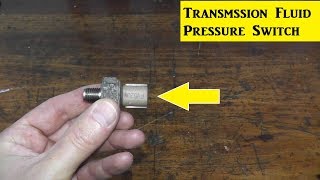
The 6-speed automatic transmission in the fifth-generation (2011-2016) Elantra, known as the A6GF1, is known for issues related to its internal wiring harness. Over time, the plastic and wiring inside the transmission become brittle from constant exposure to heat and transmission fluid. This brittleness can lead to cracks and electrical faults, such as the 'circuit high' error seen with P0873. While a single pressure switch might be the root cause, it is often the entire harness assembly that has degraded. 🎬 Watch: How to replace the transmission fluid pressure switch and harness. For this reason, replacing the complete internal harness (which includes the pressure switches and the transmission fluid temperature sensor) is the common and comprehensive fix for this code.
Symptoms You May Notice
- Harsh, erratic, or delayed gear shifting.
- Transmission getting stuck in a single gear (limp mode), often 3rd or 4th gear.
- Check Engine Light is illuminated.
- Transmission warning light may be on.
- Increased fuel consumption.
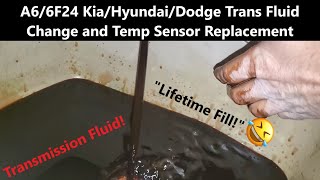
- Noticeable burning smell from the transmission fluid. 🎬 See how to fix erratic shifting and replace the temp sensor.
- Replacing only a single solenoid when the underlying issue is the entire wire harness.
- Condemning the entire transmission without first inspecting the relatively inexpensive wire harness.
- Replacing the TCM without first diagnosing the wiring and sensor circuits.
- Mistaking a wiring short-to-power for a failed sensor.
Most Likely Causes
- Faulty Internal Transmission Wire Harness 🔴 High Probability → Shop Transmission Assembly The harness inside the A6GF1 transmission is a high-failure component, exposed to constant heat and fluid, causing it to become brittle and fail over time, leading to short circuits or open circuits.
How to confirm: After removing the transmission pan, visually inspect the harness for cracks, brittleness, or signs of damage. The plastic connectors and wiring will often be visibly degraded. This is often diagnosed after confirming the external circuit is okay.
Typical fix: Replace the entire internal transmission wire harness assembly. This part typically includes all the pressure switches and the temperature sensor.
Est. part cost: $150-$250 - Failed Transmission Fluid Pressure Switch 🟡 Medium Probability → Shop Transmission Assembly The pressure switch is part of the harness that fails. While the switch itself can fail, the failure is often tied to the harness's degradation. On 2013+ models, the sensor is integrated into the harness and cannot be replaced separately.
How to confirm: This is difficult to test in isolation without specialized tools. It is typically replaced as part of the wire harness assembly.
Typical fix: Replace the pressure switch. On this vehicle, it is integrated into the main internal wire harness, so the entire harness is replaced.
Est. part cost: $150-$250 (for the full harness) - Low or Dirty Transmission Fluid ⚪ Low Probability → Shop Transmission Assembly
How to confirm: Check the transmission fluid level and condition according to the manufacturer's procedure. The fluid should be red and clear, not brown, black, or burnt-smelling. The A6GF1 transmission does not have a dipstick, so checking requires removing a fill plug on the side of the case.
Typical fix: Perform a transmission fluid drain-and-fill using Hyundai-specific SP-IV fluid. If the fluid is very contaminated, a flush may be needed, but this can sometimes cause more issues on high-mileage transmissions.
Est. part cost: $50-$100 - External Wiring or Connector Issue ⚪ Low Probability
How to confirm: Inspect the wiring harness leading to the transmission for any visible damage, corrosion, or loose connections. Use a multimeter to check for a short-to-power on the signal wire for the 'C' pressure switch. If the signal wire shows battery voltage with the sensor disconnected, the fault is in the external harness.
Typical fix: Repair the damaged section of the wiring harness or clean/replace the connector pins.
Est. part cost: $10-$50
Rare But Worth Checking
- Faulty Transmission Control Module (TCM): → Shop Transmission Assembly A faulty TCM is rare but possible. This should only be considered after all other possibilities, including sensors and all wiring, have been thoroughly ruled out.
- Internal Mechanical Failure: A problem within the valve body (e.g., a stuck reducing valve) or with a transmission pump could cause legitimate high-pressure readings. This would likely be accompanied by other symptoms like noises or more severe shifting problems. Valve body bores are known to wear on these units.
Diagnosis Steps
- Check the transmission fluid level and condition. Ensure it is at the correct level and not burnt or contaminated. This requires raising the vehicle and removing the fill plug.
- Scan the TCM for any other transmission-related codes to get a more complete picture of the fault.
- Inspect the main transmission electrical connector and external wiring for any signs of damage, corrosion, or fluid intrusion.
- Perform an electrical test on the external harness: Disconnect the sensor, turn the key on, and measure the voltage on the signal wire. If it remains high (near battery voltage), there is a short-to-power in the external wiring that must be repaired.
- If external wiring is intact, the next step is to gain access to the internal components.
- Safely raise and support the vehicle, then drain the transmission fluid and remove the transmission oil pan (side cover on the A6GF1).
- Visually inspect the internal wire harness that is attached to the valve body. Look for brittle plastic, cracked wires, or any obvious signs of damage.
- Given the high failure rate of this part, if the harness appears old or brittle, replacement is the most logical step.
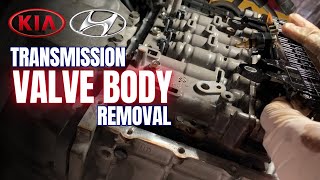
- For 2013+ models, the harness is a one-piece design that includes the temp sensor and requires valve body removal for installation. 🎬 Watch this walkthrough for removing the valve body and harness.
- Replace the internal wire harness, install a new pan gasket, reinstall the pan, and refill with the correct type and amount of Hyundai SP-IV specification transmission fluid.
Parts You'll Likely Need
- Transmission Wire Harness Assembly
(OEM #46307-3B650)— This is the most common point of failure for this code on this vehicle. The harness includes the pressure switches and temperature sensor, and replacing it as a unit resolves the common issue of brittle wiring. This part number supersedes previous versions like 46307-3B610 and 46307-3B620.
Trusted brands: Hyundai Genuine Parts, Kia Genuine Parts, Transtar D102446A
OEM price range: $140-$250
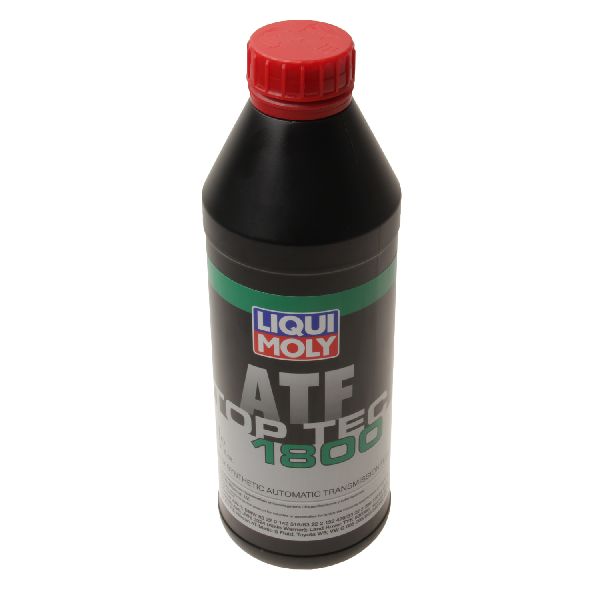
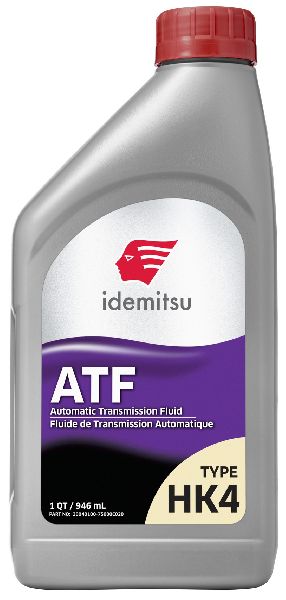
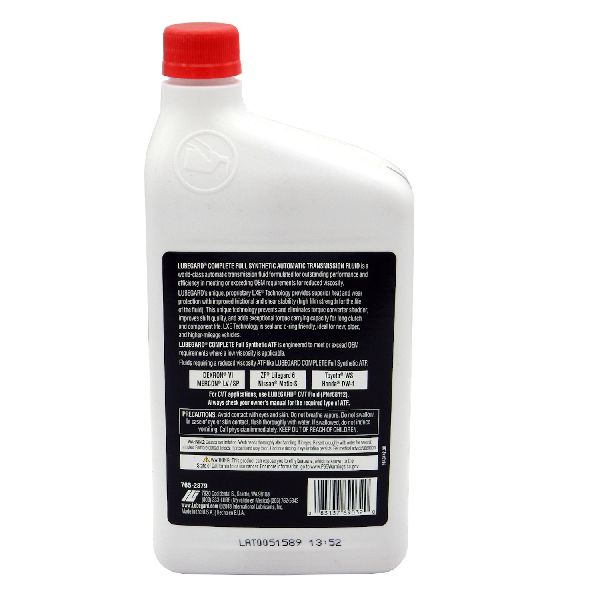
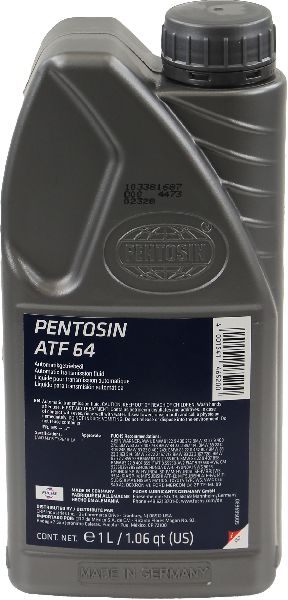
Aftermarket price range: $100-$190 - Automatic Transmission Fluid — The fluid must be drained to perform the repair and must be replaced with fluid that meets Hyundai's SP-IV specification. Approximately 4-5 quarts are needed for a pan drop.
Trusted brands: Hyundai/Kia Genuine SP-IV, Idemitsu H-Plus, Valvoline MaxLife Full Synthetic Multi-Vehicle ATF
OEM price range: $15-$25 per quart
Aftermarket price range: $8-$15 per quart - Transmission Pan Gasket
(OEM #45285-3B700)— The gasket for the side pan should be replaced to prevent leaks after the service.
Trusted brands: Hyundai Genuine Parts
OEM price range: $20-$40
Aftermarket price range: $10-$25
Related Codes That Often Appear With This One
- P0872 — This code is for 'Transmission Fluid Pressure Sensor/Switch 'C' Circuit Low'. Seeing both high and low circuit codes can point to an intermittent connection or a failing sensor/harness.
- P0711 — This code relates to the Transmission Fluid Temperature Sensor. Since this sensor is part of the same internal wire harness, its failure is often linked to the failure of the pressure switch circuits. A TSB (13-AT-012-1) was issued for this code, often requiring the updated harness.
- P0712 / P0713 — These are codes for the Transmission Fluid Temperature Sensor circuit low/high respectively. Like P0711, they point towards the failure of the integrated harness assembly.
Technical Service Bulletins (TSBs) & Recalls
- While no TSB is specifically for P0873, Hyundai TSB 14-AT-010 addresses related code P0711 (Transmission Fluid Temperature Sensor) on these transmissions, for which the fix is often replacing the same internal wiring harness.
Platform-Specific Known Issues
- The internal transmission wire harness on the A6GF1 6-speed automatic transmission is a known weak point, frequently becoming brittle and causing various electrical and shifting issues.
Mechanic-Grade Diagnostic Values
- Transmission Fluid Pressure Sensor (TFPS) Signal Voltage — expected: Approx. 0.5V (low pressure) to 4.5V (high pressure) with Key On.. Failure: A reading stuck at or near 5.0V indicates a 'Circuit High' fault.
- TFPS Reference Voltage at Connector — expected: Approx. 5.0V with Key On, Engine Off.. Failure: Significantly lower or no voltage indicates a problem with the TCM or wiring.
- Valve Body Solenoid Resistance (VFS type) — expected: Approx. 5.3 ohms.. Failure: A reading that is significantly higher (open) or lower (short) indicates a failed solenoid. This is tested on the harness pins inside the pan.
- Valve Body Solenoid Resistance (On/Off type) — expected: Approx. 10.0 to 11.0 ohms.. Failure: A reading outside this range indicates a failed solenoid. This is tested on the harness pins inside the pan.
Scan Tool Commands That Help
- Hyundai GDS (Global Diagnostic System): Reset Adaptive Values — After replacing the wiring harness or other major transmission components, this function should be used to clear the learned shift adaptations from the TCM.
- Hyundai GDS (or capable high-end scanner): Drive Relearn Procedure — Following a repair and resetting adaptations, this procedure teaches the TCM the new characteristics of the transmission. It involves accelerating gently (15-20% throttle) through all gears multiple times.
- Hyundai GDS: Flight Record / Trigger Module — For diagnosing intermittent electrical faults. This function records sensor data during a drive cycle, which can be reviewed later to pinpoint when the 'Circuit High' condition occurs.
Wiring & Ground Locations
- Transmission Control Module (TCM) — Located in the left rear of the engine compartment.. The TCM provides the 5V reference voltage to the sensor and interprets the return signal. All external wiring for the sensor circuit terminates here.
- Main Transmission Connector — On the exterior of the transmission case, generally below the air intake box assembly.. This is the primary point for testing the external wiring harness. A 'circuit high' reading here with the sensor disconnected points to a short in the harness between this connector and the TCM.
Real Owner Repair Stories
- YouTube channel 'MR TALENTED REID' (Hyundai Elantra (year not specified, but within the generation)) — Harsh gear engagement and shifting, Check Engine Light with codes P0711 and P0713.
❌ Tried (didn't work) The owner drove with the issue for a year or two before attempting the fix.
✅ What actually fixed it The user replaced the internal transmission wiring harness, which also contains the transmission fluid temperature sensor. Before the fix, his scanner read -34°F; after replacing the harness, the temperature read normally and the harsh shifting was gone. This is relevant because the pressure switches that cause P0873 are part of the same failure-prone harness.
OEM Part Supersession History
46307-3B610, 46307-3B620→46307-3B650— The part was updated to improve durability and address the common failure of the wiring becoming brittle.
Model Year Variations Within This Range
- 2013+: According to Hyundai TSB 13-AT-012-1, on some models starting around 2013 (including Elantra MD), the transmission oil temperature sensor is integrated into the harness and is not available as a separate part. This supports the observation that later models use a one-piece harness design that must be replaced as a complete assembly.
Diagnostic Flowchart
Other Known Issues on This Vehicle
Issues unrelated to this code that are worth knowing about as an owner of this generation:
- Engine Ticking / Piston Slap (1.8L Nu Engine) 🔴 High — Common issue, can start as early as 60,000 miles. Leads to ticking noise on startup that may quiet down as the engine warms up. Can progress to oil consumption, sludge, and eventual engine failure. (Ref: A class-action lawsuit settlement extended the powertrain warranty for the engine short block to 10 years / 120,000 miles for qualifying vehicles, covering damage from piston scuffing.)
- Steering Column Click/Clunk (MDPS Coupler Failure) 🟠 Medium — Extremely common. A clicking or clunking noise develops in the steering column when turning the wheel, caused by the disintegration of a small, inexpensive rubber coupler in the electronic power steering motor. (Ref: Hyundai issued a warranty extension (TXX7 / TSB 17-ST-002) to cover the replacement of the flexible coupler for 10 years / 100,000 miles on 2011-2015 Elantra models.)
- Peeling White Paint 🟡 Low — Widespread issue, particularly on vehicles with 'Quartz White Pearl' paint. The paint can bubble and peel off in large sheets, often starting on the roof and hood. (Ref: Hyundai extended the paint warranty for this issue (Campaign Z05) to 10 years with unlimited miles for affected vehicles, including the 2015-2016 Elantra.)
Used vs. New Parts: Buying Guide for This Vehicle
When a used part is the smart pick: For this specific repair, a used part is NOT recommended. The primary cause of failure is the wiring harness plastic becoming brittle due to age and heat cycles. A used part from a donor vehicle will have experienced similar conditions and is highly likely to fail soon after installation, if not already faulty.
What to inspect on the donor part:
- Not applicable, as a used harness should be avoided.
OEM-only on this vehicle (don't cheap out):
- Internal Transmission Wire Harness (46307-3B650)
Brands owners have reported issues with on this vehicle:
- Unnamed, low-cost online marketplace brands without a warranty or track record in transmission components.
Real Owner Stories
Aggregated from forums and TSBs cited above. Mileages and costs reflect what owners reported in those sources.
2013 Elantra GLS
Symptoms: Owner experienced harsh shifting and had both P0873 and P0713 codes stored.
What fixed it: Discussion among other owners pointed to the internal wiring harness as the likely culprit requiring replacement.
Source hint: Hyundai-Forums.com thread titled '2013 elantra gls transmission issue p0713 p0873'
Related OBD-II Codes
Frequently Asked Questions
What is the most common cause of code P0873 on my 2011-2016 Hyundai Elantra?
Can I just replace the transmission fluid pressure switch instead of the whole harness?
Is the repair different for my 2013 Elantra compared to an earlier model?
How do I check the transmission fluid level on my Elantra?
Is there a specific TSB from Hyundai that addresses the P0873 code?
What type of transmission fluid should I use when refilling after the repair?
My Kia Forte has the same symptoms and transmission. Is it the same problem?
Helpful Videos
We Have This Part in Stock


The information in this article is provided for general reference and educational purposes only. Vehicle specifications, procedures, and part compatibility can vary by production date, trim level, and region. Always consult your vehicle's factory service manual and verify part numbers before purchasing or performing repairs. Safety-critical components such as airbags, seat belts, and braking systems should be installed by a qualified professional.
- Hyundai Elantra:
- 🧭 Diagnostic Flowchart
- 🎬 Helpful Videos
- 🛍️ Shop This Part
- What's Unique About the 2011-2016 Hyundai Elantra
- Symptoms You May Notice
- Most Likely Causes
- Rare But Worth Checking
- Diagnosis Steps
- Parts You'll Likely Need
- Related Codes That Often Appear With This One
- Technical Service Bulletins (TSBs) & Recalls
- Platform-Specific Known Issues
- Mechanic-Grade Diagnostic Values
- Scan Tool Commands That Help
- Wiring & Ground Locations
- Real Owner Repair Stories
- OEM Part Supersession History
- Model Year Variations Within This Range
- Other Known Issues on This Vehicle
- Used vs. New Parts: Buying Guide for This Vehicle
- Real Owner Stories
- 2013 Elantra GLS
- Related OBD-II Codes
- Frequently Asked Questions
- 🎟️ Get 5% Off