

P1004 on 2007-2008 Chrysler Pacifica 4.0L: Short Runner Valve Causes and Fixes
On a 2007-2008 Pacifica 4.0L, code P1004 is most often caused by either outdated powertrain software or a failed Short Runner Valve (SRV) actuator. First, check if TSB 18-003-07 Rev. A applies for a software update, especially for vehicles built before early 2007. If the software is current, the SRV actuator is the likely part to replace. Before replacing, remove the actuator and manually check that the intake runner linkage moves freely. An OEM replacement part (4593676AC) costs around $330-$37
- For a 2007 Pacifica, first check if your vehicle was built before Feb 5, 2007. If so, a dealership software update (TSB 18-003-07 Rev. A) is the most likely fix.
- If the software update doesn't apply or doesn't work, the Short Runner Valve (SRV) actuator is the next most common failure. It's a simple replacement with four 10mm bolts and one electrical connector.
- Before buying a new actuator, remove the old one and check if the flaps inside the intake manifold are stuck. If they don't move smoothly, the entire intake manifold may need cleaning or replacement.
- The correct OEM part number for the SRV actuator is 4593676AC, which supersedes 4593676AB.
What's Unique About the 2007-2008 Chrysler Pacifica
For the 2007 Pacifica 4.0L specifically, this code is the subject of a Technical Service Bulletin (TSB 18-003-07 Rev. A). This TSB notes that for vehicles built before February 5, 2007, the primary cause is often a software calibration issue, not a hardware failure. A dealership must perform this software update before replacing any parts. Therefore, unlike on many other vehicles where the actuator is immediately replaced, the first diagnostic step for an eligible Pacifica 🎬 Watch: A professional mechanic's guide to diagnosing the P1004 code. is a potential PCM software update.
Symptoms You May Notice
- Check Engine Light illuminated
- Reduced engine power, especially when accelerating or at high RPM
- Engine hesitation
- Rough or unstable idle
- Decreased fuel economy
- In some cases, a ticking noise from the engine bay that is resolved by replacing the actuator.
- Replacing the SRV actuator on an eligible vehicle without first checking for the PCM software update specified in TSB 18-003-07 Rev. A. This can lead to the new part failing to fix the code.
- Replacing the entire intake manifold when only the SRV actuator has failed. It is crucial to test the runner linkage movement manually before condemning the manifold.
Most Likely Causes
- Outdated Powertrain Control Module (PCM) Software 🔴 High Probability → Shop Engine Control Module (ECM) Specifically addressed by Chrysler TSB 18-003-07 Rev. A for 2007 models built before 02/05/2007. The original software calibration was too sensitive and could set the P1004 code intermittently even with a functional SRV system.
How to confirm: A Chrysler dealership or a qualified shop with access to OEM software (wiTECH) must check the vehicle's current software calibration against the TSB. The vehicle's build date is on the driver's side door jamb sticker. The dealer cost for a reflash can range from $100 to $250.
Typical fix: Reprogramming (flashing) the PCM with the updated software.
Est. part cost: $0 - Failed Short Runner Valve (SRV) Actuator 🔴 High Probability → Shop Engine Intake Manifold The actuator motor is a common failure point across many Chrysler products using this engine family due to internal wear or electrical failure.
How to confirm: After ruling out the TSB, remove the actuator (four 10mm bolts). Manually check if the intake runner linkage moves freely. If it does, the actuator is the prime suspect. It can be bench-tested by applying 12V power and ground to the appropriate pins to see if the motor operates. With the connector clip facing up, the left pin is ground and the right pin is positive.
Typical fix: Replace the Short Runner Valve actuator.
Est. part cost: $330-$520 - Sticking Intake Manifold Runner Flaps 🟡 Medium Probability → Shop Engine Intake Manifold Carbon and oil deposits from the PCV system can accumulate in the intake manifold over time, causing the plastic runner flaps to bind. This prevents the actuator from moving them through their full range of motion.
How to confirm: Remove the SRV actuator. Attempt to move the exposed runner linkage by hand. It should rotate smoothly with minimal resistance. If it is stuck, binds, or feels gritty, the problem is internal to the manifold. Some mechanics note it should feel smooth, not hard to turn.
Typical fix: In severe cases, the entire intake manifold assembly must be replaced. Some success has been reported by cleaning the runners with specialized intake cleaning chemicals, but this is often a temporary fix as the carbon buildup returns.
Est. part cost: $500-$800 for a new manifold assembly
Rare But Worth Checking
- Damaged Wiring or Electrical Connector: While less common than actuator failure, the wiring harness leading to the SRV actuator can become brittle or damaged, causing an intermittent connection. Always inspect the connector and nearby wiring for signs of chafing, corrosion, or broken wires before replacing parts.
Diagnosis Steps
- Check the vehicle's build date on the driver's side door jamb. If it was built before February 5, 2007, contact a Chrysler dealer to see if TSB 18-003-07 Rev. A (PCM reflash) has been performed or is applicable. This should be your first step.
- If the TSB does not apply or has already been performed, locate the Short Runner Valve (SRV) actuator on the driver's side of the upper intake manifold. It is held on by four 10mm bolts.
- Inspect the electrical connector and wiring going to the actuator for any visible damage, corrosion, or loose connections. The red locking tab must be pulled back before depressing the release clip.
- Remove the four 10mm bolts holding the SRV actuator to the intake manifold and pull the actuator straight out. An extension may be needed for the bottom bolt. 🎬 Watch this step-by-step walkthrough for replacing the runner valve.
- With the actuator removed, use your fingers to gently try and rotate the plastic linkage on the intake manifold that the actuator engages with. It should move smoothly through its range of motion. If it is stuck or binding, the intake manifold is faulty and needs cleaning or replacement.
- If the linkage moves freely, the SRV actuator is the most likely cause. You can bench test the actuator by applying 12V to its pins to confirm it actuates.
- Replace the SRV actuator. Be sure to transfer the old o-ring or use the new one supplied with the part. Lubricating the o-ring with a little engine oil can help it seal properly.
- Clear the code with a scanner and perform a drive cycle to confirm the fix. The car must complete certain drive cycles for all monitors to be ready.
Parts You'll Likely Need
- Short Runner Valve (SRV) Actuator
(OEM #4593676AC)— This is the electric motor that controls the intake runner flaps. It is the most common hardware failure for code P1004 after the software TSB has been ruled out.
Trusted brands: Mopar, Dorman (P/N: 911-907)
OEM price range: $331-$370.
Aftermarket price range: $50-$150
Technical Service Bulletins (TSBs) & Recalls
- 18-003-07 REV. A - Flash: MIL Illumination DTC P1004 - Short Runner Valve Performance.
- Bulletin #9001645 - This manufacturer bulletin explicitly cautions technicians not to replace the intake manifold for a short runner valve (SRV) fault such as P1004, P2008, P2016, or P2017, advising instead to follow specific service procedures to investigate the actuator.
Platform-Specific Known Issues
- Chrysler issued TSB 18-003-07 Rev. A, which states that for 2007 Pacifica 4.0L models built before February 5, 2007, a PCM software update is the primary fix for a P1004 code.
- A user on ChryslerForum.com with a 2007 Pacifica 4.0L reported being quoted $1200 by a dealer to replace the plenum manifold and actuator for a P1004 code, highlighting the importance of diagnosing the TSB first.
Mechanic-Grade Diagnostic Values
- SRV Actuator PWM Feedback Signal (via Scan Tool) — expected: De-energized: 50% (+/- 2%), Energized: 80% (+/- 2%). Failure: Readings outside of these ranges indicate a faulty actuator or circuit issue.
- SRV Control Circuit Resistance — expected: Below 5.0 ohms. Failure: Resistance above 5.0 ohms indicates an open or high resistance in the control circuit wiring between the PCM and the actuator.
- ASD Relay Output Circuit Voltage at SRV Connector — expected: Bright illumination on a 12V test light connected to ground.. Failure: A dim or non-illuminated test light indicates an open or high resistance in the ASD relay output circuit.
Scan Tool Commands That Help
- Chrysler wiTECH or equivalent professional scan tool: SRV Solenoid Control State — This bidirectional control allows a technician to command the SRV actuator on and off to verify its mechanical operation and test the control circuit. The test may not be allowed by the PCM if the DTC is active, so clearing codes first may be necessary.
- Chrysler wiTECH or equivalent professional scan tool: Auto Shutdown (ASD) Relay Control State — This command is used to verify that the power supply circuit to the SRV actuator is functioning correctly. By actuating the ASD relay, you can check for proper voltage at the SRV harness connector.
Wiring & Ground Locations
- G100 — Left front of the engine compartment, connecting the battery negative cable to the chassis.. A poor main chassis ground can cause a variety of unpredictable electrical issues, including faulty sensor readings and incorrect actuator performance.
- G101 — Lower left side of the engine block.. This is a primary engine block ground. A bad connection here can affect the grounding of components mounted to the engine.
- G102 — Left side of the engine compartment.. Provides a ground path for various components in the engine bay. Ensuring it is clean and tight is part of good diagnostic practice for any electrical fault.
- SRV Actuator Connector — On the SRV actuator, driver's side of the upper intake manifold.. The connector has pins for the ASD Relay Output (power), the SRV Control circuit (from PCM), and potentially signal/ground circuits. Testing for power, ground, and control signal happens at this connector.
Real Owner Repair Stories
- YouTube channel 'DC Auto Enhancement' (2010 Dodge Charger (LX Platform, similar 3.5L/4.0L engine family)) — Check Engine Light with code P1004. Owner also noted a ticking noise they hoped would be resolved.
❌ Tried (didn't work) The owner went straight to component replacement based on the code.
✅ What actually fixed it The owner replaced the original SRV actuator with a used one from a junkyard. After clearing the codes and completing the drive cycles, the P1004 code did not return.
Documented NHTSA Reports
- An owner reported in NHTSA ODI #10549606 that their check engine light was on for a P1004 code involving the intake short runner control valve actuator, noting that a TSB exists for what they described as a faulty part acknowledged by the manufacturer.
- NHTSA ODI #10281479 describes a vehicle with 45,000 miles that failed emissions testing due to a P1004 code, which the owner identified as a known problem with an associated TSB.
OEM Part Supersession History
4593676AB→4593676AC— Standard part revision by the manufacturer, likely for improved durability or minor design changes.
Heads up: The parts are interchangeable. 4593676AC is the correct current replacement for the original 4593676AB.
Model Year Variations Within This Range
- 2007 (built before 02/05/2007): These vehicles are subject to TSB 18-003-07 Rev. A, which calls for a PCM software reflash as the primary fix for P1004, before any parts are replaced. Vehicles built after this date have the updated software from the factory.
Diagnostic Flowchart
Other Known Issues on This Vehicle
Issues unrelated to this code that are worth knowing about as an owner of this generation:
- Engine Cradle / Subframe Corrosion 🔴 High — Very common on vehicles operated in 'salt belt' states. Can become structurally unsafe, potentially allowing the engine to shift or detach. (Ref: A class-action lawsuit was filed covering 2004-2008 models. Chrysler issued limited warranty extensions and TSBs, but they were restricted to very specific build dates and regions, leaving many owners without coverage.)
- 62TE Automatic Transmission Failure 🔴 High — Common between 80,000 and 120,000 miles. Symptoms include shuddering, harsh/erratic shifting, delayed engagement, and entering 'limp mode'. (Ref: No specific recall, but numerous TSBs exist for various shift quality complaints. Common failure points are the solenoid pack/valve body and the torque converter.)
- Engine Stalling While Driving 🔴 High — Multiple owner complaints filed with NHTSA and on forums for the engine shutting off intermittently while driving, often without warning. Onset can occur at various mileages. (Ref: No specific recall. Anecdotal fixes point to issues like corroded ground wires or faulty PCM, but diagnosis can be difficult as the problem is often intermittent.)
- Engine Oil Consumption / Ticking Noise 🟠 Medium — Some owners report excessive oil consumption and engine ticking or knocking noises, sometimes leading to premature engine failure. (Ref: No specific recall. The 4.0L is an interference engine, so a timing belt failure can cause catastrophic damage.)
Used vs. New Parts: Buying Guide for This Vehicle
When a used part is the smart pick: A used OEM actuator from a junkyard can be a cost-effective solution if the failure is confirmed to be the actuator itself and not stuck runners or a software issue. Given the high cost of a new OEM part, a used part is a reasonable gamble for a DIY repair.
Donor-vehicle mileage cap: roughly under 80000 miles for the part to have meaningful remaining life.
What to inspect on the donor part:
- Check for physical damage to the housing or electrical connector.
- If possible, find a donor vehicle with lower mileage.
- Ask the seller if they offer a short warranty or return period in case the part is dead on arrival.
- Attempt to manually move the gear on the actuator; it should have some smooth resistance but not be seized.
OEM-only on this vehicle (don't cheap out):
- Powertrain Control Module (PCM) - Used PCMs often have VIN-locking issues and require dealer programming, making a properly sourced new or remanufactured unit a safer bet.
Aftermarket brands forum-validated for this vehicle:
- Dorman (P/N: 911-907) is a widely available aftermarket alternative, though long-term reliability compared to OEM is not well-documented in forums.
Brands owners have reported issues with on this vehicle:
- No-name, unbranded parts sold on marketplaces at exceptionally low prices may have a higher failure rate.
Real Owner Stories
Aggregated from forums and TSBs cited above. Mileages and costs reflect what owners reported in those sources.
2007 Chrysler Pacifica 4.0L V6
Symptoms: Check Engine Light was on with a P1004 code.
What fixed it: The owner was advised by a technician on the forum to inquire about the PCM software update (TSB 18-003-07 Rev. A) before proceeding with the expensive repair quoted by the dealership.
Cost: $1200 (quoted by dealer for manifold and actuator replacement)
Source hint: ChryslerForum.com - Thread 'Pacifica 2007- Plenum Manifold and Actuator'
Chrysler with 4.0L V6 engine
Symptoms: Vehicle had a P1004 trouble code.
What fixed it: The owner confirmed that replacing the front actuator (the Short Runner Valve actuator) successfully fixed the P1004 code.
Source hint: Reddit r/Chrysler300 - Thread 'P1004'
Related OBD-II Codes
Frequently Asked Questions
I have a 2007 Pacifica 4.0L with code P1004. Is there a TSB or recall for this?
How do I know if the TSB for P1004 applies to my specific Pacifica?
My dealer quoted me $1200 to replace the intake manifold for P1004. Is that necessary?
If the PCM software update doesn't fix the P1004 code, what's the next most likely cause?
How can I test if my SRV actuator or the intake manifold is the problem?
Is the P1004 code a common problem on other vehicles besides the Pacifica?
Helpful Videos


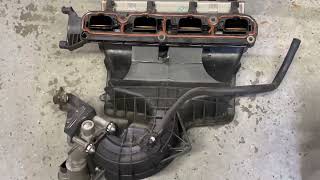
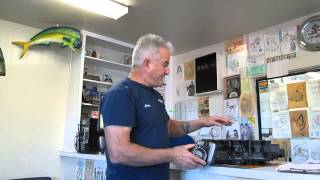
Used OEM Parts in Stock
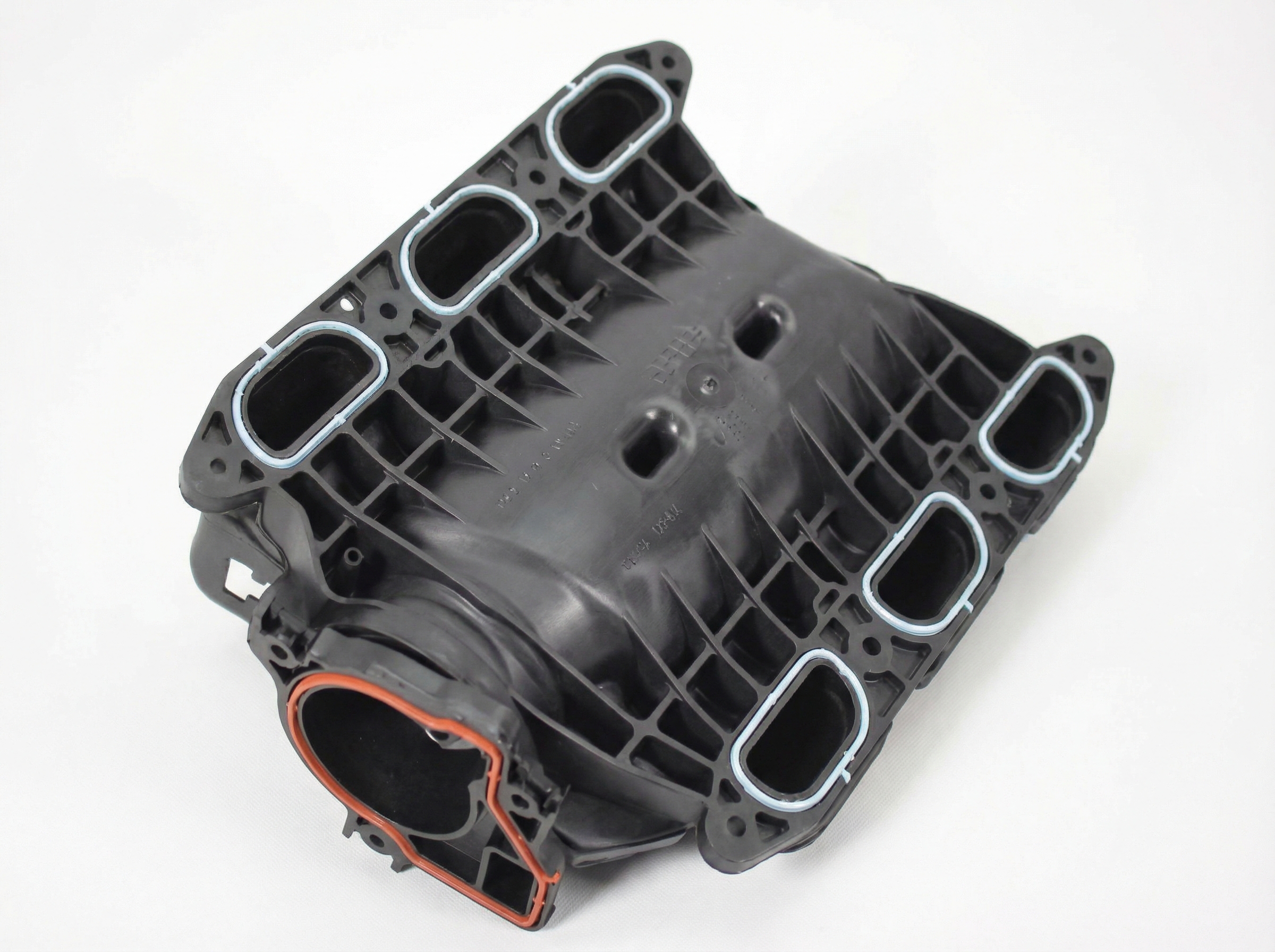
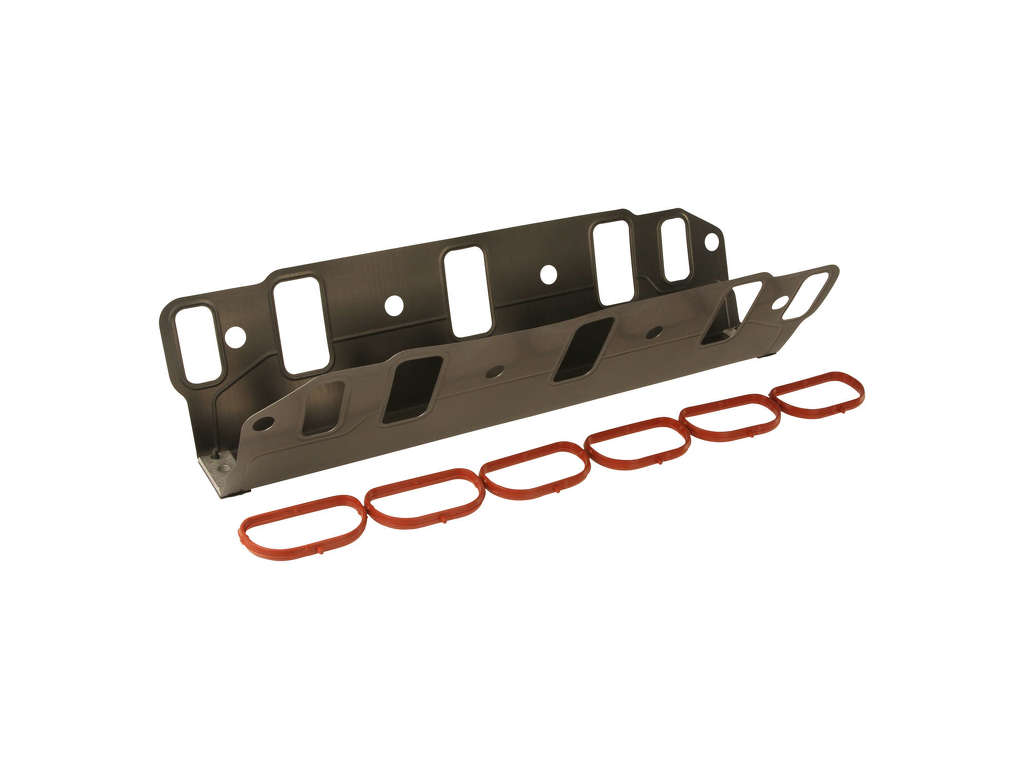
New Aftermarket Parts Available

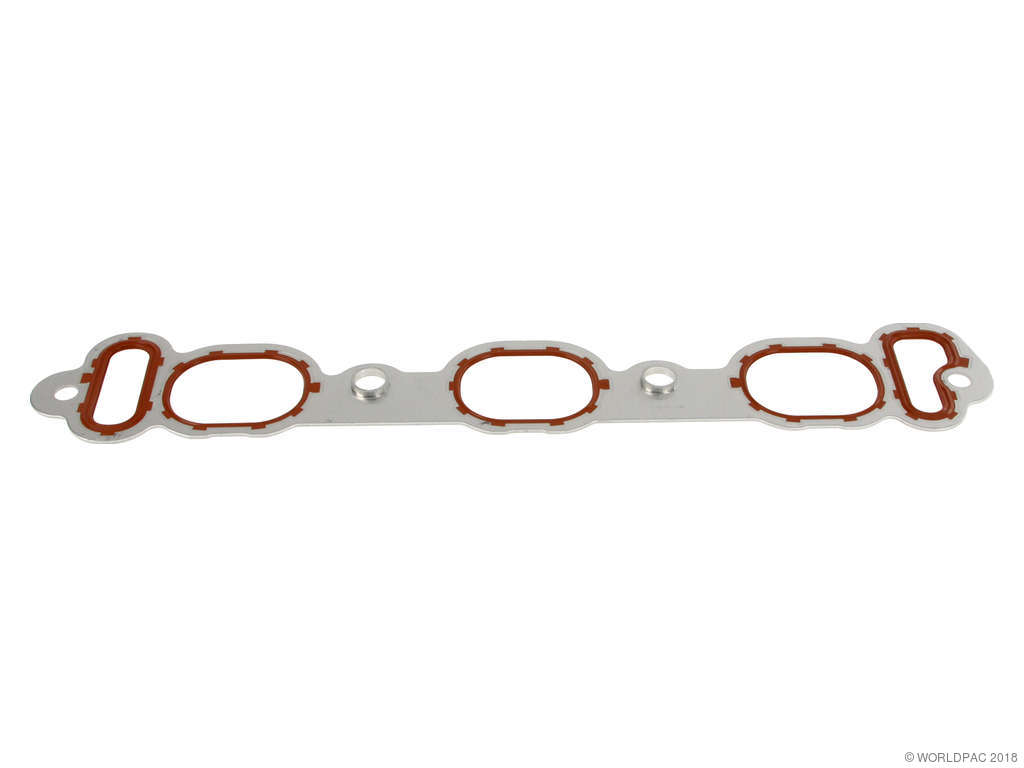

The information in this article is provided for general reference and educational purposes only. Vehicle specifications, procedures, and part compatibility can vary by production date, trim level, and region. Always consult your vehicle's factory service manual and verify part numbers before purchasing or performing repairs. Safety-critical components such as airbags, seat belts, and braking systems should be installed by a qualified professional.
- Chrysler Pacifica:
- 🧭 Diagnostic Flowchart
- 🎬 Helpful Videos
- 🛍️ Shop This Part
- What's Unique About the 2007-2008 Chrysler Pacifica
- Symptoms You May Notice
- Most Likely Causes
- Rare But Worth Checking
- Diagnosis Steps
- Parts You'll Likely Need
- Technical Service Bulletins (TSBs) & Recalls
- Platform-Specific Known Issues
- Mechanic-Grade Diagnostic Values
- Scan Tool Commands That Help
- Wiring & Ground Locations
- Real Owner Repair Stories
- Documented NHTSA Reports
- OEM Part Supersession History
- Model Year Variations Within This Range
- Other Known Issues on This Vehicle
- Used vs. New Parts: Buying Guide for This Vehicle
- Real Owner Stories
- 2007 Chrysler Pacifica 4.0L V6
- Chrysler with 4.0L V6 engine
- Related OBD-II Codes
- Frequently Asked Questions
- 🎟️ Get 5% Off