

P1530 on 2011-2019 Porsche 911: VarioCam Actuator Fault Causes and Fixes
On a 2011-2019 Porsche 911, code P1530 almost always points to a problem with the Bank 1 (cylinders 1-3, driver's side in US) VarioCam system. The most common fix is replacing the camshaft adjustment solenoid, which can stick or fail electrically. This is often caused by infrequent use or contaminated oil. Expect to pay $220-$500 for the part itself. In rarer cases, the mechanical actuator it controls has failed.
- P1530 on a 911 is a Bank 1 VarioCam (variable timing) fault, not an A/C or ignition issue like on other car brands.
- The most likely culprit is a faulty or stuck camshaft adjustment solenoid. Start your diagnosis here.
- Always check your engine oil level and condition first, as the system is hydraulic and sensitive to oil quality.
- Accessing the solenoid requires removing the rear bumper, taillights, and airbox, making it a moderately difficult DIY job (2+ hours).
- A Porsche-specific scanner that can perform active tests on the solenoid is extremely helpful for accurate diagnosis.
What's Unique About the 2011-2019 Porsche 911
The Porsche 911's VarioCam (and later VarioCam Plus) system is a sophisticated, hydraulically-actuated system critical for performance and emissions. Unlike simpler timing systems, it's highly sensitive to oil quality, pressure, and cleanliness. On the 991 platform, the camshaft adjustment solenoids are located at the top rear of the engine and can often be replaced without a full engine removal, though access requires removing the rear bumper, taillights, engine fans, and airbox. Owners often encounter this code after the car has been sitting for an extended period, which can cause the solenoid to stick. A common piece of advice from Porsche technicians for a sticking solenoid is to "drive it often and drive the snot out of it" before resorting to replacement.
Generation note: This range covers the Porsche 911 991.1 (2011-2016, naturally aspirated Carrera engines) and 991.2 (2017-2019, turbocharged Carrera engines). While the VarioCam system is present on both, the specific design and accessibility of components like the adjustment solenoids may differ slightly. The fundamental causes and diagnostic principles remain the same across both generations. The 991.2 engines, being turbocharged, have more complex plumbing in the engine bay, but are generally considered very reliable. Two workshop campaigns, AMC0 and WF86, involved reprogramming the DME on some 991 models, which can affect engine diagnostics.
Symptoms You May Notice
- Check Engine Light (CEL) is on.
- Rough, lumpy, or uneven engine idle.
- Reduced engine power or hesitation during acceleration.
- Decreased fuel economy; one owner on Rennlist noted a drop from ~25 mpg to ~20 mpg.
- In some cases, no noticeable symptoms other than the CEL.
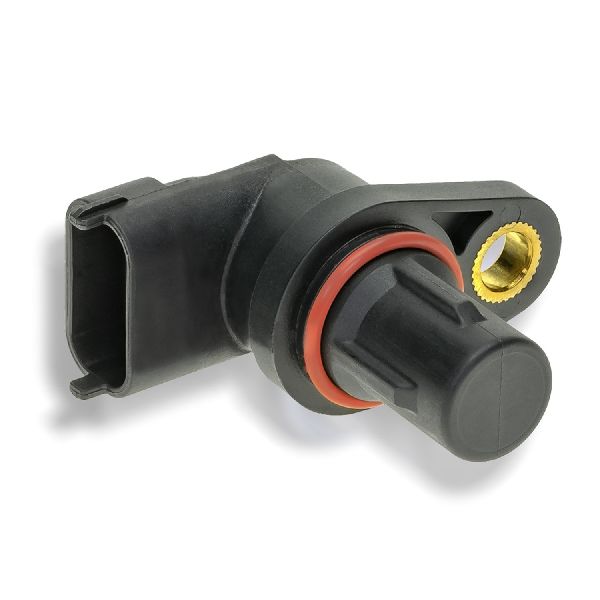
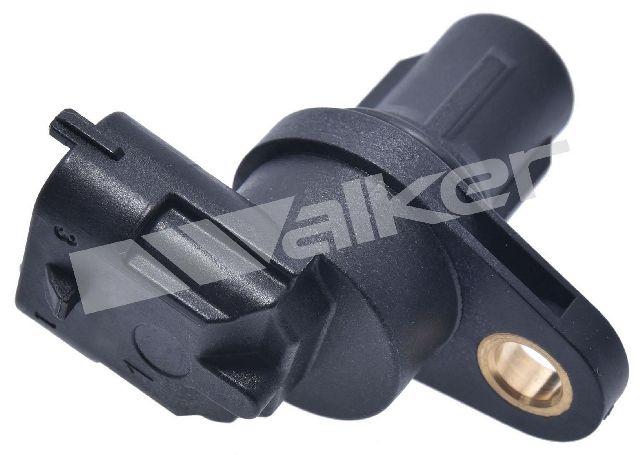
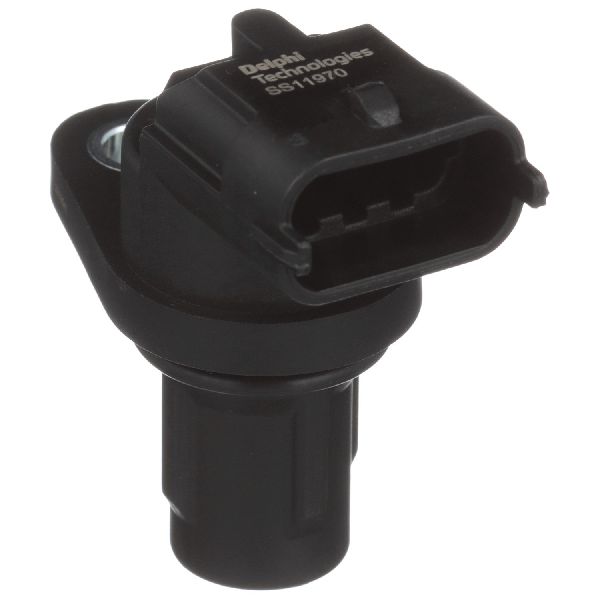
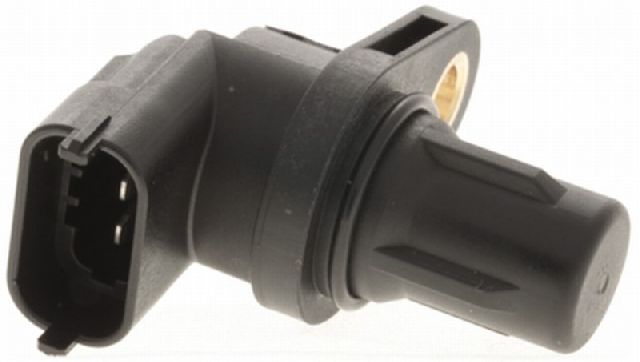
- Replacing the camshaft position sensor. While related to timing, the sensor's job is to report the cam's position. A P1530 code points to a failure in the adjustment *mechanism* (solenoid/actuator), not usually the sensor that measures it. 🎬 Watch: If you still need to replace the sensor, here is how.
Most Likely Causes
- Faulty Camshaft Adjustment Solenoid (Bank 1) 🔴 High Probability → Shop Engine Camshaft The solenoid is an electro-hydraulic part that can stick from infrequent use or become clogged by oil contaminants. Its internal coil can also fail electrically over time, and the fine mesh screens can break off due to heat and vibration. This is a very common failure on Porsches of this era.
How to confirm: Use a Porsche-specific scanner (like Durametric or PIWIS) to activate the Bank 1 solenoid; a lack of change in engine RPM suggests a failure. You can also test the solenoid's resistance with a multimeter (should be around 10-15 Ohms, a user reported 14.1 Ohms on a working one) or by applying a 9V or 12V battery and listening for a distinct click. A very faint click suggests it is failing.
Typical fix: Remove, inspect, and clean the solenoid's mesh screens. If cleaning doesn't work or the screens are damaged/missing, replace the solenoid. The O-ring must be replaced if reinstalling.
Est. part cost: $220-$500 - Low, Dirty, or Incorrect Grade Engine Oil 🟡 Medium Probability The VarioCam system is hydraulic and relies on clean oil at the correct pressure and viscosity to function. Sludge or debris can easily clog the fine mesh screens on the solenoid and actuator, causing about 30% of VVT actuator failures.
How to confirm: Check the engine oil level on the dipstick or via the instrument cluster. Check maintenance records for the last oil change date and the type of oil used. Dark, sludgy oil is a clear indicator.
Typical fix: Perform an oil and filter change using a Porsche-approved synthetic oil (e.g., Mobil 1 0W-40). Some owners have tried using an engine flush product like Liqui-Moly to free a sticking actuator, though with mixed success.
Est. part cost: $100-$200 - Wiring or Connector Issue ⚪ Low Probability The wiring harness to the solenoid is located in a hot, tight area of the engine bay, making it susceptible to heat damage, chafing, or corrosion over time. Wires can become brittle and break.
How to confirm: Visually inspect the wiring and connector leading to the Bank 1 solenoid for any signs of melting, fraying, or corrosion. Use a multimeter to check for continuity from the DME to the solenoid connector. The DME provides the ground signal to activate the solenoid, so one pin should have 12V with the ignition on.
Typical fix: Repair the damaged section of the wiring harness or replace the connector pigtail.
Est. part cost: $20-$100 - Failed VarioCam Actuator (Bank 1) ⚪ Low Probability This is the mechanical unit the solenoid controls. The internal hydraulic plunger can become stuck or seals can fail. One owner on Rennlist found that after replacing a working solenoid, the code persisted. Upon disassembly of the actuator, a ripped green o-ring was found inside the plunger. 🎬 See how to test and rebuild the VarioCam unit yourself.
How to confirm: This is typically diagnosed after replacing the solenoid and verifying wiring is good. A Porsche-specific scanner may show camshaft deviation values that are stuck or slow to respond. One user noted activating the good Bank 2 solenoid caused the engine to die, while activating the faulty Bank 1 solenoid only caused a slight stumble, pointing to a stuck actuator.
Typical fix: This is a much more involved repair that requires removing the cam cover to replace the entire actuator assembly.
Est. part cost: $500-$1000
Rare But Worth Checking
- Faulty DME (Engine Control Module): A failed transistor (driver) within the DME can stop sending the correct ground signal to the solenoid. This is rare but has been documented on older models. If the solenoid and wiring are good, but the solenoid isn't being activated, the DME may be the cause. It can often be repaired by a specialist like ECU Doctors.
Diagnosis Steps
- Read the code with a Porsche-specific OBD-II scanner to confirm P1530 and check for any other related codes.
- Check engine oil level and condition. If low, dirty, or overdue for a change, address this first, clear the codes, and see if the fault returns.
- Using the scanner's live data and active test functions, monitor the desired vs. actual camshaft angle for Bank 1. Command the Bank 1 solenoid to activate and observe the engine's reaction. A healthy solenoid activation should cause a significant drop in RPM or stall the engine at idle.
- Compare this to the behavior of Bank 2. If Bank 1's reaction is weak or non-existent, the problem is on Bank 1.
- If the solenoid does not respond, inspect the electrical connector and wiring harness for visible damage, corrosion, or melting.
- If wiring appears intact, disconnect the connector and test the solenoid. Measure its resistance with a multimeter (should be 10-15 Ohms). Apply a 9V or 12V battery to the solenoid pins and listen for a distinct 'click'. A faint click or no click indicates a bad solenoid.
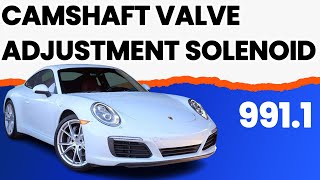
- If the solenoid clicks but the active test fails, remove the solenoid for inspection following a guide like the one from Pelican Parts. 🎬 Watch: This video shows the solenoid replacement process on a 991.1. Check for clogged or damaged mesh screens. Clean if possible, but replacement is often necessary if screens are damaged or missing.
- If the solenoid and wiring are confirmed to be good but the problem persists, the issue is likely the mechanical VarioCam actuator itself, which may be stuck or have failed internally. This was confirmed by a Rennlist user who found a damaged internal O-ring after a solenoid replacement didn't fix the issue.
Parts You'll Likely Need
- Camshaft Adjustment Solenoid / Valve
(OEM #9A1-105-308-03)— This is the most common failure point for code P1530. It gets stuck or fails electrically, preventing camshaft adjustment. This part number has been revised multiple times.
Trusted brands: Porsche (OEM), Bosch
OEM price range: $300-$500
Aftermarket price range: $220-$350 - Camshaft Position Sensor (Bank 1)
(OEM #991-606-106-10)— While not the primary cause, it can be replaced as a preventative measure or if misdiagnosed. This part number is for the left side (Bank 1) on some 991 models.
Trusted brands: Porsche (OEM), Bosch
OEM price range: $100-$150
Aftermarket price range: $60-$100
Related Codes That Often Appear With This One
- P1340 — This code indicates 'Timing chain out of position bank 1'. It can appear with P1530 because a failed actuator can lead to incorrect cam timing relative to the crankshaft.
- P1313, P1314, P1315 — These are misfire codes for cylinders 1, 2, and 3 (Bank 1). Incorrect camshaft timing from the P1530 fault can directly cause misfires on that bank.
- P1531 — This is another code related to Bank 1 camshaft adjustment, specifically indicating an open circuit or failure to reach the active position. The two codes often appear together, pointing to the same set of potential failures.
Platform-Specific Known Issues
- DIY Repair Story: Solenoid Replacement Doesn't Fix It: A user on Rennlist with a 996 (similar engine architecture) documented their P1530 journey. After replacing the solenoid themselves (a 10-hour job), the code returned. Using a Durametric scanner, they observed that activating the good Bank 2 solenoid would stall the engine, while activating the faulty Bank 1 solenoid only caused a slight stumble. This pointed to a mechanical issue. Upon disassembling the Bank 1 actuator, they found a ripped green O-ring inside the plunger, which was the ultimate cause of the failure.
Mechanic-Grade Diagnostic Values
- Camshaft Adjustment Solenoid Resistance — expected: 10-15 Ohms. Failure: A reading outside this range, or 'OL' (Over Limit) indicates a failed coil.
- Camshaft Deviation (Live Data) — expected: Close to 0 degrees at idle for both banks.. Failure: A persistent deviation value on one bank (e.g., a user reported a '4' on the faulty bank vs '0' on the good bank) indicates a problem. When revving the engine, the value should change and then return to near zero; a slow return points to a sticking actuator.
- Solenoid Retaining Bolt Torque — expected: 8 Nm (6 ft-lb). Failure: N/A - This is an installation specification.
Scan Tool Commands That Help
- PIWIS (Porsche Dealer Tool): Reset adaptation values — After an oil change or if dirt/sludge is suspected of causing the fault. This function is found under Engine electronics (DME) > Maintenance/repairs. It resets the learned values for camshaft control to zero, which can sometimes resolve faults caused by minor contamination.
- PIWIS / Durametric / Foxwell: Active Test / Drive Link for Camshaft Solenoid — This is a primary diagnostic step. The command attempts to activate the solenoid at idle. A healthy solenoid/actuator on the active bank should cause the engine to stumble significantly or stall. A weak or no response on the faulty bank confirms the issue is isolated to that bank's components.
Wiring & Ground Locations
- Bank 1 VarioCam Solenoid Connector — On the top rear of the engine, on the driver's side (US models). On a 991, it is located down beside the alternator. Access requires removing the rear bumper, fans, and airbox.. This is the primary electrical connection to test. One pin should have 12V with the ignition on, and the DME provides the ground signal to activate it. Checking for voltage here is a key step in differentiating a wiring problem from a failed solenoid.
- DME (Digital Motor Electronics) Control Unit — On older models like the 996, it's located under the foam pad behind the rear seats. On 991 models, its location is similarly in the cabin area to protect it from engine heat and vibration.. This is the source of the control signal. While rare, a fault in the DME's driver circuit can mimic a solenoid or wiring failure. The wiring harness runs from this unit to the solenoid in the engine bay.
Real Owner Repair Stories
- Rennlist user 'kbatl' (1999 Porsche 911 C2 (996 generation, similar VarioCam architecture)) — Rough idle, CEL with code P1530. Also saw P1340 (Timing chain out of position) initially.
❌ Tried (didn't work) Replacing all ignition coils and spark plugs., Replacing the Bank 1 VarioCam solenoid (a 10-hour job)., Using Liqui-Moly engine flush to try and free the mechanical parts.
✅ What actually fixed it Replacing the entire Bank 1 mechanical VarioCam actuator. Upon disassembly of the old actuator, a ripped internal green O-ring was found inside the plunger, which prevented it from moving correctly.
When the Usual Fixes Don't Work
- In one well-documented case on Rennlist, the owner performed all the standard checks for P1530. The solenoid was replaced, wiring was tested, and oil was clean. The code persisted. The final solution was not the common solenoid failure, but a much rarer mechanical failure inside the VarioCam actuator itself—a small, torn green O-ring. This highlights that even if the solenoid tests good or is replaced, the fault can lie deeper within the mechanical timing system.
OEM Part Supersession History
9A1-105-308-02→9A1-105-308-03— Porsche updated the part, which often indicates a revision to improve reliability or address a known failure pattern.
Model Year Variations Within This Range
- 2011-2019: While the P1530 code applies to both 991.1 (Naturally Aspirated) and 991.2 (Turbocharged) models, the physical access to the solenoids differs. The 991.2 has more complex intake and turbocharger plumbing at the rear of the engine, which can slightly increase the labor time required to reach the VarioCam components.
Diagnostic Flowchart
Other Known Issues on This Vehicle
Issues unrelated to this code that are worth knowing about as an owner of this generation:
- Change-Over Valve (COV) Failure 🟠 Medium — Very common, especially on 2011-2015 models. The valves control vacuum for systems like the sport exhaust (PSE), heating/cooling, and intake flaps. They fail due to internal corrosion or diaphragm leaks. (Ref: A service campaign (WC-43) was issued for early 2012 models, but failures are common across many years.)
- High-Pressure Fuel Pump (HPFP) Failure 🔴 High — A known weak point on 991.1 direct-injection engines. Failure can occur at various mileages (reports from 28k to 135k+ miles) and causes rough starts, stalling, and 'Reduced Engine Power' warnings.
- Water Pump Failure 🟠 Medium — More common on the 991.2 generation, but can occur on 991.1 as well. Leaks can lead to overheating. Porsche has offered an extended warranty for this issue on some 991.2 models. (Ref: Extended warranty exists for some 991.2 vehicles.)
- Warping Interior Door Panels 🟡 Low — Common across the 991 and 981 platforms. The leather/vinyl on the upper door card delaminates and bubbles due to heat and adhesive failure. It is a cosmetic issue.
- 991.1 GT3 Engine Finger Follower Wear 🔴 High — Specific to the 991.1 GT3's 3.8L engine (MA175). Metallurgical defects in the valvetrain's finger followers could lead to excessive wear, misfires, and catastrophic engine failure. Porsche issued a recall and an extended 10-year/120,000-mile engine warranty. (Ref: Engine recall and extended warranty.)
Used vs. New Parts: Buying Guide for This Vehicle
When a used part is the smart pick: For a complex electro-hydraulic part like the VarioCam solenoid or actuator, buying used is generally not recommended. The failure is often due to internal wear, sticking from infrequent use, or degradation of seals and screens that are not visible externally. The significant labor cost to access these parts makes installing a used part with an unknown history a high-risk gamble.
Donor-vehicle mileage cap: roughly under 30000 miles for the part to have meaningful remaining life.
What to inspect on the donor part:
- Verify the part number is the latest revision (e.g., 9A1-105-308-03).
- Inspect the mesh screens for any tears, debris, or signs they are missing. Damaged screens mean the part is unusable.
- Check the electrical connector for corrosion or damage.
- If possible, test the solenoid with a 12V source to ensure it produces a strong, audible click.
OEM-only on this vehicle (don't cheap out):
- VarioCam Solenoid
- VarioCam Actuator
Aftermarket brands forum-validated for this vehicle:
- Bosch (often the OEM supplier to Porsche for these components)
Brands owners have reported issues with on this vehicle:
- Unbranded, no-name parts from online marketplaces. The precision required for this component is high, and failure can lead to significant engine performance issues.
Real Owner Stories
Aggregated from forums and TSBs cited above. Mileages and costs reflect what owners reported in those sources.
Porsche 996 (similar engine architecture)
Symptoms: The P1530 code returned after replacing the solenoid. Using a Durametric scanner, activating the good Bank 2 solenoid would stall the engine, while activating the faulty Bank 1 solenoid only caused a slight stumble, indicating a mechanical problem.
What fixed it: Disassembly of the Bank 1 VarioCam actuator revealed a ripped green O-ring inside the plunger. Replacing the actuator resolved the code.
Source hint: Rennlist.com
Related OBD-II Codes
Frequently Asked Questions
My scanner shows P1530. Should I immediately replace the camshaft solenoid on my 911?
I'm testing the Bank 1 solenoid on my Porsche. What resistance reading should I expect with a multimeter?
I replaced the camshaft adjustment solenoid for P1530, but the code came back. What's the next likely cause?
What kind of scanner do I need to properly diagnose P1530 on my 991?
Could using the wrong engine oil cause the P1530 code on my 911?
Is it safe to just clean the solenoid's mesh screens instead of replacing the whole unit?
I have a 2014 Porsche Boxster with a P1530 code. Is this article relevant to my car?
Helpful Videos

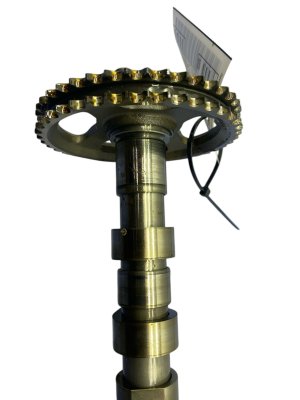
Used OEM Parts in Stock
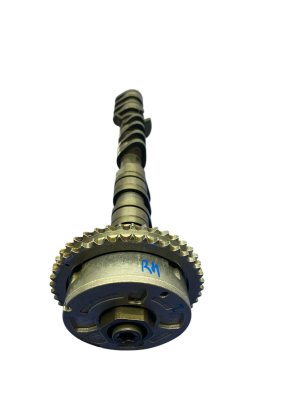
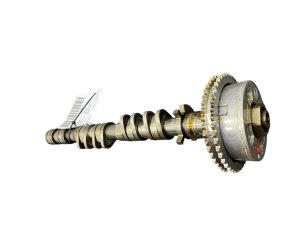
New Aftermarket Parts Available
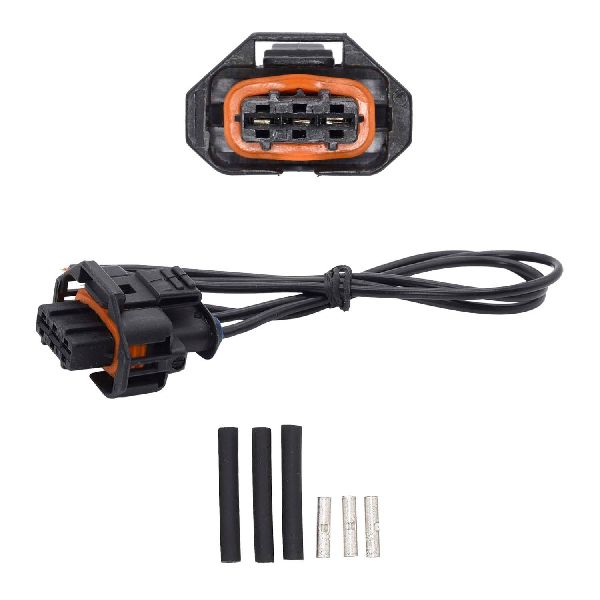
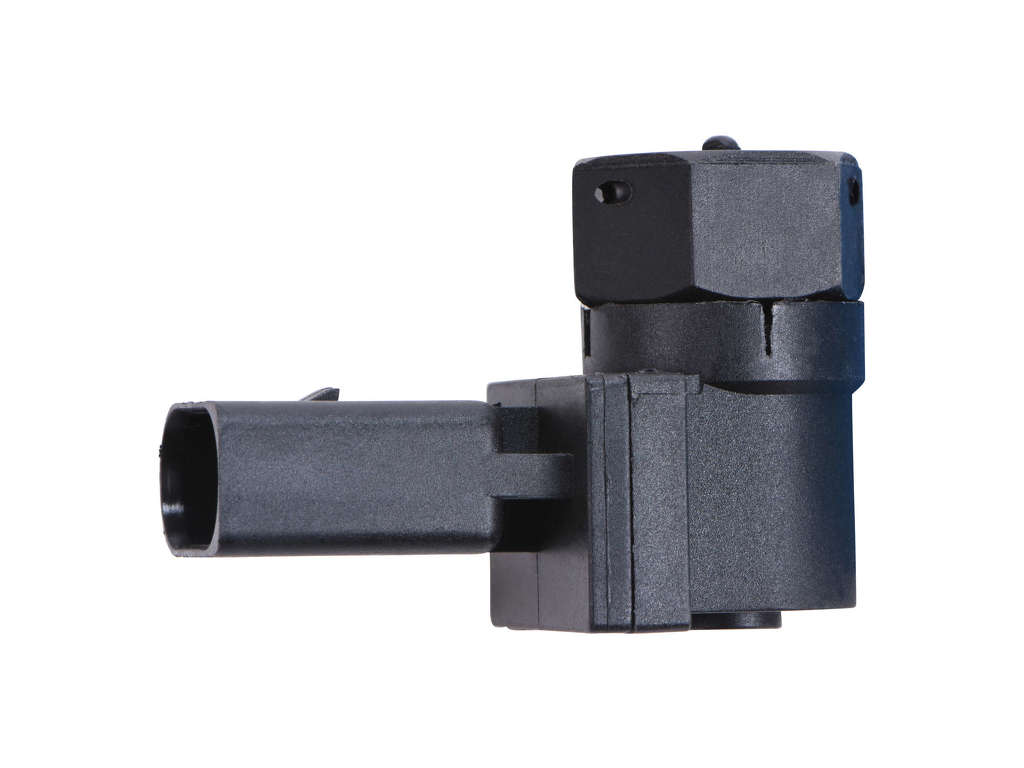

The information in this article is provided for general reference and educational purposes only. Vehicle specifications, procedures, and part compatibility can vary by production date, trim level, and region. Always consult your vehicle's factory service manual and verify part numbers before purchasing or performing repairs. Safety-critical components such as airbags, seat belts, and braking systems should be installed by a qualified professional.
- Porsche 911:
- 🧭 Diagnostic Flowchart
- 🎬 Helpful Videos
- 🛍️ Shop This Part
- What's Unique About the 2011-2019 Porsche 911
- Symptoms You May Notice
- Most Likely Causes
- Rare But Worth Checking
- Diagnosis Steps
- Parts You'll Likely Need
- Related Codes That Often Appear With This One
- Platform-Specific Known Issues
- Mechanic-Grade Diagnostic Values
- Scan Tool Commands That Help
- Wiring & Ground Locations
- Real Owner Repair Stories
- When the Usual Fixes Don't Work
- OEM Part Supersession History
- Model Year Variations Within This Range
- Other Known Issues on This Vehicle
- Used vs. New Parts: Buying Guide for This Vehicle
- Real Owner Stories
- Porsche 996 (similar engine architecture)
- Related OBD-II Codes
- Frequently Asked Questions
- 🎟️ Get 5% Off